Heavy Cream in Europe: What It's Called and Which Cream to Buy
What Is Smetana? Czech Cream vs Russian Sour Cream vs Crème Fraîche
Updated Nov 18, 2026
Smetana means cream, but which cream depends on the language: in Czech, plain smetana is usually sweet cream, and sour cream is zakysaná smetana, while in Russian and most Polish recipes smetana is sour cream. Get it wrong and a Czech cream sauce turns sour or a Russian borscht topping turns runny. Here is how to tell which one a recipe means, and what to buy in a US or UK store.
The word smetana exists in Czech, Russian (сметана), Polish (śmietana) and other Slavic languages; Slovak has the close cousin smotana. It goes back to an old Slavic verb usually glossed as to remove or take off: the cream taken off the top of the milk. Over time, languages split on which cream the word points to.
Czech (and Slovak smotana): smetana on its own is the general word for cream. A recipe has to say zakysaná (soured) if it wants sour cream.
Russian: smetana is sour cream. Fresh cream is a different word, slivki.
Polish: śmietana in a recipe usually means sour cream, while sweet cream is more often labeled śmietanka. Producers do not use the names consistently, so read the fat percentage too.
So the same word on a recipe card can mean the cream you whip for a cake or the sour cream you spoon onto soup.
Czech law (Decree 397/2016) sets minimum fat for cream: at least 10% for smetana, at least 30% for smetana ke šlehání (whipping cream) and at least 35% for high-fat cream. In practice you will see:
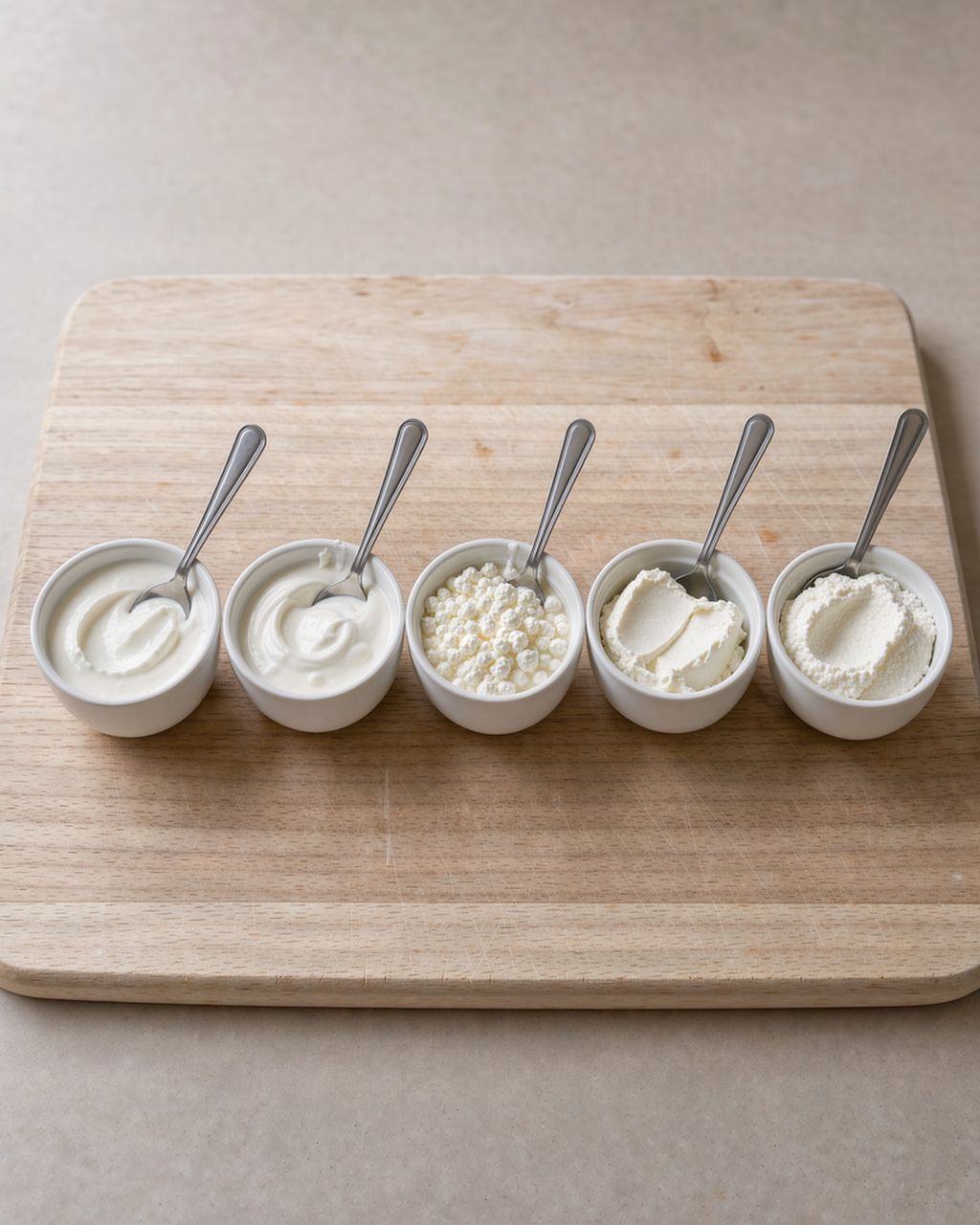
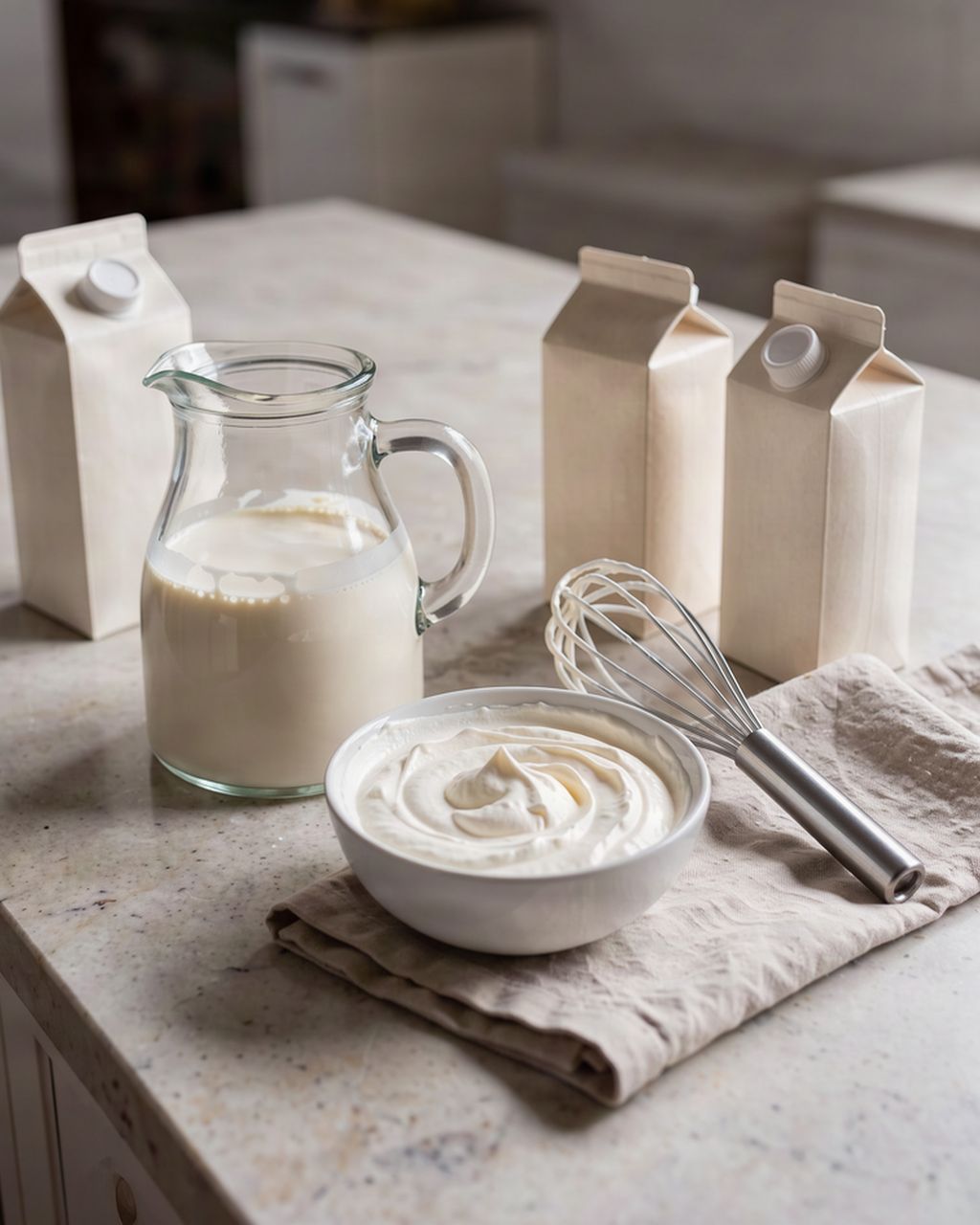
Smetana ke šlehání (whipping cream), usually 30–33% fat, often sold as 31% or 33%. Also called sladká smetana (sweet cream) or casually šlehačka. Used for whipped cream, cake fillings and rich sauces. See 31% whipping cream.
Smetana na vaření (cooking cream), around 10–12% fat. For lighter sauces and soups. See 12% cooking cream.
Zakysaná smetana (sour cream), most often 12–18% fat, with some richer tubs. Czech law sets at least 10% for kysaná (soured) cream. See 15% sour cream.
Šlehačka on a menu or cake means whipped cream, ready to eat.
Czech zakysaná smetana is thinner and leaner than most US sour cream, which must have at least 18% milkfat under FDA rules.
Russian smetana is cultured cream: thick, tangy and sold in a wide range of fat levels. The Russian standard (GOST 31452-2012) sets a minimum of 10% fat, and stores sell everything from about 10% to 30% and above. It is spooned onto borscht, pelmeni and blini, and stirred into sauces.
Polish śmietana for soup and sauces is usually 12% or 18%. The 30–36% cartons, often labeled śmietanka, are the ones for whipping and cakes.
What this means for you: when a Russian or Polish recipe says smetana, buy sour cream or crème fraîche. If the recipe stirs it into something hot, pick the richest one you can find.
US sour cream: at least 18% milkfat by FDA standard. Thick and tangy. Good for topping; it can curdle if boiled.
UK soured cream: similar use, usually a little lighter. Check the label.
Crème fraîche: in France, cream must have at least 30% fat to be sold as crème; the thick, cultured kind is crème fraîche épaisse. Outside France, crème fraîche usually means this thick cultured cream. It is milder than sour cream and, thanks to the extra fat, it handles heat much better. There is no US legal standard for crème fraîche, so check the label.
Russian smetana: sour cream, anywhere from lean to as rich as crème fraîche.
Czech zakysaná smetana: sour cream, usually leaner than US sour cream.
Czech smetana ke šlehání: not sour at all. It is whipping cream.
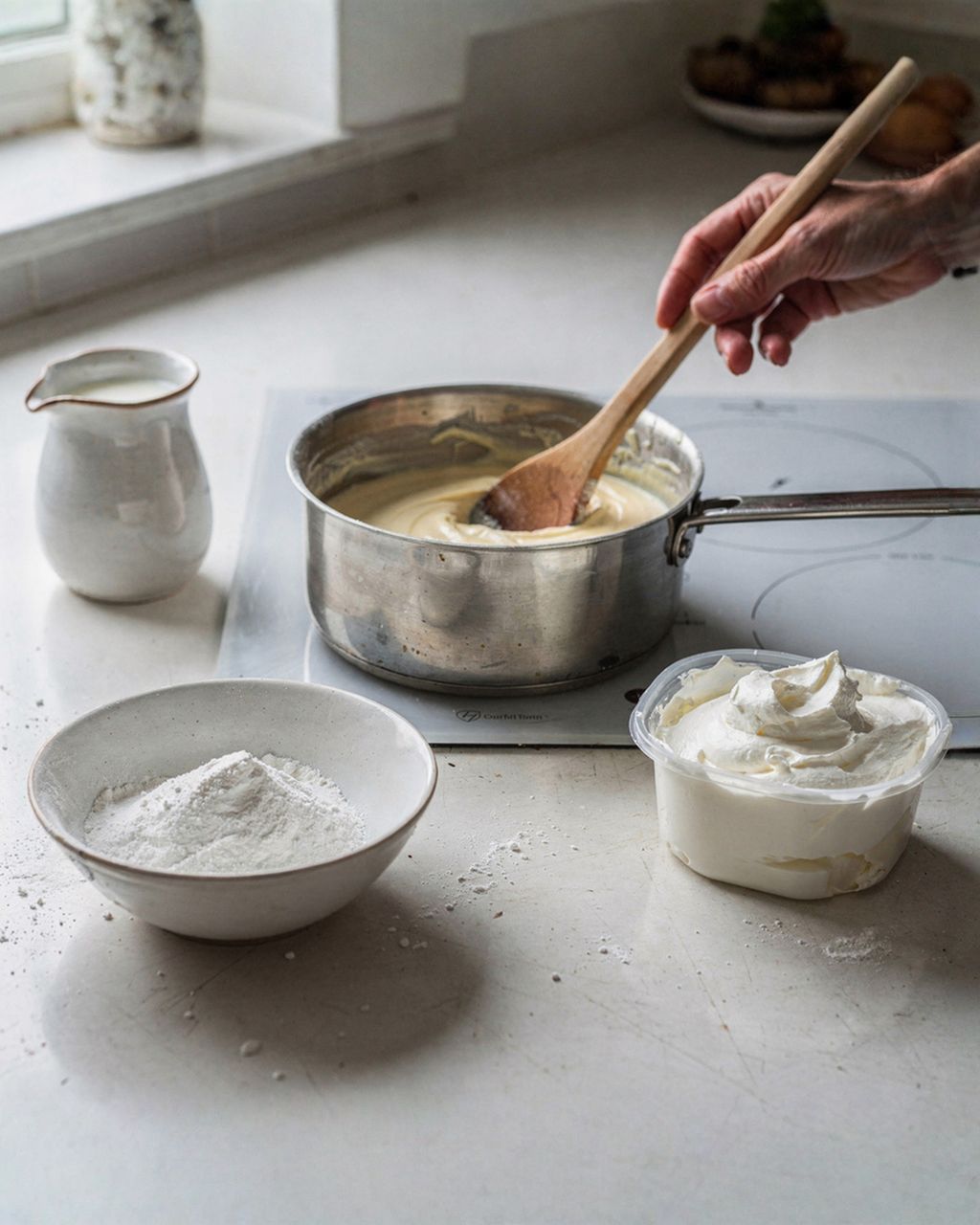
If you are adding sour cream to a hot sauce, temper it first with a little of the warm liquid and keep the sauce below a boil. Our guide to curdled cream sauce explains why.
Recipe of the week, one tip that saves you time and one deal from the shop. Unsubscribe in one click.
The next issue goes out on Thursday, November 26.
Work out the cuisine. Czech or Slovak? Smetana is probably cream. Russian, Ukrainian or Polish? Probably sour cream.
Look at what the recipe does with it. Whipped, poured over a cake, or simmered into a smooth, mild sauce: cream. Dolloped on soup, mixed into dough or dressing, or described as tangy: sour cream.
Read the adjectives. Czech sladká (sweet) or ke šlehání (for whipping) means cream. Czech zakysaná or kysaná means sour cream.
Buy by fat, using the matches below.
Czech smetana ke šlehání → US whipping cream (heavy cream is a little richer); UK whipping cream (double cream is richer, see below).
Czech smetana na vaření → US half-and-half; UK single cream (a little richer).
Czech zakysaná smetana → sour cream (UK soured cream). For hot sauces, crème fraîche is safer.
Russian or Polish smetana → sour cream, or crème fraîche for richness.
UK double cream has at least 48% fat, far more than Czech whipping cream. It whips fast and gives heavier sauces; some cooks thin it with a little milk.
Classic Czech recipes that use sweet cream (sladká smetana):
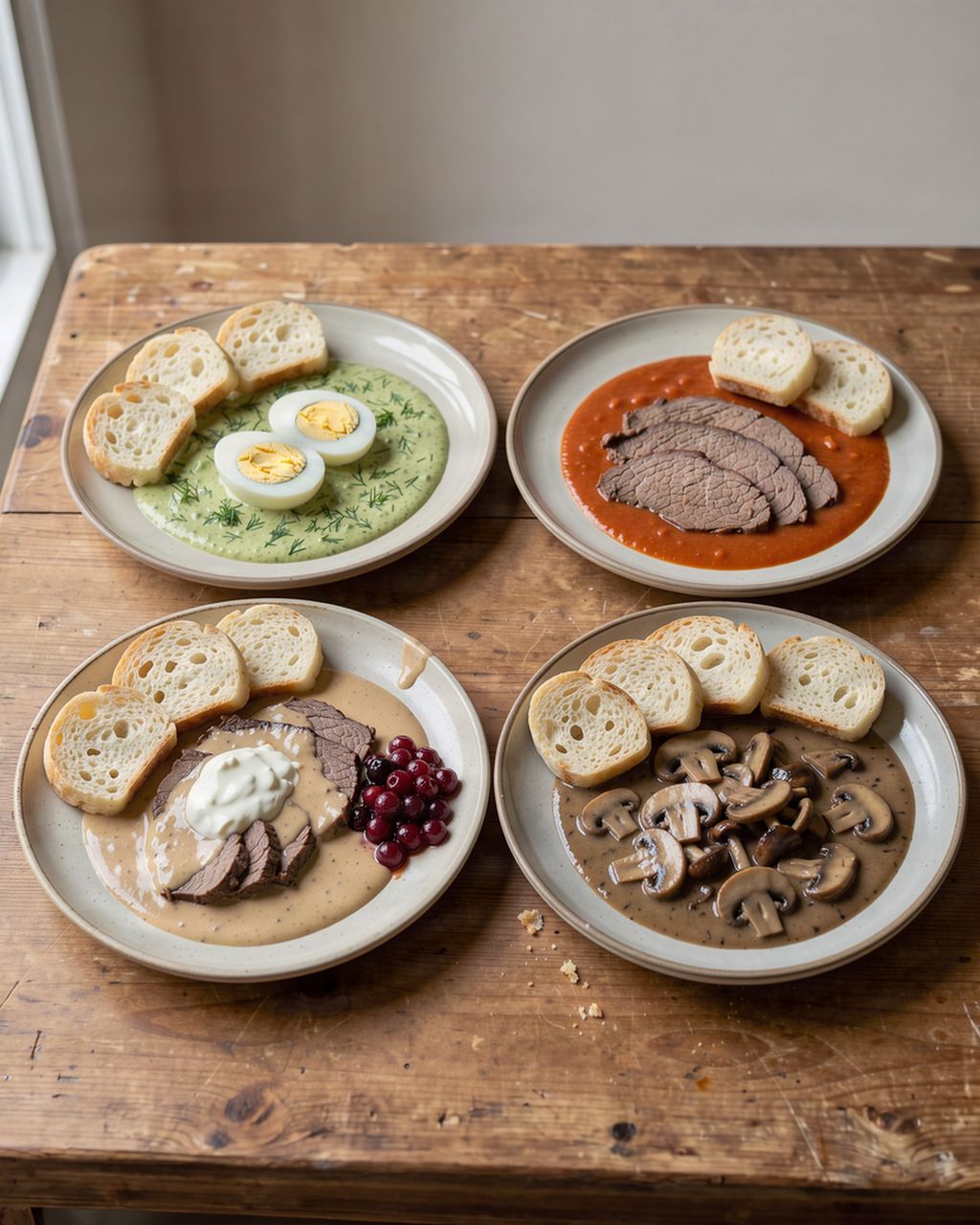
Svíčková na smetaně (beef sirloin in cream sauce): root-vegetable sauce finished with whipping cream, served with bread dumplings, whipped cream and cranberries. If yours turns out too sharp, see why svíčková sauce is sour.
Cream sauces and soups finished with cream rather than sour cream.
Cake fillings and toppings made from whipped cream.
Czech dishes that use soured cream (zakysaná smetana):
Koprová omáčka (dill sauce), in many family versions.
Cucumber salad with sour cream, and dips.
Baking, where sour cream softens doughs and batters.
Many Czech cooks also mix the two, so if a family recipe is unclear, ask whether the finished dish tastes mild and creamy or clearly sour.
In Czech recipes smetana usually means cream, and in Russian and most Polish recipes it means sour cream. Check the cuisine of the recipe, then the dish: a whipped topping or cream sauce means cream, a dollop on soup means sour cream.
In Russian, yes: smetana is sour cream, often richer than the US kind. In Czech, no: smetana alone means cream, and sour cream is zakysaná smetana.
Sladká smetana means sweet cream, that is, fresh cream that has not been soured. In Czech shops it comes as smetana ke šlehání (whipping cream, usually 30–33% fat) and lighter cooking cream (about 10–12%).
Yes, crème fraîche is a good stand-in for Russian smetana and for Czech zakysaná smetana in hot dishes. It is richer and less likely to curdle when heated, and milder in sourness.
Buy heavy cream or whipping cream (UK: whipping or double cream). Svíčková sauce is made with sweet cream, not sour cream; the tang comes from vinegar, lemon and the vegetables.
One recipe worth heating the oven for, one tip, and one deal from the shop. Nothing else.