The History of the Croissant: From the Kipferl to a French Icon
What Is a Rohlík? The Czech Crescent Roll vs Croissant and Kifli
Updated Nov 20, 2026
A rohlík is the everyday Czech white roll: a small, plain, slightly enriched wheat roll, rolled up from a triangle of dough into a crescent or stick shape. The standard one weighs about 43 g and costs a few Czech crowns, and Czechs eat it with butter, ham, cheese or jam, or with a sausage tucked inside. It is a cousin of the Austrian Kipferl and the Hungarian kifli, not a croissant.
Rohlík (pronounced roughly ROH-leek, plural rohlíky) is the plain white roll you find in every Czech bakery, supermarket and school bag. It is made from wheat flour, water, yeast, salt and a little fat, then rolled up from a flat triangle of dough so it comes out as a slightly curved stick with visible coils. It bakes to a thin golden crust and a soft, light crumb.
The everyday version is sold as tukový rohlík, fat roll, because of the bit of fat in the dough. A standard one weighs about 43 g. There are many variants:
Topped: with poppy seeds, salt, sesame or caraway.
Pivní rohlík (beer roll): longer and thinner, usually salted, made for snacking with beer.
Grain and rye rolls: darker versions, such as the rye-wheat dalamánek, which is a different shape.
The word comes from roh, horn, the same root as the Polish rogal. Our ingredient page on the Czech white roll has the nutrition figures.
Seasonal baking plans, tested recipes and kitchen tricks that save you time. Unsubscribe in one click.
Rohlík is bread for people who don't want to slice a loaf. It turns up at almost every meal:
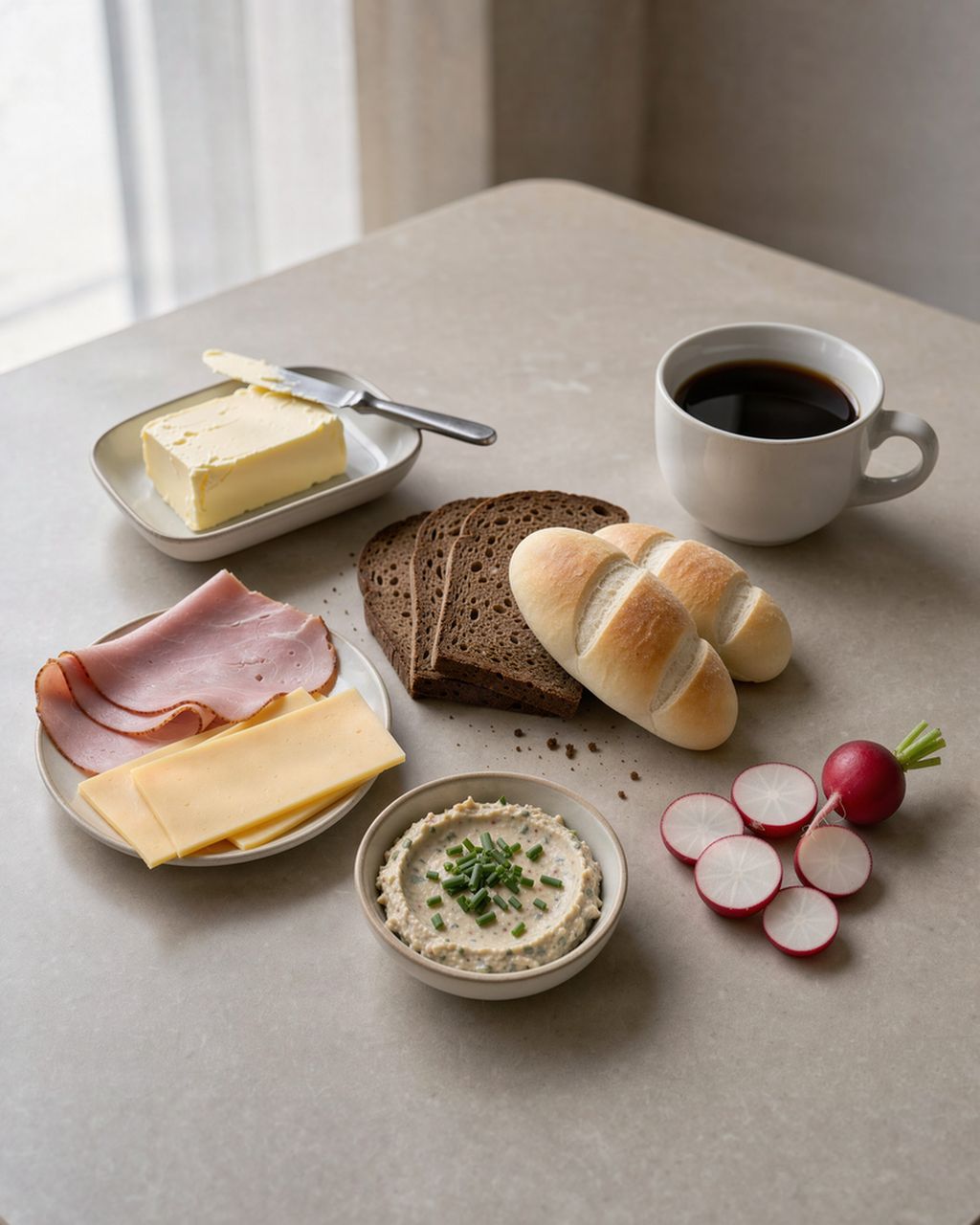
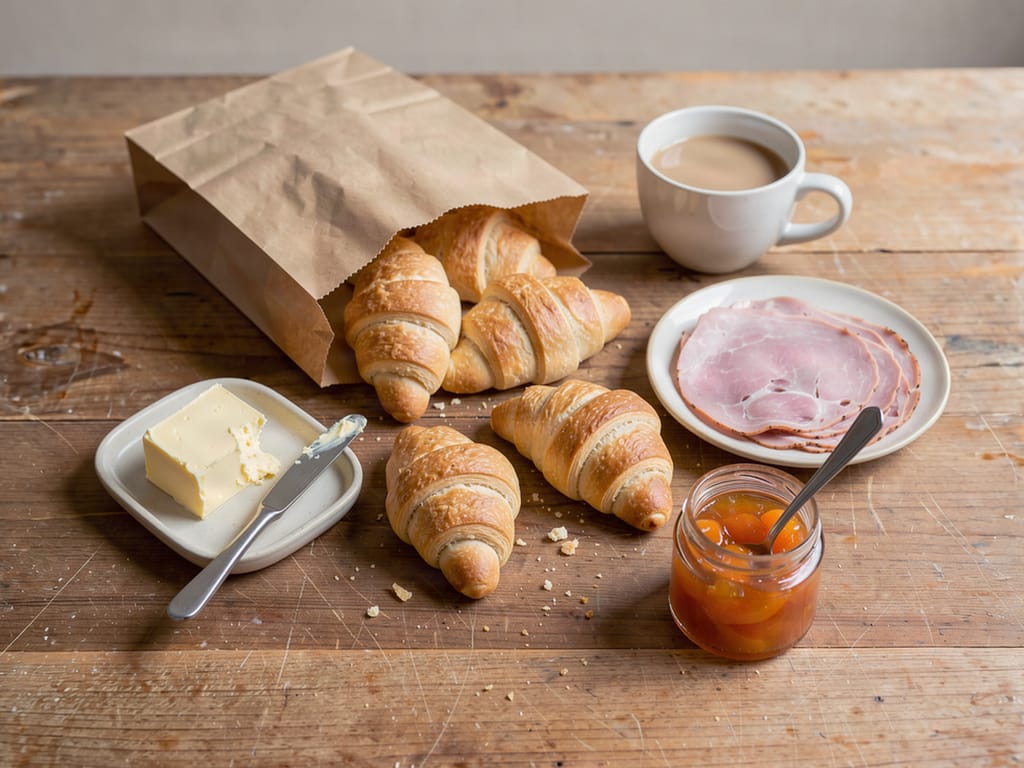
Breakfast: split and spread with butter, then honey, jam, ham, cheese or a spread, often with white coffee or cocoa.
Snack and school lunch: a buttered rohlík with ham or cheese, wrapped in a napkin.
Párek v rohlíku: the Czech hot dog. Instead of being split, the roll is pushed onto a hot spike to make a tunnel, filled with mustard or ketchup, and a sausage slides in.
With soup or goulash, torn into pieces.
As an ingredient: stale rohlíky are cubed for bread dumplings, soaked for sweet bakes such as žemlovka (an apple bread pudding) or grated into breadcrumbs.
If you are cooking from a Czech recipe that calls for 3 rohlíky, plan on about 130 g of plain white roll or bread. For using up stale bread in a sweet bake, see our guide to žemlovka and bread pudding from leftovers.
The price of a rohlík is something Czechs watch the way Americans watch gas prices. Because everyone buys it, a change of a few hellers (haléře, hundredths of a crown) makes the news.
Some reference points, with sources in our notes:
Late 2026: a Czech consumer site's price check in October 2026 found a standard 43 g rohlík at 2.90 Kč at most supermarket chains, while some chains charged more, Albert as much as 3.50 Kč.
2021: rolls typically sold for about 1.90 Kč, and one discount chain cut the price to 1.50 Kč, which bakers criticized as undervaluing their work.
Communist era: older Czechs remember the roll costing well under one crown. Price tables republished in Czech media put wheat bakery goods at 6.67 Kčs per kilo in 1989, which is roughly 30 hellers for a 43 g roll.
In US terms, a rohlík still costs only a small fraction of a dollar. Exchange rates move, so we won't give an exact figure.
They share a crescent shape and a family tree, but they are three different things:
Rohlík (Czech): a plain, lean-ish yeast roll, eaten like bread. Soft crumb, thin crust, no layers.
Kifli (Hungarian) and Kipferl (Austrian): the same family as rohlík. The word Kipferl appears in Vienna as early as the 13th century, and the plain bread kind is very close to a rohlík. The same names are also used for sweet pastries and cookies, such as vanilla crescents.
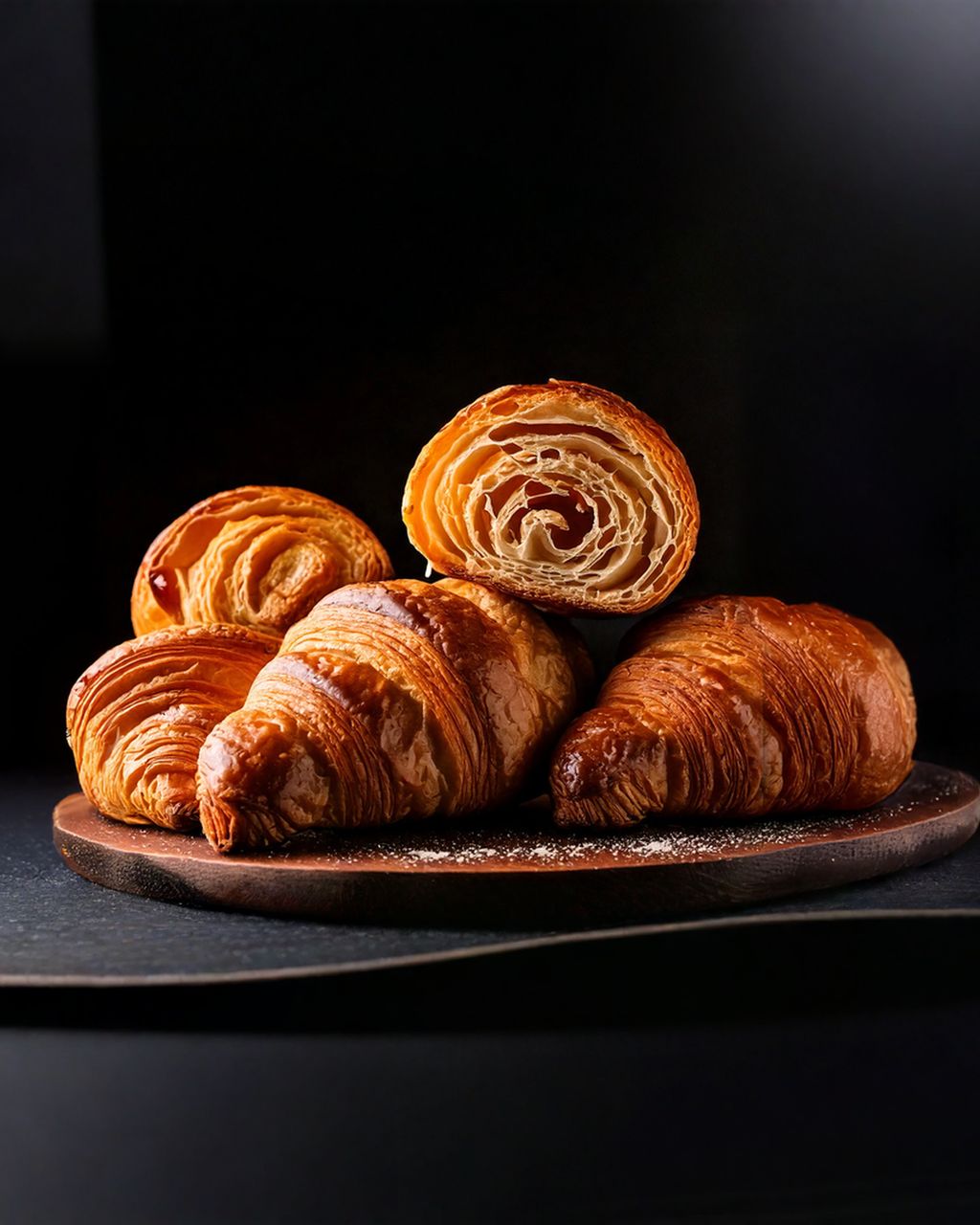
Croissant (French): made from laminated dough, with butter folded into the dough in many thin layers, so it bakes flaky and rich. It is generally traced to Viennese bakers in 19th-century Paris, who sold the Kipferl there, and the laminated version appears in French recipes from the early 20th century.
You may read that the crescent roll was invented in Vienna in 1683 to celebrate victory over the Ottoman army. It is a popular legend, but there are no contemporary sources for it.
One more crescent to know: vanilkové rohlíčky, little vanilla crescents, are a Czech Christmas cookie made from a nut shortbread dough. They share the name, not the recipe.
Outside Central Europe, look for a plain, soft white roll with a thin crust and no sugar glaze:
Polish or Hungarian bakeries: ask for rogal or kifli. They are the closest match.
Soft white dinner rolls or small sub rolls: similar crumb, a bit sweeter and softer in the US.
A mini baguette: crustier and chewier, but fine for a Czech-style breakfast or a sandwich.
Avoid croissants and crescent-roll dough in a can when a Czech recipe asks for rohlíky. They are much richer and will go greasy in dumplings or bread puddings.
Rohlíky go stale within a day, which is why Czechs buy them fresh every morning. They freeze well. To bring frozen rolls back, see our guide on how to thaw bread and rolls so they stay crusty.
Rohlik.cz is the Czech online grocer founded in Prague in 2014, and it shares its name with the roll, the humblest item in any Czech shopping basket. Its Hungarian service is called Kifli.hu, after the Hungarian word for the same roll. If you search for rohlík and get a delivery app, that is why.
A rohlík is a Czech crescent roll, a small plain white wheat roll shaped by rolling up a triangle of dough. The word comes from roh, horn, and the same roll is called a Kipferl in Austria and a kifli in Hungary.
No, a rohlík is not a croissant. A croissant is made from laminated, butter-layered dough and is flaky, while a rohlík is a plain yeast roll with a little fat in the dough and a soft, bread-like crumb.
A standard Czech rohlík weighs about 43 g. Bakeries also sell larger rolls, longer beer rolls and versions topped with poppy seeds, salt or caraway, so check the label when a recipe counts rolls.
In late October 2026 a standard 43 g rohlík cost 2.90 Kč in most Czech supermarket chains. A few chains charged more, up to 3.50 Kč at Albert. Prices change often, and Czech media follow every change closely.
Rohlik.cz, the Czech online grocer founded in 2014, has the same name as the roll, the most ordinary thing in a Czech shopping basket. Its Hungarian sister service is called Kifli.hu, the Hungarian word for the same roll.
One recipe worth heating the oven for, one tip, and one deal from the shop. Nothing else.