Caraway Seeds: What They Taste Like, Caraway vs Cumin, and Substitutes
Czech Rye Bread: What Makes Czech Chléb Different, and What to Buy Abroad
Updated Nov 20, 2026
Czech everyday bread is a mixed wheat and rye sourdough loaf, usually flavored with caraway, with a thick crust and a moist, slightly sour crumb. By Czech law the common wheat-rye loaf is at least half wheat, so it is lighter than German or Scandinavian rye bread. Abroad, the closest match is a caraway deli rye or a German or Polish mixed rye loaf.
When Czechs say chléb (bread), they mean one thing first: a large, crusty, round or oval loaf made from a mix of wheat and rye flour, raised with rye sourdough, usually helped along with yeast, and usually flavored with caraway. It is sold whole, in halves or sliced, and it is the bread on the table at breakfast, with soup and with dinner.
The official name of the most common type is pšenično-žitný chléb, wheat-rye bread. Czech food law (Decree 18/2020) defines it as bread with at least 50% wheat and more than 10% rye, counted as a share of all the flour. In practice, a typical caraway everyday loaf is often made with about 60% wheat and 40% rye. Our ingredient page on Czech wheat-rye bread has the nutrition figures.
There are other kinds on the shelf too:
Žitno-pšeničný chléb: rye-wheat bread, where rye is the larger share. Darker and denser.
Žitný chléb: rye bread, mostly or all rye. Heavier and more sour.
Kmínový on the label means with caraway, bez kmínu means without.
Recipe of the week, one tip that saves you time and one deal from the shop. Unsubscribe in one click.
The next issue goes out on Thursday, November 26.
Two names come up again and again in Czech shops:
Konzumní chléb, roughly everyday or standard bread. It is the plain, affordable wheat-rye loaf most families buy, usually with caraway. Think of it as the Czech default.
Šumava, which shares its name with the Šumava mountains (the Bohemian Forest) in south-west Bohemia. It is a popular style name used by several bakeries, rather than a single protected product. The ingredient lists we checked start with wheat flour, followed by rye flour or rye sourdough, salt and caraway, but the exact recipe and ratio change from bakery to bakery.
You will also see regional names, such as Kladenský or Hostivařský pecen (pecen means a round loaf). All of them sit in the same wheat-rye family.
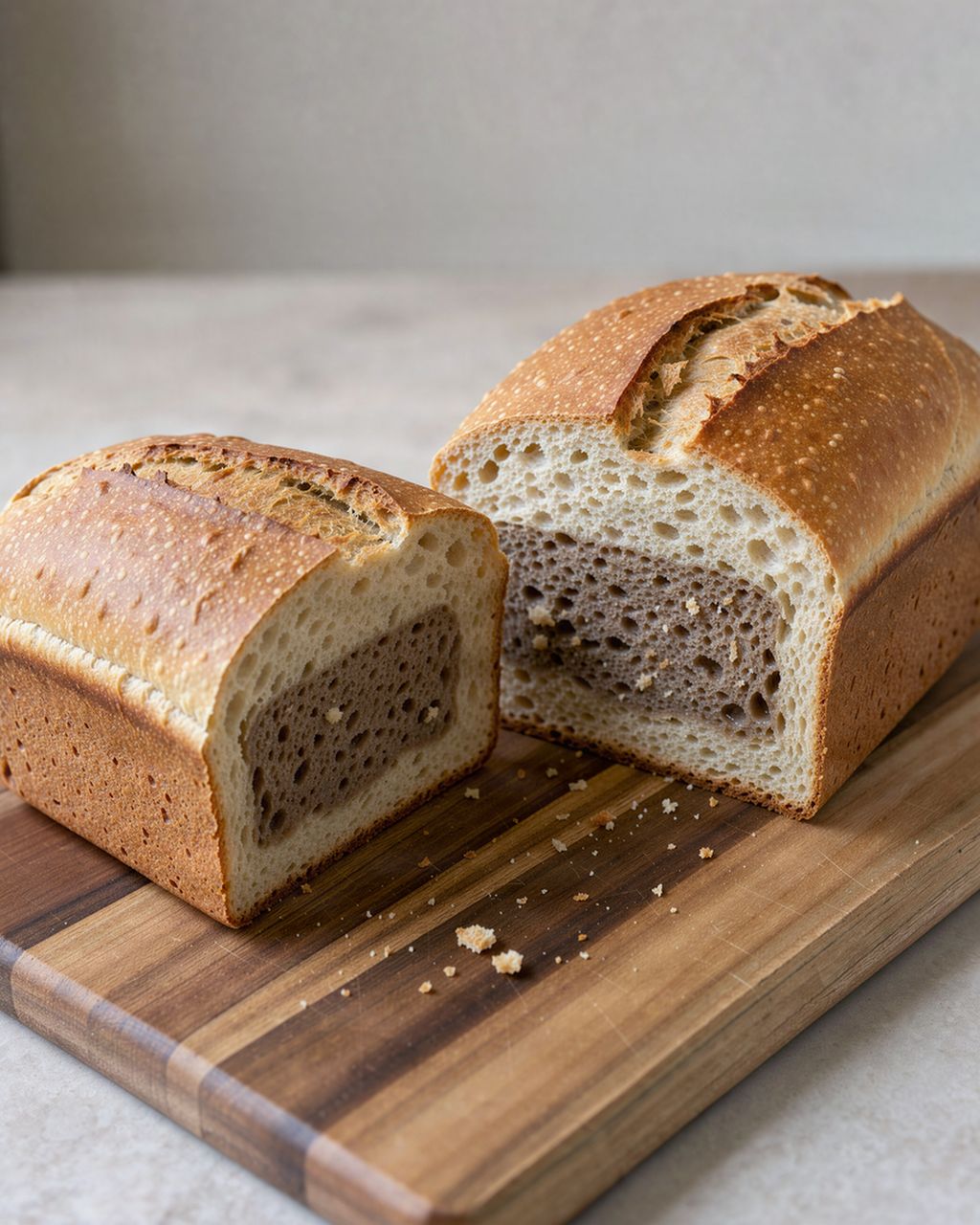
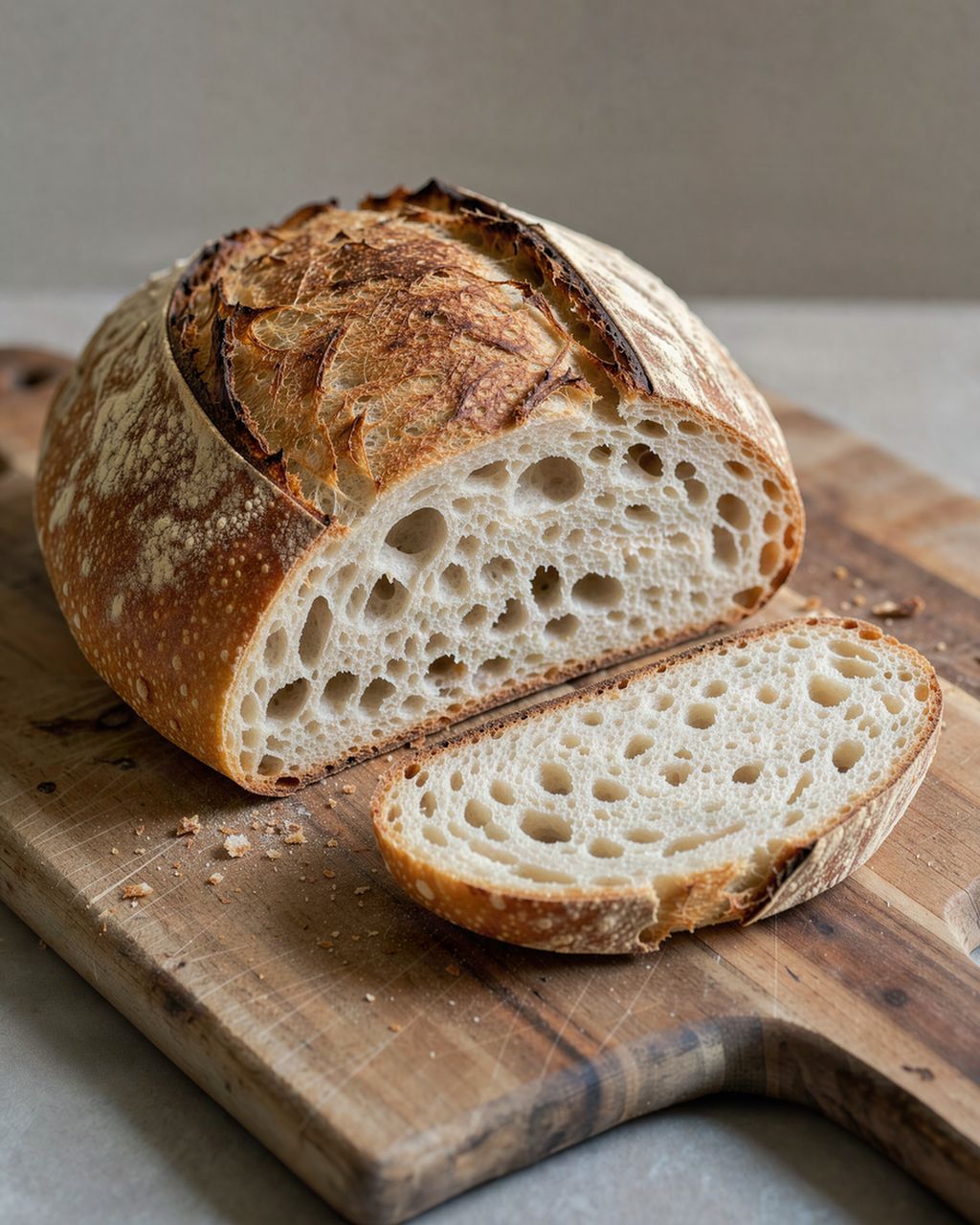
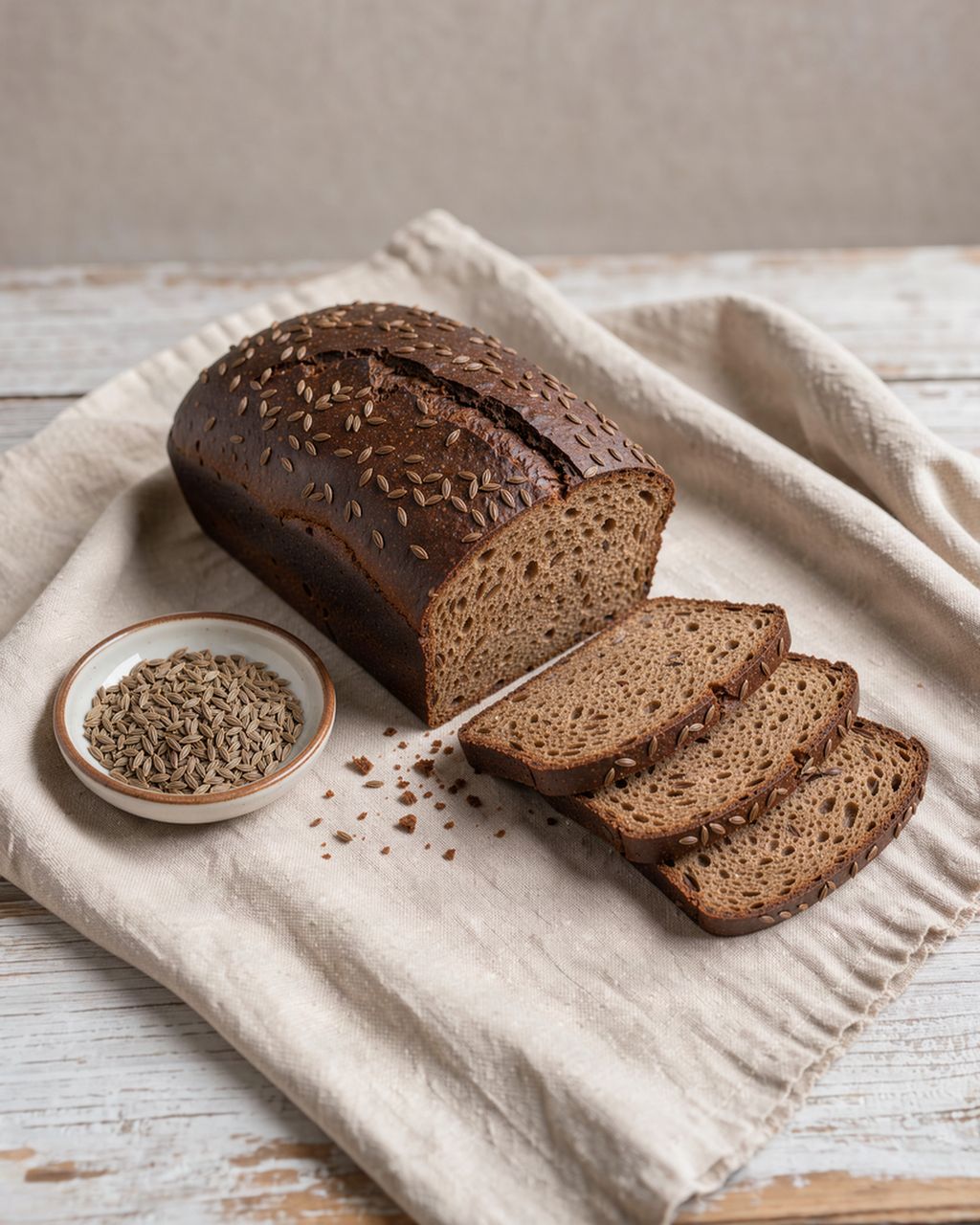
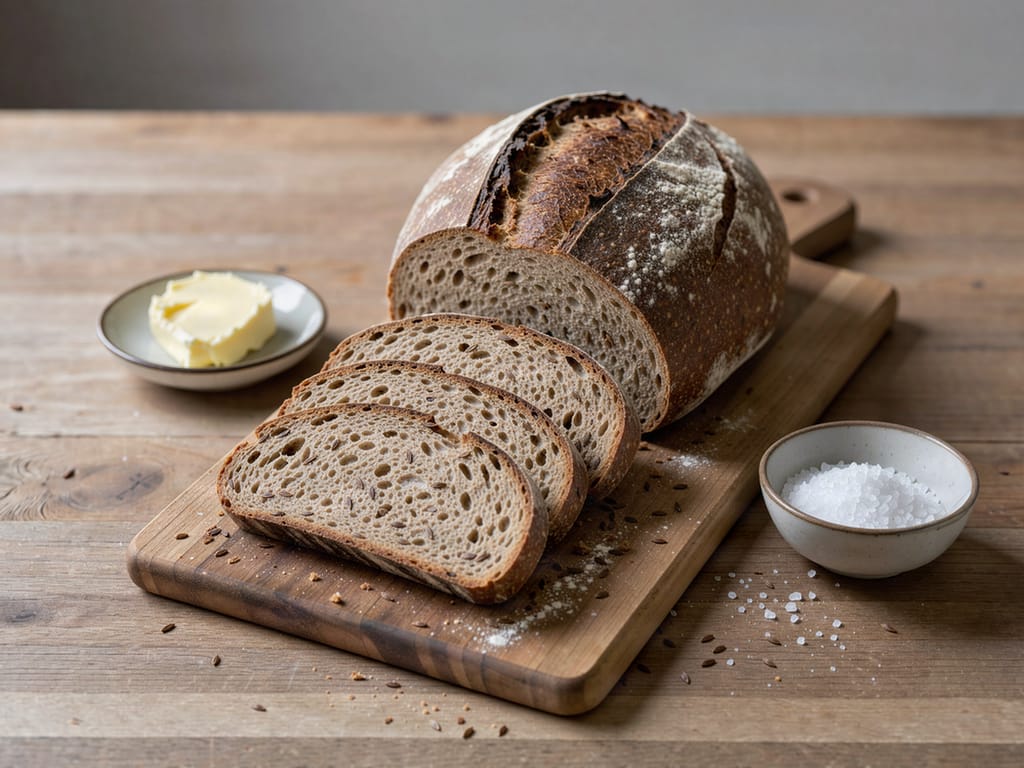
A good Czech loaf has a thick, dark, slightly chewy crust, often dusted with flour, and a moist, light-brown crumb with small, irregular holes. It tastes mildly sour from the rye sourdough, earthy from the rye, and warm and slightly anise-like from the caraway.
It is much lighter than a German Roggenbrot and nothing like a dense Scandinavian slab. It is also much sourer and heavier than an American sandwich loaf.
Czechs eat it in simple ways:
With butter and salt, or with butter and chives.
With lard and onion: chléb se sádlem, a pub and home classic.
As topinky: slices fried in a pan until crisp and rubbed with raw garlic.
With soup and goulash, to mop up the sauce.
Open sandwiches with spreads, cheese or ham.
The big difference is how much rye goes in.
Czech wheat-rye bread: at least half wheat by law, typically around 60:40 wheat to rye. Rye sourdough, caraway, open crumb, thick crust.
German rye breads: Germany's official bread guidelines sort loaves by flour. Roggenbrot (rye bread) is at least 90% rye. Roggenmischbrot (rye mixed bread) is more than 50% but less than 90% rye. Weizenmischbrot (wheat mixed bread) is more than 50% but less than 90% wheat, which is where the Czech everyday loaf would fit.
Danish rugbrød: very dense and dark, made with wholemeal rye and often whole grains and seeds, baked in a tin and sliced thin for open sandwiches.
Finnish ruisleipä: a dark whole-grain rye sourdough, usually without sweetness or caraway.
Swedish rye bread: a broad family, often sweetened with syrup and sometimes spiced.
American deli rye (Jewish rye): mostly wheat with some rye, usually with caraway. Some is made with sourdough, and much commercial rye is not.
So if you have only eaten Danish rugbrød, a Czech loaf will feel light and airy. If you have only eaten American rye, it will taste sourer and more rustic.
In rough order of how close they get:
Polish, Lithuanian or other Central and Eastern European bakeries. Look for a mixed wheat-rye sourdough loaf with caraway. This is often a very close match.
German bakeries: ask for Weizenmischbrot or a lighter Roggenmischbrot. Add caraway on the side if it has none.
A sourdough deli rye or Jewish rye with caraway. In the US this is the easiest to find. Choose a crusty loaf from a bakery over sliced supermarket rye.
A plain wheat sourdough if nothing else is available. You lose the rye and caraway, but you keep the sour crumb and crust.
Avoid pumpernickel or very dark seeded rye as a stand-in when a Czech recipe asks for bread, for example for topinky or bread soup. It is too dense and too sweet.
Yes, and many Czechs do. The outline is simple, even if it takes practice:
Starter: a rye sourdough starter. Our guide to sourdough starter shows how to make and feed one.
Flour: roughly 60 parts wheat bread flour to 40 parts rye flour, with the rye mostly coming in through the starter. Our page on rye bread flour explains what to look for.
Flavor: salt and whole caraway seeds, mixed into the dough.
Shaping and baking: a round or oval loaf, proofed in a floured basket, then baked hot with steam for a thick crust.
Rye dough is sticky and doesn't behave like wheat dough, so expect a few flat loaves at first. For baking times and how to tell when the loaf is done, see how long to bake bread and at what temperature.
Czech everyday bread is a mixed wheat and rye bread, not pure rye. The common loaf, called pšenično-žitný chléb, must contain at least 50% wheat and more than 10% rye by Czech law, and a typical recipe is about 60% wheat to 40% rye.
Konzumní chléb is the standard Czech everyday bread, a round or oval wheat-rye loaf leavened with rye sourdough, usually helped along with yeast, and often flavored with caraway. The name roughly means bread for everyday eating.
Šumava is the name of a popular Czech wheat-rye loaf. It shares its name with the Šumava mountains in south-west Bohemia. Several bakeries sell bread under this name, and their recipes differ, but they are all mixed wheat and rye loaves.
Czech bread has caraway because it is the traditional flavoring for rye bread across Central Europe, and its slightly anise-like taste suits the sour rye. Many Czech loaves are labeled kmínový, with caraway, and caraway-free loaves are sold too.
The closest thing to Czech bread in the US is a caraway deli rye or Jewish rye from a good bakery, ideally a sourdough one. Polish, Lithuanian and German bakeries often sell mixed rye loaves that are even closer.
One recipe worth heating the oven for, one tip, and one deal from the shop. Nothing else.