Semolina vs Cream of Wheat: What's the Difference and Can You Swap?
Semi-Coarse Flour: What Czech Polohrubá Mouka Is and What to Use Instead
Updated Nov 18, 2026
Semi-coarse flour (polohrubá mouka) is Czech wheat flour milled to a slightly gritty, granular texture, between fine hladká flour and coarse hrubá flour. US and UK shops do not grade flour by grind, so plain all-purpose flour is the usual stand-in, and a little fine farina or a granular flour brings you closer. Czech recipes name the grind because it changes how dough handles, especially in dumplings and yeast buns.
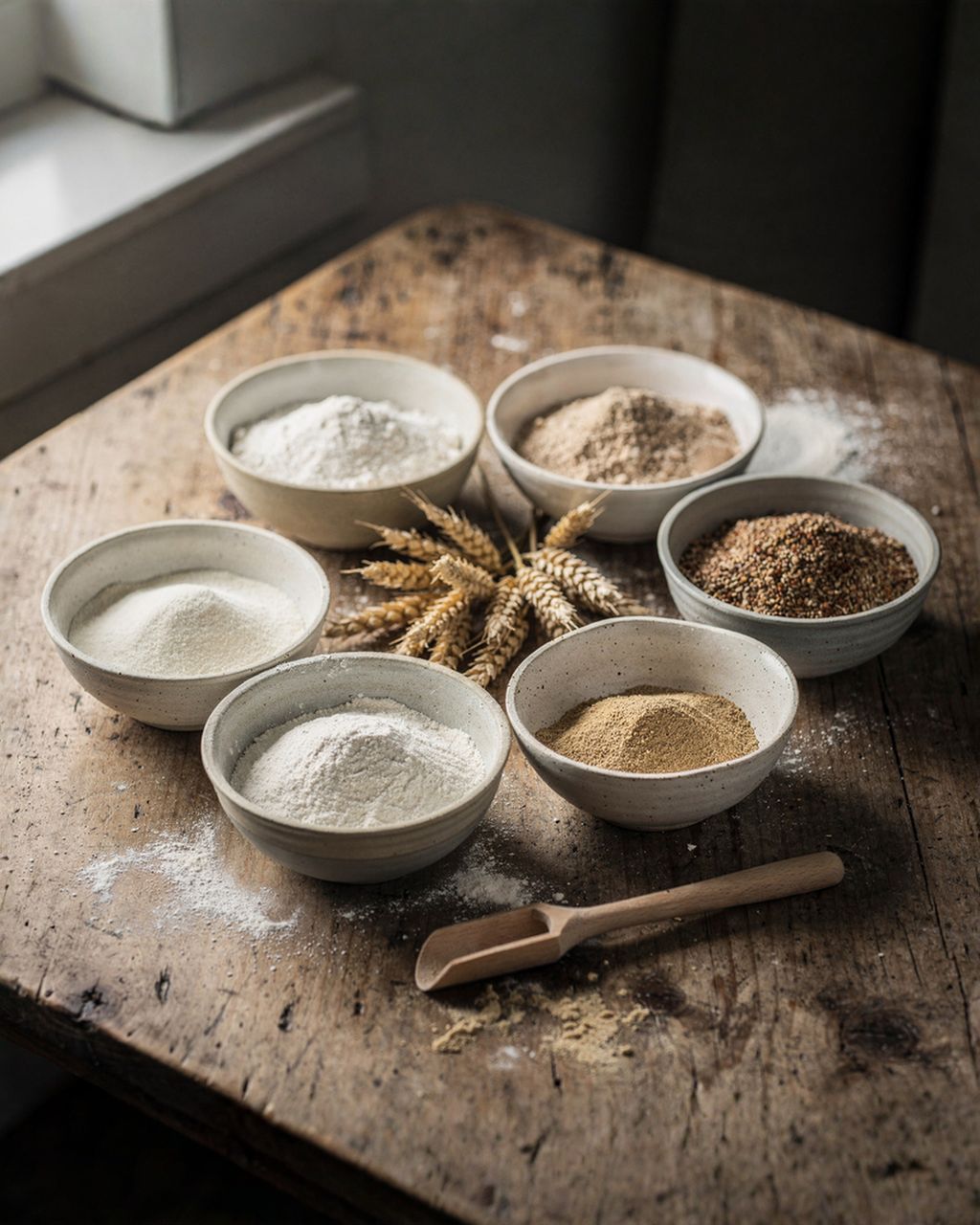
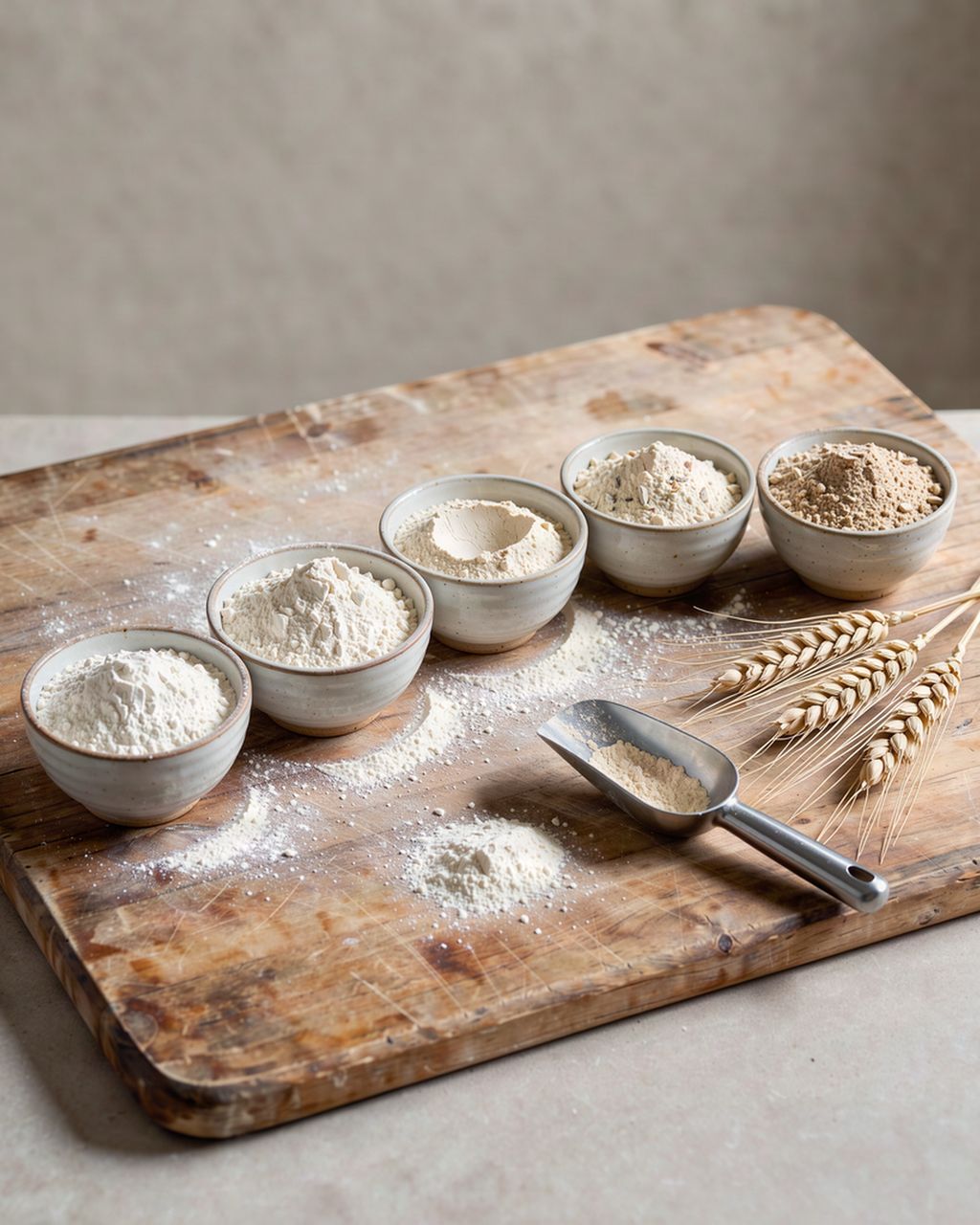
Walk into a Czech supermarket and the wheat flour shelf is sorted by how finely the flour is ground, not by protein or by a type number. There are three everyday grades:
Hladká (fine, literally smooth): soft and powdery, like US all-purpose or UK plain flour.
Polohrubá (semi-coarse): you can feel a slight grit between your fingers. See medium-fine wheat flour.
Hrubá (coarse): clearly granular, almost sandy, though still finer than semolina. See coarse wheat flour.
Czech law (Decree 18/2020) defines the grades by sieve. For fine flour, at least 96% must pass a 257 micrometer (µm) sieve and at least 75% must pass a 162 µm one. For semi-coarse, at least 96% passes 366 µm, and no more than 75% passes 162 µm. For coarse, at least 96% passes 485 µm, and no more than 15% passes 162 µm. In plain words: semi-coarse has a share of slightly larger particles, and coarse is made mostly of them.
Recipe of the week, one tip that saves you time and one deal from the shop. Unsubscribe in one click.
The next issue goes out on Thursday, November 26.
German, French and Italian flours carry numbers such as 405, T55 or 00. Those describe how much of the grain's outer layers stayed in the flour (measured as ash), not how fine it is. A Czech fine flour can be light, semi-light or bread flour, and the bag may show a number for that too.
So a type number will not tell you whether flour is semi-coarse. For how the numbers line up with Czech flour, see our guide to flour numbers explained.
Coarser particles take up water more slowly. Czech cooks rely on that: a dough made with semi-coarse or coarse flour feels less sticky at first, holds its shape and stays looser in texture. Fine flour soaks liquid up at once and gives a smoother, tighter dough.
Typical Czech uses, though families differ:
Hladká (fine): sauces and roux, sponge cakes, cookies, pancakes.
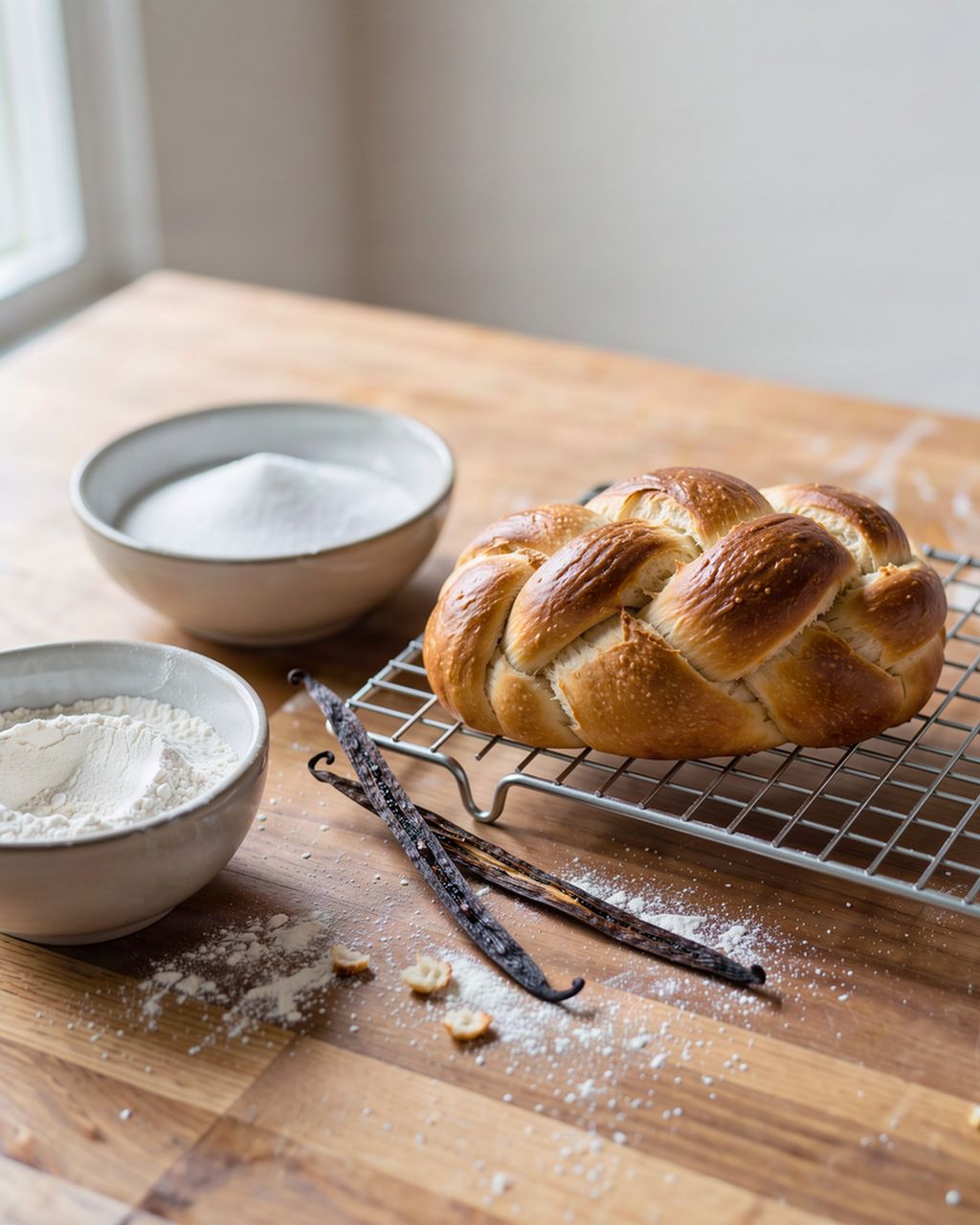
Polohrubá (semi-coarse): sweet yeast doughs for buchty (baked filled buns), koláče (kolache) and vánočka (Christmas braid), and bread dumplings. Our soft yeast dough for kolaches and flour for vánočka guides go into detail.
Hrubá (coarse): potato dough for dumplings and halušky, homemade noodles, and dusting a board.
Many Czech recipes also say polohrubá nebo hladká (semi-coarse or fine). That tells you the grind helps, but the recipe will still work without it.
US and UK supermarkets sell almost all wheat flour milled fine. Your options, from simplest to closest:
All-purpose flour (UK: plain flour), on its own. Works for most yeast doughs and buns. Hold back a little of the liquid and add it only if the dough is stiff, because fine flour absorbs faster.
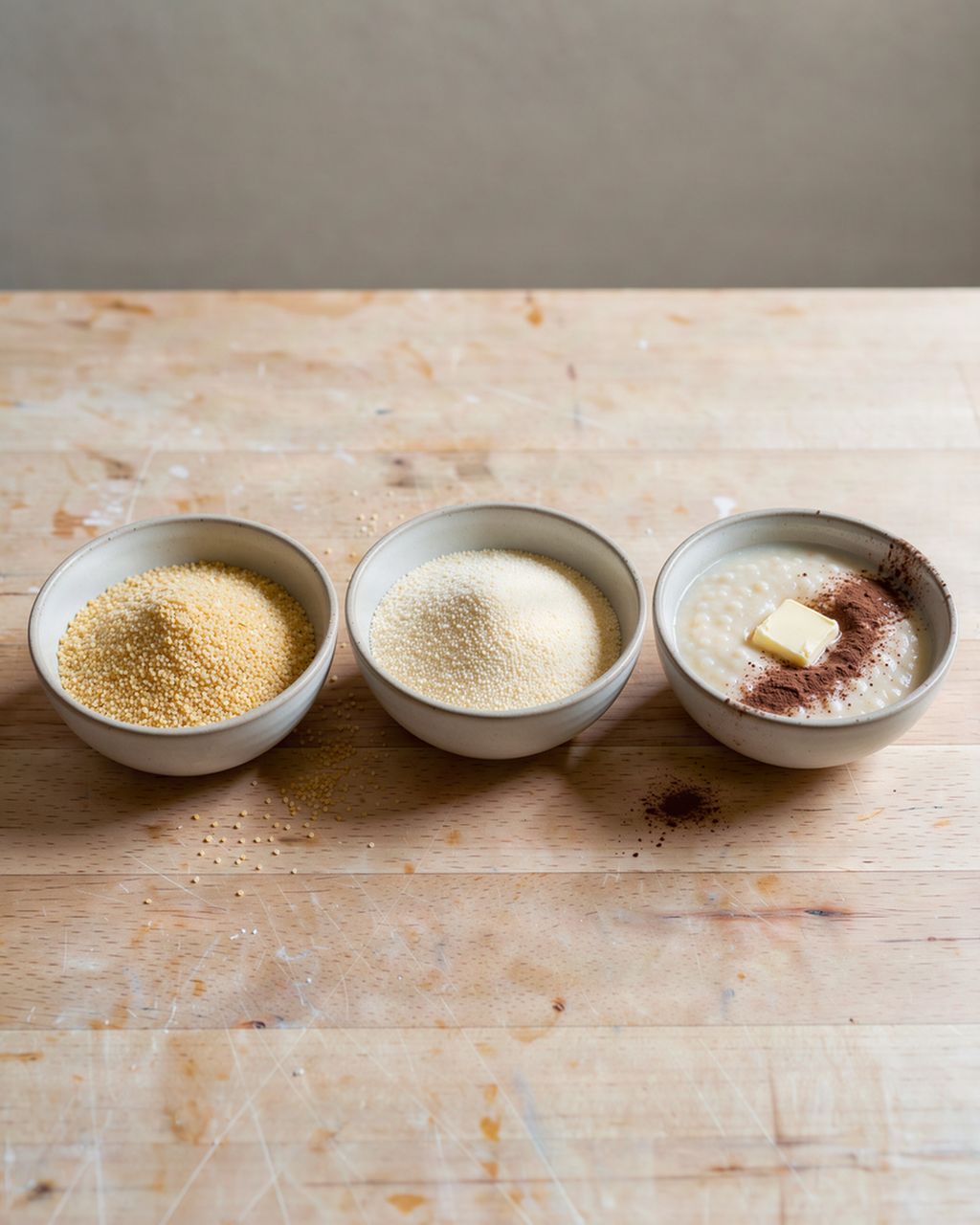
All-purpose flour plus fine farina. Farina is the granular wheat sold in the US as Cream of Wheat (the plain, uncooked kind). As a starting point, we suggest about 3 parts all-purpose flour to 1 part farina by weight for semi-coarse. Let the dough rest so the farina hydrates.
A coarser-milled flour from a European shop. Polish krupczatka, Austrian griffiges Mehl (in Germany the coarser doppelgriffiges Mehl is sold as Wiener Griessler) and Hungarian rétesliszt are all milled coarser than plain flour. They are not identical to Czech grades but behave much the same.
Weigh rather than measure by volume if you can. If your recipe is in cups, our live tool uses 125 g of all-purpose flour per US cup (236.6 ml) and 132 g per metric cup (250 ml); for other amounts use the cups and spoons to grams calculator.
Coarse flour matters most in potato doughs and noodles, where fine flour can make things gummy.
All-purpose flour plus more farina. For coarse flour, we suggest starting at about equal weights of all-purpose flour and fine farina, then adjusting to feel.
Wondra. This US quick-mixing flour has a fine, granular texture and dissolves without lumps. It is handy for dusting and for potato doughs. Like any flour it is raw, so always cook it through. For yeast doughs we would stick to all-purpose flour.
Fine semolina, with care. Semolina in US and UK shops is often made from durum wheat, which is harder and yellower than the soft-wheat krupice Czech cooks use. It adds bite, so use it as a small share of the mix, not all of it.
Whatever you use, the test is the same: the dough should be workable and only lightly tacky. Add flour a spoonful at a time rather than all at once.
For most baking, less than people fear. Buchty and kolache made with all-purpose flour are still very good, if a little softer and closer-textured. The difference shows more in dumplings: bread dumplings and potato dumplings made with only fine flour can turn dense or gluey, and that is where a granular mix pays off.
If you bake Czech recipes often, a bag of krupczatka or griffiges Mehl from a Polish or Central European shop is the easiest upgrade. If not, all-purpose flour plus a little farina covers almost everything.
There is no exact US equivalent; American flour is all milled fine. All-purpose flour works in most Czech recipes, and replacing part of it with fine farina gets closer to the semi-coarse texture.
Polohrubá mouka means semi-coarse flour, also translated as medium-fine or medium-coarse wheat flour. It is a Czech grind grade, not a protein or extraction type.
Yes, all-purpose flour is the simplest substitute for semi-coarse flour, and most yeast doughs turn out fine with it. Fine flour absorbs liquid faster, so start with slightly less liquid and add more if the dough is stiff.
No, semolina is coarser still and, in US and UK shops, is often made from durum wheat. Czech coarse flour (hrubá mouka) is common wheat milled to a fine grit, closer to a mix of flour and fine farina.
Look in Polish, Austrian or Hungarian food shops. Polish krupczatka, Austrian griffiges Mehl (or the coarser doppelgriffiges Mehl, sold in Germany as Wiener Griessler) and Hungarian rétesliszt are all coarser-milled wheat flours that come close.
One recipe worth heating the oven for, one tip, and one deal from the shop. Nothing else.