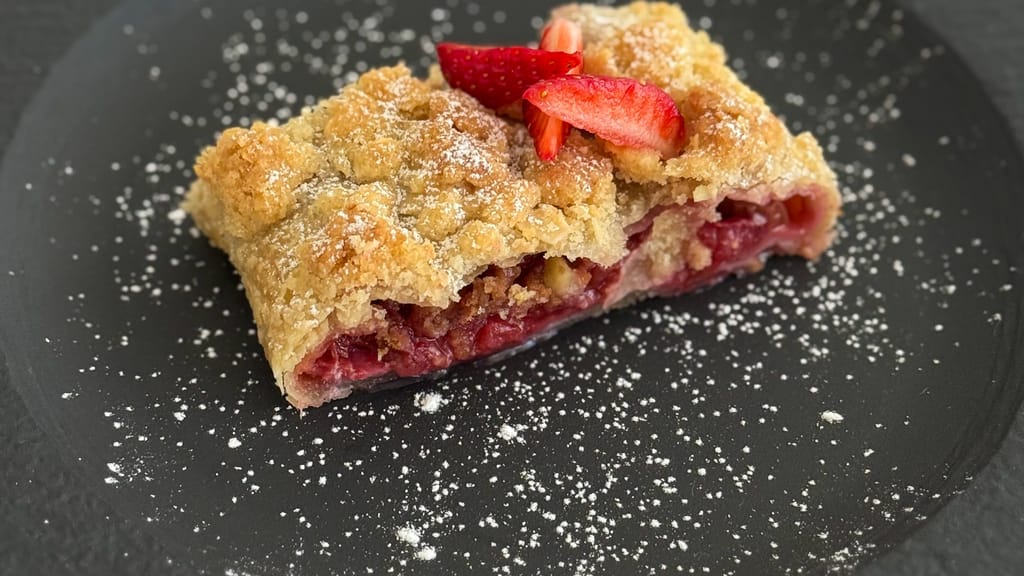
Strawberry-rhubarb strudel with buttery crumble
Rhubarb & Cinnamon Jam: Recipe, Ratios and Variations

Updated Jul 19, 2026
Rhubarb and cinnamon jam comes together from just four ingredients: rhubarb stalks, sugar, lemon and ground cinnamon. Cinnamon takes the edge off rhubarb's sharp tartness and gives the jam a warm, spiced undertone — and you don't need any fancy equipment to make it. In this article you'll find the basic ratio of ingredients, a reliable set test, one important note on safe harvesting, and a whole range of variations: with cinnamon, with strawberries, with ginger, and even sugar-free.
To make rhubarb and cinnamon jam, you'll need 1 kg rhubarb stalks, 500–700 g sugar, the juice of one lemon and 1 teaspoon of ground cinnamon — simmer until soft, until a drop holds its shape on a cold plate. This quantity makes roughly three to four small jars.
One thing worth knowing upfront: rhubarb is naturally low in pectin, so without a helping hand your jam will stay runny. That's why it's worth using either jam sugar (in a 2:1 or 3:1 ratio), a dose of standard pectin, or at the very least lemon juice — it helps the set and brightens up the flavour at the same time.
1 kg rhubarb – stalks only, trimmed and cut into roughly 2 cm pieces
500–700 g sugar – granulated, or jam sugar 2:1 / 3:1 for a more reliable set
1 lemon – both juice and grated zest, for freshness and to help with gelling
1 teaspoon ground cinnamon – or 1 cinnamon stick, simmered with the mixture
1 teaspoon vanilla extract – optional, for a rounder flavour
Prepare the rhubarb. Wash the stalks, trim the ends and cut into roughly 2 cm pieces. Young spring rhubarb doesn't need peeling; with thicker, older stalks, strip off the coarser fibres.
Toss with sugar and leave to sit. Mix the rhubarb with the sugar and leave for at least an hour (or overnight in the fridge) to draw out the juices. This saves you both water and cooking time.
Simmer. Bring to the boil, then reduce the heat and let it bubble gently for 30–40 minutes. Stir occasionally and skim off any foam.
Test for setting.Drop a little jam onto a cold plate straight from the freezer: if it wrinkles and doesn't run when you nudge it with your finger after a few seconds, it's ready. If you have a thermometer, aim for 104–105°C.
Finish it off. Stir in the lemon juice, zest, cinnamon and vanilla if using, and simmer for another 5 minutes. Fish out the cinnamon stick now, if you used one.
Fill the jars. Ladle the hot jam into sterilised jars, filling almost to the top, seal with lids, then turn upside down for a few minutes to create a vacuum seal.

For 1 kg of rhubarb, use 1–2 teaspoons of ground cinnamon, or one cinnamon stick, which you fish out after cooking. Ground cinnamon gives a bolder, richer flavour; a stick lends a subtler, more aromatic undertone without any gritty texture. Start with less rather than more — cinnamon can easily overpower rhubarb's delicate flavour.
Cinnamon isn't the only option. Other spices work well in rhubarb jam too:
Ginger – fresh grated or a pinch of ground; a spicy kick that plays off the tartness
Vanilla – the seeds scraped from a single pod completely transform the flavour profile
Cardamom – an exotic, floral note; just a few crushed pods will do
Nutmeg – a pinch for warmth and depth
Cloves – just 1–2, or they'll dominate everything else
Add spices towards the end of cooking so they keep their aroma.
For strawberry and rhubarb jam, a 2:1 ratio in favour of strawberries works best — that is, two parts strawberries to one part rhubarb. The sweetness of the strawberries balances rhubarb's tartness, so neither flavour overpowers the other.
Choose strawberries that are ripe but still firm; local, in-season berries with a strong aroma work best. If fresh ones aren't available, good-quality frozen strawberries do the job too — just let them drain after thawing so they don't add too much extra liquid to the jam. Strawberries also contain even less pectin than rhubarb, so lemon juice or jam sugar are doubly useful here.
Strawberry-rhubarb strudel with buttery crumble
Rhubarb and strawberry strudel with buttery crumble – another way to combine strawberries and rhubarb
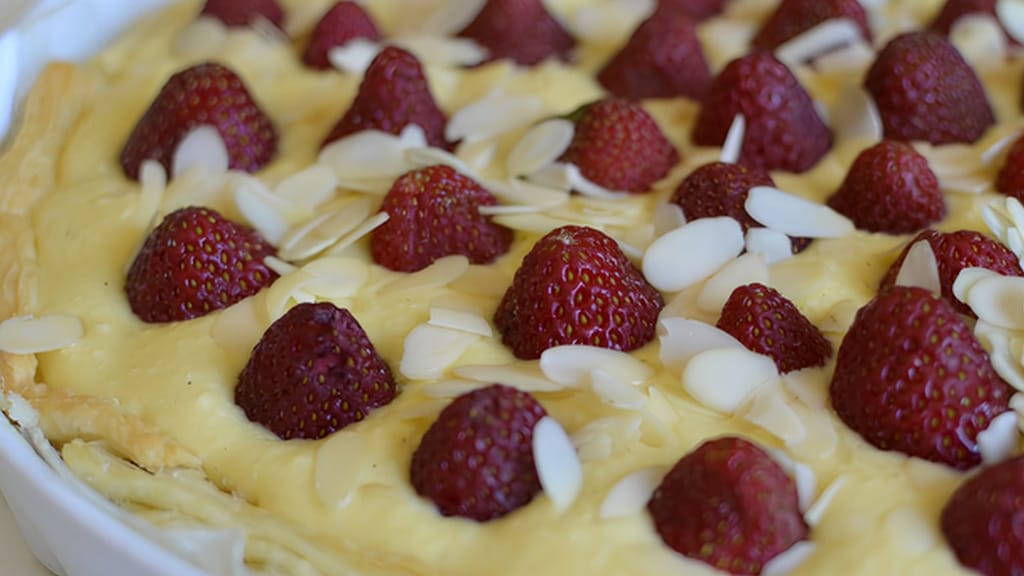
Strawberry rhubarb tart with almond flakes
Strawberry cake with rhubarb and flaked almonds
Rhubarb also pairs well with other fruit. Cherries add gentle sweetness and a deep ruby colour — pit them and add roughly in a 1:1 ratio with the rhubarb. Orange brings a citrus lift; use both the juice and grated zest, replacing part of the lemon, or even part of the rhubarb, with it. Both variations can take a little less sugar, since the fruit itself brings plenty of sweetness.
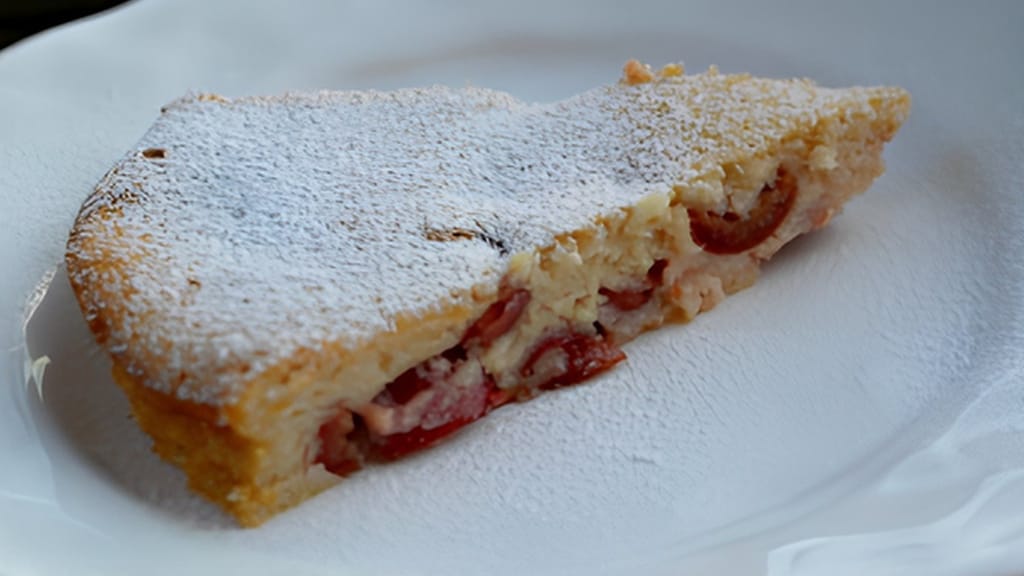
Delicious cherry cake
Delicious cherry cake – a great way to use up a cherry glut
You can make rhubarb jam without regular sugar, but expect two changes: you'll need to replace the missing sweetness with something else, and you'll need another way to help it set, since sugar normally helps with gelling too. Good sweetener options include honey, maple or agave syrup, and, among the calorie-free options, erythritol — according to manufacturers it doesn't ferment or raise blood sugar, but it won't help thicken the jam, so you'll need to sort out the texture separately.
Fruit with a higher natural sugar content, such as banana or pineapple, can also add natural sweetness. One thing worth noting: bromelain from pineapple, often mentioned for its digestive benefits, breaks down when cooked above roughly 70°C — so in a cooked jam it no longer plays any enzymatic role; treat it purely as a sweet ingredient.
For thickness without sugar, try:
Pectin (ideally low-methoxyl pectin, which sets even without sugar)
Chia seeds – a few spoonfuls stirred in near the end create a jammy, gel-like texture without any lengthy cooking
Lemon juice – adds pectin and freshness at the same time
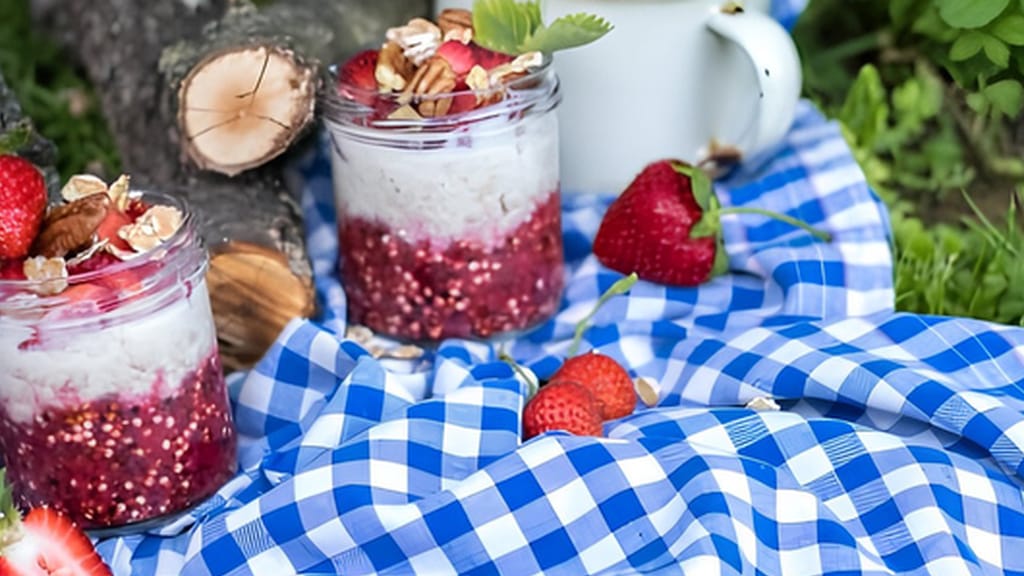
Breakfast with strawberry chia jam
Strawberry chia jam breakfast bowl – how to thicken jam with chia seeds, no refined sugar needed
Mint and ginger take a classic rhubarb jam somewhere completely different. Mint adds a refreshing, summery note and softens the tartness — finely chop a few fresh leaves and stir them in right at the end of cooking, otherwise they'll turn bitter and lose their freshness. Ginger, on the other hand, adds a spicy warmth: grate fresh ginger straight into the pot, or add dried ginger with the sugar at the start.
If you're feeling adventurous, try combining mint and ginger — start with small amounts of both and adjust gradually so neither flavour overwhelms the other. If you like your preserves with a bit more heat, sweet-and-spicy chilli jams are worth trying too.

Chilli marmalade
Chilli jam – inspiration for a sweet-and-spicy preserve
Store jam in vacuum-sealed jars somewhere cool and dark; kept this way, it'll easily last a year. Once opened, keep it in the fridge and use it up within a few weeks. Sugar-free jams or those made with chia seeds don't keep as long — treat them more like a fresh preserve to use within a few days in the fridge, or freeze in portions instead.
And what to do with it? The classics are on toast and with pancakes, but it also works brilliantly as a filling for cakes and buns, or stirred through a bowl of yoghurt.
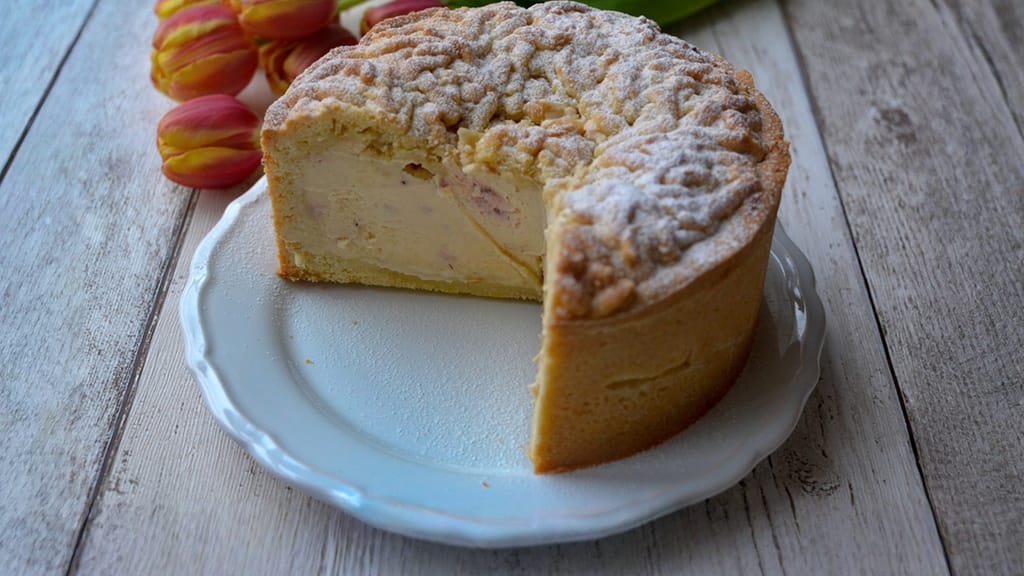
Rhubarb cake with custard and curd cheese
Rhubarb cake with custard and curd cheese – another great way to use seasonal rhubarb
Young spring rhubarb doesn't need peeling — the skin cooks right down. With thicker, older stalks, strip off the tougher outer fibres, otherwise you'll end up with stringy bits in the jam. Always trim off and discard the leaves, though — they're poisonous because of their oxalic acid content.
The most common cause is low pectin content — rhubarb naturally has very little. Add jam sugar, standard pectin, or more lemon juice, and simmer the jam a bit longer. To check if it's set, drop a little onto a cold plate: if it wrinkles and doesn't run when nudged, it's ready.
Yes, frozen rhubarb works perfectly well for jam and is ideal out of season. You don't even need to thaw it first — just bear in mind it'll release more liquid, so cooking may take a little longer, or add a spoonful of pectin to compensate.
Yes. Let the cooked jam cool, then spoon it into jars or containers, leaving a little headspace at the top for expansion. It'll keep in the freezer for several months and works especially well for sugar-free or chia versions, which otherwise don't keep long.
Because of rhubarb's oxalic acid content, it's best to be cautious with very young children and stick to smaller amounts. Use young spring stalks, which contain the least acid, and check with your paediatrician before introducing it to a small child's diet.
One recipe worth heating the oven for, one tip, and one deal from the shop. Nothing else.