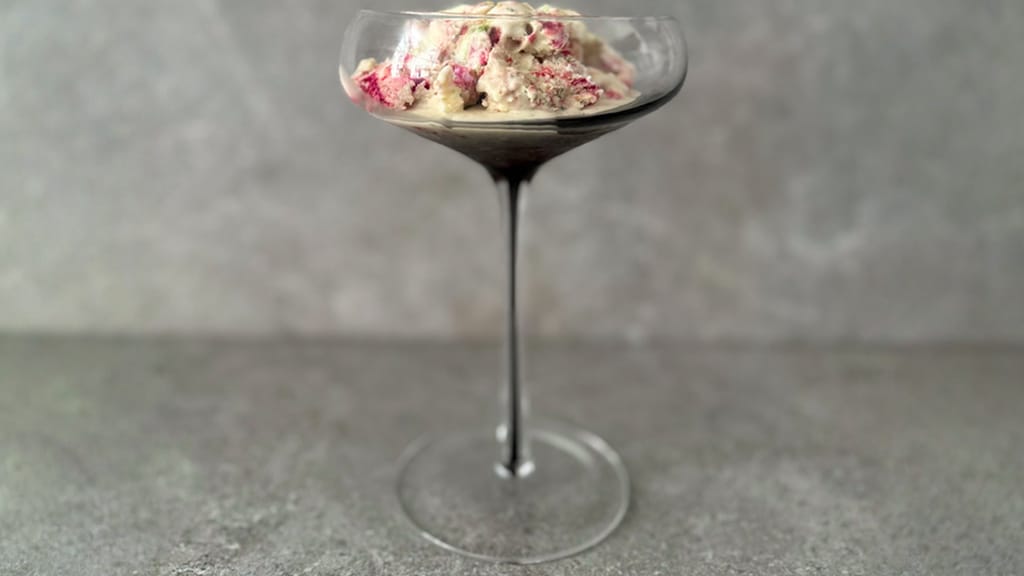
Homemade strawberry ice cream with basil and vanilla
No-Churn Ice Cream: Recipes and Tricks for a Creamy Result
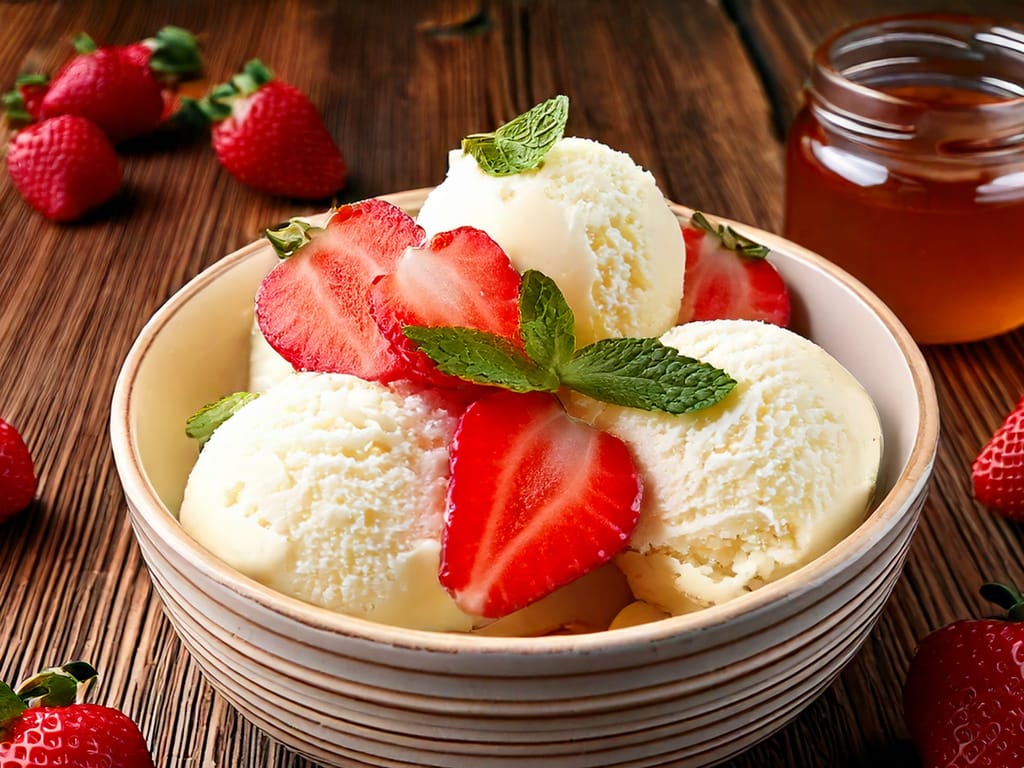
Updated Jul 19, 2026
You can make no-churn ice cream two ways: either gently fold whipped cream into sweetened condensed milk and freeze it (the no-churn method), or whisk the mixture every 30 minutes as it freezes. Both give you a creamy result with no ice crystals — and no need for an ice cream maker costing a small fortune. In this article you'll find the exact method, a basic vanilla recipe, popular flavours, and tricks to take the taste to bakery-shop level.
You can make ice cream without a machine using two reliable methods:
The no-churn method – whipped cream is gently folded into sweetened condensed milk and frozen straight away. No eggs, no cooking, no stirring during freezing — just a few minutes of work.
The regular-stirring method – the liquid mixture goes into the freezer and, for the first 2–3 hours, you whisk it every 30 minutes with a fork or whisk until it sets.
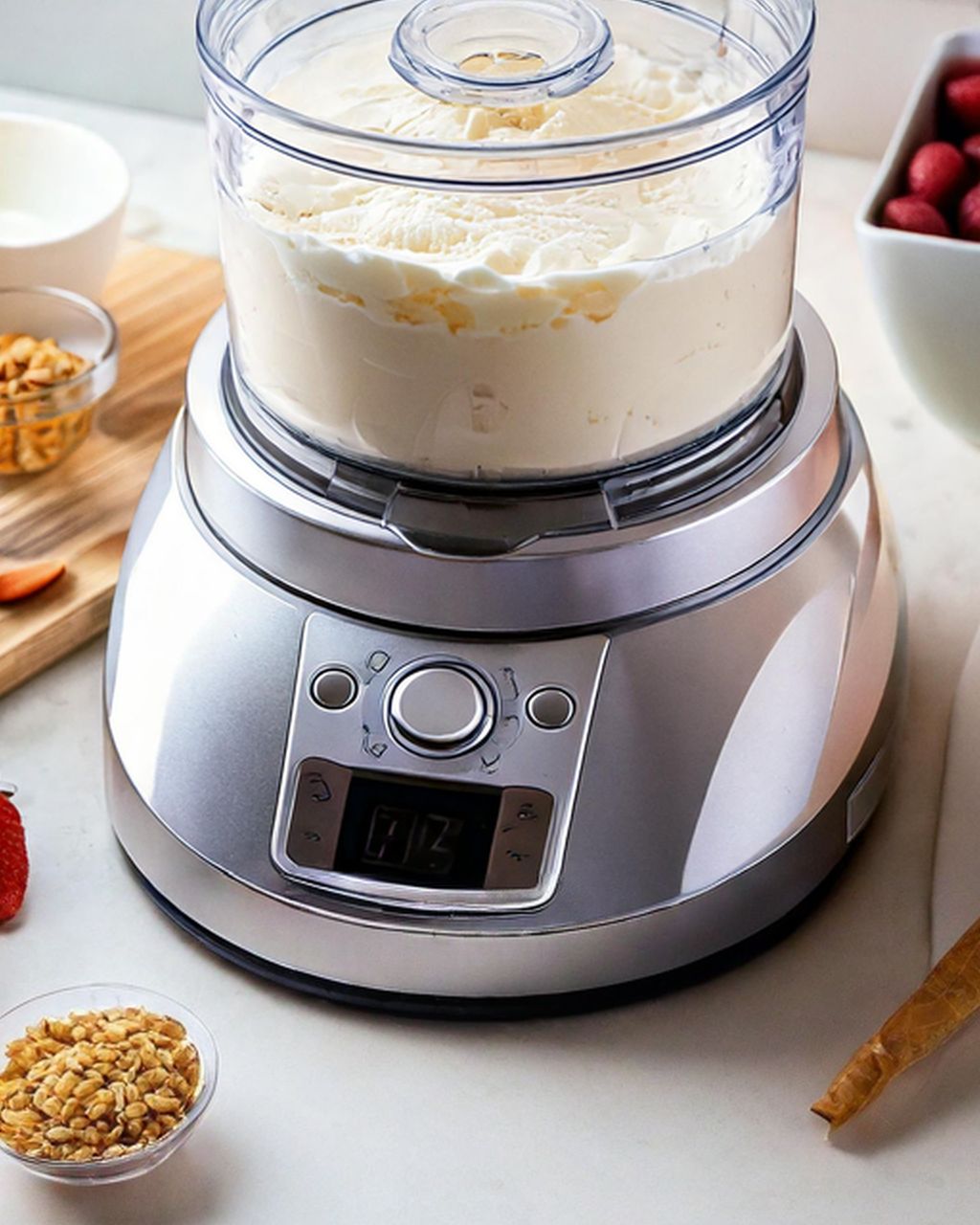
The difference lies in how you get air into the ice cream. An ice cream maker churns the mixture as it freezes, working air into it — that's what makes it creamy. Without a machine, you have to add the air yourself: either beforehand by whipping the cream (no-churn), or by stirring repeatedly. Skip this step and the water in the mixture will freeze into one solid block. For speed and reliability, go with no-churn; choose the stirring method if you don't have condensed milk to hand.
Seasonal baking plans, tested recipes and kitchen tricks that save you time. Unsubscribe in one click.
Ice forms in homemade ice cream when the water in the mixture freezes into large crystals. Five things keep it creamy by stopping this from happening:
Air – whipped cream or stirring during freezing breaks the crystals down into tiny, unnoticeable pieces.
Fat – full-fat cream (at least 30%) coats the crystals and softens the texture; low-fat versions crystallise noticeably more.
Sugar – lowers the freezing point, keeping the ice cream soft and scoopable. This is why sweetened condensed milk works so well — it's concentrated sugar and milk solids in one.
Alcohol – pure alcohol doesn't freeze, so a splash keeps the ice cream softer.
Temperature – freezing quickly creates smaller crystals than freezing slowly, so it's worth chilling the container beforehand too.
Stabilisers bind free water and stop it freezing into large crystals. Three work well in homemade ice cream:
Gelatine – 1–2 sheets, soaked and dissolved, per 500 ml of mixture.
Agar-agar – a plant-based alternative; about 1/4 teaspoon briefly simmered in some of the milk is enough.
Cornflour – 1 teaspoon mixed in and briefly simmered in milk will thicken the base.
Add these carefully — too much will make the ice cream rubbery or stringy.
Store homemade ice cream at -18°C. Avoid temperature swings — every partial thaw and refreeze creates new ice crystals. So don't open the freezer more than necessary, and keep the ice cream at the back rather than in the door, where the temperature fluctuates the most. Cover the surface with pressed-on cling film or baking paper to stop an icy crust forming and to keep the ice cream from picking up freezer odours.
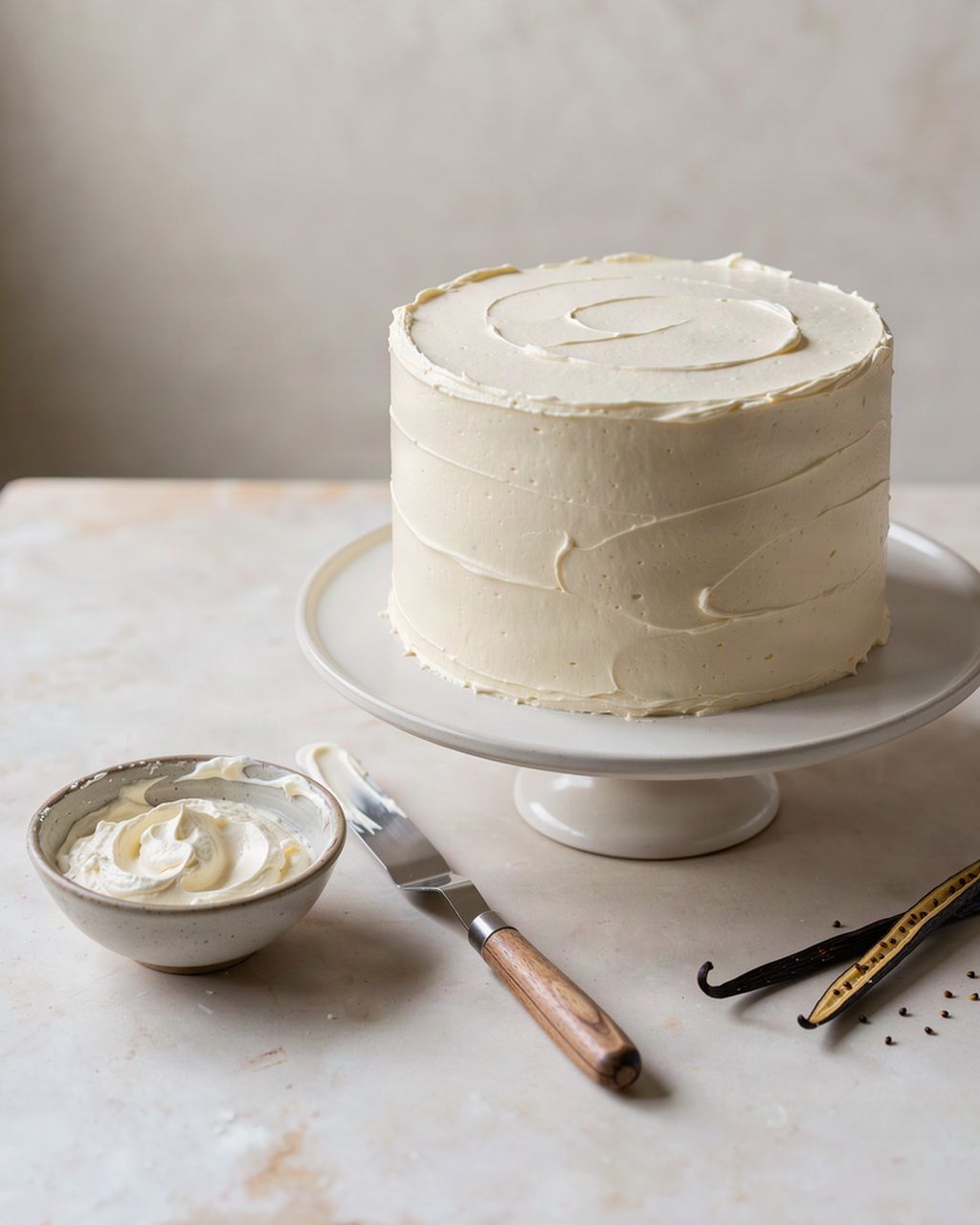
Basic no-churn vanilla ice cream relies on just two ingredients in roughly a 2:1 ratio — whipping cream to sweetened condensed milk — plus vanilla. No eggs, no cooking needed, and the hands-on work takes five minutes; the freezer does the rest.
500 ml chilled whipping cream (at least 30% fat)
200 ml sweetened condensed milk
seeds from 1 vanilla pod or 1 tablespoon good-quality vanilla extract
a pinch of salt (brings out the flavour)
Whip the cream to soft peaks. Don't overwhip it — stop as soon as it holds its shape, otherwise it will split and the ice cream will turn buttery.
In a separate bowl, mix the condensed milk with the vanilla and a pinch of salt.
Fold a third of the whipped cream into the milk to loosen the base, then gently fold in the rest from the bottom up — the goal is to keep in as much air as possible.
Pour into a chilled freezer-proof container, cover with pressed-on cling film and freeze for 4–6 hours.
Before serving, let the ice cream sit at room temperature for 5–10 minutes so it scoops easily.

You can turn the basic recipe into dozens of flavours. The most popular are fruit, chocolate and cream-based variations: for fruit versions, blend and, if you like, strain around 200g of fruit and fold it into the cream base; for chocolate versions, fold in melted chocolate or cocoa. Below are tried-and-tested recipes from Yumsto that you can make without a machine.
Blend fruit such as strawberries, raspberries, peaches, blueberries or mango with a little lemon juice and honey, then fold it into the cream base — or use it on its own for a refreshing sorbet. Lemon brings out the flavour and also slightly slows down crystallisation. Marinate the chopped fruit in the fridge for at least an hour so it releases its juice and the flavours combine.
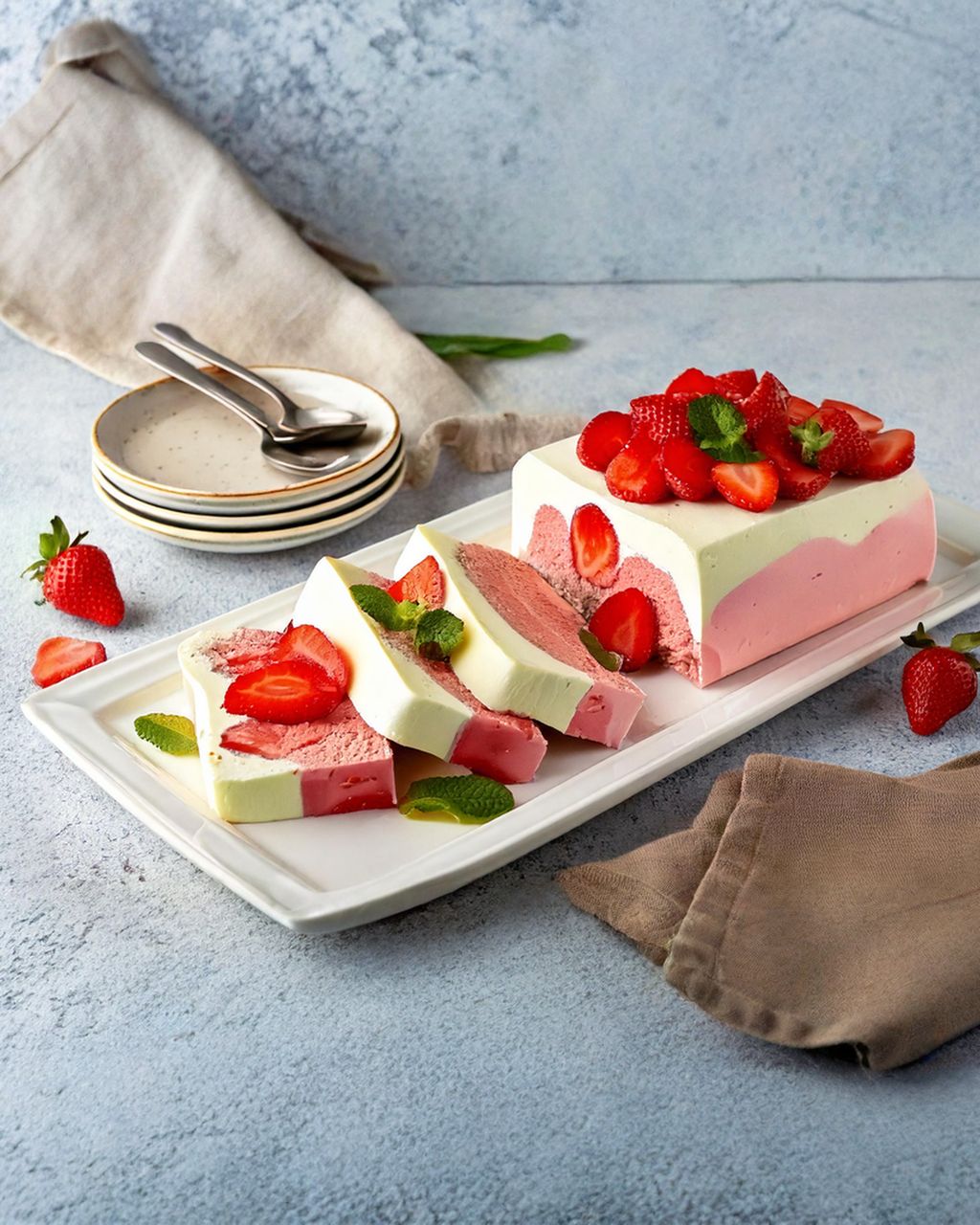
Homemade strawberry ice cream with basil and vanilla
Homemade strawberry ice cream with basil and vanilla
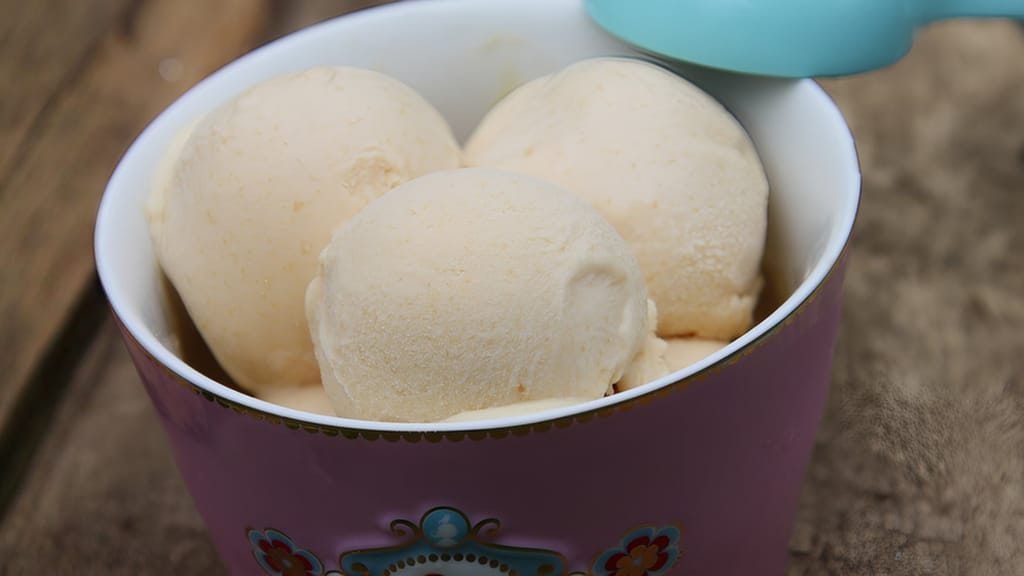
Caramelized peach ice cream
Caramelised peach ice cream
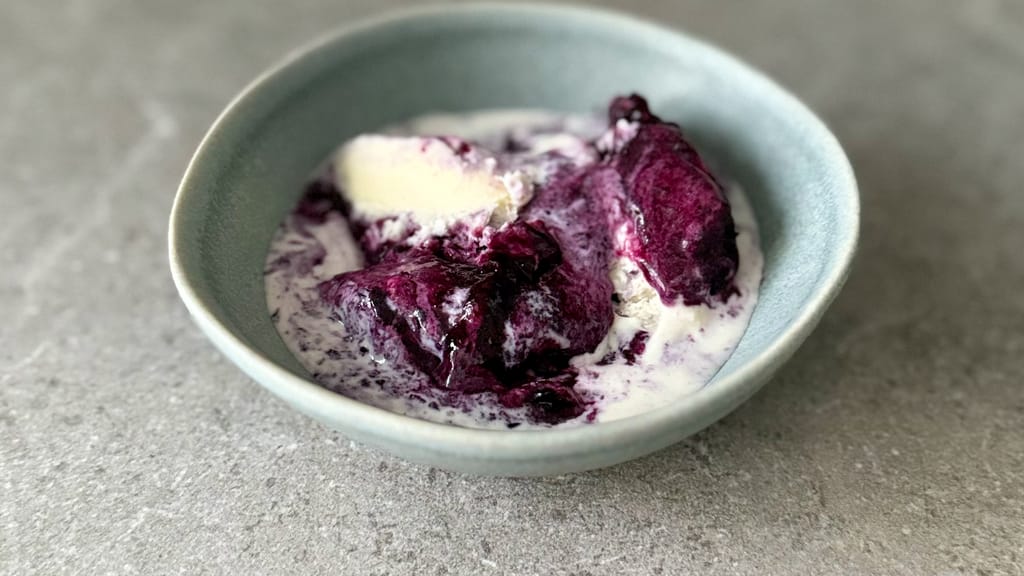
Blueberry ice cream with honey, thyme and vanilla
Blueberry ice cream with honey, thyme and vanilla
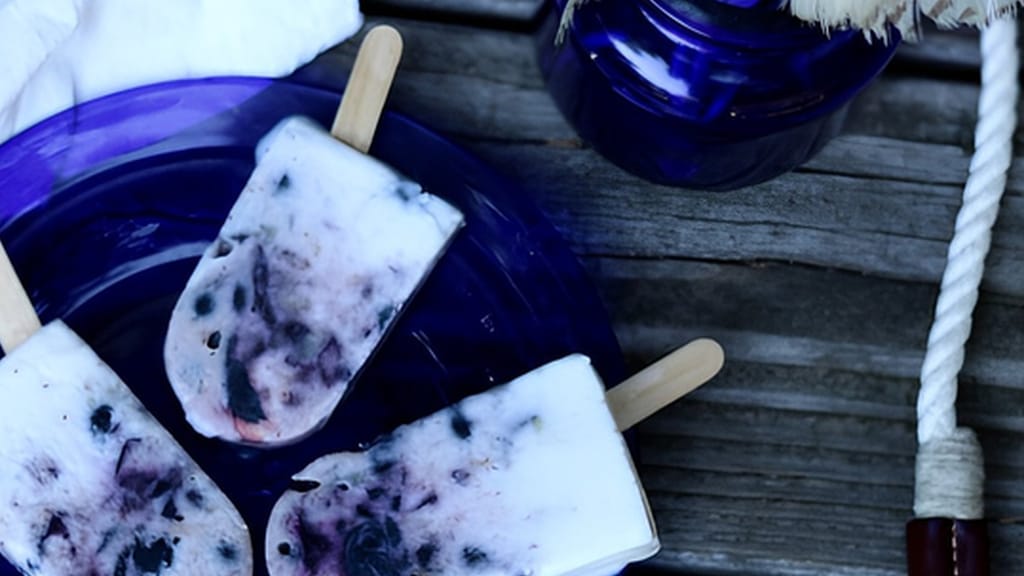
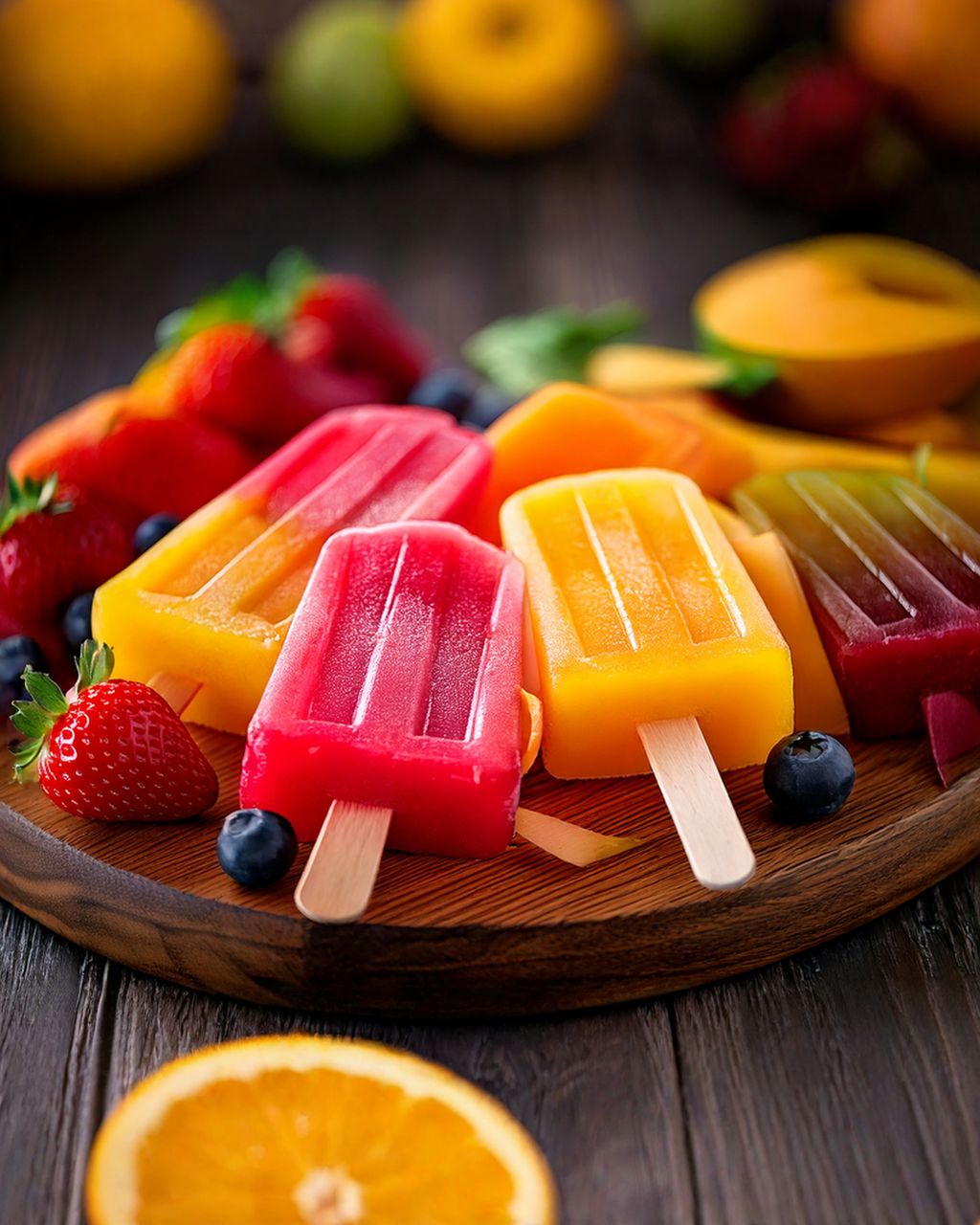
Blueberry popsicles
No-churn fruity blueberry ice pops
For chocolate ice cream, fold 100g of melted dark chocolate (at least 70% cocoa) and 2 tablespoons of cocoa powder into the base; a pinch of salt and a pinch of chilli will deepen the flavour even further. If you love a sweet-and-salty contrast, try salted caramel, and for something more unusual, poppy seed ice cream. You can make exotic mango-chilli ice cream using the basic method too — just fold blended mango with a splash of lime and a pinch of chilli into the cream base.
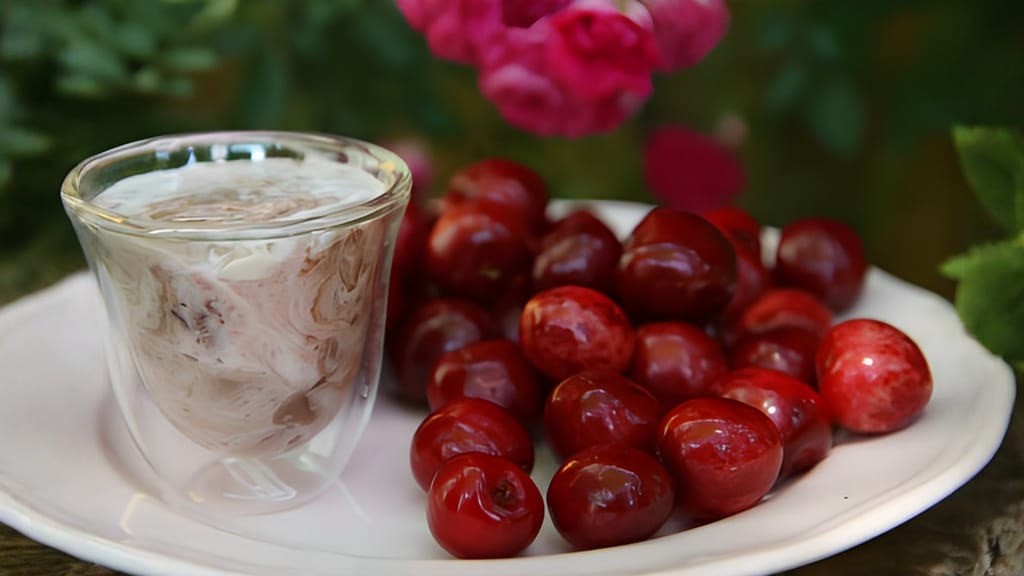
Cherry ice cream with chocolate
Cherry ice cream with chocolate
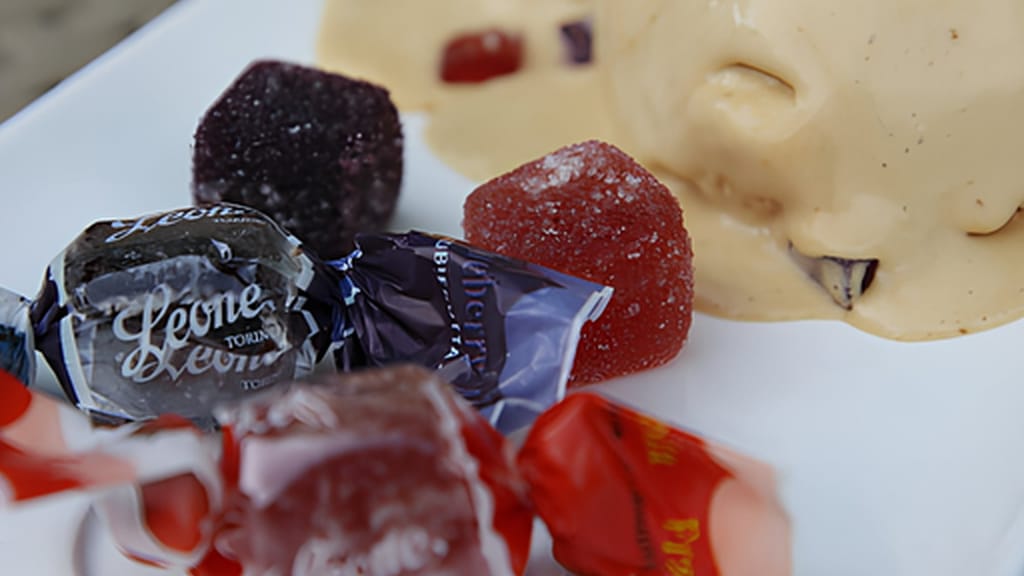
Salted caramel ice cream
Salted caramel ice cream
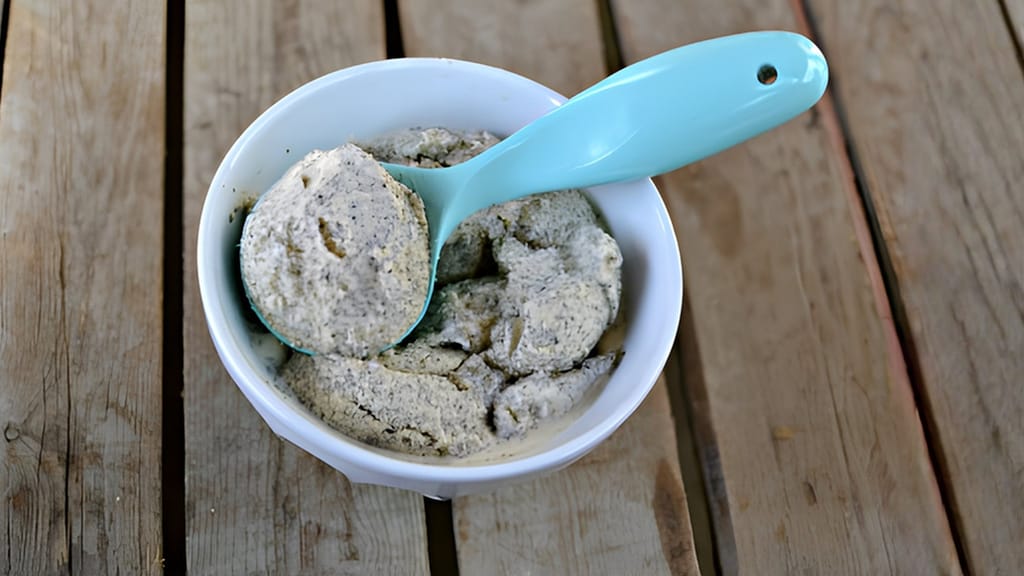
Poppy seed ice cream
Poppy seed ice cream

Five simple tricks will take your homemade ice cream's flavour to the next level:
A splash of alcohol – a tablespoon of rum, amaretto or Baileys per 500 ml of mixture boosts flavour and keeps the ice cream softer, since alcohol doesn't freeze.
A pinch of salt – brings out both sweetness and chocolate flavour, just as it does with caramel.
Spices – cinnamon with cocoa, cardamom with lemon or strawberries, tonka bean or vanilla in a cream base.
More fat – the richer the cream, the creamier and more scoopable the result.
Presentation – scoop with a warmed spoon, serve in chilled bowls, and garnish with mint, fruit or grated chocolate. We eat with our eyes first.
Homemade no-churn ice cream is best eaten within 1–2 weeks. It has no preservatives and far fewer stabilisers than store-bought versions, so it gradually loses its creaminess and develops an icy crust. Store it in a sealed container at the back of the freezer, with the surface covered by a piece of pressed-on cling film.
Let it sit at room temperature for 5–10 minutes, or in the fridge for 15–20 minutes, before scooping. Don't melt it in the microwave — it will melt unevenly and form ice crystals once refrozen. A spoon dipped in hot water helps too.
Yes. Swap the cream for full-fat coconut milk, which has enough fat to stay creamy, or make banana nice cream — just blend frozen bananas until smooth for a one-ingredient ice cream. Plant-based versions crystallise faster, so serve them fairly fresh.
No. The no-churn method with sweetened condensed milk needs neither eggs nor cooking, so there's no risk from raw eggs either. A cooked custard base made with egg yolks (crème anglaise) gives a richer ice cream, but it's more work and needs to be heated through properly.
Replace the sugar with honey, maple syrup or date syrup — besides sweetness, they help keep the ice cream soft, as they lower the freezing point. Bulk-free sweeteners like stevia or erythritol will sweeten it, but the ice cream will freeze harder, so add a spoon of alcohol or a little extra fat to compensate.
One recipe worth heating the oven for, one tip, and one deal from the shop. Nothing else.