Breakfast with strawberry chia jam
No Added Sugar Jam: How Long It Lasts and How to Store It
Updated Sep 25, 2026
Once opened, jam with no added sugar keeps in the fridge for about 3 weeks (less if the look or smell seems off). Unopened and properly processed in a water bath, it lasts several months in a cool, dark place, and up to a year in the freezer. That's much shorter than classic jam, because it lacks the main thing that preserves fruit in a jar: a high concentration of sugar. The sugar that occurs naturally in the fruit is still there, of course. But once a spread is sweetened with fruit juice concentrate, syrup or honey, it no longer has no added sugar. Below you'll find exact timeframes for each type, the reasons behind them, and what to do to make your jar last as long as possible.
Jam with no added sugar keeps for about 3 weeks in the fridge once opened (less if the look or smell seems off), several months if it has been processed in a water bath and left unopened, and up to 12 months in the freezer. What matters most is whether the jar has been opened and whether the jam has been processed. Rough guidelines:
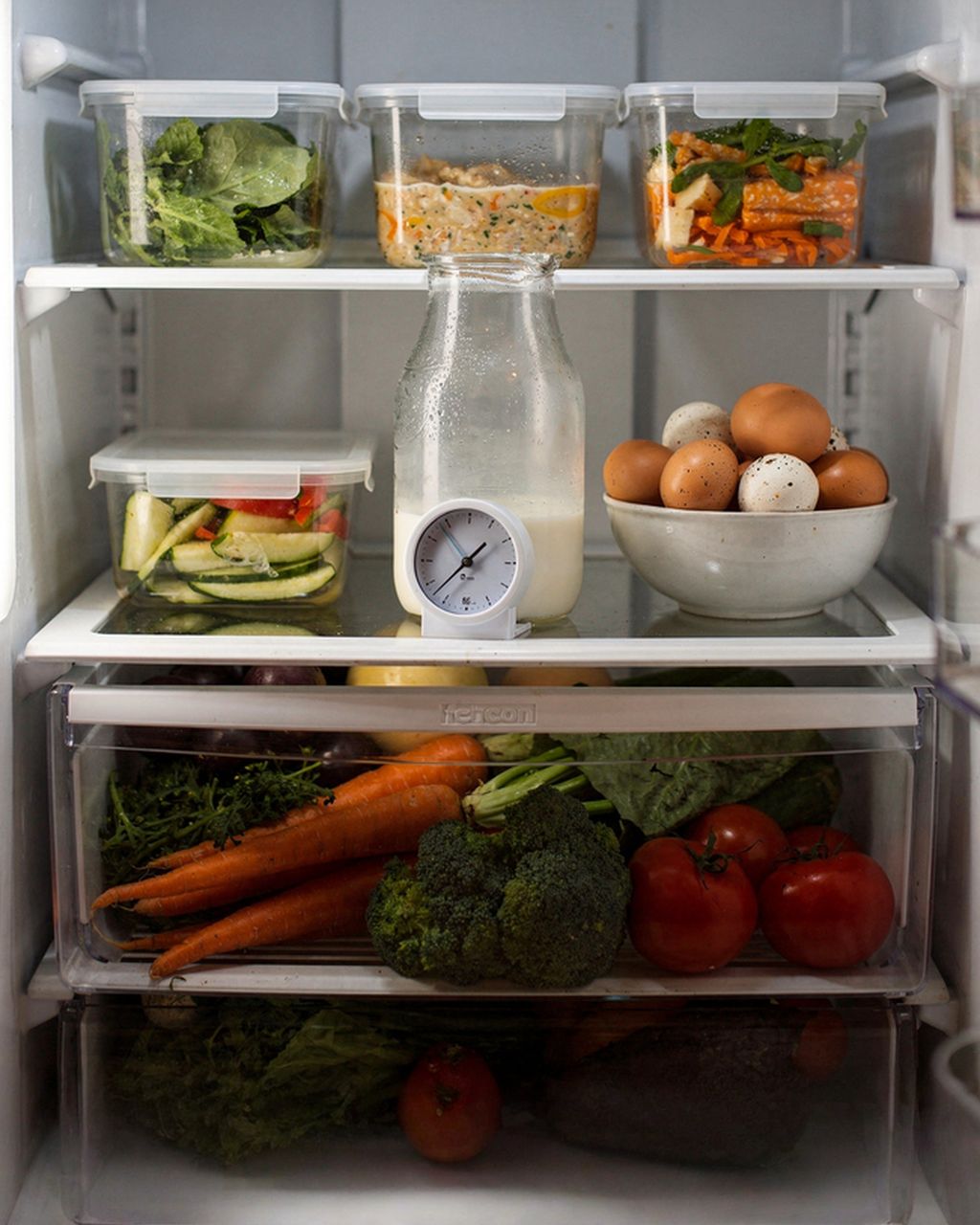
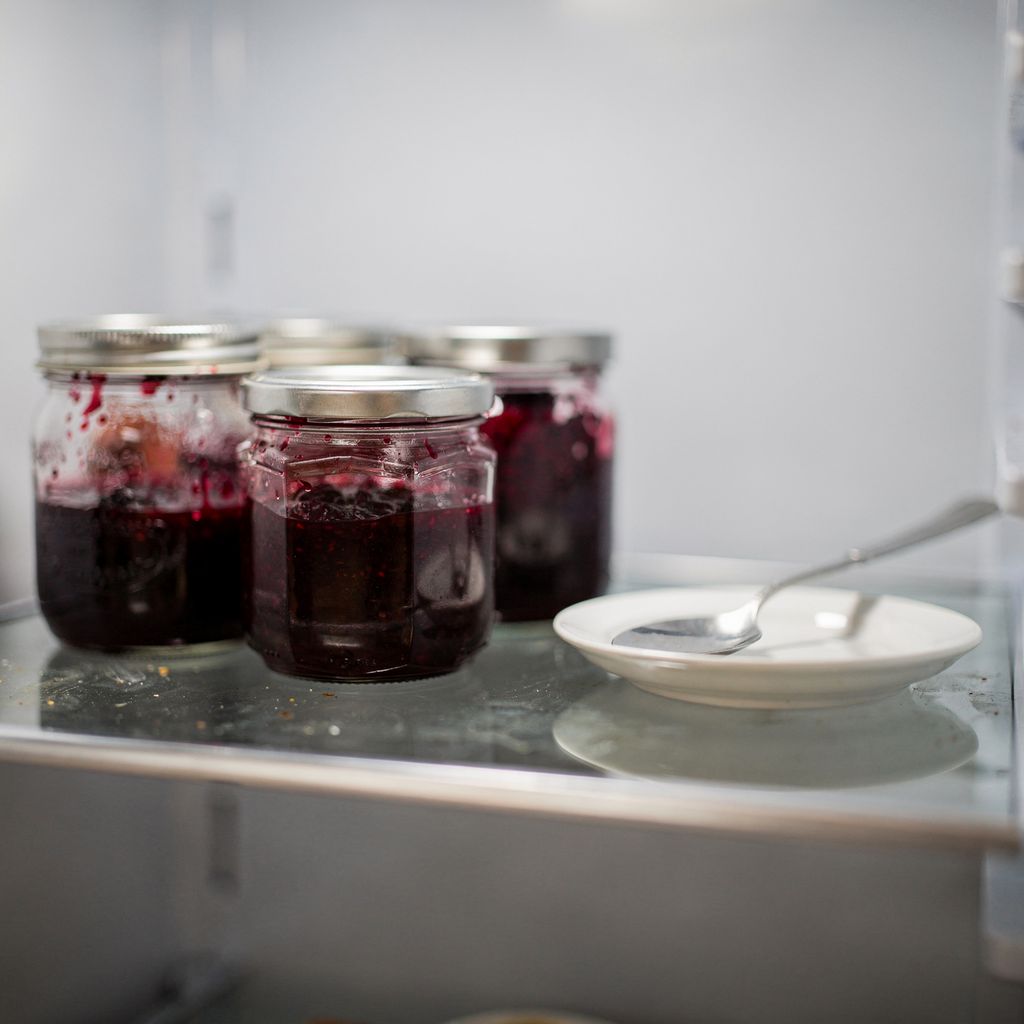
Opened, in the fridge (below 4 °C / 39 °F): about 3 weeks, or less if the look or smell seems off.
Unopened, processed in a water bath, stored in a cool, dark place: several months; it's best to use it up within a year.
Unopened, just poured hot into jars without processing: belongs in the fridge; we recommend using it within 2–3 weeks.
Raw or chia jam (not cooked): we recommend using it within a week, stored in the fridge.
Frozen: up to 12 months, after which it starts to lose flavor and color.
These timeframes apply to homemade jam. Store-bought fruit spread with no added sugar follows the label – more on that below.
Seasonal baking plans, tested recipes and kitchen tricks that save you time. Unsubscribe in one click.
Jam with no added sugar has a shorter shelf life because it lacks the sugar that acts as a preservative in classic jam. With soluble solids at around 60% or more (mainly sugar), most of the water in the fruit is bound up, so bacteria can hardly multiply in the jam and molds and yeasts struggle to grow. Jam with no added sugar has no such protection: it contains a lot of free water, and microorganisms multiply in it much faster.
According to the US National Center for Home Food Preservation (NCHFP), spreads with reduced or no sugar also have a shorter shelf life in the fridge – light-colored ones darken faster and flavor changes are more noticeable, because sugar no longer masks them.
That leaves just three safeguards in this kind of jam: the acidity of the fruit, heat during canning and cold during storage. You can work on each of them.
Sweeteners such as erythritol, xylitol or stevia will sweeten the jam, but at the amounts used they can't replace sugar as a preservative. So go by the same timeframes as for jam with no sweetener at all.
Jam with no added sugar lasts longest when you sterilize the jars, add acid, thicken it with a pectin that doesn't need sugar, process it in a water bath, fill small jars and use a clean spoon. In detail:
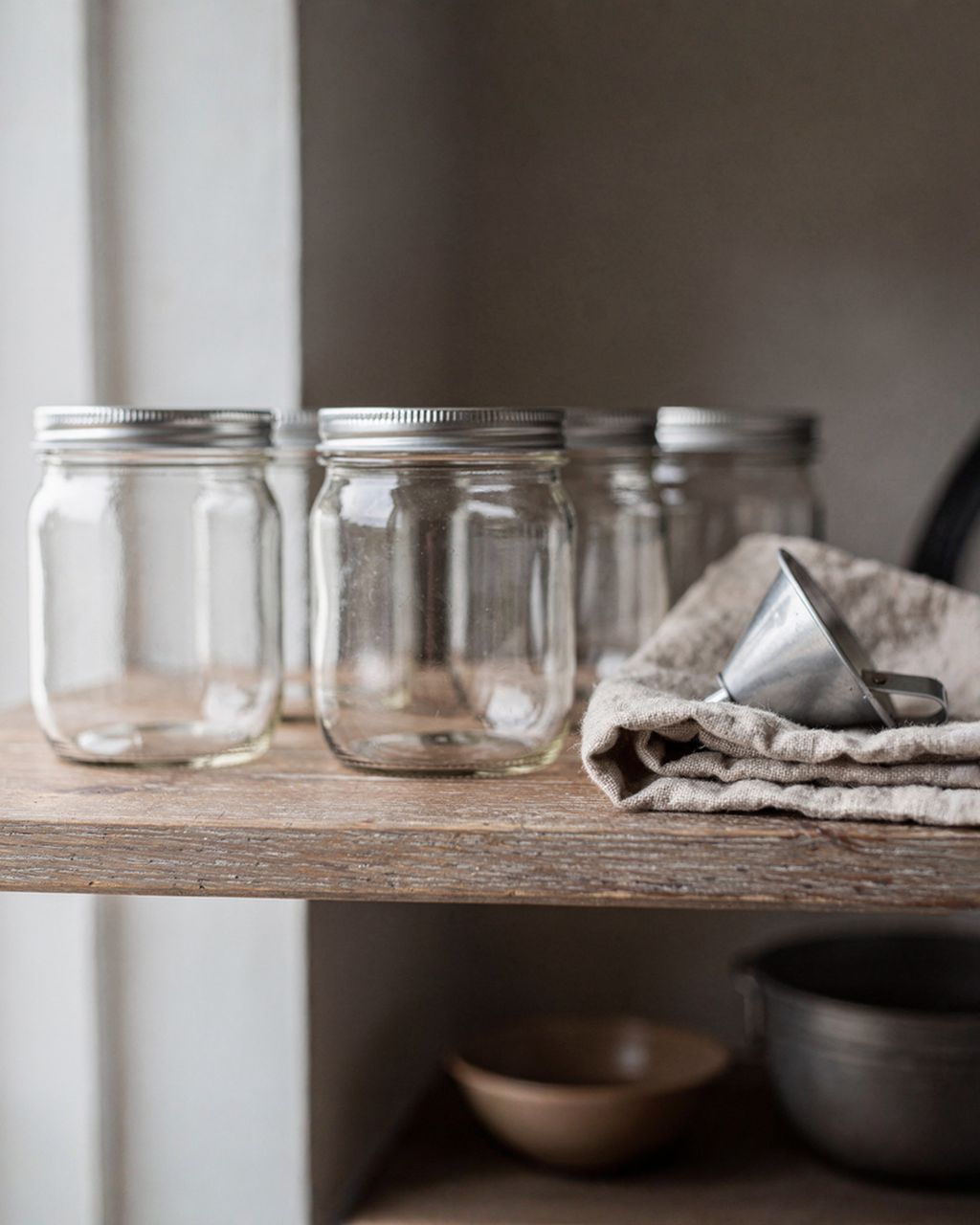
Sterilize the jars and lids. Submerge them in boiling water for 10 minutes. The lids must be undamaged, with the seal intact.
Add acid. A tablespoon of lemon juice per kilo (2 lb) of fruit lowers the pH and slows microbial growth. For sweet, low-acid fruit (pears, sweet cherries, figs), it's practically a must.
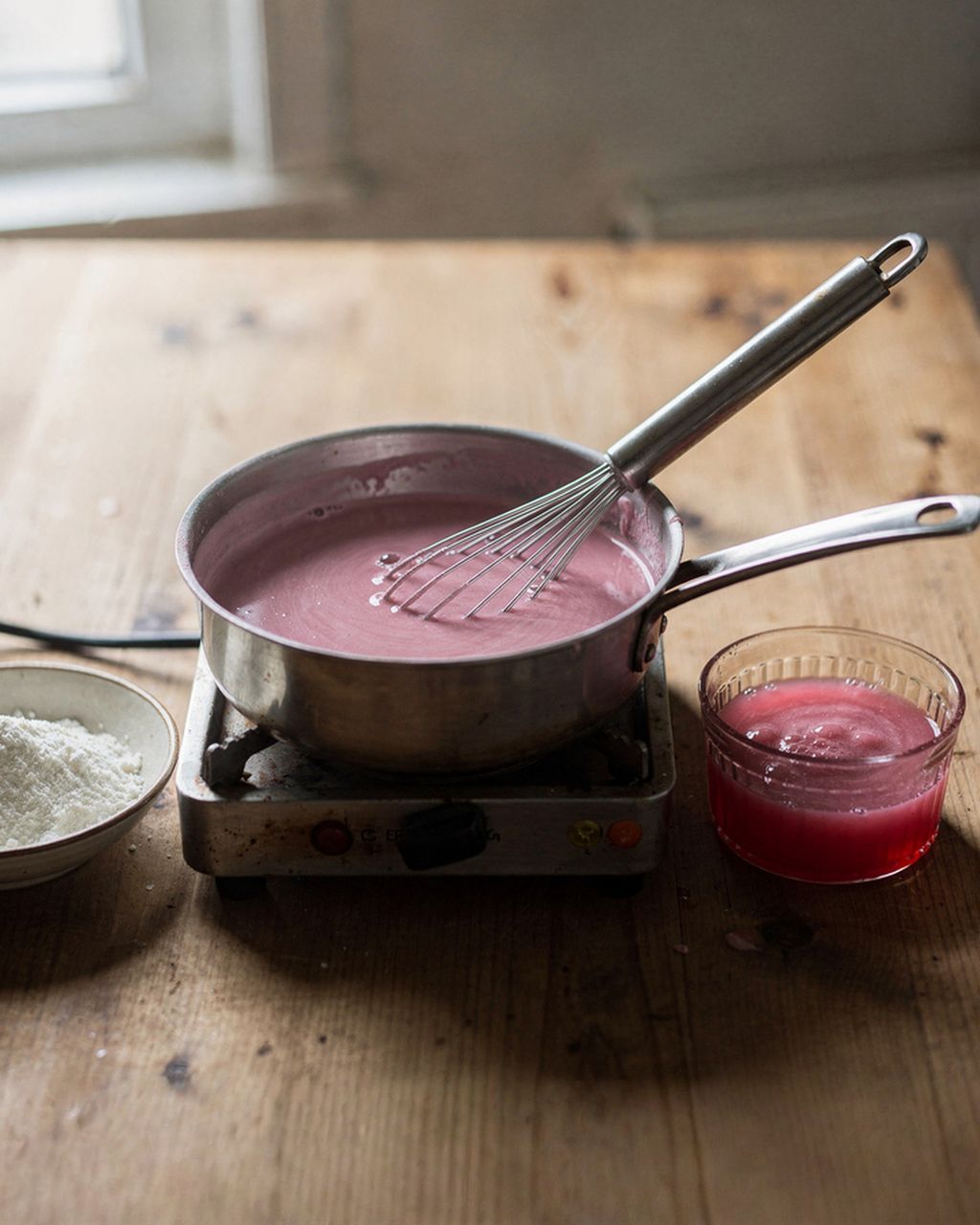
Thicken with a pectin that doesn't need sugar. Regular pectin (including the kind in jam sugar or standard gelling mixes) needs a lot of sugar to set, and won't set without it. Reach for low-methoxyl pectin (often amidated), which gels thanks to calcium. A thickened jam has less free water than a fruit "sauce."
Process in a water bath. Put full, sealed jars in a pot of water so they're completely submerged and the water reaches at least 2–3 cm (about 1 inch) above the lids. Bring the water to a boil and let it boil hard for roughly 10–15 minutes, longer for larger jars – but reduced-sugar spreads sometimes need longer processing, so follow the time in your specific recipe. Turning jars upside down is no substitute for processing.
Fill small jars. You'll get through 150–250 ml (about ⅔–1 cup) in a few days, so the opened jam won't have time to spoil.
Scoop with a clean, dry spoon. Bread crumbs or butter from a knife bring exactly the things that spoil jam fastest into the jar.
The freezer is the most reliable option for jam with no added sugar – it keeps there for up to a year with no water-bath processing. Pour it into jars or containers once cooled, leaving 1–2 cm (about ½ inch) of space at the top, because it expands as it freezes.
Thaw it in the fridge overnight, not on the counter. After thawing it may be a bit thinner and release some juice – just stir it in. Keep thawed jam in the fridge, use it within a few days and don't freeze it again.
You can tell that jam with no added sugar has spoiled by mold, fermentation, a bulging lid (or no "pop" when you open the jar) and a change in smell or taste. Specifically, look for:
Mold: fuzzy or velvety patches on the surface or the lid – white, gray-green, blue-green, sometimes blackish.
Fermentation: tiny bubbles inside the jam, fizzing when you open it, a fermented, winey or alcoholic smell and a sharp taste.
Lid: bulging, or, on a jar that was processed, no "pop" when you open it and the lid can be pressed down.
Smell and taste: a yeasty, cheesy or musty smell, an unusually sour taste.
Darkening on its own or a watery layer on top doesn't mean the jam has spoiled – that's just how this kind of jam ages. But if you see anything from the list above, throw out the whole jar.
Store-bought fruit spread with no added sugar follows the date on the package; once opened, go by the "use within … of opening" instruction on the label. The same goes for reduced-sugar jams. Look for it under the name fruit spread and check the sugar content on the label.
Store-bought spreads often last longer than homemade ones because they're usually industrially pasteurized and often contain preservatives (typically potassium sorbate). If the ingredients list doesn't include a preservative, expect a shorter timeframe, similar to homemade jam.
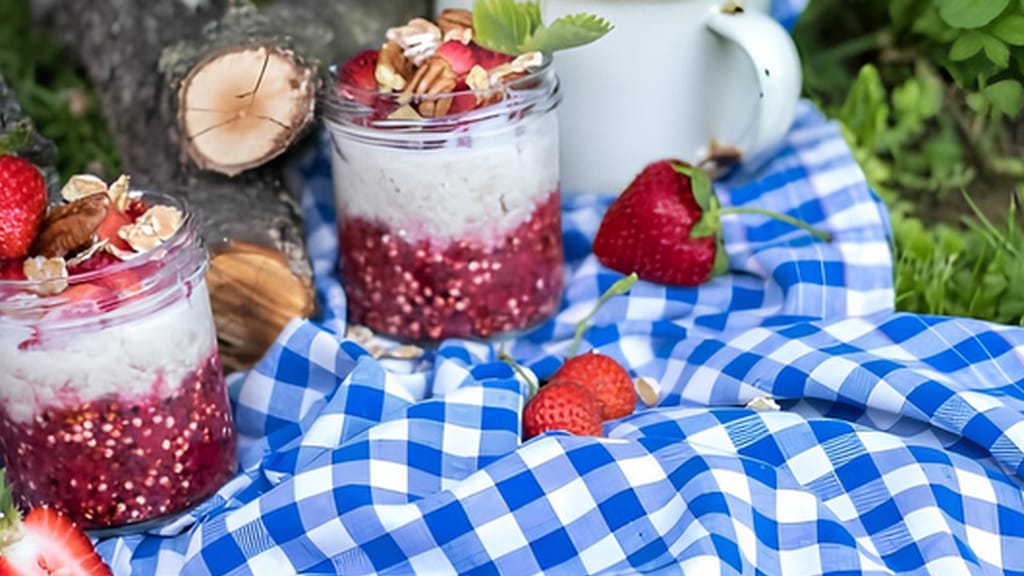
We recommend storing chia jam with no added sugar in the fridge and using it within a week, so make it in smaller batches. You don't cook it or process it – chia seeds thicken the fruit, so it's ready in a few minutes.
Breakfast with strawberry chia jam
Breakfast with no-cook strawberry chia jam
No. Once opened, jam with no added sugar belongs in the fridge right away. At room temperature it can start to ferment or go moldy within a few days, because there's no sugar to protect it.
Jam with no added sugar releases liquid because its gel holds water less firmly than a classic sugar gel, so juice gradually seeps out. It's not a sign of spoilage – just stir it back in. It has gone bad only if mold, bubbles or a fermented smell appear as well.
No. Turning jars upside down doesn't preserve jam with no added sugar and can't replace processing in a water bath. All it does is help the lid seal. If you want the jam to keep outside the fridge, process it in a water bath; otherwise, store it in the fridge or freezer.
No. Throw out any fermenting jam with no added sugar. Boiling again does kill yeast, but it won't remove the fermented taste, and it doesn't guarantee that other microbes or their by-products aren't still in the jam.
One recipe worth heating the oven for, one tip, and one deal from the shop. Nothing else.