Perfect handful-style lentil soup
Lentil Soup with Sausage: Choosing Ingredients, Recipe and Tips

Updated Jul 19, 2026
Lentil soup with sausage is a hearty Czech classic you can easily pull off on a busy weeknight – thick, gently smoky from the sausage, and cheap to make. Below you'll find out which lentils and which sausages to pick, in what ratio to cook them, how to season the soup with marjoram and vinegar, and how to turn it into a meat-free version too. No mystery here, just methods that actually work.
For a classic thick sausage soup, go for brown or green lentils – they hold their shape and give the soup some bite. If you'd rather have a creamier, softer texture, stir in a portion of red lentils. Each type behaves a bit differently:
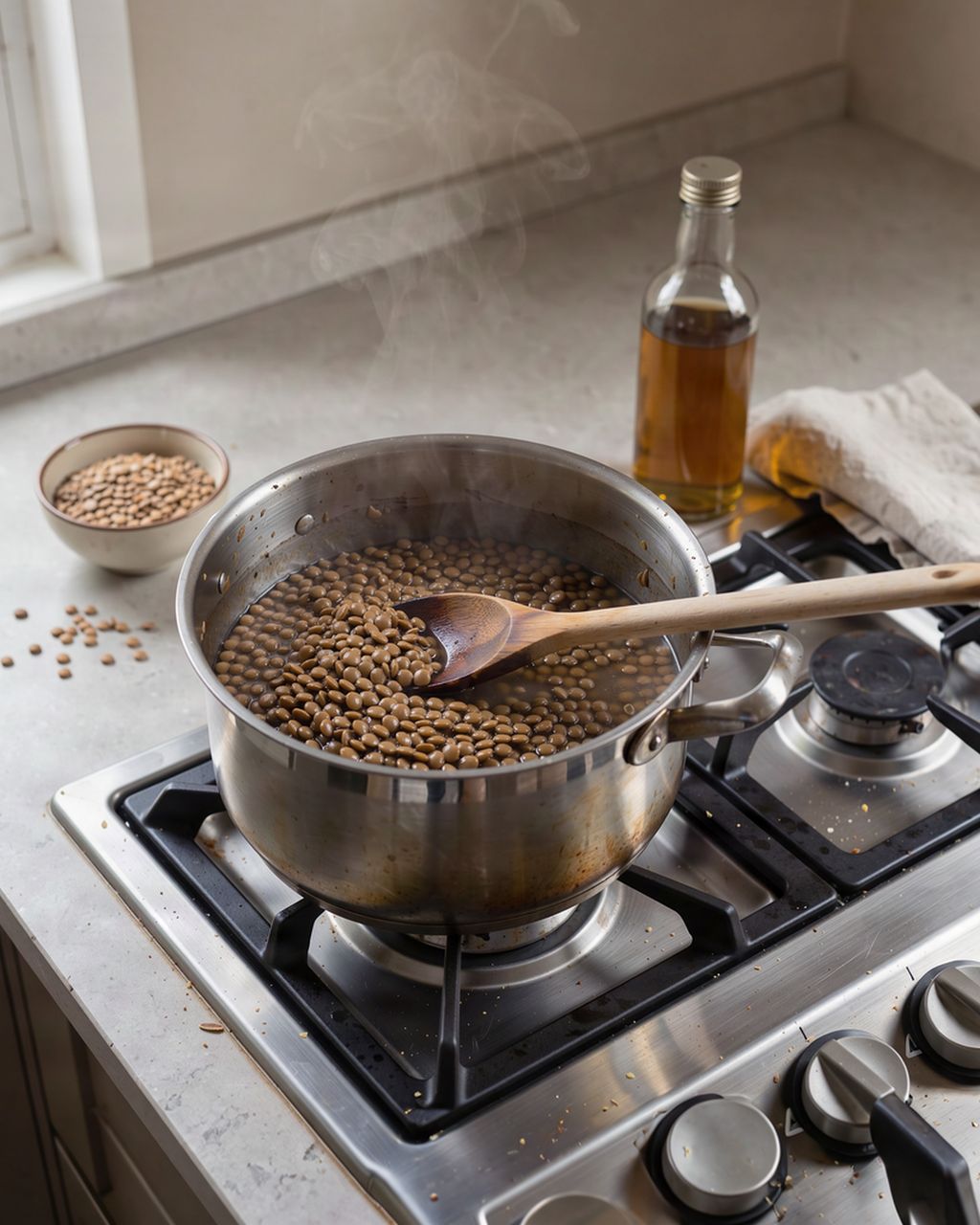
Brown lentils: the most common and versatile choice. No soaking needed – they cook in about 25–30 minutes and soften without falling completely apart. They soak up the flavour of the sausage and spices really well.
Green lentils (including Puy lentils): hold their shape best and have a slightly nutty flavour. Ideal if you want individual lentils to stand out in the soup.
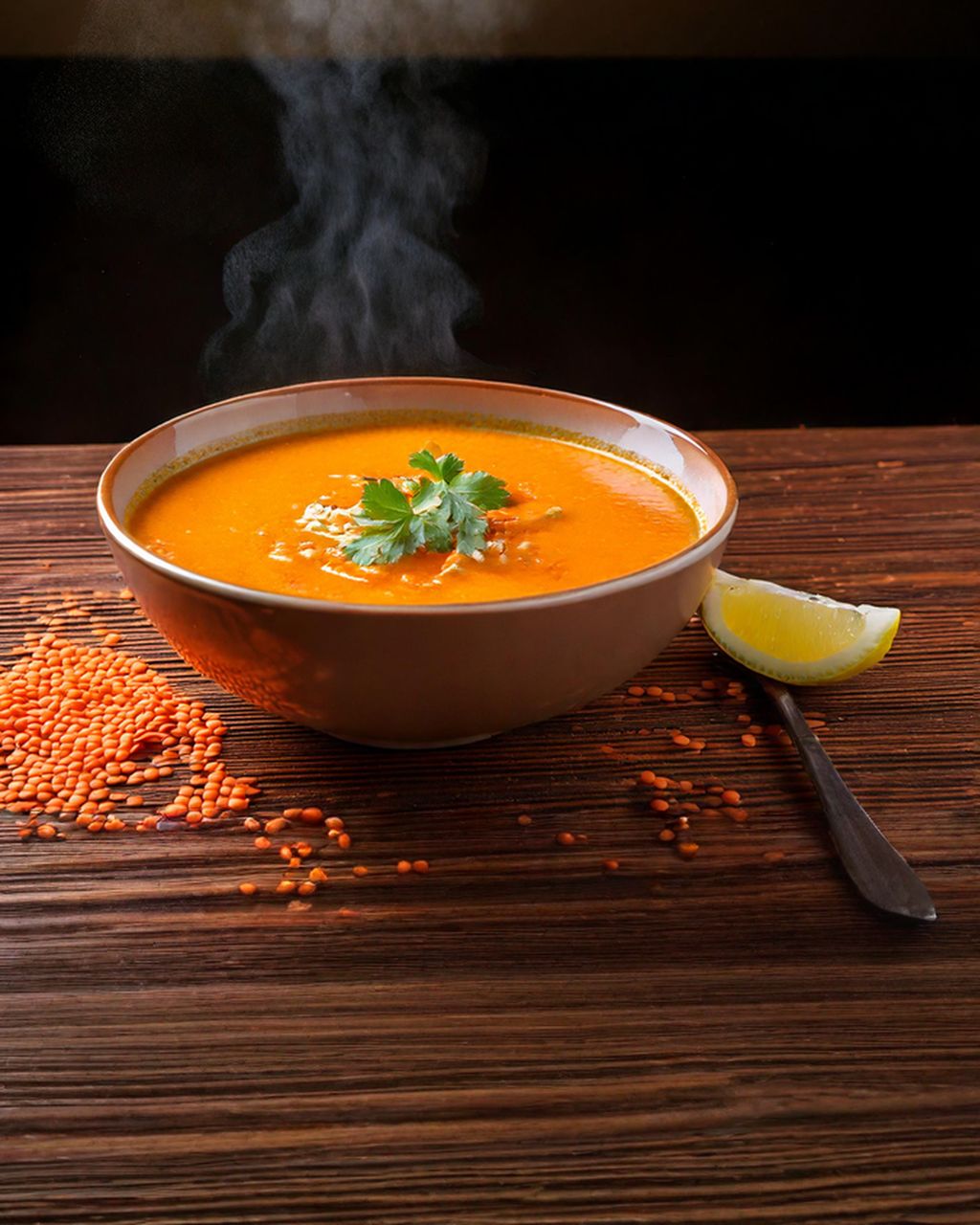
Red (split) lentils: break down into a mush in 10–15 minutes and naturally thicken the soup. On their own they're a bit too delicate for a classic sausage soup, but they're great as a thickener or in a creamy variation.
Beluga (black) lentils: small, firm, and elegantly black. They behave similarly to green lentils and suit a more special-occasion version of the dish.
Seasonal baking plans, tested recipes and kitchen tricks that save you time. Unsubscribe in one click.
The flavour of the soup lives or dies by the sausage – pick one with a high meat content and a strong smoky note, since that's exactly what will flavour the whole pot. Tried-and-tested options:
Debrecín-style sausages: the classic choice for this soup – bold, mildly spicy, with a proper smoked flavour.
Kielbasa and other robust smoked sausages: for a heartier, more spiced-up soup. Add these earlier so they have time to soften and release their fat into the stock.
Mild frankfurters: for a lighter version where the lentils and herbs can shine. Add these right at the end so they stay juicy.
Whatever you go for, check the ingredients list: good-quality sausage brings a smoky depth that no spice can fully replace. Slice the sausage into rounds and briefly sear the cut sides – a caramelised edge adds another layer of flavour.
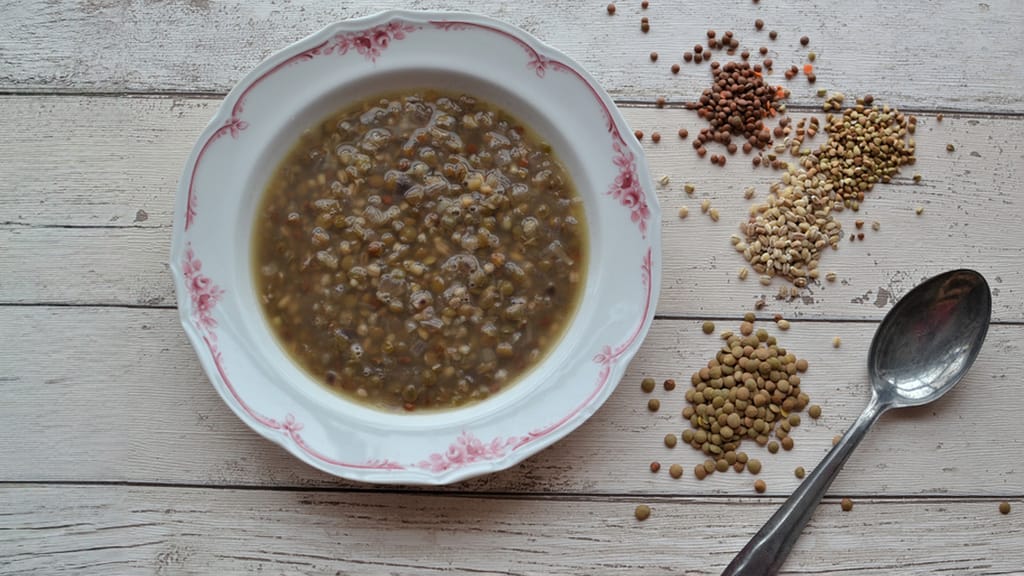
Perfect handful-style lentil soup
Try our simple hearty lentil soup – a satisfying base you can easily bulk up with sliced sausage.
The basics are simple: for 200g of lentils, use roughly 1–1.2 litres of stock (a ratio of about 1:5), and simmer gently until the lentils are tender. You'll find the full method in the recipe above; here are the points that really make a difference:
Start with the base. Sauté the onion in oil or lard until golden, add crushed garlic and a teaspoon of sweet paprika. Cook the paprika for just a few seconds off the highest heat – burnt paprika turns bitter.
Go easy on the salt, and add it later rather than earlier. The sausage releases plenty of salt into the soup on its own, so taste and adjust only after adding it, to avoid over-salting.
Bay leaf and carrot go in to cook along with the lentils; marjoram, on the other hand, should be rubbed between your palms and added only in the last 10 minutes – its aroma fades with long cooking.
Add the sausage last. Put heartier sausages in earlier, but add mild frankfurters just a few minutes before the end so they don't dry out.
You control the consistency. If you want a thicker soup, blend a ladleful of the cooked lentils and stir it back in, or add a handful of red lentils that will break down as they cook.
Serve hot with crusty bread or fresh rolls. A spoonful of sour cream and a handful of chopped parsley on top are optional, but they're a lovely finishing touch.

Classic Czech lentil soup relies first and foremost on marjoram, bay leaf and sweet paprika – this trio creates that recognisable homemade flavour. If you want to add more depth, try:
Thyme: its slightly lemony note works well with legumes, and it holds up to long cooking.
Smoked paprika: adds smokiness even when you cut back on the sausage (or in the meat-free version).
Ground cumin and coriander: push the soup towards a more Middle Eastern flavour profile; less is more, so start with just a pinch.
Fresh parsley at the end: a freshness that balances out the richness.
Right at the very end, add a splash of vinegar or lemon juice – the acidity pulls all the flavours together and suddenly brings the soup to life.
Yes – lentils are one of the most nutritious legumes, and soup made from them is filling yet relatively light. According to nutrition databases (USDA), 100g of cooked lentils contains roughly:
9g of protein – a substantial plant-based source that's filling even without meat.
8g of fibre – supports digestion and keeps you feeling full longer.
3.3mg of iron (around 19% of the daily recommended intake) – important for making red blood cells.
around 180µg of folate plus B vitamins, for just ~116 kcal.
Plant-based (non-haem) iron is absorbed less efficiently by the body than iron from meat, but vitamin C significantly improves its absorption – which is why it's worth adding tomato, bell pepper, or a splash of lemon juice at the end. Studies also suggest vitamin C converts iron into a more easily absorbed form. Adding sausage to the soup boosts protein, but also salt and fat, so don't go overboard with the sausage.
Lentil soup works perfectly well without sausage – the trick is to replace the smokiness and umami that the sausage would otherwise bring. Here's how:
Use vegetable stock and add smoked paprika (or a few drops of liquid smoke) for a smoky note.
A spoonful of tomato paste, soy sauce or miso adds umami, or use cubes of smoked tofu fried until crispy in place of the sausage.
For heartiness and a hint of sweetness, add sweet potato, and for extra vitamins, toss in a handful of kale right at the end.
A creamy version made with red lentils is almost naturally meat-free – they break down and thicken the soup on their own. You'll find the full method in our guide to red lentil soup.

Red lentil soup with coconut milk and chilli
Creamy red lentil soup with coconut milk and chilli – our favourite meat-free version.
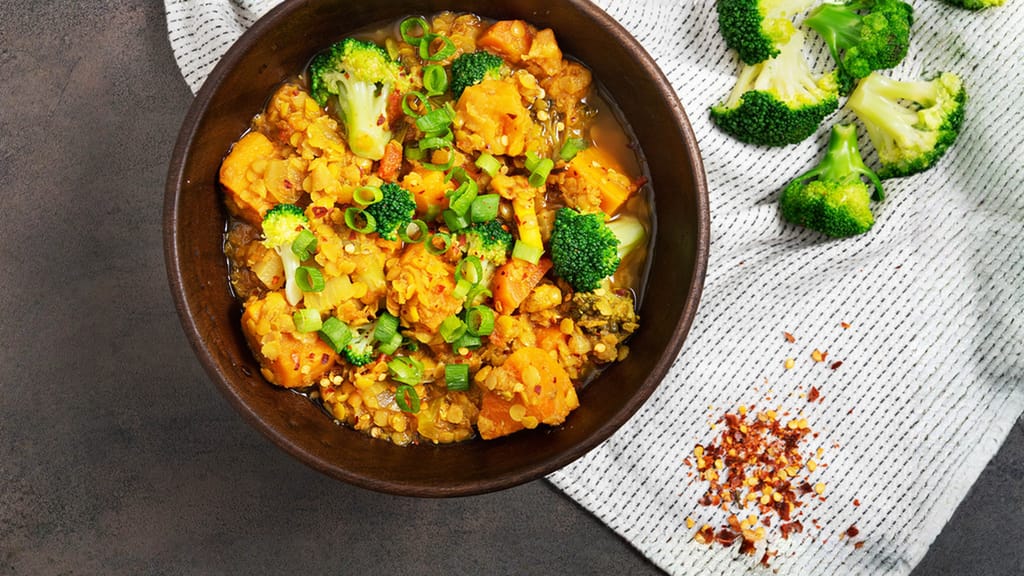
Sweet potato curry with red lentils
Sweet potato and red lentil curry – a hearty vegan option when you fancy lentils done a little differently.
Lentils are among the oldest cultivated crops in the world – archaeological finds show people in the Fertile Crescent (present-day Turkey, Syria, Iraq and Iran) started growing them roughly 9,000 to 11,000 years ago, alongside wheat and barley. From there they spread to Egypt and Europe, and every cuisine shaped them into its own dish: spiced dal in India, delicate soupe de lentilles in France, and here, a hearty soup with sausage. In many cultures lentils symbolise abundance – in Italy, for instance, they're traditionally eaten on New Year's Day for good luck.
Brown, green and red lentils don't need soaking – unlike beans, they cook through just fine without it. Soaking (2–4 hours) simply shortens the cooking time and can make them easier to digest for some people. Either way, always rinse the lentils under running water and pick out any small stones.
In a sealed container in the fridge it keeps for 3–4 days, and it's often even better the next day once the flavours have had time to mingle. You can freeze it for 2–3 months; it will likely thicken on reheating, so loosen it with a splash of water or stock. Let the soup cool before freezing and freeze it in individual portions.
Bloating comes from the indigestible sugars (oligosaccharides) and fibre found in legumes. It helps to rinse the lentils thoroughly, cook them with a bay leaf or caraway seeds, season with marjoram, and introduce legumes into your diet gradually so your gut adjusts. Split red lentils tend to be easier to digest than brown ones.
The easiest way is to blend a ladleful of the cooked lentils and stir it back into the pot. You can also add a handful of red lentils, which break down as they cook, or let the soup simmer uncovered for a few minutes so excess water evaporates. A classic flour-and-fat roux isn't necessary.
Yes – canned lentils are already cooked, so they save time. Drain and rinse them, then add them in during the last 5–10 minutes just to heat through without falling apart. Keep in mind the soup will turn out thinner and less densely "lentil-y" than one made with lentils simmered from scratch in the stock.
One recipe worth heating the oven for, one tip, and one deal from the shop. Nothing else.