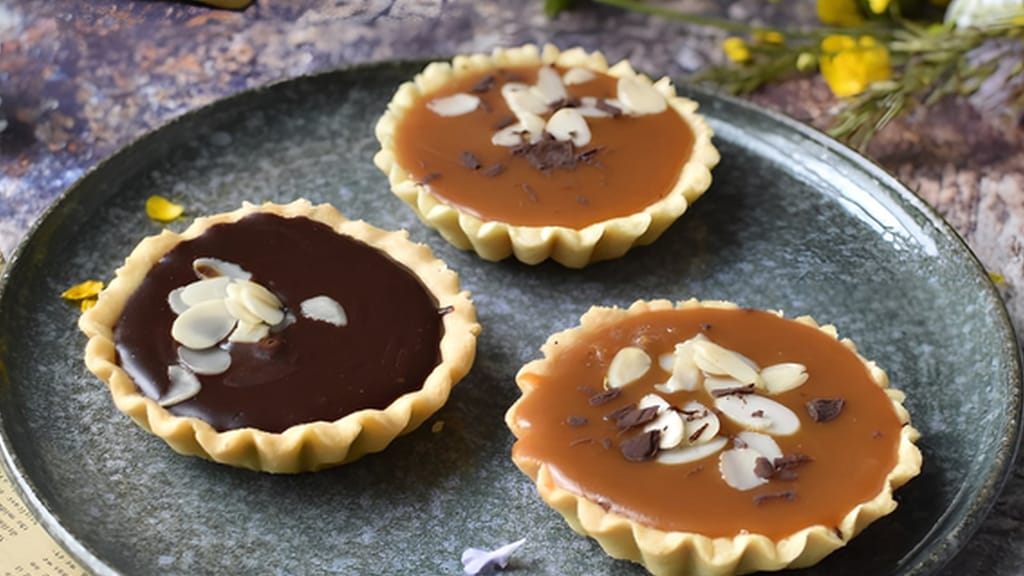
Crisp tartlets with salted caramel and chocolate
Lemon Tart: The Best Ingredients for a Crisp Crust and a Zesty Filling

Updated Jul 19, 2026
A perfect lemon tart comes down to two things: a crisp, buttery pastry and a bright filling made from lemon curd – an egg-based lemon custard, not a soft cheese filling. Technique is half the battle; the other half is choosing the right ingredients. We'll walk you through flour, butter, sugar and eggs, plus how to pick and store lemons so your filling smells amazing and has real zing. Whether it's your first lemon tart or your fifth, this is the shopping list to get it right.
A classic lemon tart (French: tarte au citron) is built from three components:
Crisp pastry – plain flour, good-quality unsalted butter, sugar, a pinch of salt, and an egg yolk to bind it.
Lemon filling (lemon curd) – lemon juice and finely grated zest, sugar, eggs or yolks, and butter.
The one irreplaceable detail – fresh, fragrant lemons; the whole flavour rests on them.
No exotic extras required. The difference between an average tart and a brilliant one comes down to the quality of these few ingredients and how well you bring them together.
Seasonal baking plans, tested recipes and kitchen tricks that save you time. Unsubscribe in one click.
For a crisp buttery pastry (pâte sucrée) you need four ingredients in the right ratio: plain flour, cold unsalted butter, fine sugar and a pinch of salt. Each one has a job to do.
Reach for plain wheat flour – it gives the pastry a fine, delicate texture that's easy to work with. Wholemeal flour adds fibre and a nutty flavour, but it absorbs more liquid and makes the pastry denser and tougher. If you want to try wholemeal, replace no more than a third of the flour so the pastry stays crisp.
Use good-quality unsalted butter with at least 82% fat. That way you control the salt level, and the butter gives the pastry both flavour and crispness that margarine or vegetable fat simply can't match. The key is that it must be cold: the little pieces of fat melt in the oven, release steam, and create delicate flaky layers. Room-temperature butter gets absorbed into the flour and the pastry ends up tough rather than crisp.
Fine caster sugar, or even better icing sugar, is what belongs in the pastry – it dissolves evenly and won't leave grains in the delicate dough. Besides sweetness, it also helps the pastry turn golden as it bakes and makes it a touch more delicate.
A pinch of salt isn't there to season the pastry, but to create contrast – it brings out the buttery flavour and balances the sugar's sweetness against the filling's tartness. Without it, the tart tastes flat, even if you get everything else right.
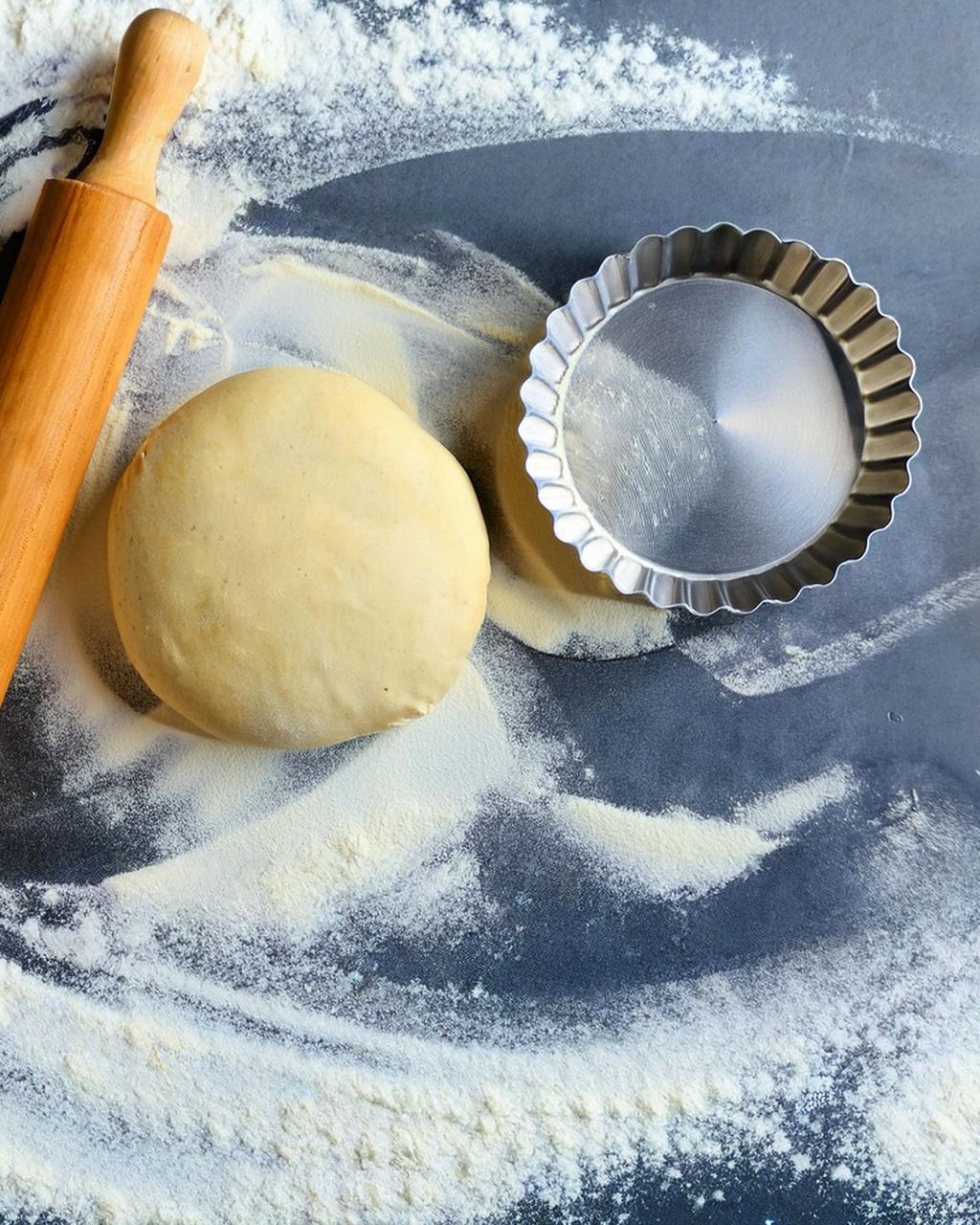
Crisp pastry works on roughly a 2:1:1 ratio – two parts flour to one part butter to one part sugar, plus an egg yolk to bind it. Too much flour makes the pastry tough, too little butter makes it dry and crumbly. Let the finished dough rest in the fridge for at least 30 minutes before rolling, so the gluten relaxes and the base doesn't shrink during baking.

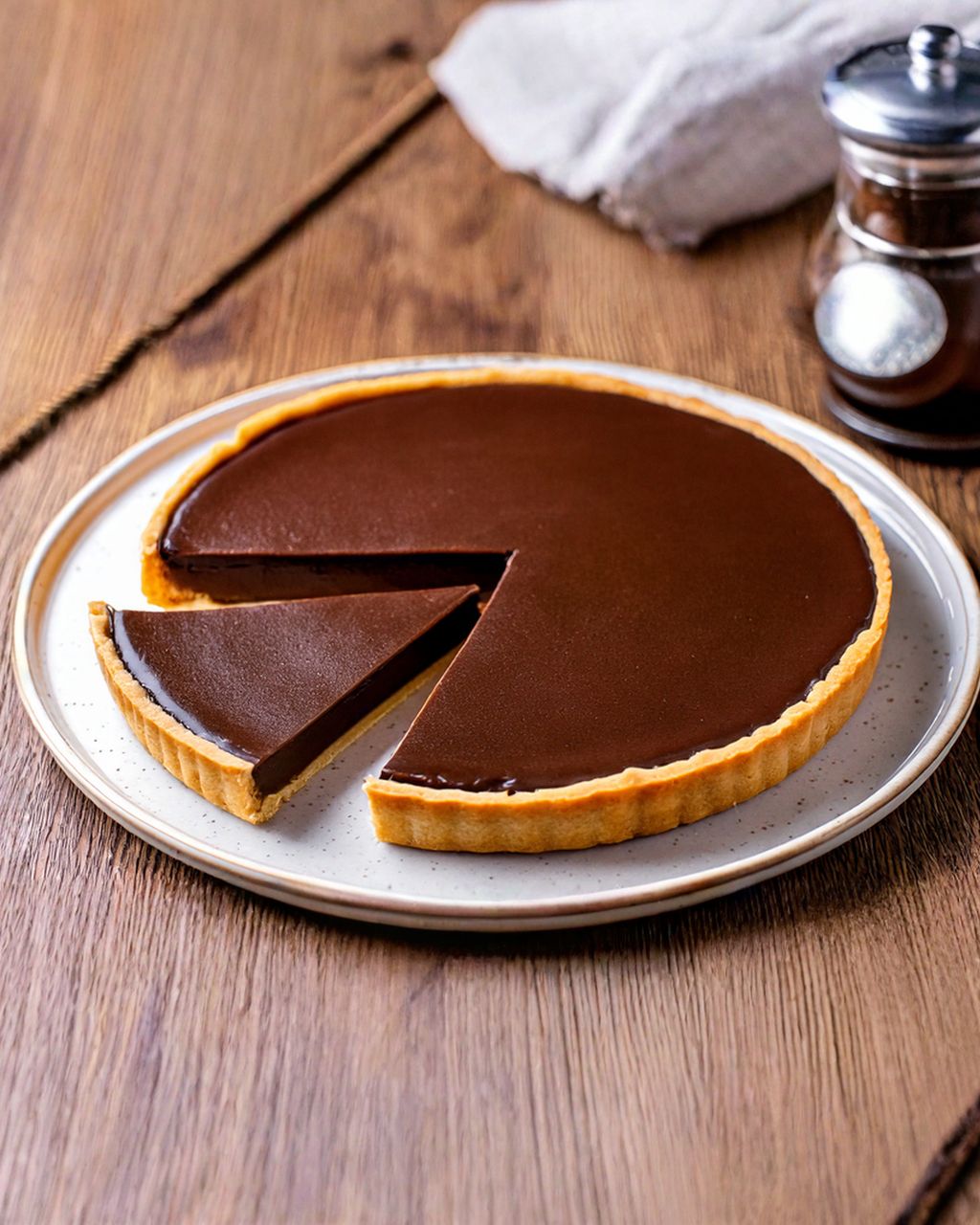
Crisp tartlets with salted caramel and chocolate
Crisp tartlets with salted caramel and chocolate – a great example of a perfectly baked crisp shell, the same technique you'll use under a lemon filling.
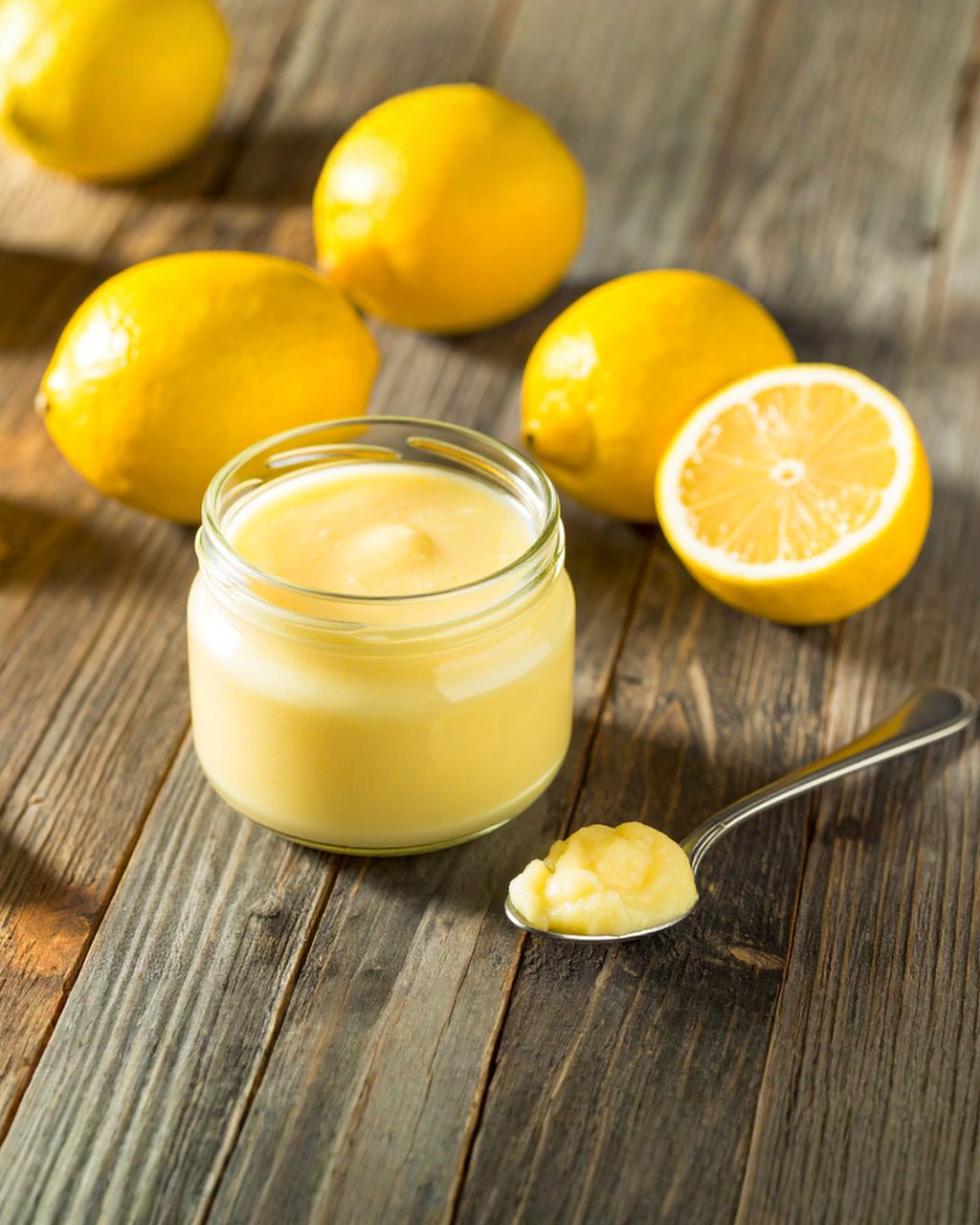
The filling in a classic lemon tart is lemon curd – a thick lemon custard made from lemon juice and zest, sugar, eggs (or just yolks) and butter. It isn't a soft cheese filling of any kind; its silky, sharply tangy flavour comes from eggs and lemon, not from dairy curds.
The trick lies in gentle heating. Whisk the eggs with sugar, juice and zest over a bain-marie until the custard thickens – guidance on curd-making technique puts this at around 77–82°C, safely below boiling point so the eggs don't scramble. Stir in the butter once off the heat: it adds shine and creaminess, and the filling firms up further as it cools. Only zest the yellow part of the peel – the white pith underneath is bitter.
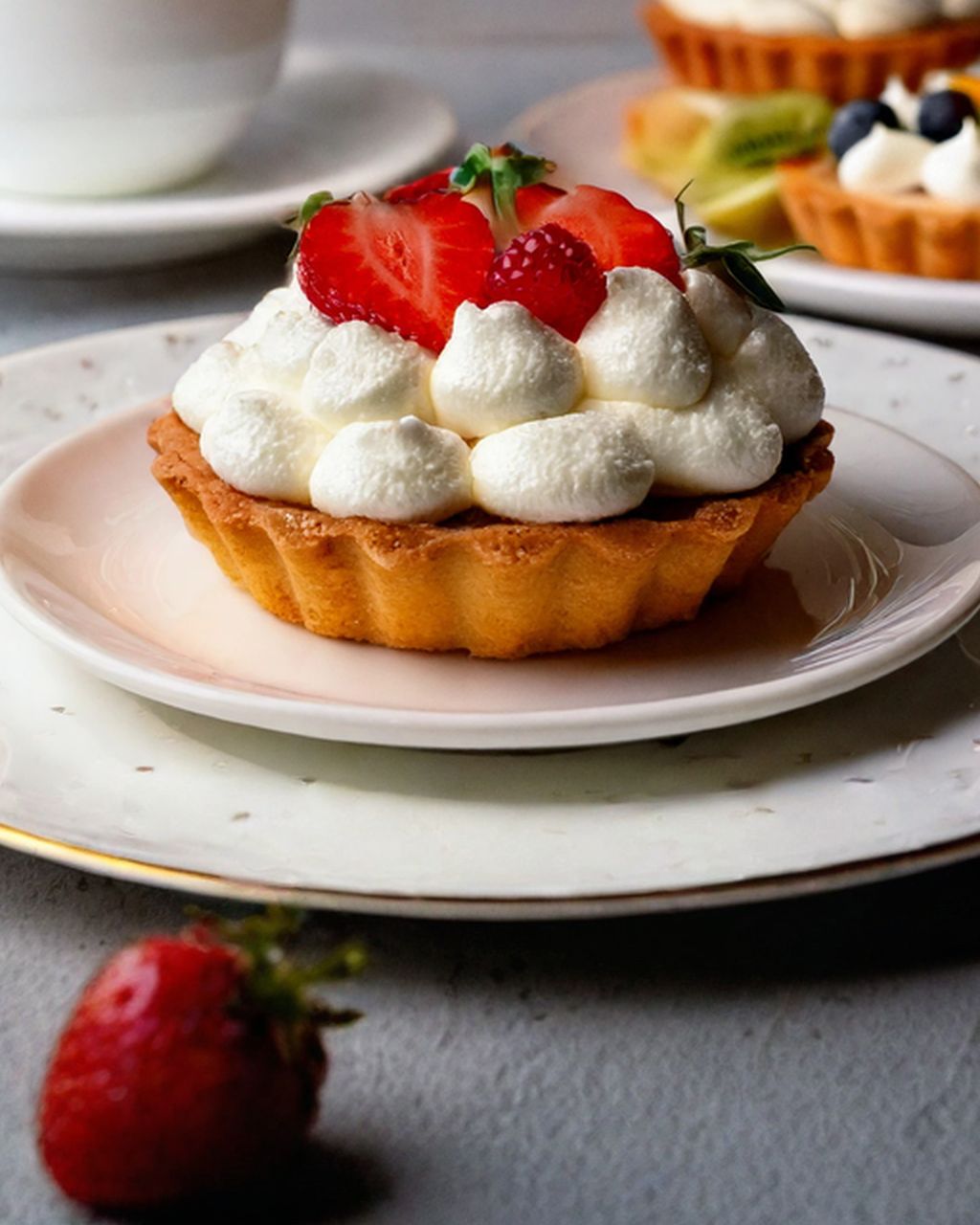
You can make lemon curd ahead of time, and it's just as good used elsewhere as in a tart – try it in tartlets or cupcakes.
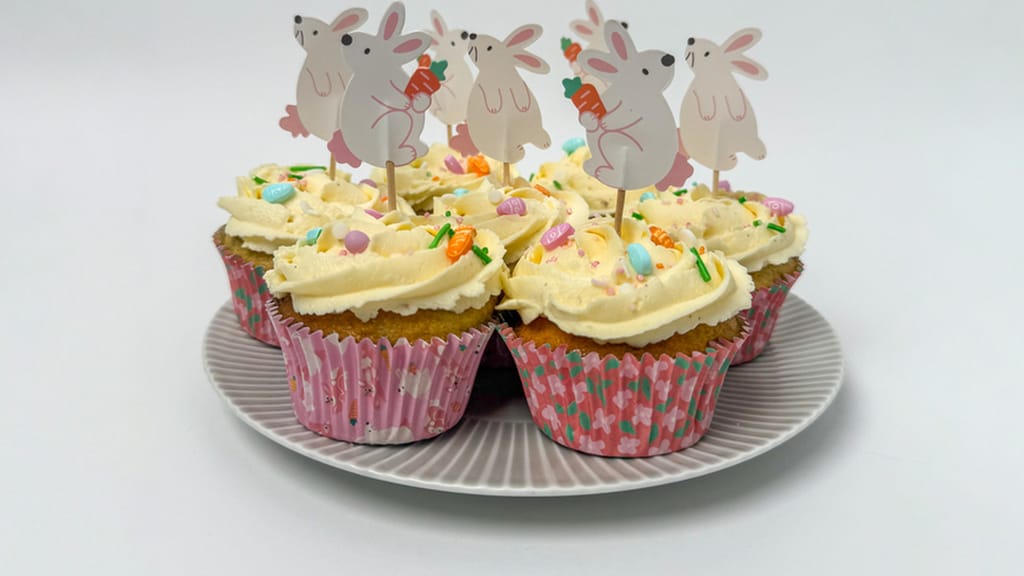
Pistachio cupcakes with lemon curd and mascarpone cream
Pistachio cupcakes with lemon curd and mascarpone frosting – another lovely way to use homemade lemon curd.

Choose your lemons based on how sharp you want the filling: classic varieties like Eureka and Lisbon give a bold, zesty punch, while Meyer lemons offer a gentler, sweeter note with a hint of orange.
Eureka and Lisbon are the everyday lemons you'll find at the shop – strongly tart and aromatic, ideal when you want the tart to really pack a punch. Meyer lemon is a cross between a lemon and an orange; growers and cooks reckon it's roughly 1.3 times less acidic and naturally sweeter, giving a gentler, almost floral filling. Bear in mind you may want to cut back the sugar slightly if using Meyers.
Choose lemons that feel heavy for their size – the heavier, the juicier. The skin should be firm, smooth and glossy, with no soft spots or brown patches. It should give slightly when pressed and smell freshly citrusy. You'll get the most juice from a lemon at room temperature – roll it under your palm on the counter for a few seconds before squeezing.
Fresh lemons will keep in the fridge's vegetable drawer for a good three to four weeks; in an airtight bag they'll last even longer, since they won't lose moisture. A few days before baking, leave them out on the counter so they come to room temperature and release more juice. For more on what goes where in the fridge, check out our guide to proper food storage in the fridge. One extra tip: before you cut into a lemon, zest it first and freeze the zest – it'll add lovely flavour to your next bake.
Plain white sugar is the best choice for lemon curd – it has a neutral flavour and lets the lemon shine through. Other sweeteners change both the flavour and the colour, so choose accordingly.
White caster sugar is the safe bet: it dissolves smoothly and keeps the filling a bright, clear yellow.
Brown sugar adds a hint of caramel and turns the filling slightly darker – interesting, but you lose a bit of that fresh lemon zing.
Honey brings a floral aroma but also more liquid, so add it carefully and cut back a little on the juice.
Coconut sugar has a caramel flavour and a dark colour that dulls the filling's yellow – better suited to where colour doesn't matter as much.
Whichever you choose, adjust the sweetness right at the end: lemon acidity varies, and it's much easier to add sugar than to take tartness away.
Eggs hold a lemon tart together – in the filling they thicken it and give it body, in the pastry they bind the crumb and help it turn golden. Without them, the lemon curd would stay runny.
In the filling, the egg proteins set with heat, turning a liquid mixture into a thick, tangy custard; the yolks also contain lecithin, which emulsifies the butterfat with the lemon juice into a smooth mixture and gives it that rich yellow colour. In the pastry, the yolk binds the crumbly mixture into a smooth dough and helps the crust turn golden.
Use room-temperature eggs – they incorporate more easily and the curd heats more evenly. The ratio of yolks to whole eggs controls the thickness: more yolks means a creamier, thicker filling.
You can absolutely make a gluten-free or vegan lemon tart – swap out the flour, fat and binder, but the bright lemon flavour stays exactly the same.
Swap the plain flour in the pastry for almond flour (a delicate nutty flavour, and a slightly more tender, crumbly base) or combine it with coconut flour, which absorbs a lot of liquid – use only a small amount and add extra liquid to compensate. Lemon curd itself is naturally gluten-free; if you need to thicken it further, reach for cornflour, tapioca starch, or potato starch.
Replace the butter in the pastry with solid coconut oil or a vegan butter – keep it cold for crispness. In the filling, cornflour cooked with lemon juice and a plant-based milk stands in for the eggs; a pinch of turmeric and a spoonful of coconut fat help with colour and creaminess. Swap dairy milk for almond, soy, or oat milk without any trouble.
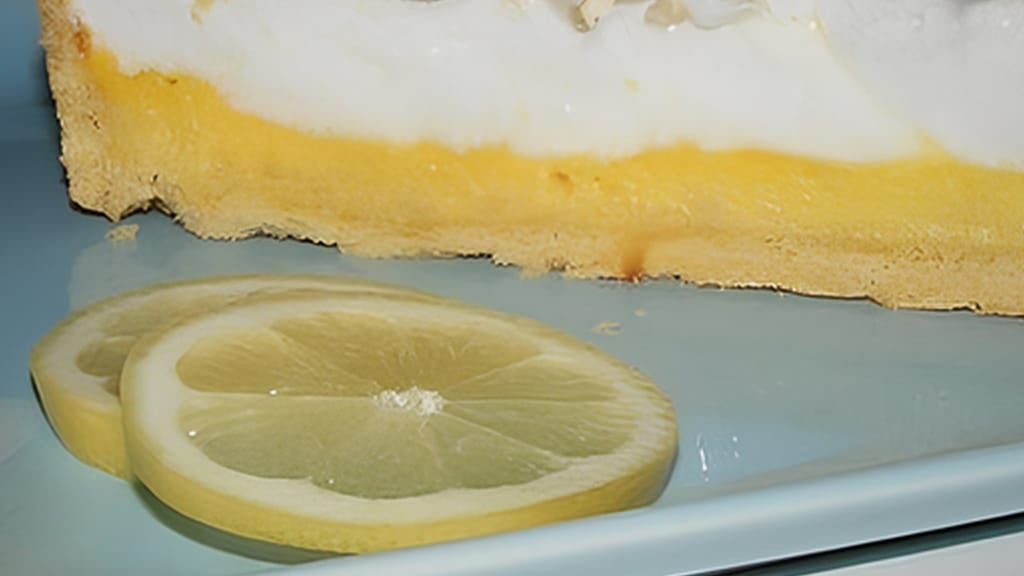
Tarte au citron – french lemon tart
Tarte au citron – our tried-and-tested recipe for a French lemon tart, where all these ingredients come together.
A great lemon tart comes from just a few ingredients, as long as they're good ones:
Pastry: plain flour, cold unsalted butter (82% fat), fine sugar, a pinch of salt, an egg yolk.
Filling: lemon curd made from lemon juice and zest, sugar, eggs and butter – not a soft cheese filling.
Lemons: fresh and heavy for their size; Eureka and Lisbon for zing, Meyer for gentleness.
Ratio and cold: pastry at a 2:1:1 ratio, cold butter, and curd heated to no more than 82°C.
You can make it gluten-free or vegan too. Get started with the tried-and-tested recipe above.
A finished lemon tart keeps in the fridge for 2–3 days, covered or in a sealed container so the filling doesn't pick up odours and the base doesn't turn soggy. Serve it chilled – at room temperature the filling softens. It doesn't improve with longer storage; the base gradually loses its crispness.
Most often it simply didn't get hot enough – lemon curd only thickens once it reaches around 77–82°C, the point at which the egg proteins set. The other common culprit is too few eggs or yolks, or too much juice. Keep in mind the curd firms up significantly once chilled in the fridge, so it will always look thinner straight out of the pan.
Lemon curd on its own freezes beautifully – sealed in a container it keeps for 2–3 months, and you just thaw it slowly in the fridge. A finished tart with its pastry base doesn't freeze as well, since the crisp pastry softens on thawing; if you do freeze it, keep it brief and expect a slightly less crisp base.
For a standard 24cm tart, plan on roughly 3–4 medium lemons, which gives about 120–150ml of juice plus zest from two of them. Adjust the amount depending on the variety – juicy Meyer lemons yield more juice than drier, late-season lemons.
For a classic lemon tart, yes – the moist filling would turn a raw base soggy and leave it gummy. Line the chilled pastry with paper, weigh it down, and blind-bake for about 15 minutes at 180°C, then finish baking until golden. Blind-baking is a far more reliable route to a crisp base than baking the filling on raw pastry.
One recipe worth heating the oven for, one tip, and one deal from the shop. Nothing else.