Canned Pickles: Brine, Vinegar Ratio and How to Keep Them Crisp
Lečo: How Long It Keeps in the Fridge, Freezer and Jars
Updated Nov 17, 2026
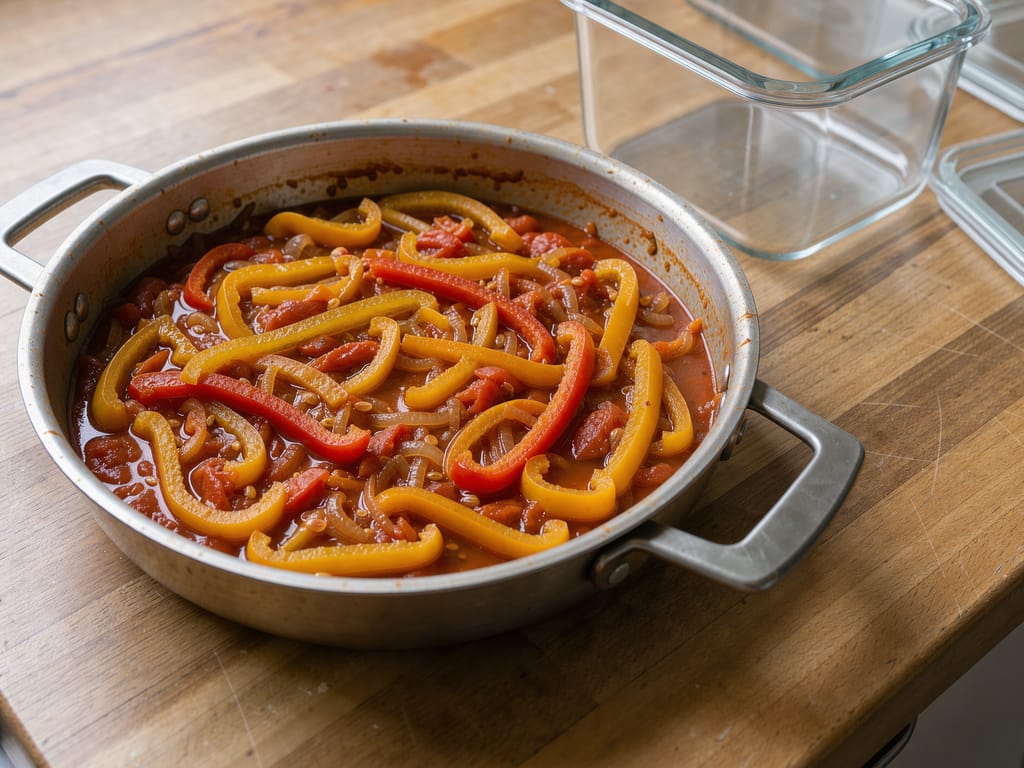
Cooked lečo (a Czech pepper-and-tomato stew) keeps 3–4 days in the fridge, whether it has egg, sausage or just vegetables – that's the general USDA/FSIS guidance for cooked leftovers. The UK's FSA is more cautious: eat it within 48 hours and freeze what you can't finish. In the freezer it keeps 3–4 months, or 2–3 months with egg (USDA/FSIS). Don't can lečo in jars: peppers and onions are low-acid, and a sealed jar carries a risk of botulism. Here's how to store and freeze lečo, and why you shouldn't can it.
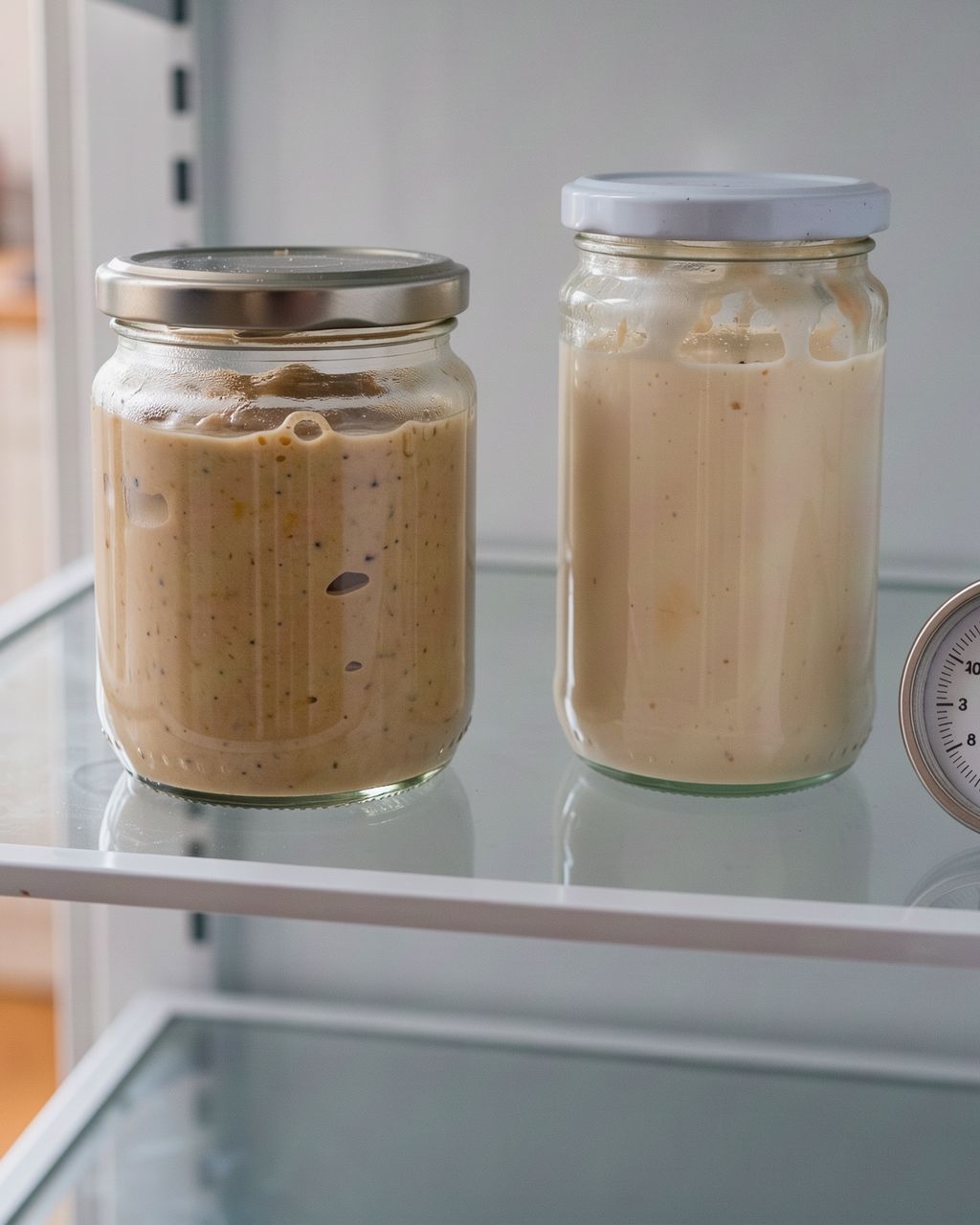
Cooked lečo keeps 3–4 days in the fridge. USDA/FSIS gives this window for cooked leftovers, and it applies at a fridge temperature of 4°C (40°F) or below. The UK's FSA is stricter and advises eating leftovers within 48 hours. If you're not sure how long the lečo has been in the fridge, go with the shorter window.
What else is in the lečo doesn't extend the time – what matters is that it's a cooked dish:
Vegetable-only lečo (peppers, onions, tomatoes): fridge 3–4 days (USDA/FSIS).
Lečo with egg: fridge 3–4 days – USDA/FSIS gives the same window for cooked egg dishes.
Lečo with sausage or hot dogs: fridge 3–4 days (USDA/FSIS for cooked leftovers). A heat-treated sausage on its own does last longer in the fridge, but once you simmer it in the lečo, the window for a finished dish applies.
Get it into the fridge promptly: the FSA advises letting cooked food cool and putting it in the fridge within 1–2 hours. According to USDA/FSIS, it shouldn't sit at room temperature for more than 2 hours, or just 1 hour in heat above 32°C (90°F). A big pot cools slowly, so divide the lečo among shallow containers with lids. For how to handle warm food in the fridge without warming everything around it, see our article on how to store warm food in the fridge safely and without losing quality.
Before eating, reheat it thoroughly until it bubbles; USDA/FSIS recommends reheating leftovers to 74°C (165°F) in the center. Heat only the portion you'll eat, not the whole pot again and again.
Seasonal baking plans, tested recipes and kitchen tricks that save you time. Unsubscribe in one click.
Yes, you can freeze lečo, and it keeps 3–4 months in the freezer – that's what USDA/FSIS gives for cooked leftovers. It would stay safe in the freezer even longer, but according to USDA/FSIS it loses flavor and juiciness with longer storage. For lečo with egg, plan on a shorter time: for cooked egg dishes, USDA/FSIS gives 2–3 months in the freezer.
Lečo without egg freezes best. Peppers go a bit softer after thawing, but in a stewed lečo that doesn't matter – they're soft anyway. Egg, on the other hand, tends to turn rubbery and watery after thawing; USDA/FSIS itself notes that cooked eggs freeze poorly. So:
Cook the lečo without eggs and let it cool.
Divide it into containers or bags by portion, so you only thaw what you'll eat.
Don't overfill the containers; liquid expands in the freezer.
Write the date on them.
When reheating, thaw it, heat it until it bubbles, and only then stir fresh egg into the pan.
Thaw in the fridge overnight, in cold water or in the microwave – these are safe methods according to USDA/FSIS. Don't thaw it on the counter at room temperature.
There is no tested procedure for canning lečo – not acidified in a water bath, and not under pressure. A tested pressure-canning procedure exists only for peppers on their own, not for lečo – not even the all-vegetable kind. Keep lečo in the fridge, or freeze it.
The reason is the bacterium Clostridium botulinum. According to the SZPI (the Czech Agriculture and Food Inspection Authority), it produces botulinum toxin at 4–40°C and pH 4.7–8.5, and canned vegetables are among the risky foods. A sealed, airless jar suits it well. It stops multiplying below pH 4.5 (SZPI), but lečo isn't that acidic: peppers and onions are both low-acid vegetables, and tomatoes don't add enough acid. What's more, the spores survive even long boiling at 100°C (212°F), so a pot of boiling water won't destroy them.
A pressure canner doesn't solve this for lečo either. The NCHFP (the US National Center for Home Food Preservation) has a tested pressure procedure for peppers on their own and for stewed tomatoes with a little pepper and onion, not for lečo, where peppers and onions predominate. An ordinary pressure cooker is not a substitute for a pressure canner. The simplest safe route is therefore the fridge for a few days and the freezer for months.
Adding vinegar and processing in a water bath is not a safe option. The NCHFP does allow canning peppers in a water bath, but only pickled, following a tested recipe with an exact amount of vinegar. There is no such recipe for lečo. Instructions for canned lečo that add "a little vinegar" have never been tested – nobody has measured whether the pH really drops below 4.5.
For more on acidity, jars and which foods may be water-bath canned, see our article on canning for beginners: a complete guide from your first jar.
There is no tested shelf life for home-canned lečo, because there is no tested canning procedure for it. If botulinum toxin forms in a sealed jar, it doesn't help that the jar is only a few weeks old.
So don't judge canned lečo by its date, but by how it was made:
Home-canned lečo: don't eat it, and throw it out, whether it was processed in a water bath or under pressure, even if the lids sealed and even if you added vinegar. A firm lid means vacuum, not safety. Don't open the jars; wrap them and dispose of them so that people and animals can't get to them.
Store-bought lečo in a jar is made by a controlled industrial process – follow the date and the manufacturer's instructions on the label.
The following applies only to store-bought lečo in a jar, not to home-canned. The SZPI states that botulinum toxin can be inactivated by boiling. That is no reason to risk a suspicious jar – it's an extra safeguard for store-bought jars that look fine. Bring such store-bought lečo to a boil before eating.
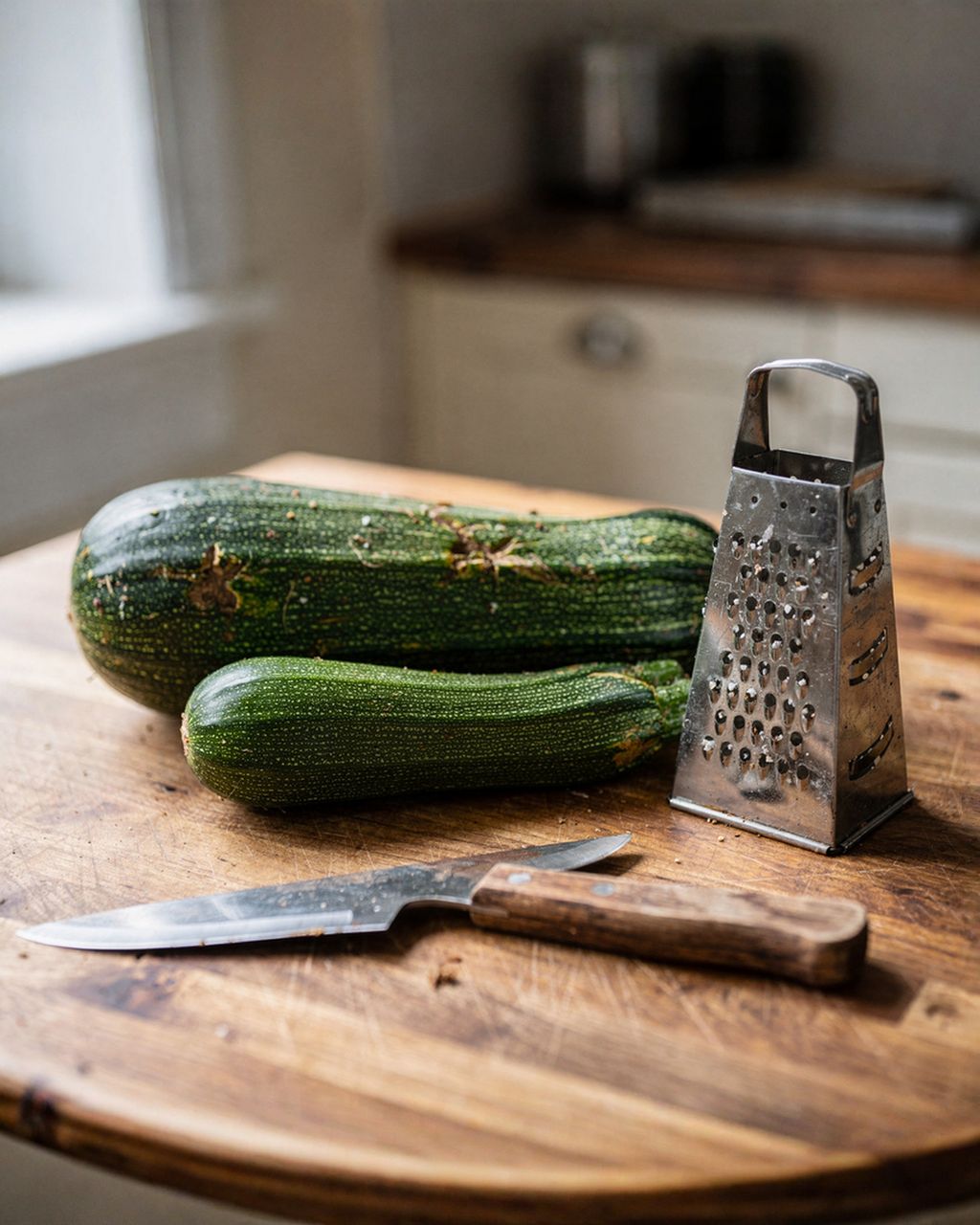
Lečo with zucchini keeps 3–4 days in the fridge and 3–4 months in the freezer, just like the classic version (USDA/FSIS for cooked leftovers); store rice separately. Zucchini often goes into lečo, especially the overgrown ones from the garden. Don't can lečo with zucchini in jars – zucchini can only be canned safely when pickled in vinegar following a tested recipe, and there is no tested procedure for lečo with zucchini. For how to scoop out a big zucchini and what to do with it, see our article on overgrown zucchini: how to hollow it out and what to use it for.
Rice has its own rules: according to the UK's FSA/NHS, cool cooked rice and put it in the fridge within 1 hour, and eat it within 24 hours. Refrigerate it separately from the lečo. Rice mixed into lečo soaks up the juices and goes mushy, so put each part in its own container and combine them on the plate.
Put opened store-bought lečo in the fridge and eat it within the time the manufacturer gives on the label. If there isn't one, treat it like any cooked dish: 3–4 days (USDA/FSIS). Scoop it out with a clean spoon so you don't introduce bits of other food into the jar.
A sour or fermented smell, bubbles, a slimy surface or mold mean the lečo belongs in the trash. It doesn't work the other way around, though: according to USDA/FSIS, the bacteria that cause food poisoning usually don't change how food looks, smells or tastes, so throw lečo out after 3–4 days even if it looks and smells fine.
Pack the lečo cold from the fridge in a cooler bag with ice packs, and put it in the fridge as soon as you get to work. Reheat it until it bubbles before eating.
Reheat lečo only once, so always heat only as much as you'll eat – the UK's FSA advises reheating leftovers no more than once. Heat it to 74°C (165°F) in the center (USDA/FSIS), and don't put whatever is left back in the fridge.
One recipe worth heating the oven for, one tip, and one deal from the shop. Nothing else.