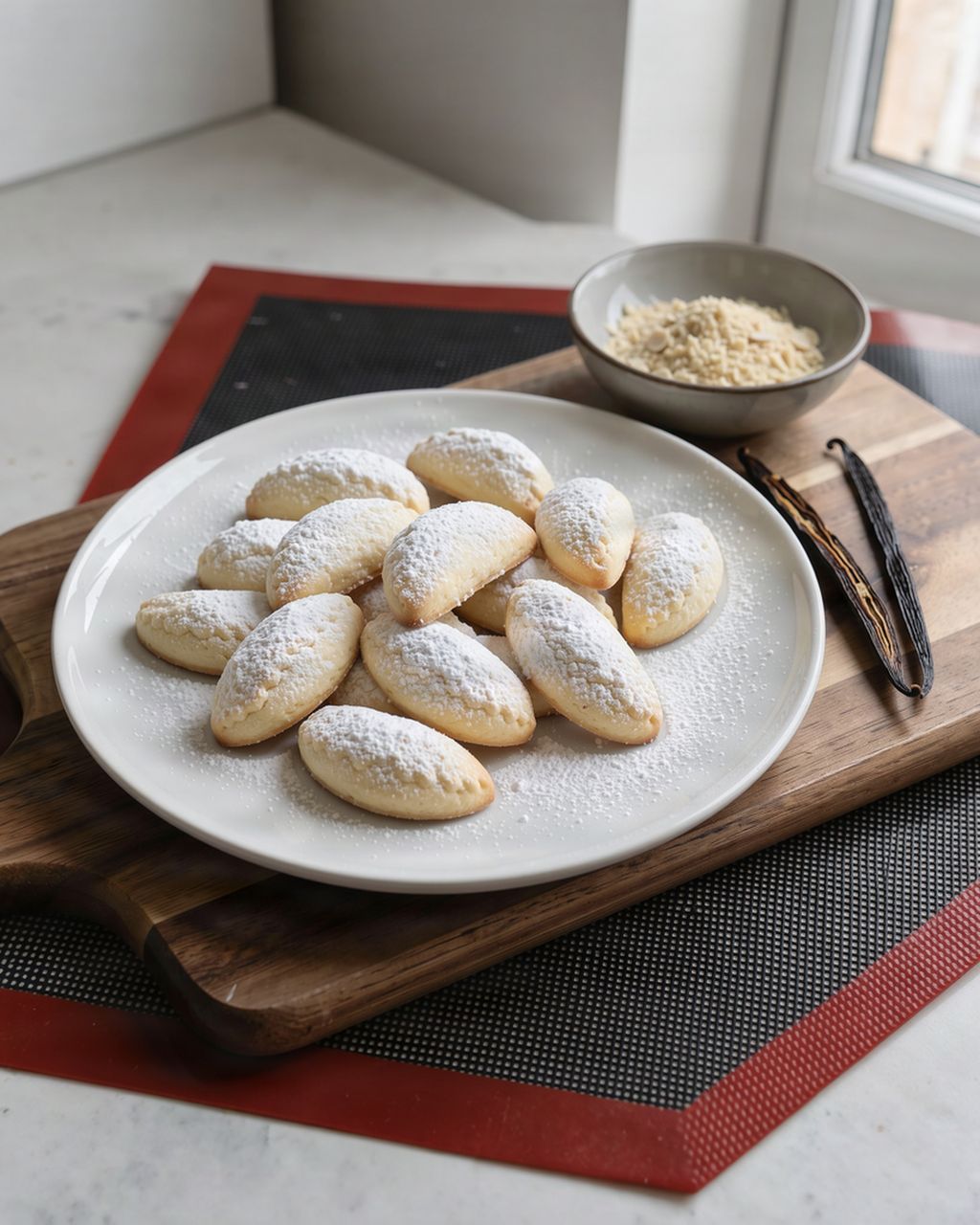
Classic christmas cookies: delicate linzer cookies
How Much Vanilla to Use in Cookies, Custard and Christmas Braided Bread: Vanilla Bean Amounts
Updated Nov 3, 2026
How much vanilla you need depends mostly on whether it's going in the oven. Use 1 vanilla bean per 500 ml (2 cups) of milk for custard, 1 bean per 500 g (about 4 cups) of flour for braided Christmas bread, and ½ a bean per 300 g (about 2½ cups) of flour for cookies. Here you'll find exact amounts for each type of dessert, how to get everything out of a bean, how much extract or paste replaces one bean, and which vanilla origin suits which recipe.
Use 1 vanilla bean per 500 ml (2 cups) of custard, 1 bean per 500 g (about 4 cups) of flour for braided Christmas bread, and ½ a bean per 300 g (about 2½ cups) of flour for shortbread-style cookies.
These amounts assume beans about 15 cm (6 in) long. Bean producers recommend 1–3 beans per 1 litre of liquid, and the amounts below all fall within that range. They apply to the seeds and the scraped pod:
Pudding-style custard, crème pâtissière, crème anglaise: 1 bean per 500 ml (2 cups) of milk or cream
Ice cream base: 1 bean per 330–500 ml (1⅓–2 cups); cold dulls flavour, so lean towards more
Whipped cream: ½ a bean per 250 ml (1 cup) of 33% cream
Buttercream: ½ a bean per 250 g (9 oz) of butter
Linzer and similar shortbread-style dough: ½ a bean per 300 g (about 2½ cups) of flour
Vanilla crescent cookies: ½ a bean in the dough + 1 bean in 150 g (1¼ cups) of powdered sugar for coating
Braided Christmas bread: 1 bean per 500 g (about 4 cups) of flour, or 1½ beans if you want vanilla to be the main flavour
The rule behind all these numbers: the more heat and the more other flavours, the more vanilla. A cold custard carries vanilla on its own, while a braided loaf with rum, raisins and lemon zest needs a stronger hand.
How to soften gingerbread that’s gone hard, when to fill Linzer cookies and how to tell the carp is done. One recipe and one tip a week. Unsubscribe in one click.
You get the most out of a bean in four steps: infuse it in liquid, rub the seeds into sugar, work with fat, and reuse the pod.
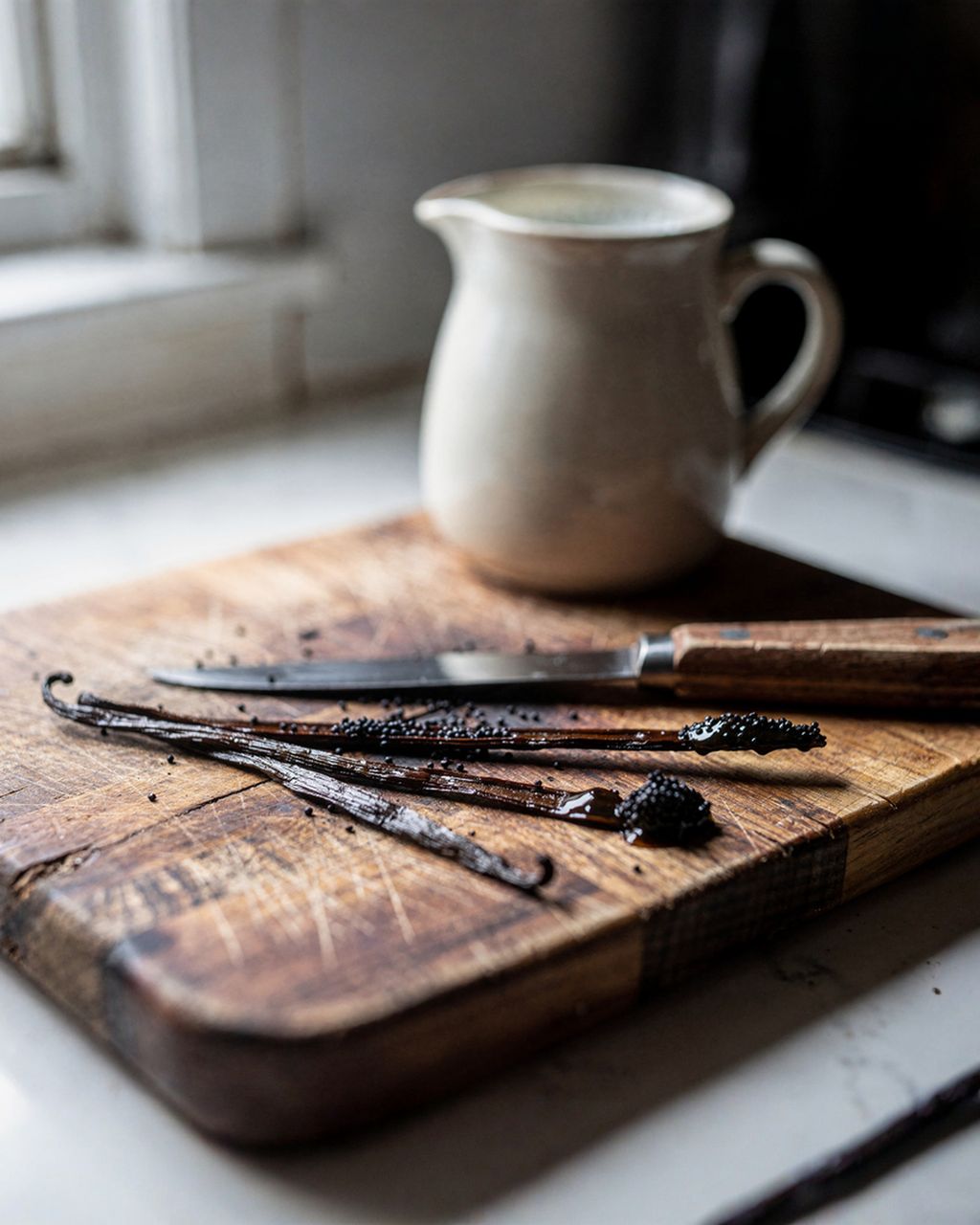
Split the bean lengthwise, scrape out the seeds with the back of a knife, and add both the seeds and the empty pod to your custard or milk – a large part of the aroma stays in the pod. If you add the pod too, the amounts in the guide above apply unchanged.
Infuse for liquids (custards, braided bread). Heat the milk with the seeds and pod to just below boiling, cover, and let it stand for 20–30 minutes. For whipped cream, leave the pod in cold cream in the fridge overnight.
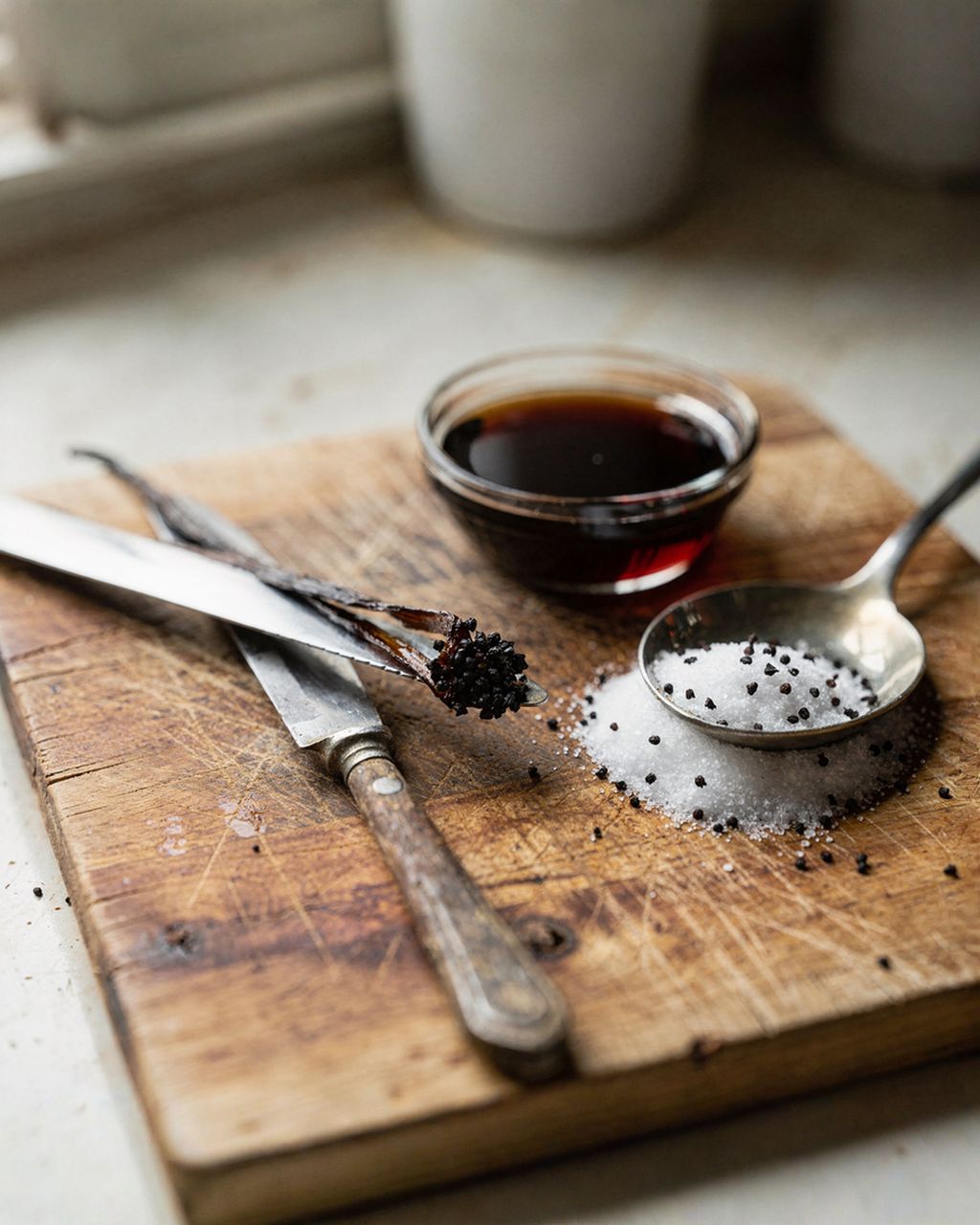
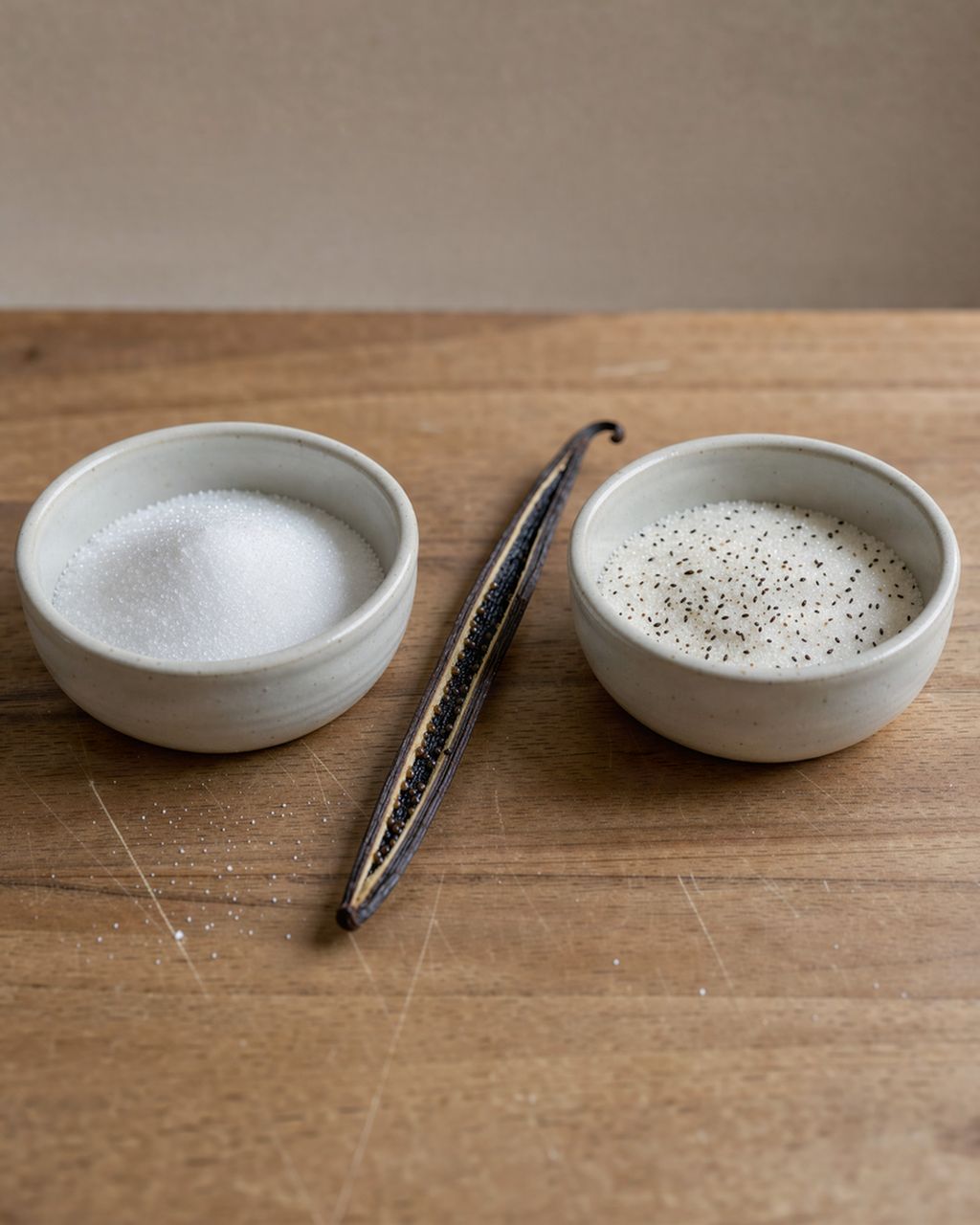
For dough, rub the seeds into sugar. The seeds are sticky and clump into black lumps in butter. Rubbing them into sugar with your fingers spreads them evenly, and the sugar draws out some of the aroma too.
Work with fat. Vanilla's aroma binds well to fat, which is why it comes through more in whole milk, cream and butter than in water.
Reuse the pod. Rinse the used pod, dry it and tuck it into sugar – in two weeks you have vanilla sugar. It won't be strong enough on its own for a second batch of custard. You'll find instructions in the article homemade vanilla extract and vanilla sugar.
For cooked custard, use 1 vanilla bean per 500 ml (2 cups) of milk or cream – the classic amount for crème pâtissière, crème anglaise and homemade pudding. Custard cooks only briefly, so the vanilla doesn't lose much aroma, and this amount tastes clearly of vanilla without overpowering the eggs and butter.
Delicate vanilla (custard under fruit, for cream puff rings): ½ a bean per 500 ml (2 cups)
Pronounced vanilla (custard where vanilla is the main flavour): 1 bean per 330 ml (1⅓ cups)
Ice cream: 1 bean per 330–500 ml (1⅓–2 cups) of base. Cold dulls flavour, so what tastes just right in warm custard is weaker once frozen. Try it in homemade strawberry ice cream with basil and vanilla.
Remove the pod before thickening, but leave the seeds in the custard. If you want it perfectly smooth, strain it through a fine sieve – some of the seeds will be caught, but the flavour stays. You can see vanilla custard in action in macarons with vanilla and chocolate cream.
Cold creams need only ½ a bean per 250 ml (1 cup) of cream or per 250 g (9 oz) of butter. Nothing is cooked, so no aroma is lost, and the smaller amount tastes as strong as a whole bean in pudding.
Whipped cream: stir the seeds from ½ a bean into the cream, or better still, leave the bean with its seeds in the cream in the fridge overnight, then whip. Infused cream has a fuller fragrance.
Buttercream: rub the seeds into the powdered sugar before adding it to the butter. Use ½ a bean per 250 g (9 oz) of butter, or a whole one for pronounced vanilla.
White ganache: ½ a bean per 200 ml (¾ cup) of cream, infused in the warm cream before you pour it over the chocolate.
Keep in mind that seeds will fleck the cream and extract will give it a yellowish tint. If you need a pure white cream, take a look at snow-white buttercream – and if your buttercream turns out greasy, how to whip buttercream so it isn't greasy will help.
For shortbread-style dough, use ½ a bean per 300 g (about 2½ cups) of flour. For vanilla cookies where vanilla is in the name, use ½ a bean in the dough and 1 bean per 150 g (1¼ cups) of coating sugar. Some of the aroma is lost in the oven, but cookies bake briefly and buttery dough holds on to vanilla well.
Linzer-style cookies (roughly 300 g flour, 200 g butter, 100 g sugar): the seeds from ½ a bean rubbed into the sugar. You don't need more – these should smell of butter, and vanilla just underlines it. A tried-and-tested method: tender Linzer cookies.
Vanilla crescent cookies: ½ a bean in the dough, but the main vanilla is in the coating – the seeds from 1 bean per 150 g (1¼ cups) of powdered sugar. Ideally mix the sugar the day before so it can become fragrant. You'll find the recipe in the best vanilla crescent cookies, and if yours break, the article why vanilla crescents break when coated will help.
Vanilla rounds and other uncoated vanilla cookies: here only the dough carries the vanilla, so use more like 1 bean per 300 g (about 2½ cups) of flour and rub the seeds into the sugar.
Filled cookies: put the vanilla in the filling rather than the dough – it comes through more there and won't scorch.
For temperature and time for crescents, see what temperature to bake vanilla crescent cookies at, and for a version without hazelnuts, see vanilla crescents made with other nuts and flour.
Mix the coating sugar from powdered sugar and the seeds of a vanilla bean, 1 bean per 150 g (1¼ cups) of sugar, ideally the day before. Rub the seeds into the sugar with your fingers so they don't clump, and tuck the scraped pod into the sugar jar – by the next day the sugar will be even more fragrant.
For one batch of crescents (roughly 300 g / 2½ cups of flour), count on 100–150 g (¾–1¼ cups) of coating sugar.
Coat the cookies while lukewarm, not hot. Hot ones break and the sugar melts into a sticky layer, while cold ones barely hold on to it.
The difference between vanilla sugar and vanillin sugar, and when it matters, is explained in the article vanilla sugar or vanillin sugar.
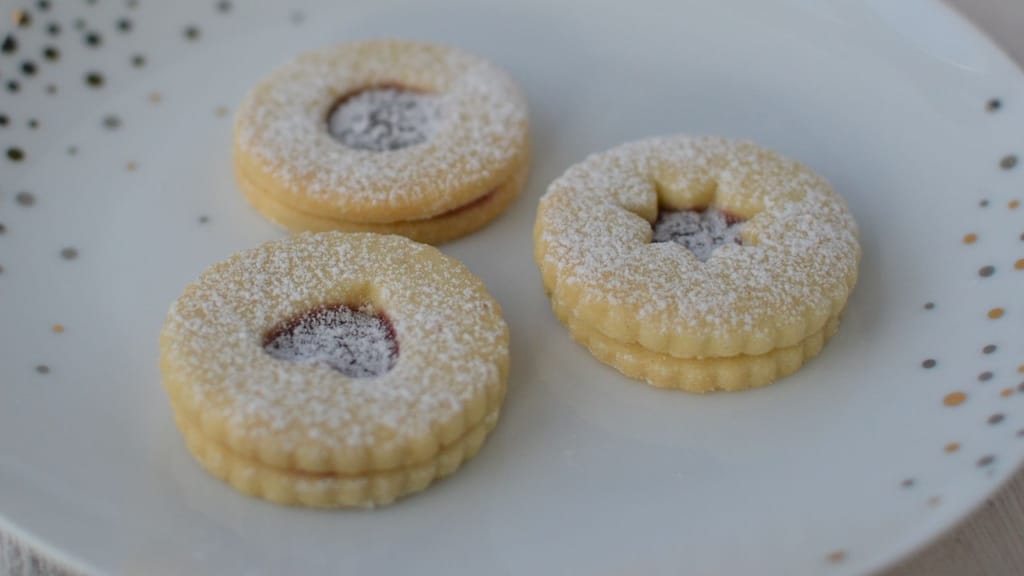
Classic christmas cookies: delicate linzer cookies
Tender Linzer cookies – ½ a vanilla bean per 300 g (2½ cups) of flour
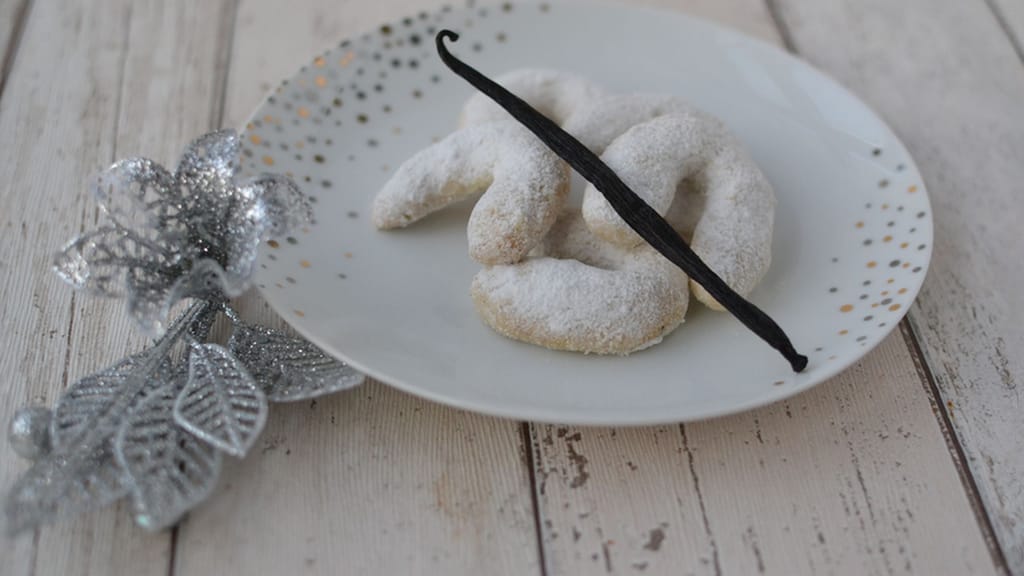
The best christmas cookies? vanilla crescents, of course!
Vanilla crescent cookies – 1 bean per 150 g (1¼ cups) of coating sugar
For braided Christmas bread, use 1 vanilla bean per 500 g (about 4 cups) of flour. The loaf bakes for around 45 minutes and competes with rum, raisins, lemon zest and often mace, so vanilla plays second fiddle. If you want it to be noticeable, add 1½ beans.
Put the seeds and pod into the milk you'll be warming for the dough anyway and let it infuse for 20 minutes. Then let the milk cool to lukewarm (about 30 °C / 86 °F) so it doesn't kill the yeast, and remove the pod.
Alternatively, rub the seeds into the sugar and add them to the dough with it.
Vanilla doesn't belong in the glaze or topping – it scorches in the oven.
Try it in Mom's braided Christmas bread.
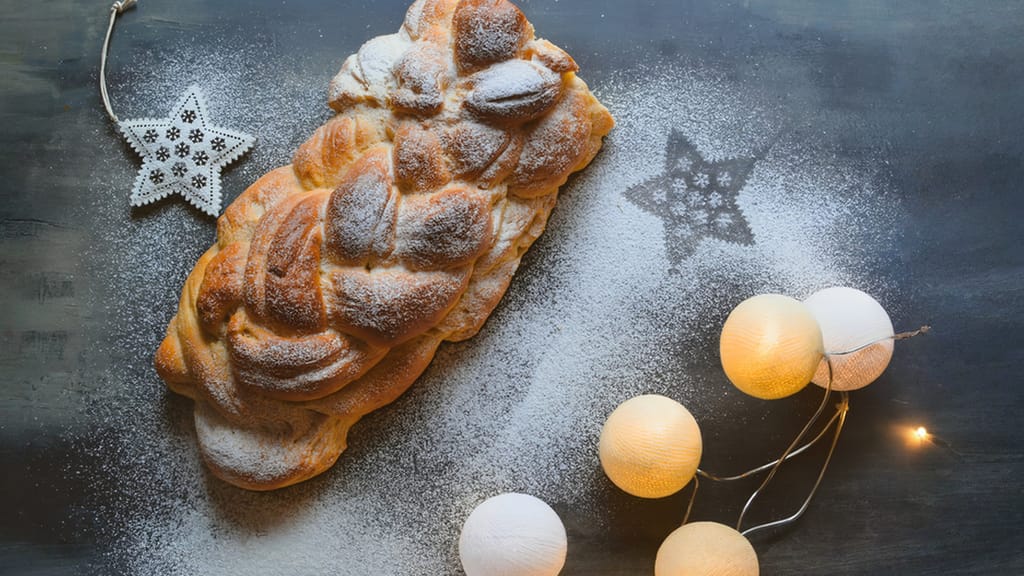
Homemade butter christmas braid
Mom's braided Christmas bread – add the vanilla infused in the milk
1 vanilla bean equals roughly 2–3 teaspoons (10–15 ml, at most 1 tablespoon) of vanilla extract or vanilla paste, according to vanilla producers' conversion tables. Paste and extract can be swapped for each other at roughly 1:1.
Each form has its place – and honestly, it doesn't always have to be a bean:
Whole bean wins wherever vanilla is the main flavour: custards, ice cream, whipped cream, coating sugar for crescent cookies.
Extract is practical in doughs and in creams where you don't want specks. In cold creams, add it at the end.
Paste gives you specks like a bean without the scraping, and suits buttercream and cheesecake.
Vanillin sugar contains flavouring (vanillin or ethyl vanillin), not vanilla. It smells simple and sweet. In braided bread with rum and zest you'll hardly notice the difference, but in custard you will.
True vanilla sugar (with ground vanilla or vanilla extract – check the ingredients) is weaker than a bean, and its strength varies a lot between brands.
You'll find detailed ratios for every substitute in the article what to use instead of a vanilla bean.
For baking, reach for Madagascar Bourbon or Ugandan vanilla; for cold creams, choose Tahitian. Tahitian vanilla (the species Vanilla tahitensis) has a floral, fruity fragrance with notes of cherry and anise, but these show best in recipes that aren't baked or only baked briefly. Classic Vanilla planifolia (Madagascar, Uganda, Tanzania) is creamier and handles heat better.
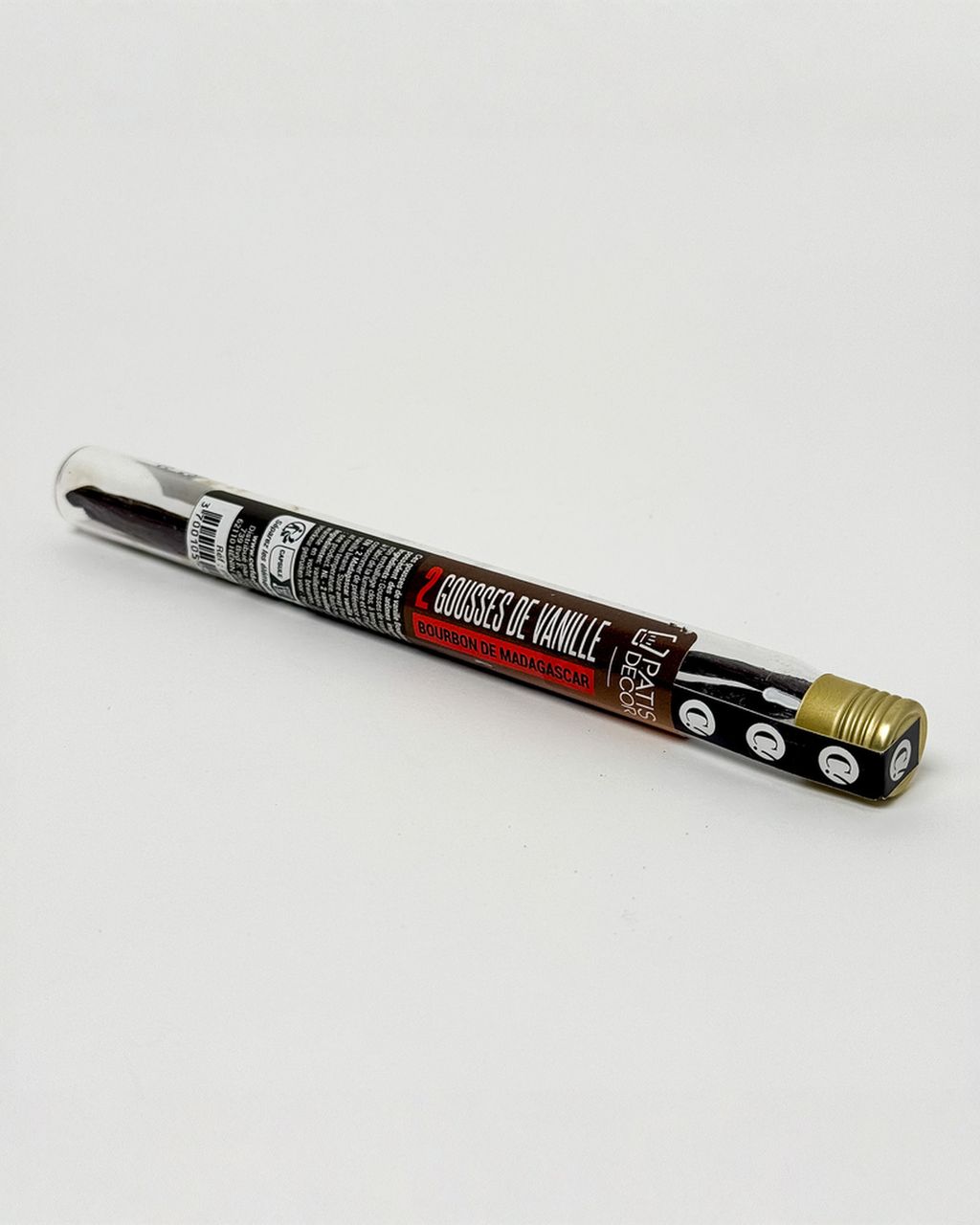
Madagascar Bourbon – classic, sweet, creamy vanilla, just as you know it from pudding. An all-rounder: custards, cookies, braided bread. If you're unsure, pick this one.
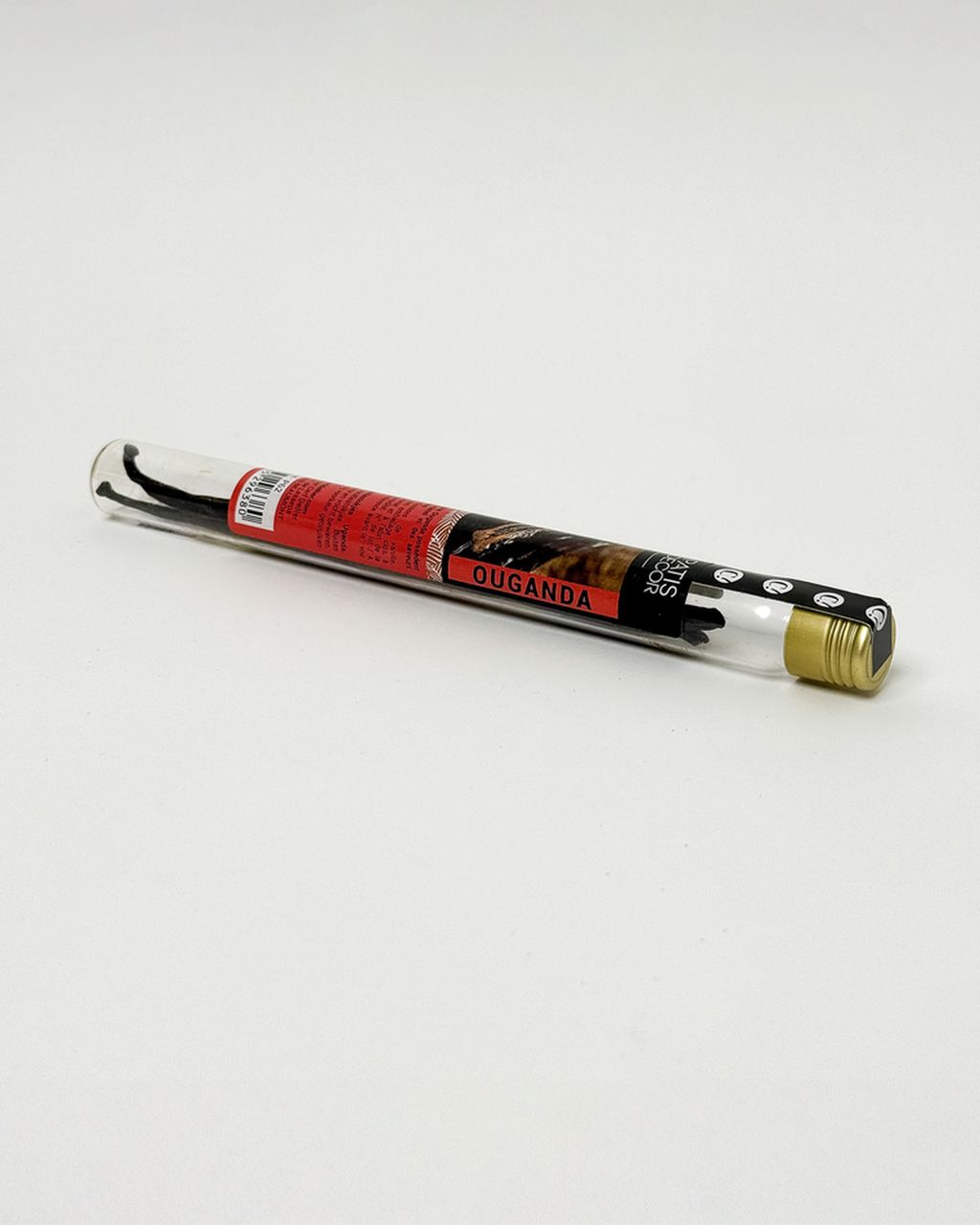
Uganda – bold and full. It stands up to long baking, so it's ideal for braided Christmas bread and chocolate desserts.
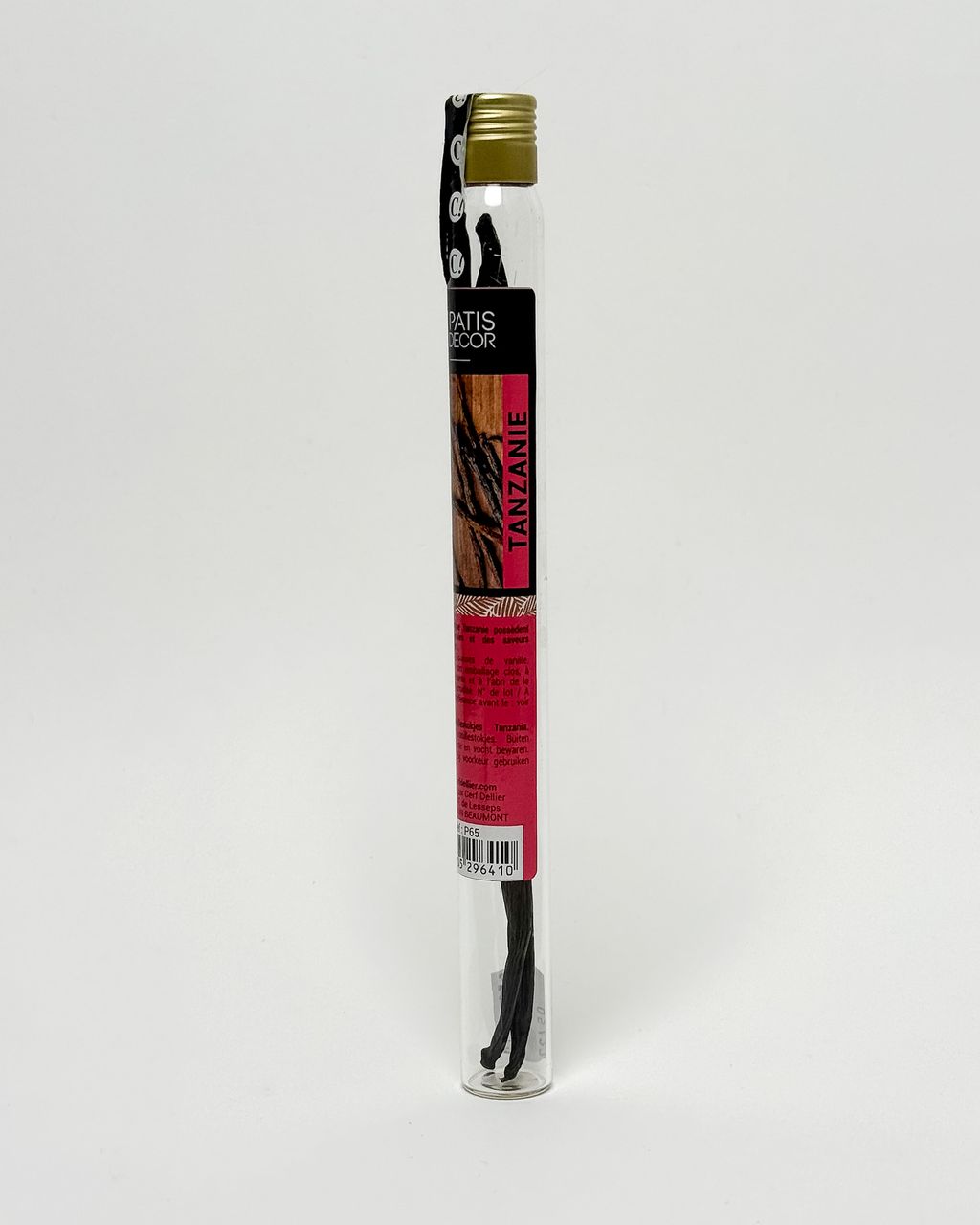
Tanzania – sweet and creamy. Great in pudding-style custard and Linzer cookies.
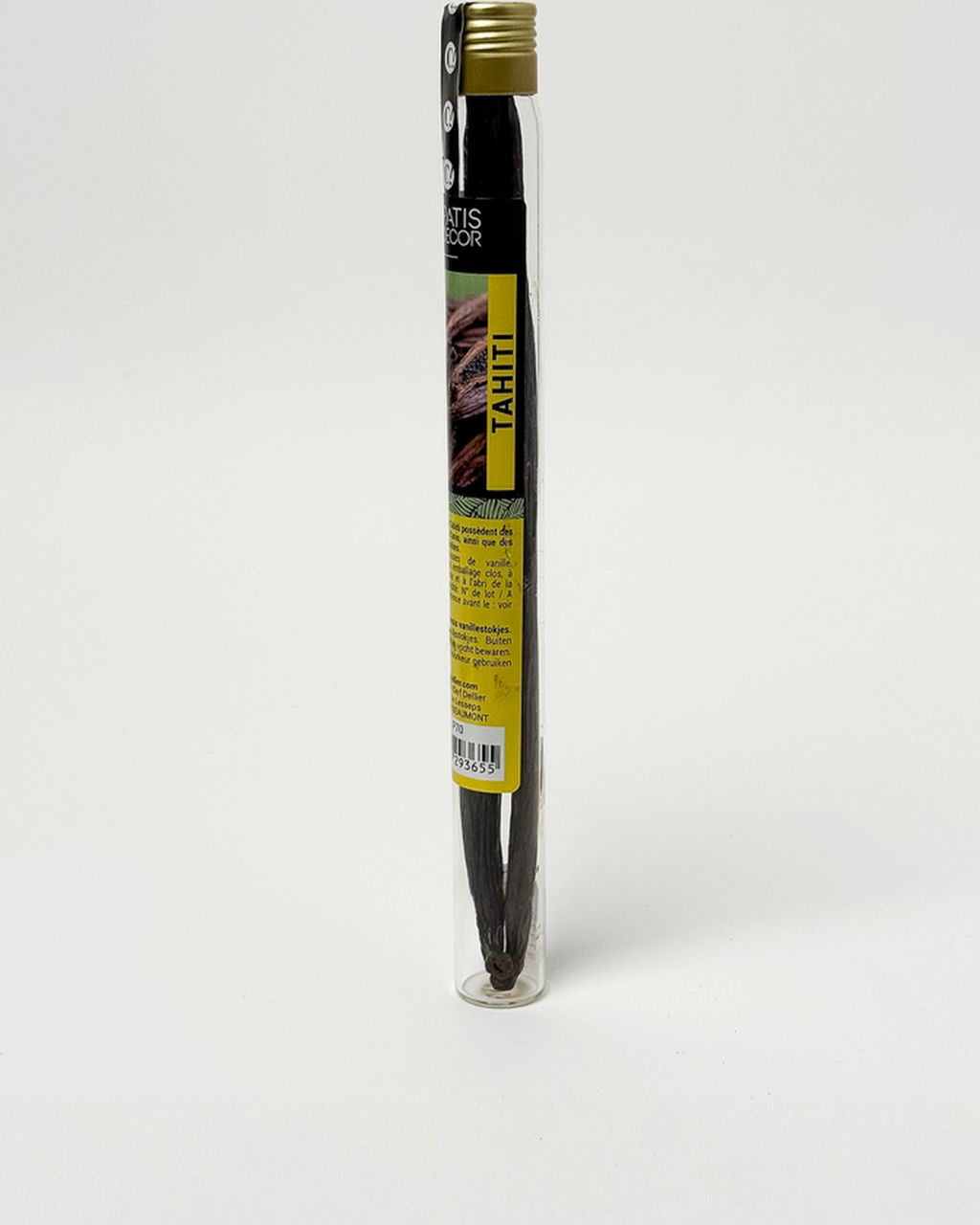
Tahiti – floral and fruity. It belongs in whipped cream, panna cotta, ice cream and buttercream, where nothing is baked. It would be a waste in braided bread.
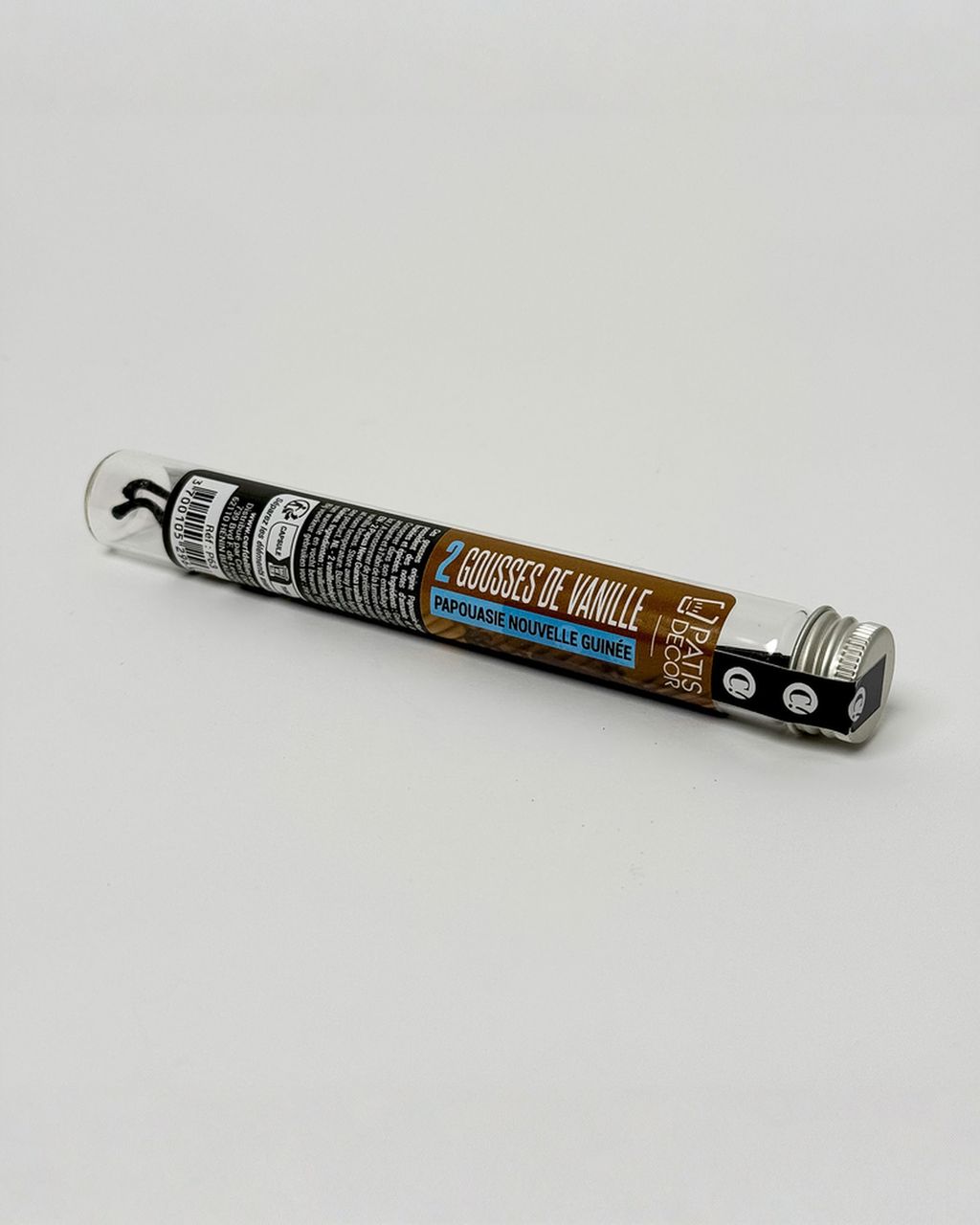
Papua New Guinea – both planifolia and tahitensis are grown here, and the local tahitensis tends to have spicy notes with a hint of tobacco leaf. It suits custards and the vanilla sugar for crescent cookies.
You'll find all the beans we carry on the page vanilla beans and vanilla. How the individual origins are grown, how their prices differ and how to recognise a good bean is covered in the article vanilla bean: types, price and how to use it. And to keep your beans from drying out before Christmas, read how to store vanilla beans.
For panna cotta, use 1 vanilla bean per 500 ml (2 cups) of cream, just as you would for cooked custard. Infuse the seeds and the pod in the warm cream before you add the gelatin, then remove the pod. Panna cotta isn't baked, so floral Tahitian vanilla works well here too.
Some of the vanilla aroma evaporates during baking, especially in dough that bakes for a long time, like braided Christmas bread. A higher amount (1–1½ beans per 500 g of flour), infusing the seeds in milk or fat, and using beans with a sturdier aroma, such as those from Uganda or Madagascar, all help.
Yes. Too much vanilla tastes woody or bitter, and with extract it can taste boozy too. With whole beans this rarely happens if you follow the producers' recommendation of 1–3 beans per litre. Be more careful with extract, where it's easy to overdo it.
Custard made with a vanilla bean keeps in the fridge for roughly 2–3 days, because its shelf life depends on the milk and eggs, not the vanilla. Store pudding-style custard and crème pâtissière with cling film pressed directly onto the surface. If you leave the pod in, the vanilla flavour will keep getting stronger.
Vanilla is measured in whole beans because the amount of seeds varies with the length and plumpness of the bean, while the whole bean, pod included, gives a more reliable aroma. A large part of the fragrance also stays in the pod, so for custard or milk always add both the seeds and the empty pod.
One recipe worth heating the oven for, one tip, and one deal from the shop. Nothing else.