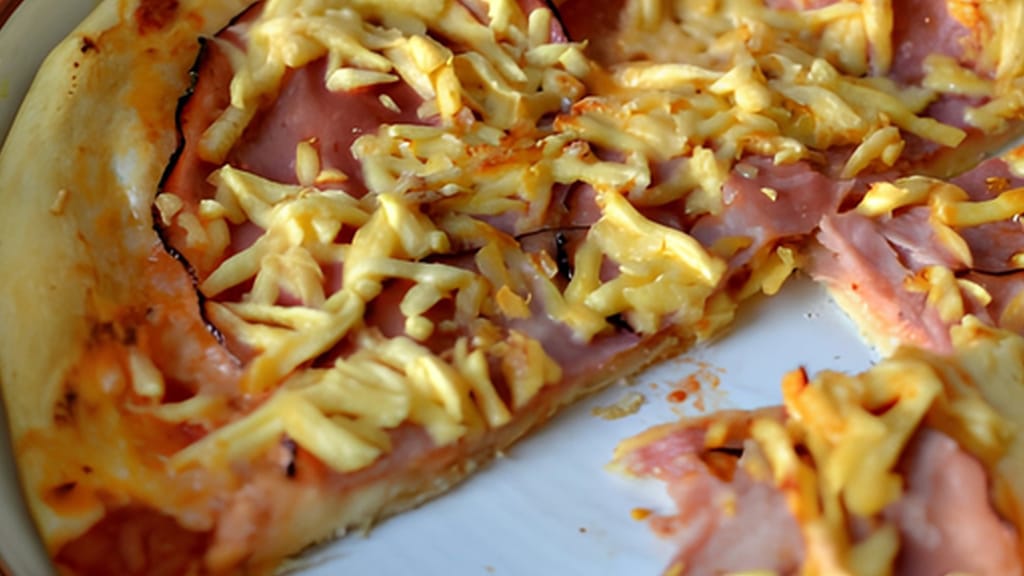
Homemade pizza with overnight dough
Frozen Pizza: What Temperature to Bake It At for a Crispy Crust That Isn't Dried Out
Updated Nov 17, 2026
Bake frozen pizza straight from the freezer in a properly preheated oven at 220°C (425°F) with top and bottom heat (or 200°C/400°F with convection), directly on the rack in the lower part of the oven, for roughly 10–16 minutes depending on the type. That's what Dr. Oetker gives on the packaging, and it works for most other thin pizzas too. A crispy crust needs strong heat from below, and right from the start. A dried-out pizza is almost always overbaked, or baked too high up and for too long. Below you'll find a table of temperatures and times, where to put the pizza in the oven, when convection or an air fryer makes sense, and how to freeze your own pizza so it doesn't turn rubbery after baking.
Bake frozen pizza at 220°C (425°F) with top and bottom heat, or at 200°C (400°F) with convection, in an oven preheated to full temperature. Times vary with the thickness of the pizza. These values come from Dr. Oetker's instructions on oetker.cz and on the packaging. The pizza goes into the oven straight from the freezer (−18°C/0°F):
Thin pizza (Ristorante type): 220°C (425°F) top/bottom heat, 200°C (400°F) convection, gas mark 4. Rack in the lower part of the oven, 10–14 minutes for most varieties (depending on the variety, see the packaging).
Thicker, risen-dough pizza (Guseppe type): 220°C (425°F), rack in the middle of the oven, 13–16 minutes. It's done when the cheese has melted and the edges are light brown.
Mini pizzas (Piccolissima type): 220°C (425°F), convection 200°C (400°F), rack at the bottom, 7–9 minutes.
Mini pizzas in an air fryer: 160°C (320°F), 5–7 minutes (Dr. Oetker's instructions).
For any other brand, the instructions on its packaging always take priority. Pizzas differ in thickness, amount of topping and whether the crust is precooked. Treat the values in the chart as a starting point if you've thrown the packaging away.
Also keep in mind that ovens often don't tell the truth. If your pizza keeps coming out pale or burnt even when you follow the instructions, find out how to check your oven's real temperature. A 20°C difference is often exactly what separates a crispy bottom from a rubbery one.
Seasonal baking plans, tested recipes and kitchen tricks that save you time. Unsubscribe in one click.
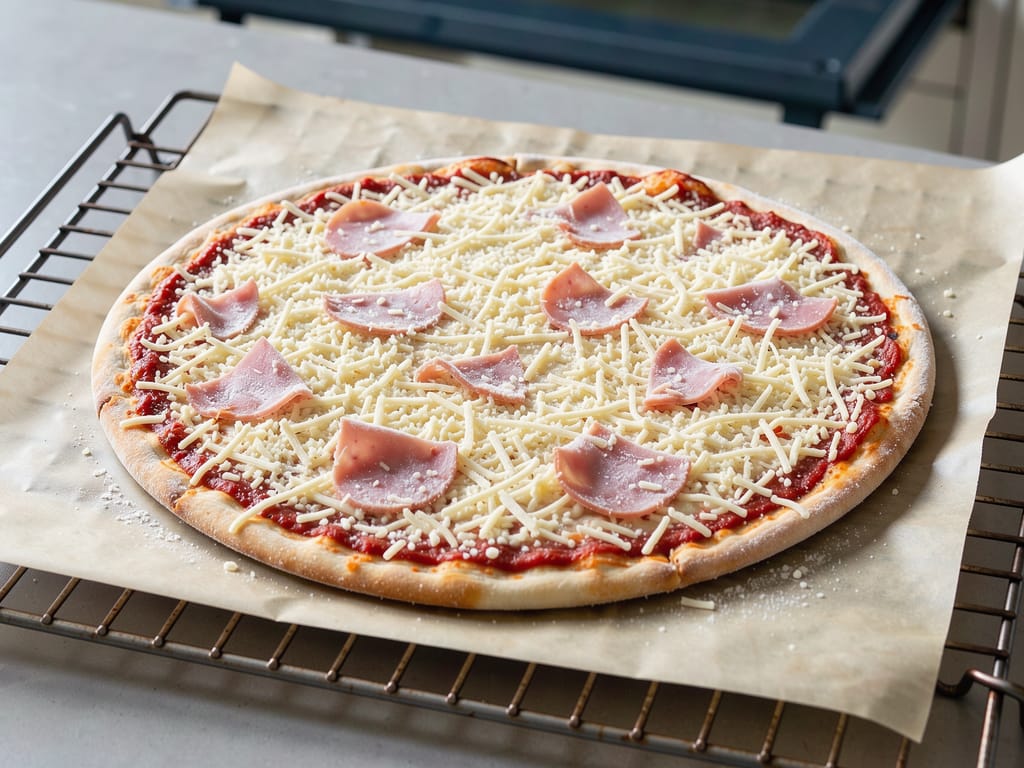
Put frozen pizza on the rack, not on a cold baking sheet. Manufacturers mostly send it onto the rack in the lower part of the oven, sometimes lined with parchment paper. The bottom then gets heat right away and from all sides.
Rack (the best choice): hot air circulates under the pizza too, so steam from the thawing dough escapes and the bottom bakes instead of steaming. Parchment paper under the pizza catches drips of cheese and doesn't hurt the crust.
Cold baking sheet (the worst choice): the sheet heats up along with the pizza, so the bottom stays cold and damp for a long time. The result is often a well-baked top, dried-out edges and a rubbery center to the crust.
Baking sheet preheated in the oven: a good compromise if you don't want to risk dripped cheese. Let the sheet heat up with the oven and put the pizza on it only once it's hot.
Baking stone: the crust will be at its crispiest, because the stone stores a lot of heat and passes it to the dough all at once. The stone has to be hot all the way through, though, so heat it along with the oven. Before you put a frozen pizza on it, check the stone's instructions to see whether it can handle a big temperature difference.
Why the lower part of the oven? That's where the pizza is closest to the bottom heating element, so the crust finishes baking before the top dries out. For a thicker, risen-dough pizza the manufacturer chooses the middle of the oven, so the thicker dough bakes through before the edges burn.
For a single pizza, use conventional (top and bottom) heat at 220°C (425°F). That gives the base the most direct heat, so it comes out crispier with stretchier cheese, which is also what Dr. Oetker recommends for its Ristorante pizzas. Convection at 200°C (400°F) makes sense when you're baking several pizzas at once on two racks. The fan spreads the heat more evenly, but it dries out the top and crust edges more.
For more on why convection usually means lowering the temperature by about 20°C and when it's worth using, see our article on convection vs. conventional baking, which has a separate section on pizza.
Air fryers work best for mini pizzas. Dr. Oetker sends its Piccolissima into the fryer frozen at 160°C (320°F) for 5–7 minutes. A large pizza usually won't fit flat in the basket, and if you fold or cut it, the topping slides to the bottom of the basket.
Lay the pizzas side by side, not on top of each other. The air fryer bakes with a stream of air, and under a second pizza the crust would steam.
The fan is close to the top, so the cheese browns faster than in the oven. Take a first look a minute or two before the end.
Air fryers vary quite a bit in power. Treat the time on the packaging as the upper limit and adjust it for your appliance after the first try.
If you also use your air fryer for sweet baking, have a look at baking in an air fryer.
Don't thaw it. Manufacturers explicitly write "do not thaw the pizza before baking", and the times on the packaging assume a pizza straight from the freezer. When pizza thaws, water is released from the dough and topping, the crust soaks it up, and in the oven the bottom then steams rather than bakes. A crispy bottom comes precisely from frozen dough hitting strong heat, so the moisture evaporates before the dough has a chance to go soft.
A pizza that looks golden and precooked isn't necessarily done. The US Department of Agriculture's Food Safety and Inspection Service (USDA FSIS) warns that frozen products should be prepared as if they were raw, even when they look otherwise. So bake it for the full time given on the packaging, in a properly hot oven, not just "to warm it through".
Don't refreeze a thawed pizza. Dr. Oetker packaging says so directly: store in the freezer at −18°C (0°F) or colder, and do not refreeze after thawing. If your pizza softened on the way home from the store or the power went out in your freezer, put it in the fridge and bake it that same day. If it has been above 4°C (40°F) for more than 2 hours, throw it away. For what to do with other foods, see our article power outage: what keeps in the fridge and freezer.
A soft bottom almost always has one of three causes: you didn't preheat the oven, the pizza sat on a cold baking sheet, or it was too high up. A dried-out top, on the other hand, is a sign that you baked too long at too low a temperature, or with convection too close to the top heating element.
Bottom soft, top done: next time put the pizza one level lower, on the rack or on a preheated baking sheet or stone, and turn off convection.
Edges hard and dry, cheese darkened: you're baking too long. Check the oven's real temperature and take the pizza out at the lower end of the time on the packaging.
Cold in the middle, edges done: the oven wasn't hot, or the pizza softened in the meantime and soaked up water. Bake it truly frozen and in a fully heated oven.
Cheese ran off: the pizza wasn't level, or it sat on a rack with bars set too far apart. Put parchment paper under it.
Look at the bottom as soon as you take it out. If it's still pale and floppy, return the pizza for a few minutes directly on the rack in the lower part of the oven.
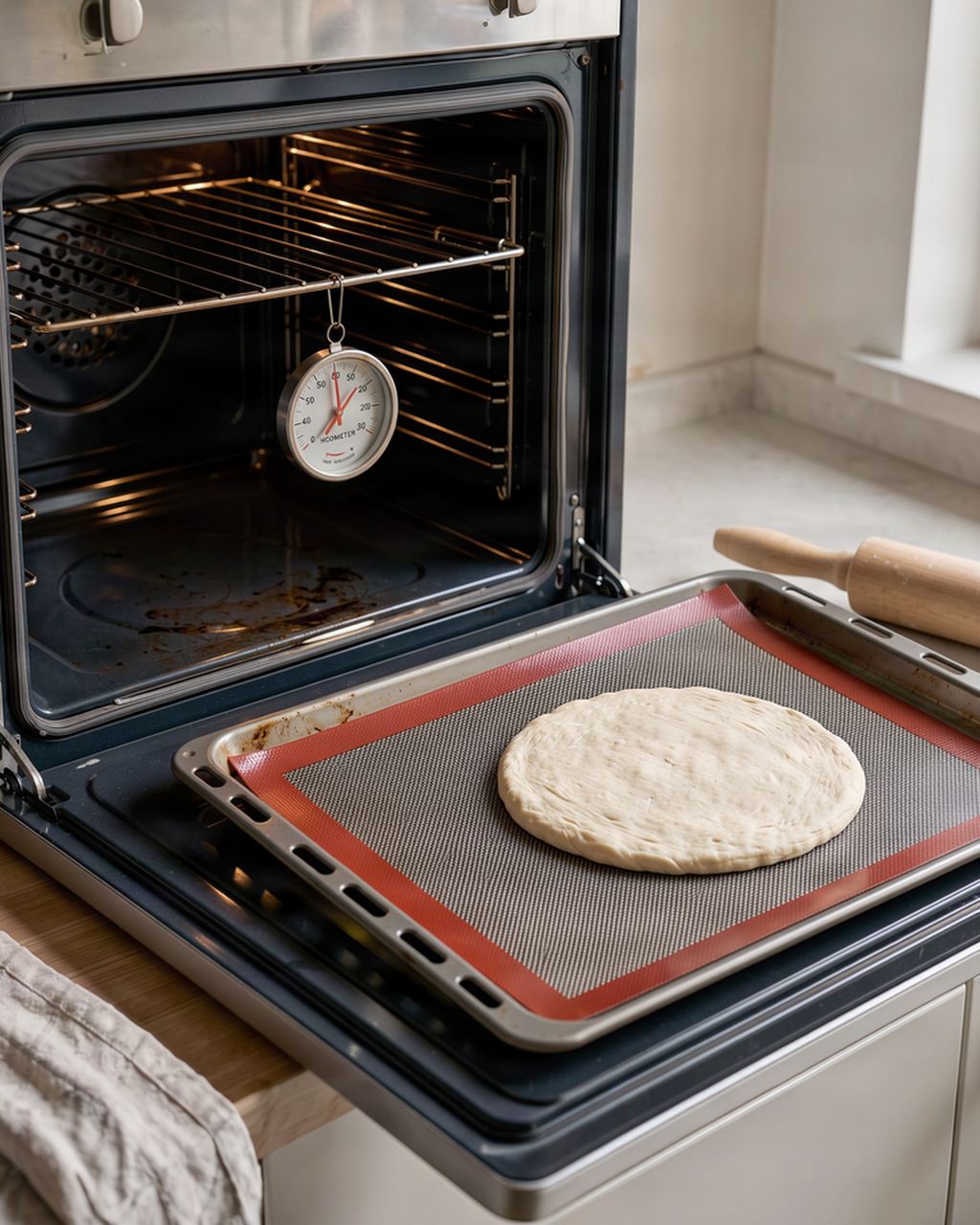
The best way to freeze homemade pizza is to parbake the crust, let it cool, add the toppings and freeze. Raw risen dough with toppings on it soaks up moisture in the freezer and tends to be heavy once baked.
Bake the crust from our perfect homemade pizza with only a thin layer of sauce, briefly, until it just starts to take on color. Our whole article on pizza dough is built around how the dough is made and baked.
Let it cool completely on a rack so steam doesn't soften the bottom.
Add drier toppings. Let the mozzarella drain, and put watery vegetables (tomatoes, mushrooms) on just before baking instead.
Freeze it unwrapped, flat on a baking sheet until firm. The topping then won't stick to the wrap.
Wrap it tightly in plastic wrap and then in a bag or container so no air reaches the surface. The surface then won't dry out or develop dry white patches (freezer burn). Write the date on it.
How long it keeps: use homemade pizza within 1–2 months in the freezer, as recommended by the US FoodSafety.gov food storage chart. That time refers to quality. At a constant −18°C (0°F) the pizza stays safe for longer, but it dries out and loses flavor.
Baking: bake frozen homemade pizza the same way as store-bought, that is, without thawing, on the rack in the lower part of an oven heated as hot as possible, until the cheese melts and starts to bubble. The crust is already parbaked, so it only finishes baking and you mainly keep an eye on the topping.
Homemade pizza with overnight dough
Perfect Homemade Pizza: A Dough for Parbaking Crusts to Keep in the Freezer
A frozen pizza is done when the cheese has melted completely and is bubbling on top, the edges are light brown and the bottom is firm. To check the bottom, lift the edge of the pizza with a spatula: it should be dry and golden and shouldn't bend. If it's pale and floppy, give the pizza a few more minutes on the rack in the lower part of the oven.
In a gas oven, set it to mark 4, as Dr. Oetker states for its Ristorante pizzas. Gas oven scales vary by manufacturer, though, so check your oven's manual too. Put the pizza on the rack and check the bottom toward the end of baking.
You can bake two frozen pizzas at once with convection at 200°C (400°F) on two levels. Swap them halfway through and expect it to take a few minutes longer than a single pizza. Swapping evens out the difference between the levels, so both pizzas get a well-baked bottom and top. At the end, check each one separately and take it out when it's done.
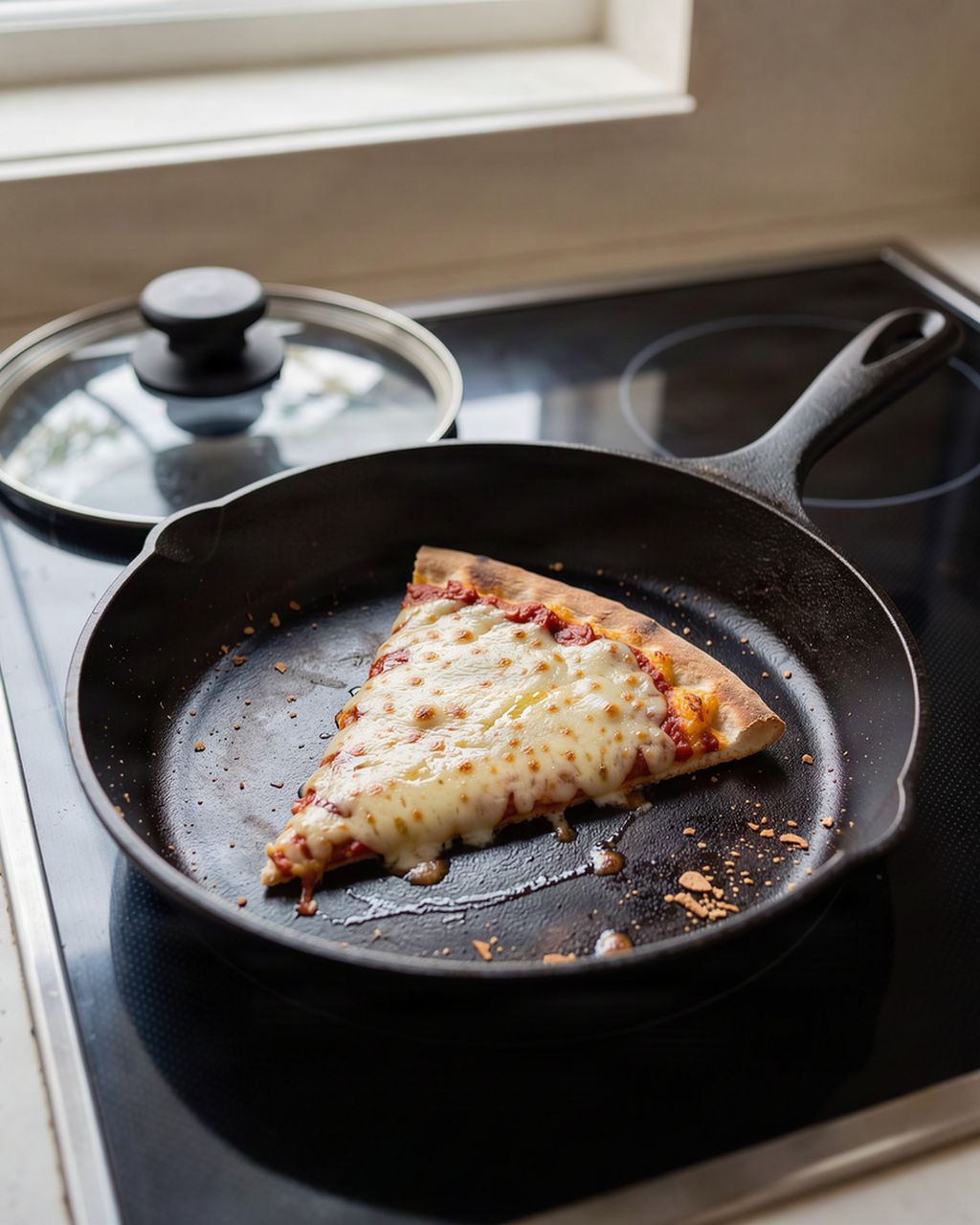
Eat baked frozen pizza within 3–4 days from the fridge, as FoodSafety.gov recommends. It should go into the fridge within two hours of baking. The best way to reheat it is in a dry, hot skillet with a lid on: the bottom crisps up again and the cheese melts. In the microwave, the dough turns soft.
One recipe worth heating the oven for, one tip, and one deal from the shop. Nothing else.