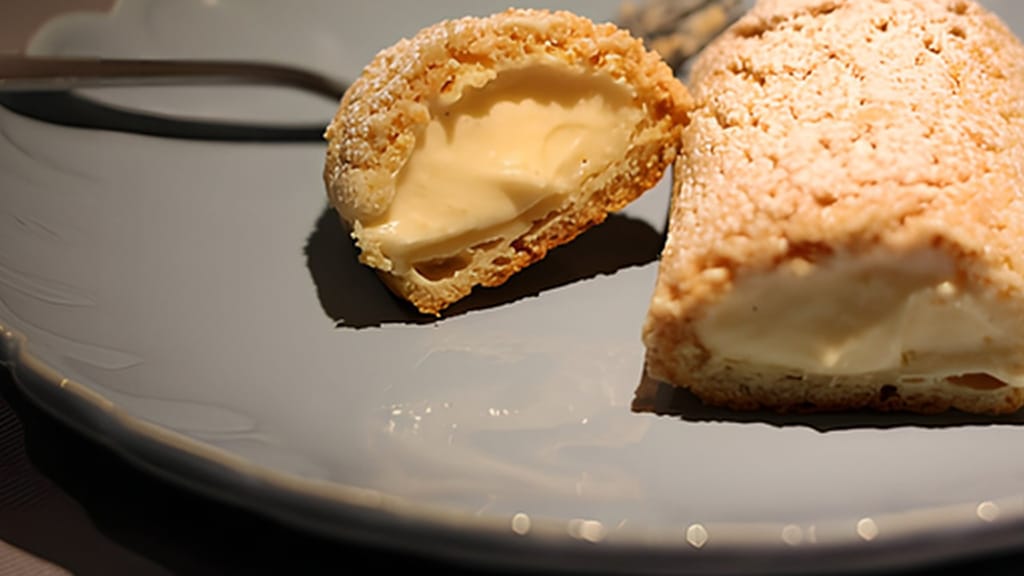
Eclairs à la ladurée – irresistibly delicious pastries
Chocolate Glaze for Éclairs: Classic Fondant, Ganache & Modern Twists

Updated Jul 19, 2026
Chocolate glaze for éclairs really comes in two forms: the traditional glossy chocolate fondant you'd find in French patisseries, and silky chocolate ganache, which you can whip up at home from just two ingredients. Fondant gives you that perfectly mirror-like, deeply glossy finish and tends to be noticeably sweeter; ganache is simpler, richer in chocolate flavour, and far more forgiving. In this article we'll walk through both — chocolate-to-cream ratios, the right temperatures, and dipping technique — plus modern variations from white chocolate and matcha glazes to colourful decorative finishes, so you know exactly what to use and how to apply it for beautifully glossy éclairs that don't drip.
The classic glaze for éclairs is chocolate fondant — a poured sugar glaze melted to a glossy finish, traditional, richly shiny, and quite sweet. The modern alternative is chocolate ganache, made from chocolate and cream: less sweet, deeper in chocolate flavour, and far easier to pull off at home. In short:
Fondant (the classic): a perfect mirror shine, sets firm and dry, distinctly sweet, and needs precise tempering up to a max of 37°C. This is the version you'll find in French patisseries.
Ganache (the modern/homemade option): silky, velvety, less sweet, and doable with just two ingredients — it will never be quite as mirror-glossy as fondant, but it wins on flavour.
Other modern glazes: caramel, fruit glazes, matcha, mirror glaze, or white chocolate for colourful variations.
The rest of this article will walk you through how to make and apply each one. If you're still working out the pastry shells themselves, check out our guide on how to bake perfect choux pastry éclairs.
Eclairs à la ladurée – irresistibly delicious pastries
Ladurée-Style Éclairs — A Reliable Base for Any Chocolate Glaze
Éclairs originated in France in the 19th century, and their creation is traditionally credited to the famous pastry chef Marie-Antoine Carême. They were originally called pain à la duchesse (or petite duchesse) and decorated with almonds; the pastry cream filling and glaze came only later. The word éclair itself means "lightning" in French — according to one story, because of how quickly they disappear from the table.
Here's an important detail that often gets confused today: the classic glaze wasn't chocolate ganache, but chocolate fondant — a poured sugar glaze that gives that signature mirror shine. Ganache as an éclair glaze is a more modern and, above all, more accessible approach, since you can make it at home without glucose syrup or a thermometer. As modern gastronomy took off, glazes made from milk and white chocolate appeared too, along with flavour experiments like orange liqueur, matcha, or chilli.
The easiest and most reliable homemade glaze for éclairs is dark chocolate ganache — just good-quality chocolate and cream in a 1:1 ratio. Warm cream melts the chocolate, and the fat combines with the liquid to form a smooth, glossy emulsion. That's the entire trick to ganache.
For glaze covering one batch of éclairs (about 10–12 pieces), you'll need:
100g good-quality dark chocolate (60–70% cocoa)
100ml whipping cream (minimum 30% fat)
1 tablespoon honey or glucose syrup (optional, for extra glossy shine and flexibility)
A 1:1 ratio (chocolate:cream) gives a glaze that's just fluid enough for dipping. If you'd like a thicker glaze that clings more firmly to the éclairs, add extra chocolate, moving toward a 2:1 ratio. The quality of the chocolate comes through directly in both flavour and shine — this is not the place to cut corners.
Chop the chocolate finely and place it in a heatproof bowl — the smaller the pieces, the more evenly it will melt.
Heat the cream in a saucepan until just below boiling point, until small bubbles form around the edges (don't let it come to a full boil).
Pour the hot cream over the chocolate and let it sit for 1–2 minutes so the chocolate warms through.
Stir from the centre outward with a whisk or spatula in small circles, until the mixture turns glossy, smooth, and uniform. Stir in the honey now, if using.
Cool to working temperature — around 30–35°C. The glaze should be fluid but not thin. At this temperature it will coat the éclair beautifully and set with a nice finish.
Ganache is forgiving: if it firms up too much, just warm it again over a bain-marie or briefly in the microwave.
Modern glazes come about in three main ways: using a different type of chocolate (milk, white), adding flavour (matcha, chilli, fruit, caramel), and decorative finishes (colourful, mirror-glazed, with edible gold). The basic ganache technique stays the same — only the ratio and add-ins change.
For milk and white chocolate, use more chocolate relative to cream — roughly a 2:1 to 3:1 ratio. The reason is technical: milk and white chocolate contain less cocoa butter and more milk fat and sugar, so the same amount of cream would leave the glaze too thin and unable to set properly. The result is sweeter and softer, ideal under fruit fillings or as a base for colourful variations. If you're not sure about the differences between chocolate types, our guide on the differences between dark, milk, and white chocolate can help.
Stir ½–1 teaspoon of matcha powder into white ganache — it adds a natural green colour and a subtle bitterness that beautifully balances the sweetness of white chocolate. Sift the matcha first to avoid lumps. For a bolder version, add a pinch of ground chilli or cayenne pepper to dark ganache; the spicy kick appears right at the end and works surprisingly well with dark chocolate. Add both of these carefully and taste as you go — they can easily overpower the chocolate.
For colourful patterns, use white ganache or mirror glaze: add a few drops of gel food colouring (not water-based) and swirl it with a toothpick to create a marbled effect while the glaze is still wet. Water-based colourings will cause the ganache to curdle; gel ones won't. Apply edible gold (leaf or dust) with a dry brush once the glaze has set — it adds a luxurious finish even to the simplest éclair. Mirror glaze, the kind you'll recognise from modern cakes, looks stunning but is trickier to make — it requires gelatine, glucose, and precise temperatures.
The cleanest result comes from dipping: dip the top of the éclair into the warm glaze (30–35°C), lift it out, let the excess drip off, and smooth the edge with one pass of your finger. Alternatively, spread the glaze with a spoon, working from the centre outward. Three rules for a glossy finish:
The right glaze temperature. Hot glaze runs off and stays dull; cold glaze drags and creates lumps. Aim for 30–35°C.
Dry, cooled pastry shells. Glaze won't set properly on a damp or warm éclair.
Decorate right away. Add nuts, dried fruit, sprinkles, or piped decorations while the glaze is still wet so they stick; edible gold, on the other hand, should go on once it's set.
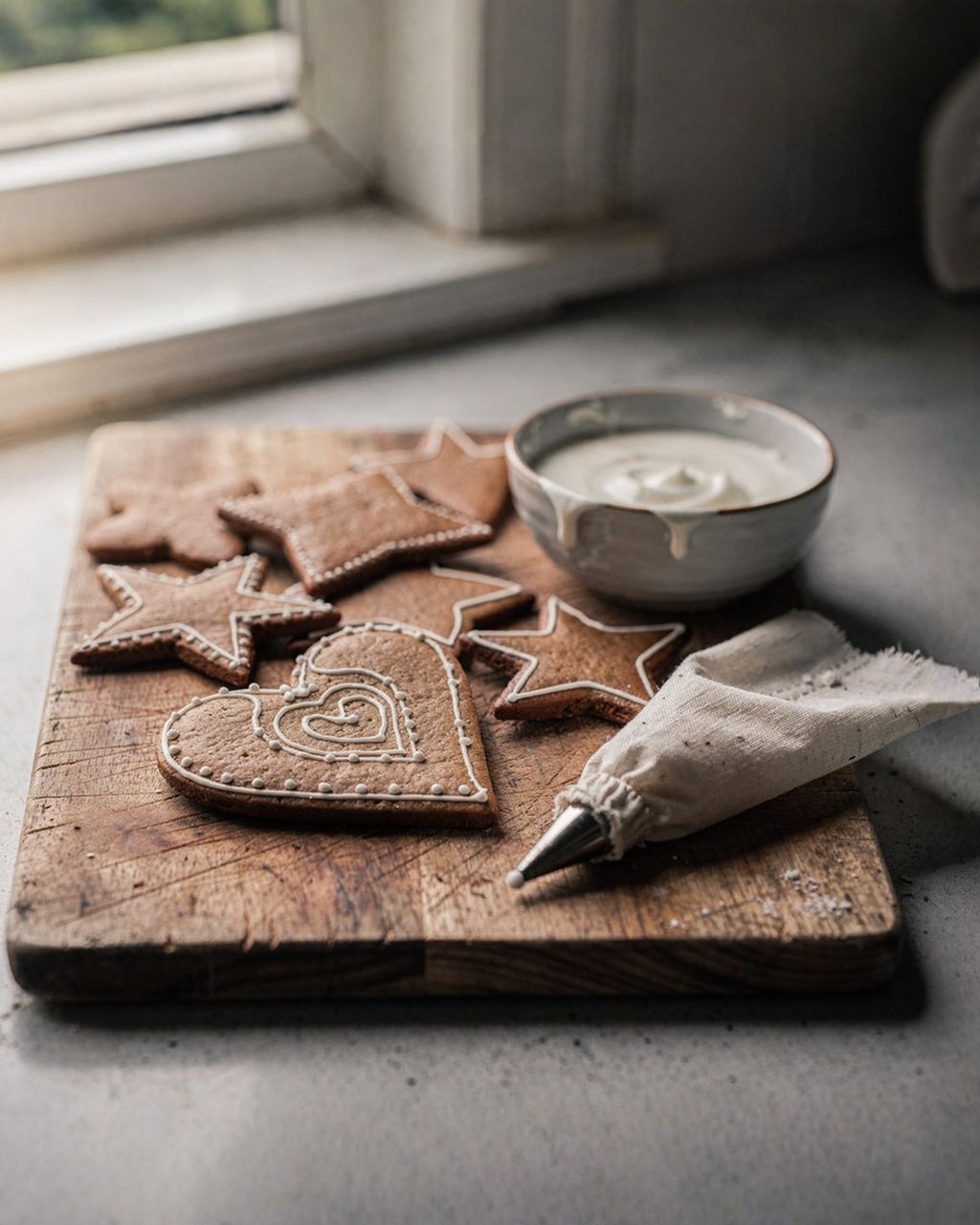
For fine lines and patterns, use a piping bag fitted with a small tip and filled with melted chocolate.
Choose based on the occasion and your experience level. Dark chocolate ganache is the best all-round choice — easy, reliable, and deep in flavour, perfect for everyday baking and fruit-filled éclairs alike. Go for classic fondant when you want that authentic mirror shine from a French patisserie and don't mind the extra sweetness and working with a thermometer. Choose milk or white chocolate ganache for softer, sweeter desserts and as a base for colour work. And if you want to really impress, reach for a colourful or mirror glaze with edible gold. Don't be afraid to experiment — that's the whole beauty of it: the basic ganache technique stays the same, you're just changing the chocolate, the ratio, and the flavour.
They taste best on the day they're made, since filled éclairs gradually soften as the filling seeps in. Stored in a sealed container in the fridge, they'll keep for 1–2 days, though the glaze may lose a bit of its shine. Always keep them chilled, as both pastry cream and ganache are cream-based. Let them sit at room temperature for a few minutes before serving.
Yes, ganache can easily be made a few days in advance and kept in the fridge. Before using it, just warm it gently over a bain-marie or briefly in the microwave and stir until it turns smooth and glossy again, reaching around 30–35°C. However, only glaze the éclairs right before serving, so the pastry shell stays crisp.
Ganache usually curdles from overheating or being stirred too vigorously. To rescue it, add a tablespoon of warm cream (or milk) and whisk from the centre outward until the emulsion comes back together and turns smooth. A brief warm-up over a bain-marie also helps. To prevent it in the first place: just bring the cream to a gentle boil and stir calmly.
You can swap cream for a thick, whippable plant-based cream (coconut or oat) in the same ratio; with coconut cream, expect a subtle coconut flavour. Choose the highest-fat version you can find, otherwise the glaze will stay too runny. Plant-based ganache can also set a bit more slowly, so give it extra time to firm up.
For 10–12 éclairs, plan on roughly 100g of chocolate and 100ml of cream, which makes about 200g of finished ganache. If you're dipping rather than spooning it on, make a bit extra and use a narrower, deeper bowl so you can comfortably dip even the last éclair.
One recipe worth heating the oven for, one tip, and one deal from the shop. Nothing else.