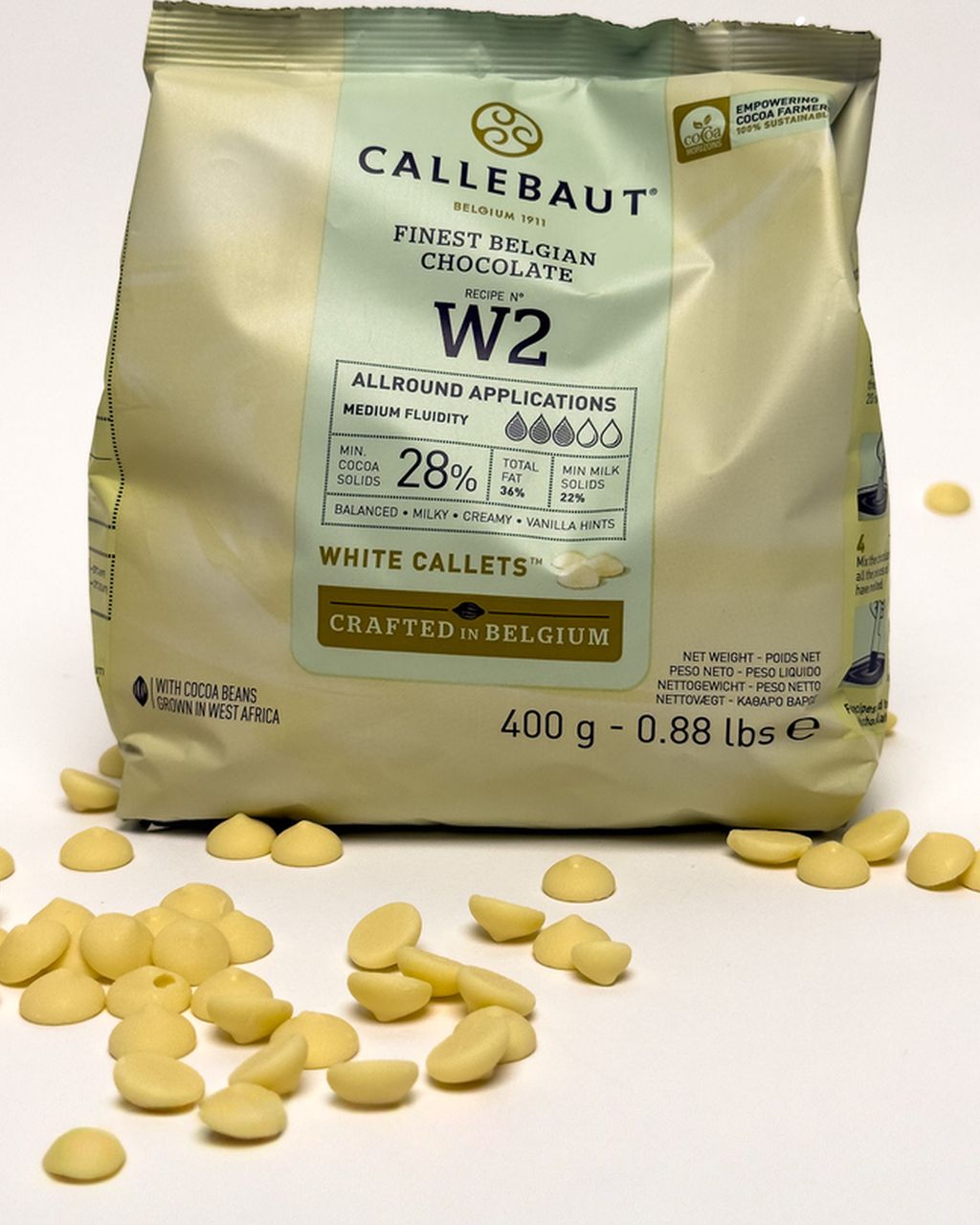
Callebaut White Chocolate Callets (W2) 400g
Cake Pops That Stay on the Stick and Don't Crack: A Step-by-Step Guide
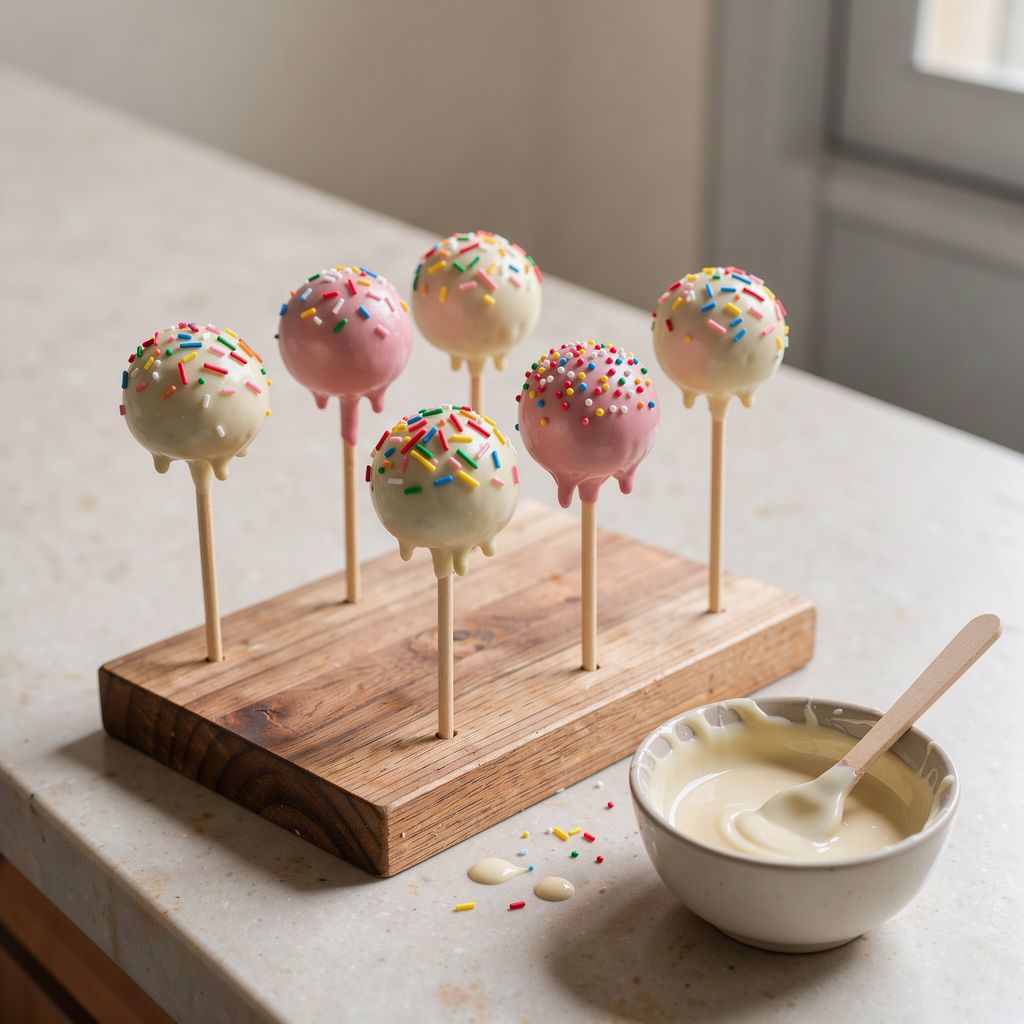
Updated Oct 15, 2026
Cake pops stay on the stick when the ball is small (25–30 g) and firm, and the stick is anchored with a dip in melted chocolate. The coating won't crack if the balls aren't rock-hard from the freezer and the chocolate isn't hot. It all comes down to the ratio of crumbs to frosting and to temperature, and here are both in numbers.
Cake pops fall off for three reasons: the ball is too heavy, too soft, or the stick isn't anchored in it at all. Often it's a combination of all three.
A heavy ball. Above 30–35 g, the stick can't hold it through dipping and tapping. Stick to 25–30 g, which makes a ball about 3.5 cm (1.4 in) across.
A soft, greasy mixture. More frosting doesn't mean more cohesion. Excess fat softens the ball as soon as it warms up in your hands or in the coating, and the stick starts to slip.
A stick with no anchor. A dry stick pushed into crumbs holds only by friction. One tap and the ball slides into the bowl.
Start with a ratio of roughly 4:1 to 5:1: for 500 g of crumbled cake, 100–120 g of frosting, and add it a spoonful at a time until the mixture holds together. The right mixture behaves like modeling clay: when you squeeze it in your palm it keeps its shape, doesn't stick to your fingers and doesn't release fat.
Cake: a denser, moist cake works best. A simple chocolate cake or leftover genoise sponge are good choices, though a dry sponge will take a little more frosting.
Frosting: buttercream, cream cheese with butter, or ganache. Ganache holds best because it firms up as it cools.
Crumbs: as fine as possible, with no hard edges. Coarse pieces make bumps on the surface that show through the coating.
If the mixture cracks, add a spoonful of frosting. If it smears over your hands, add more crumbs, or chill it for 15 minutes and try again.
Dip about 1 cm (½ in) of the stick's tip into melted chocolate and push it into the ball about halfway to two-thirds of the way through. The chocolate around the stick sets and works like a wall plug.
Chill the rolled balls in the fridge for 15–20 minutes so they firm up a little.
Dip the stick in chocolate and push it in straight, not at an angle. A slanted stick levers the ball loose when you dip.
Return the balls with their sticks to the fridge for another 10 minutes, until the chocolate around the stick has set.
Only then start dipping.
Don't push the stick all the way through the ball. A stick poking out the top is where moisture will seep through and where the coating will crack first.
The chocolate cracks mainly because of a temperature difference: an icy ball warms up and expands in the warm coating, but the shell around it is already set. The ball pushes outward and the coating splits, often a few minutes after dipping, sometimes with a drop of moisture in the crack.
What to do about it:
Chill the balls, don't freeze them. 15–20 minutes in the fridge, or 10 minutes at most in the freezer. They should be firm, not frozen solid. Over-freezing is the most common cause of cracks.
Don't overheat the coating. The hotter the coating, the bigger the shock. Tempered chocolate is worked at only about 28–32 °C (82–90 °F), which is much gentler on the ball than hot melted coating.
Let the balls rest before dipping. If they're too cold from the freezer, leave them on the counter for 5–10 minutes.
Small cracks can be rescued. Dab a little melted chocolate over them and cover with sprinkles.
For cake pops you can use real tempered chocolate or a confectionery coating (candy melts, fat-based coating). Both work, but they differ in taste and in how demanding they are.
Real chocolate tastes best, shines and gives a satisfying snap. But you have to temper it, otherwise it stays dull, with gray streaks, and sticks to your fingers.
Fat-based coating and candy melts aren't tempered; you just melt them. The price is flavor: they contain vegetable fat instead of cocoa butter and taste more of sugar than of chocolate. We don't sell them, but for a kids' party where color matters most, they're an honest choice.
If you want real chocolate, white is the most forgiving: it takes color well and shows off every sprinkle. We reach for Callebaut W2 white chocolate. It's medium-fluid, so it coats the ball in a thin layer, and it has clear temperatures. According to the manufacturer, melt it to 45 °C (113 °F), cool it to 27 °C (81 °F) and work at 28–29 °C (82–84 °F), at most 31.5 °C (89 °F). You'll find more among the white chocolate for cake pops in our range.
If your chocolate seems too thick for dipping, thin it with cocoa butter or a teaspoon of coconut oil per 200 g of chocolate. Never use water, milk or cream, as the chocolate would seize.
Submerge the whole ball in one go, straight down, and lift it out without turning it. Don't swirl it around in the bowl, as that's where it most often comes off.
Put the coating in a narrow, deep container (a mug or a glass) so the ball goes in completely, along with a bit of the stick.
Dip, lift out and hold the cake pop at an angle over the container.
With your other hand, tap lightly on the wrist of the hand holding the stick, and slowly rotate the stick. The excess runs off and the coating levels out.
Stand the cake pop in a holder or a block of polystyrene foam, never upside down on paper, which makes a flat "foot".
The thinner the layer, the lighter the ball and the smaller the chance that it slips or cracks.
Color white chocolate with oil-based (fat-based) chocolate colors, not ordinary water-based gel colors. The water in gel color makes chocolate seize: it thickens, turns grainy and can't be used for dipping.
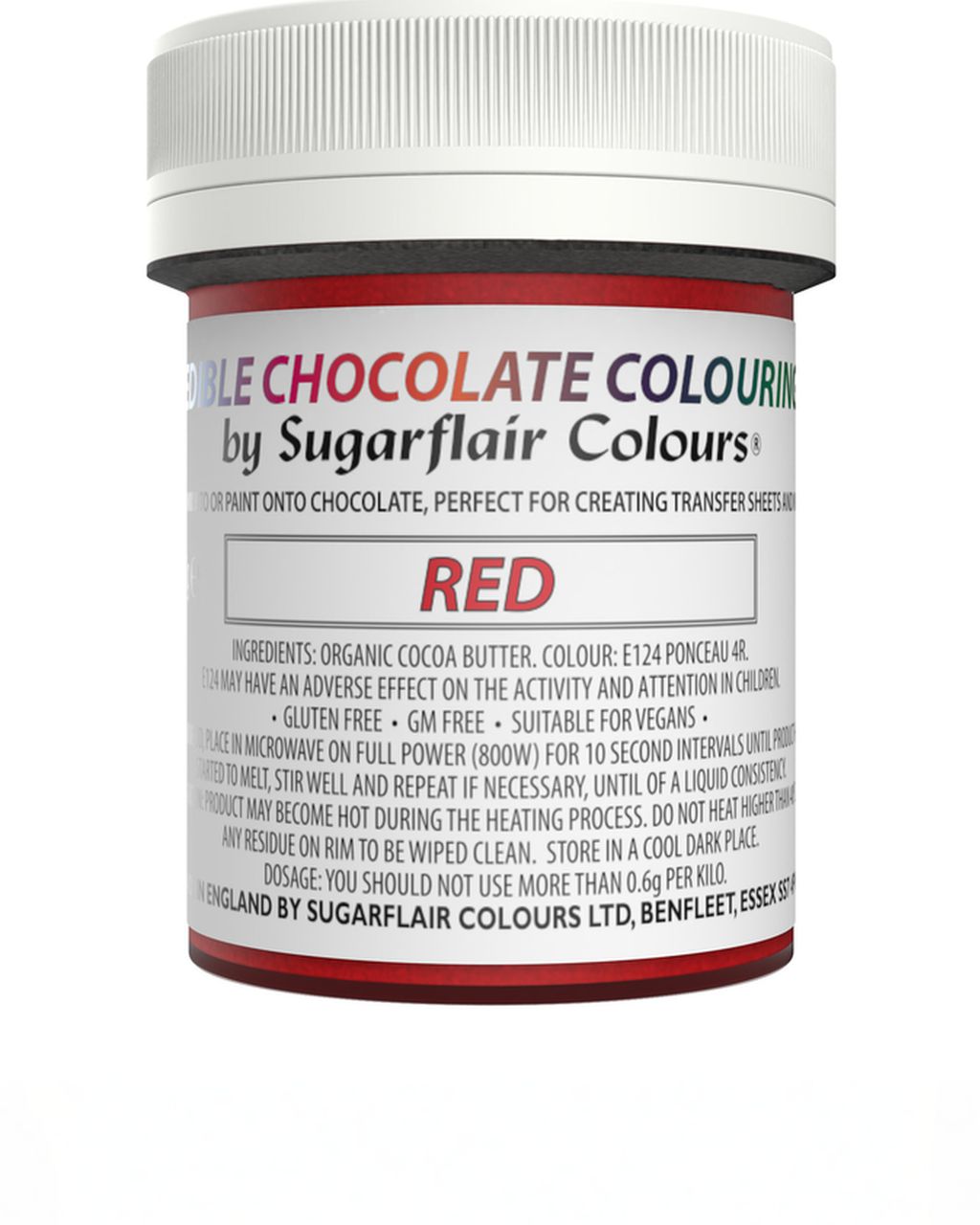
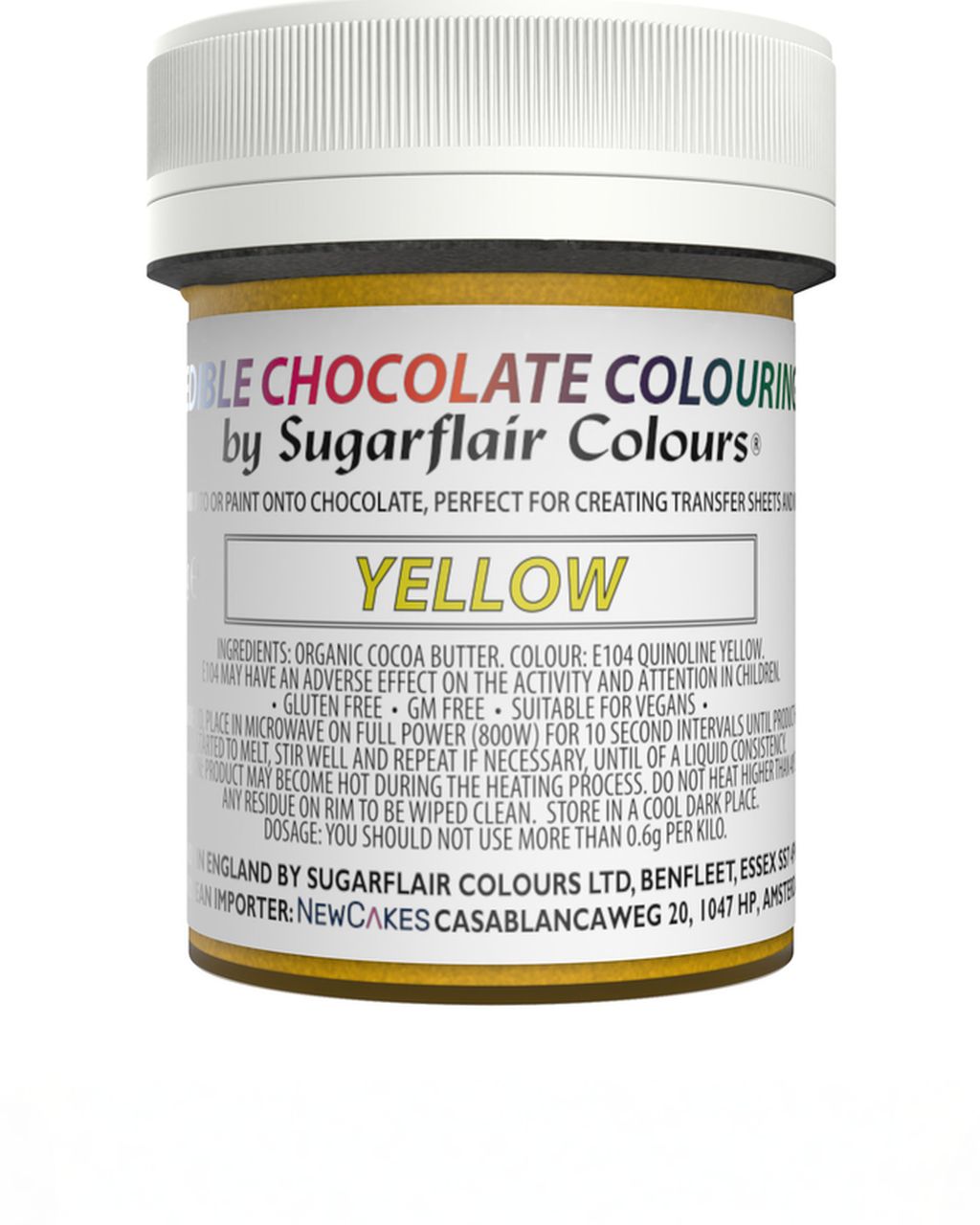
Oil-based colors blend smoothly into cocoa butter. Sugarflair oil-based chocolate colors are one example. A few drops per 200 g is enough for a pastel, but for a deep red you'll need significantly more.
Fat-soluble powder colors work too, you just need to mix them in well.
Colored cocoa butter is the pro option: you melt it and stir it in. It colors and also thins slightly.
Add the color to already tempered chocolate a little at a time and mix thoroughly. You can't make dark shades (black, brown, navy) from white chocolate. For those, start with milk or dark chocolate. To read more about what white chocolate can handle and what makes it seize, see the article how to flavor white chocolate.
Add sprinkles right after tapping off the excess coating, while it's still glossy. You have roughly 20–40 seconds. Once the coating turns matte, sprinkles won't stick.
Sprinkle over a bowl, not directly over the holder. Any sprinkles that don't catch won't roll all over your kitchen.
Press heavier decorations (hearts, pearls, sticks) on gently with a finger or tweezers.
For all-over coverage, dip the cake pop straight into a bowl of sprinkles.
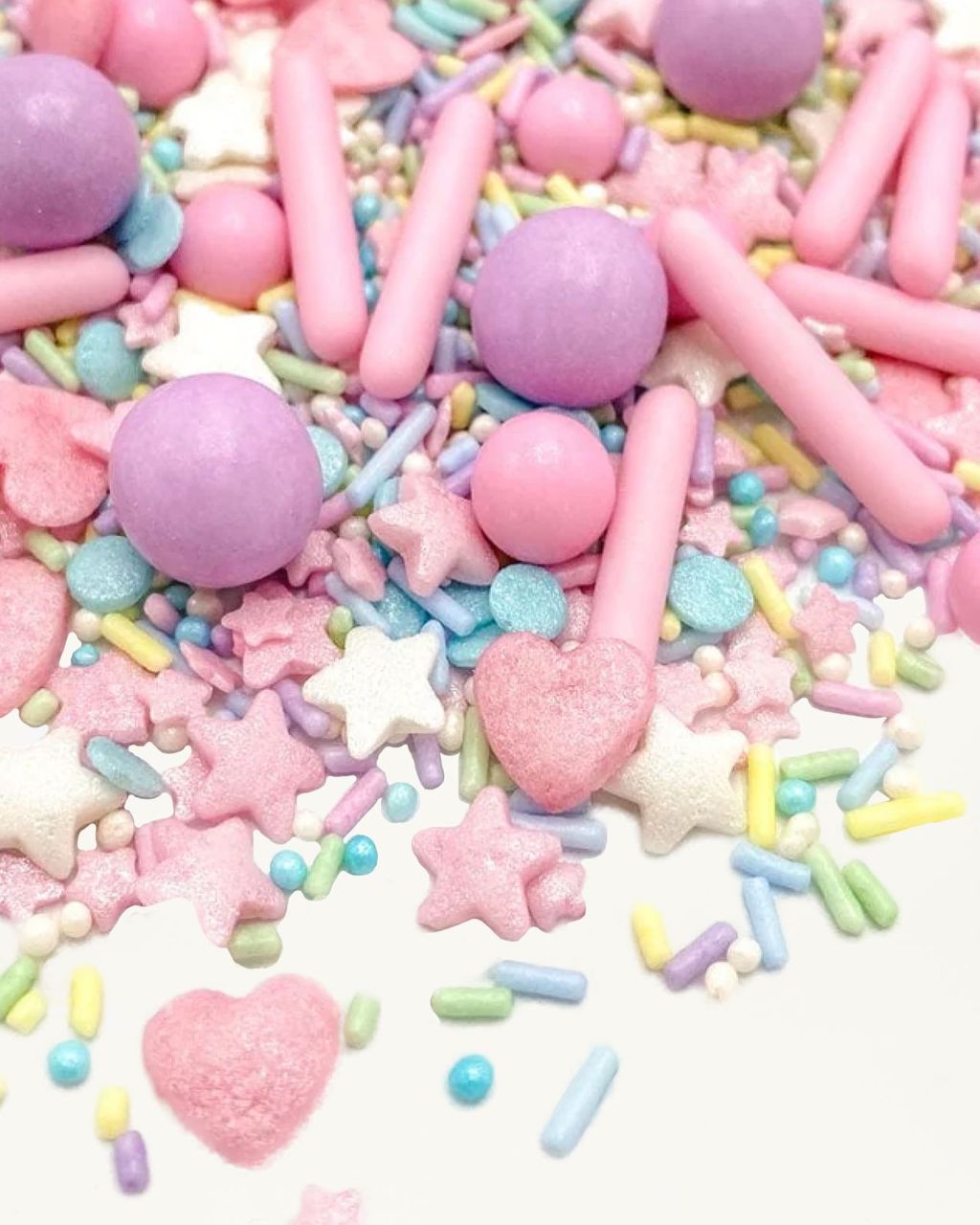
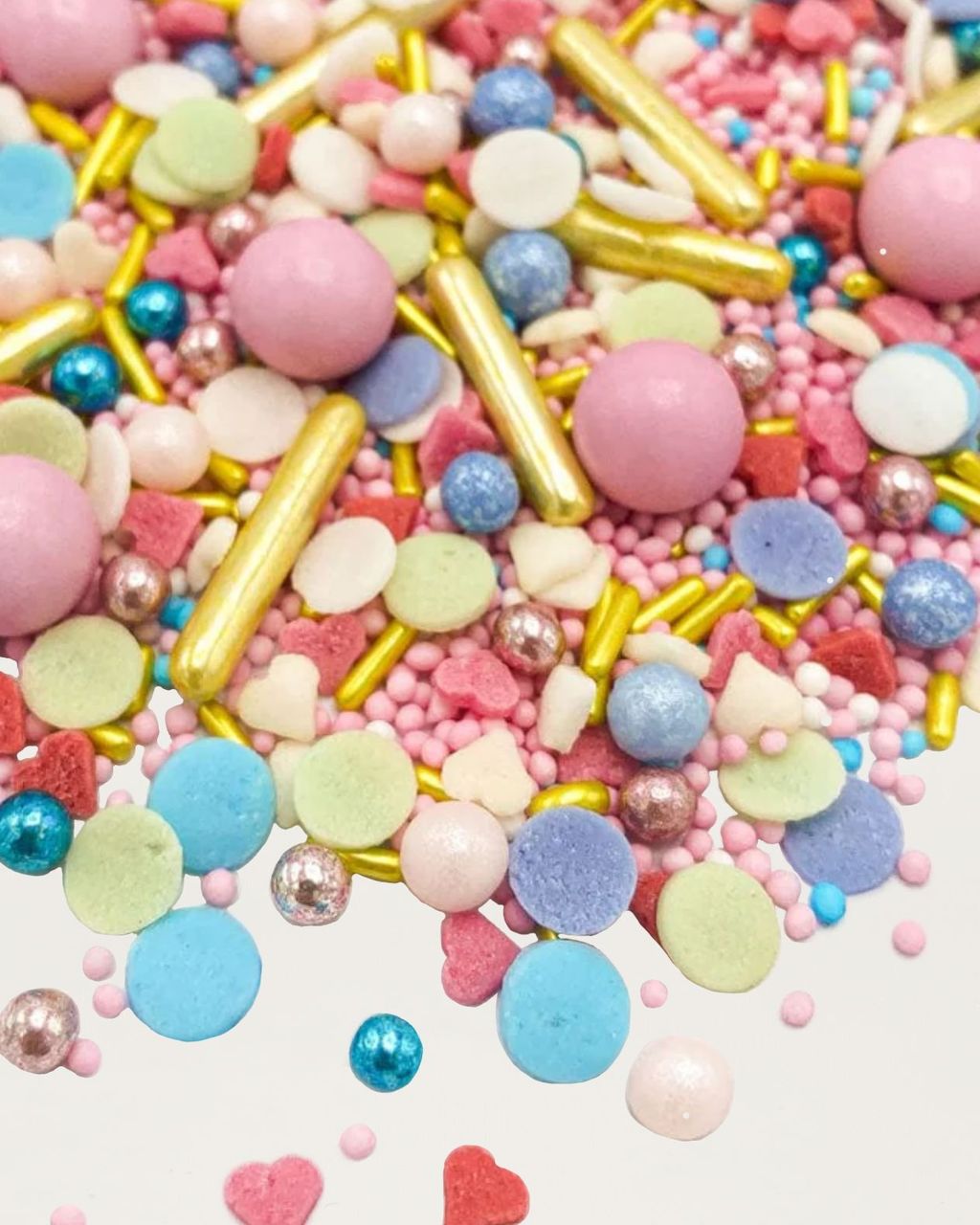
We use Happy Sprinkles sugar sprinkles. They're ready-made mixes of shapes and colors, so you don't have to combine five separate jars. Smaller shapes suit cake pops best; big confetti looks clumsy on a ball 3.5 cm (1.4 in) across.
Crumble 500 g of cooled cake into fine crumbs.
Mix in 100–120 g of frosting until the mixture holds like modeling clay.
Roll balls of 25–30 g and chill them for 15–20 minutes in the fridge.
Anchor sticks dipped in chocolate halfway to two-thirds of the way into the balls, and chill for another 10 minutes.
Temper the chocolate, and color it with oil-based color if you like.
Dip in one motion, tap off the excess and rotate.
Add sprinkles while the coating is still glossy, and let it set in a holder.
500 g of cake makes roughly 20–24 cake pops. If you like chocolate on a stick, also try chocolate lollipops cast in a mold.
Cake pops made with buttercream or ganache keep for 3–5 days in the fridge in a sealed container. When you take them out, let them come to room temperature inside the container. Otherwise condensation forms on the coating and leaves droplets and spots. If you used a cream cheese frosting, keep them in the fridge and eat them within 3 days.
Yes. It's best to freeze the cake mixture or the rolled balls without coating, for up to a month. Before dipping, thaw them in the fridge, then leave them on the counter for 5–10 minutes so they aren't icy and the coating doesn't crack. We don't recommend freezing finished, coated cake pops, because water condenses on them as they thaw.
You can replace buttercream in cake pops with ganache, cream cheese frosting, a nut spread or sweetened condensed milk. Add it a spoonful at a time until the mixture holds like modeling clay, because every binder has a different moisture and fat content. Ganache holds best, while condensed milk makes the sweetest and stickiest mixture.
Paper lollipop sticks about 15 cm (6 in) long hold best, because they're slightly rough and the chocolate grips them. Plastic sticks are smooth, so you rely more on the chocolate anchor. Wooden skewers are too thin, and the ball slides down them more easily.
Bubbles come from air stirred into the chocolate or air escaping from the ball. Stir the chocolate slowly with a spatula, not a whisk, and roll the balls firmly so no air pockets are left inside. Pop any bubble on fresh coating with a toothpick and smooth it over.
One recipe worth heating the oven for, one tip, and one deal from the shop. Nothing else.