What to Bake with Poppy Seeds: Poppy Seed Cake, Koláče, Buchty, Strudel, Quark Bakes and White Poppy Seed Treats
Blue vs Black vs White Poppy Seeds: What's the Difference?
Updated Nov 20, 2026
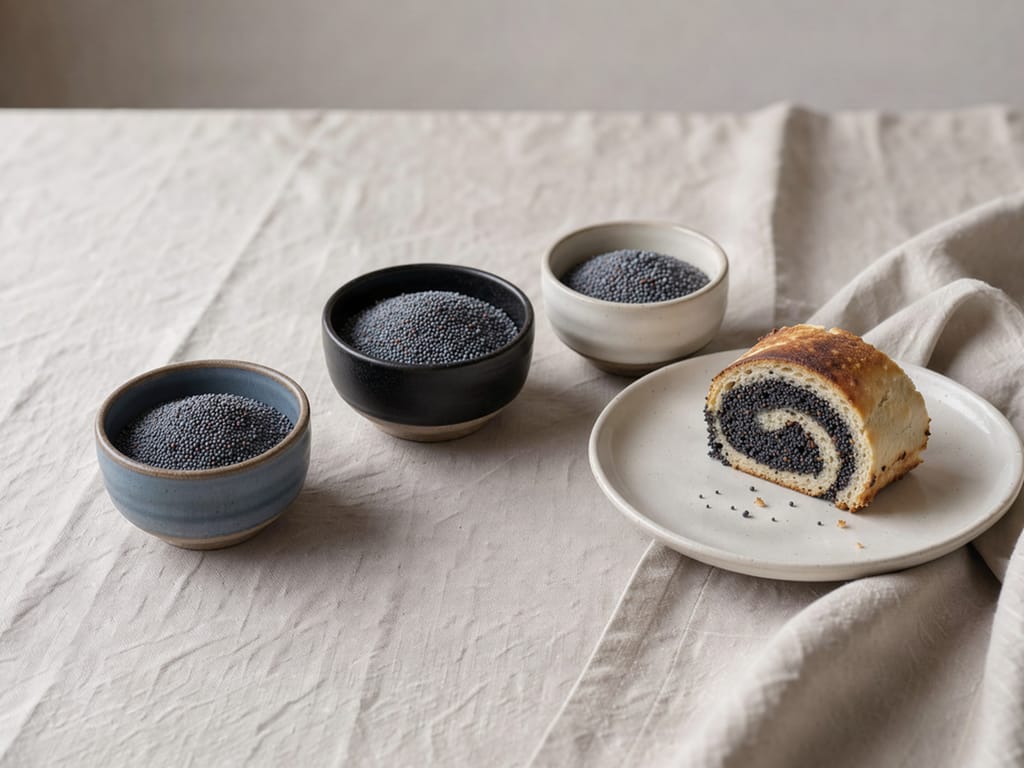
Blue, black and white poppy seeds all come from the same poppy species; they are color variants with slightly different flavor and different uses. Blue poppy seeds, Czech modrý mák, are the slate-blue seeds Central Europe grinds into sweet fillings, black seeds are the dark ones sprinkled whole on bagels and muffins, and white seeds are milder and used mostly in Indian cooking. Blue and black are largely interchangeable; white is not a good swap for a Czech filling.
No. All three come from the same species of poppy. The color difference comes from different cultivated varieties, a bit like red and white onions.
Blue poppy seeds are slate blue to blue-grey. They are the standard seed in Czech, German, Austrian, Polish and Hungarian baking. In Czech they are modrý mák.
Black poppy seeds are the dark seeds sold in most US and UK supermarket jars. Sellers use black and blue loosely, and some sell the same blue seeds as Dutch blue. Side by side, supermarket black seeds are often just a darker blue-grey.
White poppy seeds are creamy ivory and noticeably milder. They are common in Indian cooking and much less so in Europe.
Czech shops also sell grey poppy seeds (šedý mák), a milder variety used in much the same way as blue.
Blue: the strongest flavor of the three. Nutty, slightly sweet, with a faint earthy bitterness that comes forward when the seeds are ground and cooked.
Black: very close to blue. A good, fresh jar tastes the same; any difference is more about freshness and origin than color.
White: mild, creamy and nutty, with almost no bitterness.
Freshness matters more than color. Poppy seeds are oily, and once that oil goes stale they taste bitter and smell like old oil whatever their color. Taste one or two before you bake: fresh seeds taste sweet and nutty.
The Czech Republic is one of the world's big poppy seed producers and was the leading exporter in 2024, and poppy seed baking is part of everyday Czech food, not only a holiday treat.
In 2021 the EU registered Český modrý mák (Czech blue poppy) as a Protected Geographical Indication, so within the EU only blue poppy seed grown in the Czech Republic can be sold under that name.
In our kitchens blue poppy goes into:
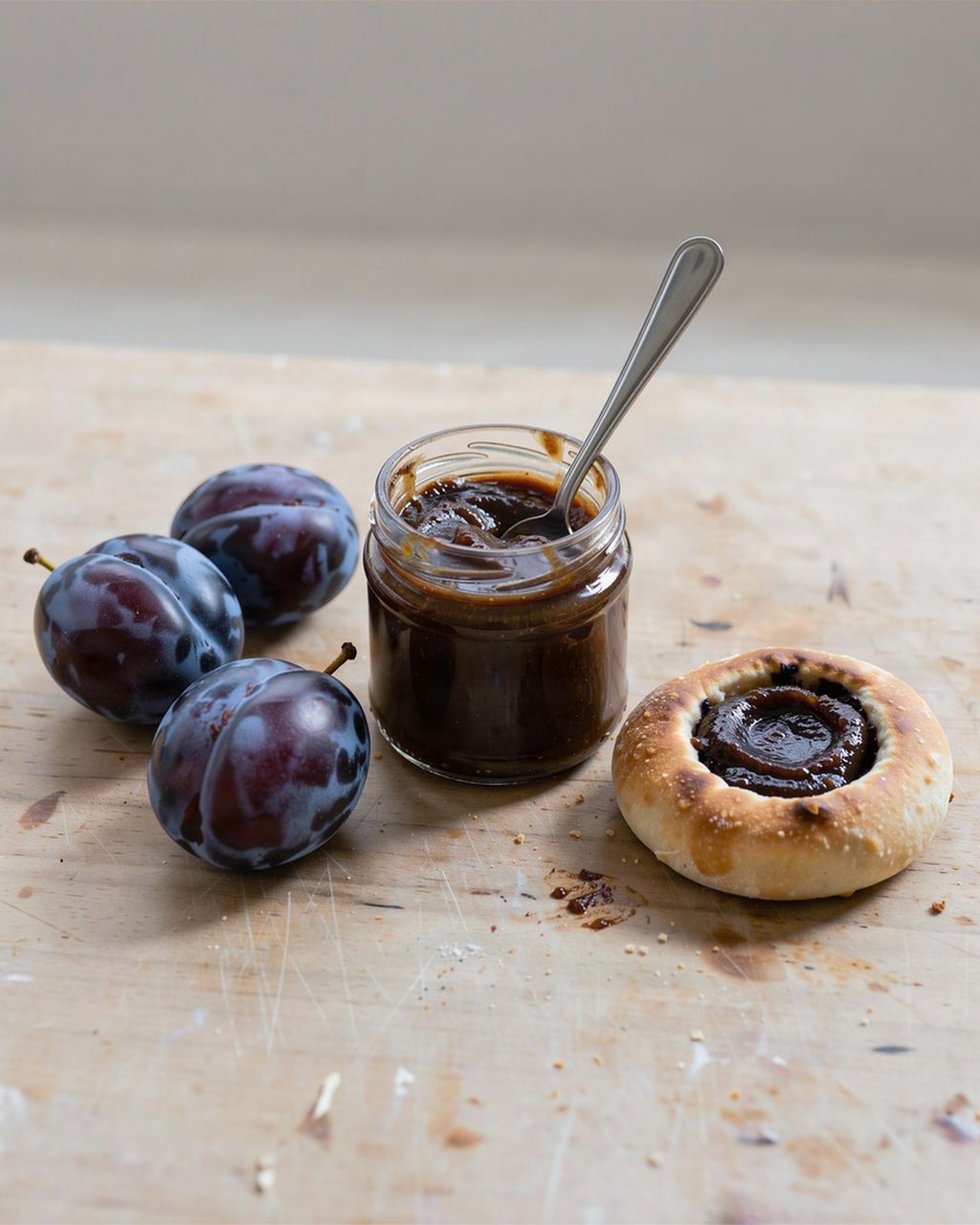
Koláče and buchty (round open yeast pastries and filled yeast buns), with a cooked poppy seed filling. See our soft yeast dough for kolaches.
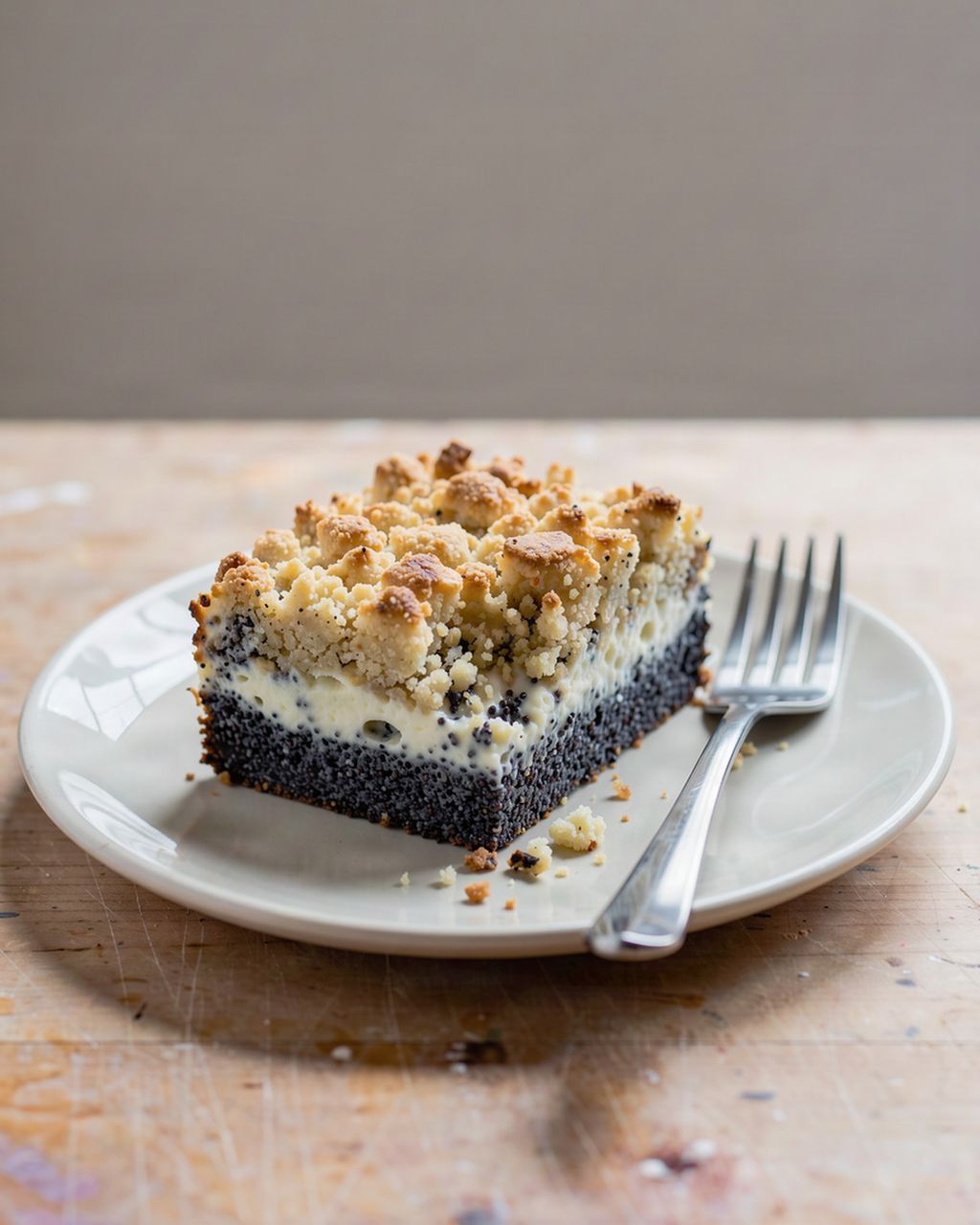
Makovec (poppy seed cake), a moist sponge with ground poppy seeds in the batter.
Nudle s mákem and šišky s mákem, noodles or small potato dumplings tossed with melted butter, ground poppy seeds and sugar.
Strudel and Christmas baking, where poppy seed filling sits next to walnut and quark fillings.
Rolls and pretzels, with whole seeds on top.
In the US, poppy seeds are mostly used whole: on bagels, in lemon poppy seed muffins, in salad dressing. In Central Europe they are mostly ground.
Grinding cracks the hard seed coats. The oil and flavor inside are released, and the seeds can soak up milk and sugar instead of staying separate and crunchy. Cooked briefly with milk, sugar and a little butter, ground seeds turn into a thick, dark, spreadable paste: the filling for koláče, strudel, Polish makowiec and Hungarian bejgli. Whole seeds simply can't do that.
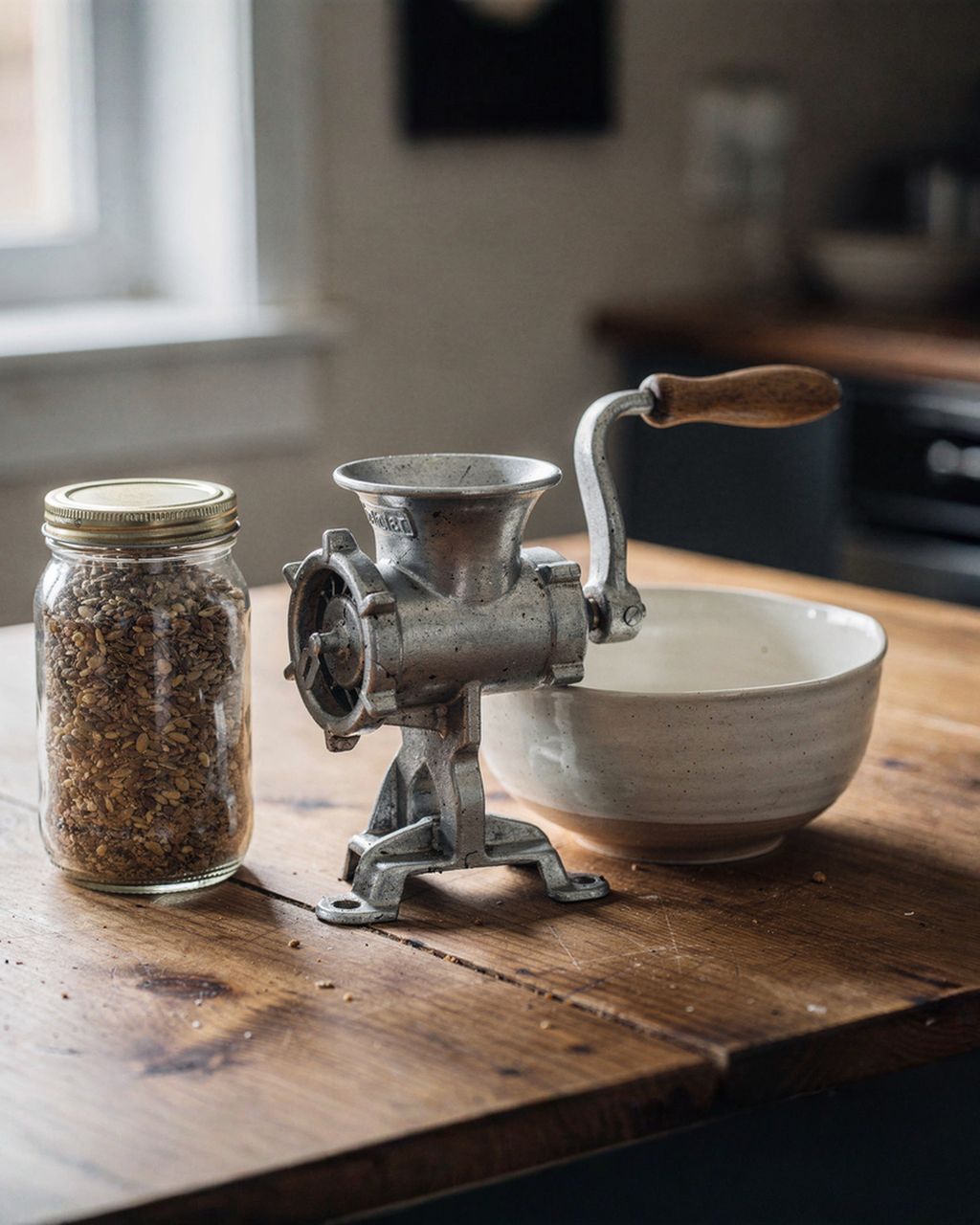
Many Czech kitchens own a small hand-cranked poppy seed mill (mlýnek na mák). It crushes rather than chops, which gives a fine, even, slightly oily texture. A blade coffee grinder works in small batches with short pulses. Ready-ground poppy seeds exist, but they go stale faster than seeds you grind yourself. Our guide to processing poppy seeds covers grinding, cooking the filling and the ratios we use.
Recipe of the week, one tip that saves you time and one deal from the shop. Unsubscribe in one click.
The next issue goes out on Thursday, November 26.
Blue for black, or black for blue: yes, one for one, whole or ground. Pick the freshest seeds you can find.
White for blue or black in a filling: it works, but the filling turns pale beige and tastes much milder. It won't look or taste like a Czech or Polish filling.
Blue or black for white in an Indian dish: the sauce will darken and taste stronger. Ground cashews or almonds are a closer match for thickening.
Grey for blue: yes, one for one; the flavor is a little gentler.
Buy poppy seeds sold as food for baking, from the spice or baking aisle, never seeds sold as birdseed or for crafts. Buy them whole and grind them on baking day: whole seeds keep their flavor far longer, and you can taste them before you start.
Choose whole poppy seeds from a shop with steady turnover, and smell the bag if you can. Fresh seeds smell sweet and nutty, with no hint of old oil.
Mostly yes: blue and black poppy seeds come from the same plant species, and sellers use the two names loosely. Blue seeds are the slate-blue type preferred in European baking, and you can use them interchangeably with dark supermarket poppy seeds.
White poppy seeds are milder and creamier, and they are used mainly in Indian cooking to thicken sauces without darkening them. Black and blue seeds have a stronger, nuttier flavor and are the ones used in European and American baking.
Czech cooks grind poppy seeds because ground seeds cook with milk and sugar into a soft, spreadable filling for pastries and cakes. Whole seeds stay crunchy and separate, so they only work as a topping.
You can, but the filling will be pale and much milder than a Czech or Polish filling. For the classic dark, nutty flavor, use blue or black poppy seeds.
Czech blue poppy, Český modrý mák, is blue poppy seed grown in the Czech Republic and registered by the EU as a Protected Geographical Indication in 2021. It is the seed Czech bakers use for koláče, buchty and poppy seed cake.
One recipe worth heating the oven for, one tip, and one deal from the shop. Nothing else.