Guacamole
Avocado Spread That Won't Turn Brown: What Actually Works (and What's a Myth)
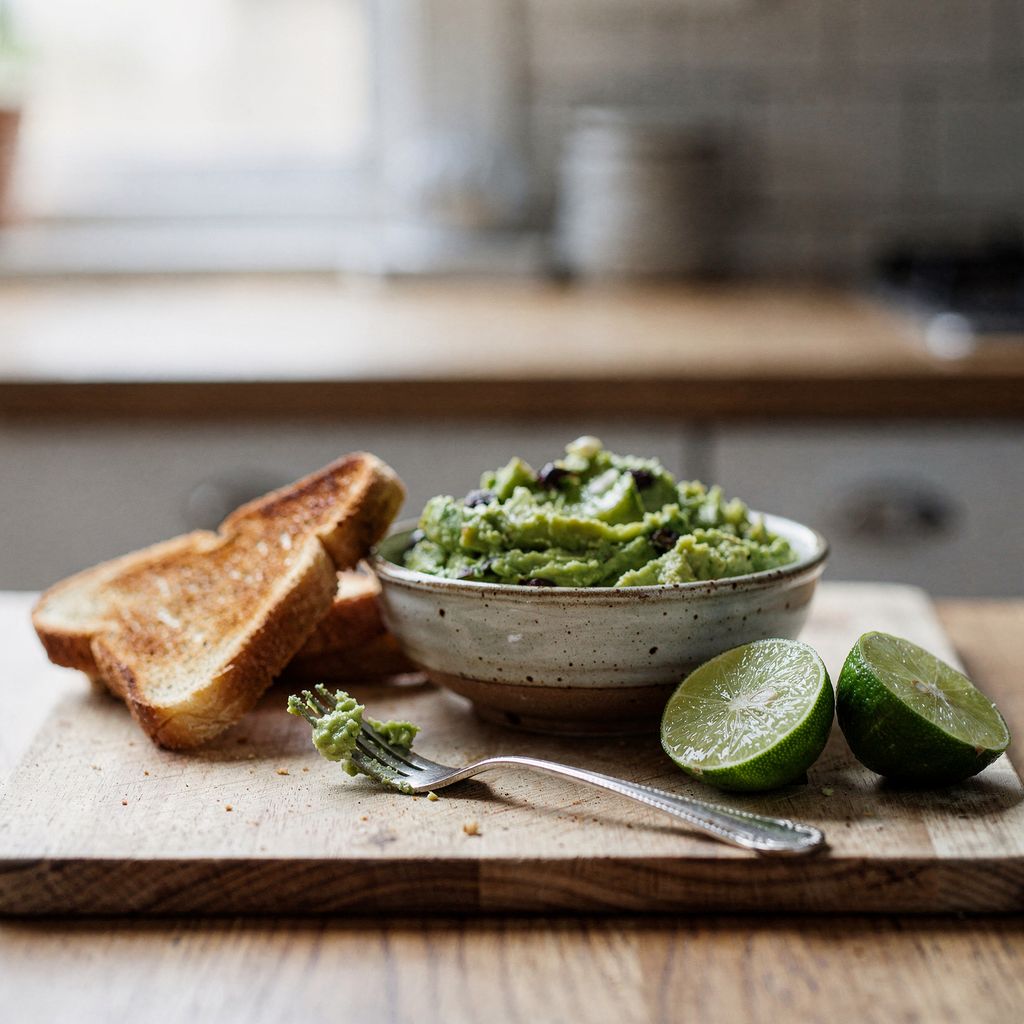
Updated Sep 25, 2026
Avocado spread stays green when you keep it away from air, add a splash of citrus, and keep it cold. Browning isn't spoilage — it's a chemical reaction that needs oxygen. Take that away and your spread stays green. Below you'll find out why this works, how much lime to add, how long the spread keeps, and which old kitchen tricks you can safely skip.
Avocado spread turns brown because an enzyme in the mashed flesh reacts with oxygen in the air. It's called polyphenol oxidase. As long as the avocado is whole, this enzyme is kept separate inside the cells from the compounds it reacts with. Once you mash the flesh, the cells break open, the enzyme meets the polyphenols, and oxygen gradually turns them into brown pigments — just like with a cut apple.
That gives you three things you can control:
oxygen – without air, the reaction can't happen,
pH – the enzyme works best in a neutral environment and slows down in acidic conditions,
temperature – everything happens more slowly in the fridge at 4°C than on the counter at 22°C.
So that brown layer on top is mostly a matter of looks and taste (it turns slightly bitter), not a sign that the spread has gone bad.
Seasonal baking plans, tested recipes and kitchen tricks that save you time. Unsubscribe in one click.
Avocado spread won't turn brown if you add a splash of lime, cover it with a layer of water or plastic wrap pressed onto the surface, keep it in the fridge, and mash it with a fork instead of a blender. The key is to keep air away from it: water protects best, plastic wrap a bit less.
As a rough guide, use 1 tablespoon (15 ml) of lime or lemon juice per large avocado (about 150 g of flesh). The acid slows the enzyme down, but on its own it only delays browning slightly. The real work is done by blocking air, so think of lime as a helper, not your only line of defense.
Lime has a milder flavor and pairs better with avocado; lemon is sharper.
Stir the juice in right away while mashing, not just at the end.
More acid won't help proportionally more — it will just overpower the avocado's flavor. Fine-tune the taste with salt instead.
A citrus-free alternative: ascorbic acid (pure vitamin C powder) — a pinch on the tip of a knife is enough per avocado.
A layer of water is the most reliable homemade oxygen barrier. Just 0.5–1 cm of cold water poured over the smoothed-out spread is enough. The water pushes out the air and can't penetrate the dense mixture, so the spread underneath stays green for up to 3 days.
First smooth the surface and press it down lightly so the water doesn't pool in any dips.
Pour the water in carefully, a spoonful at a time, not in a stream down the middle.
Before serving, drain off the water and give the spread a quick stir. The very top millimeter might be a bit runnier — that's normal.
You can use a thin layer of lime juice instead of water, but it will noticeably sour the top layer of the spread. Water is the better choice.
Press the plastic wrap directly onto the smoothed surface of the spread with no air bubbles, rather than stretching it over the top of the bowl; this will keep it green until roughly the next day. It's a weaker barrier than water, since a small amount of air still gets through, so don't rely on it for longer storage.
Transfer the spread to the smallest container you can, so there's as little empty space as possible.
Smooth the surface with a spoon.
Press the plastic wrap down with your fingers right up to the edges, pushing out any bubbles.
Seal with a lid and put it in the fridge.
Put the spread in the fridge as soon as it's made. Mash the avocado with a fork rather than a blender: a blender breaks open more cells and whips air into the mixture, so a smooth, blended spread browns faster than one that's roughly mashed.
Sticking the pit into the spread won't stop it from browning. It only protects the spot it's covering, since air can't reach that bit. A stone or a spoon would do exactly the same job. The spread around it will brown completely normally.
Onion slows browning down a little thanks to its sulfur compounds, but left overnight in a sealed container it will completely take over the flavor of the spread. Add it fresh, right before serving.
A thin layer of oil on the surface works as a barrier a bit like water does, but it changes the flavor and doesn't pour off cleanly. Water is the more practical option.
A lid without plastic wrap isn't enough — air underneath it can still reach the surface.
Lime on its own won't protect the spread overnight. Without a barrier against air, even acidified avocado will still brown.
Eat avocado spread from the fridge within 2–3 days at the latest; under a layer of water it stays green for up to 3 days, with plastic wrap roughly until the next day. Don't keep it longer than that, even if it still looks green, since the avocado loses its freshness and starts to taste bitter.
Spread made with fresh vegetables, herbs, or dairy-based ingredients keeps for a shorter time. If water starts separating out, it smells sour or musty, or you spot any mold, throw the whole batch out.
A day ahead, prepare just the base — the avocado, lime, and salt. Don't mix in anything that releases liquid (like tomato or cucumber) ahead of time. Store the base under water or plastic wrap, then the next day drain off the water and stir in:
finely chopped, deseeded tomato,
fresh onion or spring onion,
cilantro or parsley,
chili.
This way you'll end up with a spread that's not just green, but genuinely fresh-tasting. The same approach works for guacamole and for avocado canapé spread that you want ready ahead of a party.
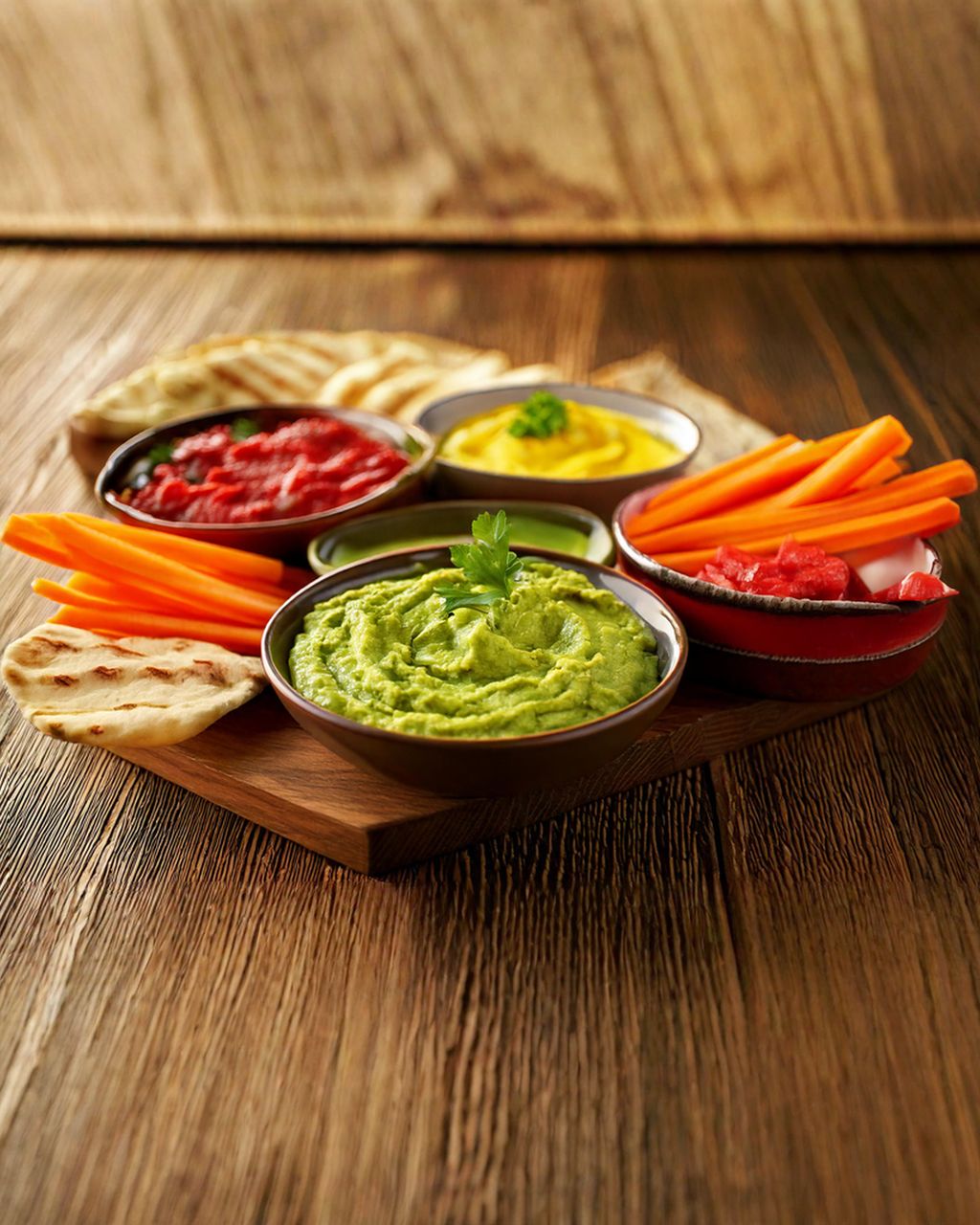
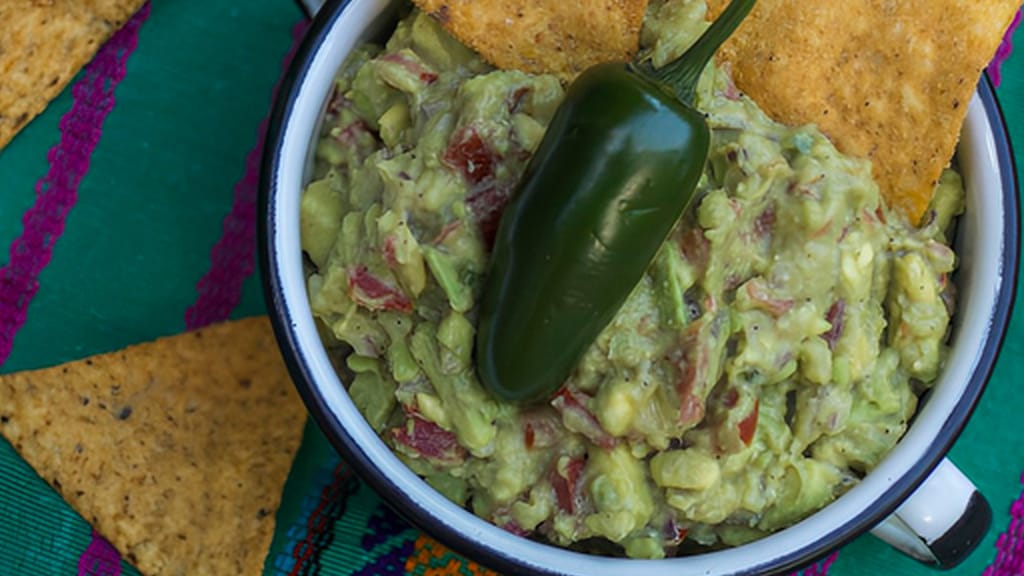
Guacamole
Guacamole with lime – an avocado dip you can keep green using the same tricks
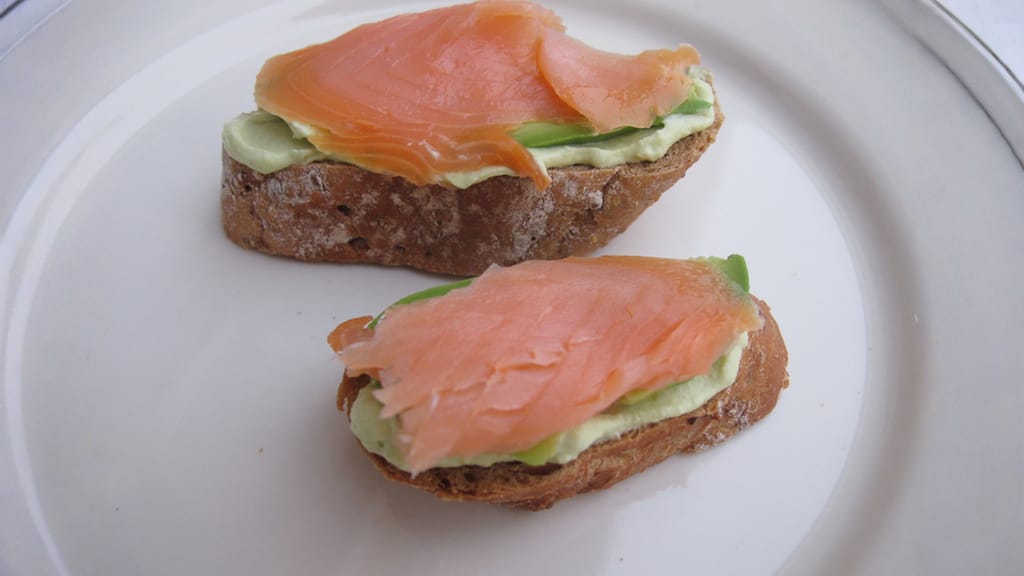
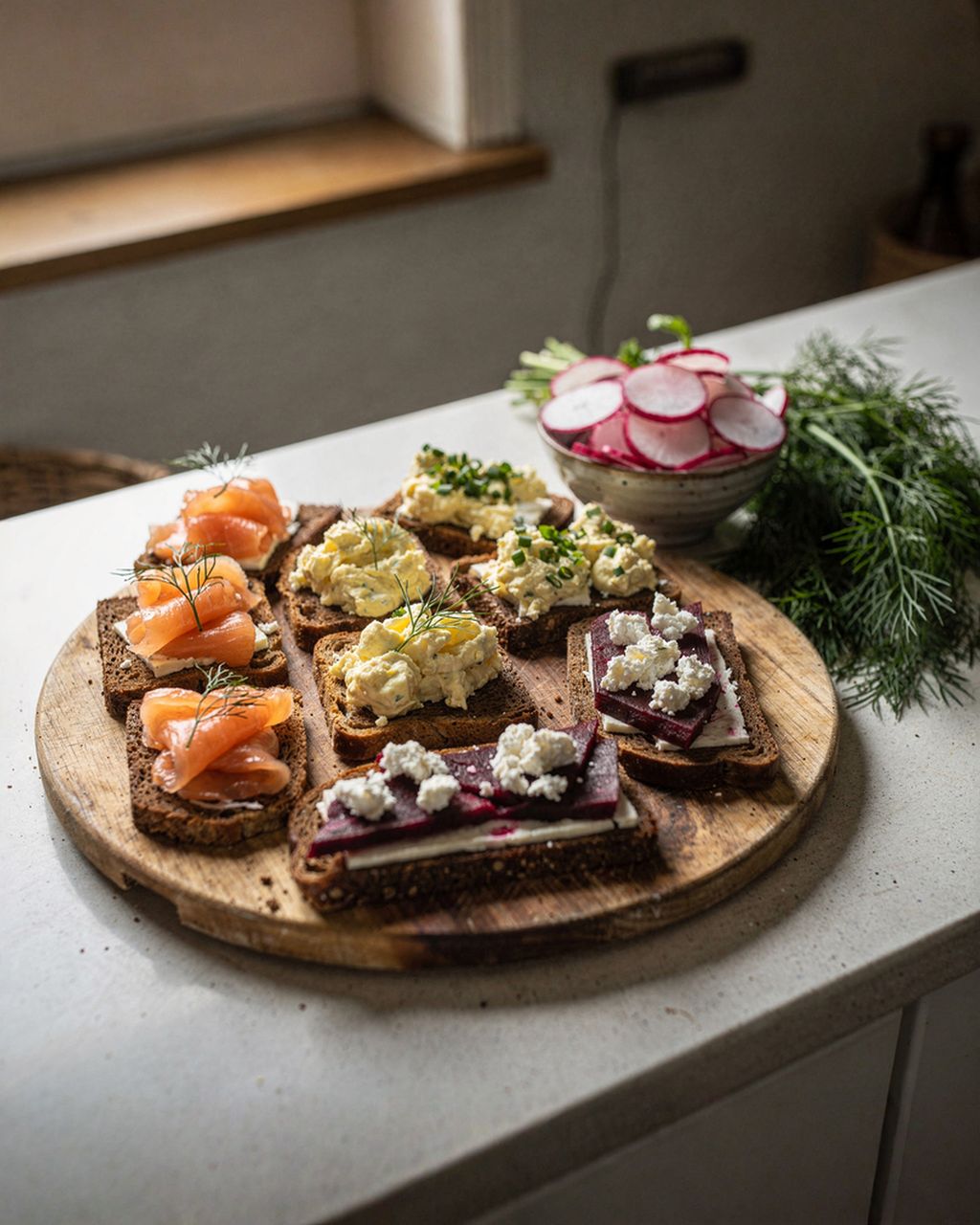
Avocado canapés with smoked salmon
Avocado and smoked salmon canapés – make-ahead avocado spread for a party
Yes, if only the top layer has browned. Just scrape off the brown surface with a spoon or stir it in — underneath, the flesh is still green.
Yes, though it freezes best as plain mashed avocado with lime juice, without vegetables or herbs. Store it in an airtight bag with the air pressed out and use it within a month, as it loses flavor and color after that. Once thawed in the fridge, it tends to be a bit runnier, so it's better suited to a spread or dip.
A ripe Hass avocado is best — one that yields slightly under your thumb but isn't mushy. Unripe avocados won't mash into a creamy texture. Overripe ones already have grayish fibers and brown spots inside, so the spread made from them browns faster and tastes worse.
You can, but only a few drops — no more than about 1 teaspoon of apple cider or wine vinegar per avocado. Vinegar acidifies the spread similarly to lime, but its flavor is much stronger and easily overpowers the avocado. If you have lemon on hand, reach for that instead.
It helps, since it removes most of the air, but not all of it. The oxygen that's left on the surface is still enough to darken the top layer over time. A vacuum container works best combined with a layer of water or plastic wrap pressed directly onto the spread.
One recipe worth heating the oven for, one tip, and one deal from the shop. Nothing else.