- Season
- All year
- Price
- Low
Calories and nutrition per 100 g
- 352 kcal
- 10.3 g protein
- 1 g fat
- 74 g carbs
Spaghetti (dry)
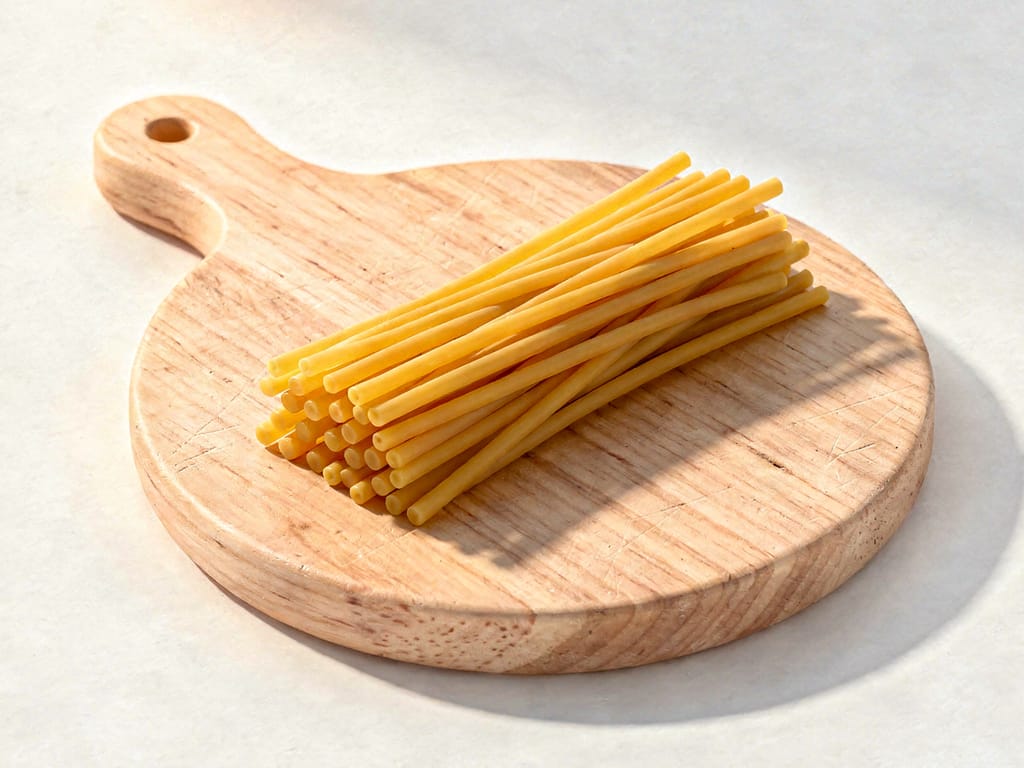
Dry spaghetti is long, thin pasta with a round cross-section, usually made only from durum wheat semolina and water and dried to at most 13 % moisture. It cooks in 8–11 minutes in salted water; allow 80–100 g of dry spaghetti per person.
Keep dry spaghetti in a cool, dry place in the closed pack or a jar and use by the best-before date, usually 1–2 years. Do not leave cooked spaghetti at room temperature for more than 2 hours.
Dry spaghetti does not belong in the fridge. Cool cooked spaghetti quickly and refrigerate within 2 hours: plain it keeps 3–5 days at 4 °C or below, with sauce 3–4 days.
Dry spaghetti needs no freezing. Cooked spaghetti keeps 1–2 months in the freezer, with sauce or baked 2–3 months. Reheat thawed pasta until steaming hot throughout, at least 70 °C.
Look for "semolina pasta" or "100 % durum wheat semolina" on the pack: it holds its shape and does not turn mushy. Under the Czech decree semolina pasta is amber or a darker yellow. A matt, rough surface shows bronze-die extrusion (trafilata al bronzo), which holds sauce better than smooth, glossy spaghetti. Avoid packs with lots of broken pieces and floury dust at the bottom.
Linguine. Slightly wider and flatter, but suits the same sauces and cooks in a similar time.
Spaghettini or thin angel hair for light oil-based sauces, tagliatelle for hearty meat sauces. Adjust the cooking time to the pack.
For 100 g of spaghetti use 1 litre of water and 10 g of salt. Lower it whole into fiercely boiling water, without breaking it, and let it soften for half a minute until it sinks. Then separate it with a fork and stir for the first two minutes. Cook as the pack says and taste 1–2 minutes early. Before draining, save a cup of the cooking water to bind the sauce. Do not add oil to the water and do not rinse the spaghetti.
Use the broken bits from the bottom of the pack in soup or broth. Bake leftover cooked spaghetti with eggs and cheese as an Italian pasta frittata.
Roughly what one measure weighs, scooped the way you normally would in the kitchen.
Spaghetti is boiled in salted water: thin spaghettini 5–7 minutes, classic 8–11 and thick spaghettoni 12–14, always as the pack says. If you will finish it in the sauce, drain it a minute early and cook the last minute in the pan with the sauce and a little cooking water. Leftover cooked spaghetti can be baked or fried in a pan.
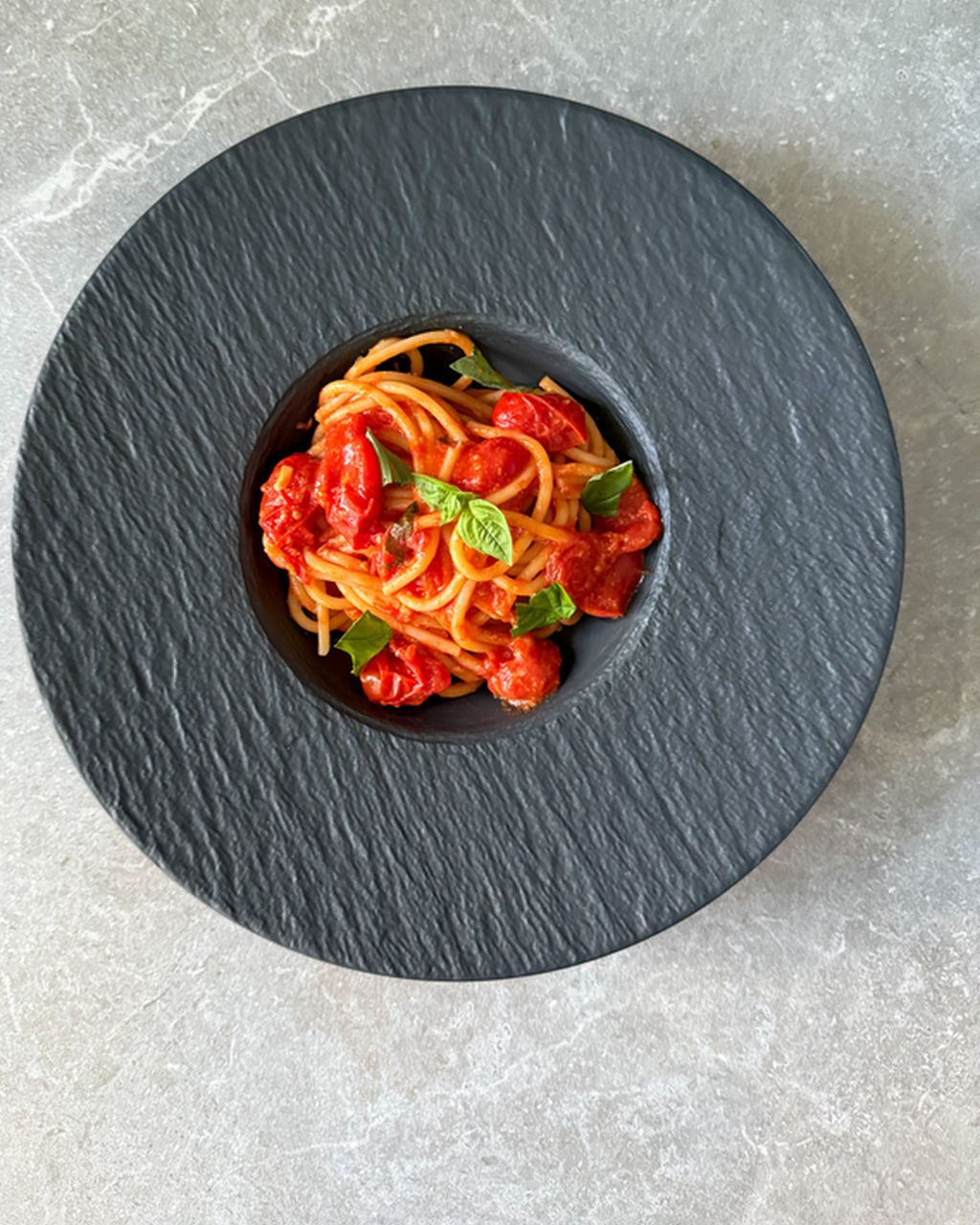
Spaghetti allo scarpariello: a quick recipe from naples
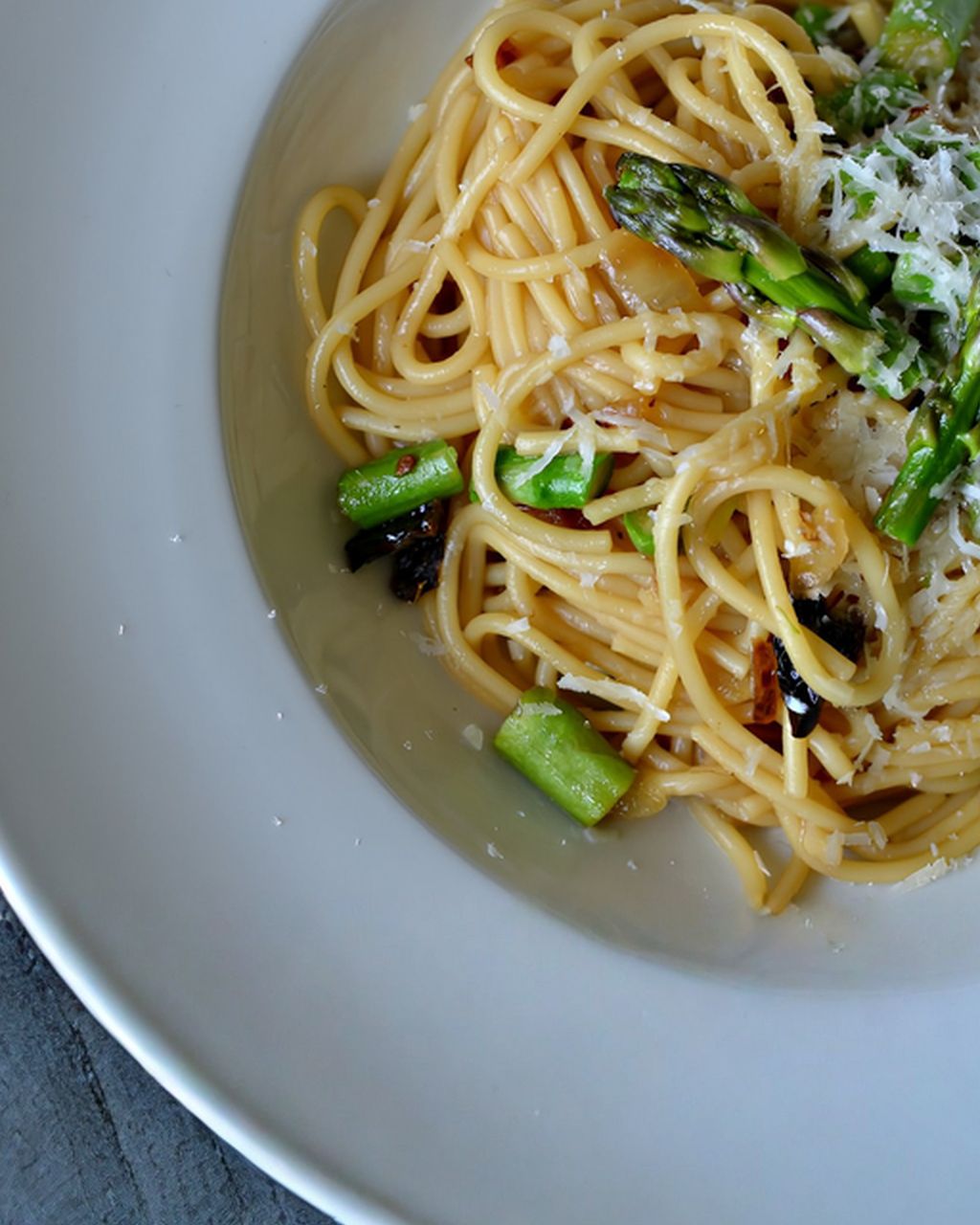
Asparagus spaghetti – easy and quick
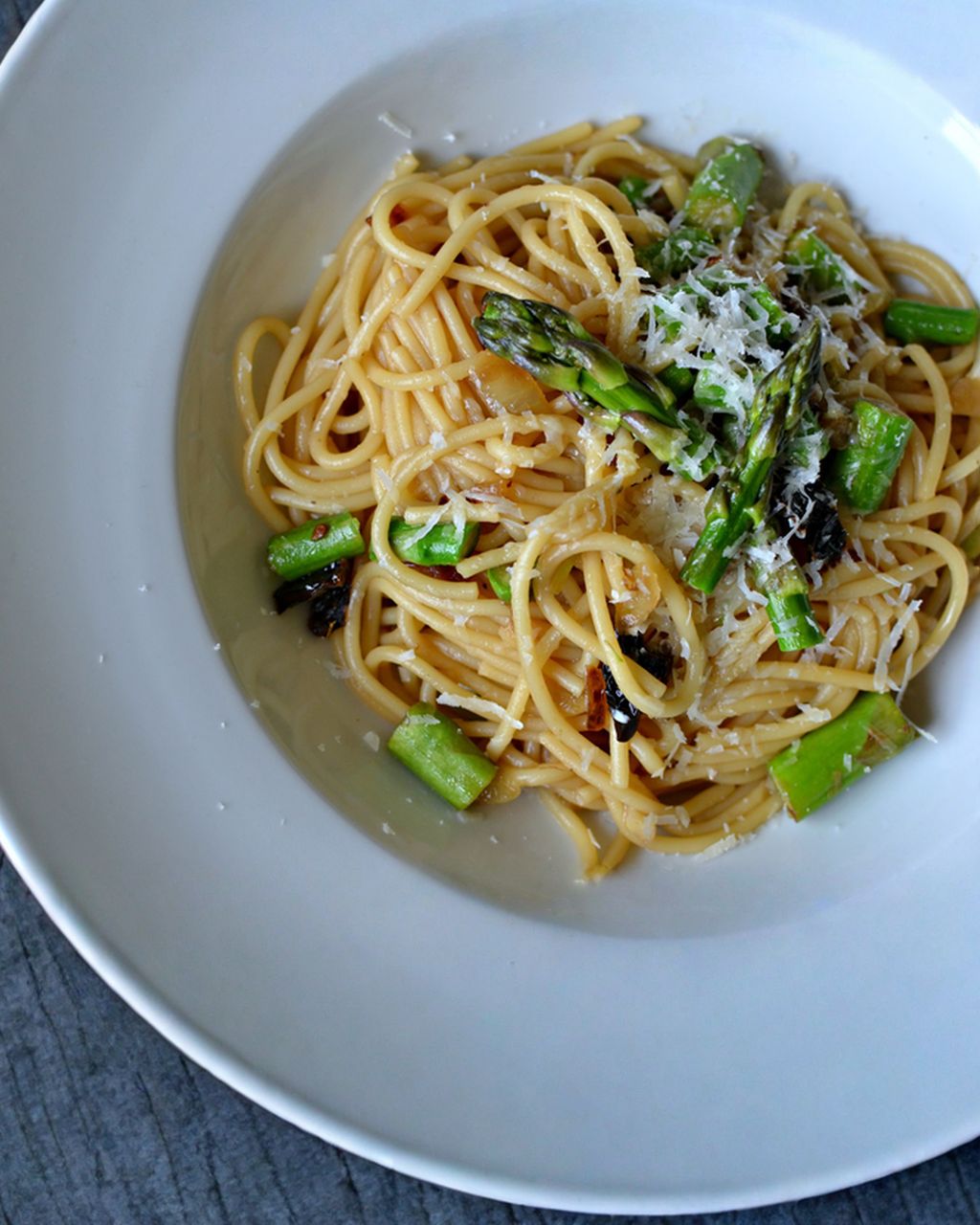
Asparagus spaghetti with sun-dried tomatoes
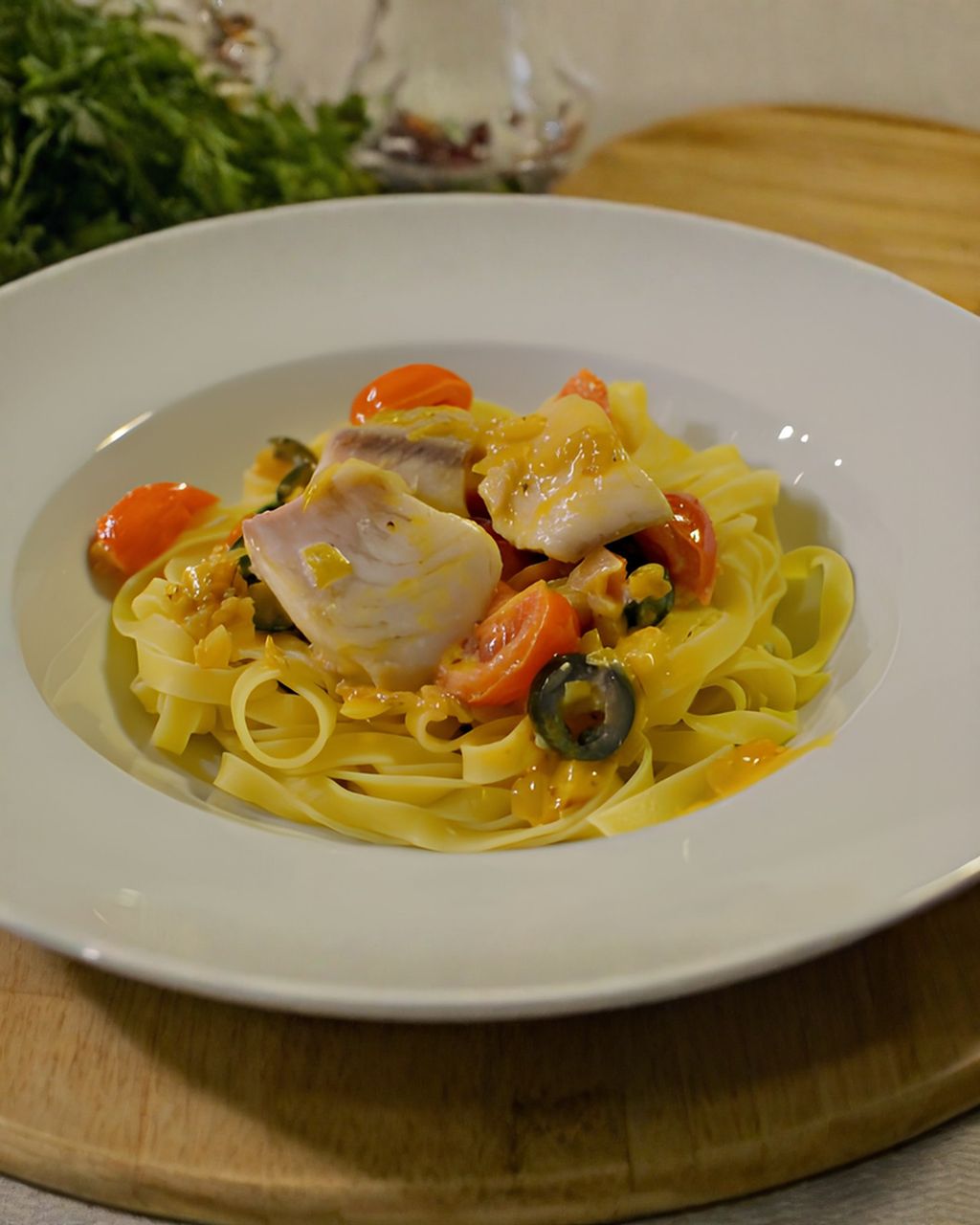
Pasta with tilapia, olives and tomatoes
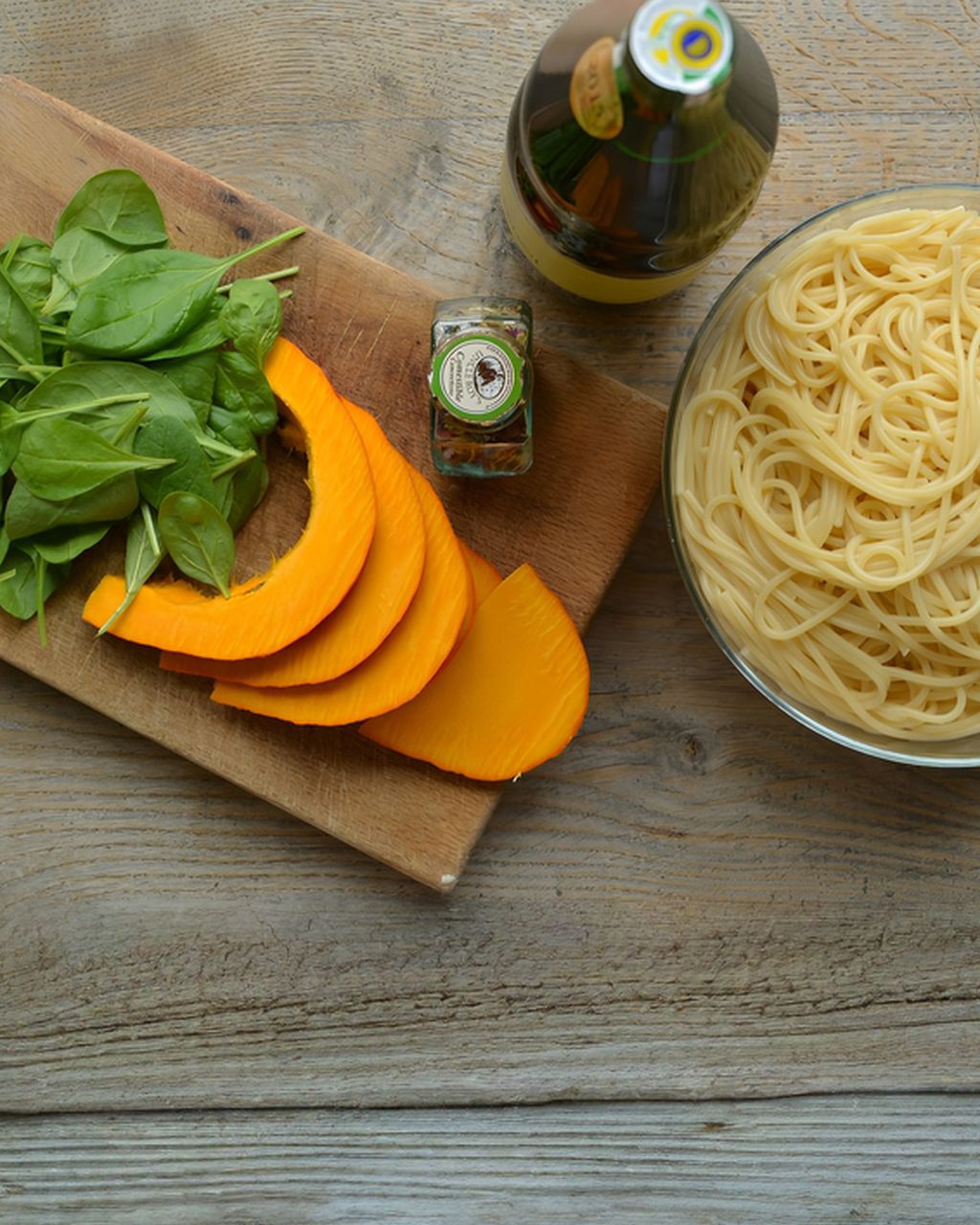
Autumn pumpkin & spinach spaghetti
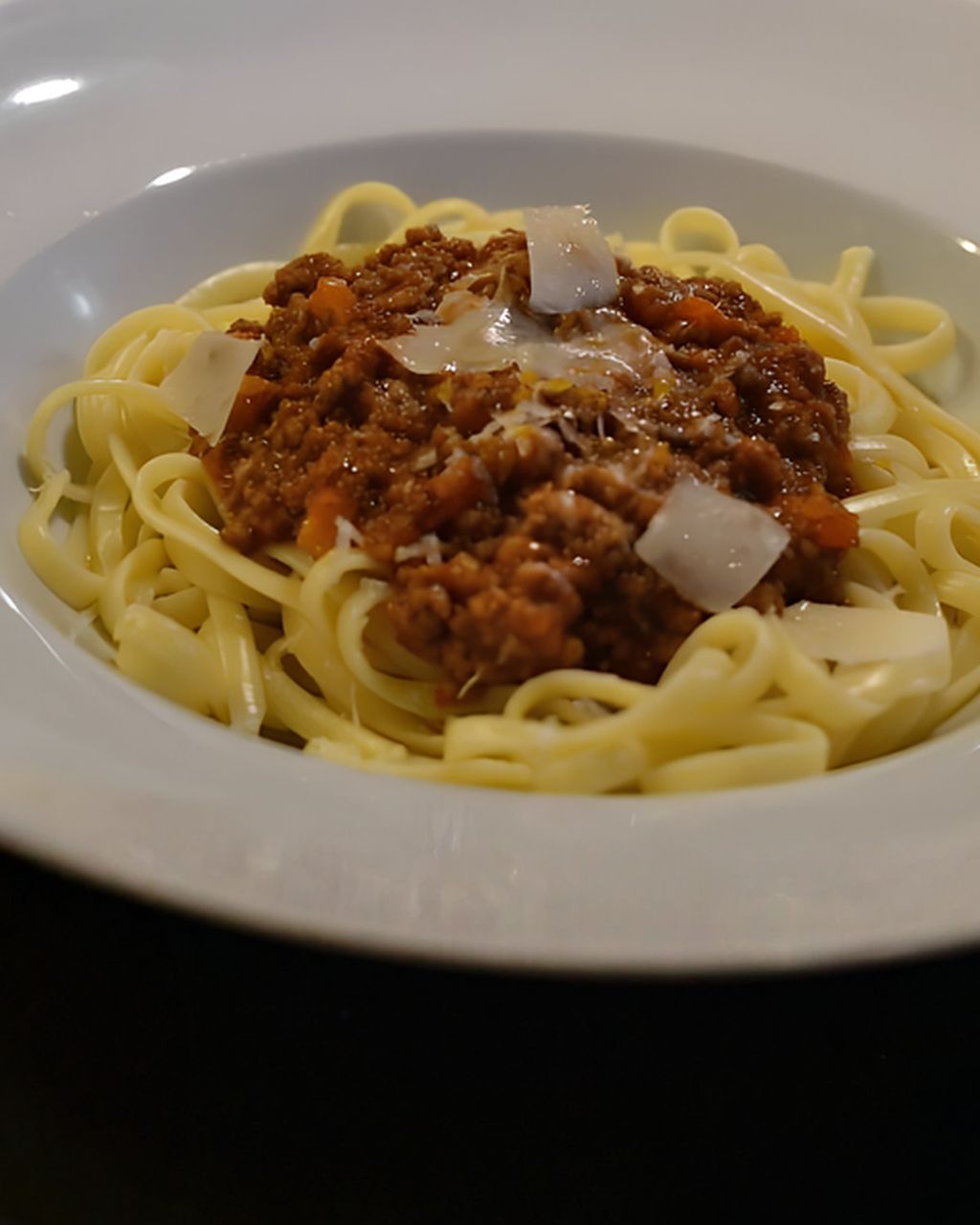
Sugo bolognese: slow-cooked bolognese sauce
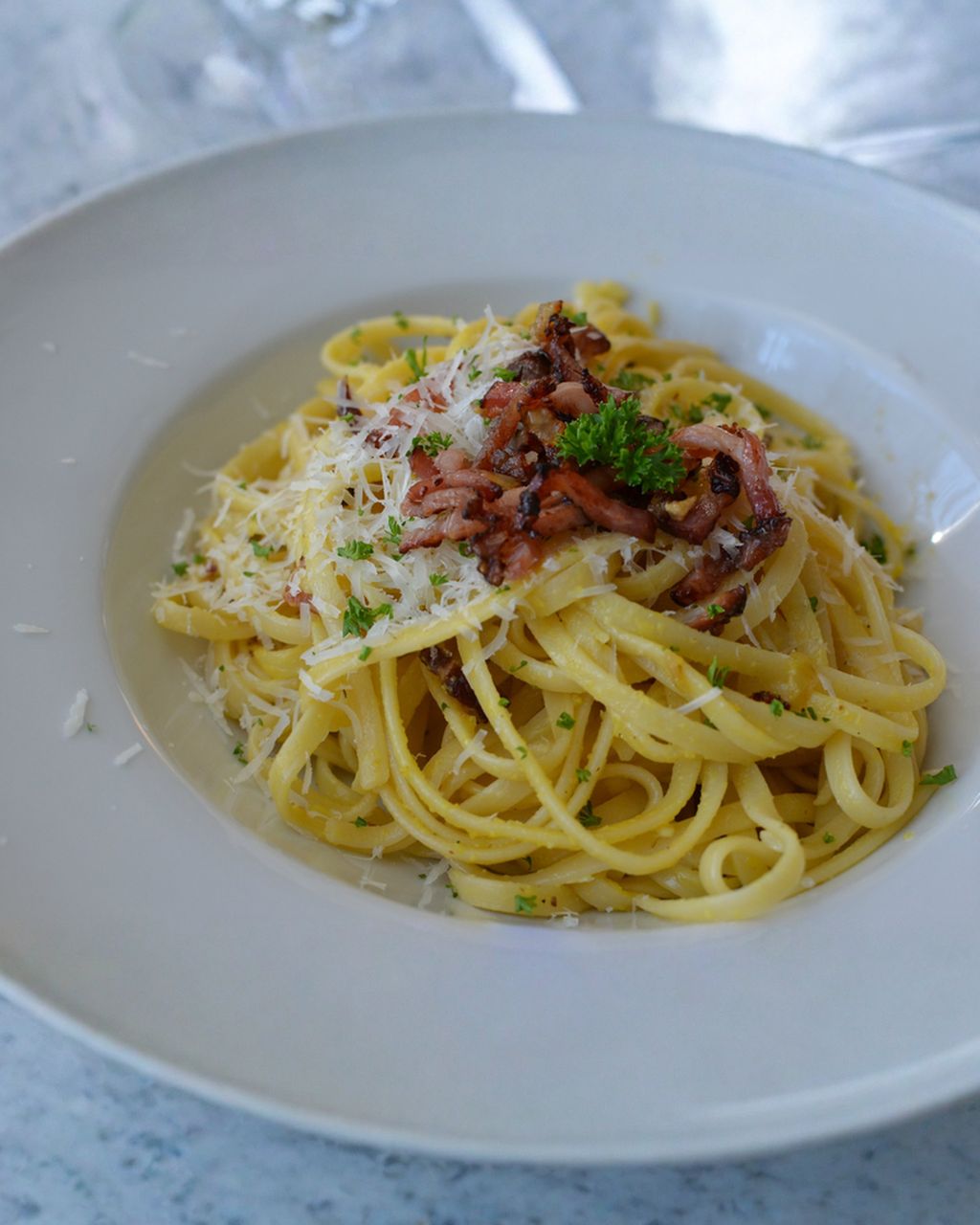
Spaghetti carbonara
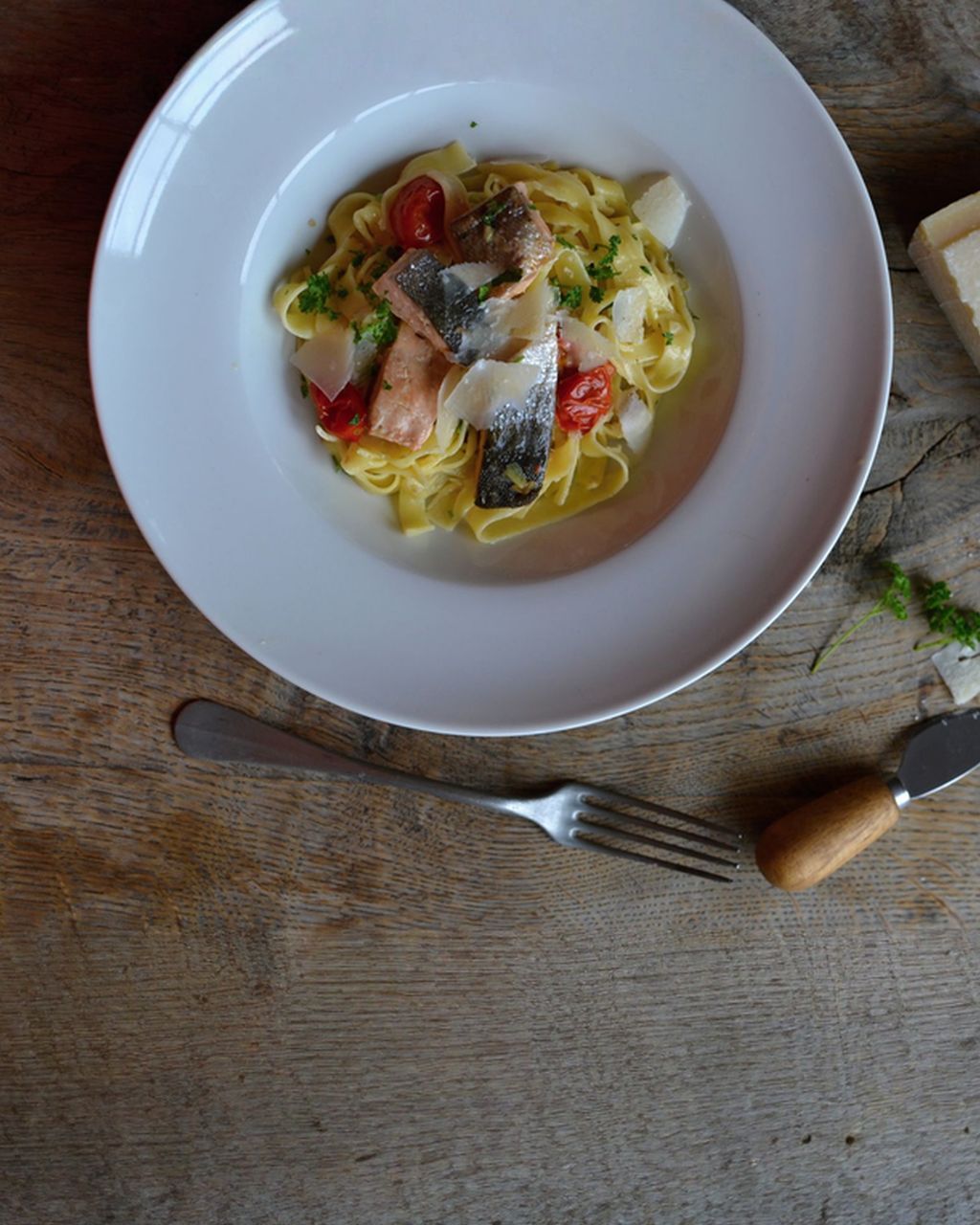
Quick summer pasta with salmon
Dry spaghetti is long, thin pasta with a round cross-section, usually made only from durum wheat semolina and water and dried to at most 13 % moisture. It cooks in 8–11 minutes in salted water; allow 80–100 g of dry spaghetti per person. The name is Italian for "little strings", the plural diminutive of spago, string; a single strand is a spaghetto. It is mostly sold 25–30 cm long. Czech Decree 18/2020 Coll. allows the name semolina pasta only for pasta made solely from Triticum durum semolina, without eggs. Egg-free pasta that is not semolina pasta is labelled bezvaječné (egg-free) and can be made from ordinary wheat flour; pasta with eggs is egg pasta.
Cooked spaghetti tastes mildly of grain and neutral, letting the sauce shine. Semolina spaghetti is firmer, holds its shape and has a springy bite al dente; pasta from soft wheat overcooks more easily. Wholemeal spaghetti is darker, with a nutty taste.
Seasonal baking plans, tested recipes and kitchen tricks that save you time. Unsubscribe in one click.
3 min read
For 100 g of dry spaghetti allow 1 litre of water and 10 g of salt, about a heaped teaspoon. Lower the spaghetti whole into fiercely boiling water; after half a minute it softens and sinks. Then separate it with a fork and stir for the first two minutes, when it sticks most. Cook as the pack says, usually 8–11 minutes for classic spaghetti, and taste 1–2 minutes early.
Oil in the water does not help; it floats on top and after draining only makes the sauce slide off. Rinsing washes away the starch the sauce clings to. More on ratios, times and other pasta shapes is in how to cook pasta.
As a main course allow 80–100 g of dry spaghetti per person, as a side or in soup 50–60 g. Cooked spaghetti absorbs water and gets heavier, so calories and portions are always counted on the dry pasta, as the pack gives them.
Al dente means "to the tooth": the strand is still firm inside and gives slight resistance to the bite without crunching, with a thin paler line in the middle when cut. That is the moment to drain it if you will finish it in the sauce; cook the last minute right in the pan with a little cooking water. The starch in the water binds the sauce so it coats every strand.
This is how spaghetti carbonara and the Neapolitan spaghetti allo scarpariello are made. Spaghetti also goes with the meat sauce sugo bolognese; toss them together in the pan before serving.
Spaghettini are thinner and suit light oil and seafood sauces, classic spaghetti suits almost anything, and thicker spaghettoni suit heavier sauces.
Under Czech Decree 18/2020 Coll. only pasta made from durum wheat semolina, without eggs, is semolina pasta. Egg-free spaghetti can also be made from ordinary wheat flour, and egg pasta contains eggs or egg products. Wholegrain pasta must be made from wholegrain flour. Gluten-free spaghetti from corn, rice or pulses should be cooked exactly as the pack says; start tasting it early.
Dry spaghetti keeps in a cool, dry place until the best-before date. Cooked pasta, though, carries the same risk as rice: spores of Bacillus cereus survive boiling, and when pasta cools slowly they start producing a toxin that reheating does not destroy. So cool cooked spaghetti quickly and refrigerate it within 2 hours. Plain it keeps 3–5 days, with sauce 3–4 days; reheat it until steaming hot throughout, at least 70 °C.
Detailed fridge and freezer times, and how to freeze spaghetti so it does not turn mushy after thawing, are in cooked pasta: how long it keeps in the fridge.
Ordinary spaghetti is made from wheat, so it contains gluten, one of the 14 allergens that must be highlighted in the ingredients under EU Regulation 1169/2011. Egg spaghetti also contains egg. Also check the pack for "may contain" warnings for other allergens, such as egg.