- Season
- Year-round, with production traditionally anchored to the early- and midsummer apricot harvest.
- Price
- Medium
Calories and nutrition
per 100 g
242 kcal
Calories
0.7 g
Protein
64.4 g
Carbs
0.2 g
Fat
Smooth apricot jam
Apricot jam is a cooked fruit preserve made by simmering ripe apricots with sugar until the natural pectins thicken the mixture into a spreadable consistency. Unlike jellies, it retains fragments of fruit flesh, and unlike marmalades, it excludes citrus peel, relying instead on the apricot’s own aromatic complexity.
per 100 g
242 kcal
Calories
0.7 g
Protein
64.4 g
Carbs
0.2 g
Fat
Unopened jars may be stored at room temperature away from direct light.
Once opened, refrigerate and consume within three to four weeks.
Freezing is possible but may dull aroma and alter texture; use within six months if frozen.
Seek apricot jam with a short ingredient list, ideally limited to apricots, sugar, and acid such as lemon juice. The color should be amber to deep gold rather than dull brown, indicating careful cooking. Texture should show discernible fruit pieces suspended in a glossy gel, not a uniform paste.
Peach jam, which shares similar acidity and stone fruit aromatics.
Orange marmalade thinned with a little water to soften bitterness.
Warm gently to loosen before glazing pastries or brushing onto meats. Stirring while heating preserves fruit integrity and prevents scorching.
Rinse empty jars and reuse them for storing grains, spices, or homemade vinaigrettes.
Roughly what a spoon or cup weighs, filled the way you usually would.
6.8 g
1 teaspoon
20.3 g
1 tablespoon
338 g
1 cup (250 ml)
Apricot jam is a cooked fruit preserve made by simmering ripe apricots with sugar until the natural pectins thicken the mixture into a spreadable consistency. Unlike jellies, it retains fragments of fruit flesh, and unlike marmalades, it excludes citrus peel, relying instead on the apricot’s own aromatic complexity.
The flavor unfolds in three distinct movements. The attack is immediately bright, marked by a clean, sunlit acidity that recalls fresh apricot skin. The mid-palate broadens into honeyed sweetness with notes of almond, orange blossom, and dried hay. The finish is gently tannic, sometimes faintly bitter if the skins are included, leaving a lingering impression of stone fruit warmth rather than cloying sugar.
3 min read
Apricot jam varies profoundly according to cultivar, terroir, and method of preparation. Provençal apricot jam: Made from cultivars such as Orangé de Provence (Polonais) or Bergeron, it is notably aromatic, with high acidity and a vivid golden hue, often cooked in wide copper pans to preserve freshness. Central European apricot jam: Drawing on cultivars such as Hungarian Gönci, these jams are darker and denser, reflecting fruit grown in continental climates with sharper day-night temperature swings; they carry deeper caramel and dried fruit notes. Middle Eastern apricot preserves: Frequently softer set and sometimes lightly spiced, they may incorporate sun-dried apricots rehydrated before cooking, resulting in a jam of great intensity and chew. Harvest methods also shape flavor. Hand-picked fruit at full ripeness yields higher natural sugar and fuller aroma, though its pectin weakens as it ripens, so gentle cooking and a little added acid preserve a cleaner finish. Industrial production, by contrast, often relies on firmer, less ripe fruit and added pectin, producing firmer but less expressive preserves.
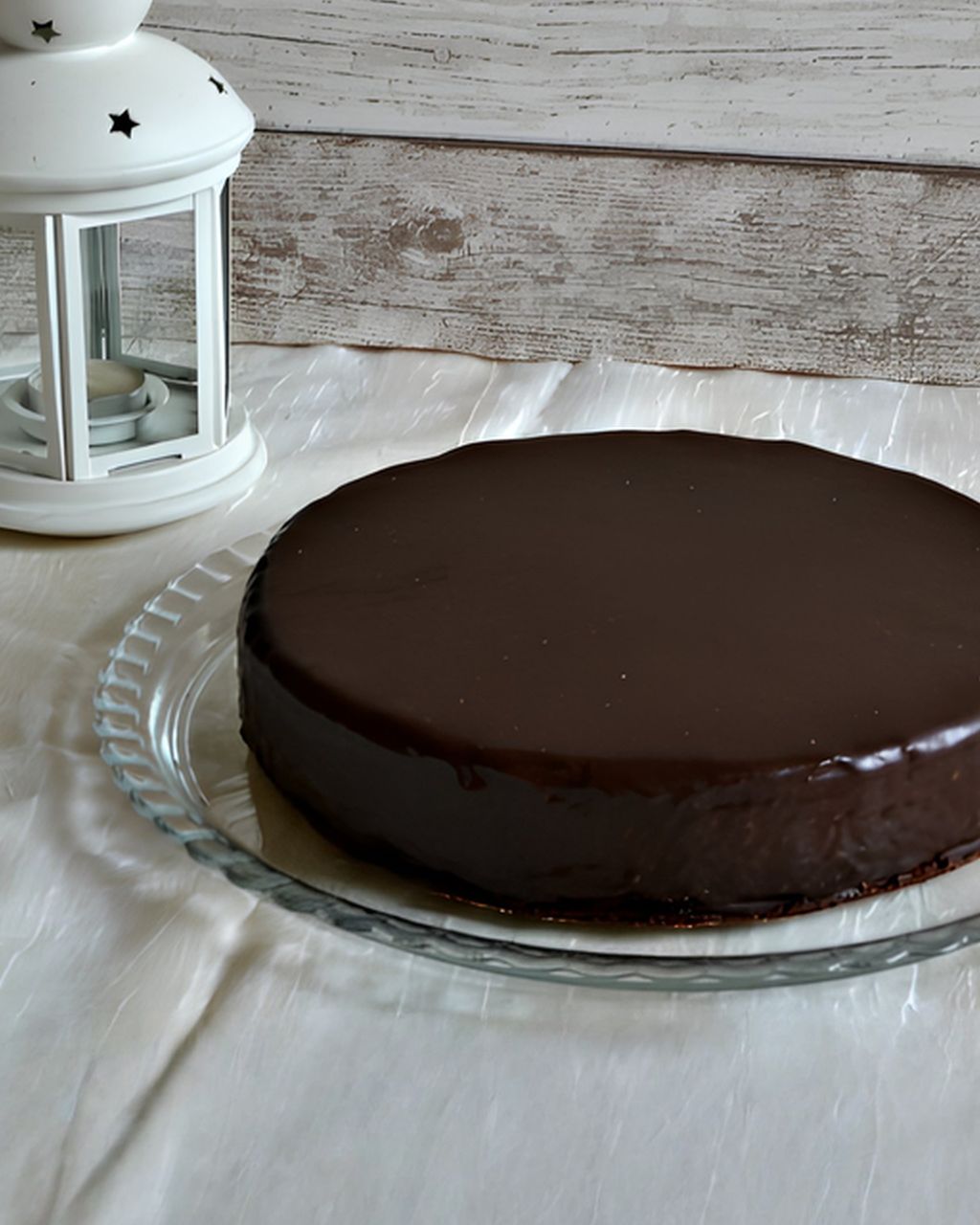
The lineage of apricot jam traces the long cultural journey of the apricot itself. Ancient era: In the Greco-Roman world, apricots were known as early-ripening plums, and while refined sugar was absent, fruit was preserved through reduction with honey or grape must, proto-preserves that anticipated jam. Medieval period: With the expansion of Arab trade routes and the diffusion of cane sugar into the Mediterranean, true jams emerged. Apricots, long since carried west from Central Asia along the Silk Road, were cooked with sugar in Islamic kitchens, where fruit preserves became both a luxury and a medicinal preparation, prized for balancing humors. Modern era: From the seventeenth century onward, European confectionery traditions refined jam-making into a precise craft, aided by copper cookware and improved sugar refining. Apricot jam gained particular prominence in Central Europe and France, where it became indispensable to pastries such as Sachertorte and fruit tarts, cementing its role as both pantry staple and culinary building block.
The structure of apricot jam depends on the interaction of sugar, acid, and pectin. Apricots are moderately rich in natural pectin, concentrated especially in the skins. During cooking, heat breaks down cell walls, releasing pectin chains that form a network as sugar binds available water. Acid lowers pH, enabling this network to set. Overcooking disrupts volatile aromatics, while undercooking prevents proper gelation. The balance is narrow, explaining the traditional reliance on visual cues and temperature rather than strict timing.
Ethical apricot jam production begins in the orchard. Sustainable growers prioritize water stewardship, as apricot trees, though fairly drought-tolerant, are highly sensitive to waterlogging and over-irrigation. Fair labor practices are especially critical during harvest, which remains largely manual. Artisanal producers who source locally reduce transport emissions and can cook fruit at peak ripeness, minimizing the need for additives. Transparency in sugar sourcing, favoring beet or responsibly produced cane sugar, further strengthens the ethical profile of the preserve.