- Season
- Year-round.
- Price
- Low
Calories and nutrition per 100 g
- 680 kcal
- 1 g protein
- 74.8 g fat
- 0.6 g carbs
Mayonnaise
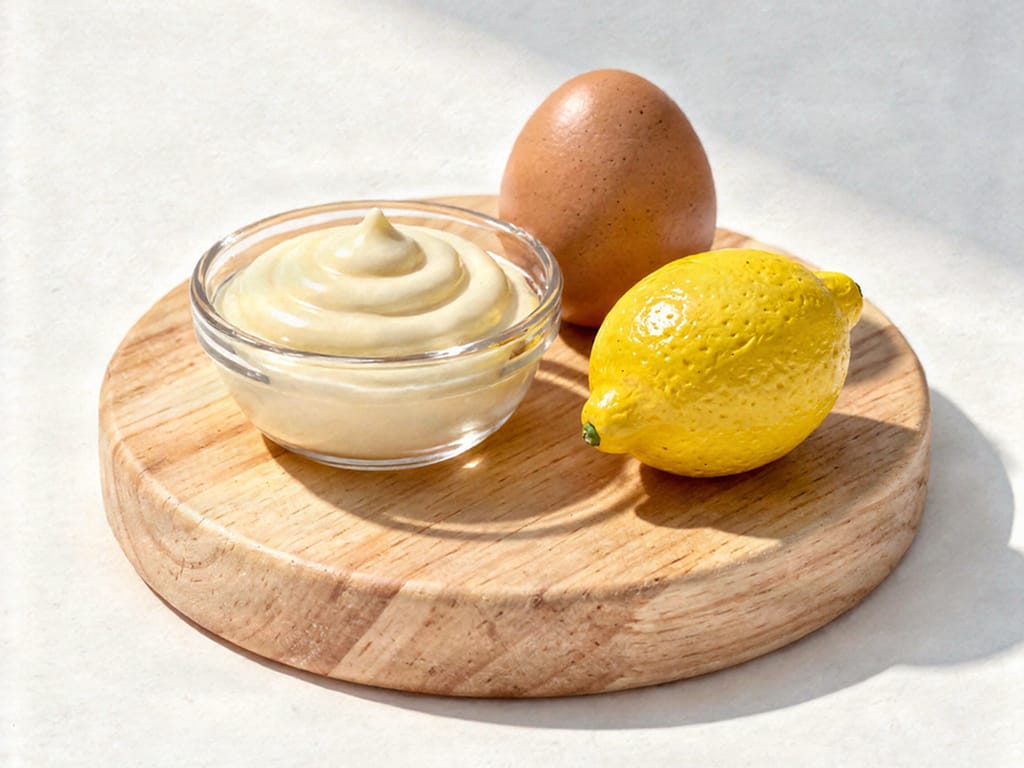
Mayonnaise is a cold, stable emulsion formed by the gradual incorporation of oil into egg yolk, acidulated with vinegar or lemon juice, and seasoned with salt. It is both a sauce in its own right and a foundational matrix from which numerous derivative sauces are constructed.
Egg-based mayonnaise is not shelf-stable once made or opened: keep it refrigerated at 5 °C or below and never leave it standing at room temperature for more than two hours (one hour in hot weather), including in dishes such as potato or egg salad.
Homemade mayonnaise keeps only briefly: refrigerate it at 5 °C or below as soon as it is made and use it within 24 hours, two days at the very most. Commercial jars keep far longer once opened — follow the date and storage instruction on the label, usually one to two months — and keep the lid tightly sealed to prevent oxidation.
Freezing is not recommended, as the emulsion will break upon thawing.
Select mayonnaise with a clean ingredient list emphasizing oil, egg yolk, and acid. The color should be pale ivory to soft yellow, never gray or dull. Texture should appear glossy and cohesive, without visible separation or excessive stiffness, which can indicate over-stabilization.
Aioli made with egg yolk and olive oil offers a close textural and functional substitute with a more pronounced aromatic profile.
Greek yogurt blended with oil and lemon juice can approximate creaminess, though without true emulsified richness.
For classical preparation, whisk egg yolk with salt and acid, then add oil in a slow, continuous stream while whisking vigorously until a thick emulsion forms. Temperature control is critical, as ingredients should be at room temperature to encourage stable emulsification.
Use leftover mayonnaise as a cooking medium for grilled bread or vegetables, where its oil and egg proteins promote browning and prevent sticking.
Roughly what one measure weighs, scooped the way you normally would in the kitchen.
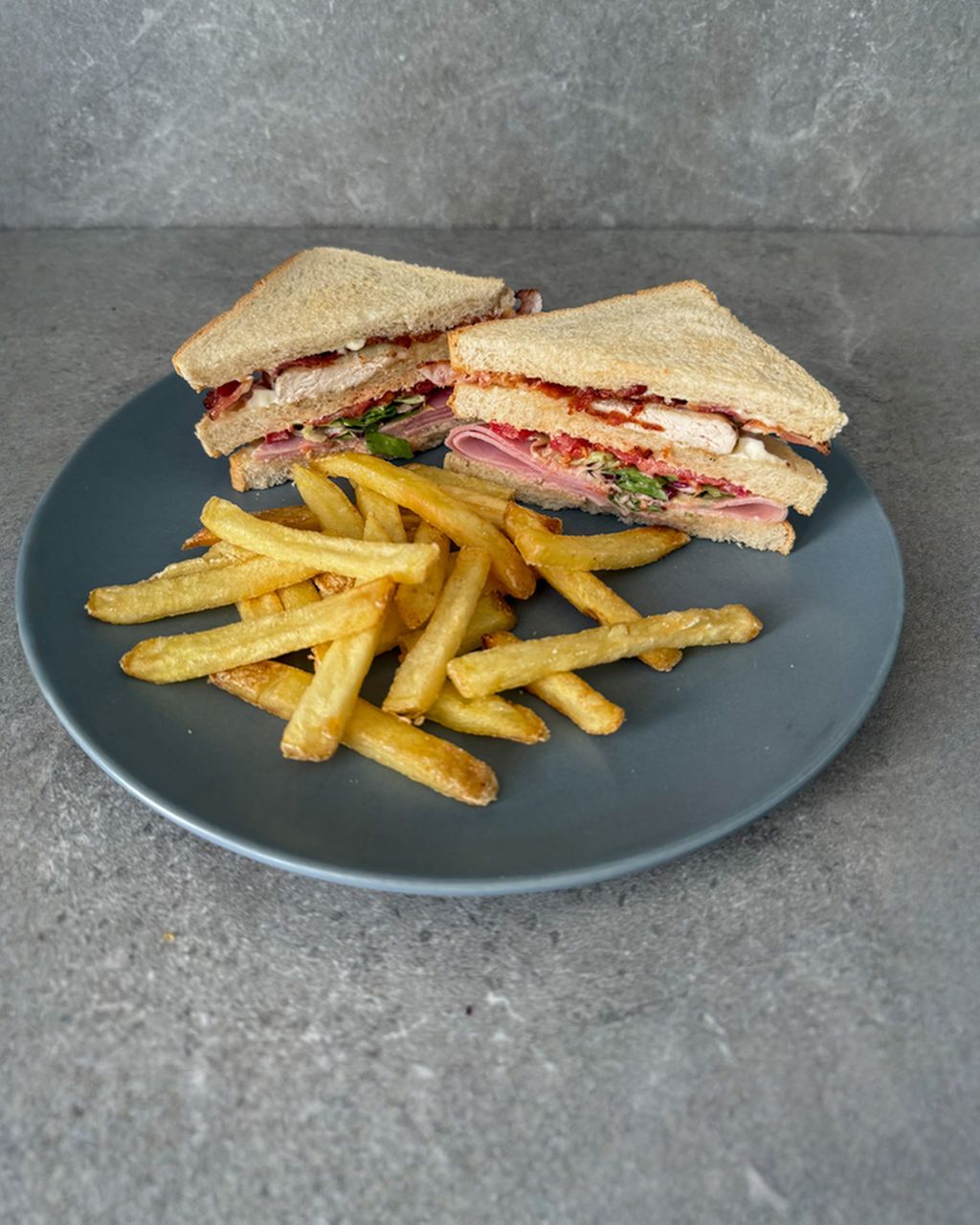
Club sandwich with chicken, cheese and fries
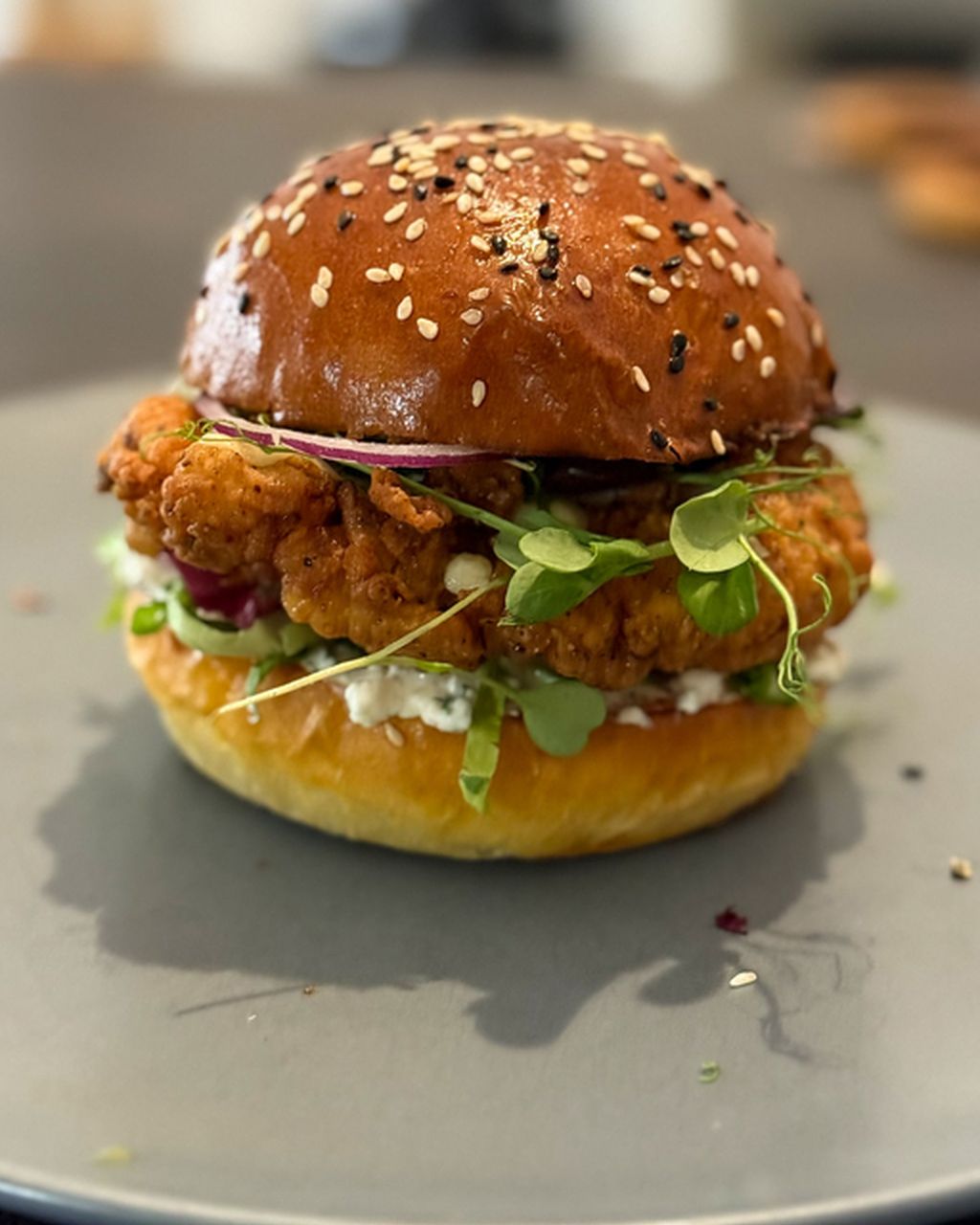
Crispy chicken burger in a homemade bun
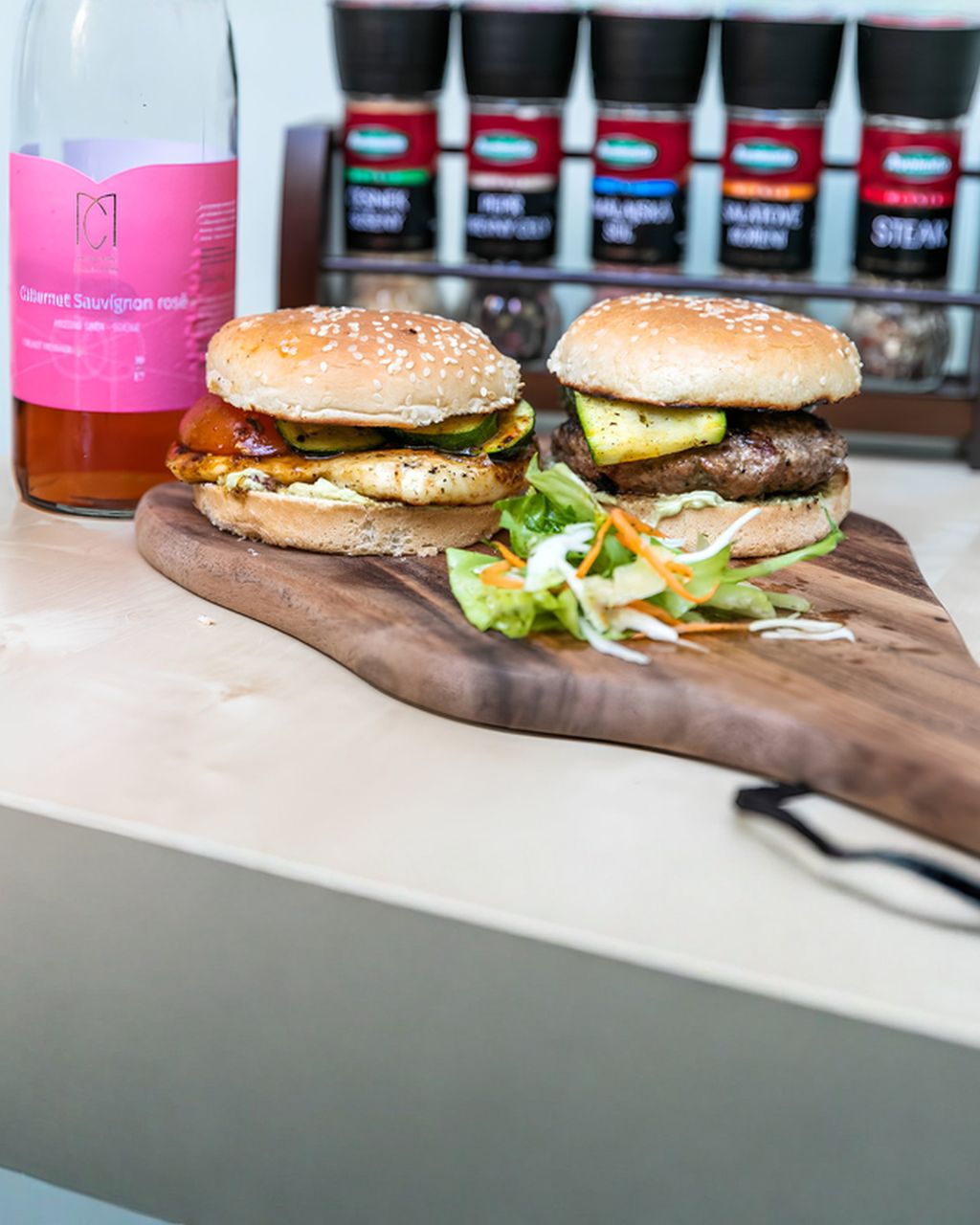
Sun-dried tomato and halloumi burgers
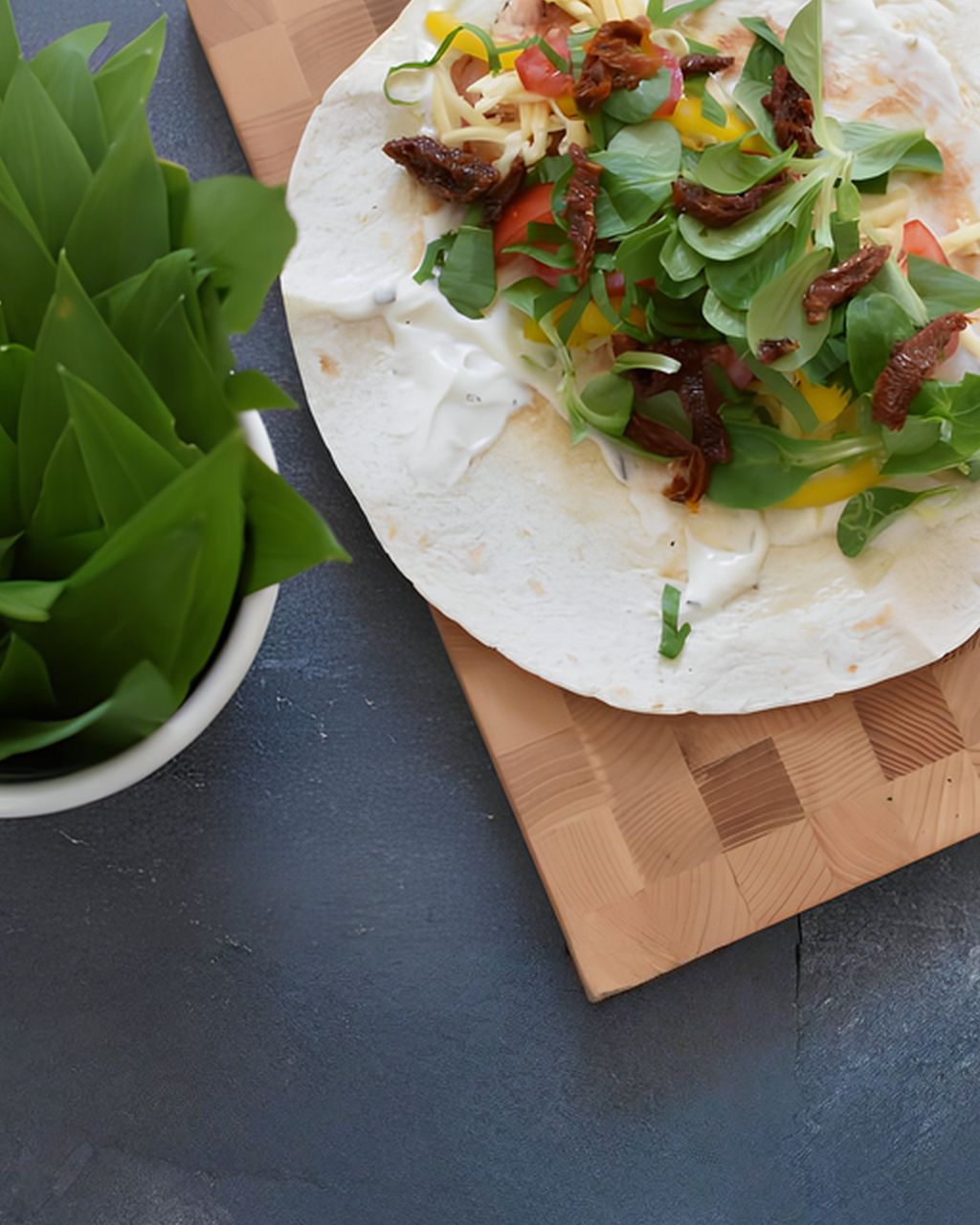
Grilled chicken tortillas with wild garlic
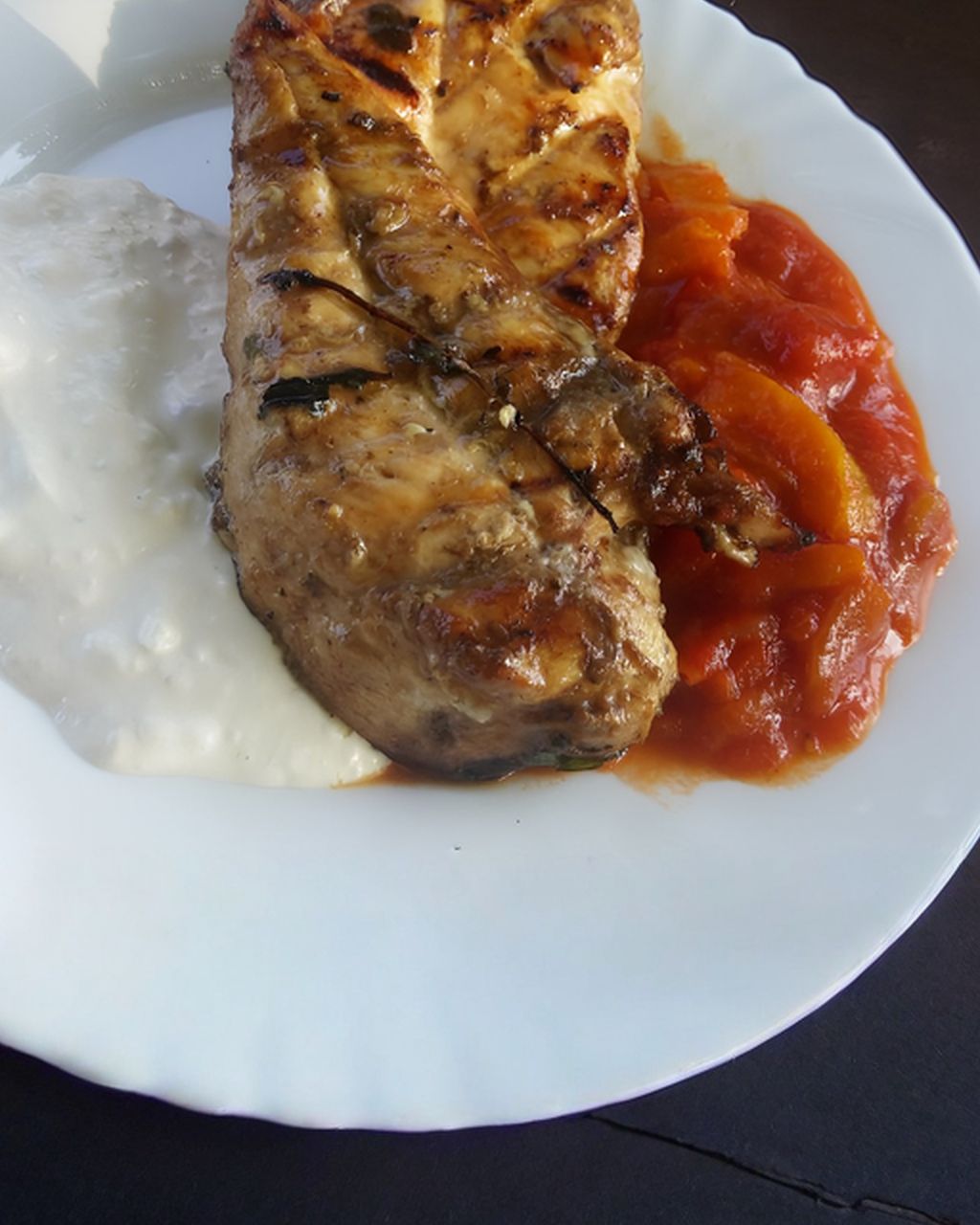
Blue cheese dip with walnuts
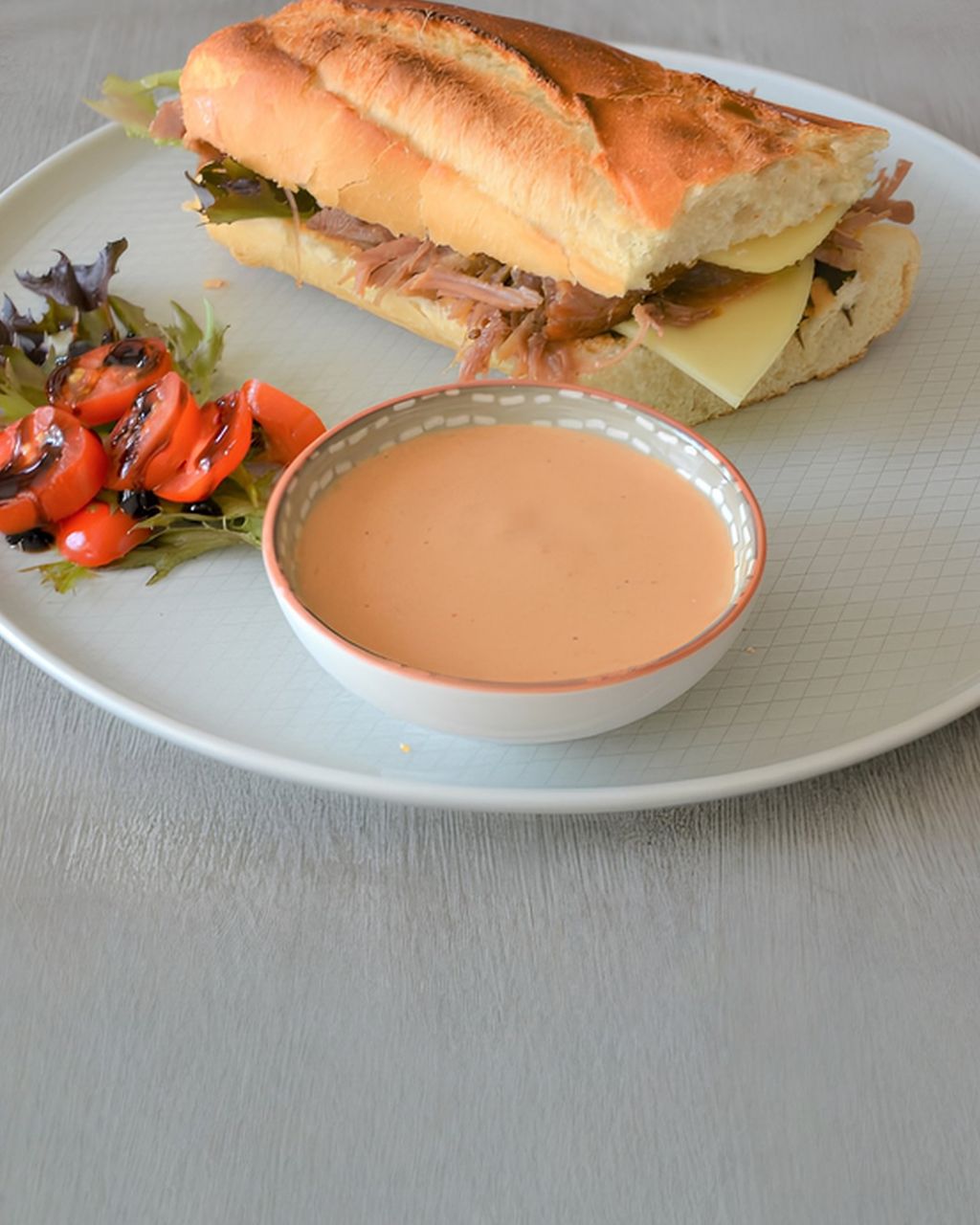
Crispy baguette with pulled turkey and roasted tomato mayo
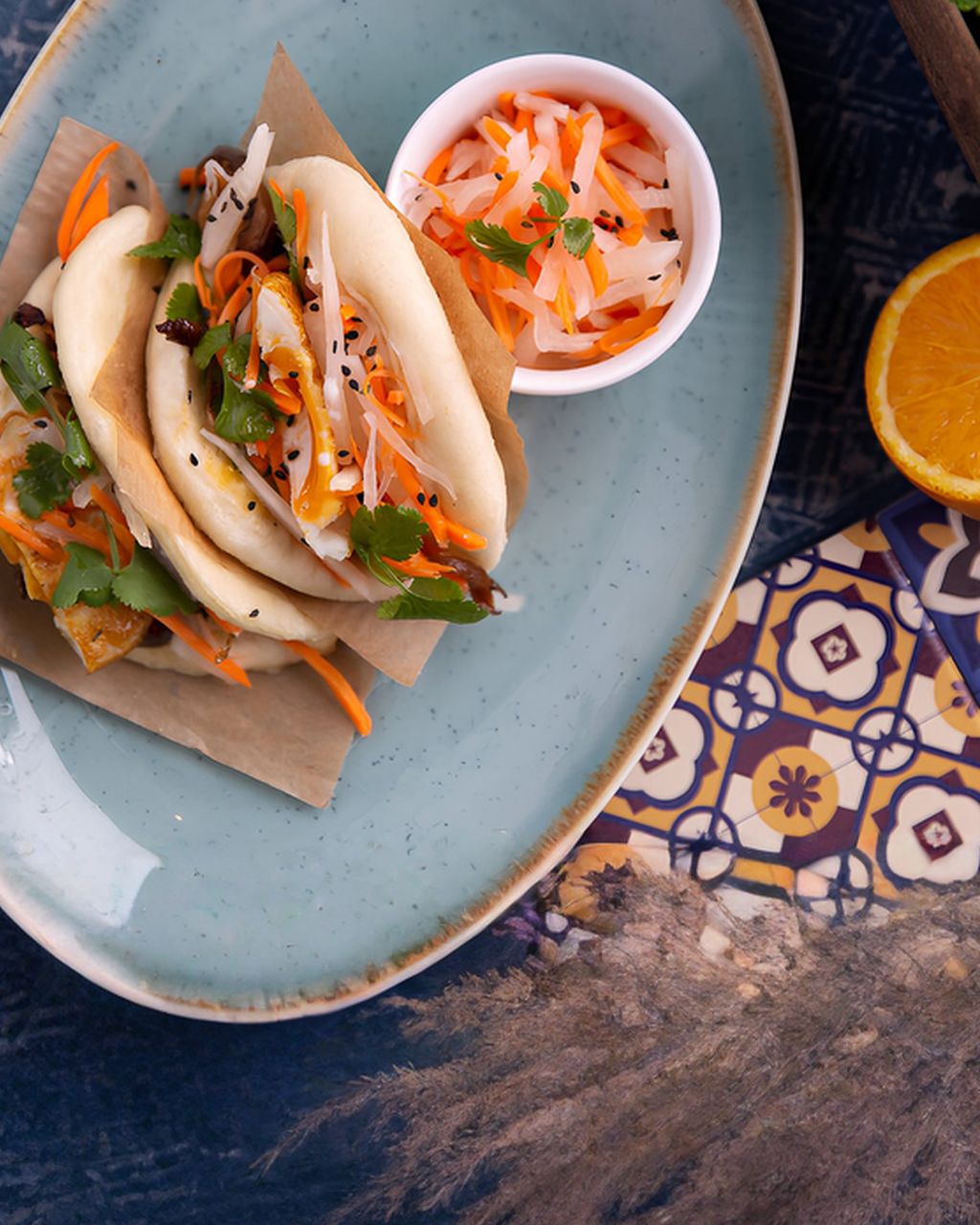
Breakfast bao buns with fried egg and orange mayo
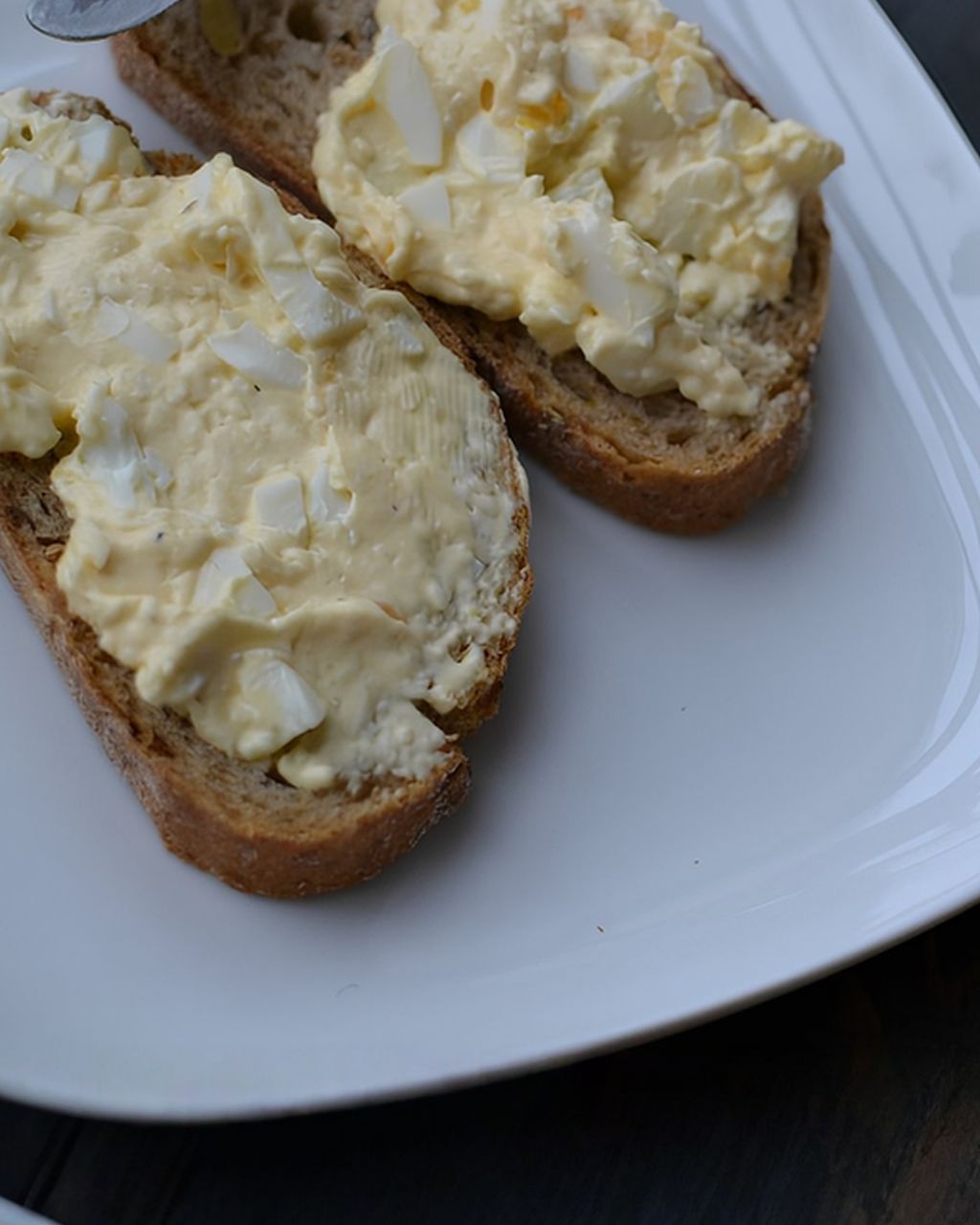
Egg spread with cheese
Mayonnaise is a cold, stable emulsion formed by the gradual incorporation of oil into egg yolk, acidulated with vinegar or lemon juice, and seasoned with salt. It is both a sauce in its own right and a foundational matrix from which numerous derivative sauces are constructed.
The flavor of mayonnaise unfolds in three movements. The attack is cool and faintly acidic, immediately coating the tongue with a sense of freshness. The mid-palate reveals its true character: dense, velvety, and faintly eggy, carrying the rounded sweetness of oil held in suspension. The finish lingers with gentle tang and a subtle savoriness, leaving the mouth lubricated rather than fatigued, an effect that explains its enduring appeal as both condiment and culinary binder.
Seasonal baking plans, tested recipes and kitchen tricks that save you time. Unsubscribe in one click.
4 min read
Though often treated as monolithic, mayonnaise expresses remarkable variation according to oil, acid, and technique. French-style mayonnaise: traditionally employs neutral oils such as sunflower or grapeseed, producing a restrained aroma and a supple, almost satin-like mouthfeel. It favors wine vinegar or lemon juice, yielding a balanced acidity that supports delicate ingredients like poached fish. Mediterranean mayonnaise: frequently incorporates olive oil, sometimes partially blended to avoid bitterness. The terroir of the olives matters greatly; oils from Liguria lend sweetness and almond notes, while Provençal oils bring grassiness and peppery heat, which can assert themselves in the finish. Industrial mayonnaise: stabilized with additional emulsifiers and often sweetened, is harvested not from fields but from factories, prioritizing shelf life and uniformity over nuance. Japanese mayonnaise: typically made with rice vinegar and a higher proportion of egg yolk, has a custard-like density and a gentle sweetness that softens the attack and lengthens the savory mid-palate. Across all forms, the harvest of oilseeds or olives, the freshness of eggs, and the choice of acid shape the final expression with surprising precision.
The origins of mayonnaise are contested, but its ascent mirrors the evolution of Western saucemaking. Ancient antecedents: Greek and Roman cooks made cold sauces of oil, vinegar, herbs and fish sauce, thickened with breadcrumbs, ground nuts or cheese rather than emulsified with egg; the Roman recipe collection attributed to Apicius records many such sauces but no egg-and-oil emulsion. The nearer ancestors are the Mediterranean garlic-and-oil sauces, aioli and alioli, in which oil is bound by mechanical action alone. Medieval transformations: During the medieval period, the expansion of trade routes brought new oils, vinegars, and spices into European kitchens. Cold sauces thickened with eggs appeared alongside verjus and must, though they remained variable and regionally bound, constrained by preservation limits and seasonal egg production. Modern codification: The name is first recorded in the early nineteenth century. A. Viard's Le Cuisinier Impérial (1806) uses “mayonnaise”, although for a sauce bound with velouté and jelly rather than an emulsion, and Antonin Carême described the cold, yolk-emulsified “magnonnaise” from about 1815, deriving the word from manier, to handle. The familiar story tying the name to the French capture of Port Mahon in 1756 is popular but unverified. By the nineteenth century, it had become canonical, its technique taught as a test of a cook’s discipline. The twentieth century industrialized mayonnaise, transforming it into a global staple, while contemporary chefs have returned to artisanal methods, emphasizing oil provenance and egg quality in a dialogue between tradition and modernity.
Mayonnaise is a classic oil-in-water emulsion stabilized primarily by lecithin in egg yolk. Lecithin molecules possess hydrophilic and lipophilic ends, allowing them to surround oil droplets and prevent coalescence. Mechanical shear, introduced by whisking or blending, disperses oil into microscopic droplets, increasing surface area and stability. Acid lowers the pH of the water phase, partly unfolding the yolk proteins so that they spread more readily around the oil droplets; just as importantly, it brings the sauce to about pH 4.1 or below, the point at which Salmonella can no longer multiply in the raw yolk. Temperature influences viscosity and stability, with moderate warmth facilitating emulsification while excessive heat risks separation.
Ethical considerations in mayonnaise center on egg production and oil sourcing. Free-range or pasture-raised eggs address animal welfare concerns and often yield yolks with higher carotenoid content, subtly affecting color and flavor. Oil production carries environmental implications; responsibly farmed sunflower, rapeseed, or olive oils reduce ecological strain. Transparent sourcing and minimal additives align mayonnaise with contemporary expectations of sustainability without diminishing its classical identity.