- Season
- Year-round.
- Price
- Medium
Calories and nutrition per 100 g
- 264 kcal
- 18.5 g protein
- 21.1 g fat
- 0 g carbs
Fresh Goat Cheese
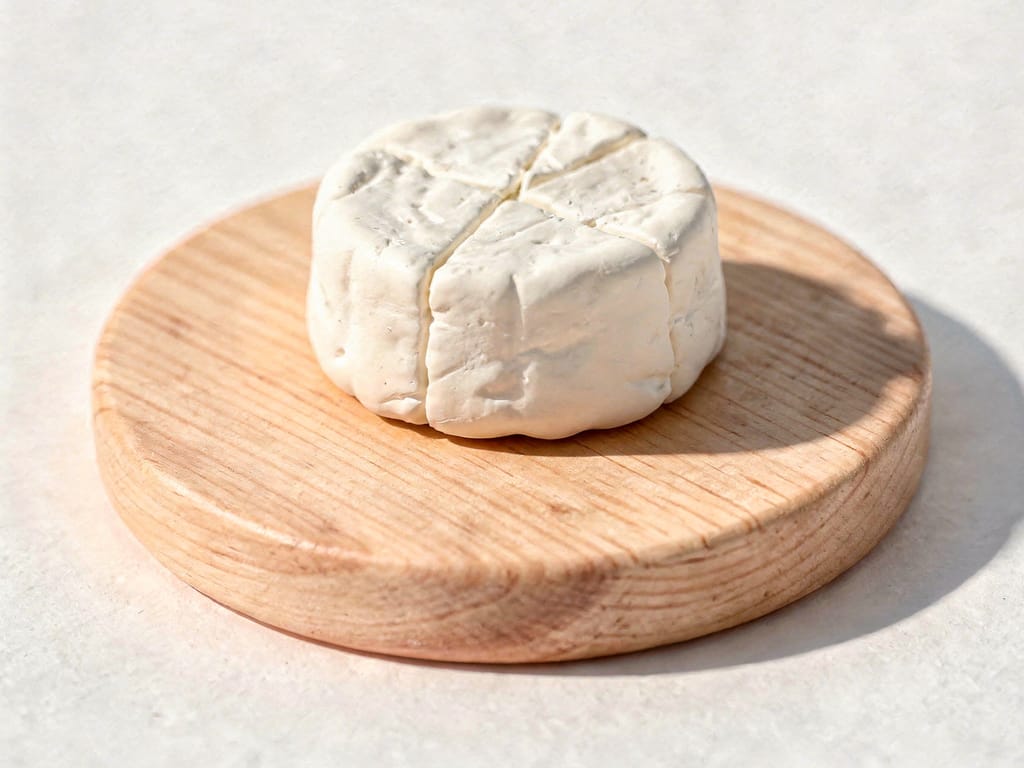
Fresh goat cheese, chèvre frais in French, is an unripened soft cheese made from goat's milk, with no rind. It is white, spreadable to crumbly and fresh and tangy, and works in salads, on bread and briefly baked.
Fresh goat cheese belongs in the fridge. Do not leave it out for more than 2 hours; taking it out 20–30 minutes before serving is enough.
Keep it in the fridge at the temperature on the pack; producers state from 1–7 °C to 2–8 °C. Eat unopened cheese by the use-by date. Cover opened cheese well and finish it within 3 days at most; if the pack gives a shorter time, some say 24 hours, follow it. At the first sign of mould, throw the whole pack away.
You can freeze it, but only for cooking. After thawing it weeps and turns grainy, so use it in bakes, quiche and sauces, not on bread. Thaw it in the fridge and use it within 24 hours.
Check the label for pasteurised or raw milk; cheeses made with raw milk must say so on the pack. The cheese should be white, moist and smell clean and tangy, with no yellowed edges, cracks or ammonia smell. Pick the pack with the latest use-by date.
Goat's žervé or another spreadable goat cheese. For goat flavour this is the closest swap.
Cream cheese or ricotta with a drop of lemon juice and a pinch of salt. It copies the tangy creaminess, not the goat flavour. In a salad where the cheese is crumbled, feta works.
Let it soften for 20–30 minutes before serving so it is creamier and more aromatic. For spreading, beat it with a fork with a drop of olive oil or cream. Slice a log with thread or a knife dipped in hot water. Stir it into hot pasta off the heat; it splits at a hard boil.
Blend leftovers with herbs, lemon zest and a little oil into a spread, or stir them into scrambled eggs and omelettes.
Roughly what one measure weighs, scooped the way you normally would in the kitchen.
Crumble it over salads, spread it on crostini or whip it into a dip. For a warm salad, slice it into rounds, coat in breadcrumbs and bake briefly until golden. It works as a filling for chicken, peppers or savoury tarts and stirred into hot pasta at the end. Long baking and a hard boil make it grainy.
Czech dairy regulations define fresh cheese as cheese that is not ripened. So fresh goat cheese has no rind or mould and tastes mainly of goat's milk. The ingredients list goat's milk, dairy cultures, salt and often rennet. Shops sell it as logs, small rounds or in tubs, plain or with herbs, honey or wild garlic.
Fresh, clean, milky and lemony-tart, with a gentle goaty note that is milder than in aged cheese. It is creamy and melts on the tongue, and depending on its moisture it is either spreadable or crumbly.
Seasonal baking plans, tested recipes and kitchen tricks that save you time. Unsubscribe in one click.
2 min read
Fresh goat cheese is an unripened cheese made from goat's milk. Unlike white-rinded or aged goat cheeses, it has no rind, is soft and keeps only briefly. Depending on its moisture it is either spreadable and sold in tubs, or firmer and crumbly, shaped into logs and rounds.
Very close to it is goat's žervé, a fresh spreadable cheese in a tub. Some products sold as goat's žervé are made only from goat's milk, others combine goat's quark with cow's quark, so it pays to read the ingredients.
Soft cheeses made from unpasteurised milk and white-rinded cheeses can carry listeria bacteria, which are dangerous in pregnancy. The UK NHS therefore separates goat cheeses as follows:
Safe: soft goat cheese made from pasteurised milk that does not have a white rind. That covers ordinary fresh goat cheese in a tub and logs without mould.
Only when thoroughly cooked: goat cheese with a white rind, even when pasteurised, and soft goat cheese made from unpasteurised milk, including farm-made fresh goat cheese from raw milk. It must be heated until steaming hot all the way through.
Most dairy products in shops are pasteurised, but the NHS advises checking the pack. Keep opened cheese in the fridge and eat it within 3 days.
According to the USDA database, 100 g of soft goat cheese has 264 kcal, 21.1 g fat, 18.5 g protein, 459 mg sodium and 140 mg calcium. Products in shops vary with their moisture: firmer fresh goat cheese lists about 290 kcal and 22 g fat, while spreadable goat cheese in a tub can be as low as about 150 kcal and 12 g fat per 100 g.
Goat's milk has about 4.4 g lactose per 100 ml, almost the same as cow's milk, and fresh cheeses keep some of it, usually 0.7–3.7 g per 100 g. More in Lactose: What It Is and How Much Is in Milk, Cheese, and Yogurt.
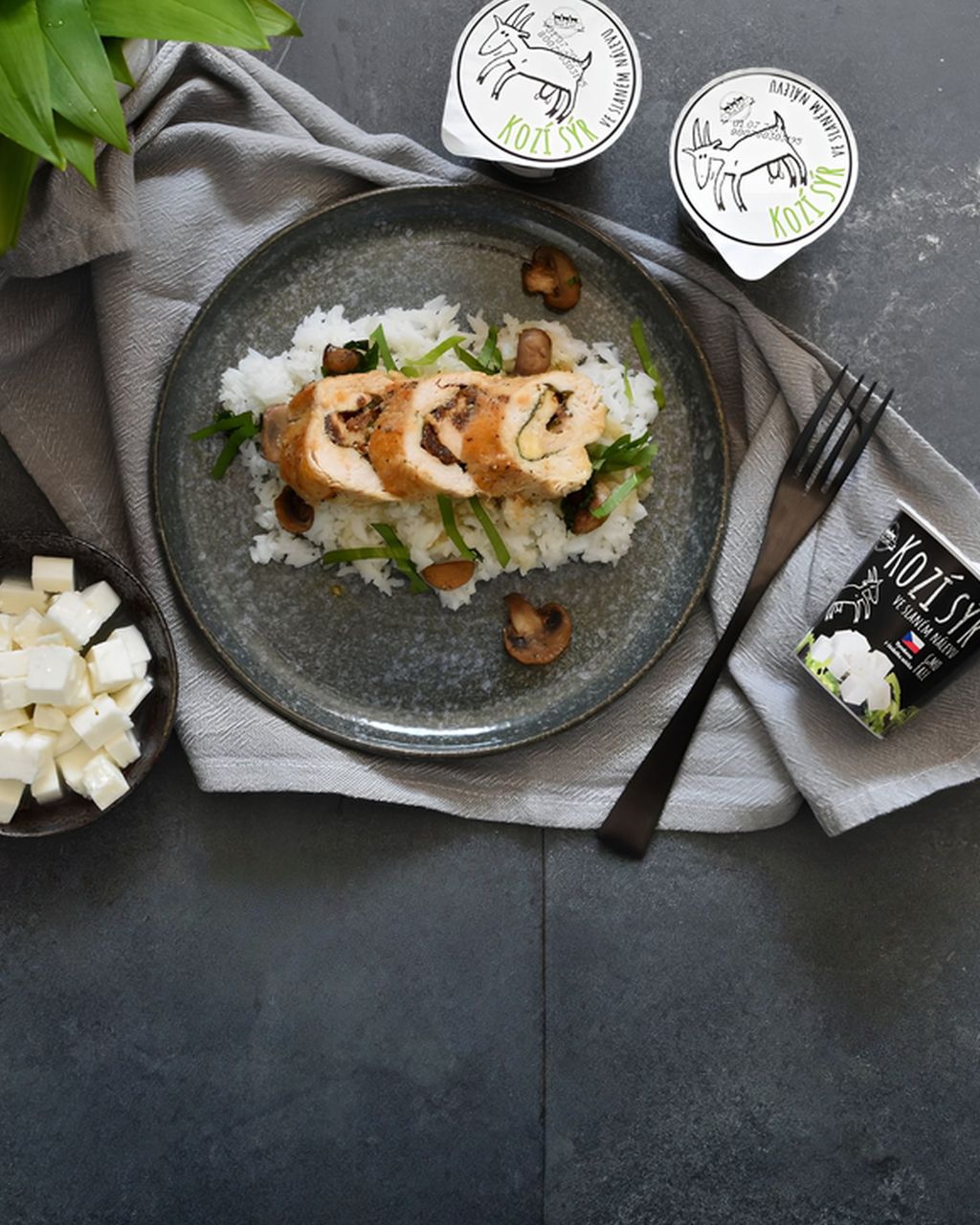
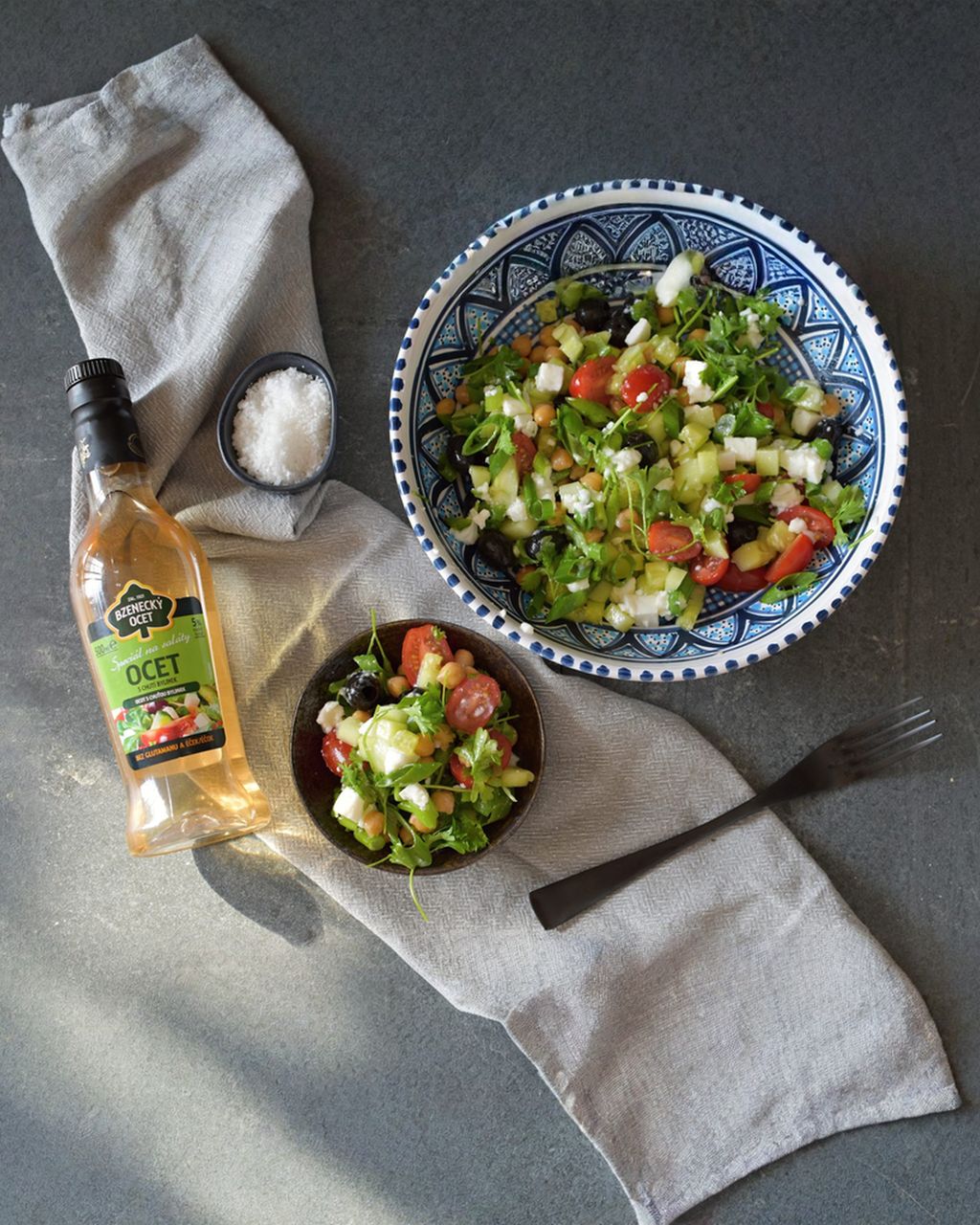
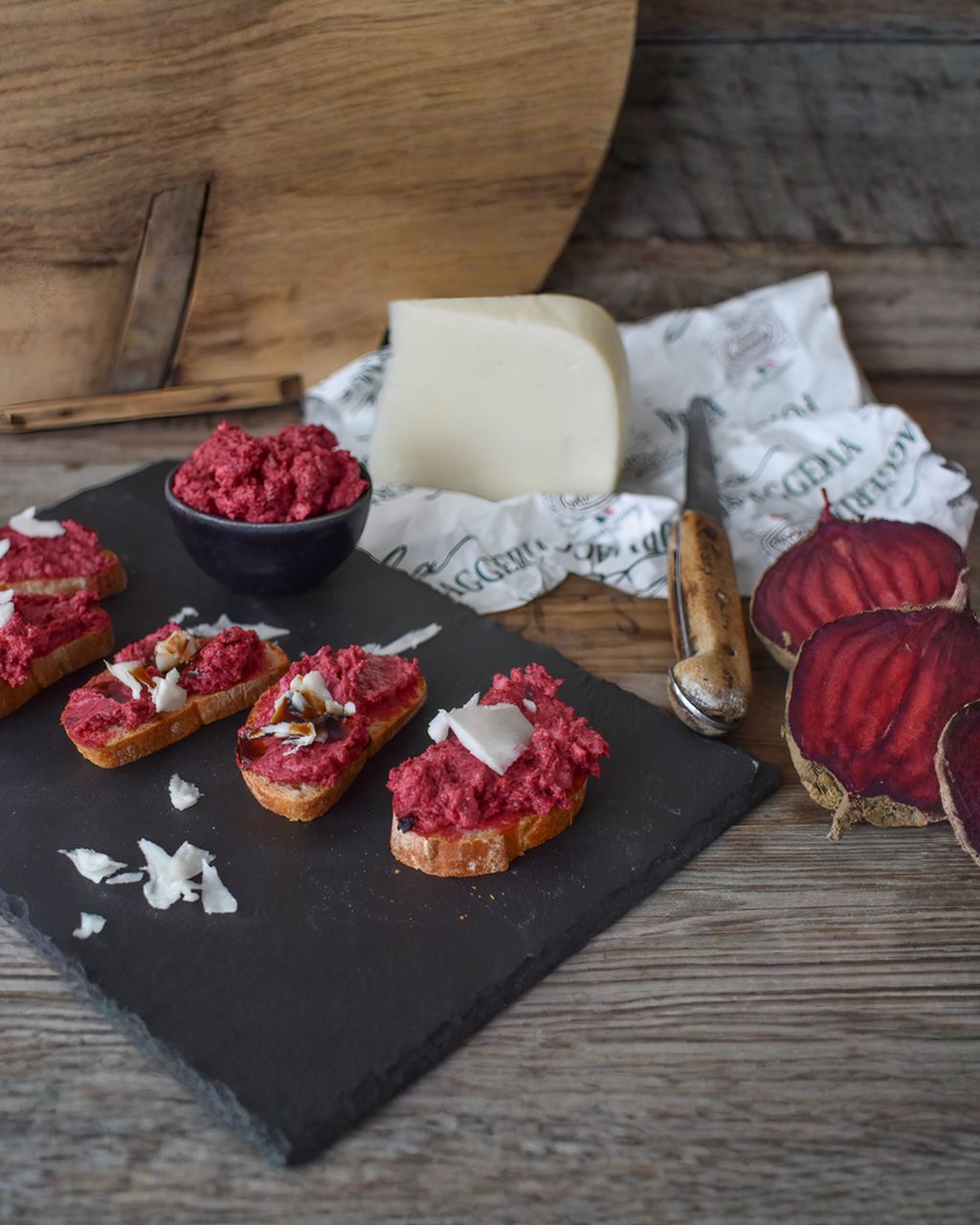
Fresh goat cheese melts in the heat, so it makes a great filling, for example in a chicken roulade with goat cheese and wild garlic. Cold, crumble it into a Mediterranean chickpea salad or blend it with roasted beetroot into a roasted beetroot spread.
It pairs best with sweet and sour partners: honey, figs, beetroot, citrus, tomatoes and nuts.