- Season
- Year-round
- Price
- Low
Calories and nutrition
per 100 g
660 kcal
Calories
6.9 g
Protein
23.6 g
Carbs
64.5 g
Fat
Coconut Flakes
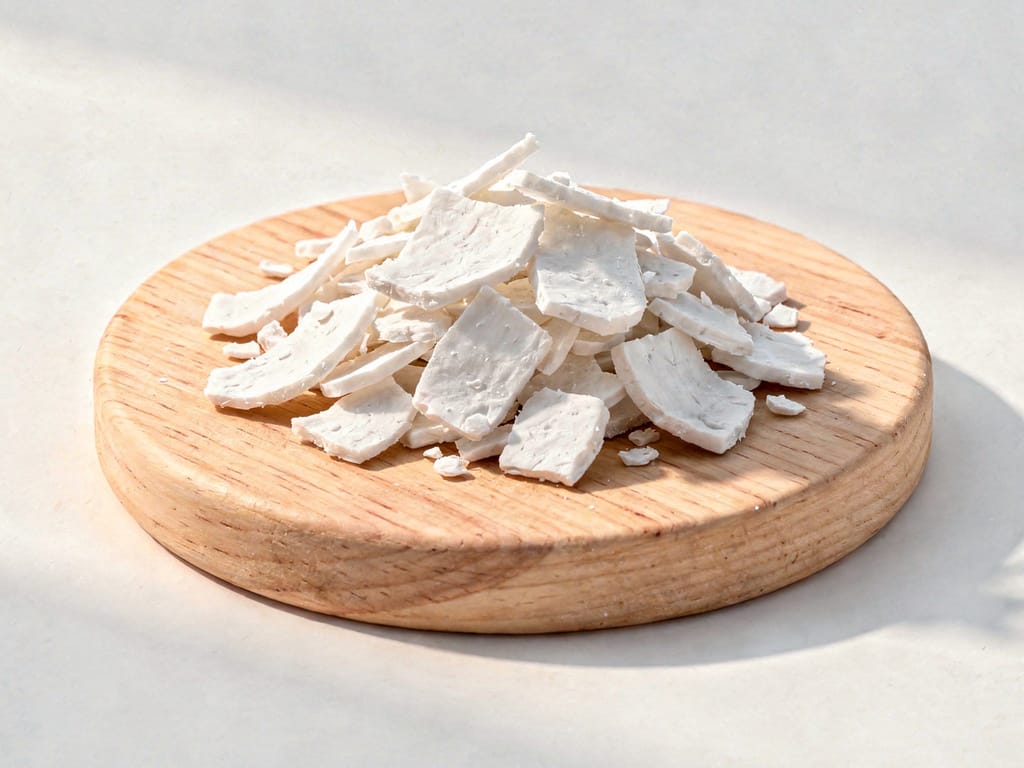
Coconut flakes are thin, wide slices of dried flesh from mature coconuts. They are sold unsweetened, sweetened or toasted, also as coconut chips, and used for decorating, in granola, on porridge and as a snack.
per 100 g
660 kcal
Calories
6.9 g
Protein
23.6 g
Carbs
64.5 g
Fat
Store unopened packs somewhere dry, cool and dark and use by the best-before date. Tip an opened pack into a tightly closed jar and use within about 1–2 months, away from heat and strong-smelling foods.
In the fridge, in a closed jar or bag, opened flakes keep for up to about 6 months. The cold slows the coconut fat going rancid.
In a well-sealed bag in the freezer, flakes keep good quality for about a year. No need to thaw; measure them straight from frozen.
Choose by use: unsweetened flakes are the all-rounder for sweet and savoury dishes, sweetened and flavoured chips are better for snacking. The ingredients should be just coconut, plus sugar for sweetened flakes; some dried coconut contains sulphur dioxide or sulphites, which must be declared as an allergen. Flakes should be white to cream, with no yellowing or grey spots. The pack should be intact and the flakes must not smell rancid. The EU organic logo or Fairtrade mark tells you more about how the coconut was grown and traded.
Unsweetened desiccated or shredded coconut. Same flavour, finer texture; it looks less striking as decoration, and in doughs use a little less because it packs more densely.
Almond flakes or rolled oats if crunch is what matters, chopped macadamia nuts for similar rich fattiness.
For most recipes no preparation is needed; use them straight from the pack. To toast, spread them in a single layer on a tray and bake at 160 °C for 5–8 minutes. Stir after a few minutes and watch closely once they start to colour, as they go from golden to burnt fast. In a pan, toast them dry over low heat for 3–5 minutes, stirring constantly. Tip them onto a plate as soon as they are done; on a hot tray they keep darkening.
Refresh stale flakes with a quick toast before using. Stir the crumbs and dust from the bottom of the bag into porridge, granola or cookie dough, or roll date-and-nut balls in them.
Roughly what a spoon or cup weighs, filled the way you usually would.
5 g
1 tablespoon
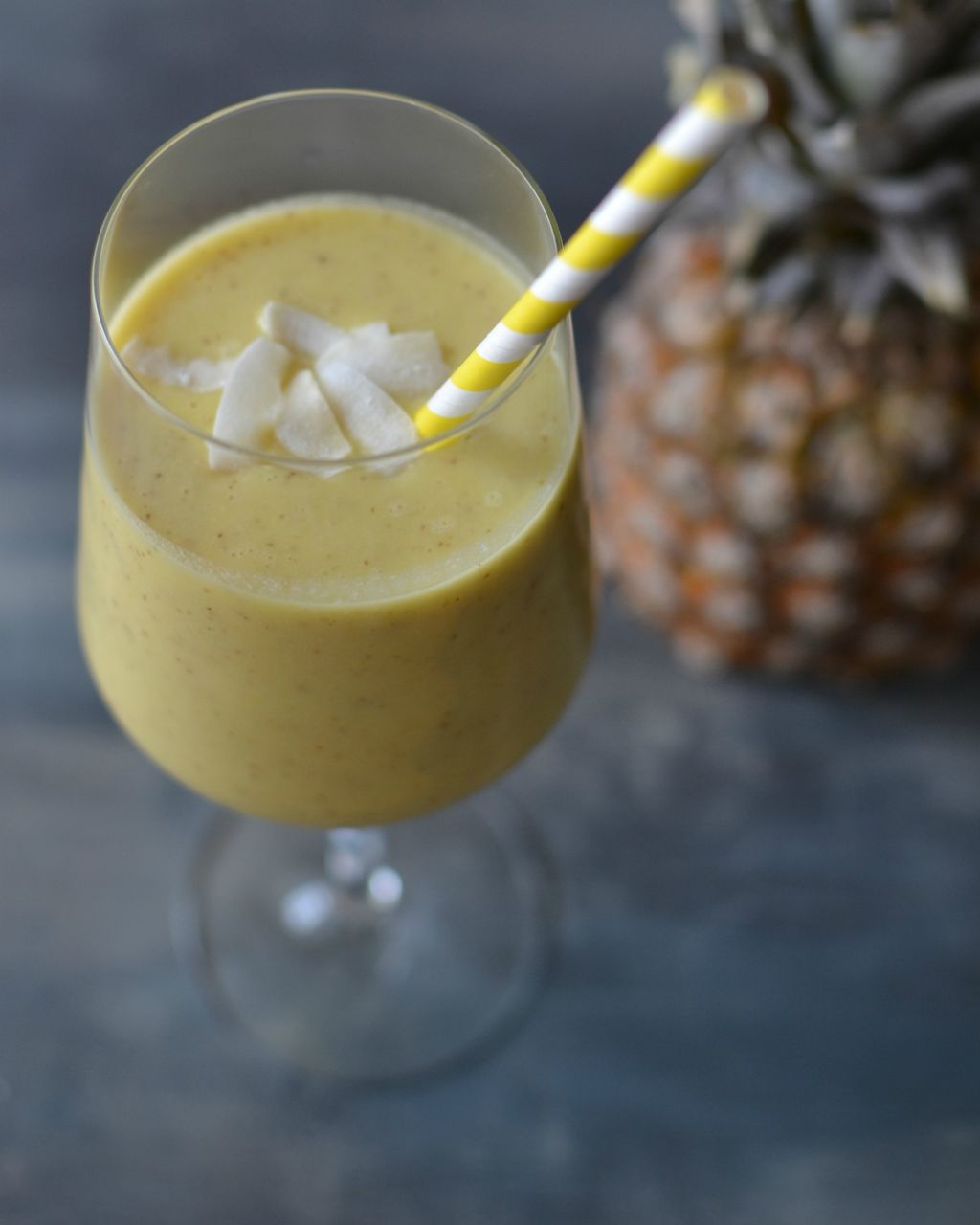
Toasted flakes add crunch to granola and muesli, yoghurt, porridge, smoothie bowls and desserts. Untoasted ones can be baked straight on top of cakes, muffins and traybakes, where they turn golden in the oven. They work as a coating for chicken or prawns and as a topping for curries and Southeast Asian rice dishes. For slow-baked cookies and doughs where the coconut should blend into the mixture, desiccated coconut works better.
Coconut flakes are thin, wide slices of dried flesh from mature coconuts. They are sold unsweetened, sweetened or toasted, also as coconut chips, and used for decorating, in granola, on porridge and as a snack. They are made from the white flesh of the coconut, sliced and dried to a low moisture content. The main difference from desiccated coconut is size: flakes are flat pieces about 1–2 cm long, while desiccated coconut is fine, like semolina. In Czech shops they are sold as kokosové lupínky, kokosové chipsy or kokosové plátky, in the baking aisle, with dried fruit or among healthy snacks.
Unsweetened flakes taste gently sweet, nutty and cleanly of coconut, with buttery richness from the coconut fat. Toasted, they turn golden and crunchy and pick up caramel notes. Sweetened flakes are much sweeter and softer, and flavoured chips (with cocoa or salted caramel, say) eat more like a sweet.
4 min read
Coconut flakes are dried flesh from mature coconuts cut into thin, wide slices. Once out of the shell, the flesh is pared of its brown skin, sliced and dried until only a few per cent of water remains. Unsweetened flakes are therefore mostly fat and fibre; sweetened flakes have added sugar. Coconut chips are flakes that are toasted after drying, often with sugar, salt or cocoa, so they are crunchy and ready to eat.
All three are dried coconut flesh; they differ in the size of the pieces. Desiccated coconut is the finest and driest, best for doughs, fillings and coating. Shredded coconut is thin strands, good for sprinkling and granola. Flakes are the largest and widest, so they look best as decoration and give the most crunch. You can usually swap them in recipes; just expect a different texture and look. Watch the names: in the US "flaked coconut" also refers to sweetened shredded coconut, while in Czech shops strouhaný kokos is desiccated, kokosové nudličky shredded and kokosové lupínky flakes.
In the oven, spread them in a single layer on a lined tray and bake at 160 °C for about 5–8 minutes. Stir halfway and take them out as soon as they are pale gold, because their fat and sugar make them burn quickly. In a pan, toast them dry over low heat for 3–5 minutes, stirring all the time. In homemade granola, add them only for the last 5–8 minutes, as we explain in homemade granola: what temperature to bake it at; otherwise they burn before the oats are done. Let toasted flakes cool and store them in a jar so they stay crisp.
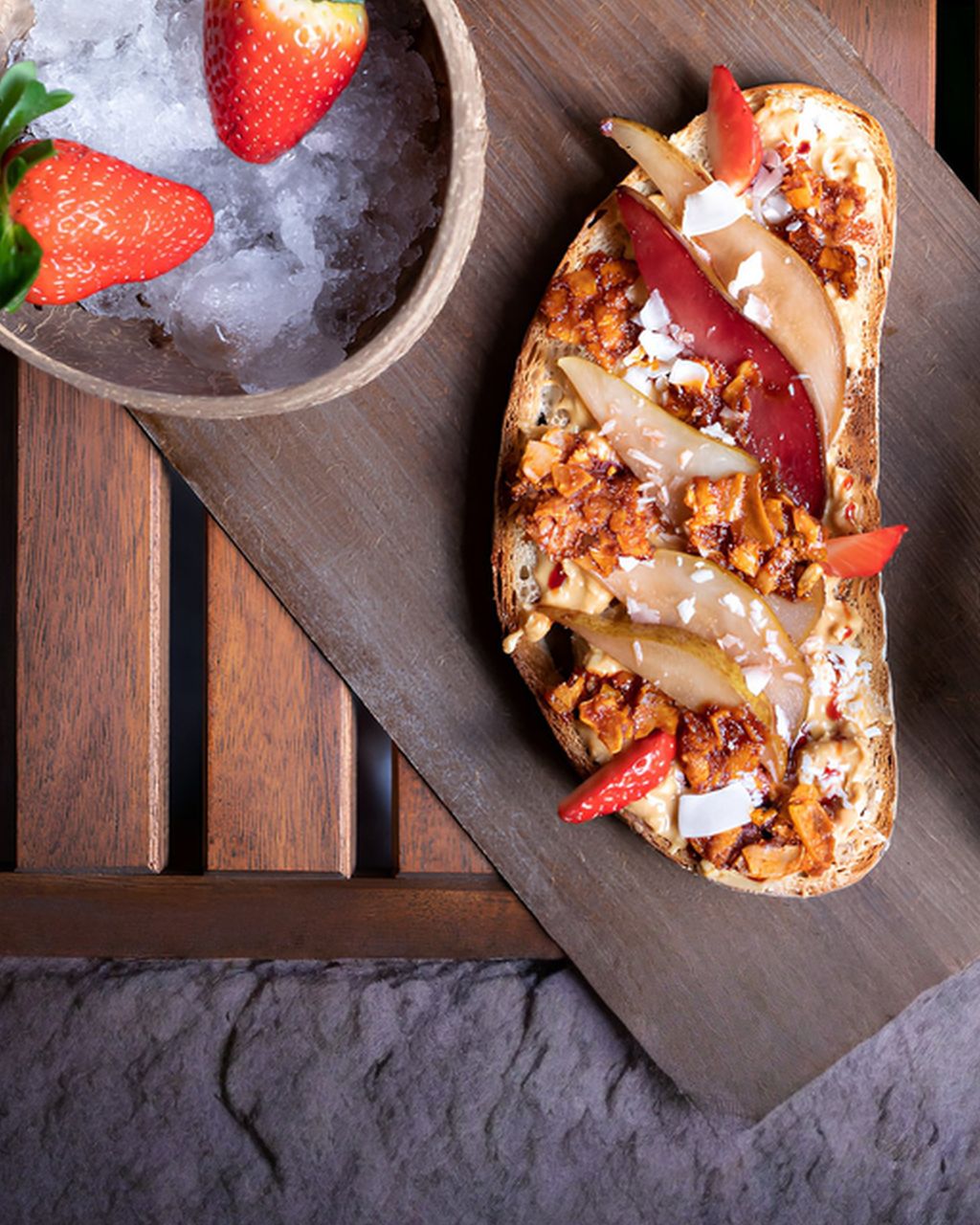
The easiest use is on breakfast: porridge, yoghurt or peanut butter toast with coconut chips. On cakes and muffins you can bake them straight on top or use them to decorate frosting. For curries and rice dishes, add them toasted at the table. For coconut macaroons and other egg-white cookies, desiccated coconut binds better with the meringue; how coconut dough works is explained in Christmas cookie dough. Flakes then make a good decoration on top.
Coconut flakes do not spoil like fresh food, but their fat turns rancid over time. Unopened, they keep until the best-before date on the pack. Once opened, move them to a tightly closed jar: use them within about 1–2 months from the cupboard, up to 6 months from the fridge and about a year from the freezer. Rancid flakes look yellowish and taste soapy or bitter, with a smell of old oil; throw them away.
The coconut palm (Cocos nucifera) has been grown in tropical Asia and the Pacific for thousands of years, and Austronesian seafarers spread it across the islands of the Pacific and Indian Oceans. Dried coconut flesh, copra, was long produced mainly for pressing oil. Dried coconut for eating began to be made industrially in the late 19th century in Ceylon, today's Sri Lanka, and later in the Philippines. That brought coconut into European and American kitchens as an everyday baking ingredient. Today the main exporters of dried coconut are the Philippines, Indonesia, Sri Lanka and Vietnam.
Unsweetened dried coconut contains about 64 g of fat, 16 g of fibre and 7 g of protein per 100 g, according to the US USDA nutrient database. The fat is largely saturated, and the main fatty acid is lauric acid. The low water content stops microorganisms from growing, which is why flakes keep so long; the fat can still oxidise and go rancid, especially in warmth and light. When toasted, sugars and proteins react in the Maillard reaction, producing nutty and caramel aroma compounds. Because flakes are thin and fatty, the gap between golden and burnt is only a couple of minutes.
Most of the world's coconuts are grown by smallholders in Asia and the Pacific, often on low and unstable incomes. Certified production is only a small share of the market. If you want to know more about where your coconut comes from and how it was grown, look for the EU organic logo, the Fairtrade mark or Rainforest Alliance certification.