- Season
- Sold all year as a dried herb.
- Price
- Low
Calories and nutrition per 100 g
- 287 kcal
- 25.2 g protein
- 4 g fat
- 22.6 g carbs
Dried Coriander Leaves
Dried coriander leaf is the dried, crumbled green leaf of the coriander plant, the herb also known as cilantro when fresh. It smells much weaker than fresh coriander, and it is not the same as the spice made from coriander seeds, sold whole or ground.
Keep it dry and dark in a well-closed jar or pouch, away from the stove and steam. Use a dry spoon, as moisture makes it clump and can cause mould. Use it by the best-before date; if it turns brown and has no smell, replace it.
Not needed. Condensation forms on the leaves when you take them out of the fridge.
Not needed for a dried herb. For coriander flavour all year, freeze chopped fresh coriander instead.
Look for the words leaf, leaves or nať on the pack and for green flakes. Good dried coriander leaf is green, not yellow or grey-brown, and still smells faintly when rubbed between your fingers. Buy small packs, as the aroma fades after opening. If a recipe asks for "a teaspoon of ground coriander", you need seeds, not leaves.
Fresh coriander. It is far stronger, so use less than the dried amount would suggest and add it at the end.
Chopped parsley with a little grated lime zest, which imitates the green, citrusy note. Ground coriander seed is no substitute; it tastes completely different.
Crumble the leaves between your fingers as you add them to wake up what aroma is left. Add them to soups, curries and sauces in the last few minutes of cooking. For dressings, yoghurt dips and marinades, stir them into the liquid or oil and let them soften for 10–15 minutes. The general rule of a teaspoon of dried herb for a tablespoon of fresh does not work well for coriander: dried leaves have almost no aroma, so where coriander should be the main flavour they cannot replace fresh.
Use up the last, faded leaves in rice, lentil soup or a homemade spice blend, where a weaker aroma does not matter. When you buy fresh coriander, keep the stalks for stocks and curry pastes; they carry a lot of flavour.
Roughly what one measure weighs, scooped the way you normally would in the kitchen.
Dried coriander leaf suits dishes where it is one flavour among many: curry, dal, lentil and bean dishes, marinades for chicken or fish, yoghurt dips, dressings and spice blends. It is no good as a garnish or in salsa, guacamole or chutney, where coriander should stand out; those need fresh leaves.
Dried coriander leaf is the dried, crumbled green leaf of the coriander plant, the herb also known as cilantro when fresh. It smells much weaker than fresh coriander, and it is not the same as the spice made from coriander seeds, sold whole or ground. Watch the label. In Czech shops a pack that just says "koriandr", or "koriandr celý", "drcený" or "mletý" (whole, crushed or ground), almost always contains seeds: the brand Benkor, for example, sells only seeds under the name koriandr, whole, crushed and ground, and describes them as a sweetish spice with a hint of orange peel. You recognise dried leaves by their green colour and by the words list, listy or nať (leaf) in the name. Seeds are beige to light brown balls or powder.
Drying removes most of the sharp, fresh aroma of fresh coriander. What is left is a mild, grassy, slightly citrusy taste that other spices easily drown out in a finished dish. It tastes nothing like the seeds, which are sweetish, warm and reminiscent of orange peel.
Seasonal baking plans, tested recipes and kitchen tricks that save you time. Unsubscribe in one click.
2 min read
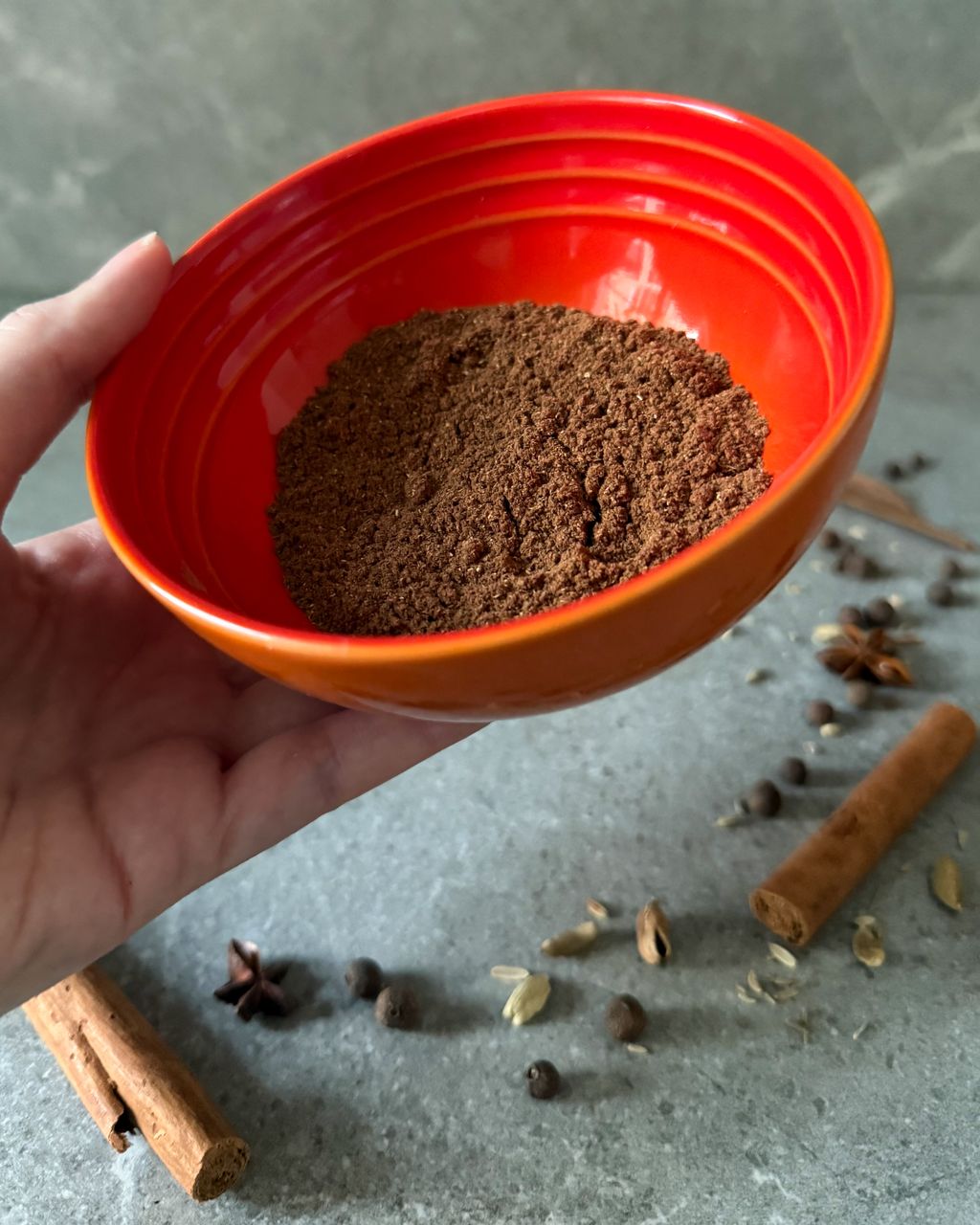
The coriander plant gives the kitchen two quite different ingredients. The green leaves are a herb, called coriander or cilantro when fresh and sold dried as dried coriander leaf. The round seeds are a spice: sold whole, crushed or ground, they taste sweetish and of orange peel, and in Czech cooking they go into gingerbread spice, bread and pickles. Our guide to Christmas spices covers the seed.
If a recipe says "ground coriander" or lists coriander among spices to toast, it means the seeds. If it says "dried coriander" for a salad or dip, it means the leaves. Do not swap one for the other.
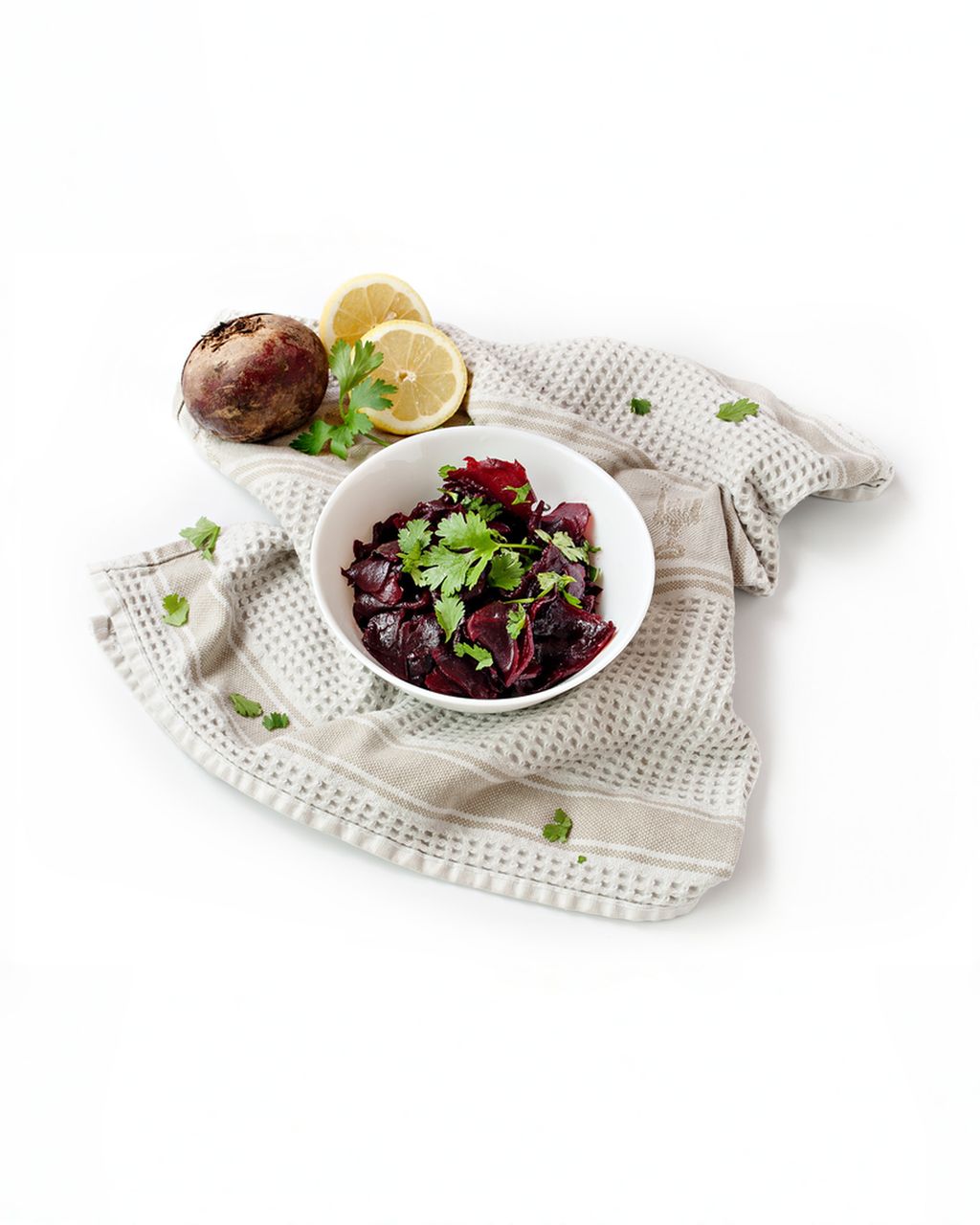
Add dried coriander leaf at the end of cooking and crumble it between your fingers first. It works best where it has time to soften in liquid: in a dressing, marinade or yoghurt dip, or in a sauce that is only briefly heated. In our roasted beetroot salad, for example, a tablespoon of dried coriander goes into the dressing with lemon, ginger and olive oil; the recipe also offers a handful of fresh leaves as an alternative.
Where coriander should be the star, in salsa, guacamole, pho or as a garnish, reach for fresh coriander. Dried leaves add almost nothing there.
The best substitute for fresh coriander is chopped parsley with a little grated lime zest: the parsley brings green freshness, the lime a citrus note. In Asian dishes you can use mint or Thai basil. Dried coriander leaves do not work in place of fresh, because they have almost no aroma. More herbs and ratios are in herb substitutes.
A 2012 genetic study linked the soapy taste of coriander to a variant near the gene for the olfactory receptor OR6A2, which responds to aldehydes in coriander leaves. Genes explain only a small part of the differences, though; habit plays a role too. Dried leaves smell much weaker than fresh ones, so the effect is far less noticeable.
Keep dried coriander leaf dry and dark in a well-closed container and use it by the best-before date. It should not spoil while dry, but the aroma fades over time, and with coriander, which is faint from the start, you notice it quickly. When the leaves turn yellow or brown and have no smell when rubbed, replace them. Dried coriander does not belong in the fridge or freezer.