- Season
- Available all year. Well-cured onions keep for months somewhere cool and dry.
- Price
- Low
Calories and nutrition
per 100 g
38 kcal
Calories
0.8 g
Protein
8.6 g
Carbs
0.1 g
Fat
Yellow Onion
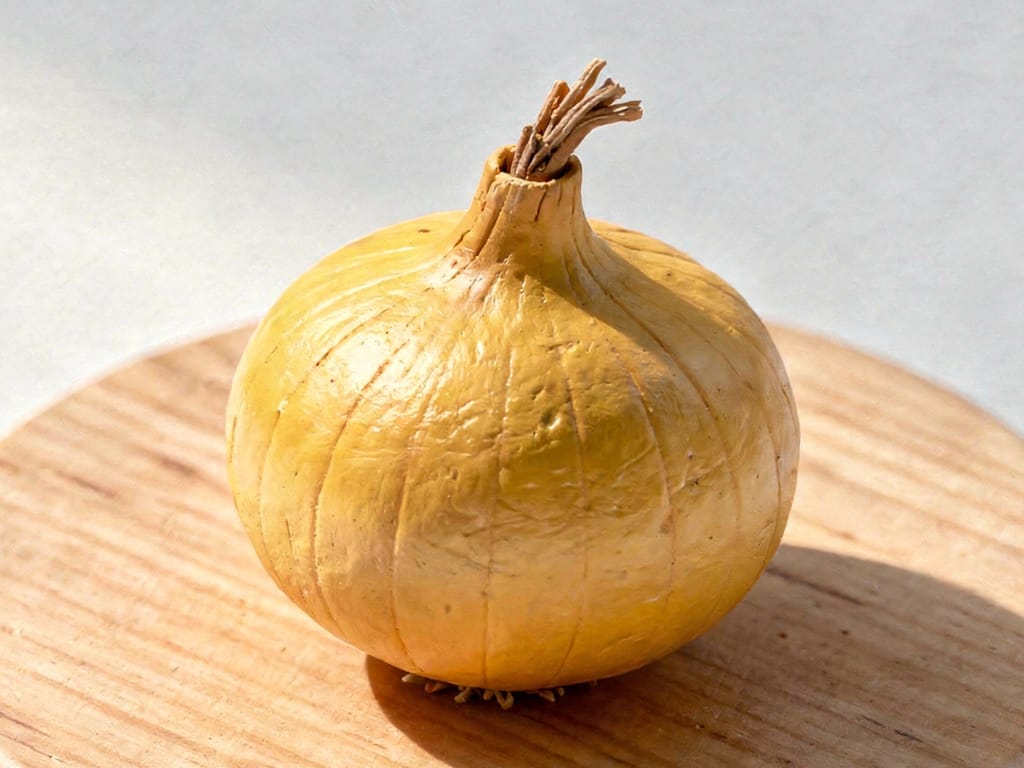
Yellow onion is the common onion (Allium cepa) with golden-brown papery skin and white flesh that is sharp when raw and sweet once softened in fat. It is the base of goulash, sauces, soups and fried onions in Czech cooking, and it is among the longest-keeping onions in storage.
per 100 g
38 kcal
Calories
0.8 g
Protein
8.6 g
Carbs
0.1 g
Fat
Keep whole unpeeled onions somewhere cool, dry and dark with air around them: in a net, basket or perforated paper bag, never in plastic and not next to potatoes. At 20 °C they keep for several weeks, in a cold dry cellar for months.
Don't refrigerate whole onions; the damp makes them root and go mouldy. Put cut or peeled onion in a closed container in the fridge (5 °C or below) and use it within 7 days.
Spread chopped onion on a tray, freeze, then tip it into a bag. At −18 °C it keeps its quality for about 3–6 months. Thawed onion is soft, so use it in sauces, goulash and soups, not in salads.
Choose a firm onion that feels heavy for its size, with dry, rustling skin and a narrow, completely dry neck. Avoid onions with soft spots, mould under the skin (black powder or a white coating), green sprouts or a damp neck.
White or pink onion in the same amount. White onion is juicier and a little milder.
Shallot, which is milder, so you can use a bit more. In cooked dishes leek works too, and dried onion for seasoning.
Cut off the top, halve the onion through the root and pull off the skin. Leave the root intact until the end: it holds the layers together and contains most of the compounds that make your eyes sting. For slices, cut with the grain so they keep their shape; for dice, make vertical and horizontal cuts first, then slice across.
Save clean dry skins and trimmings for vegetable stock; they give it a golden colour. Use a sprouted but firm onion as soon as possible and snip the green shoots like chives.
Roughly what one piece weighs.
110 g
1 piece
Diced and softened in fat, it is the base of goulash, sauces, soups and pulses. Fried golden, it tops lentils or potatoes. Cooked slowly over low heat, up to 40 minutes, it becomes caramelised onion for French onion soup, burgers or quesadillas. Cut into wedges, it roasts with meat and vegetables.
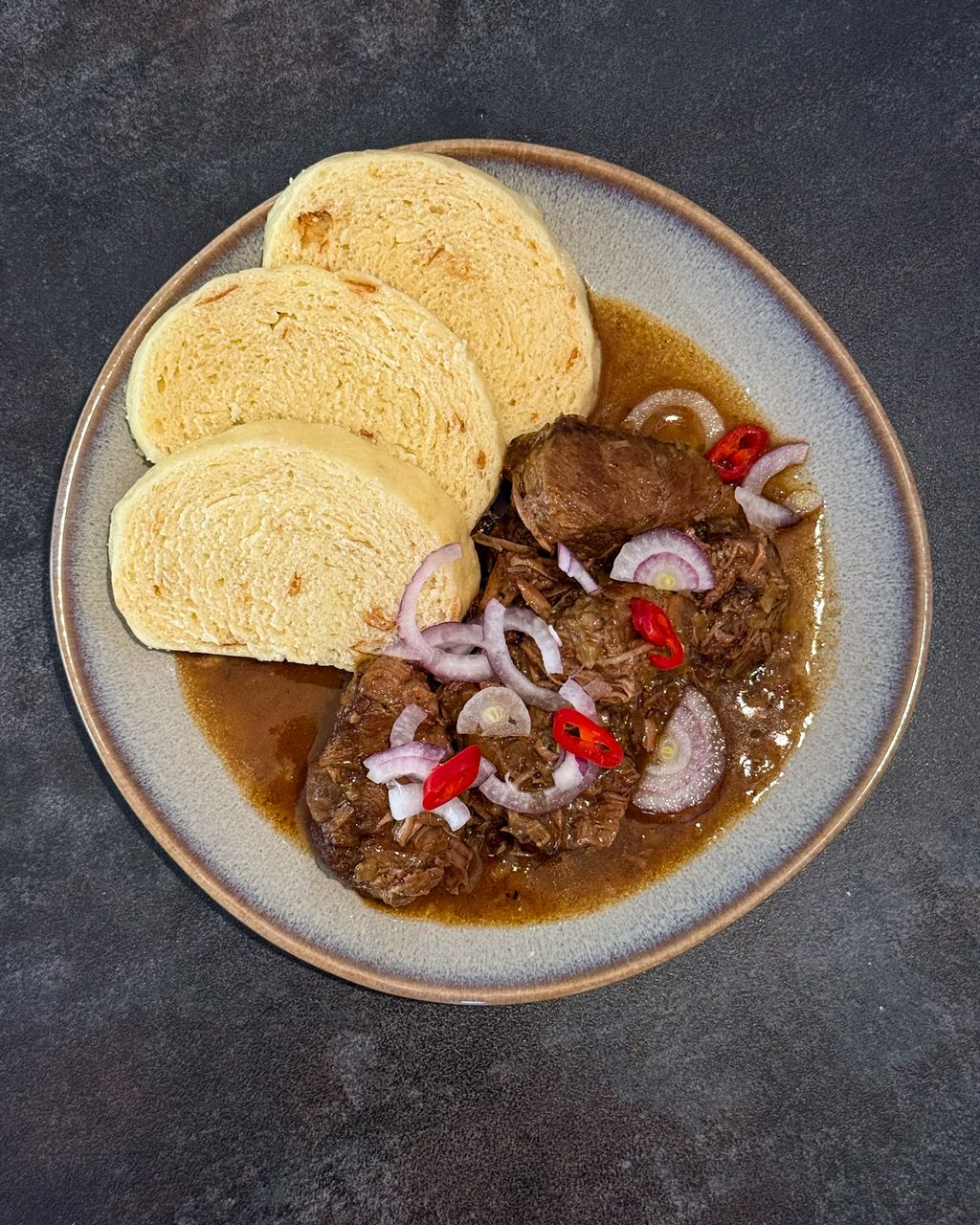
Classic czech beef goulash with chilli and bread dumplings
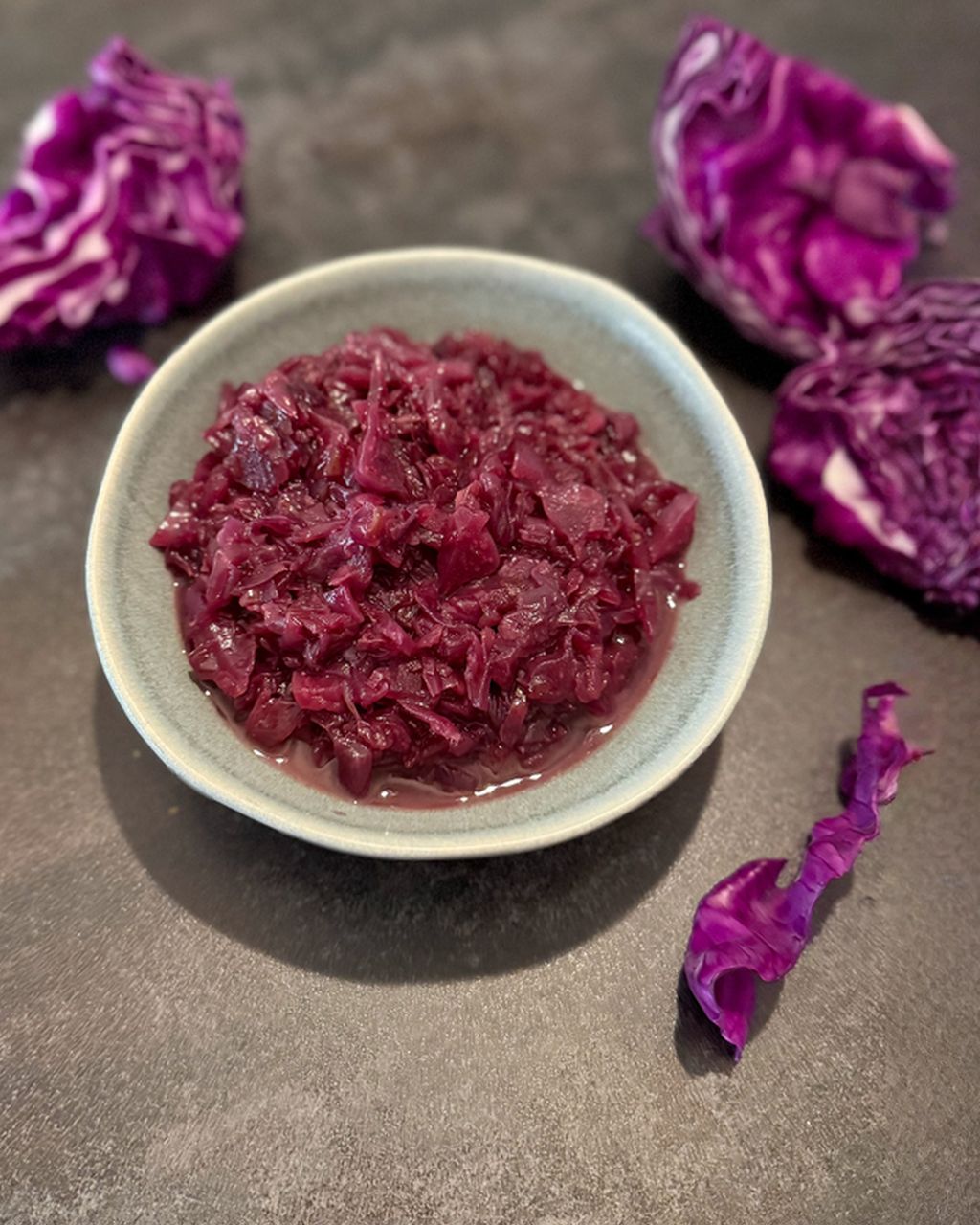
Sweet and sour braised red cabbage
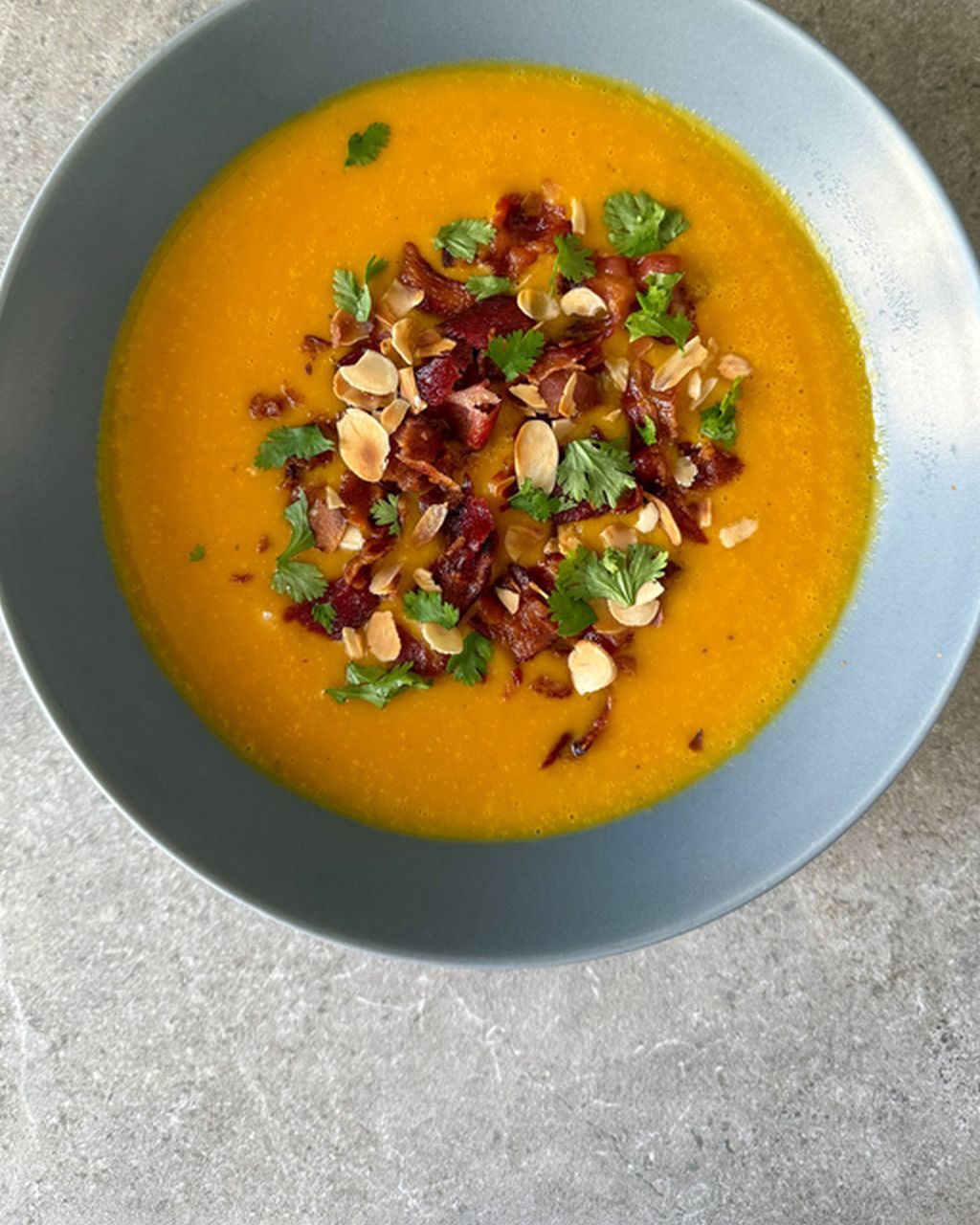
Pumpkin soup with crispy bacon
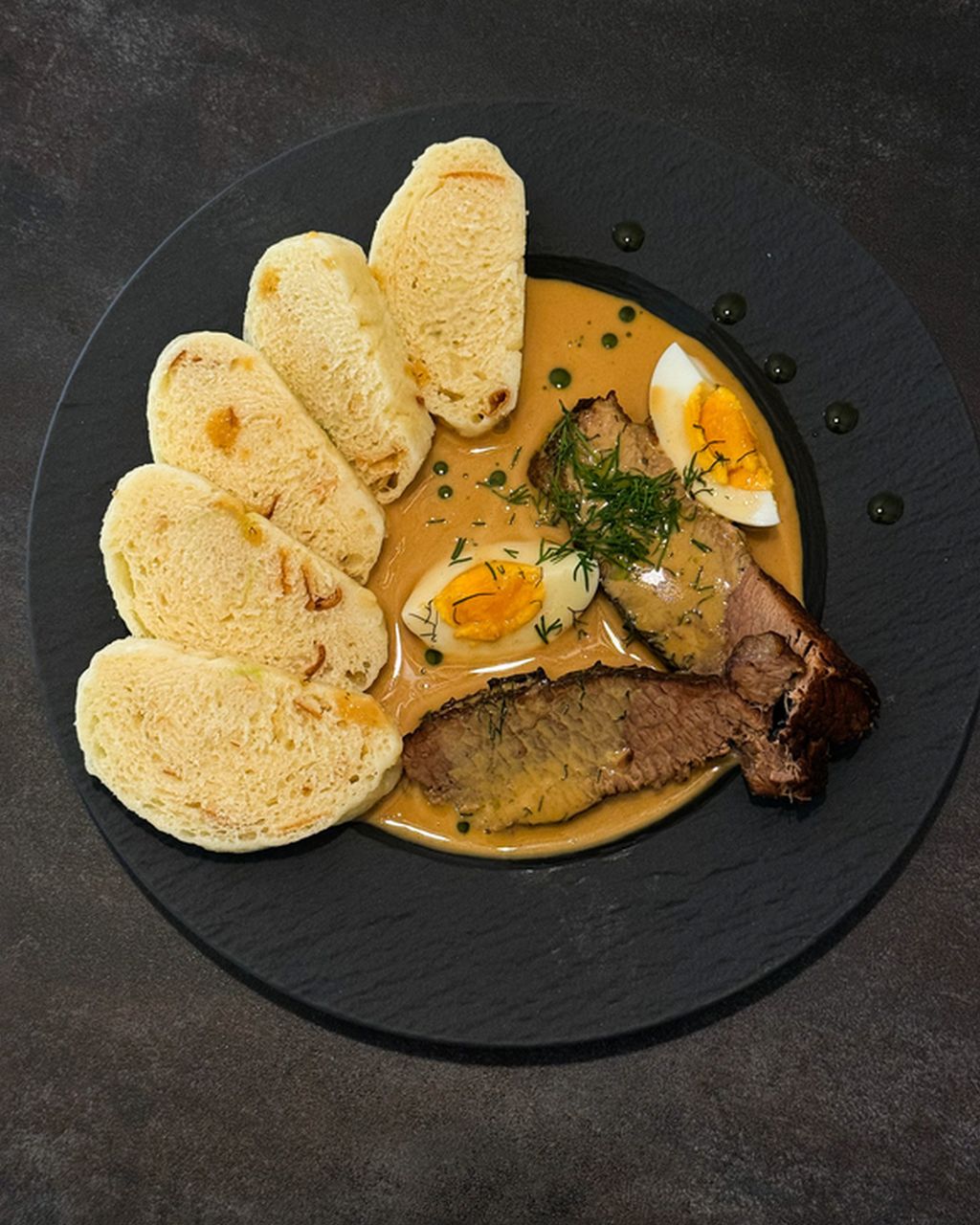
Dill sauce with slow-roasted beef
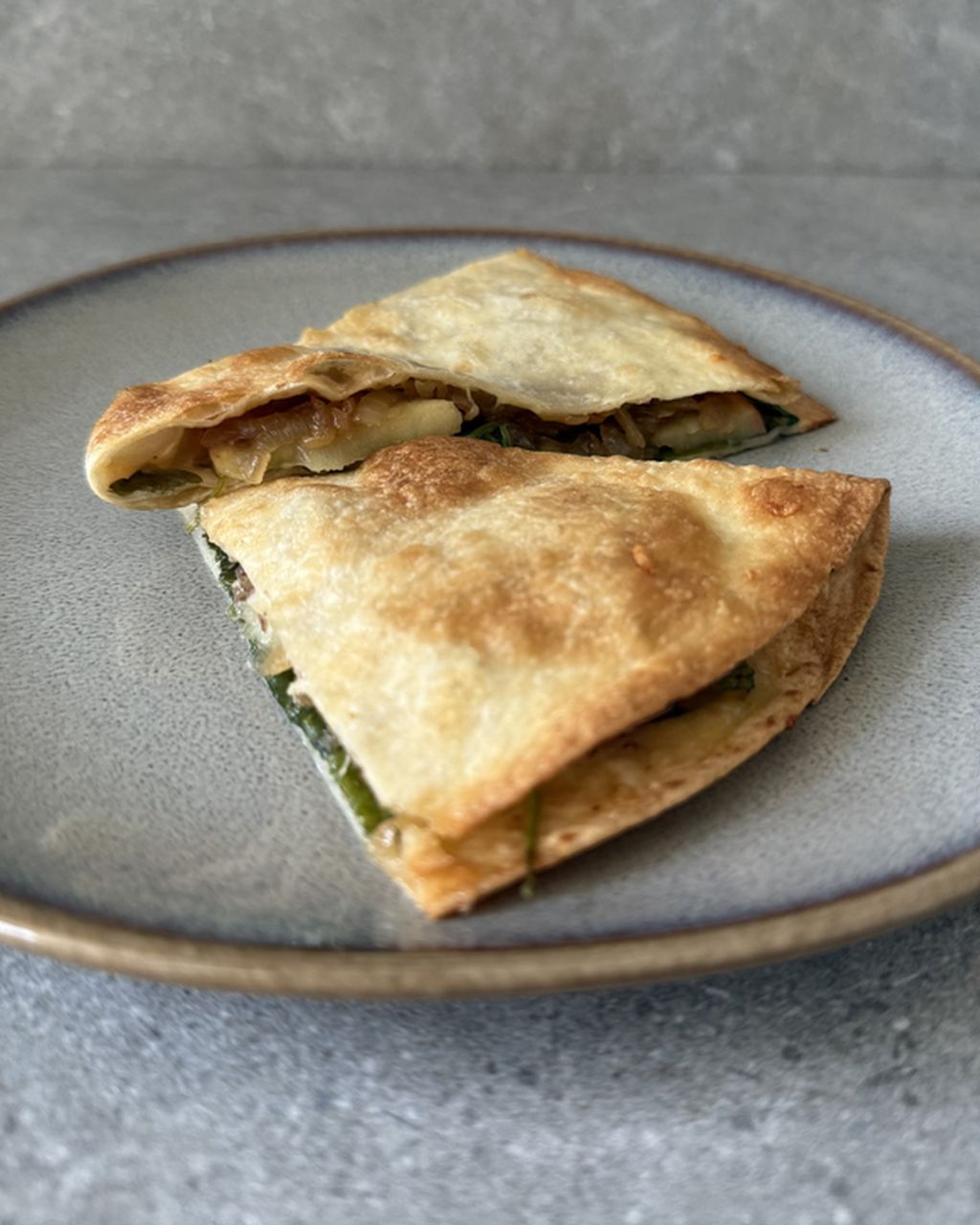
Apple, spinach and caramelized onion quesadilla
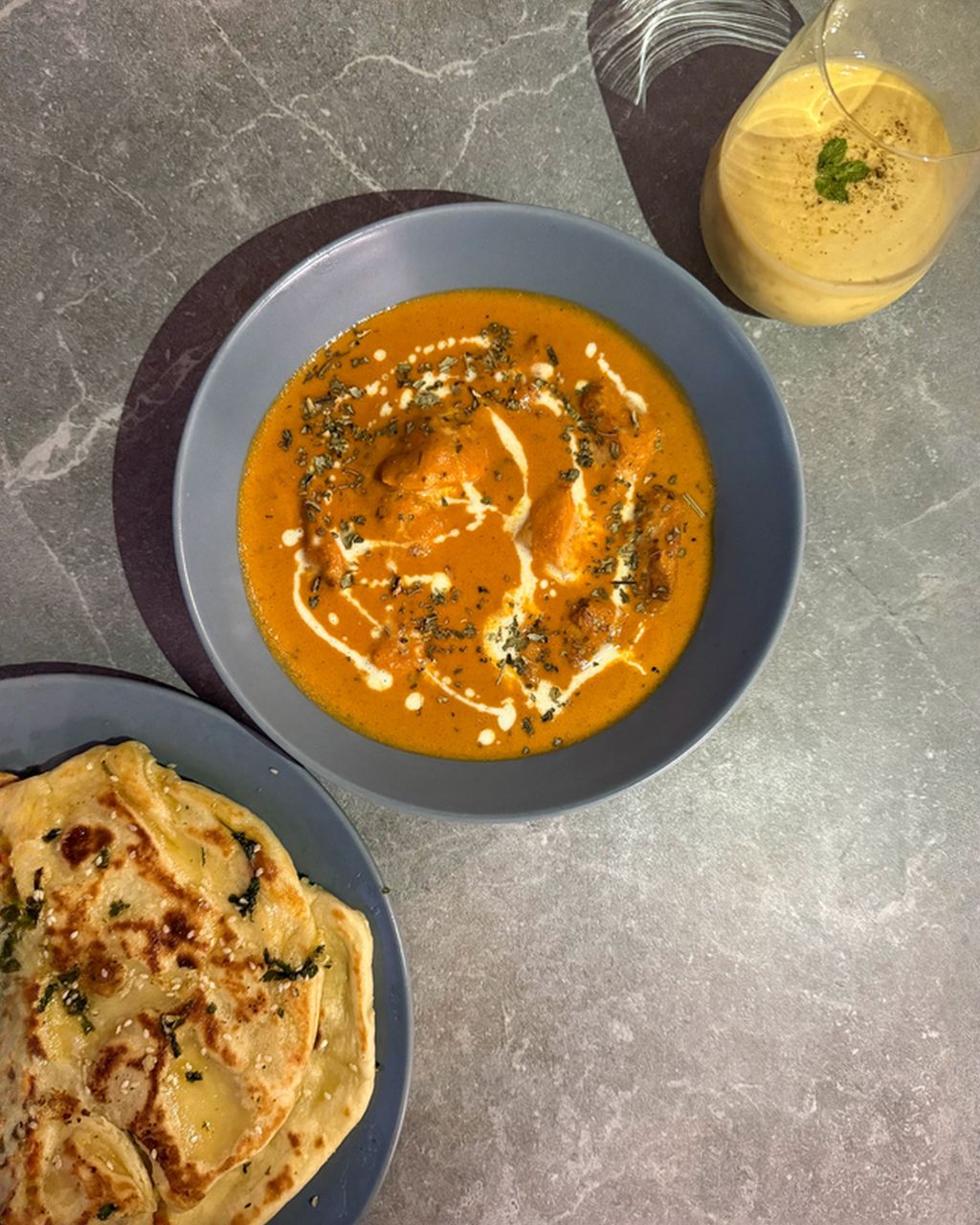
Restaurant-style butter chicken (murgh makhani)
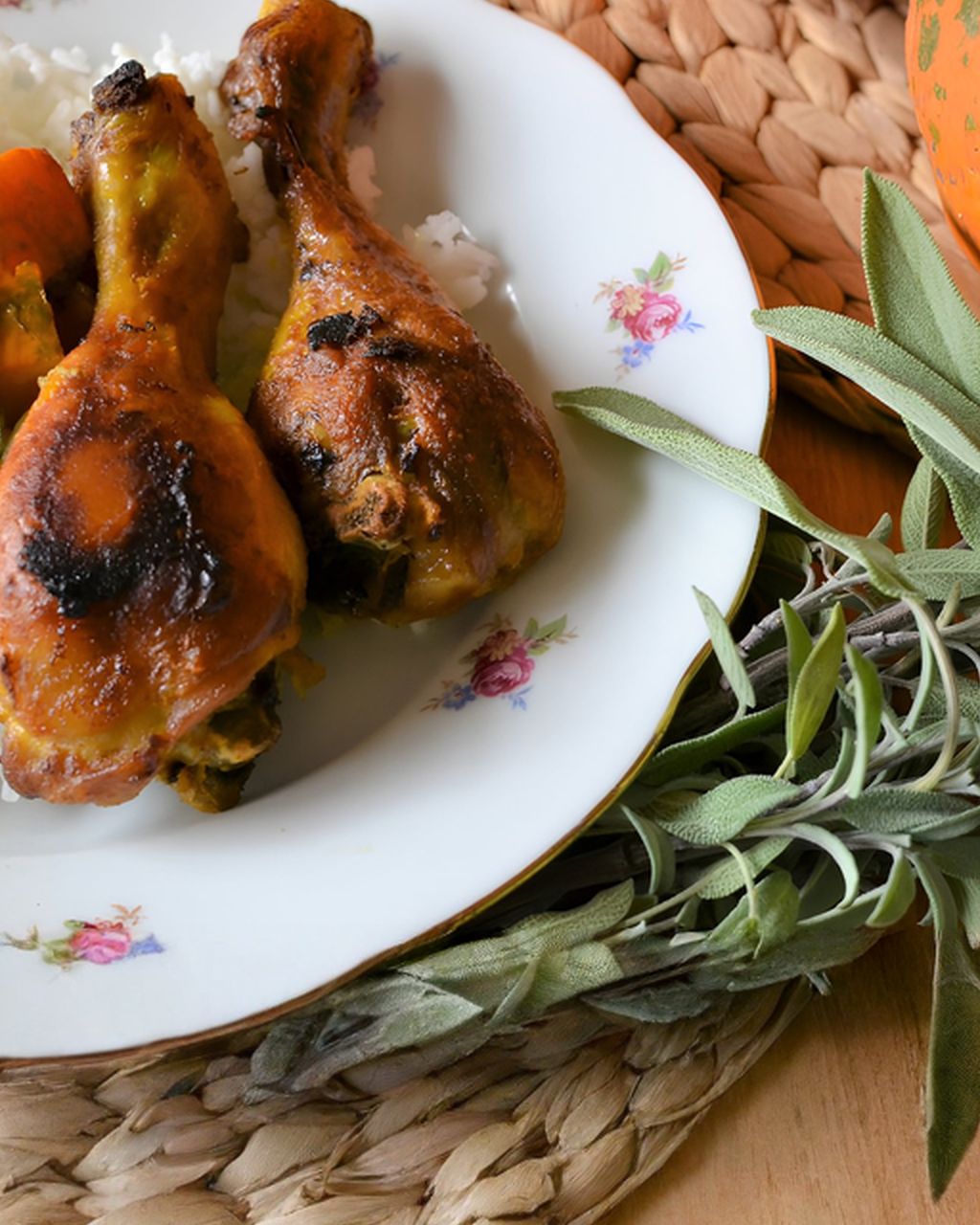
Honey chicken drumsticks with pumpkin ragout
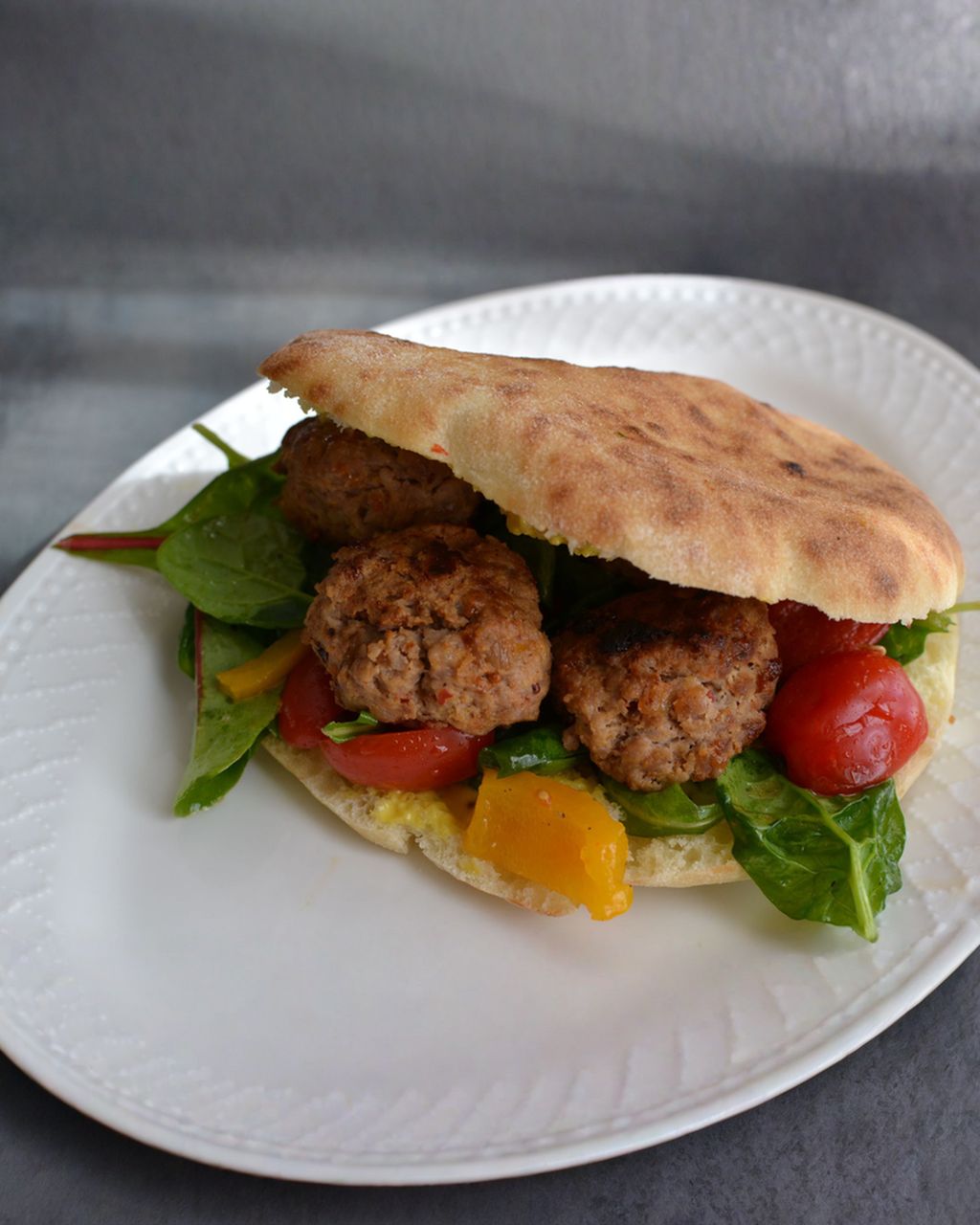
Pita bread with meatballs and vegetables
The onion belongs to the amaryllis family and is grown in many varieties that differ in shape and colour. A yellow onion has several layers of dry skin, firm flesh and a pronounced bite. Czech shops sell it by the piece (one onion weighs about 110 g), in net bags and ready diced. In Czech it is called žlutá cibule.
Raw yellow onion is sharp and pungent. In fat it turns translucent and soft, and slow cooking makes it golden and sweet and gives a dish a full, rounded flavour.
2 min read
Yellow onion is the sharpest, has more layers of skin and keeps longest, which makes it the best onion for winter storage and for cooking. Red onion keeps for a little less time and is most often sliced thinly and eaten raw in salads. White and sweet salad onions contain more water and fewer pungent sulphur compounds, so they keep for weeks rather than months. Shallots store about as well as yellow onions.
In a cooked dish, yellow, white and pink onions can replace each other without much difference. You notice it mostly raw and in storage.
Whole onions don't belong in the fridge. Warmth above 5 °C and damp make them sprout, so they do best near 0 °C (without freezing), at 60–70 % humidity and with air around them: in a cellar, an unheated storeroom or the coolest corner of the pantry. Next to potatoes they sprout and rot faster. More in our article how to store garlic and onions so they don't sprout.
Put cut onion in a closed container in the fridge and use it within 7 days. For longer, freeze it chopped; at −18 °C it keeps its quality for about 3–6 months and is then best for cooking.
Cutting an onion releases a volatile compound, syn-propanethial-S-oxide, from the damaged cells; it irritates the eyes and makes them water. A sharp knife that cuts rather than crushes the cells helps, as does chilling the onion for 15 minutes in the freezer or half an hour in the fridge, leaving the root intact until the end and, above all, ventilation: an extractor hood, a fan or an open window.
Onion cut with the grain keeps its shape and tastes milder; cut across the grain it tends to fall apart. Slicing, dicing and mincing step by step are in our article how to cut an onion.
For a base, dice the onion and let it soften in fat until translucent. Most sauces and stews start this way, as does classic Czech beef goulash, where the onion is browned well.
Caramelised onion comes from cooking sliced onions slowly in butter or oil over low heat, up to 40 minutes. Don't rush and don't raise the heat; burnt onion turns bitter. Try it in an apple, spinach and caramelised onion quesadilla.
Raw yellow onion has about 38 kcal per 100 g according to USDA data, with 8.6 g carbohydrates, 0.8 g protein, 1.9 g fibre and almost no fat. It is 90 % water. A medium onion weighs about 110 g.