- Season
- Year-round
- Price
- Medium
Calories and nutrition
per 100 g
490 kcal
Calories
17 g
Protein
38.3 g
Carbs
32.9 g
Fat
Chia Seeds
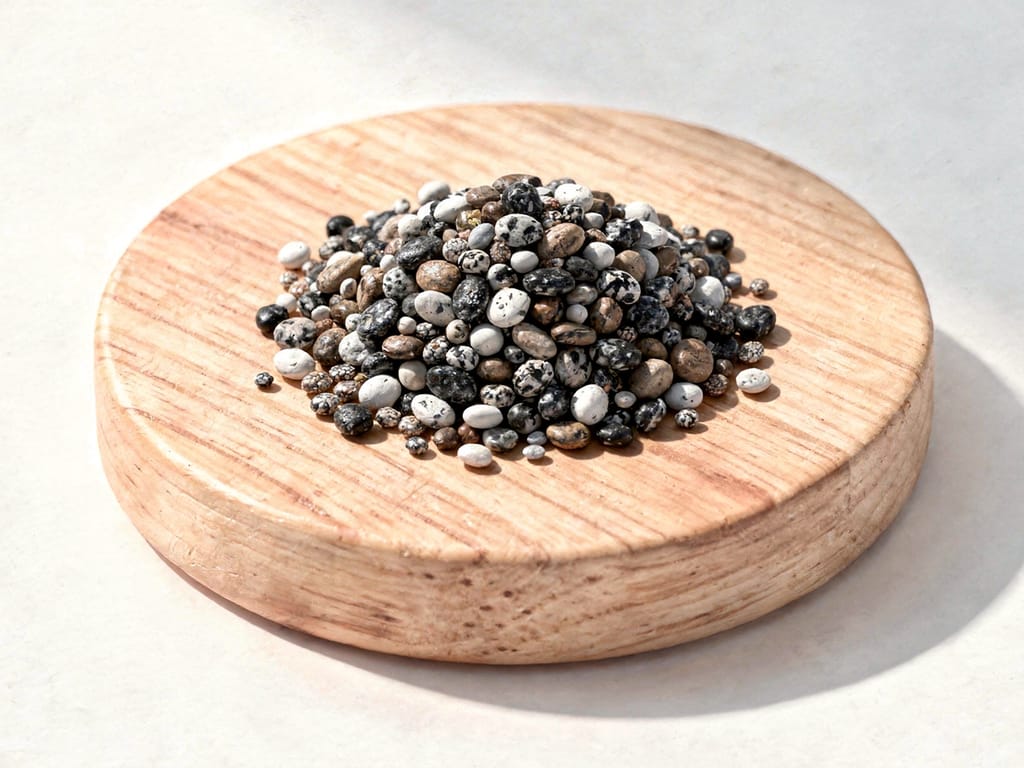
Chia seeds are the small oval seeds of Salvia hispanica, a plant of the mint family, grey with black and white speckles and about 1–2 mm across. In water or milk they absorb up to 12 times their weight and coat themselves in gel, which is why they are used for chia pudding, no-cook jam, porridge and baking.
per 100 g
490 kcal
Calories
17 g
Protein
38.3 g
Carbs
32.9 g
Fat
Keep dry seeds in a closed pack or jar somewhere dry, away from heat and direct sun; manufacturers say below 25 °C. They keep until the best-before date on the pack, opened or unopened, as long as they stay dry.
Soaked seeds belong in the fridge. Eat chia jam and other no-cook versions within 5–7 days; make chia pudding with milk or yogurt no more than a day ahead and go by the use-by date of the milk or yogurt you used.
Dry seeds don't need freezing. Chia jam can be frozen like other reduced-sugar jams: leave 2 cm of headspace in the container and thaw overnight in the fridge.
Buy chia seeds in an intact pack, dry and free-flowing, with no clumps and no musty or rancid smell. The ingredients should read just "chia seeds (Salvia hispanica)". If you have an allergy, read the warning on the pack: packers often state possible traces of peanuts, tree nuts, sesame or sulphites.
Ground flaxseed: it also thickens with water, and as an egg replacer you use 1 tablespoon to 3 tablespoons of water.
For jam, pectin (low-methoxyl for less sugar); for thickening desserts, gelatine, agar or starch; as a binder in gluten-free dough, psyllium.
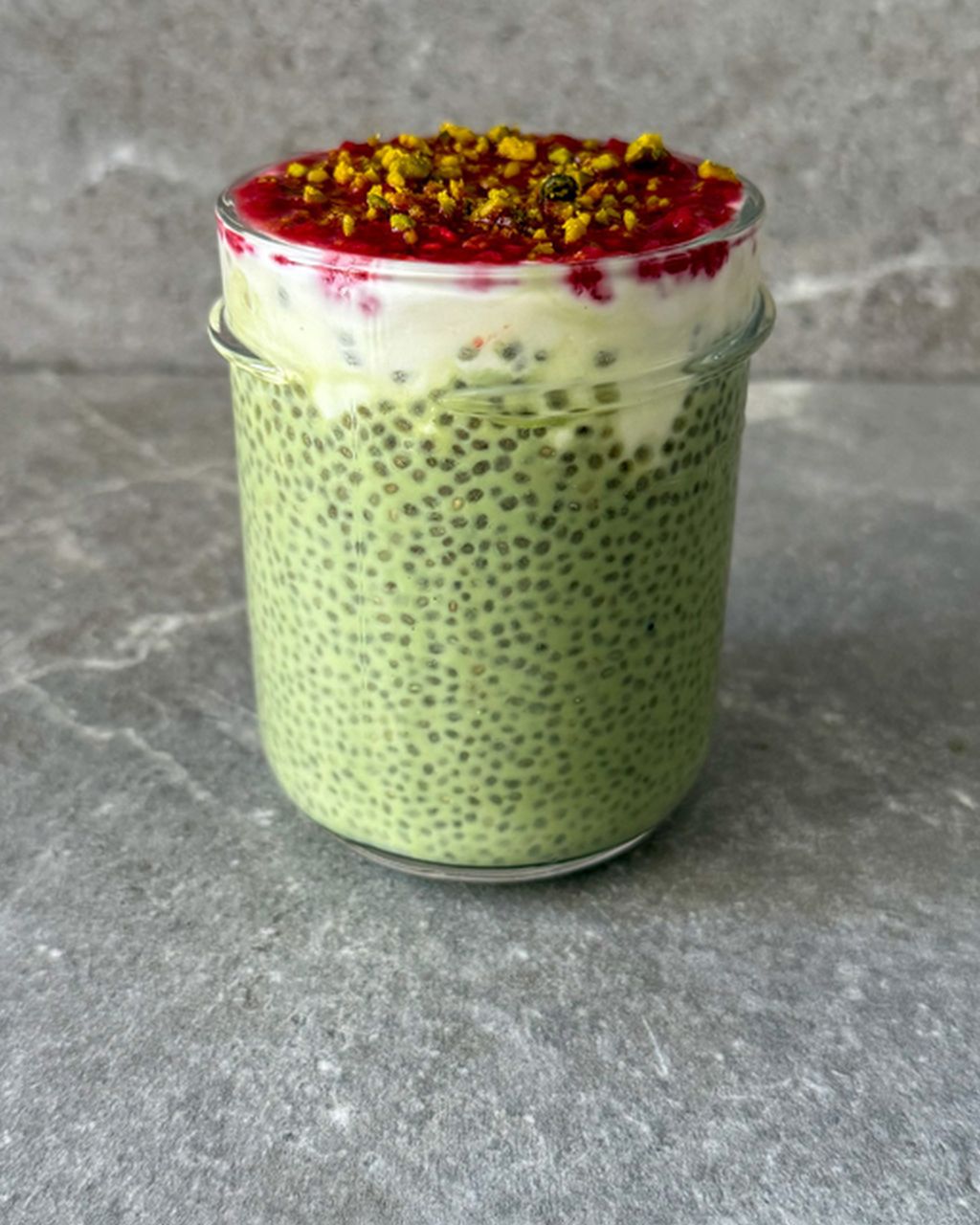
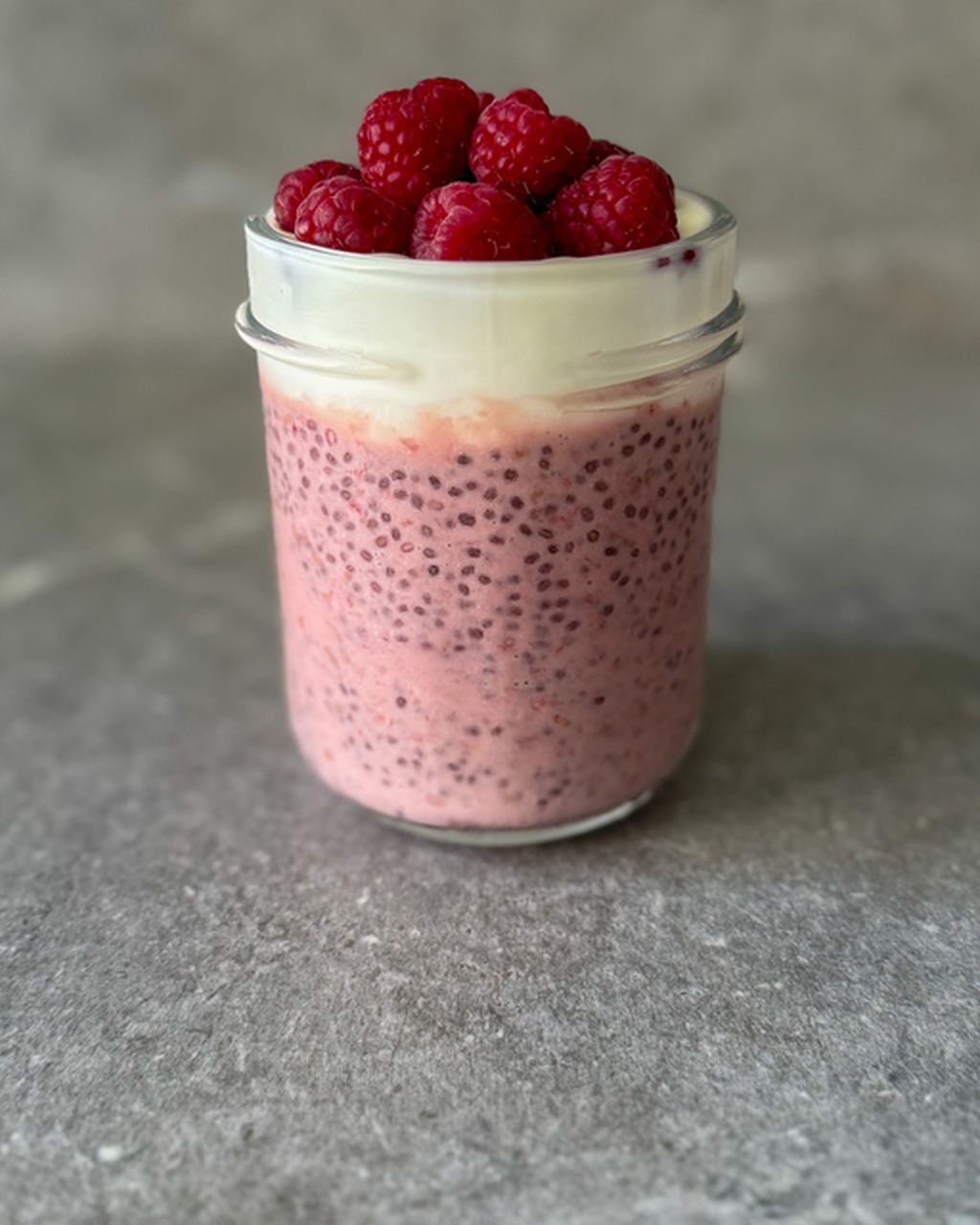
For pudding, stir chia seeds into milk or a plant drink, stir well again after 5 minutes so they don't clump, and leave overnight in the fridge. About 3 tablespoons per 250 ml of liquid gives a thick pudding. They thicken within 15–20 minutes and are fully swollen after a few hours. For no-cook jam, stir them into mashed fruit.
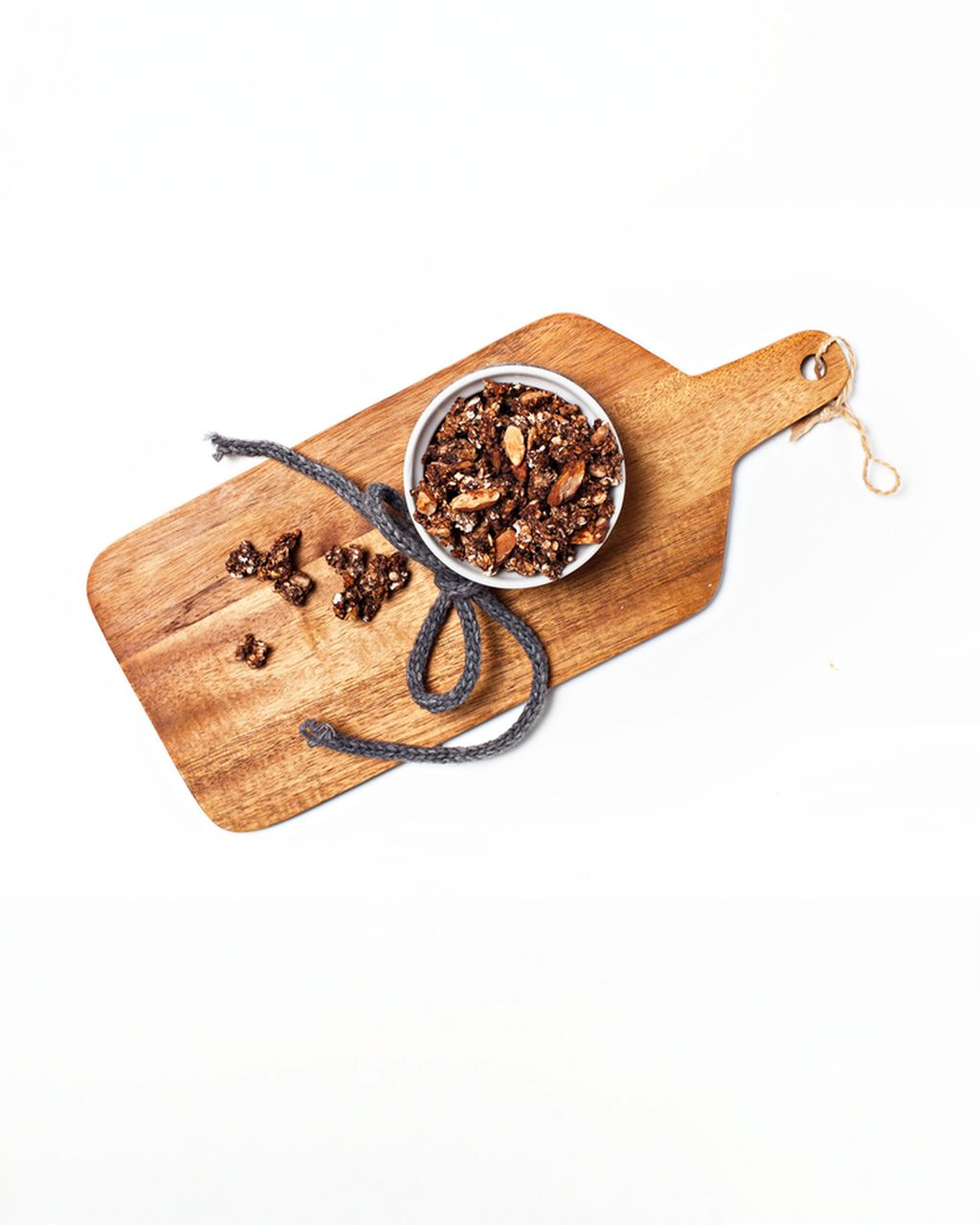
Stir leftover pudding or gel into morning porridge or a smoothie. Seeds nearing their best-before date can go into granola or bread dough.
Roughly what a spoon or cup weighs, filled the way you usually would.
3 g
1 teaspoon
10.7 g
1 tablespoon
160 g
1 cup
Chia seeds are mostly soaked rather than cooked: in pudding, no-cook jam, overnight oats and smoothies. Dry, you can sprinkle them on yogurt, porridge or salad. Whole or ground, they go into bread, granola and cakes.
The plant is native to central and southern Mexico and was already grown by the Aztecs. In the EU chia seeds are a novel food, because they were not eaten to any significant degree before 15 May 1997, so they may be sold only in the forms and products the Union list of novel foods allows. Packs name them "chia seeds (Salvia hispanica)".
They taste very mild, almost neutral, and take on the flavour of milk, fruit or cocoa. Dry, they crunch a little; soaked, they turn slippery and gel-coated and set pudding to a creamy consistency.
3 min read
Chia seeds have 490 kcal, 17 g protein, 32.9 g fat and 38.3 g carbohydrate per 100 g in our data, which match the USDA database. Most of that carbohydrate is fibre; an older USDA entry gives 34.4 g. A tablespoon (about 11 g) has roughly 52 kcal.
Czech packs show different figures, for example 444–447 kcal and only 5–8 g of carbohydrate. In the EU fibre is listed separately from carbohydrate and counted at only 2 kcal/g, whereas the US table includes it in carbohydrate.
A teaspoon of chia seeds weighs about 3 g, a tablespoon about 11 g and a 240 ml cup about 160 g. Chia pudding for one takes 3 tablespoons, around 32 g of seeds per 250 ml of milk.
Dry seeds keep until their best-before date if stored dry, below 25 °C and out of the sun. According to our article How Long Does Homemade Jam Last, chia jam and other no-cook versions keep only 5–7 days in the fridge: the seeds thicken the fruit but don't lower its water activity, so nothing stops mould. Make chia pudding with milk or yogurt no more than a day ahead.
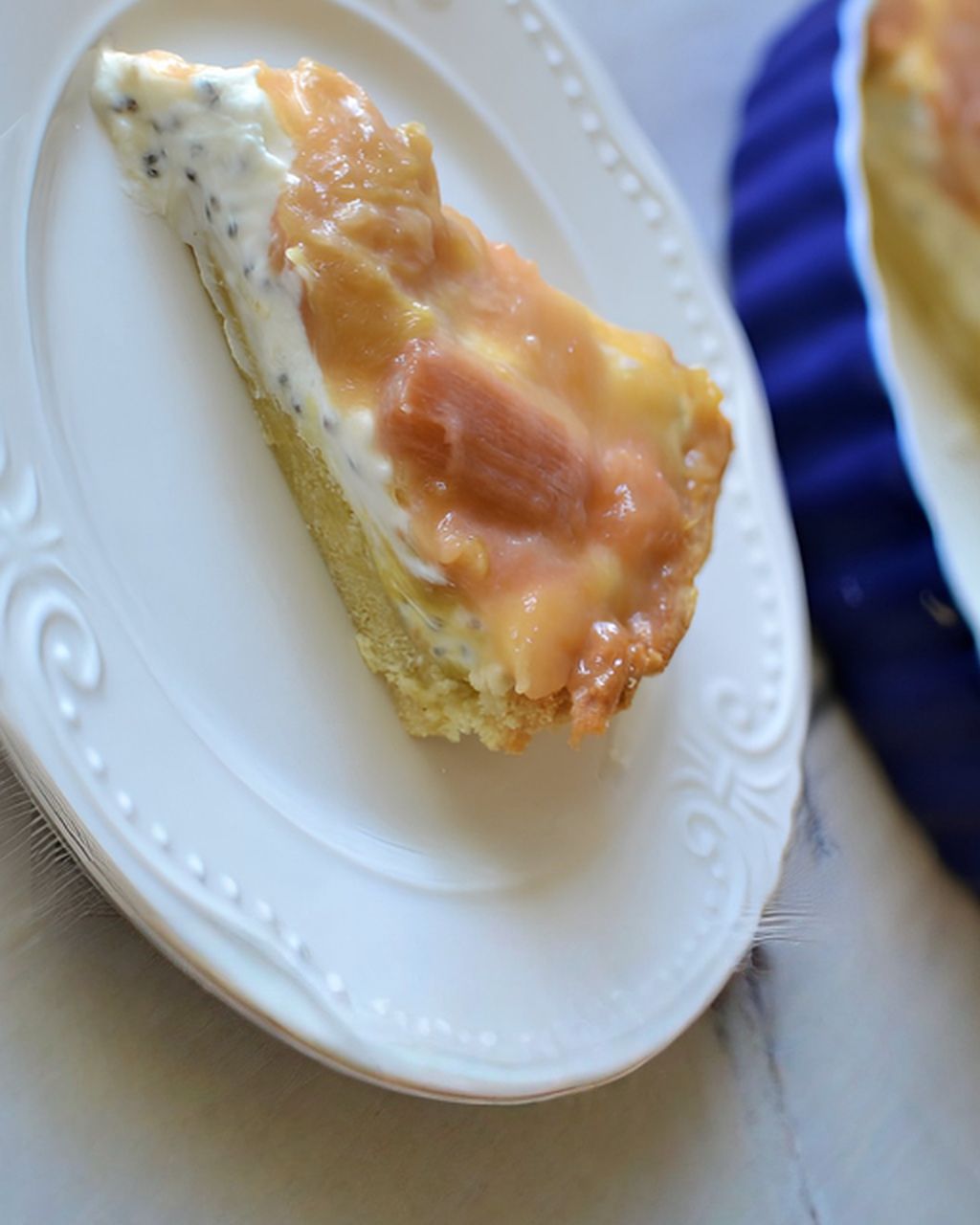
The closest substitute is ground flaxseed, which also thickens with water; as an egg replacer we use 1 tablespoon to 3 tablespoons of water. For jam, pectin can stand in for chia, with low-methoxyl pectin, which sets with calcium, for less sugar. For thickening desserts, use gelatine, agar or starch, as we explain in What to Use Instead of Gelatine.
Dry chia seeds absorb liquid and swell up to 12 times their weight. You can sprinkle them dry on yogurt or porridge, where they find moisture, but don't eat dry seeds by the spoonful or wash them down with a drink. For pudding and jam, soak them: they thicken in 15–20 minutes and are best after a few hours or overnight.
Chia is not one of the 14 allergens that must be highlighted in EU ingredient lists. Packs often carry a warning about possible traces of peanuts, tree nuts or sesame from the packing plant, though.
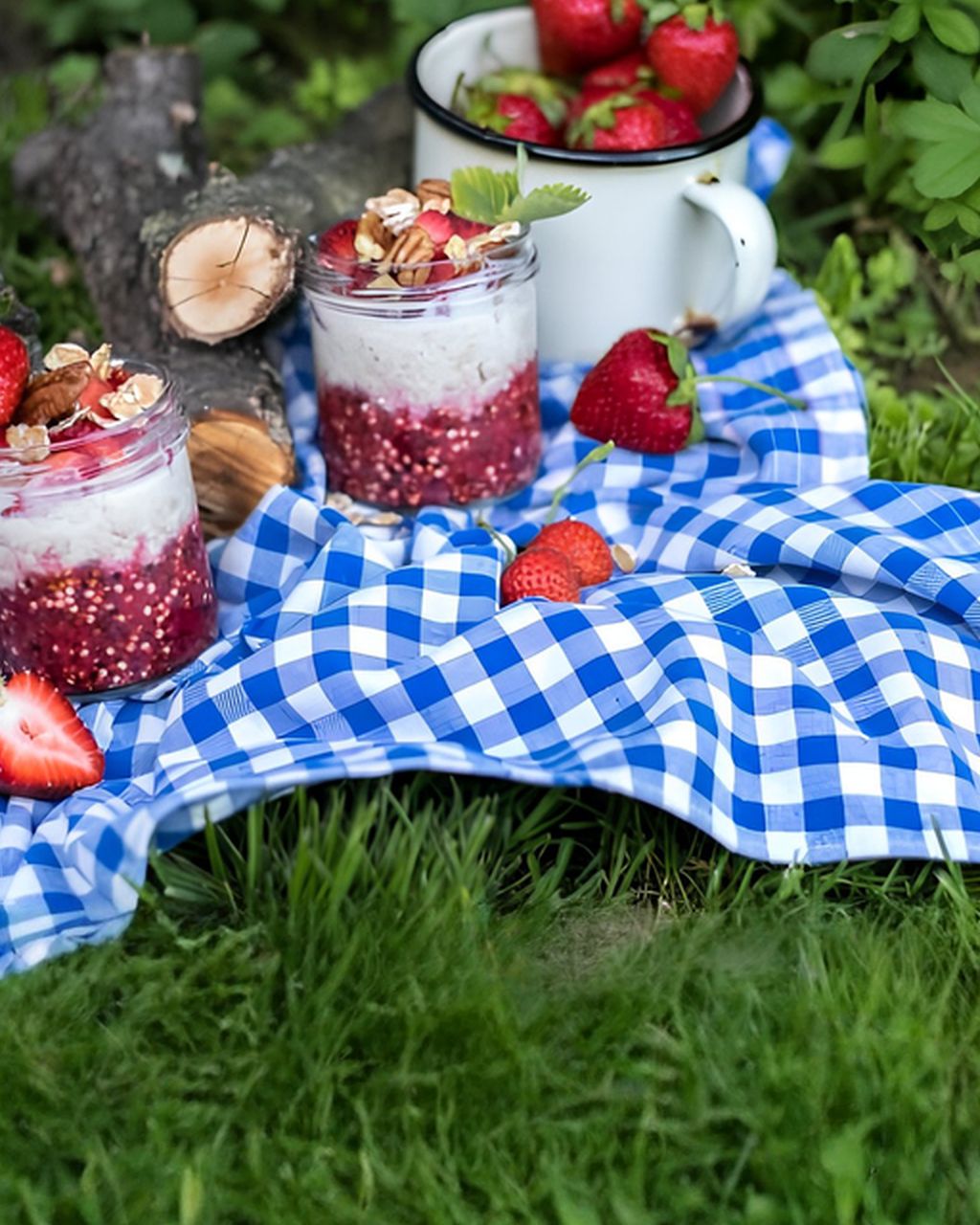
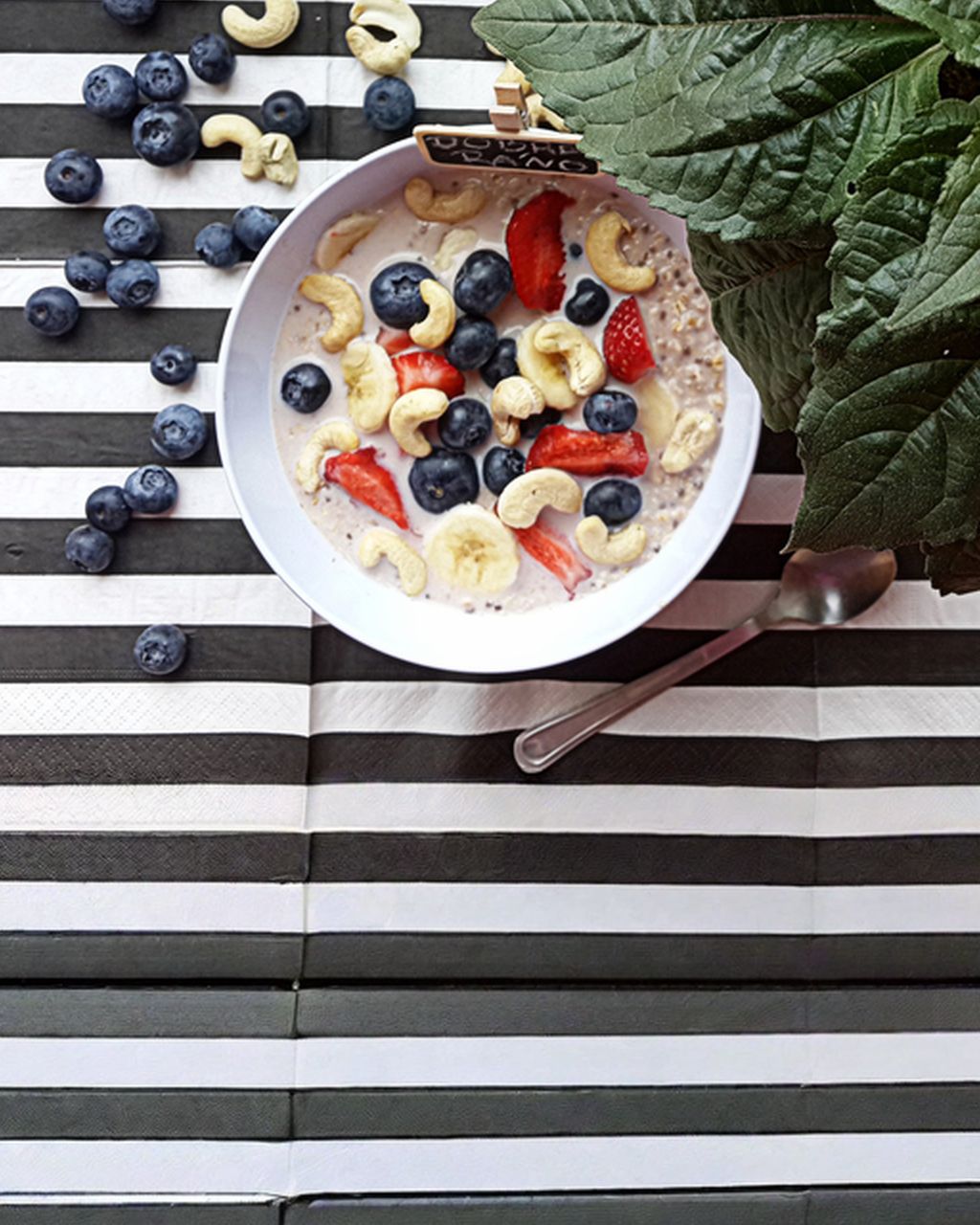
A basic raspberry chia pudding with yogurt is 250 ml of almond drink blended with 75 g of raspberries plus 3 tablespoons of chia seeds, stirred again after 5 minutes and left in the fridge overnight. For breakfast with strawberry chia jam, mash strawberries with 4 tablespoons of seeds and leave them for a few hours. They also go into a warm breakfast, as in oatmeal porridge with fruit, cashews and chia seeds.
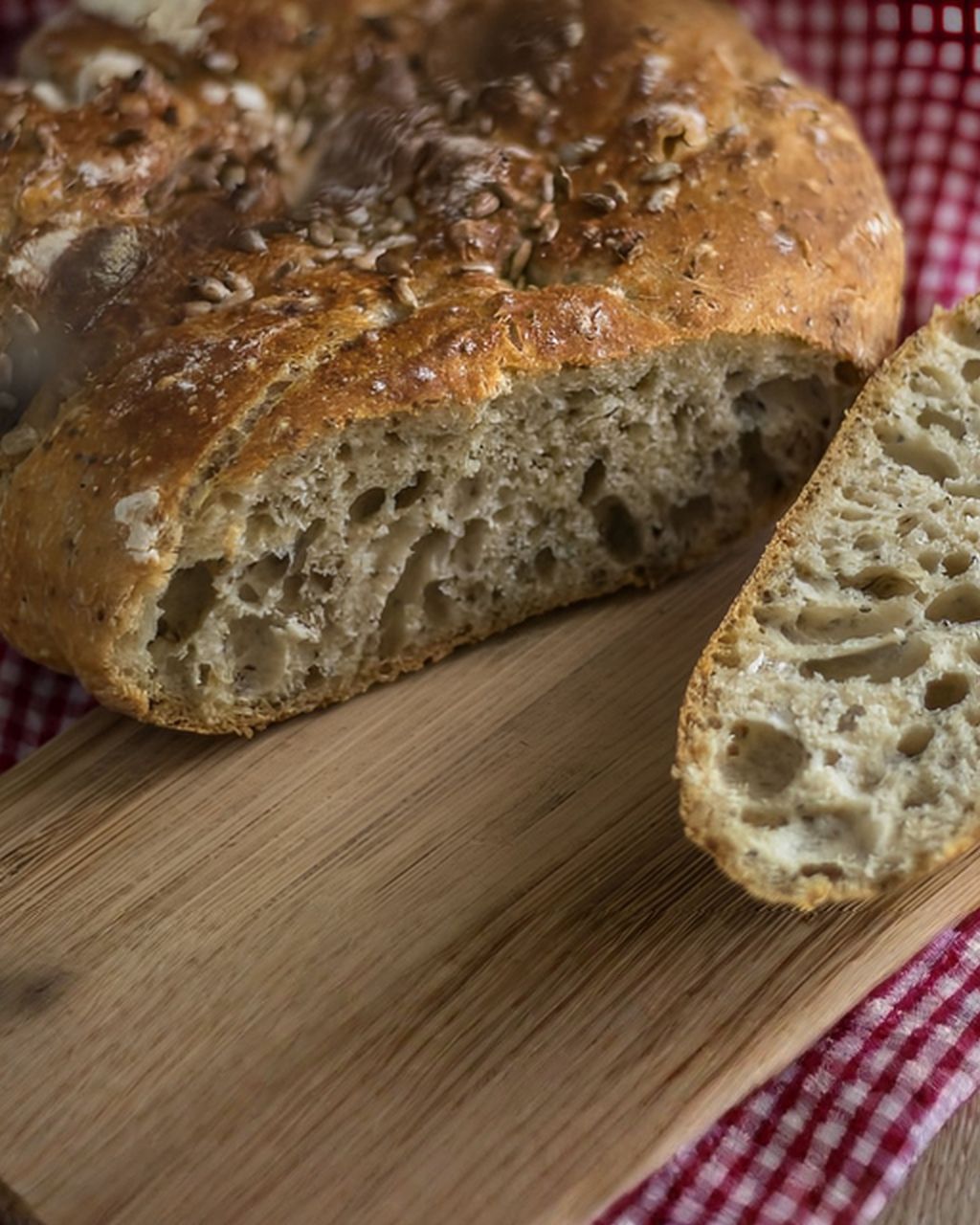
The EU Union list of novel foods allows chia seeds to be sold on their own and added to fruit, nut and seed mixes, confectionery, yogurt and dairy products, ice cream, fruit products, soft drinks and puddings not heat-treated at 120 °C or more. In bread they may make up at most 5 % (whole or ground), and in bakery products and breakfast cereals 10 % of whole seeds. That applies to chia seed bread too. Chia seed oil has limits of its own.