- Season
- Year-round; it is frozen straight after harvest.
- Price
- Low
Calories and nutrition per 100 g
- 38 kcal
- 3.3 g protein
- 0.9 g fat
- 2.3 g carbs
Frozen Broccoli
Frozen broccoli is broccoli florets that are briefly blanched after harvest and then deep-frozen. Cook it straight from frozen, without thawing: in boiling water it is ready in 3–5 minutes.
Do not thaw it on the counter. Put the bag in the freezer straight after shopping and take out only as much as you need.
It belongs in the freezer, not the fridge. Once broccoli has thawed, do not refreeze it. Producers say to use thawed broccoli within 24 hours. Refrigerate cooked leftovers within 2 hours and eat them within 3–4 days.
Store at −18 °C or below until the best-before date on the pack. Close an opened bag tightly so the broccoli does not dry out. Use home-frozen blanched broccoli within 10–12 months for best quality.
Choose a bag in which the florets move freely. Florets stuck together in a block mean the pack thawed and refroze on the way. The broccoli should be deep green, without yellow patches or lots of ice crystals. The ingredient list should say just broccoli; ready mixes with sauce or butter flavouring contain other ingredients too.
Fresh broccoli. Cook it a little longer: florets 3–6 minutes in water, 6–10 minutes steamed.
Frozen cauliflower or frozen Brussels sprouts. They cook in a similarly short time but taste different.
Do not thaw it. Tip it frozen into boiling salted water and cook for 3–5 minutes from when the water returns to the boil. Steamed, it needs a few minutes longer. For the pan or a baking tray, also use it frozen, spread in a single layer, so it roasts rather than stews in its own water.
Cook the stalks and small pieces from the bottom of the bag with the florets and blend them into soup. Use leftover cooked broccoli in a quiche, an omelette or a pasta bake.
Roughly what one measure weighs, scooped the way you normally would in the kitchen.
Most often boiled or steamed as a side, and added to soups, sauces, risotto, quiches and bakes. Add it frozen to soup for the last few minutes. Roasted or pan-fried it caramelises at the edges; just do not thaw it first or crowd the tray.
Frozen broccoli is broccoli florets that are briefly blanched after harvest and then deep-frozen. Cook it straight from frozen, without thawing: in boiling water it is ready in 3–5 minutes. Shops sell it as deep-frozen vegetables in bags. The ingredient list is normally just broccoli. Blanching has already partly cooked it, so it needs less cooking than fresh broccoli. Use it as a side, in soups, quiches and bakes.
Mildly vegetal, sweetish and slightly bitter, with the light sulphurous note typical of brassicas. It is milder than fresh broccoli and stays firm to the bite after brief cooking. Overcooked, it turns grey, soft and smells of sulphur.
Seasonal baking plans, tested recipes and kitchen tricks that save you time. Unsubscribe in one click.
3 min read
Frozen broccoli is florets, sometimes with sliced stalks, that are briefly scalded with hot water or steam after harvest and then deep-frozen. This scalding is called blanching: it stops the enzymes that would otherwise discolour the vegetable and spoil its flavour in the freezer. Bonduelle, for example, states on its pack that the broccoli is steam-blanched and shock-frozen.
Because of blanching, frozen broccoli is partly cooked. That is why it needs less time than fresh broccoli and falls apart sooner when overcooked. Dried broccoli is a different product, listed as freeze-dried broccoli.
Cook frozen broccoli for 3–5 minutes in boiling salted water, counted from when the water returns to the boil. Agro Jesenice, for example, gives this time on its pack. Do not thaw it first: thawed broccoli releases water, softens and breaks up in the pan.
It is done when a knife goes through the stalk with slight resistance. Boil it uncovered in a large enough pot so the water returns to the boil quickly. Times for fresh broccoli, steaming and the microwave are in the article Broccoli and cauliflower: how long to cook, store and freeze them.
Put the broccoli on the tray or in the pan frozen, drizzled with oil and spread in a single layer. If you crowd it, it releases water and stews instead of browning. Salt it at the end, as salt draws water out.
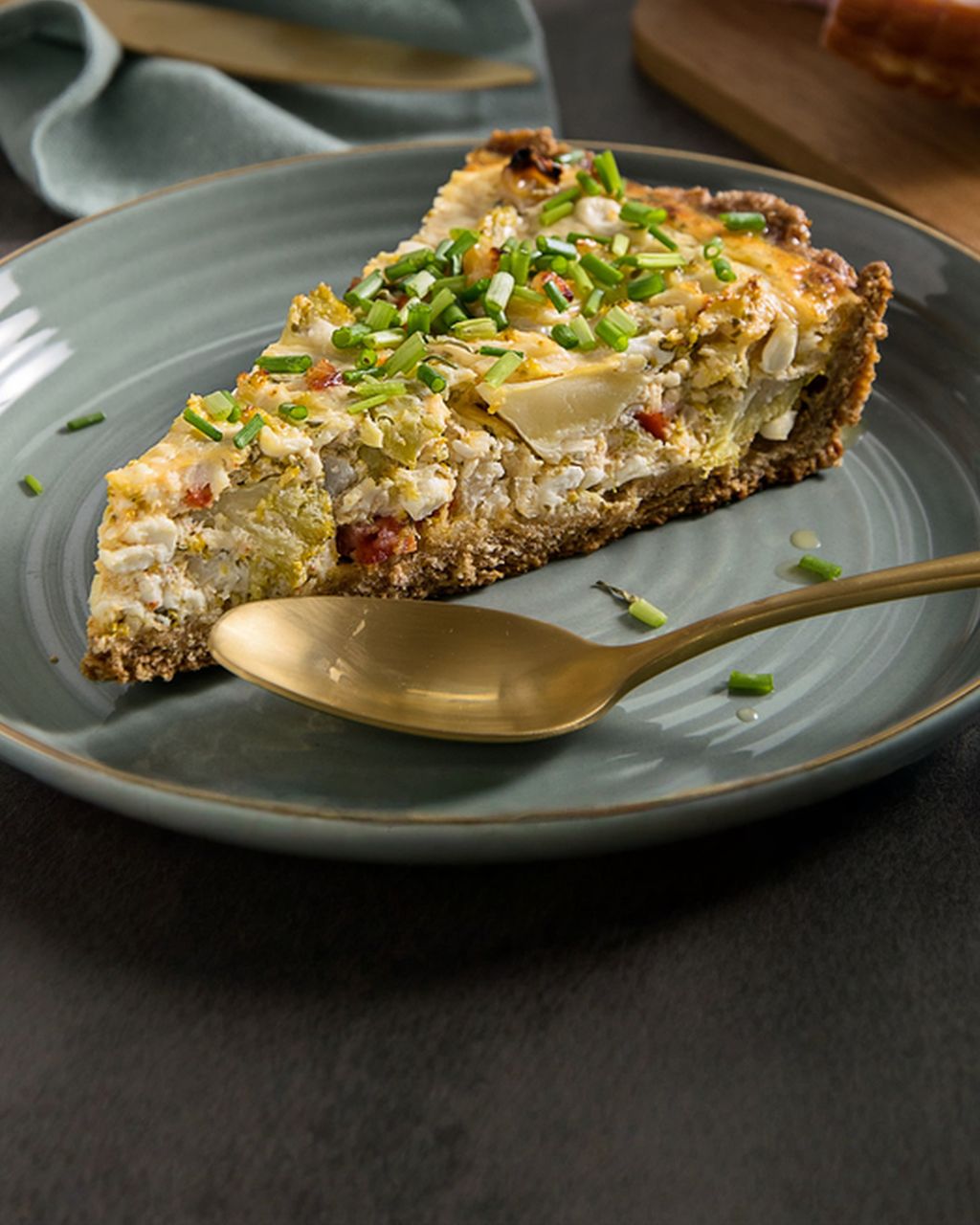
Frozen broccoli also works in savoury tarts. Boil it briefly before baking and drain it well, or it will make the pastry soggy. Try the whole-wheat quiche with broccoli and smoked ham or the creamy broccoli soup with coconut milk.
Blanch fresh broccoli before freezing. The US National Center for Home Food Preservation (NCHFP) gives 3 minutes in boiling water or 5 minutes in steam. Then cool it straight away in iced water, drain well and pat dry.
Freeze the florets spread on a tray first, then tip them into a bag and press out the air. They stay loose, so you can take out just what you need. Blanching times for other vegetables are in the article How to freeze vegetables.
Keep frozen broccoli at −18 °C or below and use it by the date on the pack. Do not refreeze anything that has thawed. Producers such as Agro Jesenice and Bonduelle print this on the pack, and Bonduelle advises using thawed broccoli within 24 hours.
Frozen vegetables that are not sold as ready to eat should be cooked thoroughly before eating. The European Food Safety Authority (EFSA) advised this in 2018 after a Listeria outbreak linked to frozen corn and other frozen vegetables, especially for pregnant women, older people, newborns and people with weakened immunity. So do not add frozen broccoli raw to salads or smoothies.