Sacher torte – the classic viennese chocolate cake
Sachertorte: Moist Chocolate Cake, Apricot Layer and Glossy Dark Chocolate Glaze
Updated Oct 15, 2026
Sachertorte rests on three things: a dense yet moist chocolate cake, a thin layer of hot apricot jam, and a glossy glaze made from sugar syrup and dark chocolate. Each has its catch – the cake dries out, the jam seeps through, and the glaze turns dull or grainy. Here you'll find why that happens and how to prevent it, with exact temperatures and ratios.
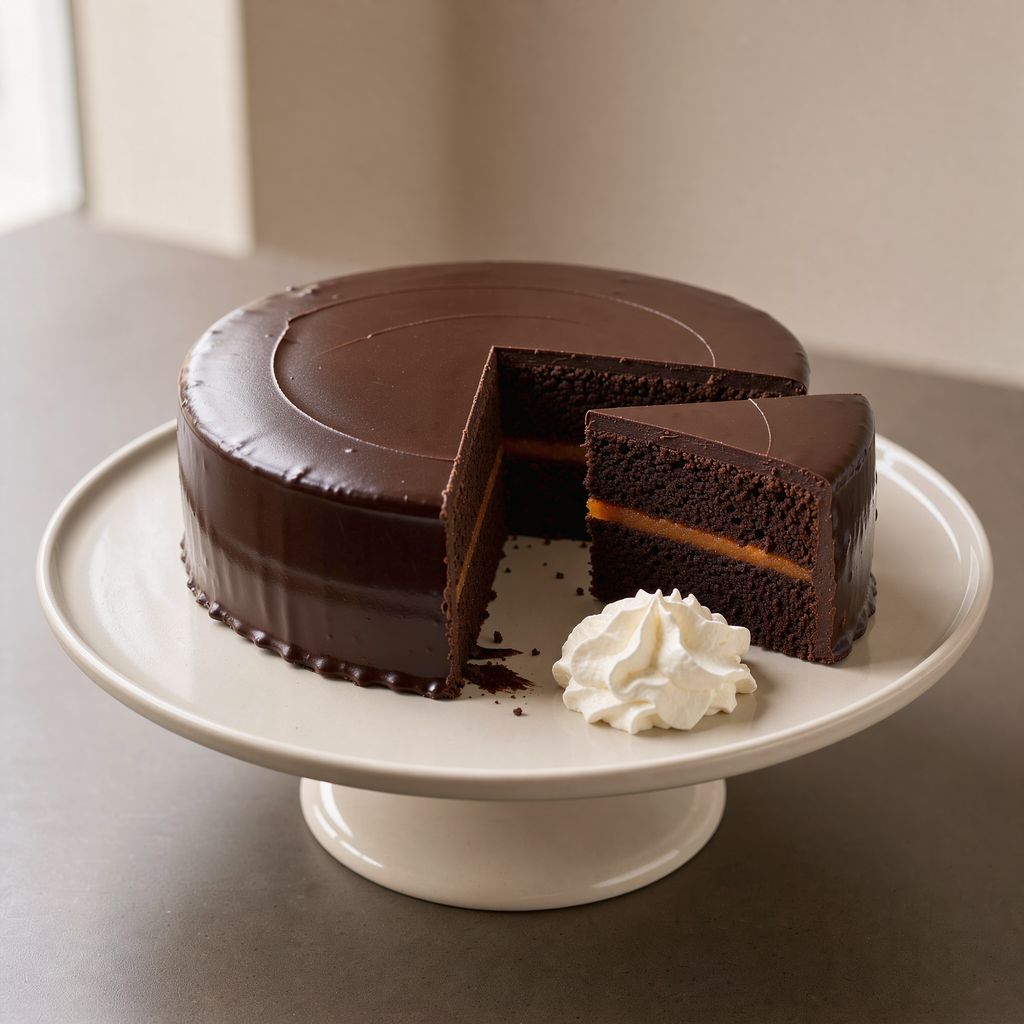
Sachertorte is a Viennese chocolate cake made from a buttery chocolate sponge, brushed with apricot jam and covered in a firm, glossy glaze of dark chocolate and sugar syrup. According to tradition, it was invented in 1832 by sixteen-year-old apprentice Franz Sacher for the guests of Prince Metternich; the version we know today was created by his son Eduard.
Hotel Sacher and the Demel pâtisserie fought over the "real" Sacher from 1954 until a settlement in 1963. Under it, Hotel Sacher may sell the "Original Sacher-Torte" and Demel the "Eduard-Sacher-Torte". In practice, they differ mainly in where the apricot goes:
Hotel Sacher: the cake is sliced in half, with jam in the middle and under the glaze.
Demel: the cake is left whole, with jam only under the glaze.
Both versions are right – choose based on how much apricot tartness you want. For the full method with weights and measures, turn to our recipe Sachertorte – Viennese chocolate specialty; this article explains why each step works.
You get a moist cake by creaming the butter with melted chocolate and egg yolks until fluffy, folding in the egg whites gently, and baking slowly at 170 °C (340 °F). Sachertorte has no baking powder – it rises only thanks to the air in the whipped butter and in the beaten egg whites, so every bubble you lose is missing from the finished cake.
Cream room-temperature butter (about 18–20 °C / 64–68 °F) with icing sugar until pale, 5–8 minutes. Cold butter can't hold air, and melted butter can't keep it.
Melt the chocolate and let it cool to 30–35 °C (86–95 °F) before mixing it in. Hot chocolate would melt the butter and the batter would collapse.
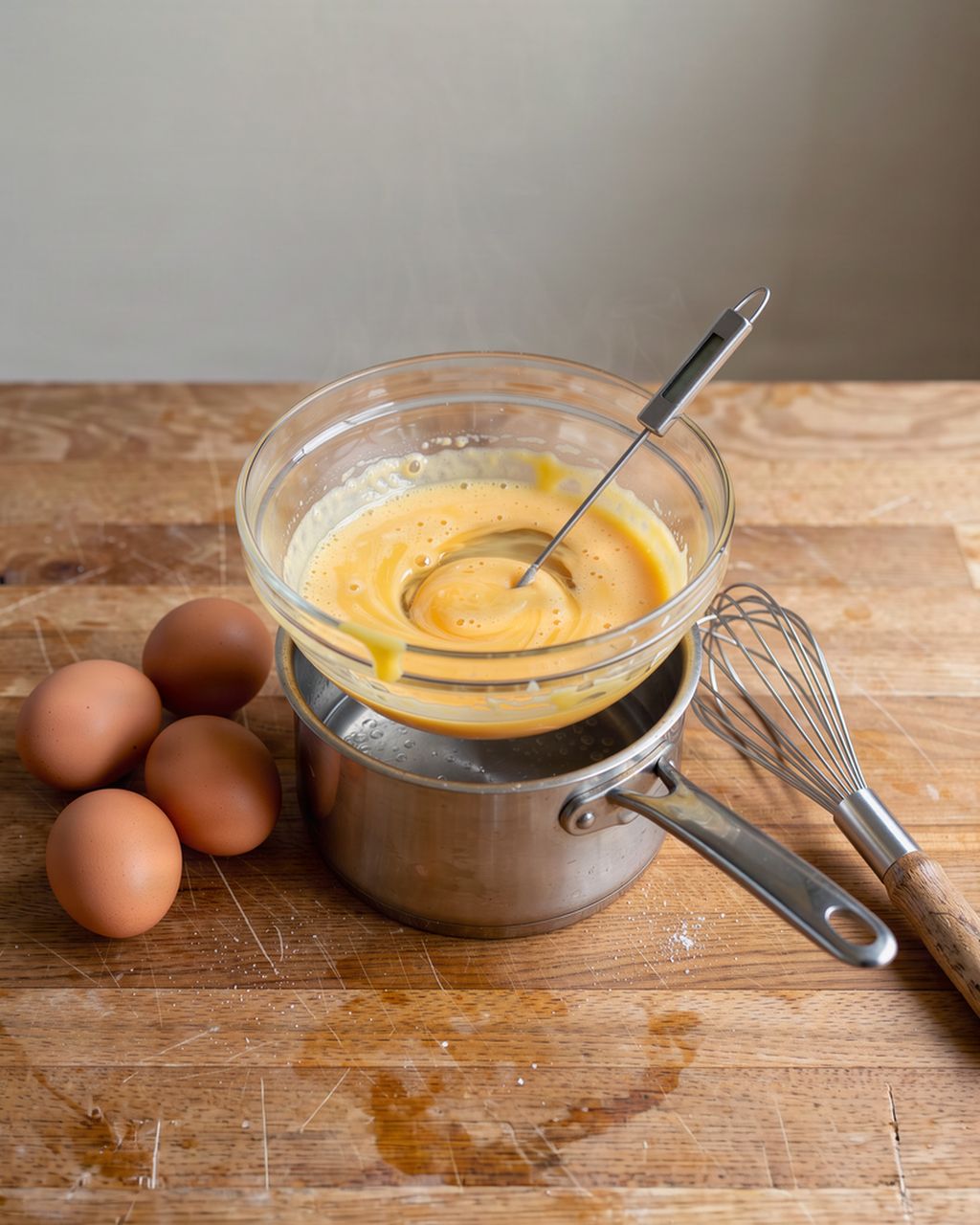
Add the egg yolks one at a time, letting each one blend in fully.
Whisk the egg whites with sugar only to soft peaks, not stiff and dry. Over-whipped whites can't be folded in without lumps and crack in the oven.
Fold in the flour and egg whites alternately with a spatula, in thirds, using a motion from the bottom up.
Bake in a 22–24 cm (9-inch) tin at 170 °C (340 °F) for about 50–60 minutes. It's done when a skewer comes out with a few moist crumbs, not liquid batter.
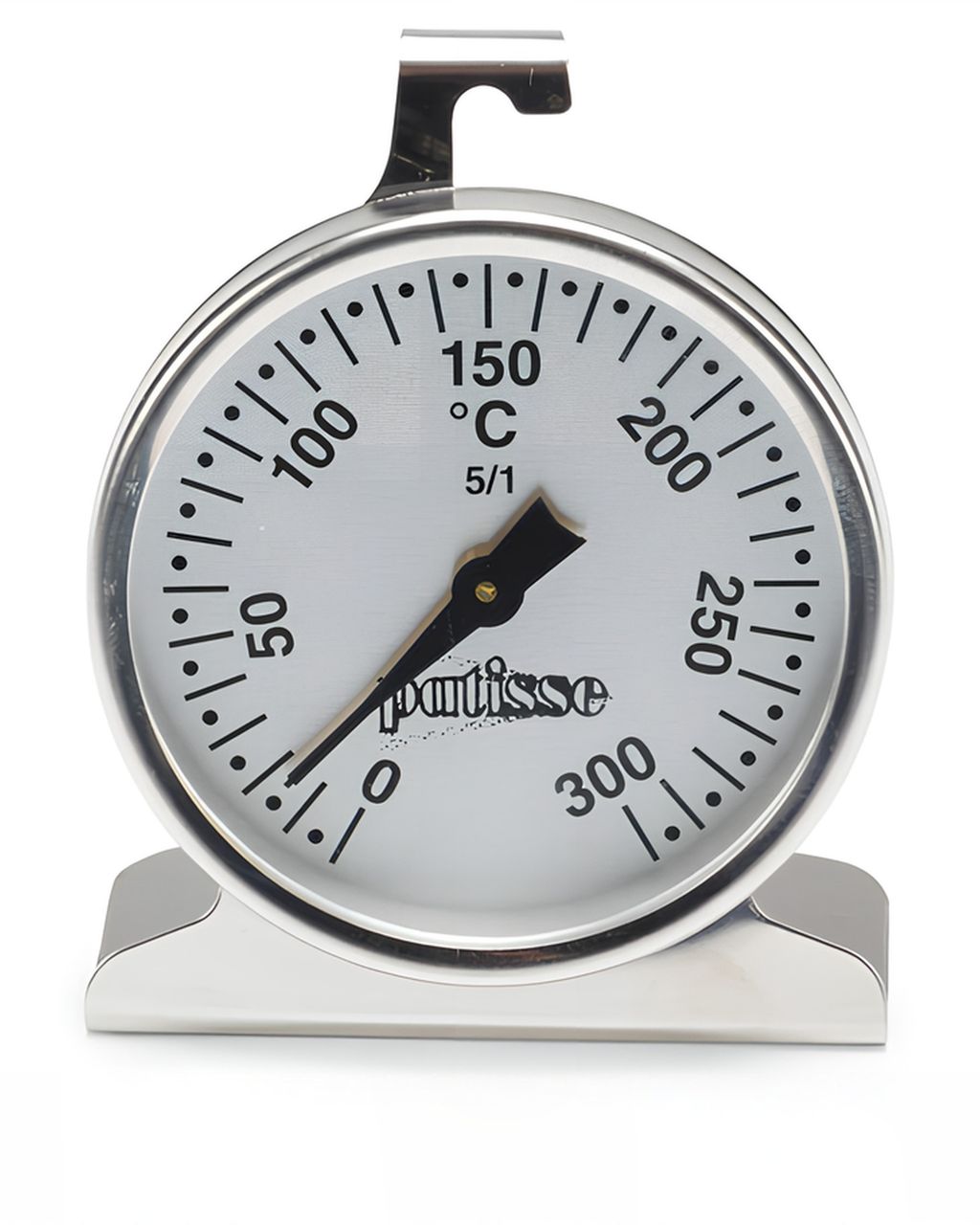
Ovens are commonly off by 10–20 °C. For a cake that bakes for almost an hour, that's the difference between moist and dry – a separate oven thermometer really pays off here.
After baking, let the cake rest for at least 8 hours, ideally overnight, wrapped in cling film. The crumb settles, it can be sliced neatly in half, and it won't crumble under the jam. Then turn it upside down – the bottom is perfectly flat and the glaze will flow over it smoothly.
Bring the apricot jam to a boil, press it through a sieve, and brush it onto the cake hot, in a thin layer. It has two jobs: its tartness balances the sweet chocolate, and above all it seals the surface of the cake so that moisture and crumbs can't creep up into the glaze. Moisture from below is a common reason the glaze turns dull after a few hours.
Amount: for a 22–24 cm (9-inch) cake, count on 200–250 g of jam (toward the upper end if you're also putting it in the middle).
Smooth, not chunky: pieces of fruit make bumps under the glaze. Hence the sieve.
Thicken it: simmer for 2–3 minutes so it doesn't run once cooled. You can add a spoonful of rum or apricot brandy for aroma.
Brush it on hot – hot jam spreads thinly and sets into a firm film as it cools.
Let it dry for at least 30–60 minutes before pouring on the glaze. The glaze won't cling evenly to sticky jam.
Feel free to use homemade apricot preserves, as long as they're tart enough. Store-bought jam that's too sweet can be brightened with a teaspoon of lemon juice.
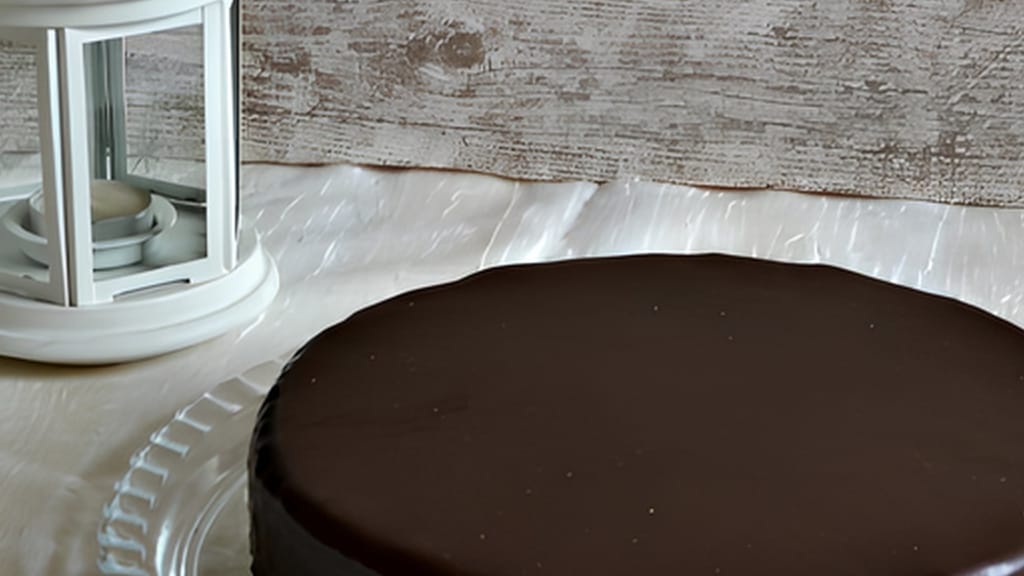
The classic Sacher glaze is made by boiling a sugar syrup, stirring in dark chocolate, and pouring it at about 40 °C (104 °F). It's neither a ganache nor plain melted chocolate – thanks to the sugar, it sets into a thin, slightly crisp, glossy shell that doesn't stick to your fingers.
In short:
Syrup: boil about 250 g sugar and 125 ml water until it reaches 106–108 °C (223–226 °F) (thread stage).
Chocolate: take the syrup off the heat, let it cool briefly, and stir in about 200 g chopped dark chocolate.
Thickness: stir until the glaze thickens and leaves a layer about 4 mm thick on a wooden spoon – a test that Hotel Sacher's own recipe also describes.
Pouring: at 38–42 °C (100–108 °F), in one go over the cake set on a wire rack.
In its recipe, Hotel Sacher gives 200 g sugar and 125 ml water for 150 g couverture. Our ratio is adjusted – there's more glaze, so it will reliably cover the top and sides of a 22–24 cm (9-inch) cake, and the excess simply runs off onto the tray.
Temperature matters most: a glaze that's too hot turns dull once set, while one that's too cold won't spread and leaves streaks.
For Sacher glaze you need dark couverture with 55–70% cocoa; the more cocoa, the more bitter and firmer the glaze. Hotel Sacher's recipe calls for couverture with at least 55% cocoa. Couverture contains more cocoa butter than ordinary bar chocolate, so it flows better and shines more.
Couverture 55–70% – the classic. The closer to the upper end, the more intense and bitter the glaze, and the closer to what you'd get in Vienna.
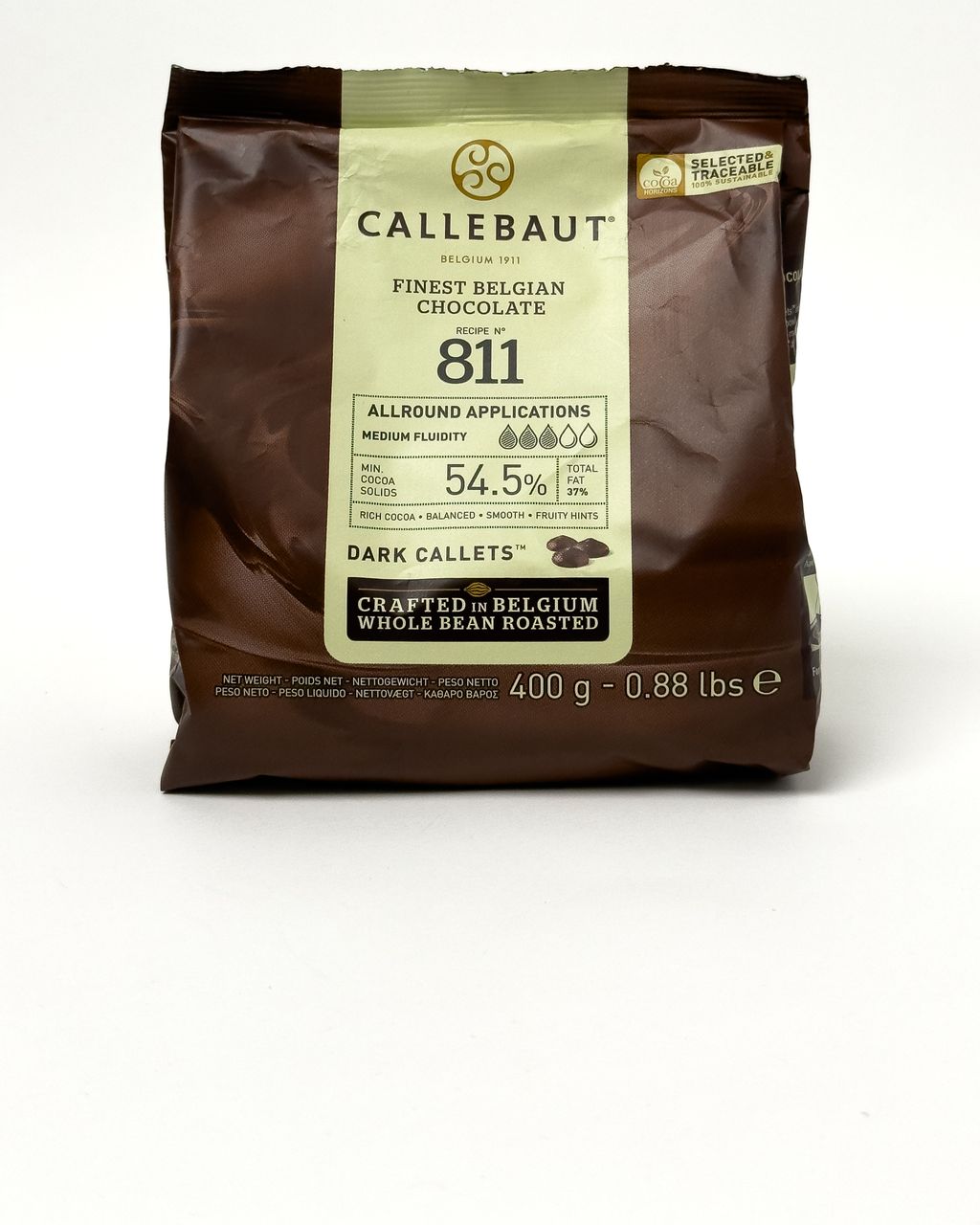
Callebaut 811 (54.5% cocoa) – a practical choice, not the original: it's just under the 55% in Hotel Sacher's recipe, but it's well balanced, flows nicely and suits the sweet sugar syrup. In callets it's easy to weigh and melts without chopping. You can use the same chocolate in the cake itself.
Supermarket dark chocolate bar – it works, but it tends to contain less cocoa butter and sometimes vegetable fats. The glaze is thicker and less glossy.
Watch the packaging: "cocoa coating" is not chocolate – vegetable fats replace the cocoa butter, and the glaze won't set or shine like the real thing. For Sachertorte, look for "chocolate", "chocolate coating" or "couverture" on the label.
You'll find more baking chocolate in our baking chocolate and glazes section.
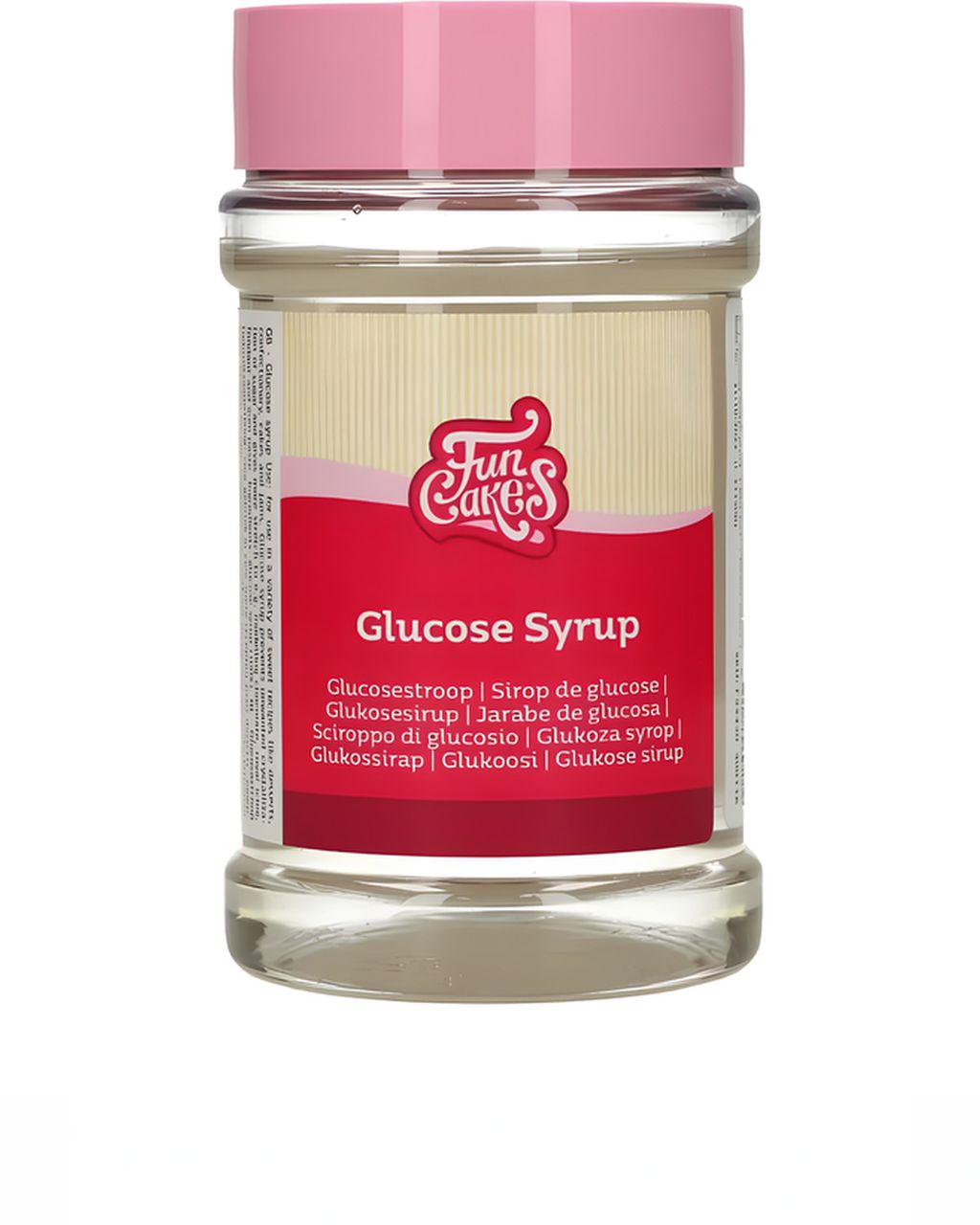
Glucose syrup stops the sugar in the glaze from crystallizing, so the glaze stays smooth and glossy for longer. A sugar glaze is a supersaturated solution – a single crystal on the edge of the pan or too much stirring is enough for the sugar to start "crashing" back into crystals. The result is a dull, grainy surface.
How much: replace roughly 10–15% of the sugar with glucose, so with 250 g sugar use about 30–40 g glucose syrup (e.g. FunCakes glucose syrup) and reduce the sugar to 210–220 g.
When: add it to the sugar and water right at the start, before the syrup comes to a boil.
Bonus: with glucose, the glaze is a little more flexible and doesn't crack as much when sliced.
No glucose? A clean, damp brush for washing crystals off the sides of the pan while boiling will help, as will not stirring the syrup while it cooks. A teaspoon of lemon juice also slows crystallization somewhat, but less reliably. Invert sugar works much like glucose – read more in the article Invert sugar instead of sugar.
Pour the glaze onto the middle of the cake all at once and spread it over the edges with one or two strokes of a palette knife – then don't touch it again. Every extra stroke leaves a mark, because the glaze starts to set within tens of seconds.
Set the cake on a wire rack over a tray so the excess can run off freely.
Prepare everything in advance: palette knife, rack, thermometer. There's no time to hunt for tools.
Sides: smooth them quickly with the palette knife while the glaze is still liquid.
Let it set at room temperature, not in the fridge. In the cold, moisture condenses on the glaze and it loses its shine.
Slice with a knife dipped in hot water and wiped dry.
A failed glaze comes down to four things: sugar crystallization, the wrong pouring temperature, moisture from the cake, and a syrup that wasn't boiled enough. The symptom tells you what went wrong:
Grainy, gritty on the tongue → the sugar crystallized. You stirred the syrup while it boiled, crystals were left on the sides of the pan, or the glaze was stirred too long. Fix: glucose and clean pan sides.
Dull, grayish → the glaze was too hot when poured (above about 45 °C / 113 °F) or you chilled it in the fridge.
Thick, streaky, with palette knife marks → the glaze was too cold (below about 35 °C / 95 °F). Gently warm it in a water bath and try again.
Patches and blotches after a few hours → moisture from the cake has come up through. The apricot layer was too thin, didn't dry, or was missing.
The glaze runs off and the cake is "bare" → the glaze was too thin because the syrup wasn't boiled enough. Next time, boil the syrup until it reaches 106–108 °C (223–226 °F) (thread stage).
Ganache made from chocolate and cream is simpler and more forgiving, but it isn't the classic Sacher glaze – it's softer, creamier and less sweet. If you're baking this cake for the first time or don't have a thermometer, it's a perfectly respectable choice.
Classic sugar glaze: firm, glossy, slightly crisp, sweeter, and keeps well at room temperature. More demanding when it comes to temperature.
Ganache (roughly 1:1 dark chocolate to 33% cream): silky, soft, more intensely chocolatey. Easy, but it softens in warmth and slicing leaves marks.
The article Sliceable chocolate glaze covers how to make a glaze that holds its shape and slices cleanly. And if you want to coat the cake so that it has straight sides even before glazing, take a look at how to frost a cake with cream or ganache.
Sacher torte – the classic viennese chocolate cake
Sachertorte recipe – Viennese chocolate specialty with apricots and a glossy glaze
Sachertorte keeps, covered, at room temperature (up to 20 °C / 68 °F) for about 5–7 days. The sugar glaze and apricot layer protect the cake from drying out, so it often tastes even better on the second and third day. Only refrigerate it in hot weather – the cold would dull the glaze.
It's best to freeze the baked cake on its own, wrapped in cling film, for up to 2–3 months. Thaw it overnight in the fridge, and only then brush it with jam and pour over the glaze. We don't recommend freezing a finished cake with the sugar glaze – after thawing, water condenses on it and the glaze turns dull.
The best substitute for apricot is another tart, smooth jam, such as redcurrant or bitter orange marmalade. What matters is the acidity, which balances the sweet glaze, and a smooth texture with no chunks. Strawberry or raspberry works, but the cake will be sweeter and no longer a classic Sacher.
Sachertorte is traditionally served with unsweetened whipped cream, known in Vienna as "Schlagobers". Unsweetened cream softens the dense cake and balances the sweet glaze. A coffee goes well with it, classically a Viennese melange.
Sachertorte is denser because it contains a lot of butter and chocolate and is leavened only by whisked egg whites, with no baking powder. It should be moist and firm, not fluffy like a sponge. If it's dry and crumbly, it was most likely overbaked or baked at too high a temperature.
One recipe worth heating the oven for, one tip, and one deal from the shop. Nothing else.