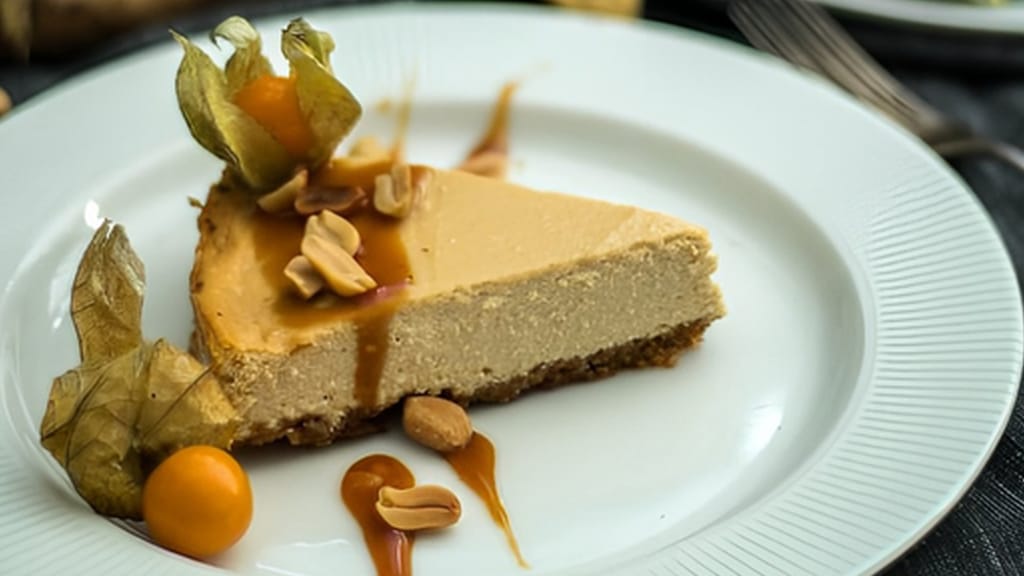
Salted caramel peanut cheesecake
Queijada: The Traditional Portuguese Dessert from Sintra, and How to Bake It at Home

Updated Jul 19, 2026
Queijada is a small Portuguese dessert made from fresh cheese, eggs, sugar and a pinch of cinnamon, baked in a thin, crisp pastry shell — and you can make it at home without a trip to Sintra. It comes from the area around Lisbon, where medieval convents were already baking it centuries ago, and today it exists in dozens of regional versions. In this guide we'll cover what queijada actually is, what goes into it, how to bake it step by step, and how to vary it to get that true Portuguese flavour.
Queijada is a small Portuguese dessert made from fresh cheese, eggs, sugar and cinnamon, baked in a thin, crisp pastry shell. Despite the name coming from the word queijo (cheese), it isn't a classic aged-cheese cheesecake — the base is a soft, fresh cheese, not a hard one.
Queijada is one of Portugal's oldest sweets. According to surviving records, it was already being baked in the 13th century under King Sancho II, originating in convent kitchens as a way to use up surplus eggs and milk. Right up until the mid-18th century, queijadas from the Sintra area were even used as a form of currency — people paid their taxes and rents with them. According to historical sources, Maria Sapa was the first to sell them commercially, back in 1756.
The best known is Queijada de Sintra, from the little town near Lisbon that was once the summer residence of Portugal's kings. You can spot it by its thin, crisp pastry, soft centre and generous hit of cinnamon.
Sintra — fresh requeijão cheese, cinnamon, thin pastry.
Azores — with added lemon zest and extra cinnamon.
Madeira — a sweeter version made with honey, sometimes with coconut.
Every region has its own take, which makes queijada more a piece of Portuguese culinary identity than a single fixed recipe.
An authentic queijada rests on five ingredients: fresh cheese, sugar, eggs (mainly the yolks), a little plain flour and cinnamon. Nothing more is needed — the magic is in the ratios and the quality of the cheese.
Fresh cheese is the base of both the flavour and the creamy texture. Traditionally it's Portuguese queijo fresco or requeijão (similar to ricotta). Drained curd cheese or ricotta works well as a substitute — just make sure it's fresh and not too tangy.
Sugar sweetens the filling and caramelises on top into a golden crust. Plain white sugar is all you need.
Eggs, especially the yolks, bind the filling together and give it that silky, custard-like texture.
Plain flour does double duty — it makes the thin pastry, and a small spoonful thickens the filling too. With the filling, less is more — otherwise the queijada turns out tough.
Cinnamon is the signature note of queijada de Sintra. Plenty of recipes lean on vanilla instead — that's fine, but the authentic flavour really comes from cinnamon.

Baking queijada comes down to five steps: make a thin pastry, whisk up the cheese filling, line the moulds with it, fill them, and bake until golden at a high temperature. The whole thing takes around 45 minutes, and you don't need any prior experience. This is the home-kitchen, muffin-tin version — traditional queijada has pastry rolled paper-thin, but at home muffin moulds work perfectly well.
Pastry. Mix 200 g plain flour, 1 tablespoon sugar, 30 g butter and just enough lukewarm water to form a soft but not sticky dough. Roll it out as thin as you can.
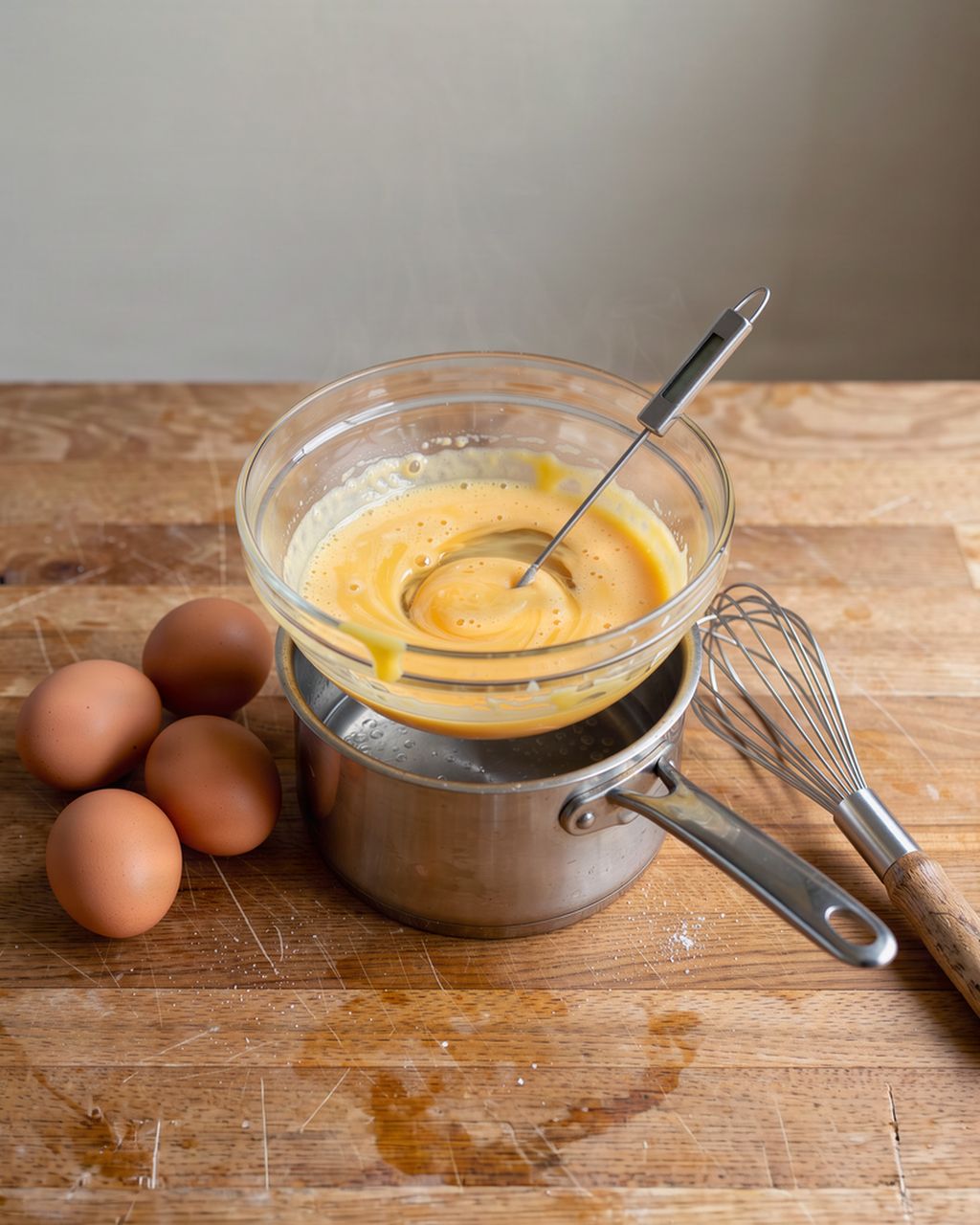
Filling. Whisk 250 g drained fresh cheese, 120 g sugar, 3 egg yolks, 1 tablespoon plain flour, ½ teaspoon ground cinnamon and the zest of half a lemon until smooth.
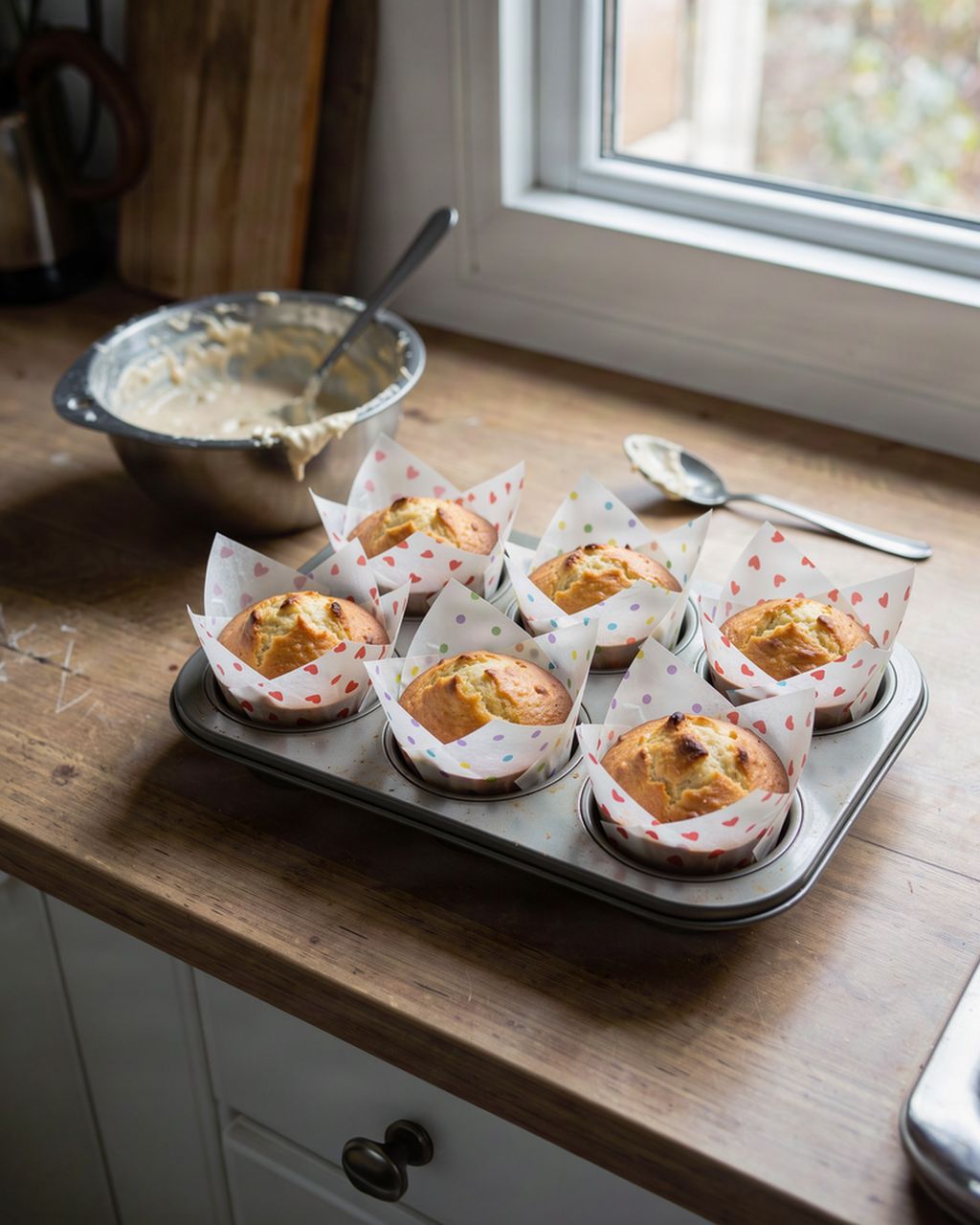
Moulds. Preheat the oven to 200 °C (400 °F). Grease a muffin tin and line the base and sides of each cup with the thin pastry.
Filling the moulds. Fill the pastry-lined moulds with the filling almost to the top — it will puff up slightly as it bakes.
Baking. Bake for 18–22 minutes, until the tops turn golden and start to caramelise in places. The centre should stay slightly soft — queijada keeps setting a bit as it cools from residual heat.
Things to watch out for:
Don't overbake. As soon as the tops take on colour, take the queijadas out. Overbaked ones turn dry and rubbery instead of custardy.
High heat makes the crust. It's the hot oven that gives the top that characteristic golden, slightly crisp layer.
Let them cool in the moulds. Only take the queijadas out once they're just warm, or the delicate pastry will crack.
You can easily vary queijada in three directions: lemon and vanilla in the filling, fresh fruit, or nuts on top. The base stays the same — you're just changing the accents.
Lemon and vanilla — lemon zest adds a fresh tang, while vanilla boosts the sweetness and aroma.
Fruit — blueberries or raspberry purée stirred right into the filling add colour and natural sweetness; tropical mango or pineapple also pair well with the creamy base.
Nuts — sprinkle chopped almonds or walnuts on top of the queijada for crunch and extra depth of flavour.
Don't be afraid to experiment — every version has its own charm. Just keep the cinnamon as your link back to the original.

Queijada is traditionally served warm or cold, dusted with cinnamon sugar, alongside a cup of coffee or a glass of port. The bitterness of the coffee balances out the sweetness of the pastry beautifully.
Cinnamon sugar — the classic dusting, added just before serving; you can even use a stencil for simple patterns.
Fresh fruit — strawberries, raspberries or kiwi add a fresh contrast in both taste and colour.
Whipped cream — for an even creamier treat, flavoured with vanilla or lemon zest.
To drink — coffee, port, or a light green or chamomile tea.
We're still working on our own queijada recipe. In the meantime, check out these other fresh curd cheese desserts — they share the same soft, creamy base as queijada.
Salted caramel peanut cheesecake
Curd cheesecake with salted caramel and peanuts — a creamy curd cheese dessert
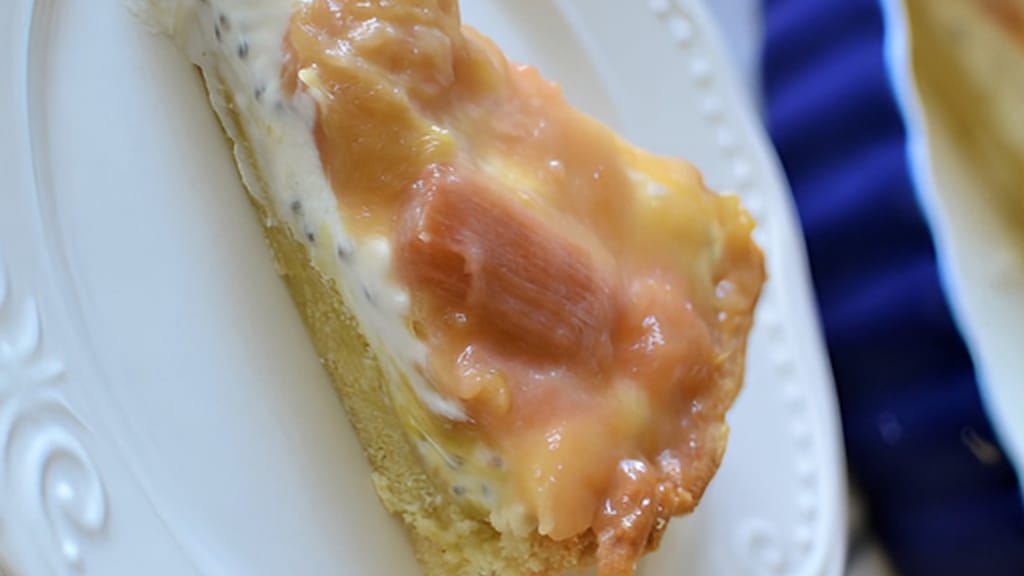
Rhubarb pie with curd cheese and chia seeds
Rhubarb cake with curd cheese and chia seeds — a fresh curd cheese cake
Queijada keeps for 2–3 days in a sealed container in the fridge. It's best on day one, while the pastry is still crisp; by the second day it softens a bit, but the flavour holds up. Let it come back to room temperature for a while before serving.
Yes, queijada freezes well for up to 2 months. Let it cool completely, wrap the individual pieces, and freeze. Thaw in the fridge, then warm briefly in the oven to bring back the pastry's crispness.
The most common cause is cheese that wasn't drained properly, or too much flour and egg in the filling. Always drain the cheese well, go easy on the flour, and don't overfill the moulds — otherwise the excess liquid won't evaporate in time and the centre stays raw.
Traditional queijada isn't gluten-free — it contains plain flour in the pastry and a pinch in the filling too. You can make a gluten-free version by swapping in a gluten-free flour blend; just roll the pastry out carefully, as it will be more delicate.
Queijada is filled with fresh cheese and cinnamon, while pastel de nata has an egg-custard filling in puff pastry. Queijada is denser and cheesy, while pastel de nata is creamier and caramelised on top.
One recipe worth heating the oven for, one tip, and one deal from the shop. Nothing else.