Waffle Batter vs Pancake Batter: What's the Difference?
Karlovy Vary Wafers (Lázeňské Oplatky): What They Are and Where to Buy
Updated Nov 20, 2026
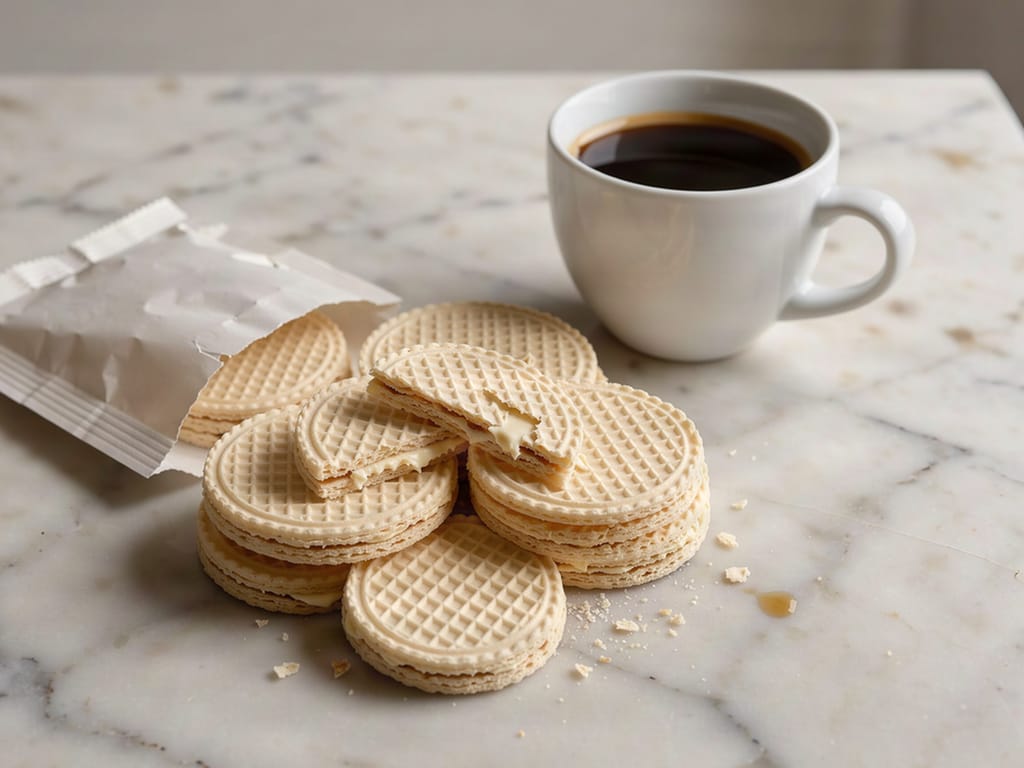
Karlovy Vary wafers (Karlovarské oplatky, often called lázeňské oplatky, spa wafers) are large, very thin round wafers, about 19 cm across, made of two embossed sheets with a thin sweet layer of sugar, hazelnut, vanilla, chocolate or almond between them. They have been a spa-town treat since before 1800, and the name is protected in the EU. Here is what they taste like, how they are eaten, and how to find the real thing abroad.
Karlovarské oplatky (Karlovy Vary wafers), also sold as lázeňské oplatky (spa wafers), are the best-known souvenir of Karlovy Vary, the spa town in western Bohemia known in German as Karlsbad. In German they are Karlsbader Oblaten.
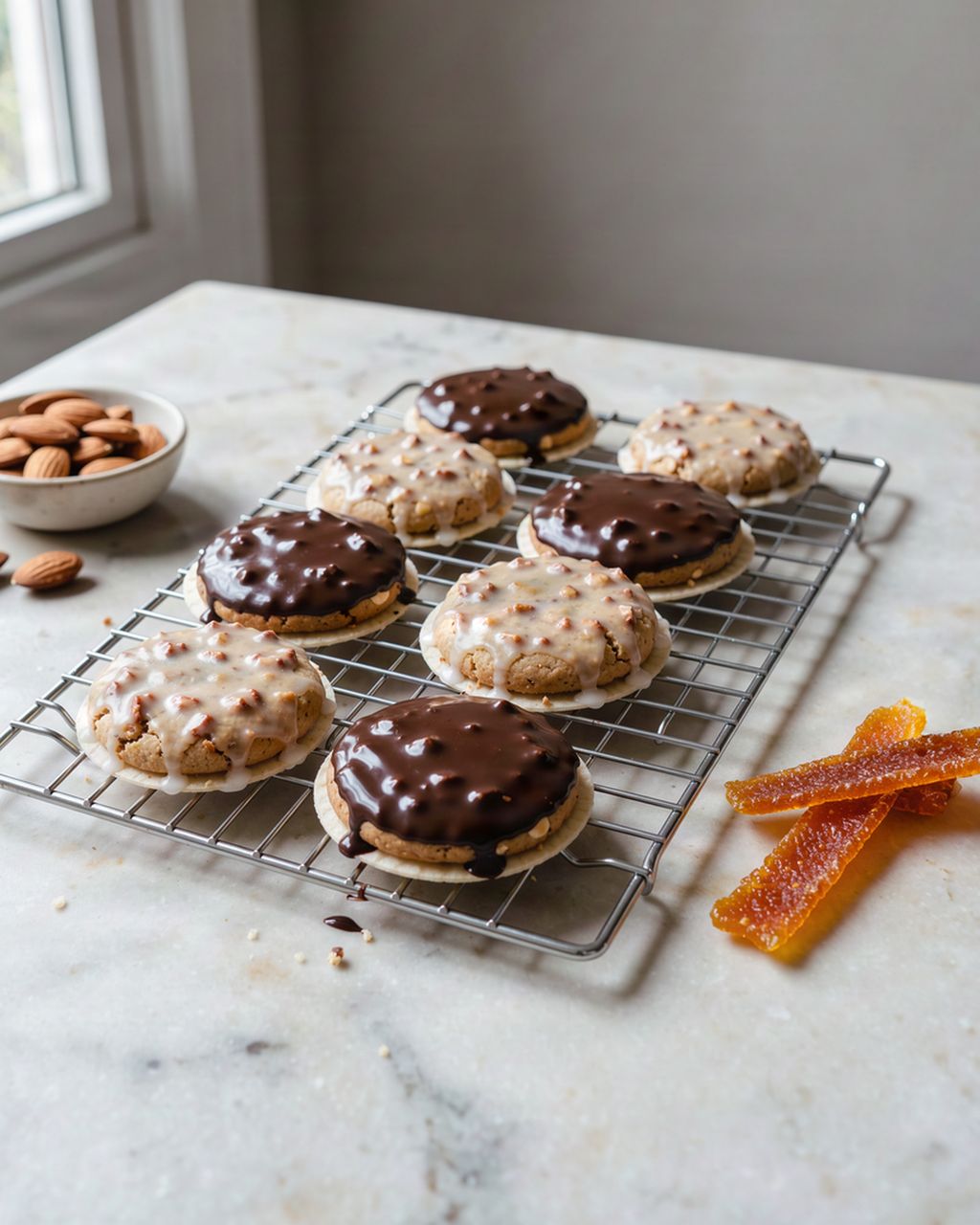
Each wafer is a thin disc about 19 cm (7.5 in) across, made of two very thin sheets pressed with a fine relief pattern. Between the sheets is a thin layer of sweet filling, little more than a dusting. The result is crisp, light and only gently sweet, much thinner than the wafer bars most people know.
They are not a cream-filled cookie. If you are expecting a layered wafer bar with thick filling, these will surprise you: they snap cleanly and almost melt on the tongue.
The classic flavors are:
Plain (sugar): the original, just sugar between the sheets.
Hazelnut: the most popular for many people, with ground hazelnuts in the filling.
Vanilla: sweet and fragrant.
Chocolate or cocoa.
Almond.
Some makers also sell cinnamon and seasonal or modern flavors. The dough is simple, mainly wheat flour, sugar and fat, and for the protected Karlovy Vary version, water from the local thermal springs. Ingredients vary by maker, so read the pack. The hazelnut filling uses the same ground hazelnuts you can buy for baking.
If you like the hazelnut version and want to play with that flavor at home, our guide to gianduja and homemade hazelnut spread is a good next step.
Wafers have been served to spa guests in Karlovy Vary for a long time. According to the Czech tourist board, cooks were already making sugar-sprinkled wafers for spa visitors before 1800. Over time the wafers were layered and flavored, and the first bakery specializing in spa wafers in Karlovy Vary opened in 1867.
The neighboring spa town of Mariánské Lázně (Marienbad) has its own wafer tradition, and dates given for the first commercial production in the region differ between sources. What is clear is that by the late 19th century spa wafers were firmly part of a visit to the West Bohemian spa towns, where guests drank the mineral water and walked the colonnades.
After 1989 the old state wafer company split up, and production today is spread across several bakeries in the region.
Yes. Karlovarské oplatky is registered in the EU as a Protected Geographical Indication (PGI). The Czech Republic applied in October 2004, and the name was entered in the register in July 2011. It had been protected as a geographical indication in Czechoslovakia since 1967.
The registration was not straightforward. Germany and Austria objected, partly because German companies already held trademarks containing Karlsbader Oblaten. The EU allowed those earlier trademarks to continue alongside the protected Czech name, which is why you can still find German-made Karlsbader Oblaten.
Two related products are protected too:
Karlovarské trojhránky: small triangular wafers, registered as a PGI at the same time.
Mariánskolázeňské oplatky: spa wafers from Mariánské Lázně, a PGI since 2009.
In the spa towns, wafers are a snack for walking. Stands along the colonnades sell them freshly baked and still warm, when they are slightly soft and very fragrant. Boxed wafers bought as souvenirs are crisp and just as good cold.
At home, Czechs eat them:
With coffee or tea, broken into quarters.
As a quick sweet after lunch or as part of a cookie plate.
Crumbled over ice cream or a creamy dessert, where they add crunch.
Keep an opened pack well sealed. The wafers are so thin that they pick up moisture from the air quickly and lose their snap.
Do not confuse them with the plain Czech Christmas wafers (vánoční oplatky) that some families eat with honey on Christmas Eve, or with filled wafer bars. For other classic Czech sweets, see our guide to types of Czech Christmas cookies.
Spa wafers are often lumped together with other wafers, but they are a different thing:
Karlovy Vary spa wafers: large, paper-thin discs with only a whisper of dry, sugary filling. Crisp, light and delicate.
Dutch stroopwafels: smaller, thicker and chewier, made from a yeasted batter and sandwiched with a sticky caramel syrup. Often warmed over a hot drink.
Wafer bars: the layered rectangles sold all over Central Europe, such as Czech and Slovak Tatranky or chocolate wafers, with several thin sheets and thick layers of cream between them, often coated in chocolate.
So if a recipe or a friend mentions Karlsbader Oblaten, think of something closer to a fine, sweet cracker than to a cookie. Their thinness is the whole appeal: a single wafer is large, but it weighs very little and breaks into shards at a touch.
Recipe of the week, one tip that saves you time and one deal from the shop. Unsubscribe in one click.
The next issue goes out on Thursday, November 26.
Outside Czechia, spa wafers are easier to find than most Czech foods:
Central European delis: Czech, Slovak, Polish and German shops often stock them, usually in round paper or tin packaging.
Supermarkets: some larger stores in the UK, US, Canada and Australia carry them in an Eastern or Central European section.
Online: shops importing Czech food sell them by the box, and Czech online grocers sometimes ship abroad.
German products: in Germany and Austria, look for Karlsbader Oblaten, made under those older trademarks.
In Czech shops you will often see the Kolonáda brand, which comes from Mariánské Lázně. For the protected Karlovy Vary product, check the pack for the name Karlovarské oplatky and the EU PGI logo.
Karlovy Vary wafers are large, thin, round spa wafers from the Czech spa town of Karlovy Vary, made of two embossed wafer sheets with a thin sweet filling. Common flavors are plain sugar, hazelnut, vanilla, chocolate and almond.
Yes, Karlovarské oplatky has been an EU Protected Geographical Indication (PGI) since 2011. The name had already been protected in Czechoslovakia since 1967.
Outside Czechia, Karlovy Vary wafers are sold in Czech, Slovak, Polish and German delis, in Central European sections of some supermarkets, and through online shops that import Czech food. In German-speaking countries look for Karlsbader Oblaten.
Karlovy Vary wafers are eaten as a snack, broken into pieces by hand, either warm from a spa-town stand or cold from the box. They go well with coffee or tea, and you can crumble them over ice cream.
Karlovy Vary and Mariánské Lázně wafers are the same type of thin spa wafer from two neighboring Czech spa towns. Each town has its own EU-protected name: Karlovarské oplatky and Mariánskolázeňské oplatky.
One recipe worth heating the oven for, one tip, and one deal from the shop. Nothing else.