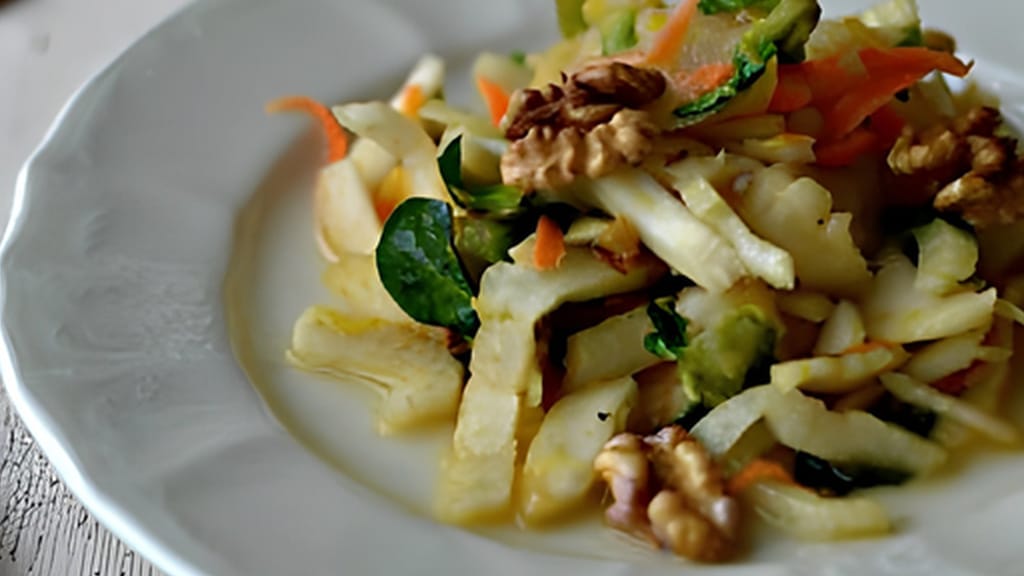
Fennel salad with orange dressing
How to Choose a Kitchen Knife: A Guide for Beginners and Pros

Updated Jul 19, 2026
A kitchen knife is the single most important tool in your kitchen — and to start, you really only need one good one. A quality chef's knife (or santoku) handles about 90% of the work: chopping vegetables, meat, and herbs alike. Pair it with a small paring knife for detail work and a bread knife, and you're set. In this guide, we'll help you choose a knife that feels right in your hand, pick the best steel, and keep it sharp for years — without overspending.
For everyday home cooking, three knives will cover you: a chef's knife (or santoku), a paring knife, and a bread knife. The rest of that big wooden knife block usually just takes up counter space.
Rather than buying a cheap fifteen-piece set, invest in two or three quality knives instead. They'll be sharper, more comfortable, and will last for years. Add specialty knives — filleting, cheese, tomato — one at a time, only once you hit a task your basics can't handle comfortably.
Seasonal baking plans, tested recipes and kitchen tricks that save you time. Unsubscribe in one click.
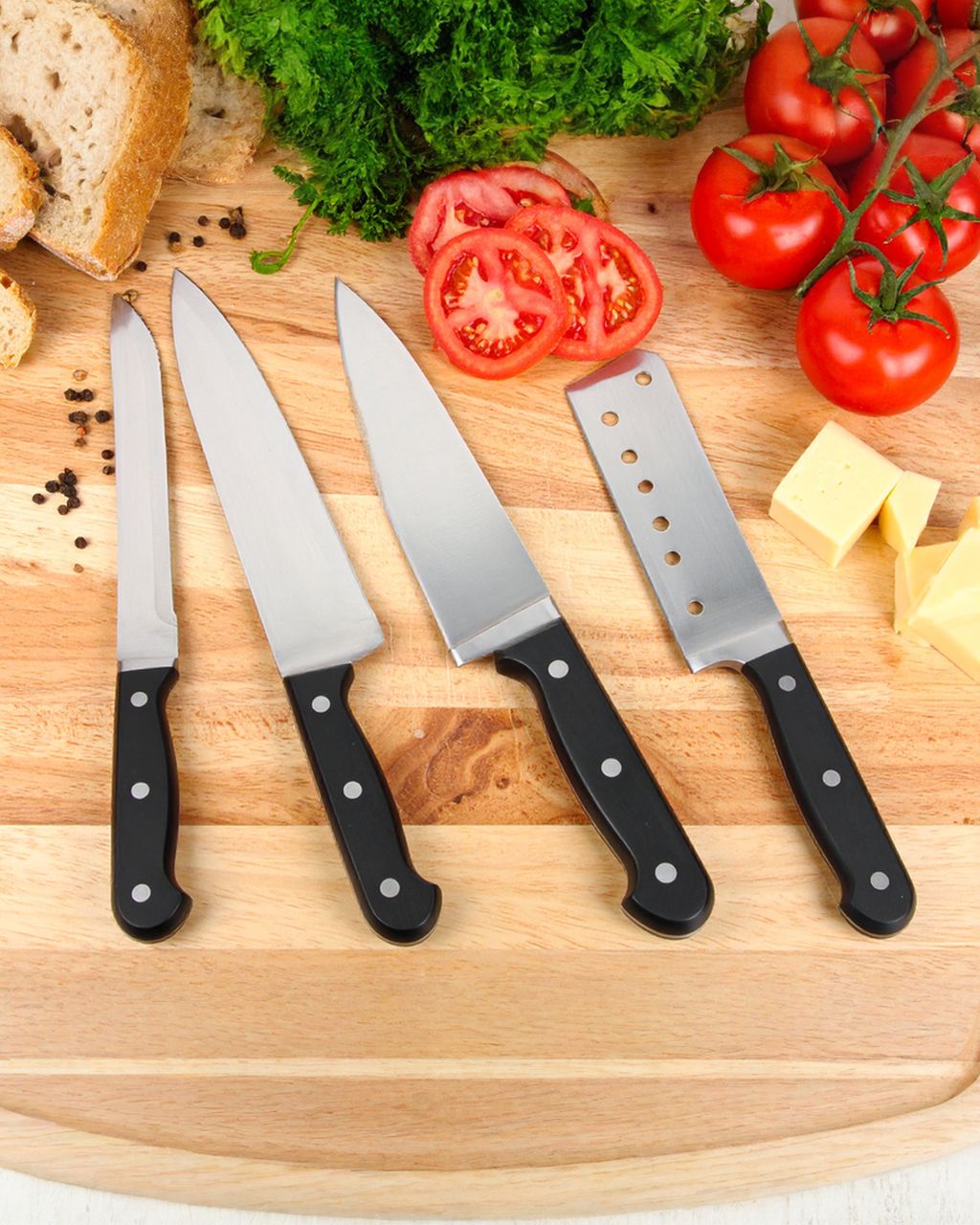
The essential lineup is five knives: the chef's knife (the all-rounder for most tasks), the santoku (Japan's answer for thin slicing), the nakiri (for vegetables), the paring knife (for detail work and peeling), and the bread knife (a serrated blade for bread and tomatoes alike). A filleting knife is the specialist reserved for fish.
Each one has a different blade shape because it's built for a different motion — and that's exactly what should guide your choice.
The chef's knife is the all-rounder that handles most kitchen tasks — slicing, chopping, and mincing herbs. The blade typically runs 18–21 cm with a curved belly that allows for a rocking motion, where the tip never leaves the board. It's the most forgiving choice for beginners: softer European steel forgives mistakes and is easy to realign with a honing steel.

The santoku is Japan's take on the chef's knife, with a shorter (16–18 cm), flatter blade that ends in a distinctive "sheep's foot" tip. It's built for a straight up-and-down chopping motion rather than rocking — ideal if you tend to cut top to bottom. The nakiri has a rectangular blade and specializes in vegetables: its straight edge reaches all the way down to the board, so slices come away clean instead of hanging on by a thread.
Fennel salad with orange dressing
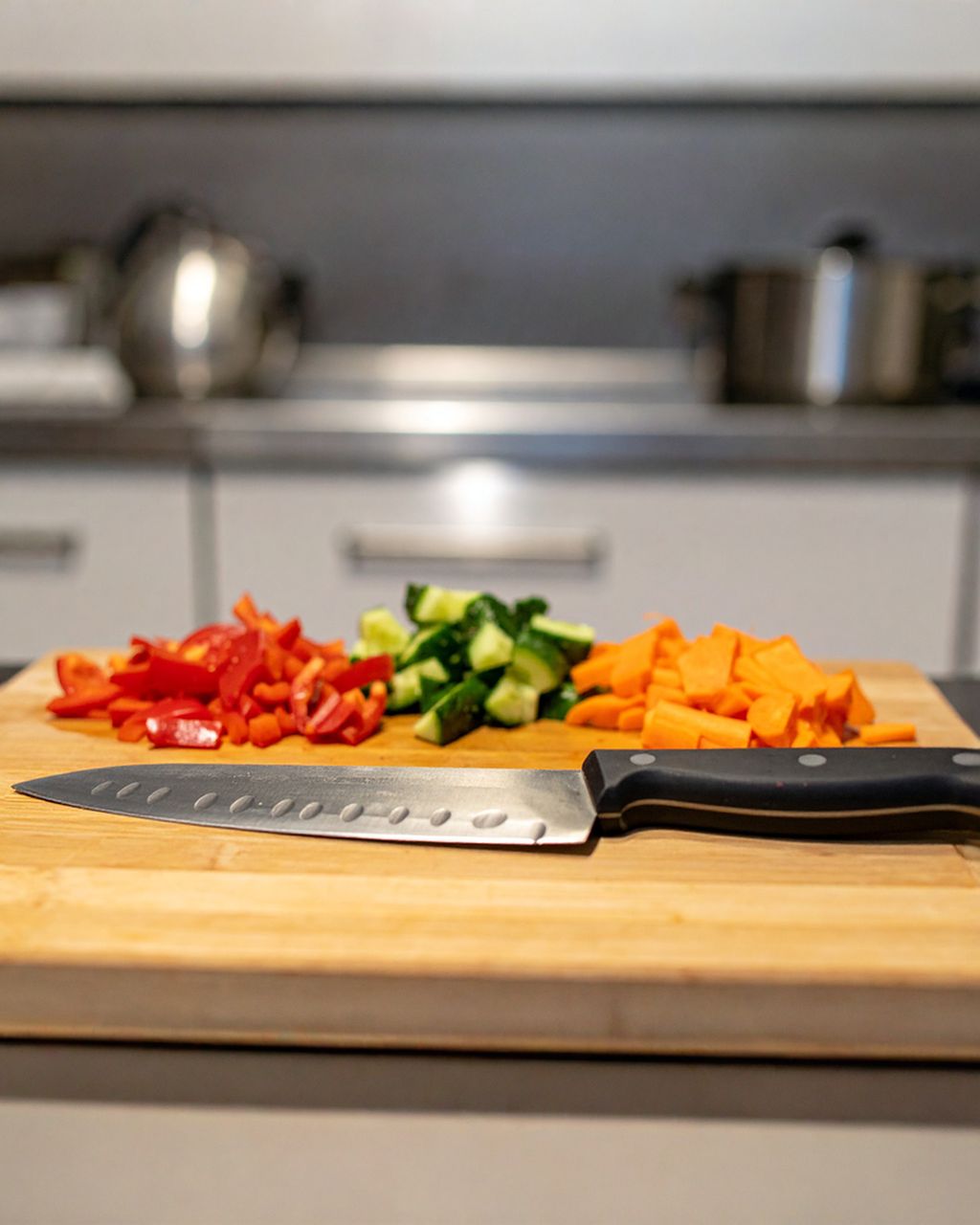
Thin fennel slices put a blade's sharpness to the test: fennel salad with orange dressing
The paring knife has a short 7–10 cm blade and is built for detail work, often done right in your hand — peeling, hulling, cleaning garlic, or cutting small fruit. It's the second knife that really shouldn't be missing from your drawer.
You'll recognize a bread knife by its long serrated blade. The serrations "bite" into a hard crust without you needing to press down, so you don't crush the soft crumb inside. It also works beautifully on tomatoes and other foods with a smooth skin and soft interior.
The filleting knife has a narrow, flexible blade that follows the contours of bones, separating meat from them with minimal waste. If you clean fish regularly, you'll appreciate having one; if not, feel free to leave it out of your kit until you actually need it.
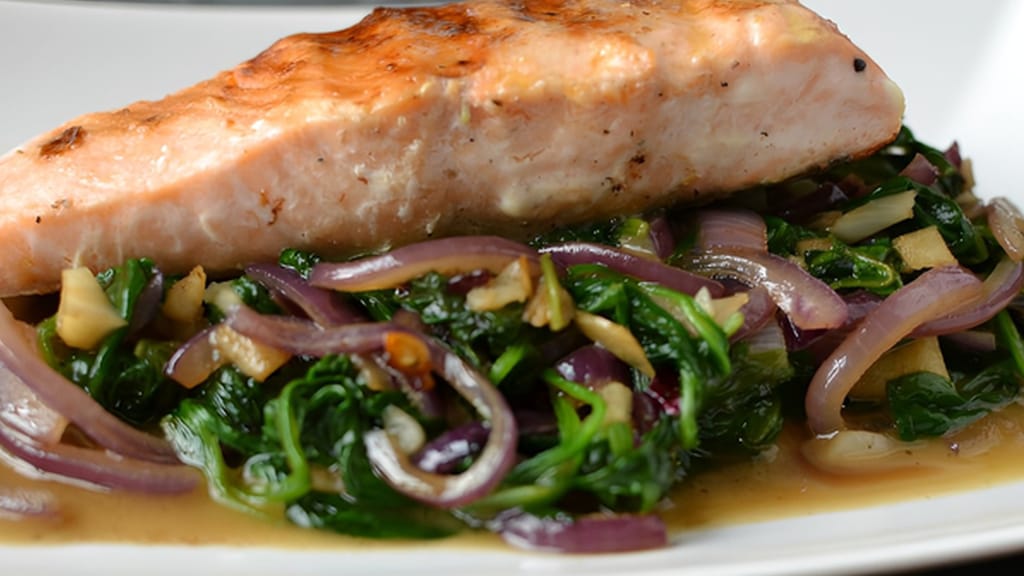
Smoky salmon with quick-wilted spinach
Where a filleting knife really shows its worth: salmon with smoky flavor and quick-cooked spinach
For a home kitchen, stainless steel is the most versatile choice — it holds an edge long enough, resists corrosion, and forgives the occasional mistake. Sharpness fanatics reach for Japanese or carbon steel instead, trading that edge for more demanding upkeep.
Steel hardness is measured on the HRC (Rockwell) scale. European knives typically fall around 54–58 HRC, Japanese ones 58–64 HRC. Manufacturers and knife makers agree on a simple rule: the harder the steel, the longer it holds an edge — but the more brittle it is and the harder it is to sharpen at home.
Stainless steel is the most practical choice for everyday use. It resists corrosion and moisture, holds a decent edge, and needs no special care. That said, the cheapest stainless tends to be soft and dulls quickly — for a quality knife, look at the hardness and steel grade, not just the price tag.
Carbon steel can be honed to a razor's edge and cuts exceptionally cleanly, which is why professionals love it. The trade-off is its vulnerability to corrosion: you need to dry it after every use and occasionally wipe it with a drop of oil. Over time it develops a dark patina — that's not a flaw, but a natural protective layer.
Damascus isn't actually a type of steel but a technique — dozens of layers of steel forged together create that signature wavy pattern. A hard core holds the edge, while softer layers add flexibility. The pattern, though, is mostly decorative; it's the core steel that determines quality, not the layer count, so don't let the pattern alone justify an inflated price.
Ceramic blades are extremely hard, lightweight, and hold an edge for a very long time without sharpening. They're also brittle, though — dropping one or twisting it while cutting can chip or snap the blade, and you can't sharpen it at home. It works well as a supplementary knife for softer foods, not as your main workhorse.
You'll know a knife is comfortable when you hold it in a "pinch grip" — thumb and index finger gripping the blade just in front of the handle — and it settles into your hand perfectly balanced, not tipping forward or back. This grip gives you the most control and tires your wrist the least during longer prep sessions.
Balance matters more than weight. A heavier knife isn't automatically a better one — what counts is that the center of gravity sits roughly where you're holding the knife. For one-piece knives, look for full tang construction, meaning the steel runs the entire length of the handle; it holds up better and balances the blade more effectively.
Worry about handle material after that: wood looks and feels beautiful, but it can't go in the dishwasher and needs the occasional oiling. Composites like pakkawood or Micarta, along with quality plastic, combine a great grip with zero maintenance. Whatever you choose, pick the knife up and hold it — the size of your hand matters more than the material.
Two things people often mix up keep an edge sharp: honing (with a honing steel) simply realigns the edge, and you can do it before every cooking session; sharpening (on a whetstone) removes material to create a new edge, and that only needs doing a few times a year. Regular honing pushes back the need for actual sharpening.
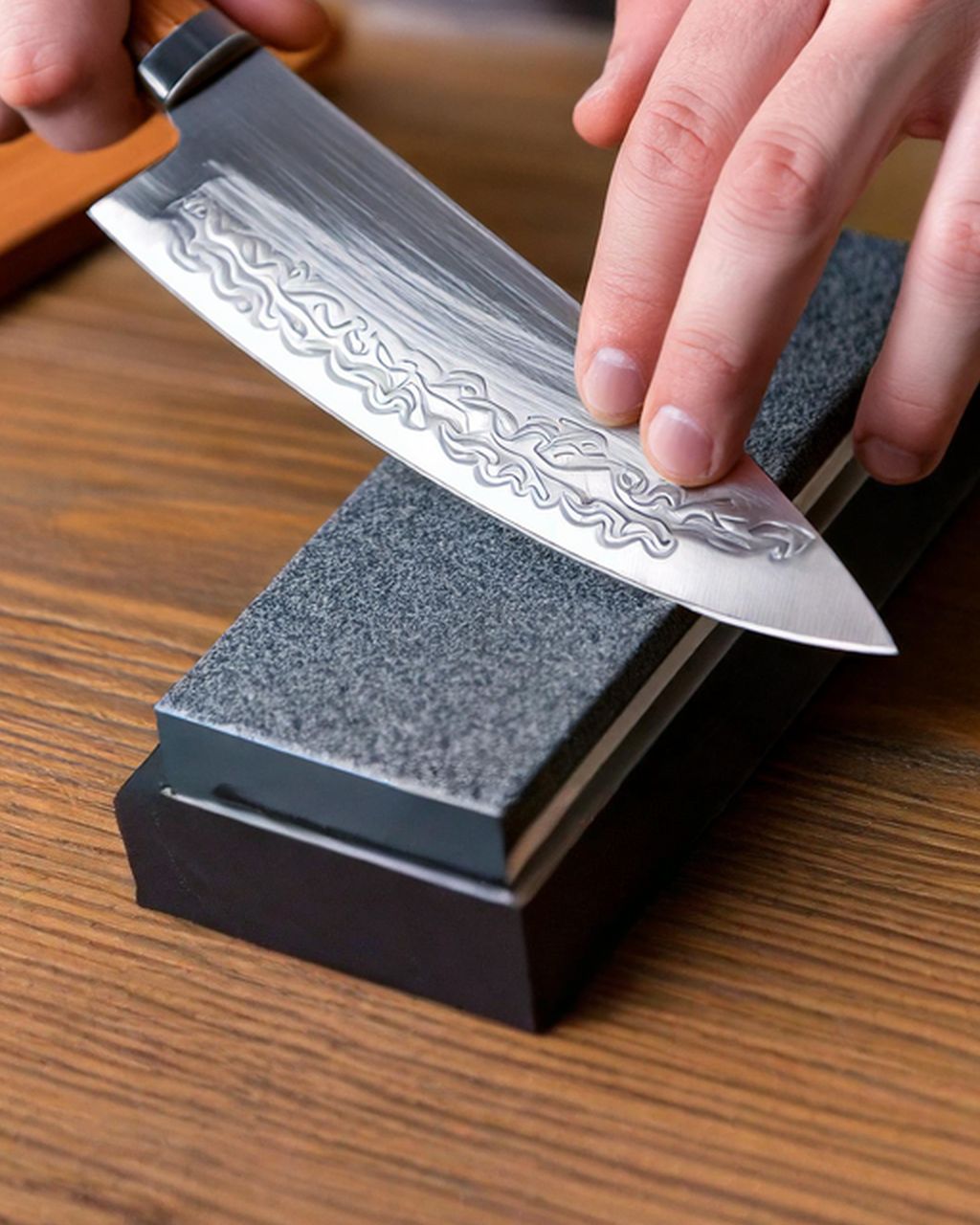
At home, you can sharpen on a whetstone — start with a coarser grit, move to a fine one, and keep a steady angle of roughly 15–20°. If you're not confident, or the blade is badly damaged, hand it to a professional; they'll restore the correct angle better than an unsteady hand. For a step-by-step walkthrough, check out our guide on how to properly sharpen a knife at home.
A few habits that will extend your knives' lives: wash them by hand and dry immediately, store them in a block, on a magnetic strip, or in a sheath (never loose in a drawer, where the edge gets knocked around), and always cut on wood or softer plastic.

A solid home kitchen knife will run you roughly $35–90 and last for years; below that range, you're usually looking at soft steel that dulls fast. Spending hundreds on premium Japanese knives only makes sense once you know exactly what you want from a blade.
Don't just look at the price tag, though. What matters is the steel and craftsmanship, the balance, and how the knife feels in your hand — the most expensive knife in the world is useless if you don't enjoy holding it. Pricier brands often come with longer warranties or sharpening service, too, which pays off over time.
The smartest investment is almost always one truly good chef's knife that you know how to care for, rather than a whole set of mediocre ones.
For beginners, a chef's knife is the more forgiving choice. Its steel is softer and tougher, so it forgives small mistakes, and its curved belly allows for a rocking motion. A santoku, with its harder, finer blade, excels at thin slices and straight up-and-down cuts, but it demands a bit more careful handling.
HRC measures steel hardness on the Rockwell scale. European knives typically sit around 54–58 HRC, while Japanese knives run 58–64 HRC. A higher number means the blade holds its edge longer, but it's also more brittle and harder to sharpen at home.
Hard surfaces dull a blade the quickest — glass, stone, ceramic, and plates all included. Wood is gentlest on the edge because it absorbs the blade's impact; softer plastic works well too. Steer clear of glass and stone for cutting.
Sharpening on a proper stone only needs to happen a few times a year, depending on how often you cook. In between, just realign the edge with a honing steel — even before every big cooking session. Regular honing pushes back the need for real sharpening and keeps the knife sharper for longer.
For most households, a chef's knife with an 18–21 cm blade is ideal — big enough for large vegetables, precise enough for detail work. A shorter 16–18 cm santoku suits smaller hands or tighter counter space. Pair either with a paring knife with a 7–10 cm blade for fine detail.
One recipe worth heating the oven for, one tip, and one deal from the shop. Nothing else.