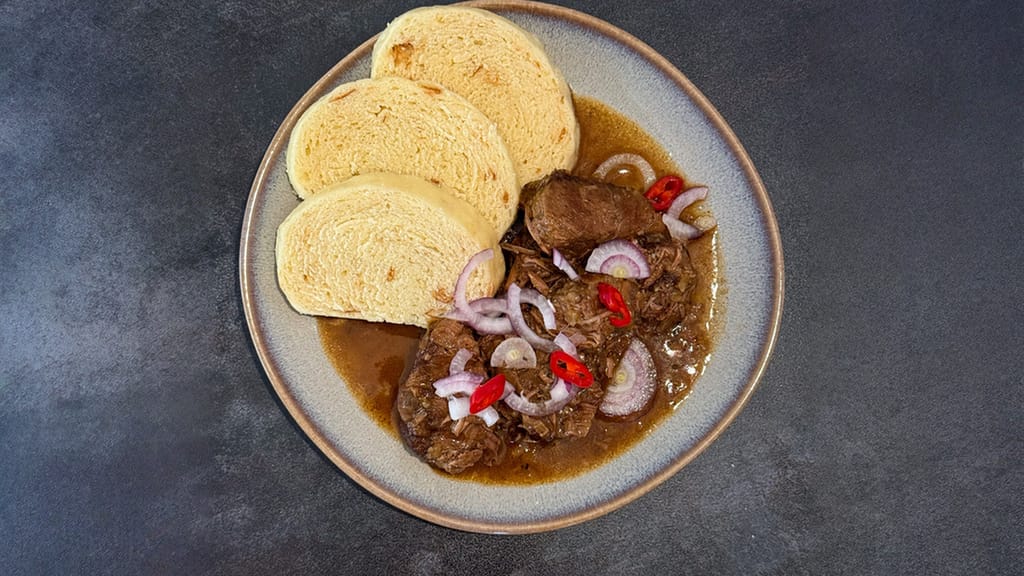
Classic czech beef goulash with chilli and bread dumplings
Goulash in a Pressure Cooker, Slow Cooker or Oven: How Long and How Much Liquid
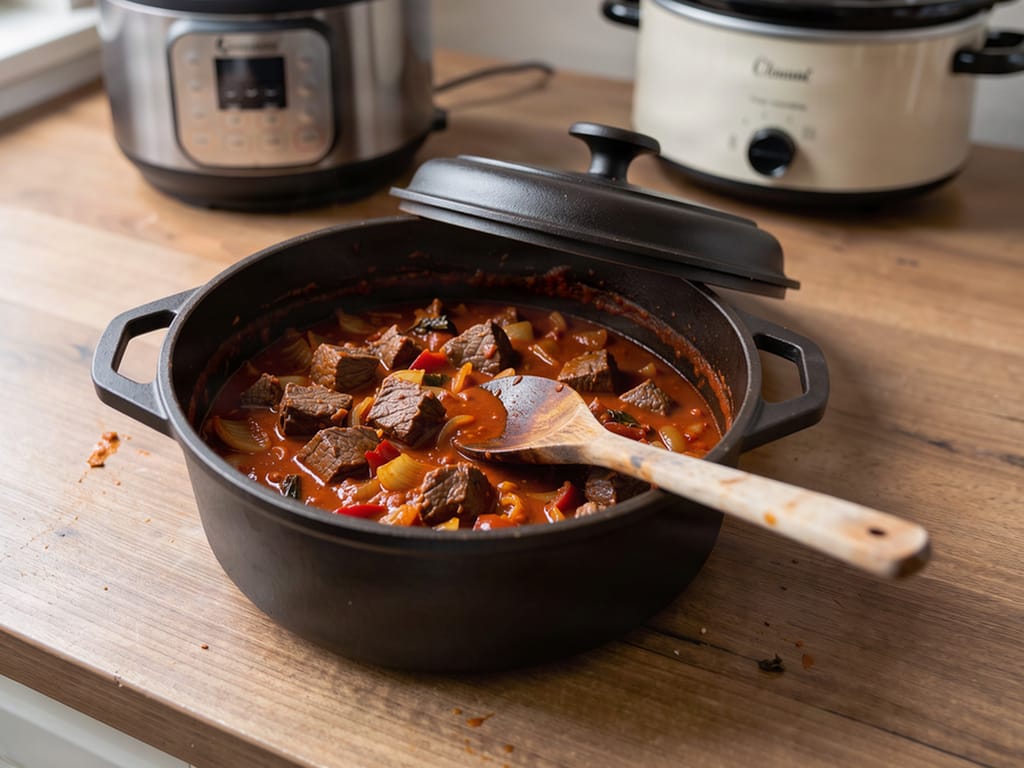
Updated Nov 17, 2026
Beef shoulder goulash is ready in about an hour in a pressure cooker, in 8–10 hours on LOW in a slow cooker, or in 2.5–3 hours at 150–160°C (300–320°F) in a covered pot in the oven. In all three, one rule holds: it needs far less liquid than on the stovetop, because almost nothing evaporates. Always add the paprika at the start, off the heat, and always thicken at the end. Below you'll find exact numbers for each appliance and a guide to converting a stovetop recipe you already know.
Goulash made with 1 kg (2.2 lb) of beef shoulder is ready in 35–40 minutes under pressure in a pressure cooker, in 8–10 hours on LOW in a slow cooker, or in 2.5–3 hours at 150–160°C (300–320°F) in the oven – and in all of them it needs less liquid than on the stovetop.
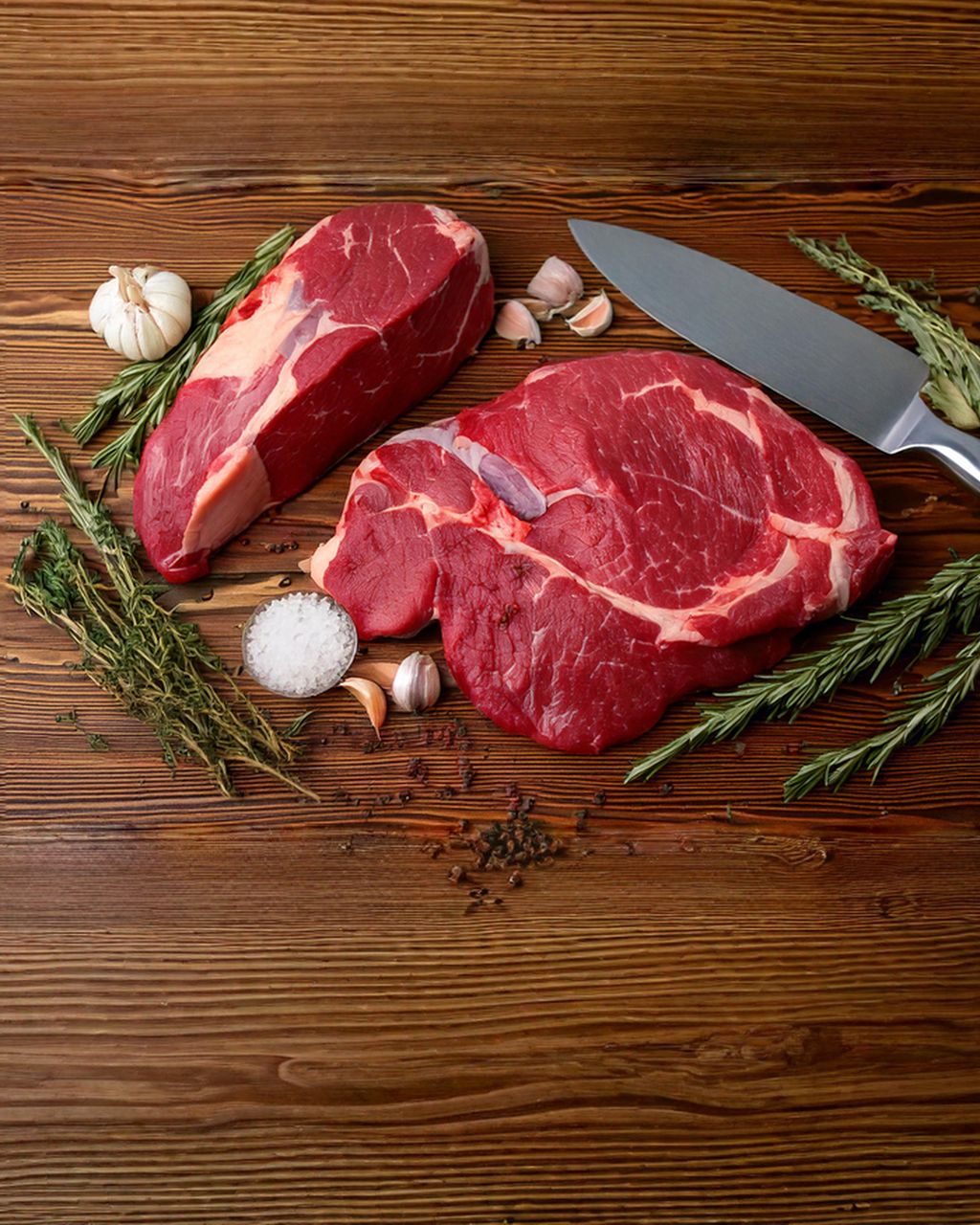
Specifically, for 1 kg (2.2 lb) of shoulder or shin cut into 3–4 cm (1–1.5 in) cubes, and roughly the same weight of onions:
Pressure cooker (electric or stovetop): 35–40 minutes under pressure + 15 minutes of natural pressure release; 350–400 ml (about 1.5–1.7 cups) of liquid (follow the manufacturer's minimum for your pot).
Slow cooker: 8–10 hours on LOW, or 5–6 hours on HIGH; 150–200 ml (about 2/3–3/4 cup) of liquid.
Oven: 150–160°C (300–320°F) with a lid for 2.5–3 hours; 400–500 ml (about 1.7–2 cups) of liquid, topping up as it cooks.
For comparison, the stovetop: 2.5–3 hours of gentle simmering and about 1 l (4 cups) of water, added gradually.
Pork shoulder is done roughly a third sooner in every appliance. Times are a guide – go by the meat, not the clock. It's tender when a cube falls apart under the pressure of a fork. If it still hasn't given way after the time is up, see why goulash turns out tough and how to fix it.
Seasonal baking plans, tested recipes and kitchen tricks that save you time. Unsubscribe in one click.
In a pressure cooker you can make beef goulash in 35–40 minutes under pressure, but only if you follow two rules: enough thin liquid to make steam, and no flour before you close the lid.
Brown right in the pot. Use the Sauté mode on an electric pressure cooker, or the stovetop with a classic one. Let the onion turn golden slowly, even 15–20 minutes – it gives the goulash body and sweetness.
Turn off the heat and only then add the paprika (more in the paprika section below), immediately pour in a little water or stock and scrape the bottom. Stuck-on bits on the bottom are the main reason an electric pressure cooker shows a "burn" warning and refuses to come to pressure.
Add the meat and 350–400 ml (about 1.5–1.7 cups) of liquid per kilo of meat. Instant Pot lists a minimum of 250 ml for a 3-quart pot, 375 ml for a 6-quart and 500 ml for an 8-quart – go by the figure for your model. Tomato paste doesn't count toward this, as it doesn't make steam. With a stovetop pressure cooker, follow the minimum in its manual.
Don't fill above two thirds of the capacity – this is the limit manufacturers give; a thick sauce can cause problems at the valve.
Cook for 35–40 minutes on high pressure (pork 20–25 minutes), then let the pressure drop naturally for 15 minutes. A quick release through the valve tightens the meat and forces the juices out of it.
After opening, finish the sauce and thicken it on Sauté with the lid off. Nothing evaporates in a pressure cooker, so the goulash comes out thinner than from the stovetop – 10 minutes of evaporating fixes that.
If you're unsure, set a shorter time. Undercooked goulash can be closed up and given another 5–10 minutes; overcooked goulash can't be fixed.
Goulash in a slow cooker needs 8–10 hours on LOW or 5–6 hours on HIGH and only 150–200 ml (about 2/3–3/4 cup) of liquid per kilo of meat – under the lid the steam condenses back into the pot and the onions release their own juices.
Cook the onion and paprika in a skillet first. Raw onion in a slow cooker just wilts rather than caramelizing, and the goulash will taste flat. Browning the meat isn't a must, but it adds flavor; if you're in a hurry, at least brown the onion.
Use thawed meat. The US Food Safety and Inspection Service (USDA FSIS) recommends always thawing meat in the fridge first before putting it in a slow cooker: frozen pieces heat up so slowly that they would spend too long at temperatures where bacteria multiply.
Fill the pot between half and two thirds full (USDA FSIS recommendation). A pot that's too empty will dry the goulash out, and an overfilled one won't heat it through in time.
If you can, use HIGH for the first hour, then switch to LOW – according to USDA FSIS, the food gets through the danger zone of temperatures faster that way. Cooking the whole time on LOW is also safe according to the same source.
Don't lift the lid. Every time you open it, the pot cools down and the cooking takes longer; peek only in the last hour.
Thicken for the last half hour on HIGH with the lid off, or pour the sauce into a saucepan and thicken it on the stovetop – that's quicker.
Really do use very little liquid. At first the meat may not be submerged; after a few hours it will be floating in its own juices.
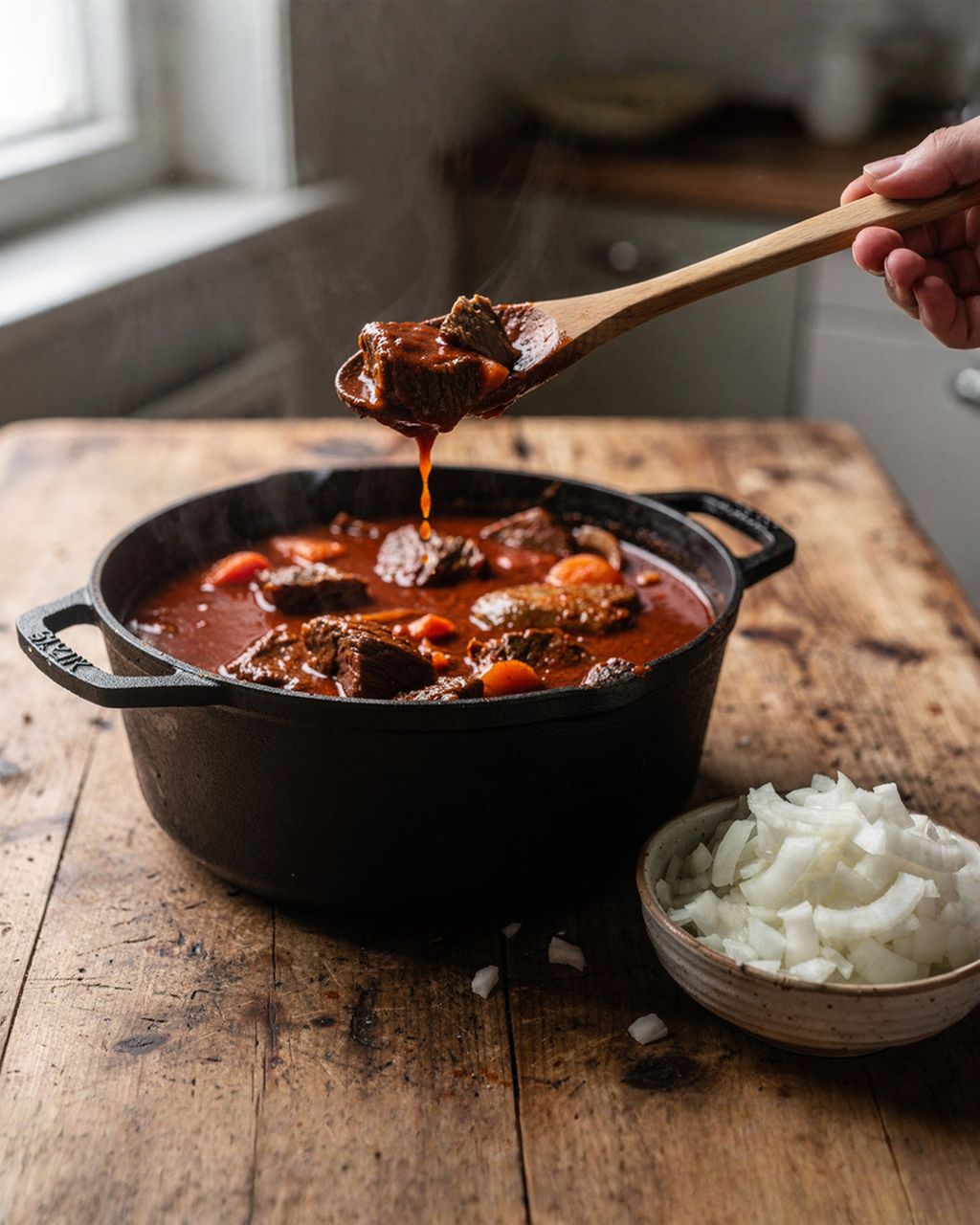
Bake goulash in the oven at 150–160°C (300–320°F) (conventional top and bottom heat; convection 10°C lower) with a lid for 2.5–3 hours; pork for about 2 hours. It's the most convenient way to get a stovetop result without watching over it – the heat comes from all around, so the bottom doesn't scorch.
Pot: a cast-iron pot or roasting pan with a tight-fitting lid. Without a lid the liquid evaporates and the pieces of meat on top dry out.
Liquid: 400–500 ml (about 1.7–2 cups) per kilo of meat, so that the meat is about three quarters submerged. More evaporates in the oven than in a pressure cooker or slow cooker, but less than on the stovetop.
Checking: stir every hour and top up with hot water if needed – cold water needlessly cools the sauce.
Last half hour: if you want a thicker, darker sauce, take off the lid and raise the heat to 180°C (350°F).
A higher temperature won't speed things up. Above 180°C (350°F) the sauce boils hard at the edges, the meat tightens and comes out drier, even when it's floating in juices.
Always add the paprika at the start to the browned onion, but off the heat; always thicken at the end, once the meat is tender.
Paprika: it contains sugars that burn in hot fat within seconds and turn bitter – and you can't fix bitterness. So take the pot off the burner (on an electric pressure cooker, turn off Sauté), stir the paprika into the onion, let it bloom for half a minute and add liquid right away. Only then put it back on the heat. This applies to all three appliances alike.
Thickening: flour, starch or breadcrumbs added before pressure cooking settle on the bottom and burn – and on an electric pressure cooker they often stop it from coming to pressure. In a slow cooker, starch loses its strength over long cooking. That's why it goes in at the end. Which thickener to use, when and how much per liter, we cover in the article how to thicken goulash.
If you want to fine-tune the flavor even further, a piece of dark chocolate stirred in at the end adds depth and a velvety texture to the sauce.
To convert a stovetop recipe, keep the ingredients and spices but reduce the liquid and move the thickening to the end. The time changes with the appliance:
Liquid: from the original of about 1 l (4 cups) of water, use roughly a third to two fifths in a pressure cooker (350–400 ml, never below the manufacturer's minimum), about a sixth to a fifth in a slow cooker (150–200 ml), and about half in the oven (400–500 ml).
Time: 2.5–3 hours on the stovetop corresponds to 35–40 minutes in a pressure cooker, 8–10 hours on LOW in a slow cooker and 2.5–3 hours in the oven at 150–160°C (300–320°F).
Onion and paprika: the method doesn't change – they're always cooked first, even if you then cook in a slow cooker.
Flour for dusting the meat: stovetop recipes often have you coat the meat in flour. In the oven you can keep it, just dust more lightly. For the pressure cooker (it burns) and the slow cooker (the starch loses its strength over 8 hours), skip this step and thicken at the end.
Spices: add marjoram and garlic at the end, as long pressure cooking or 10 hours in a pot cooks away their aroma. Caraway and bay leaf last the whole time.
Extra potatoes or vegetables: in a pressure cooker they turn to mush in 35 minutes; add them after opening and cook for 10 minutes.
A base you can start from is our classic beef goulash with bread dumplings.
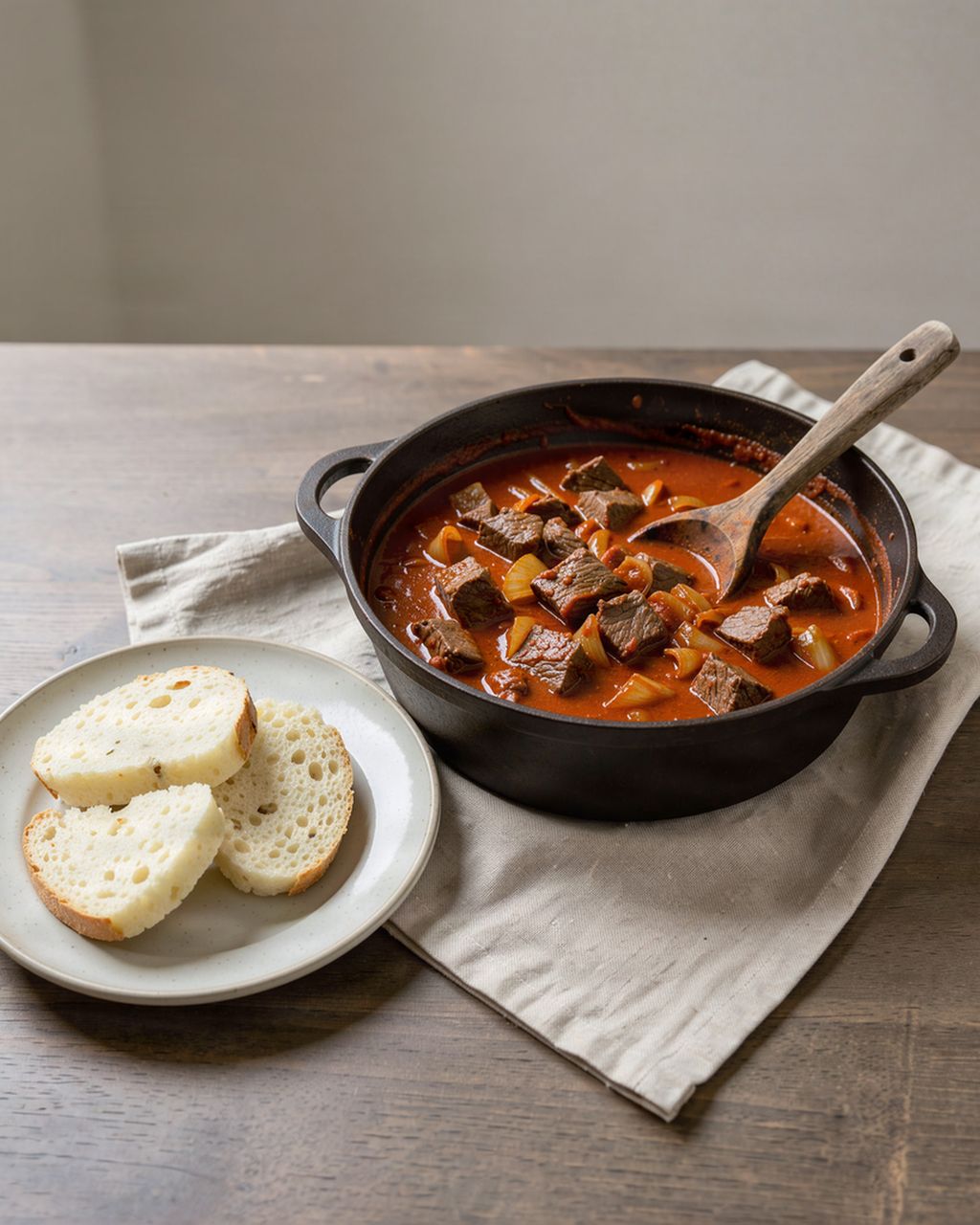
Classic czech beef goulash with chilli and bread dumplings
Classic beef goulash – a recipe you can convert for a pressure cooker, slow cooker or oven
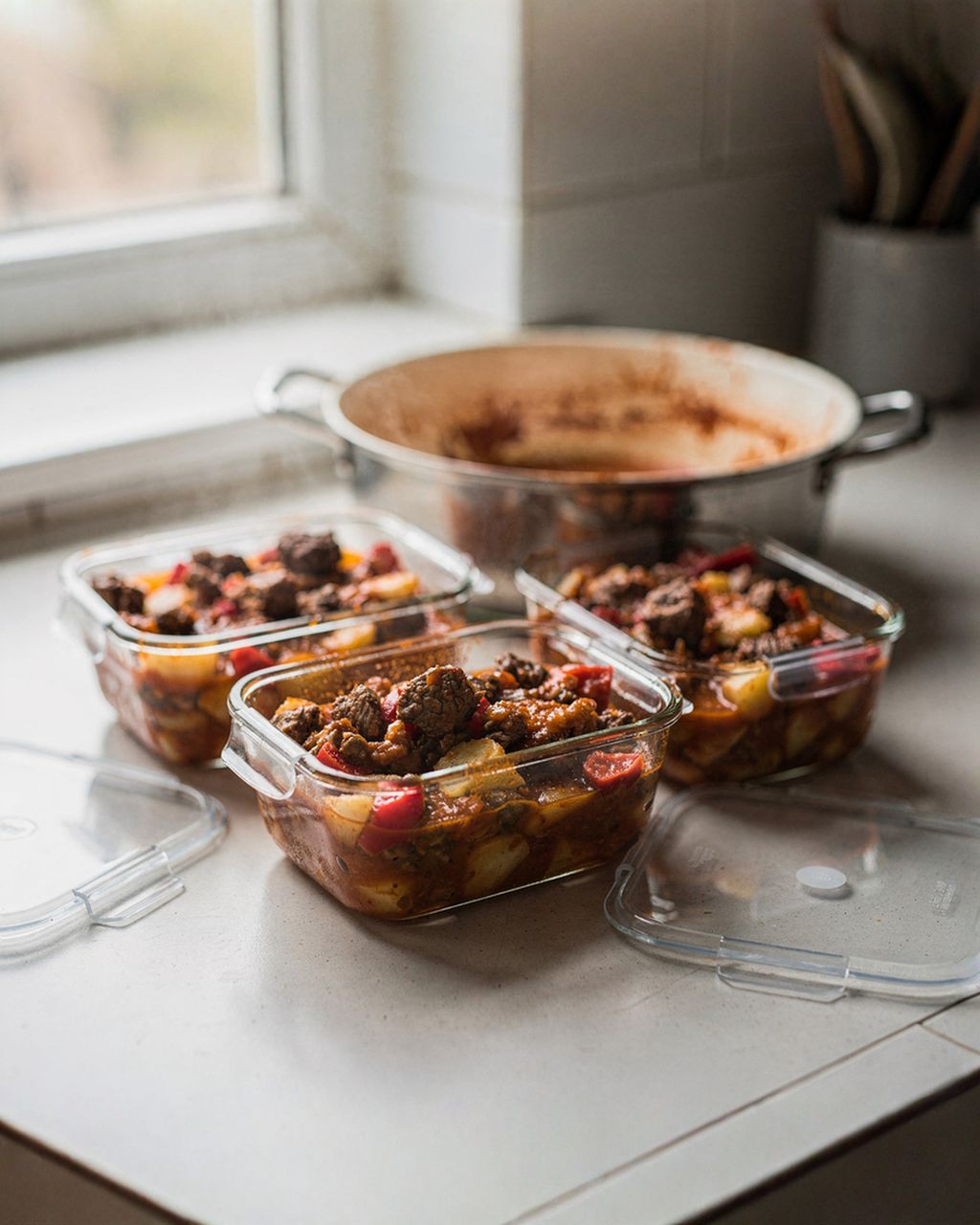
Put cooked goulash in the fridge within 2 hours – according to USDA FSIS, cooked food shouldn't stay at room temperature longer. Divide it into shallower containers so it cools quickly, and don't leave the slow cooker on WARM all day after cooking. For how long it keeps in the fridge and freezer, see the article how long goulash keeps.
Yes. Pork shoulder goulash needs 20–25 minutes under pressure in a pressure cooker, and game takes about the same as beef, so 35–40 minutes. Game is lean, so brown it in lard or with a piece of bacon, or it will turn out drier. The other rules stay the same: paprika off the heat, liquid at least at the manufacturer's minimum, and thicken only after opening the lid.
For chunks of around 5 cm (2 in), add about 10 minutes under pressure to the 35–40 minutes. Don't put a whole piece of meat in the pressure cooker for goulash: the middle stays tough while the edges fall apart. If you're unsure, cook for a shorter time and add 5–10 minutes if needed.
Yes. 8–10 hours on LOW is just right for overnight, and according to USDA FSIS, cooking on LOW is safe. In the morning, though, don't leave it on WARM all day: eat it, or within 2 hours divide it into shallow containers and refrigerate. You can thicken it in the morning, for the last half hour on HIGH with the lid off.
It happens because onion, paprika or flour is stuck to the bottom, or because there isn't enough thin liquid in the pot. Turn it off, release the pressure, pour the goulash into another pot, scrape the bottom and return it with an extra 100–150 ml (about 1/2 cup) of water or stock. Add thickeners only after pressure cooking.
No. USDA FSIS doesn't recommend reheating leftovers in a slow cooker, because the food heats up too slowly. Reheat refrigerated goulash on the stovetop, in the oven or in the microwave until it starts to boil; FSIS gives 74°C (165°F) inside, and for sauces, simply bring them to a boil. Only then can you pour it into a slow cooker, which will keep it hot on WARM.
One recipe worth heating the oven for, one tip, and one deal from the shop. Nothing else.