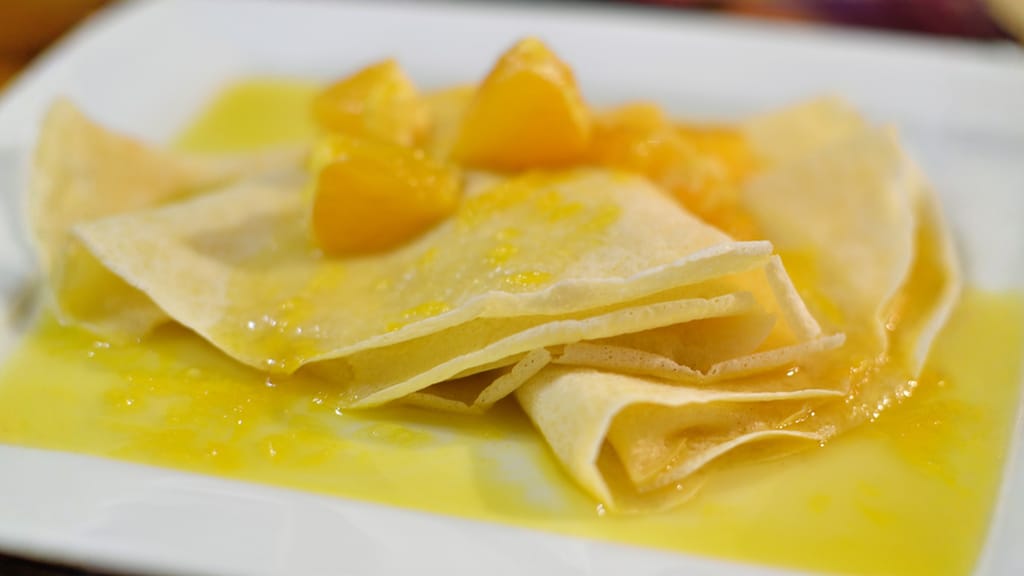
French delight: crêpes suzette
Flambéing Step by Step: How to Safely Set Food Alight at Home

Updated Jul 19, 2026
Flambéing is a technique where you pour strong alcohol (at least 40% ABV) over a hot dish and set the fumes alight — an impressive blue flame flares up and the food gets a lovely caramelized edge. You can pull it off at home in a regular pan once you know which alcohol to use, when to light it, and how to do it safely. Here's the full method, plus something most guides leave out: most of the alcohol actually stays in the food.
Flambéing means pouring strong alcohol over a hot dish and setting the fumes alight — the alcohol burns off quickly, leaving behind aroma and a striking blue flame flaring above the pan. What actually burns is the alcohol vapor, not the food itself.
For the vapor to form at all, both the food and the alcohol need to be hot. Ethanol starts evaporating at around 78°C (172°F), so the pan should be at least 80°C (175°F) — otherwise the flame simply won't catch. The lit vapor flares briefly and burns for only a few seconds; you'll see it as a bluish haze, since pure alcohol burns blue.
The technique comes from French cuisine and is older than you might expect — though interestingly, the flame in the famous Crêpes Suzette was actually added later on. Escoffier described the dish in the early 20th century without the final flambé step. So a lot of the tableside effect is really theatre — just theatre done well.
Seasonal baking plans, tested recipes and kitchen tricks that save you time. Unsubscribe in one click.
No. A short flambé only burns off part of the alcohol — according to USDA data, as much as around 75% of the original alcohol content can remain in the dish. The flame only lasts a few seconds and mainly burns off the alcohol sitting on the surface.
If you want less alcohol in the final dish, let the sauce simmer a bit longer after the flame dies down — the longer it cooks, the more alcohol evaporates. Conversely, a quick flambé with no further cooking leaves the most alcohol behind.
So flambéed food isn't alcohol-free. Keep that in mind if you're cooking for kids, pregnant guests, or drivers — a noticeable trace of alcohol aroma remains.
Honestly, the flavor difference is subtle, and a large part of the magic of flambéing is the tableside spectacle. If you taste a flambéed dish next to the same dish where the alcohol was simply simmered off briefly, they'll taste pretty similar.
What the flame actually does: it burns off the alcohol's sharp rawness, lightly caramelizes sugars on the surface, and adds a touch of toasty aroma. But most of the flavor actually develops afterward — when you build a sauce from the pan drippings (fond) and the reduced alcohol. So if the show isn't the point for you, you can get a very similar result without the flame at all, just by letting the alcohol simmer briefly in the pan.
At home, five things will get you there: a heavy pan with high sides, a long lighter (or long matches), a measuring jug for the alcohol, a lid, and a clear surface free of anything flammable.
A pan with high sides made of stainless steel or cast iron — the higher sides help contain the flame, and the material can handle intense heat. It's best to avoid non-stick pans for a strong flame.
A long lighter or long matches — you want to light from a distance, not with your fingers right over the pan.
A measuring jug or small glass — always measure out the alcohol away from the stove; never pour straight from the bottle over an open flame.
A lid — your fastest fire-suppression tool; clapping it on cuts off the flame's oxygen supply.
A clean, well-ventilated space — clear away tea towels, napkins, and paper, and make sure there's no greasy extractor filter sitting directly above the flame.

You can flambé with anything that's at least 40% ABV — most commonly cognac or brandy, dark rum, fruit brandy, or orange liqueur. Wine and beer won't catch, since they simply don't have enough alcohol.
Cognac and brandy are the most versatile choice — they tend to flame nicely, and their mellow, slightly woody aroma pairs well with desserts (pancakes, fruit) as well as meat (steak, chicken liver). If you're not sure where to start, start here.
Dark rum brings sweet, caramel notes that pair beautifully with fruit and chocolate. The best-known example is flambéed bananas — bananas foster. Rum often produces a slightly smaller flame than cognac, which is handy in a smaller kitchen.
Fruit spirits are wonderful with fruit: kirsch (cherry brandy) with cherries, calvados with apples, plum brandy (slivovitz) with plums. They have a distinct, clean aroma that blends beautifully with baked fruit once flambéed.
Liqueurs like Grand Marnier or Cointreau add a citrusy, almost herbal character — ideal for pancakes or duck with orange. One catch: liqueurs are high in sugar, so the flame tends to be lower and burns more easily. They're sometimes mixed with a splash of cognac to help them catch better.
Alcohol content: go for something at least 40% ABV, or it simply won't catch.
Quantity: stick to 30–50 ml per portion — more alcohol means a bigger, harder-to-control flame.
Warming it up: slightly warmed alcohol catches more easily than cold — just hold it near heat for a moment first.
The method is simple as long as you keep the order right — hot food first, then alcohol off the heat, and only then the flame.
Get the dish almost fully cooked and keep it hot in the pan (fried pancakes, seared steak, fruit in butter).
Measure out 30–50 ml of alcohol at least 40% ABV into a glass. If you like, hold it near heat for a moment so it's slightly warm.
Take the pan off the heat and pour the alcohol in along the edge, next to the food.
Lean back and use a long lighter to ignite the vapors at the edge of the pan. The flame will flare up.
Let the flame burn out on its own (a few seconds), or gently swirl the pan so the alcohol burns evenly.
Once the flame dies down, deglaze the pan for a sauce if you like, and serve immediately.
Alcohol that's too weak. Wine, beer, or liqueur under 40% won't catch — use a proper spirit instead.
A cold pan. Without heat, the vapors won't form and the flame won't catch. Always flambé while the food is hot.
Too much alcohol at once. Leads to a sudden, bigger flame and higher risk of burns — stick to 30–50 ml.
Pouring straight from the bottle over the flame. By far the most dangerous mistake — it risks the fire flashing back into the bottle.
The best way to learn flambéing is on an actual dish. These recipes from Yumsta are perfect for it — in both, the flame comes right at the very end.
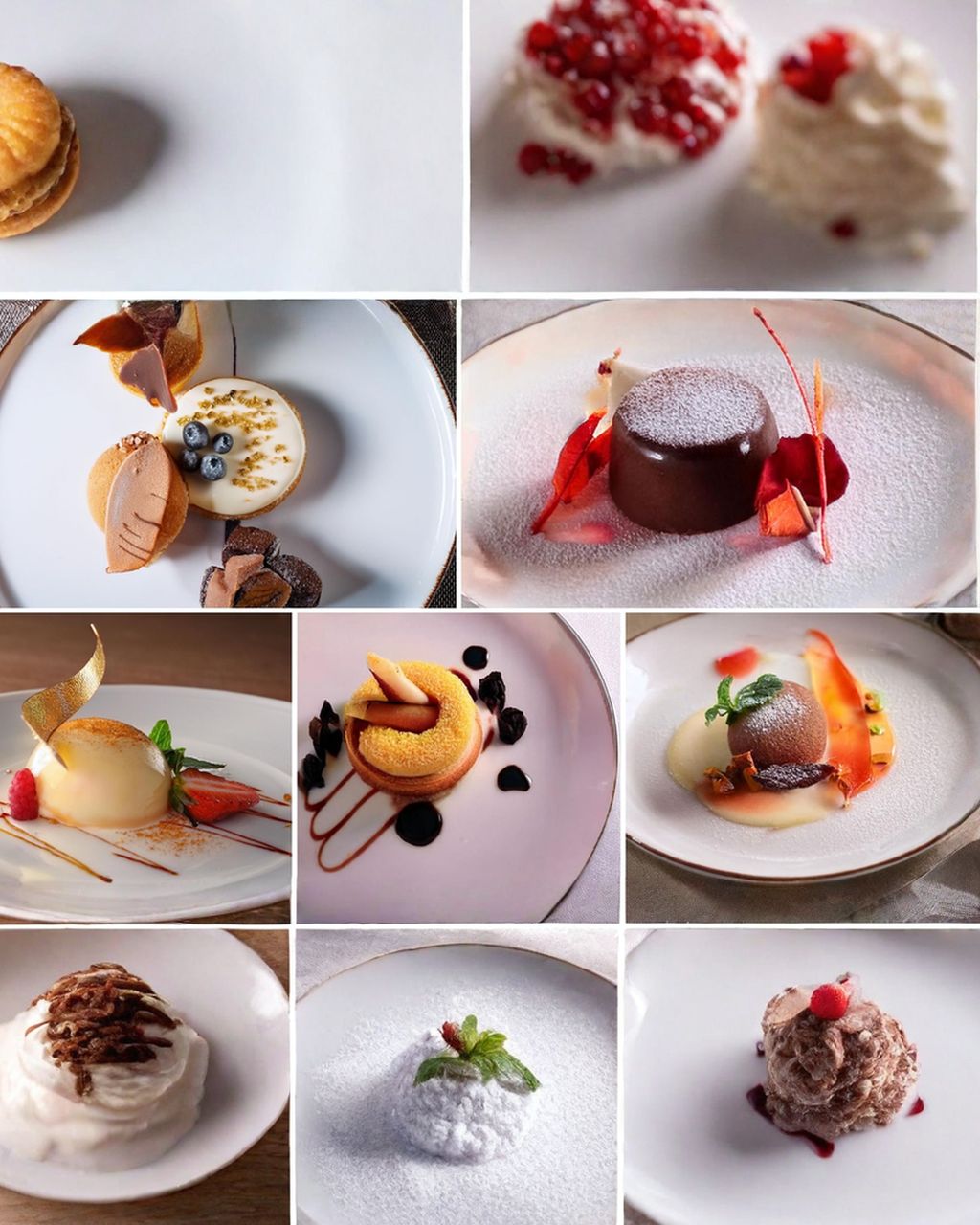
French delight: crêpes suzette
Crêpes Suzette — flambéed pancakes with orange liqueur
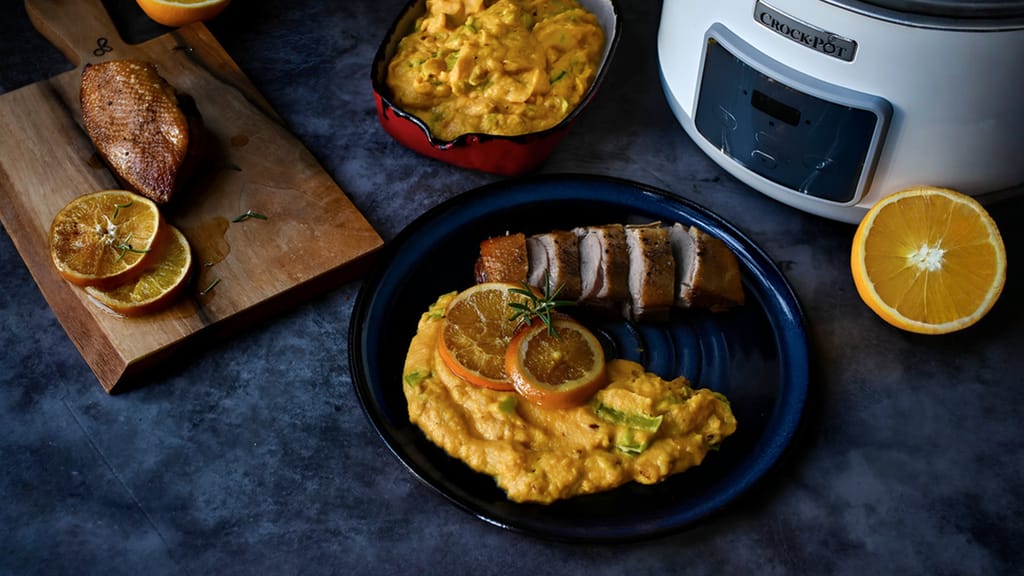
Slow cooker duck breast with orange
Duck breast with orange, perfect for flambéing with Grand Marnier

Two flambéing icons don't have a dedicated recipe with us yet: flambéed steak with brandy sauce and flambéed bananas with dark rum (bananas foster). Until we've written up a proper method for these, stick to the basic principle: sear the steak, take it off the heat, pour in 50 ml of brandy, light it, and once the flame dies down, finish with a splash of cream; for the bananas, sauté them in butter with a little sugar, pour over dark rum, and light it. In both cases, just let the flame burn out on its own.
The usual culprits are alcohol that's too weak or a dish that's too cold. Flambéing needs a spirit of at least 40% ABV and a hot pan (around 80°C/175°F), because it's the alcohol vapors that burn — and they won't form off cold food. Warming the alcohol slightly before lighting it helps too.
No — wine and beer simply don't have enough alcohol to flambé. You need roughly 40% ABV or more, so think cognac, brandy, rum, fruit brandy, or a strong liqueur. Wine works better for a slow reduction in a dish than for setting alight.
Yes, but you won't get a flame from the burner itself like with gas, so pull the pan off the heat and light the alcohol by hand with a long lighter. With induction, you'll often need to lift the pan slightly too, since it stops heating once it loses contact with the surface — so have your lighter ready and the alcohol measured out beforehand.
The closest swaps are dark rum or a fruit brandy (kirsch, calvados, plum brandy), or an orange liqueur like Grand Marnier. The key requirement stays the same — at least 40% ABV. Let the dish guide you: rum suits fruit and chocolate, while brandy works better with meat.
Generally not. A quick flambé only burns off part of the alcohol, and a significant amount stays in the food (USDA data suggests around 75% can remain). So flambéed dishes aren't ideal for children, pregnant women, or drivers unless you reduce the alcohol further by continuing to cook it.
One recipe worth heating the oven for, one tip, and one deal from the shop. Nothing else.