Soft, fluffy and perfect easter lamb cake
Easter Lamb Cake: Tin, Turning Out & Moist Batter, Step by Step

Updated Jul 19, 2026
An Easter lamb cake usually goes wrong for one of two reasons: it sticks to the tin, or it dries out. Both are easy to avoid once you know how. In this guide we'll walk through choosing and prepping the right tin, turning the lamb out in one piece, keeping the batter moist, what will actually stay fresh for a few days, and which batter — sponge, creamed, or oil-based — suits you best. No fluff, just what you really need to know before the oven goes on.
An Easter lamb cake is a sweet sponge or creamed-batter cake baked in a tin shaped like a lying lamb — a symbol of Easter that in Christianity represents Jesus Christ, his innocence, and his sacrifice.
Its roots go back further still. Historians link the sweet lamb to the Jewish tradition of the Passover lamb sacrifice, tied to the Israelites' exodus from Egypt; in Christianity it came to symbolise innocence and new beginnings. In the Czech lands, the lamb cake has appeared since roughly the 17th century — in villages it was baked from sugar and butter, while in townhouses it was shaped from marzipan.
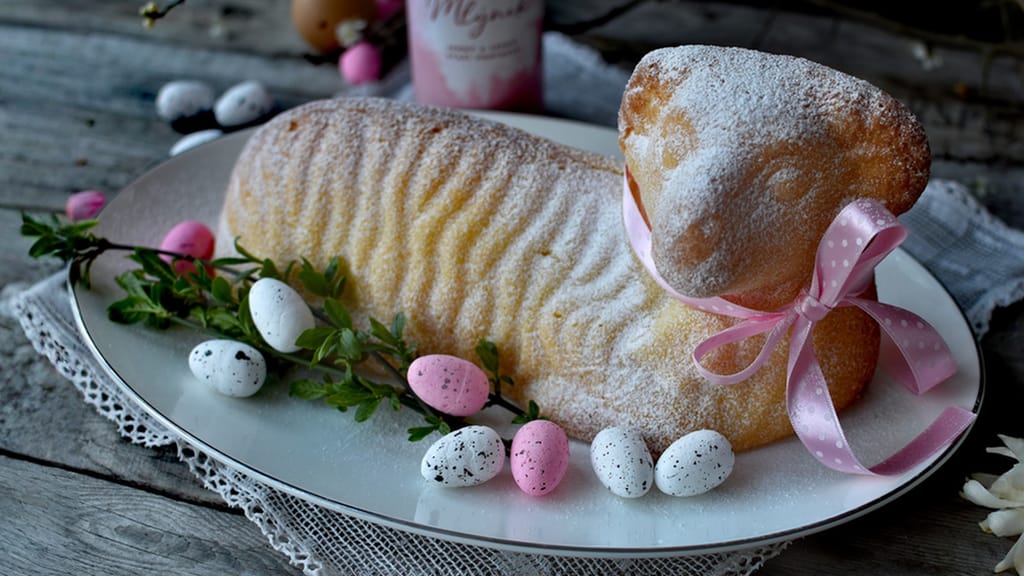
Today the sweet version made from sponge or creamed batter is the most popular here, dusted with icing sugar or coated in icing, with a raisin or almond for an eye and a ribbon tied around its neck. A similar baked lamb cake also appears in France's Alsace region, Poland, Germany, and Italy — so it's not purely a Czech specialty.
Soft, fluffy and perfect easter lamb cake
Moist, fluffy, and perfect Easter lamb cake — a tried-and-tested basic recipe
Grease the tin thoroughly with soft butter, getting into every fold, ear, and snout, then dust it with coarse flour or breadcrumbs — this double layer is the single most important thing for getting the lamb out of the tin cleanly. Skip this step and no amount of clever turning-out tricks will save you later.
Silicone is easiest to turn a lamb cake out of, ceramic gives the nicest golden crust, and metal is the cheapest option but browns the most. Pick based on what matters most to you, from these three:
Ceramic tin – distributes and holds heat evenly, so the cake bakes to a lovely golden colour. It's heavy and fragile and heats up more slowly, so allow a bit of extra baking time.
Silicone tin – light and flexible, making it the easiest to release the cake from. It's a bit wobbly though; set it on a solid baking tray before filling so it doesn't warp when you move it.
Metal tin – cheap and sturdy, but browns the most. It's worth dusting it a little more generously and keeping an eye on the edges, which colour faster.
Prepping the tin takes four steps: grease it with butter, dust it with flour or breadcrumbs, place a silicone tin on a baking tray for support, and fill it only about two-thirds full, not to the brim. Here's the detail:
Grease with butter. Using a pastry brush or your fingers, work soft (not melted) butter into every detail — ears, snout, tail. Don't forget both halves of the tin.
Dust with flour or breadcrumbs. Sprinkle a handful of coarse flour into the greased tin, tilt it to coat the whole surface, then tap out the excess. Breadcrumbs give the crust a slightly crisper finish.
Support a silicone tin. Place a silicone tin on a baking tray before filling, so you can transfer it to the oven without spilling.
Don't fill to the brim. The batter will rise as it bakes; fill the tin about two-thirds full so the halves don't separate at the seam.
If the cake won't release, first let it cool for 3–5 minutes, then gently tap all the way around the tin before turning it out — that's usually all it takes. If it's still stuck, cold or steam can help:
Tap the tin. Use the blunt end of a spoon to tap all the way around the edge, loosening the batter from the sides.
Wrap it in a damp tea towel. Wrap the tin in a cold, well-wrung-out damp tea towel for a few minutes. The surface of the batter will contract slightly and release.
Try steam. For a stubborn tin, hold the base briefly over steam from a pot — the heat and moisture will loosen the edges.
Don't force it. Don't pry the cake out with force; give it another minute instead, and turn it out onto a soft tea towel rather than a hard wire rack, so the snout doesn't snap off.
And above all, prevention: plenty of fat in the batter and on the tin, plus thorough dusting, do most of the work long before the oven is even switched on.
A moist lamb cake comes down to five things: don't overbake it, add curd cheese or soured cream to the batter, replace part of the flour with ground nuts or almonds, swap some of the butter for oil, and don't skimp on fat. Each of these helps the batter hold on to moisture.
Don't overbake. The most common cause of a dry lamb cake is baking it too long. 170–180°C plus a skewer test is plenty.
Curd cheese or soured cream. Replace part of the liquid with semi-fat curd cheese or soured cream — they add moisture that lasts for several days.
Nuts and almonds. Replace roughly a third of the flour with finely ground almonds or hazelnuts; the fat from the nuts locks in moisture and gives a fuller flavour. Ground coconut works similarly, just with a more exotic edge.
Oil instead of some of the butter. Oil stays liquid even once cooled, so the cake is still soft on day three. A combination of kefir and oil works brilliantly.
Whisk egg whites separately. For sponge batter, whisk the egg whites to stiff peaks and fold them in at the end — this makes the crumb light without adding extra fat.
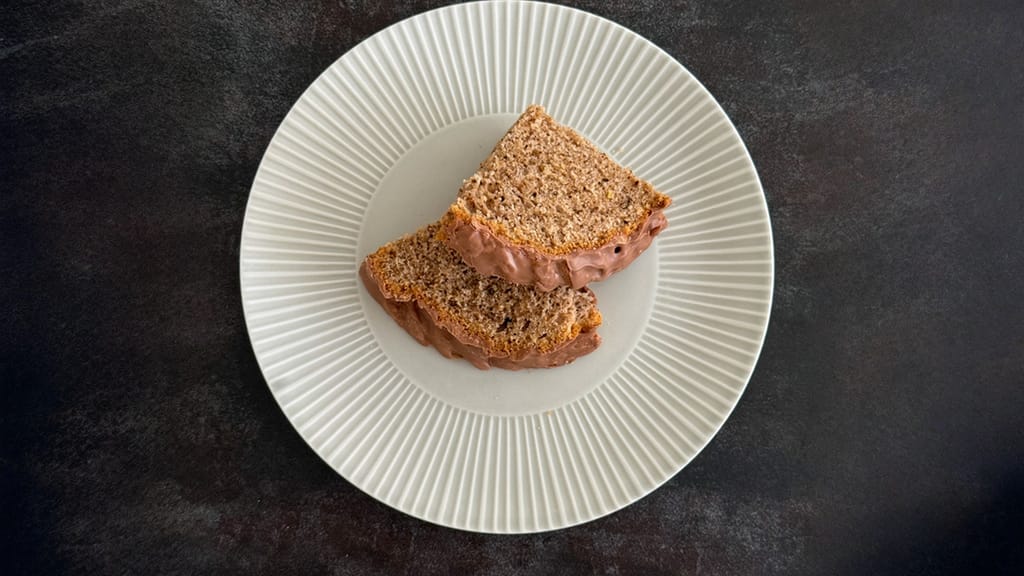
Traditional walnut easter lamb cake with chocolate glaze
Traditional nutty Easter lamb cake with chocolate icing — a moist recipe with ground nuts
Sponge batter is the lightest and most delicate but dries out fastest; creamed batter is the richest and stays fresh the longest; oil-based batter is the compromise — moist, soft, and the easiest to make. Choose based on whether you want lightness, full flavour, or fuss-free staying power.
Sponge batter relies on well-whisked eggs and comes out airy, light, and delicate. Because it contains so little fat, though, it dries out fastest — pair it with lemon icing or chocolate cream and eat it within two days for the best result. It's the choice for anyone who likes their lamb cake delicate and fluffy.
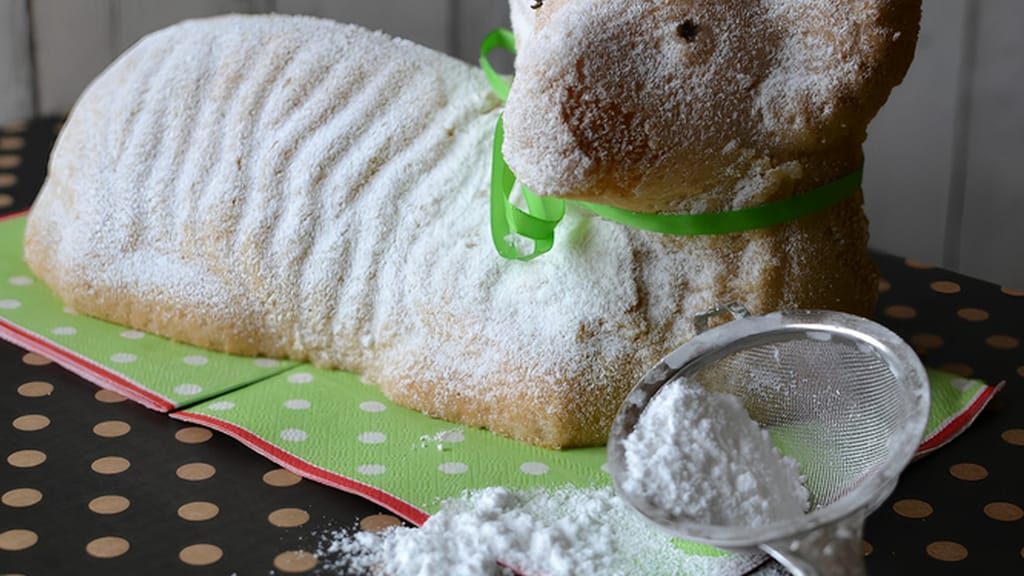
Easter lamb sponge cake
Easter lamb cake made with sponge batter — light and fluffy, step by step
Creamed batter, with a higher proportion of butter, is dense, rich, and stays fresh the longest. A lamb cake made this way is heartier and more filling — the choice for full flavour. The classic version is the nutty one with chocolate icing, which stays moist for several days thanks to the fat from both the butter and the nuts.
Oil-based batter is a compromise between sponge and creamed: oil instead of butter adds moisture without heaviness, and it mixes more easily than creamed butter. The texture is fine, and the cake won't dry out even after a few days. It's the least effort for the most reliably moist result.
A moist Easter lamb cake keeps for 3–4 days if stored in a sealed container or wrapped in foil at room temperature — not in the fridge, which dries cakes out. Eat a sponge version within two days; creamed and oil-based versions keep a bit longer thanks to their higher fat content. Cover the cut side so the crumb doesn't go stale.
Yes — once baked and completely cooled, it freezes well for up to two months. Wrap it undecorated in foil, then in a freezer bag, so it doesn't pick up freezer odours. Thaw slowly at room temperature, and only add icing or sugar just before serving.
If you don't have a lamb-shaped tin, use a smaller Bundt tin or a loaf tin and simply hint at the lamb shape with decoration, or bake a sponge sheet and cut out a lamb shape using a paper template. You can also build a more three-dimensional version from two layers sandwiched with jam and coated in icing. It won't affect the taste at all.
Cracking usually happens because the oven is too hot, which sets the surface quickly while the inside is still rising. Bake at 170–180°C and fill the tin no more than two-thirds full. It tends to snap at the waist mainly when you turn it out while still hot — let it rest for 3–5 minutes and turn it out onto a soft tea towel.
The simplest option is a dusting of icing sugar once the cake has cooled; classic decorations also include white or lemon icing and chocolate. Make an eye from a raisin, almond, or clove, tie a ribbon around its neck, and arrange decorated eggs and fresh greenery on the serving plate alongside it. Only apply icing once the cake is completely cold, or it will run.
One recipe worth heating the oven for, one tip, and one deal from the shop. Nothing else.