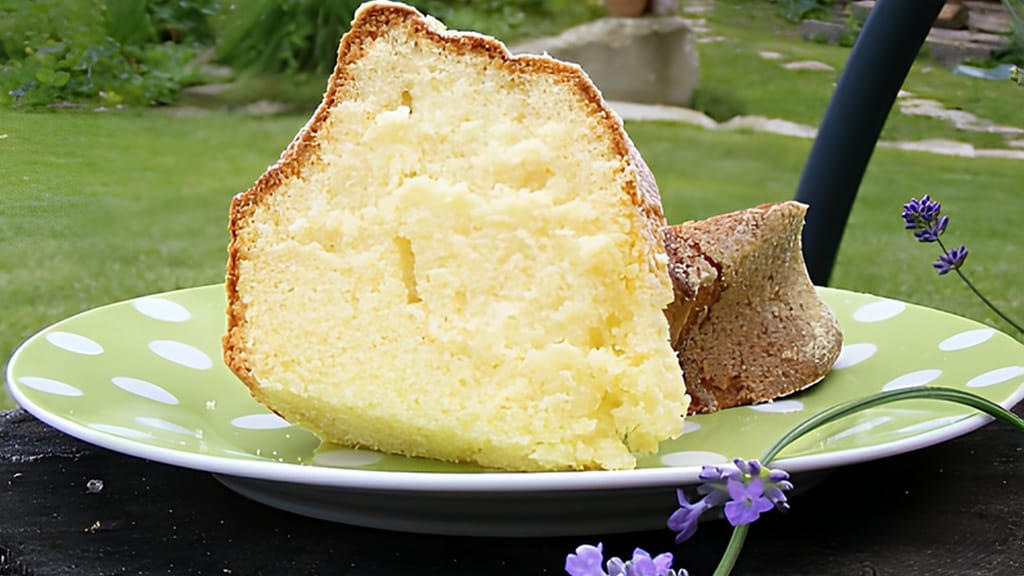
Wonderful whipping cream bundt cake
Updated Sep 5, 2026
Bake a bundt cake at 170–180°C (340–355°F) with top and bottom heat for 45–55 minutes. That's the answer that works for most classic creamed-batter bundt cakes in a standard 22 cm (9-inch) tin. A yeast-based one is done sooner, a dense chocolate version wants a lower temperature and longer time, and a moist zucchini or pumpkin one can easily take over an hour. Below you'll find exact numbers for each type of batter, how to convert to fan/convection ovens, how the tin itself affects things, and how to tell reliably when your bundt cake is properly baked through.
Bake a bundt cake at 170–180°C (340–355°F) with top and bottom heat. Within this range, the vast majority of bundt cakes bake up nicely: the batter has time to rise from the inside before the surface hardens into a crust.
Fine-tune it depending on the type of batter:
Classic creamed bundt cake (butter, oil, or whipped-cream based): 175°C (345°F)
Yeast-based bundt cake: 175–180°C (345–355°F)
Dense cocoa or chocolate bundt cake: 160–170°C (320–340°F) – dark batter with sugar and cocoa browns faster, so dial it down
Moist batters with fruit, zucchini, or pumpkin: 170°C (340°F)
Savoury bundt cake with cheese and ham: 180°C (355°F)
Mini bundt cakes and muffin-tin sizes: 175°C (345°F)
Why not go above 180°C (355°F). At 200°C (390°F), the surface seizes and hardens within the first ten minutes. The batter inside is still expanding and has nowhere to go – so it forces its way out through a crack in the middle and stays raw inside while the outside turns dark. It's a classic mistake that looks like "my oven bakes weirdly".
Why not go below 160°C (320°F). Below 160°C (320°F), the leavening agent doesn't activate fast enough, the cake doesn't rise properly, and it just slowly dries out instead. The result is flat, dense, and dry.
Always bake in a preheated oven. Preheat for 15–20 minutes, even if the indicator light switches off sooner – that only monitors the air temperature, not how hot the walls and rack actually are.
A classic creamed bundt cake in a 22 cm (9-inch) tin bakes for 45–55 minutes. The time depends mainly on the volume and moisture of the batter, not on what the recipe on the box says.
Creamed bundt cake, 22 cm (9-inch) tin, 175°C (345°F): 45–55 minutes
Creamed bundt cake, 24–26 cm (9.5–10-inch) tin, 175°C (345°F): 55–65 minutes
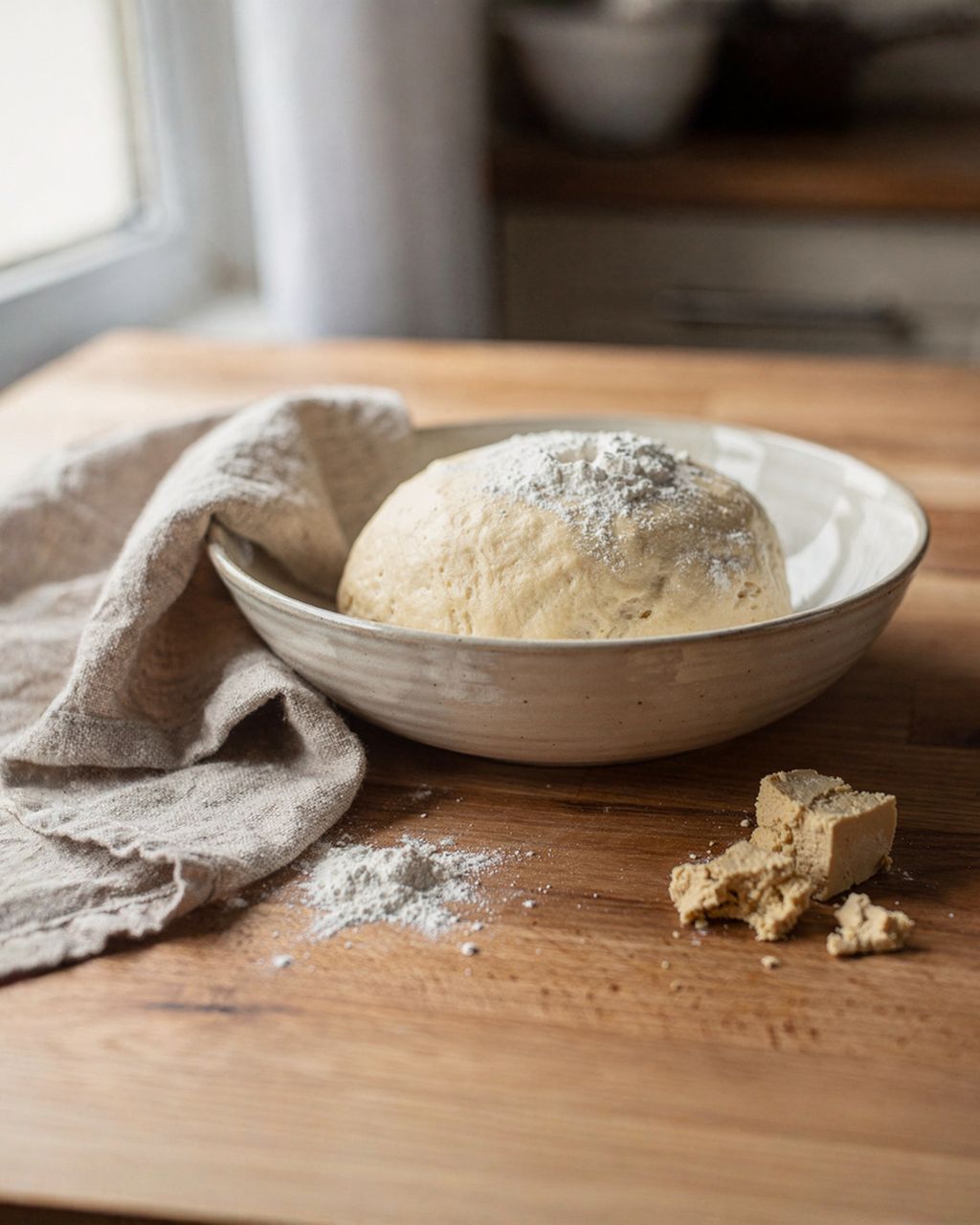
Yeast-based bundt cake, 22–24 cm (9–9.5-inch) tin, 175–180°C (345–355°F): 35–45 minutes – yeasted batter is airier and bakes through faster
Moist batters (zucchini, pumpkin, grated apple), 170°C (340°F): 55–70 minutes
Dense chocolate, 165°C (330°F): 60–70 minutes
Savoury bundt cake, 180°C (355°F): 45–55 minutes
Mini bundt cakes, 175°C (345°F): 18–25 minutes
Time is a guideline; internal temperature is the fact. Treat these numbers as the point at which to check for the first time, not as a signal to pull the cake out. The difference between two ovens on the same setting can easily be 15°C (27°F), and over an hour-long bake, that adds up to ten minutes either way.
If the bundt cake browns too much before it's done, tent it with foil and keep baking. Don't lower the temperature – that only extends the time and dries out the centre.
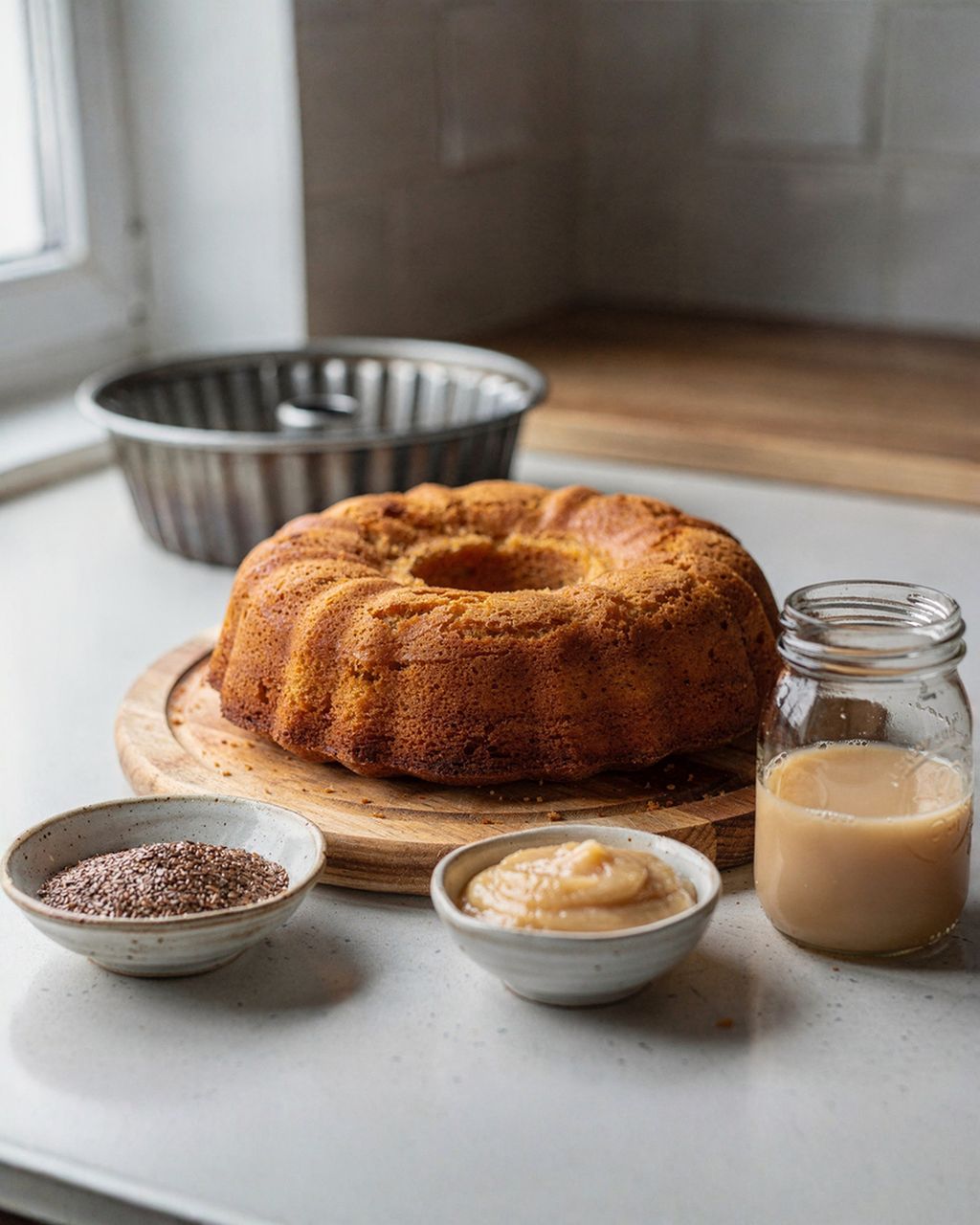
Wonderful whipping cream bundt cake
A gorgeous whipped-cream bundt cake – classic creamed batter, for which 175°C (345°F) and 50 minutes hold true
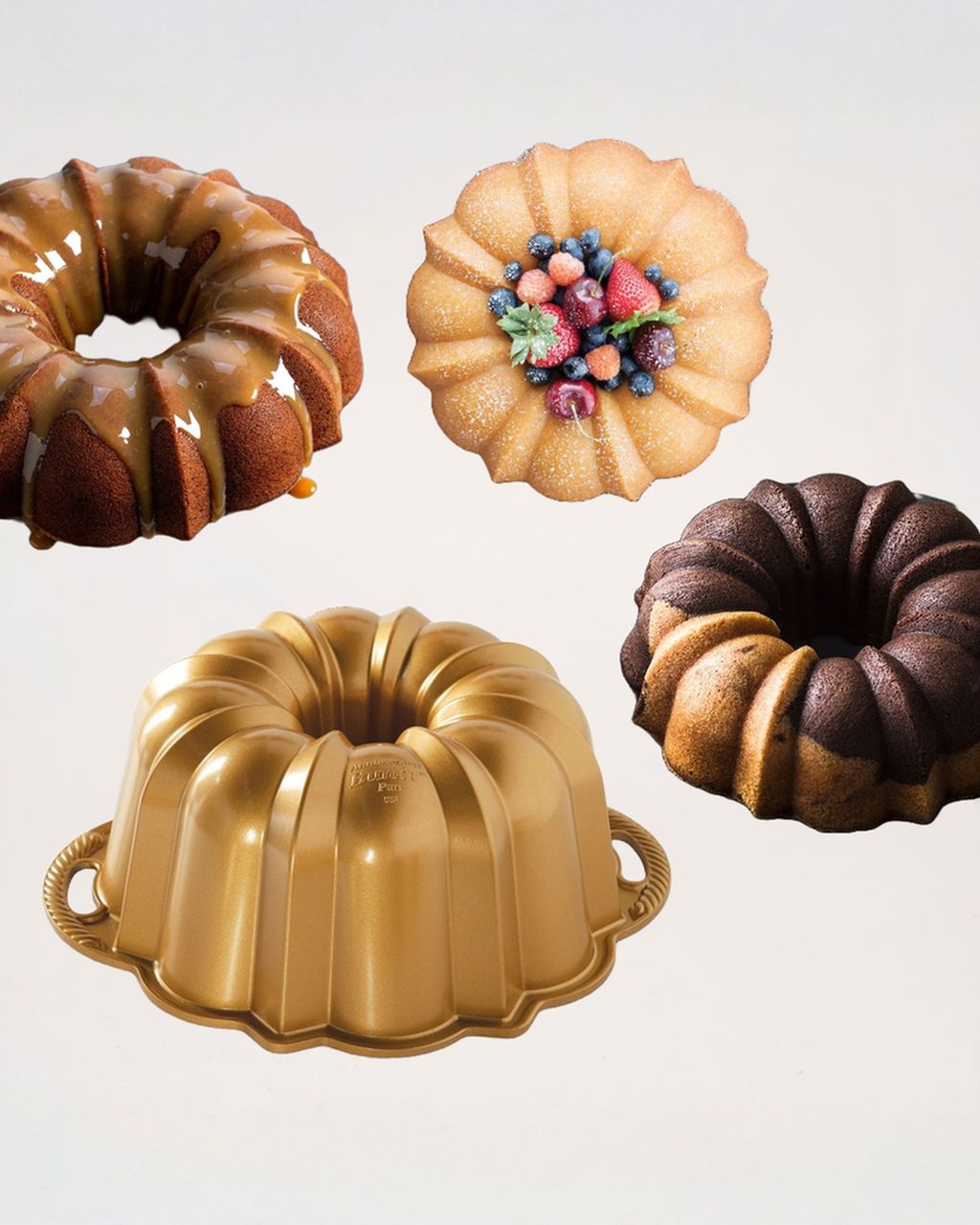
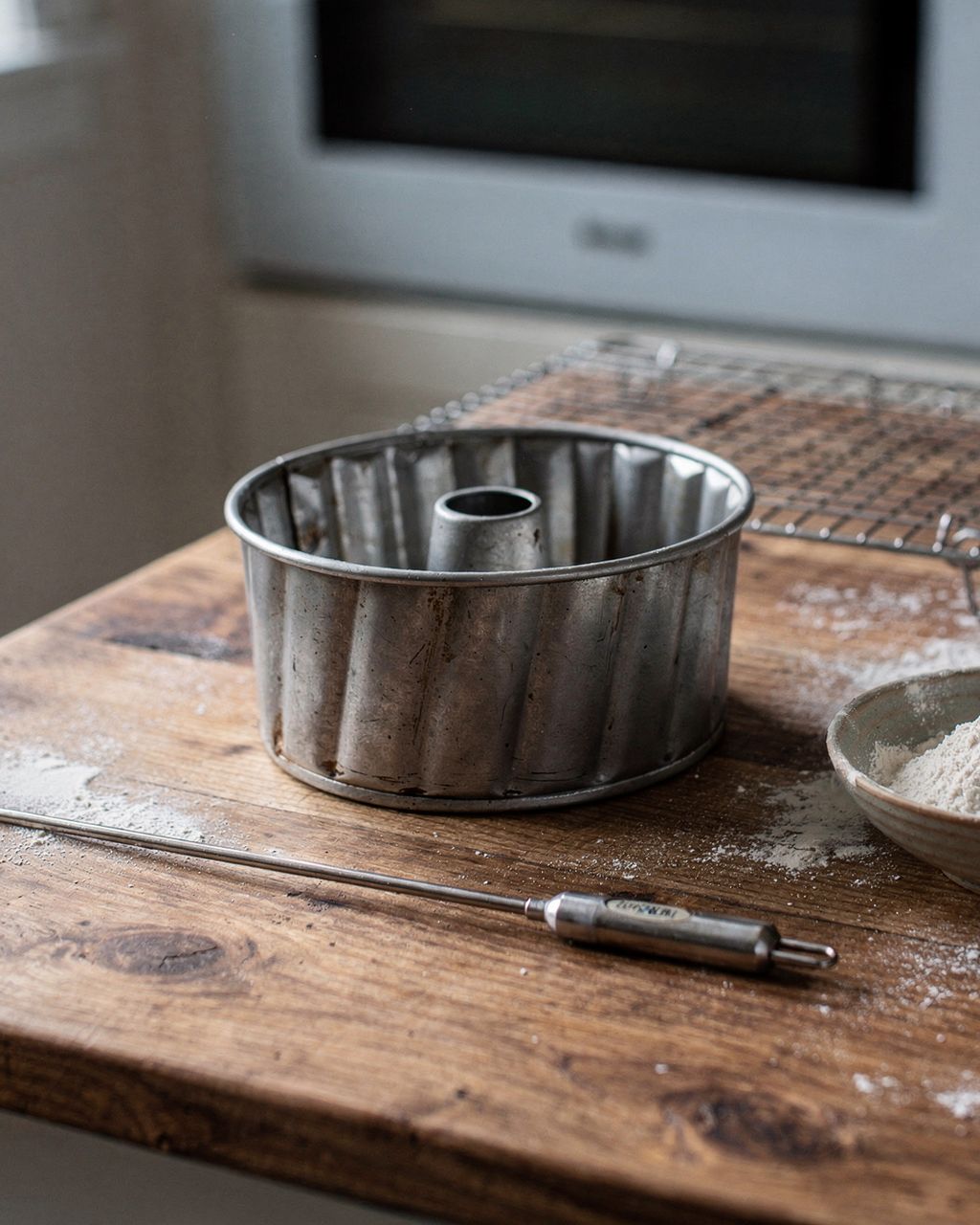
A light-coloured metal tin works best, and fill it no more than two-thirds full. Dark metal, silicone, ceramic, and cast iron all work too, but each needs an adjustment to temperature or time:
Light-coloured metal tin – the baseline that all the times above are written for. No adjustment needed
Dark metal and non-stick coatings – absorb more heat, so the bottom and sides brown faster. Lower by 10°C (18°F) or start checking 5–10 minutes earlier
Silicone – conducts heat less well than metal, so plan on an extra 5–15 minutes and a paler surface. Always set it on a baking sheet, or it will sag under the weight of the batter
Ceramic and cast iron – heat up more slowly but then hold the heat well. Add 5–10 minutes and it's safer to drop to 165°C (330°F) so the edges don't burn before the centre bakes through
Measure the volume with water, not by diameter. Depending on shape and depth, standard bundt tins of 22–23 cm (9-inch) diameter hold anywhere between 1 and 2 litres, so the diameter alone tells you nothing. Fill the empty tin with water right to the rim, then pour it into a measuring jug – note that number. Two-thirds of that is the maximum amount of batter that should go in.
Why two-thirds. The top third is space for rising – fill it any fuller and the batter will overflow past the tube while the bottom doesn't have time to bake through. For a 1.5-litre tin, that works out to roughly a litre of batter – about the amount you get from 3 eggs, 250 g flour, and 200 g sugar.
Grease and dust it, even if the tin is non-stick. Work butter with a brush into every groove, then dust with coarse flour or breadcrumbs. For cocoa batter, dust with cocoa instead – flour would leave a visible white film on a dark surface. Silicone tins don't need greasing.
Go with top-and-bottom heat for a bundt cake. A bundt cake needs calm, even heat. A fan/convection setting blows air across the surface, drying out the crust, and with yeasted batter it can knock it down before it's had a chance to set.
If your oven only has a fan/convection setting: set it 20°C (36°F) lower than the recipe states, and start checking 5–10 minutes earlier. So instead of 175°C (345°F), set it to 155°C (310°F) and test with a skewer already after 40 minutes.
Where to place the tin: on a rack in the lower third of the oven, not in the middle. A bundt cake is tall, and in the middle position its top sits too close to the upper heating element – it browns before the bottom bakes through.
A bundt cake is done when its thickest part reaches 93–96°C (199–205°F). A thermometer is the only truly reliable check – and if you don't have one, go by a skewer that comes out clean.
Instant-read thermometer – a creamed bundt cake is done at 93–96°C (199–205°F) at the core. A yeasted bundt cake is done sooner, already at 88–93°C (190–199°F) – at 96°C (205°F) it would be needlessly dried out. Measure at the thickest part between the tube and the side wall, not straight through the whole thing
Skewer or thin knife – it should come out clean or with just a few dry crumbs. A moist, shiny film means another 5–10 minutes. Careful with chocolate or fruit batter: melted chocolate on the skewer isn't the same as underbaked batter
The edges are pulling away – you'll see a thin gap between the batter and the tin, both around the rim and around the tube
The surface springs back – press gently with a finger; the dent should bounce right back
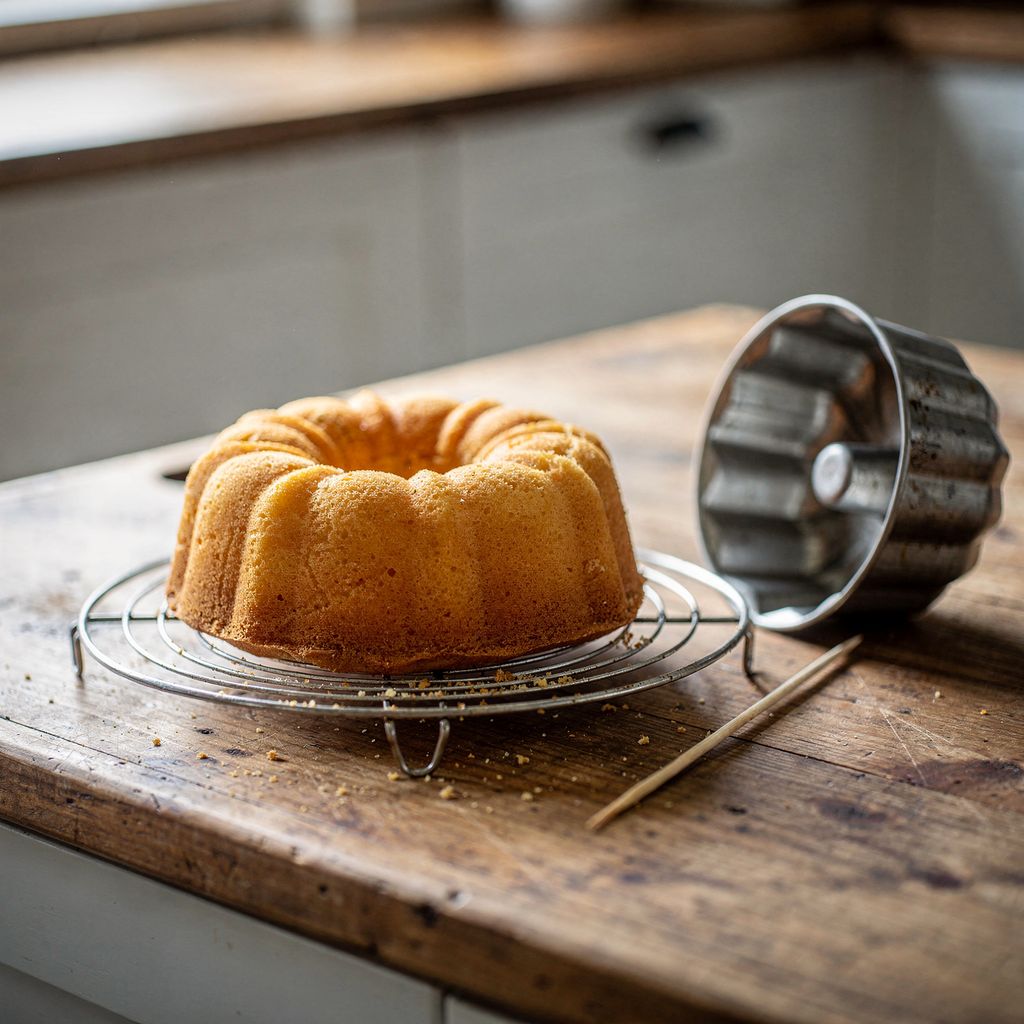
After taking it out, let the bundt cake rest in the tin for 10 minutes, then turn it out onto a wire rack. Any sooner and it's still crumbly; any later and it steams inside the tin and the surface turns damp.
Almost always the culprit is temperature – either set wrong, or disturbed too early by opening the oven. Here's what each problem means:
Collapsed in the middle – the oven wasn't preheated, you opened it during the first half of baking, or the temperature was too low. Fix: preheat for 20 minutes and leave it be
Cracked lengthwise – normal for creamed bundt cakes, but a deep crack means the temperature was too high. Lower it to 165–170°C (330–340°F)
Dark outside, raw inside – the temperature was too high or the tin sat too high in the oven. Drop it by 10–15°C (18–27°F), move the rack down, and tent with foil
Dry and dense – overbaked, or the batter was mixed for too long. Start checking 10 minutes earlier than you think you should
Won't turn out of the tin – the tin wasn't greased well enough, or you waited too long. Ten minutes in the tin, not twenty
What to do about a wet centre. If the bundt cake is still fully in the tin and only the skewer came out damp, put it back in the oven at 155°C (310°F) for another 10–15 minutes and tent it with foil – the surface is done, only the core needs finishing. If you've already turned it out and sliced into it, don't put it back in the oven: the baked part will just dry out and the centre won't fix itself anyway. Instead, cut out the raw centre, slice up the rest, dry the slices in the oven at 150°C (300°F) for about 10 minutes, and use them as a base for trifles or crumble them up as a crumble-style base.
Depending on the batter, bundt cakes bake at 165–180°C (330–355°F) for 45–70 minutes – here's a recipe for every category. Grab a thermometer and you'll see how the time shifts with the density of the batter.
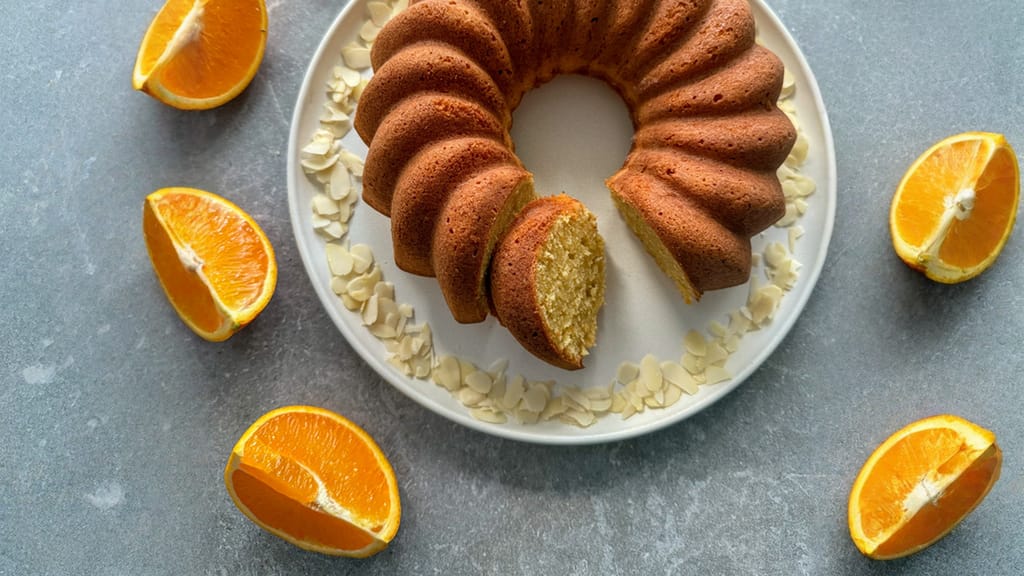
Orange bundt cake with almonds, cinnamon and cardamom
Orange bundt cake with almonds, cinnamon, and cardamom – creamed batter, 175°C (345°F) for about 50 minutes
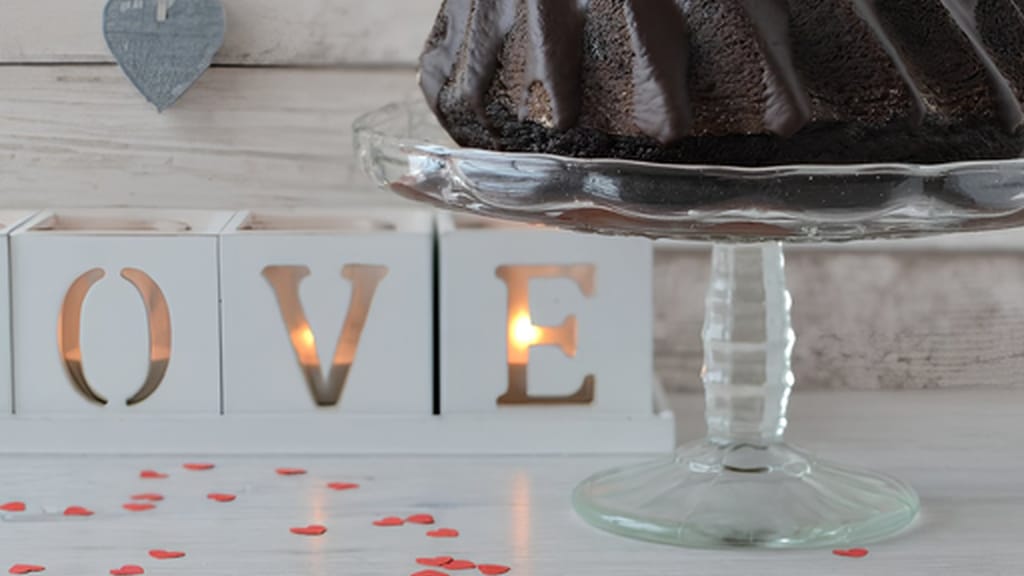
Valentine's chocolate bundt cake with pomegranate seeds
Valentine's chocolate bundt cake with pomegranate – dense cocoa bundt cake, best at 165°C (330°F) and a longer bake
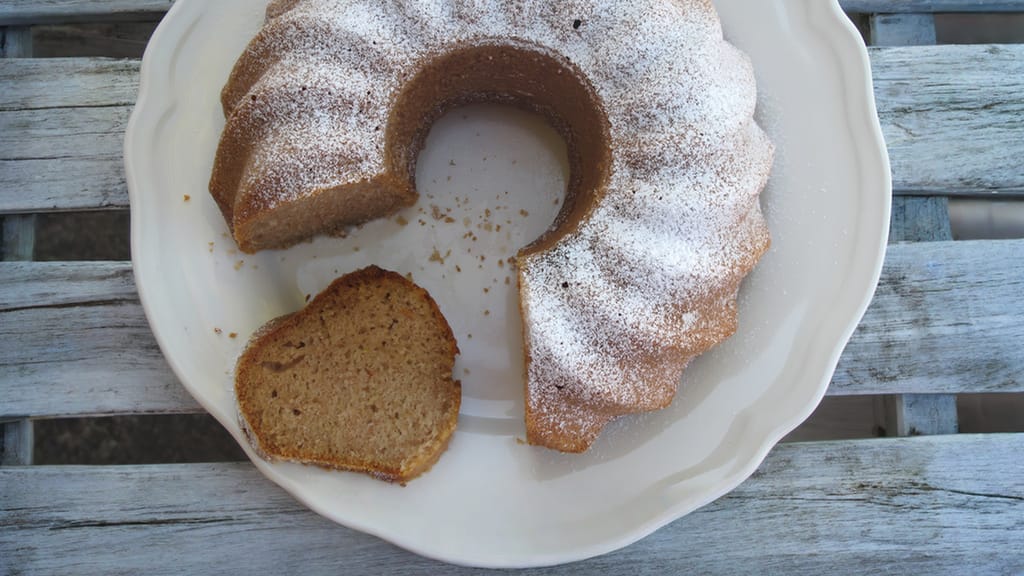
Zucchini bundt cake
Zucchini bundt cake – moist batter that needs 170°C (340°F) and easily 65 minutes
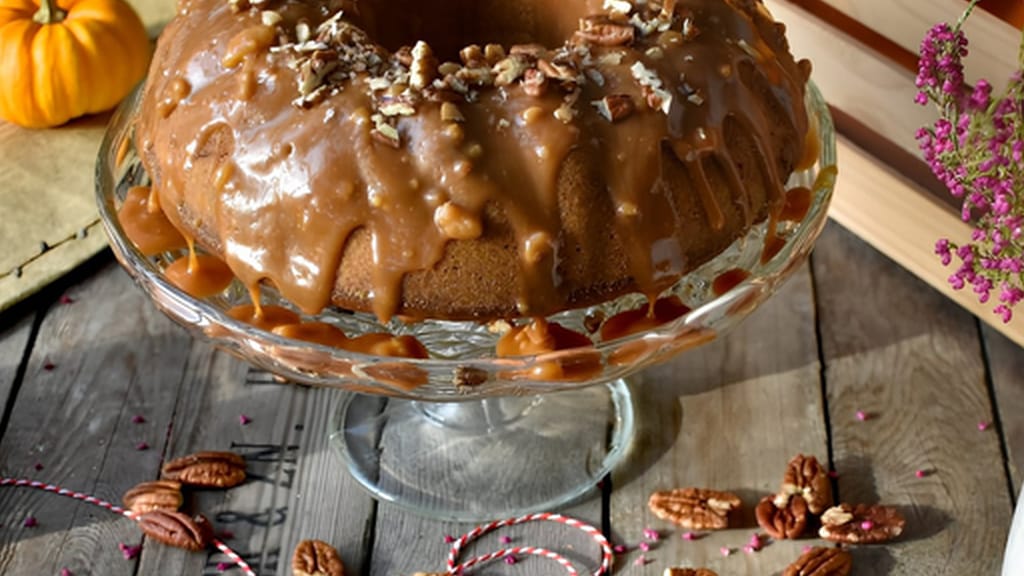
Autumn pumpkin bundt cake with creamy caramel glaze
Autumn pumpkin bundt cake with cream caramel glaze – moist pumpkin batter at 170°C (340°F) for 60–70 minutes
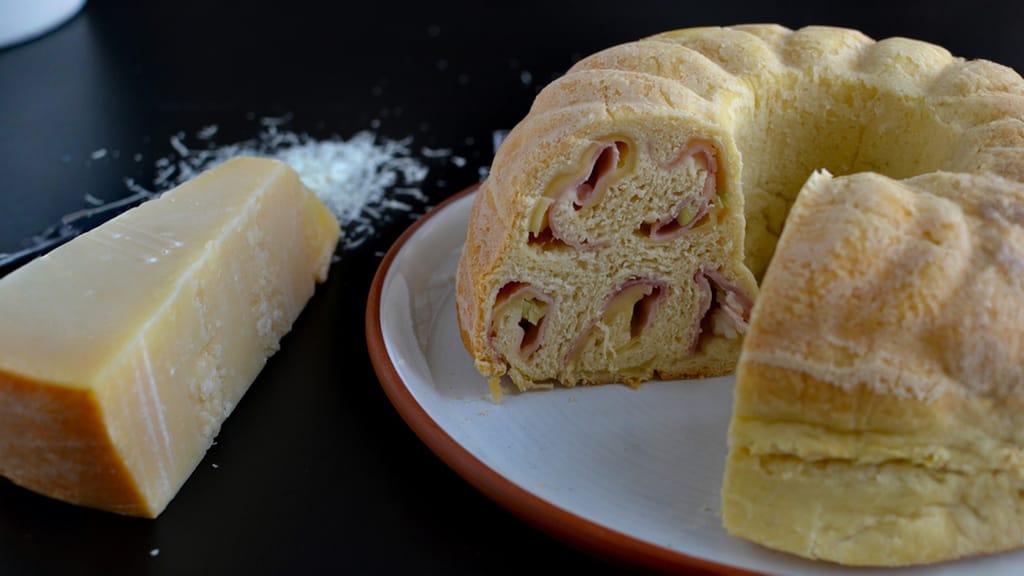
Savory bundt cake with ham and cheese (and more)
Savoury bundt cake with ham and cheese – baked at 180°C (355°F) for about 50 minutes
Almost always because the tube and grooves weren't properly greased – that's exactly where a brush misses most often. Grease even a non-stick tin, work the butter into every groove and around the tube, then dust with coarse flour or breadcrumbs (with cocoa for chocolate batter). The second culprit is timing: let the cake rest in the tin for ten minutes, not twenty – any longer and it steams inside the tin and sticks.
Yes, but without the centre tube the middle of the batter is further from the hot sides, so it bakes longer and is easy to underbake. Fill the tin the same way as a bundt tin – no more than two-thirds full – place it in the lower third of the oven, and don't rely on the recipe's stated time: it's done once the centre reaches 93–96°C (199–205°F). If the surface browns too soon, tent it with foil and keep baking.
Yes, but only using fan/convection heat at 155°C (310°F), with the time extended by 10–15 minutes. With top-and-bottom heat, two racks bake unevenly – the lower cake browns on the bottom, the upper one on top. Place the tins side by side rather than directly one above the other, and swap their positions halfway through baking.
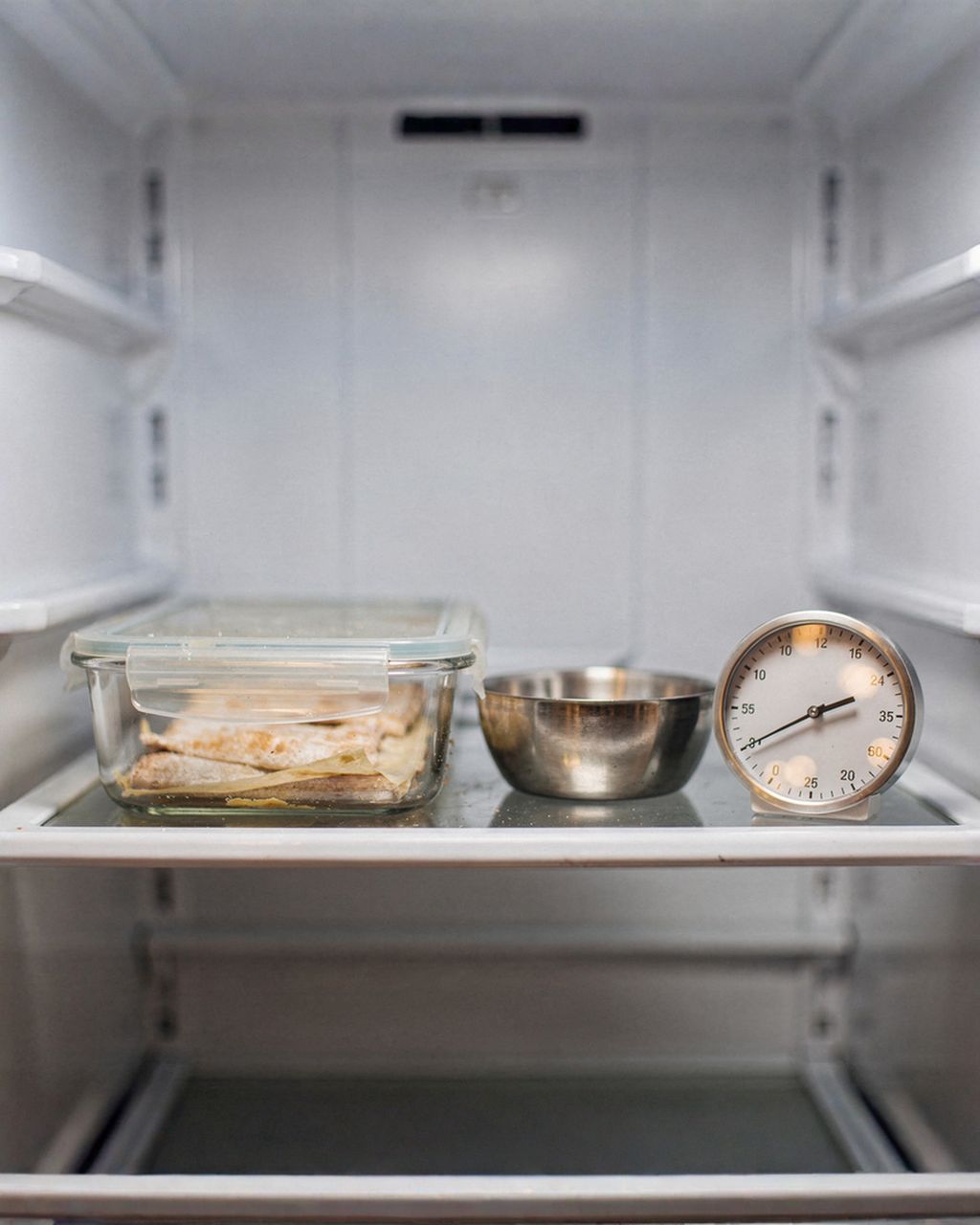
A baked bundt cake keeps for 3–4 days in a sealed container at room temperature – oil- or whipped-cream-based versions even a day or two longer than butter-based ones. Don't put it in the fridge, as it dries out fastest there. You can freeze sliced portions for up to three months and thaw them at room temperature.
No – a marbled bundt cake bakes exactly the same as a plain creamed one, so 175°C (345°F) for roughly 45–55 minutes. The marbled pattern is just a surface swirl of two equally thick batters and has no effect on how it bakes through. Check it the same way: with a skewer, or a thermometer reading 93–96°C (199–205°F) at the centre.
One recipe worth heating the oven for, one tip, and one deal from the shop. Nothing else.