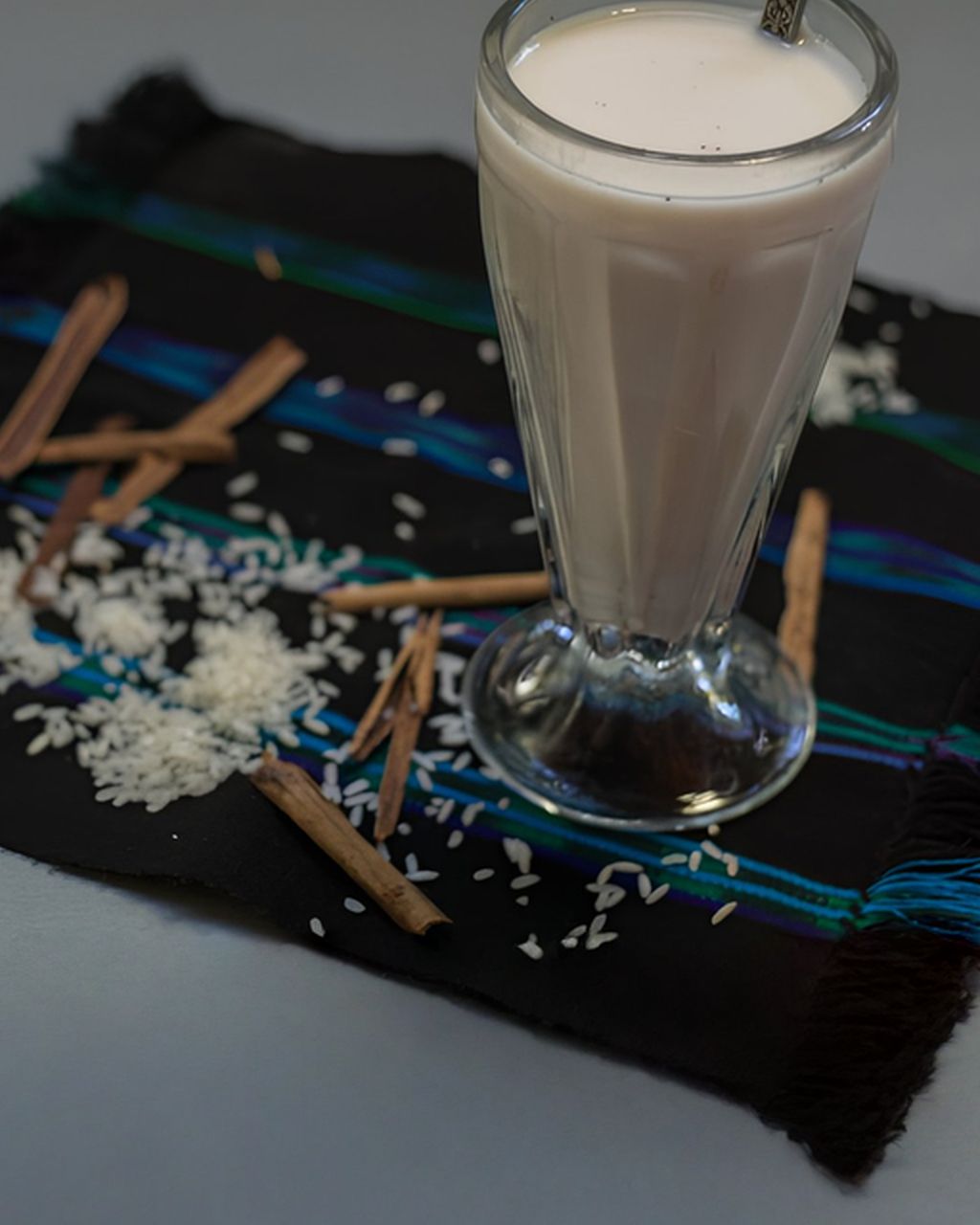
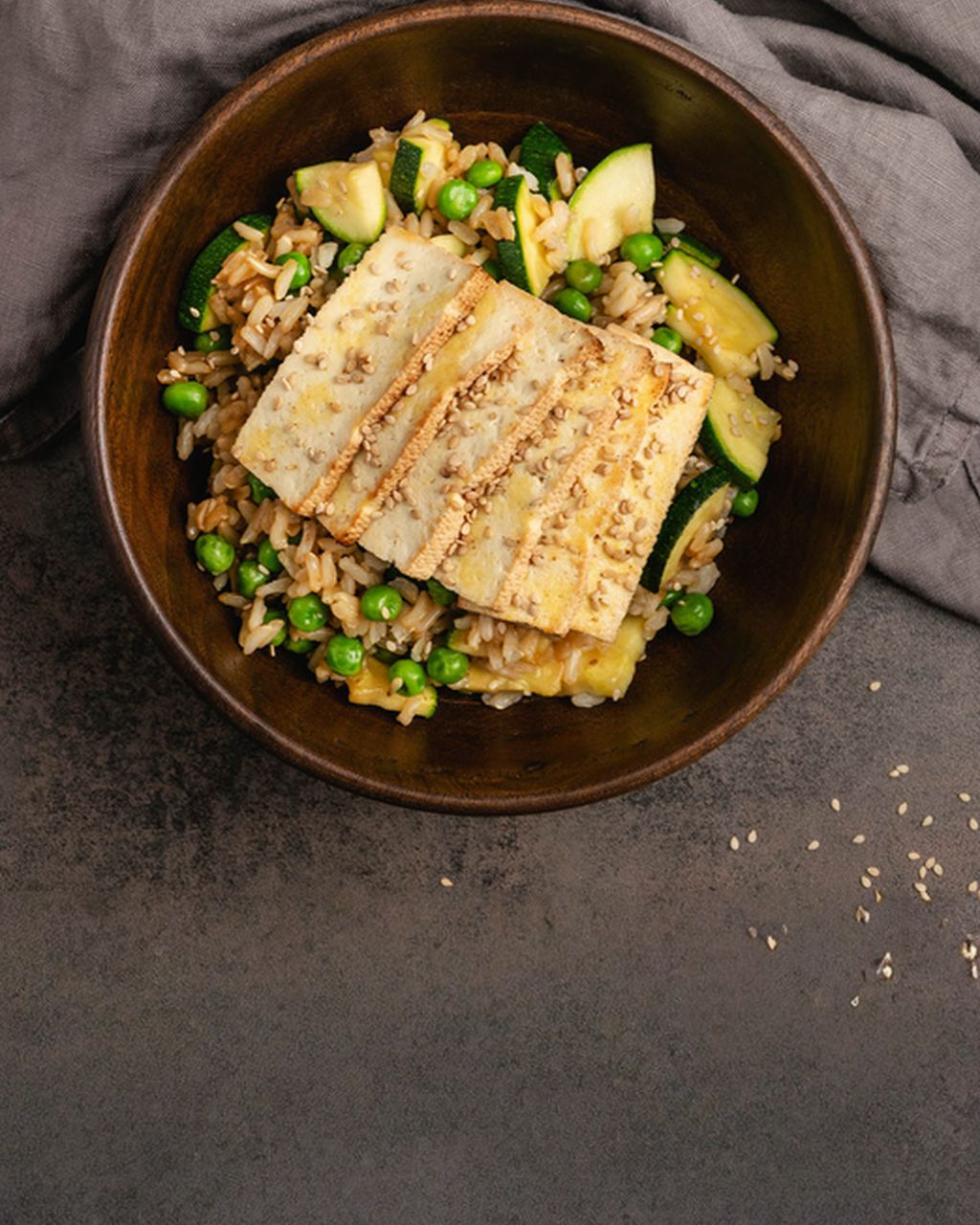
- Season
- Harvested once or twice annually depending on latitude, with peak availability following late summer and autumn harvests in major producing regions.
- Price
- Low
Calories and nutrition per 100 g
- 370 kcal
- 7 g protein
- 1 g fat
- 80.3 g carbs
Long-grain rice
Long-grain rice refers to cultivars of Oryza sativa whose milled kernels are roughly three to five times longer than they are wide, usually 6 mm or more in length. When cooked, the grains elongate further while remaining dry, discrete, and non-clinging, a physical property that has made them foundational to pilafs, biryanis, jambalayas, and innumerable everyday tables.
Store white long-grain rice in an airtight container in a cool, dark cupboard for up to one year.
Whole-grain long-grain rice benefits from refrigeration, extending freshness to six months by slowing lipid oxidation.
For long-term storage, freeze brown long-grain rice in sealed bags for up to one year without loss of quality.
Choose grains that are uniform in length and color, free of chalky fractures or excess powder, which indicate age or rough handling. Aromatic long-grain rice should exude a gentle fragrance even when dry, never musty or flat.
Aromatic basmati rice, which shares elongation and separateness with added perfume.
Converted or parboiled rice, offering similar grain integrity though with diminished aroma.
Rinse briefly to remove surface starch, then cook using the absorption method or pilaf technique, allowing steam to finish the grain without agitation. Resting after cooking is essential to set structure and preserve separateness.
Leftover cooked long-grain rice, cooled quickly, refrigerated within an hour and eaten within a day, can be transformed into fried rice or rice salads, where its inherent dryness becomes an asset rather than a flaw. Reheat it only once, until steaming hot throughout.
Roughly what one measure weighs, scooped the way you normally would in the kitchen.
Long-grain rice excels in absorption cooking, pilaf, steaming, and baking, methods that emphasize discrete grains. It tolerates extended holding without collapsing, provided it is kept hot above 63 °C or cooled quickly and refrigerated, making it suitable for banquet cookery and layered dishes such as biryani.
Long-grain rice refers to cultivars of Oryza sativa whose milled kernels are roughly three to five times longer than they are wide, usually 6 mm or more in length. When cooked, the grains elongate further while remaining dry, discrete, and non-clinging, a physical property that has made them foundational to pilafs, biryanis, jambalayas, and innumerable everyday tables.
The flavor unfolds with a restrained attack, lightly cereal-sweet and faintly grassy, offering an immediate impression of cleanliness rather than richness. The mid-palate reveals subtle nutty tones and, in aromatic varieties, a floral volatility that recalls pandan leaf or warm hay. The finish is dry, clear, and faintly mineral, leaving the palate refreshed and receptive rather than coated.
Seasonal baking plans, tested recipes and kitchen tricks that save you time. Unsubscribe in one click.
3 min read
The category of long-grain rice encompasses a spectrum shaped by terroir, water management, and cultural preference. Basmati rice, grown in the alluvial foothills of the Himalayas, thrives in cool nights and glacial meltwater irrigation, conditions that concentrate its volatile aromatic compounds. Harvested by hand or small-scale mechanization, it develops elongated grains with a floral, almost resinous aroma and a feathery lightness on the palate. Thai jasmine rice, though technically long-grain, occupies a liminal space, its slightly softer, clingier texture reflecting a lower amylose content than other long-grain rices, and its fragrance prized above all from the rain-fed paddies of north-eastern Thailand.
American long-grain rice, cultivated in the Mississippi Delta and Gulf Coast plains, grows in heavier soils under controlled flooding. Mechanized harvesting favors consistency and yield, producing grains with a neutral flavor and reliable dryness prized in Creole and Cajun cookery. Each variety speaks quietly of its landscape, translating climate and water into texture and aroma rather than overt taste.
In Ancient eras, rice cultivation spread from the Yangtze River basin into South and Southeast Asia, where early agronomists recognized the advantages of longer grains for drying and storage in humid climates. Classical texts from India describe elongated rice used in ritual feasts, valued for its purity and visual elegance.
During the Medieval period, long-grain rice traveled westward along Islamic trade routes. Arab agronomists spread rice cultivation and irrigation techniques from Persia to Al-Andalus, and in Persia long-grain types became the basis of polow, pilafs that symbolized abundance without heaviness. The grain entered European consciousness as an exotic luxury, its separateness contrasting with the porridges of northern cereals.
In the Modern era, colonial expansion and industrial agriculture transformed long-grain rice into a global staple. Mechanization in the Americas democratized access, while protected appellations in South Asia preserved aromatic lineages. Today, long-grain rice stands at the intersection of tradition and efficiency, equally at home in ceremonial dishes and weekday meals.
The defining characteristic of long-grain rice lies in its starch composition. A higher proportion of amylose relative to amylopectin, typically around 20–25 % in long-grain rice, makes the cooked starch firmer and less sticky, so the grains stay separate rather than clumping. During cooking, the grains absorb water and swell, expanding more in length than in width. Aromatic varieties owe their fragrance to 2-acetyl-1-pyrroline, a volatile compound also found in pandan leaves, whose concentration is influenced by soil nitrogen and post-harvest aging.
Sustainable sourcing of long-grain rice increasingly emphasizes water stewardship and labor conditions. Flooded paddies contribute to methane emissions, prompting interest in alternate wetting and drying techniques. Ethically sourced rice supports fair compensation for farmers, preservation of heirloom seeds, and reduced chemical inputs that protect both ecosystems and culinary diversity.