- Season
- Available year-round, with peak quality in late autumn and winter when ducks are traditionally finished.
- Price
- High
Calories and nutrition per 100 g
- 404 kcal
- 11.5 g protein
- 39.3 g fat
- 0 g carbs
Whole Duck with Skin (Bone-In)
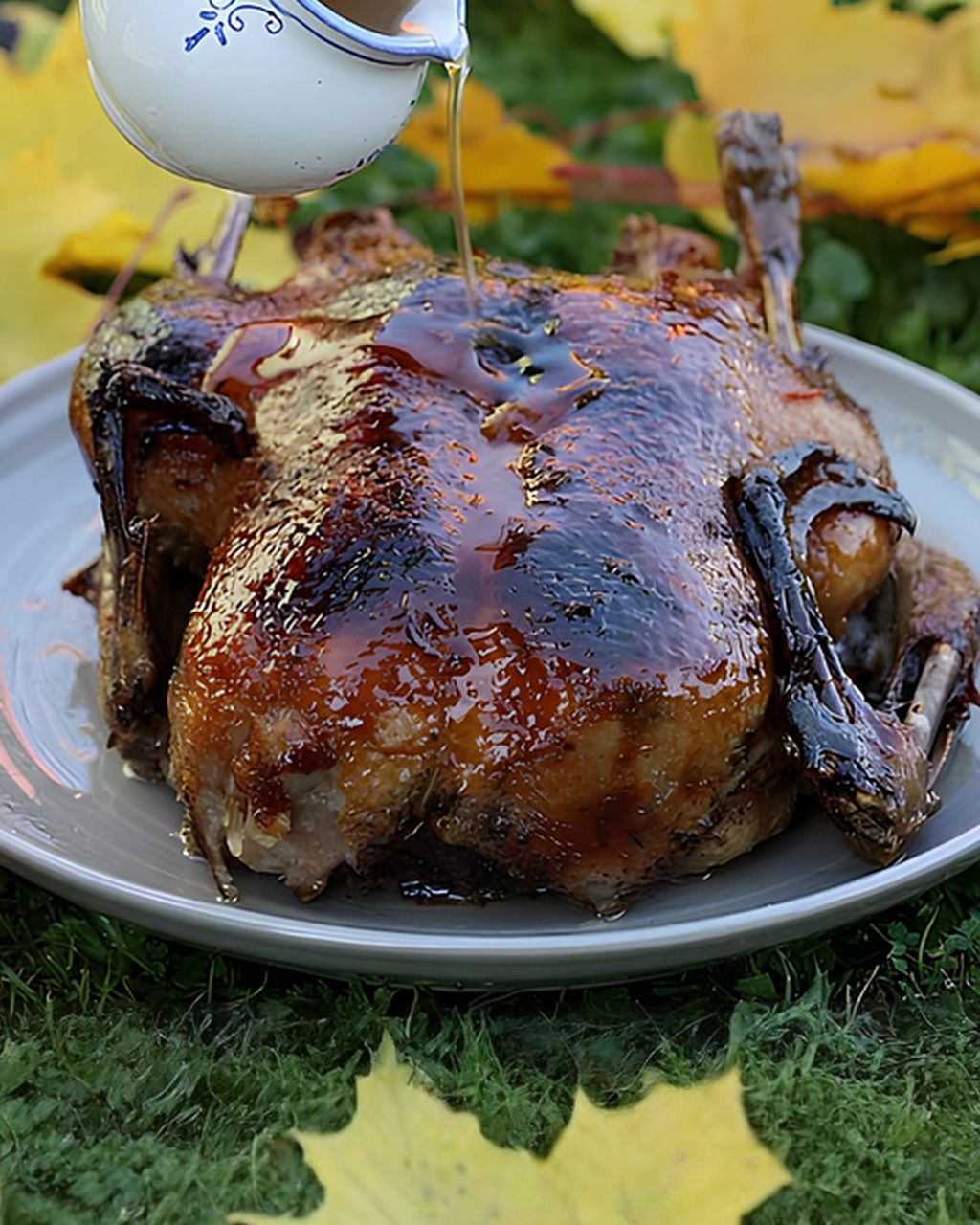
Whole duck with skin (bone-in) refers to a fully dressed domestic duck sold intact, including breast, legs, wings, and carcass, with the skin and subcutaneous fat layer preserved. This format honors the anatomical integrity of the bird and allows the cook to exploit the duck’s defining virtues: its generous fat, robust bones, and skin capable of rendering into crisp lacquer.
Not recommended. Raw whole duck should not be kept at room temperature.
Store tightly wrapped at 0–4 °C on the lowest shelf, and use by the use-by date on the pack; use unpackaged duck from a butcher within 1–2 days. Place on a tray to catch any drips.
Freeze well-wrapped for up to 6 months. Thaw slowly under refrigeration to preserve texture.
Choose a whole duck with plump breasts, unbroken pale skin, and a clean, neutral aroma. The skin should appear thick and supple rather than dry or papery, indicating a well-fed bird. Excessive bruising or torn skin suggests rough handling and will compromise rendering and presentation.
Whole goose, which offers a similar fatty richness though on a larger scale.
Bone-in chicken with added rendered duck fat to approximate richness.
Before cooking, remove excess moisture by thoroughly patting the skin dry. Prick the skin gently in several places to encourage fat rendering, taking care not to pierce the meat. Air-drying uncovered in the refrigerator for 12–24 hours markedly improves skin crispness.
Render the trimmed fat slowly to produce duck fat for roasting potatoes or vegetables, and reserve the carcass after cooking to make an intensely flavored stock.
Roughly what one measure weighs, scooped the way you normally would in the kitchen.
Roasting remains the canonical preparation, allowing fat to render while the skin crisps and the meat stays succulent. Slow roasting followed by high heat is particularly effective. Whole duck is also suited to rotisserie cooking, braising after initial browning, or the classical press-and-sauce method exemplified by canard à la presse.
Whole duck with skin (bone-in) refers to a fully dressed domestic duck sold intact, including breast, legs, wings, and carcass, with the skin and subcutaneous fat layer preserved. This format honors the anatomical integrity of the bird and allows the cook to exploit the duck’s defining virtues: its generous fat, robust bones, and skin capable of rendering into crisp lacquer.
The flavor unfolds with a confident attack of savory fat and iron-rich meat, immediately signaling depth rather than delicacy. The mid-palate is broad and enveloping, marked by notes of roasted poultry, mineral sweetness, and a faint wildness that distinguishes duck from chicken. The finish is long and resonant, leaving a lingering impression of rendered fat, browned skin, and gentle gaminess that invites acidity or bitterness in accompaniment.
Seasonal baking plans, tested recipes and kitchen tricks that save you time. Unsubscribe in one click.
3 min read
Although sold generically as whole duck, distinct breeds exert profound influence on flavor and fat composition. Pekin duck: Raised widely in Europe, North America, and China, Pekin ducks thrive on grain-rich diets in temperate lowlands. Their pale skin and abundant subcutaneous fat render cleanly, producing a mild yet luxurious flavor ideal for roasting.
A separate species (Cairina moschata) native to Central and South America and now common in France, the Muscovy develops leaner breasts and darker meat. Raised often in mixed pasture and grain systems, Muscovy ducks offer a firmer texture and a more pronounced, almost venison-like depth.
Traditional European farm breeds such as the Rouen duck, which, like the Pekin, descend from the wild mallard, retain a subtle wild note. When raised near wetlands and finished slowly, they develop nuanced mineral sweetness and aromatic complexity, particularly evident in the legs. Careful plucking that leaves the skin unbroken is essential to achieving proper rendering and crispness.
Duck has occupied a privileged position in culinary history across civilizations. Ancient era: In China, ducks were domesticated at least 2,000 years ago, and possibly considerably earlier, valued for both meat and eggs, while Roman writers such as Columella described keeping and feeding ducks in enclosed pens. Ducks were esteemed for their ability to convert feed into fat, a prized cooking medium in the absence of olive oil in northern regions.
Throughout medieval Europe, whole duck appeared frequently on monastic and aristocratic tables. Trade routes facilitated the exchange of spices such as cloves and cinnamon, which were often paired with duck’s richness in sweet-sour sauces thickened with bread or fruit. Poultry fat, chiefly from geese but also from ducks, was central to the Jewish cooking of Central Europe, where dietary law forbids cooking meat with butter.
In the nineteenth and twentieth centuries, French haute cuisine canonized whole duck preparations, from duck à l’orange to pressed duck, while Chinese gastronomy elevated Peking duck as a ceremonial dish emphasizing skin texture. Today, whole duck stands at the intersection of tradition and technique, equally at home in rustic farm kitchens and Michelin-starred dining rooms.
The distinctive appeal of whole duck lies in its fat distribution. Duck carries a much thicker layer of fat beneath the skin than chicken, with comparatively little within the muscle itself. When heated, this fat renders at relatively low temperatures, basting the meat and promoting Maillard reactions on the skin. The bones contribute gelatin during roasting or braising, enriching mouthfeel. Duck meat’s darker color reflects higher myoglobin content, which correlates with stronger flavor and a higher iron content than chicken.
Responsible sourcing prioritizes ducks raised with access to space, clean water, and species-appropriate diets. Slow-growing breeds and longer finishing periods yield superior flavor and texture while reducing welfare concerns associated with intensive production. Consumers are encouraged to seek transparency regarding feed, housing, and slaughter practices, as these factors directly influence both ethical integrity and culinary quality.