- Season
- Peak harvest from late summer through autumn, with controlled-atmosphere storage extending availability year-round.
- Price
- Low
Calories and nutrition per 100 g
- 52 kcal
- 0.3 g protein
- 0.2 g fat
- 13.8 g carbs
Apple
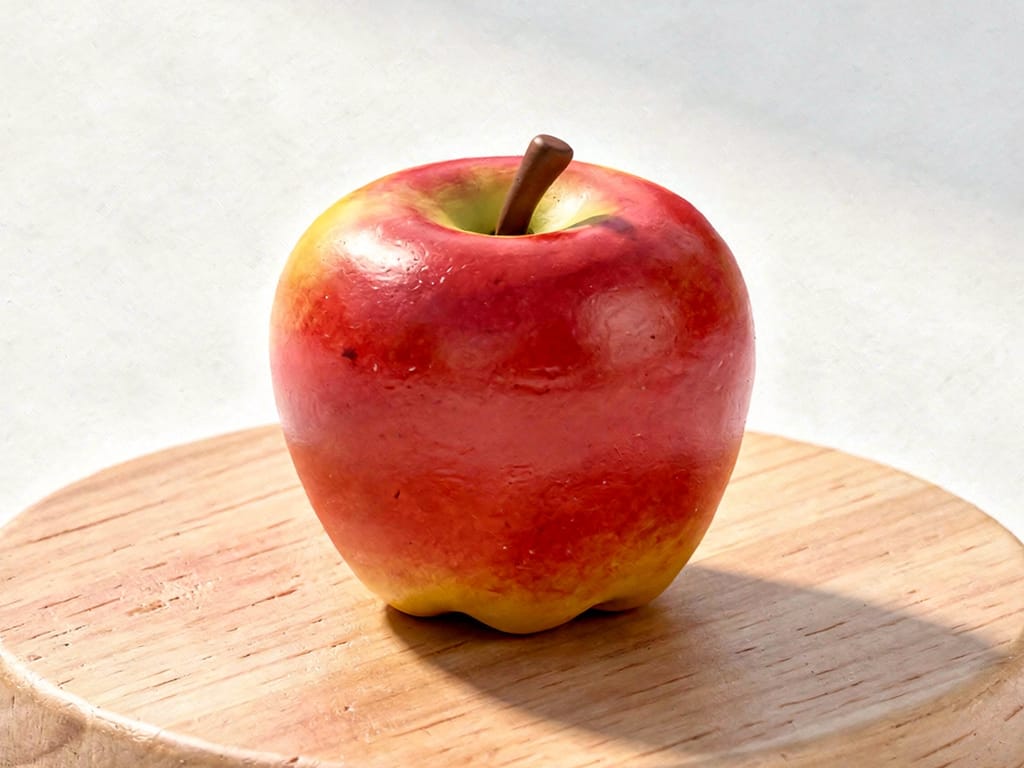
The apple is the pomaceous fruit of Malus domestica, a deciduous tree of the Rosaceae family, cultivated across temperate climates for its balance of sugars, acids, and volatile aromatics. More than a simple fruit, the apple occupies a rare position as both quotidian sustenance and enduring cultural symbol, equally at home in rustic orchards and refined culinary repertoires.
Keeps about 5 to 7 days at cool room temperature away from direct sunlight.
Stores 4 to 6 weeks in the crisper drawer, longer for firm late-season cultivars, ideally separated from leafy vegetables due to ethylene release.
Can be frozen up to 8 months when peeled, cored, and sliced, preferably treated with acid to prevent browning.
Choose apples that feel heavy for their size, with taut, unwrinkled skin and a clean, varietally appropriate aroma. Color should be vivid rather than dull, though blush and striping vary by cultivar. Avoid fruit with soft spots near the stem or bruising along the equator, signs of internal breakdown.
Pear offers a similar texture and sugar-acid balance in both raw and cooked preparations.
Firm quince, poached or cooked, can approximate apple structure though with greater tannin.
Wash thoroughly to remove surface residues. Peeling is optional and varietally dependent, as many aromatic compounds reside in the skin. For raw applications, slice just before service or toss with lemon juice to preserve color.
Cores and peels can be simmered into apple scrap jelly or infused into vinegar, extracting both pectin and aroma otherwise discarded.
Roughly what one measure weighs, scooped the way you normally would in the kitchen.
Apples adapt readily to both dry and moist heat. Baking concentrates sugars and softens cell walls into a yielding texture, while sautéing encourages light caramelization. Slow stewing dissolves pectin for sauces and purées, whereas dehydration intensifies sweetness and aroma into leathery slices or crisp chips.
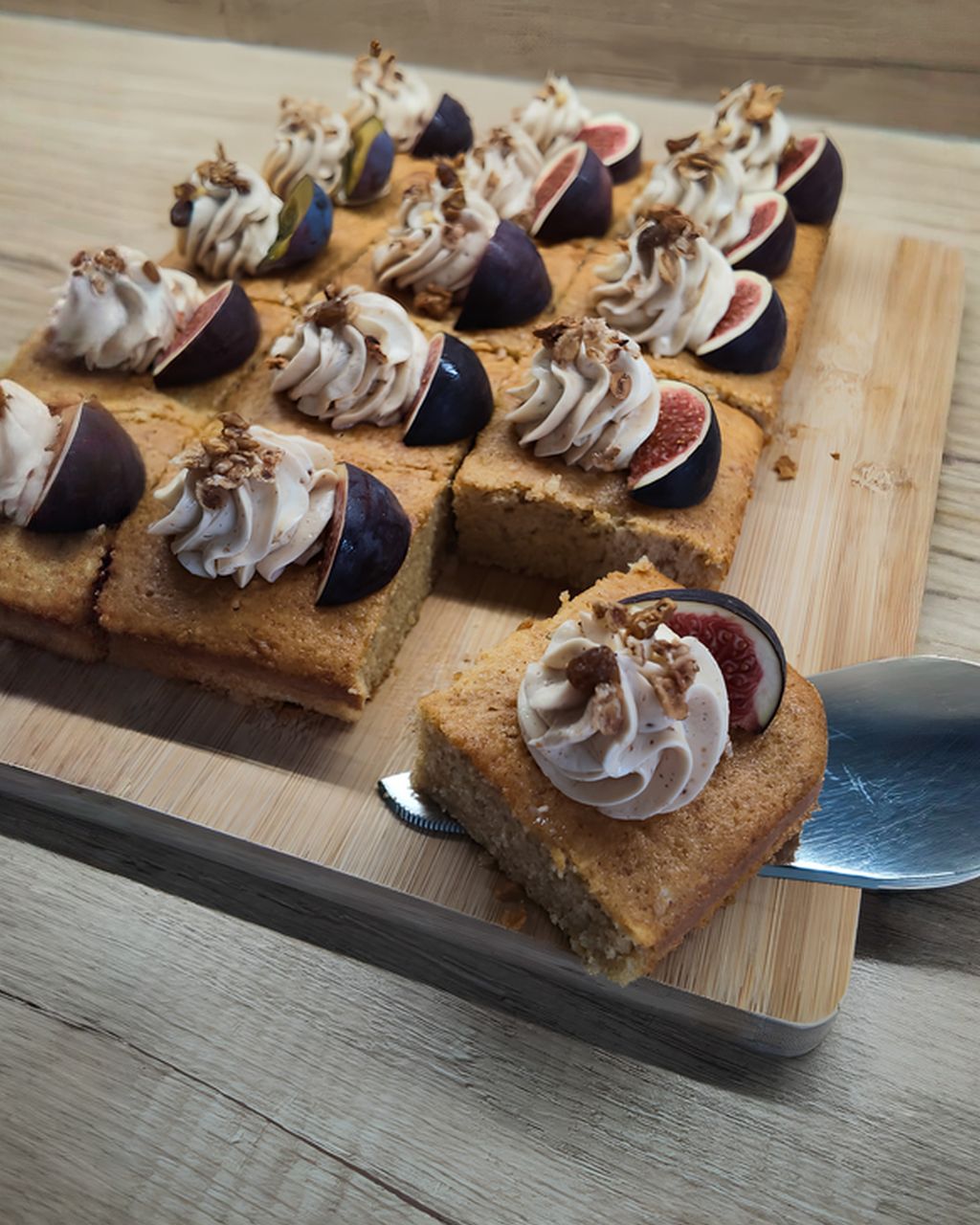
Autumn squares
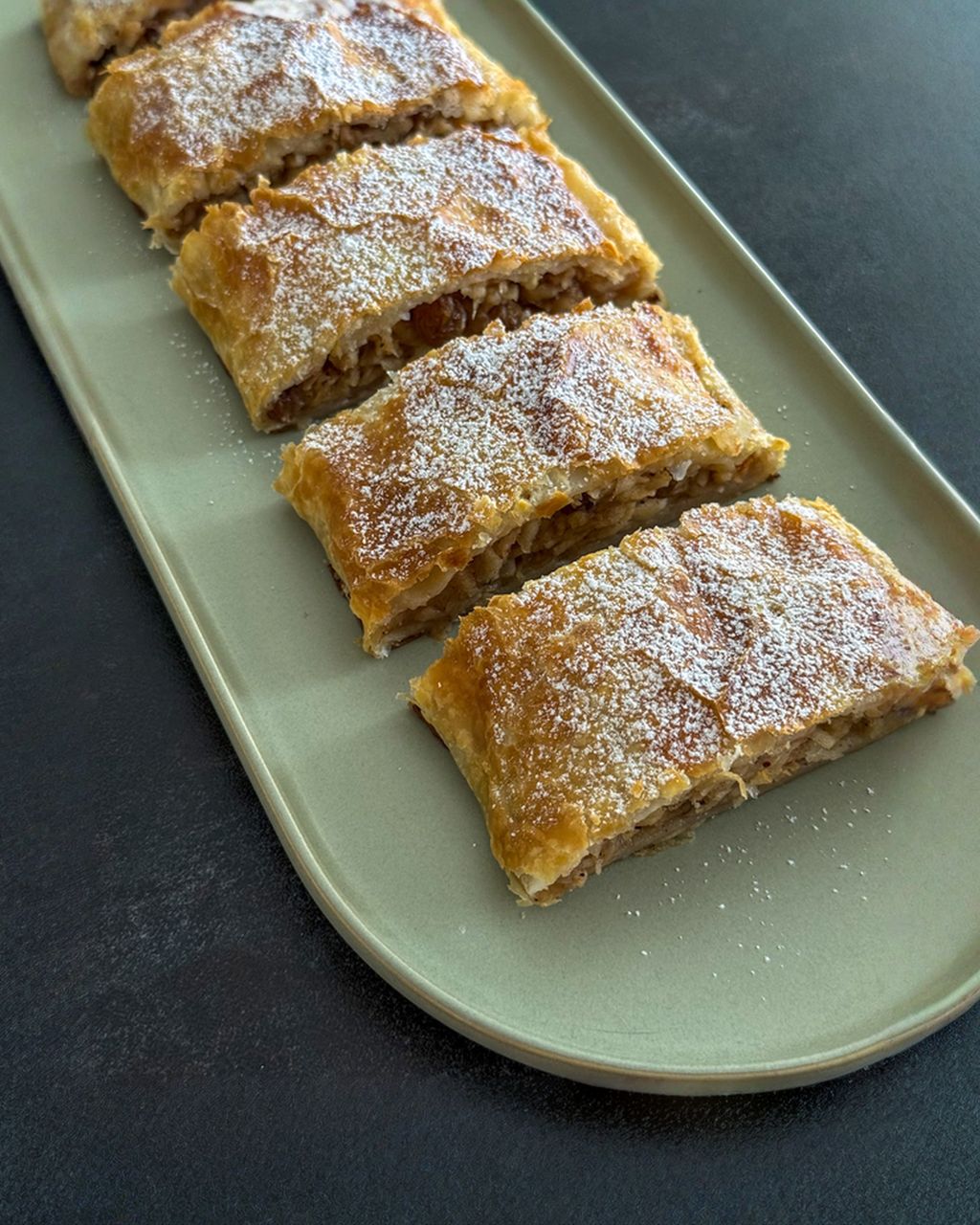
Apple strudel from puff pastry (quick version)
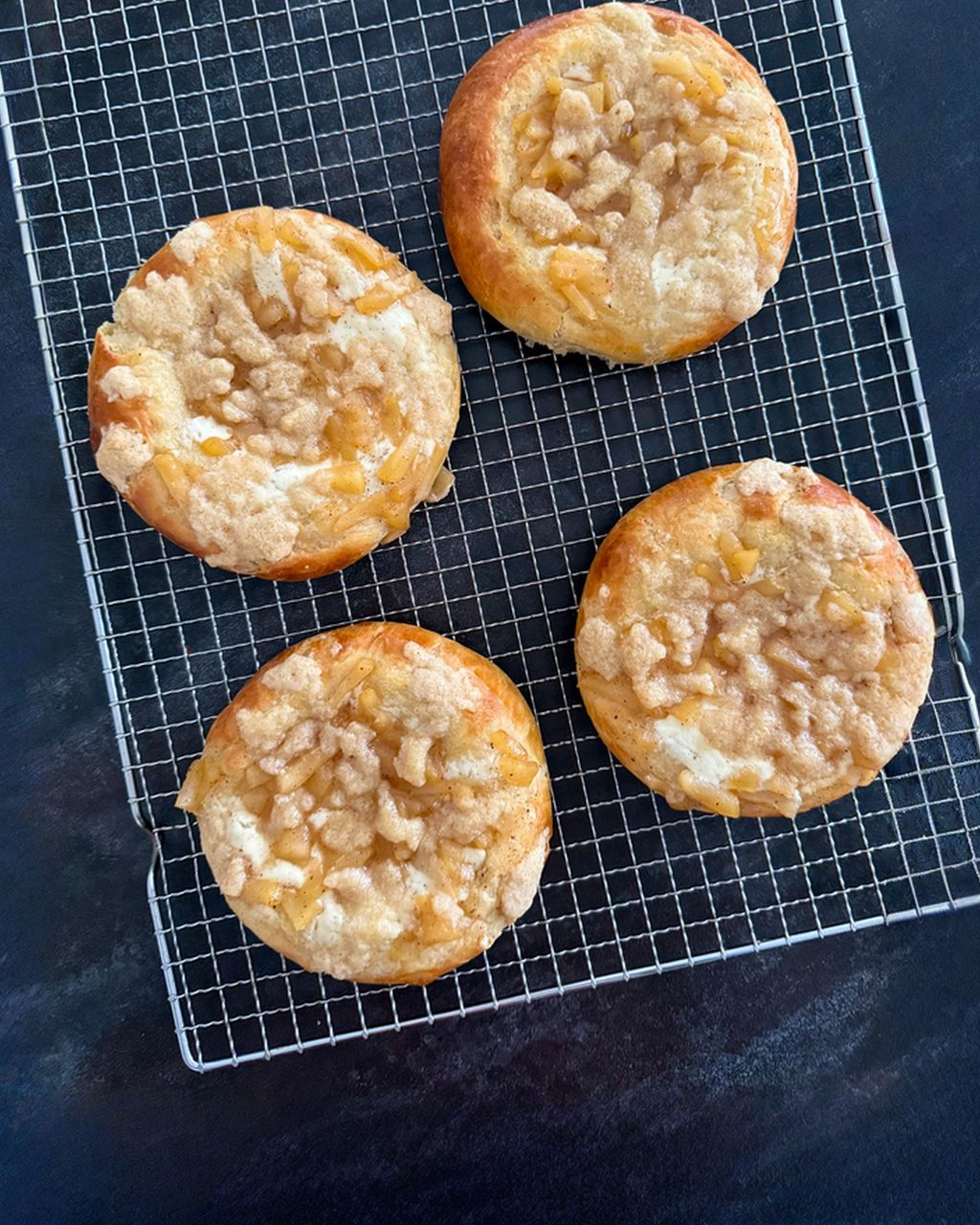
Yeasted apple buns with curd cheese and crumble topping
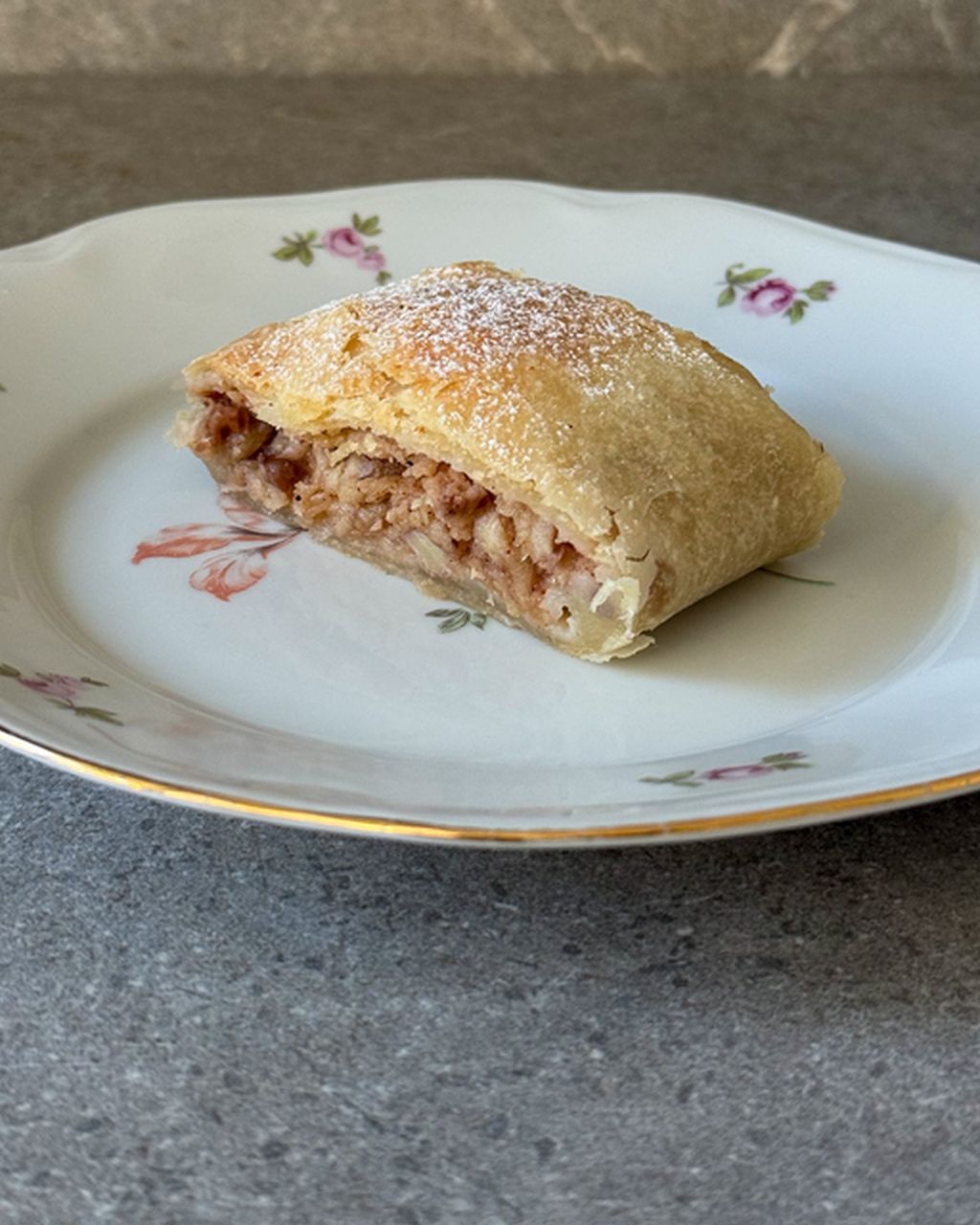
Apple strudel with homemade stretched pastry
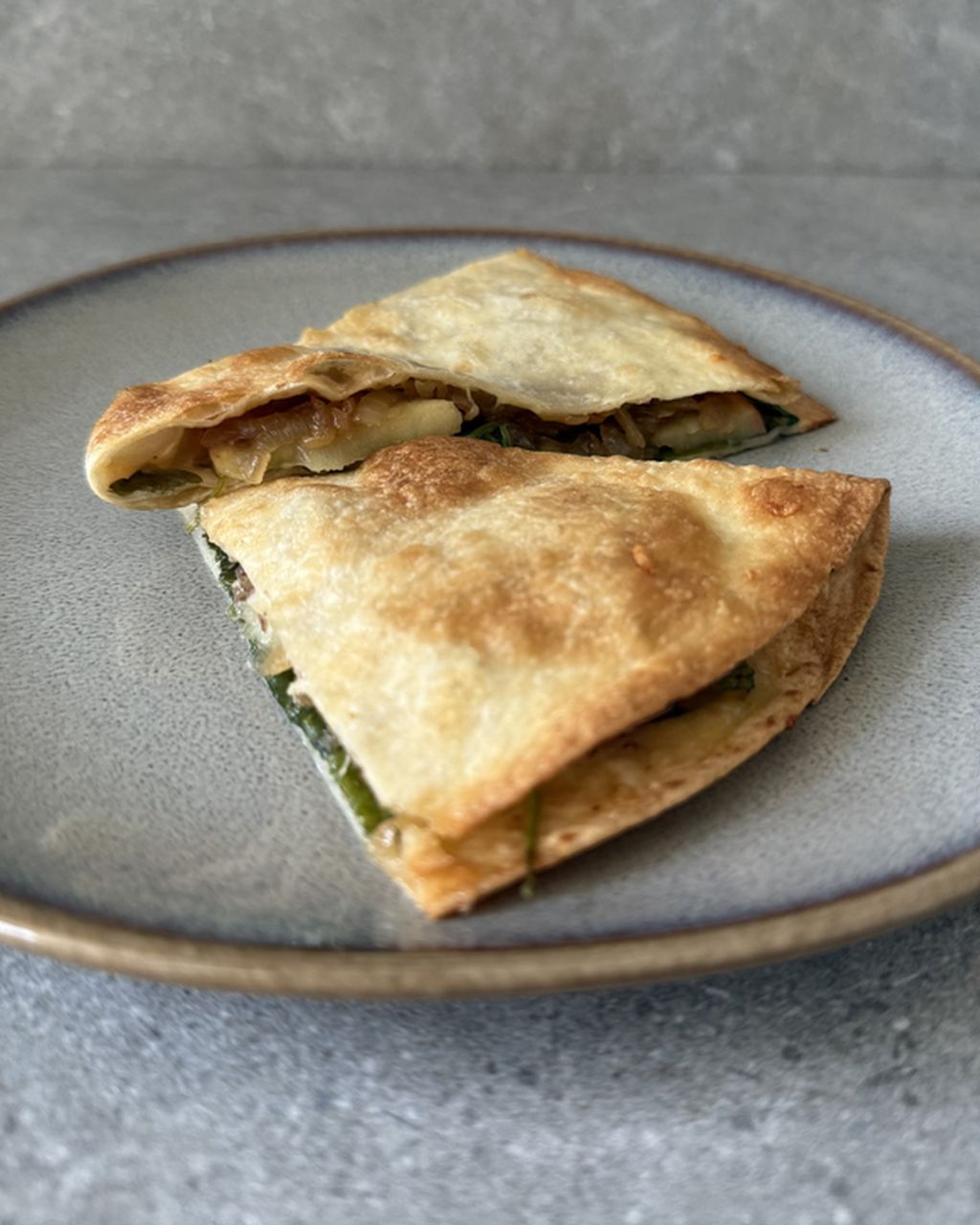
Apple, spinach and caramelized onion quesadilla
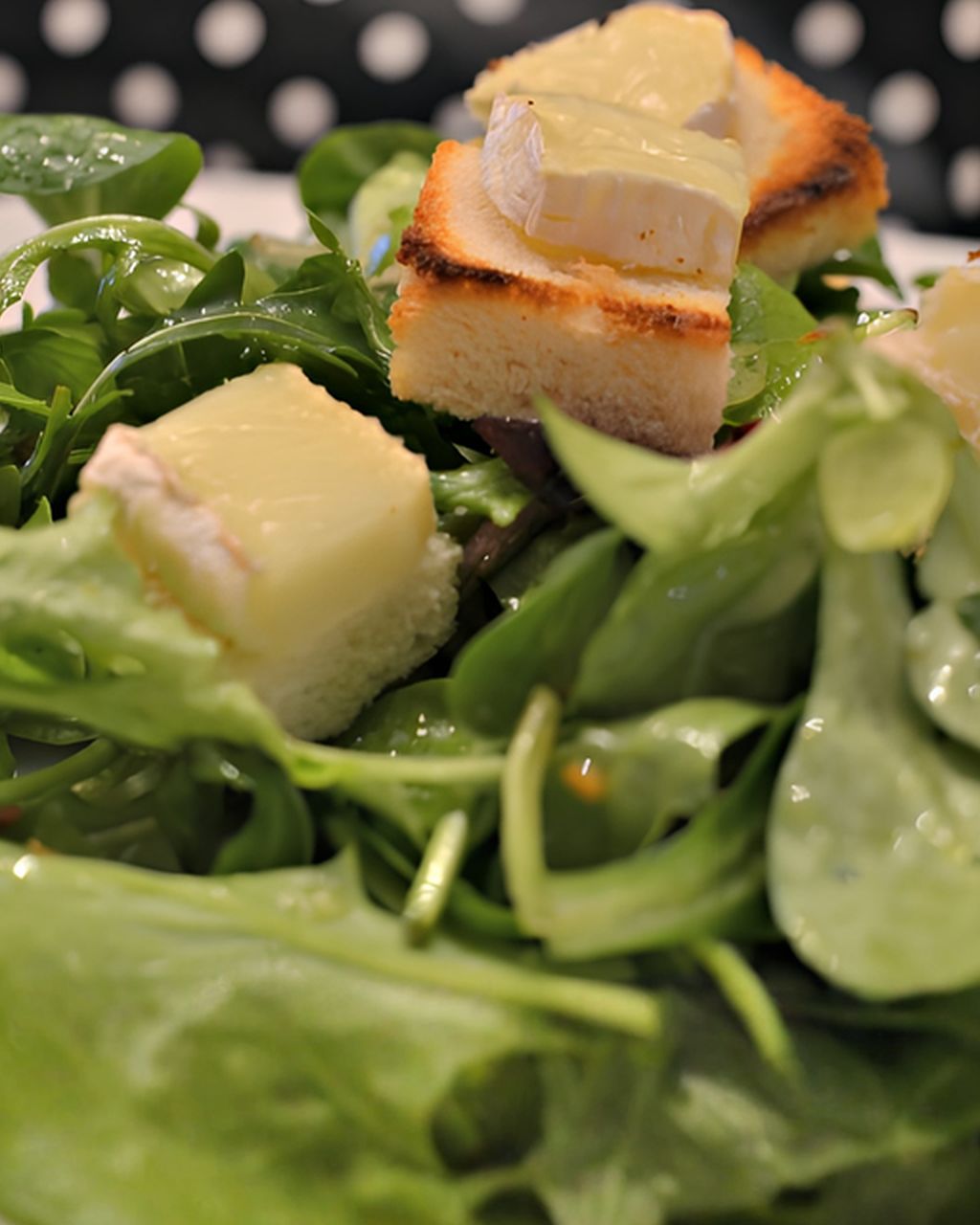
Salad with grilled goat cheese, apple and walnuts
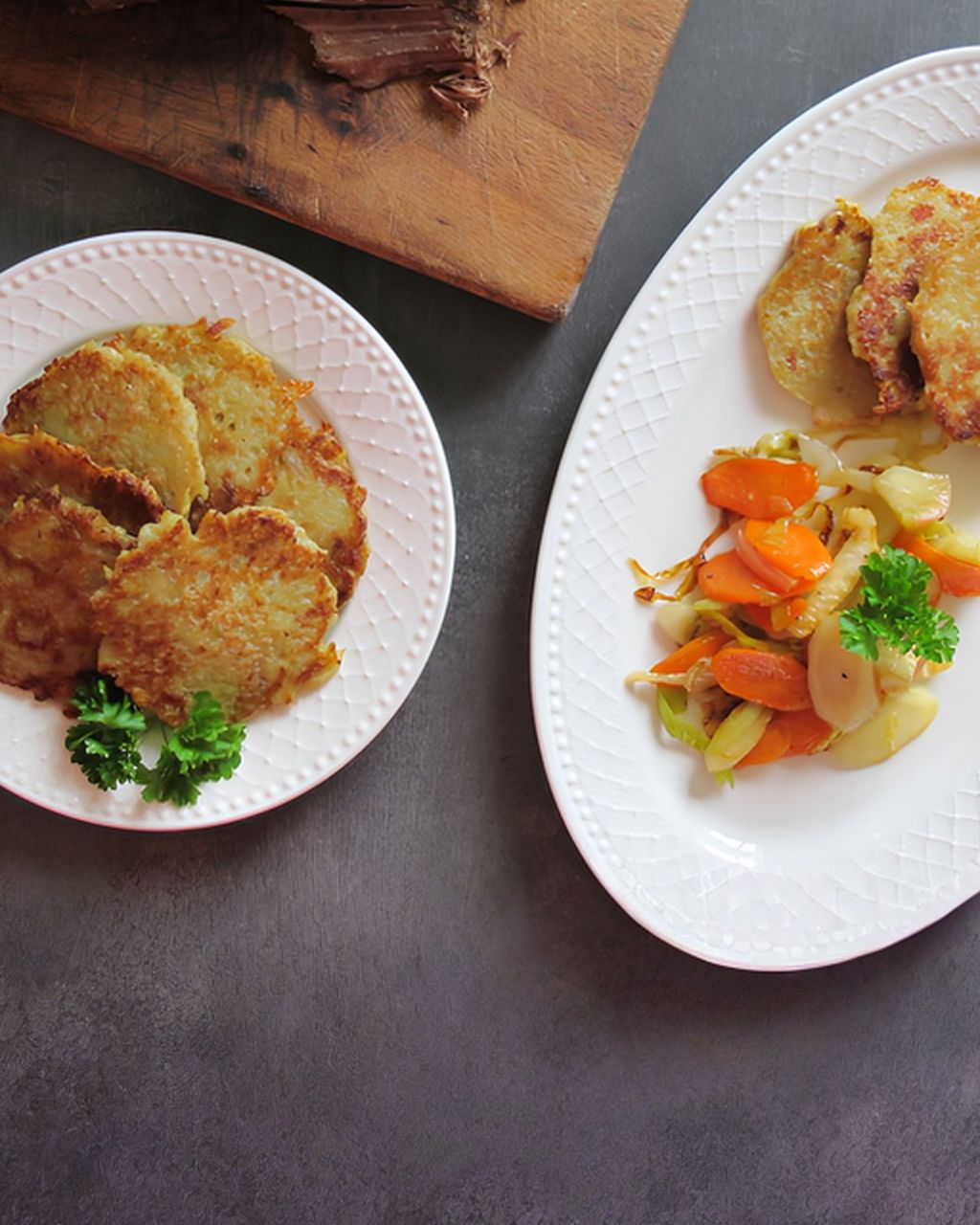
Tafelspitz with broth, vegetables and potato pancakes
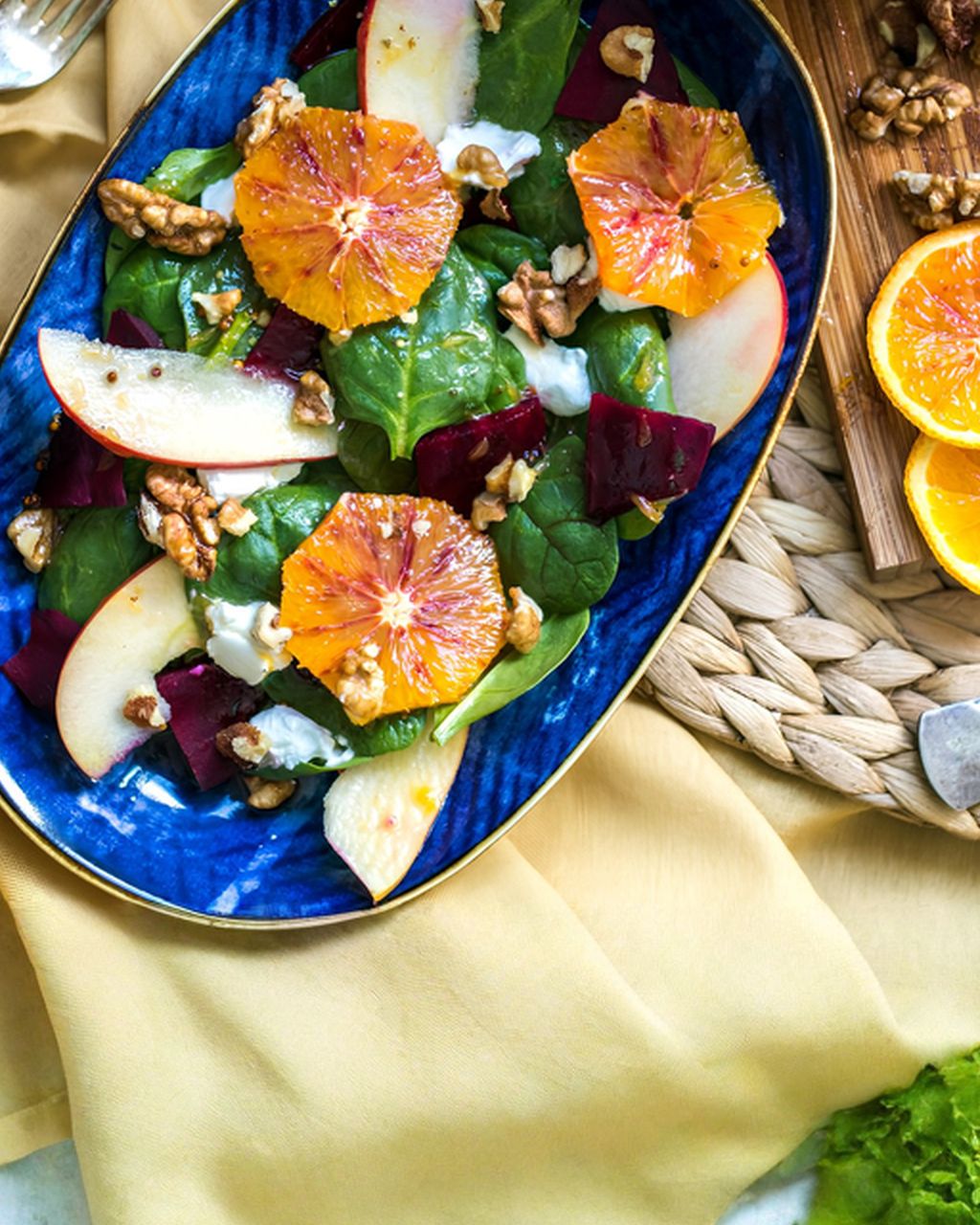
Light salad with blood oranges
The apple is the pomaceous fruit of Malus domestica, a deciduous tree of the Rosaceae family, cultivated across temperate climates for its balance of sugars, acids, and volatile aromatics. More than a simple fruit, the apple occupies a rare position as both quotidian sustenance and enduring cultural symbol, equally at home in rustic orchards and refined culinary repertoires.
The sensory experience of an apple unfolds in stages. The attack is defined by freshness and immediacy, a crisp fracture releasing bright malic acidity or gentle honeyed sweetness depending on cultivar. The mid-palate broadens into nuanced notes of pear, citrus peel, spice, or floral esters, while the finish lingers cleanly, sometimes tannic in heritage varieties, leaving a faint echo of orchard grass or almond skin.
Seasonal baking plans, tested recipes and kitchen tricks that save you time. Unsubscribe in one click.
3 min read
Apple diversity is measured not merely in color but in geography and practice. Granny Smith: originating in Australia, thrives in cooler nights that preserve sharp malic acidity, harvested late for firmness and prized for its bracing, citrus-driven profile. Golden Delicious: grown extensively in temperate valleys, develops thin skin and honeyed sweetness when tree-ripened, with a soft floral mid-palate. Honeycrisp: a modern American cultivar bred for cellular fracture, cultivated in regions with pronounced diurnal shifts that enhance its explosive crunch and balanced sugar-acid tension. Reinette and russeted heritage apples: often grown in mixed orchards, hand-harvested at full maturity, offer nutty, wine-like finishes and firmer, more tannic flesh, reflecting older selections valued for keeping, cooking and the table rather than for transport.
The apple’s story stretches across millennia. Ancient era: Wild Malus species were first gathered in Central Asia, spreading westward along early trade routes. In classical Greece and Rome, apples were associated with love, health, and hospitality, with writers such as Pliny the Elder cataloging named varieties and grafting techniques. Medieval era: Monastic gardens preserved and refined apple cultivation, while cider apples became staples in northern Europe where grapes faltered. Trade and pilgrimage routes disseminated cultivars, embedding apples in both peasant diets and aristocratic banquets. Modern era: From the 17th century onward, apples traveled with colonists to the Americas, where systematic breeding and later industrial storage technologies transformed them into a global commodity. Controlled-atmosphere storage in the 20th century allowed apples to be eaten year-round, subtly reshaping consumer expectations and orchard economics.
Apple texture is governed by the structure of parenchyma cells and the integrity of pectin in the middle lamella. High turgor pressure produces crispness, while enzymatic pectin breakdown during ripening leads to mealiness. Flavor arises from the interplay of fructose, glucose, sucrose, and malic acid, complemented by volatile esters that are highly cultivar-specific. Browning occurs through polyphenol oxidase activity when tissues are cut, a reaction slowed by acidification or reduced oxygen exposure.
Ethical apple sourcing increasingly centers on labor conditions, biodiversity, and chemical inputs. Intensive monoculture orchards often rely on synthetic pesticides, while organic and integrated systems favor biological controls and varietal resilience. Heritage orchard preservation supports genetic diversity and regional identity, though yields are lower. Consumers influence these practices through preference for seasonal, locally grown fruit and transparency in orchard management.