- Season
- Year-round
- Price
- Low
Calories and nutrition
per 100 g
114 kcal
Calories
7.3 g
Protein
21.2 g
Carbs
0.3 g
Fat
Canned White Beans in Brine
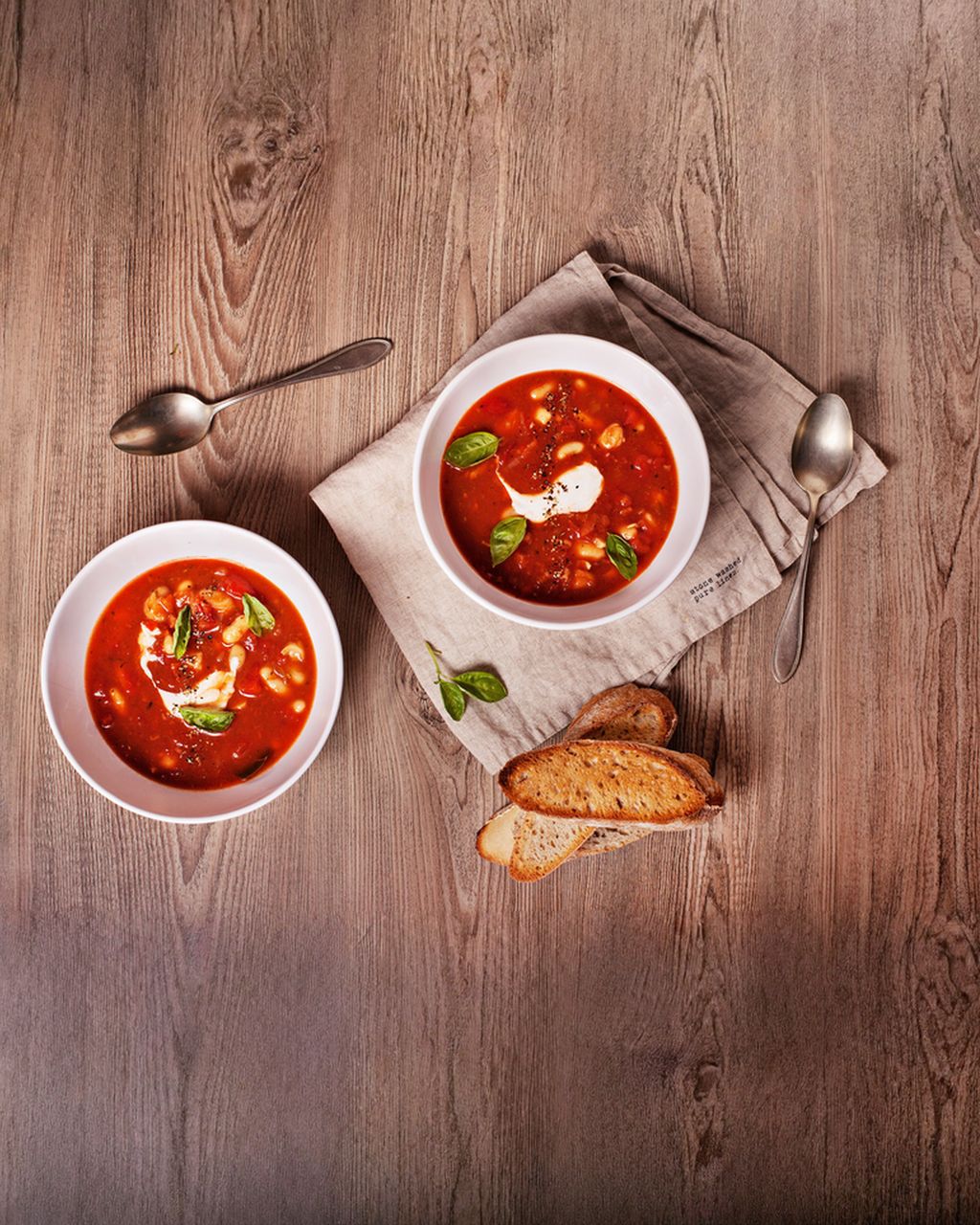
Canned white beans in brine are cooked white beans (Phaseolus vulgaris) packed in a can or jar with salted water; you just drain, rinse and heat them, or add them straight to a salad. They suit tomato soup, bean stews, spreads and salads.
per 100 g
114 kcal
Calories
7.3 g
Protein
21.2 g
Carbs
0.3 g
Fat
Store unopened cans and jars somewhere dry and cool until the best-before date. Do not open a bulging, leaking or rusty can; throw it away. Do not leave opened beans at room temperature for more than 2 hours.
Once opened, move the beans out of the can into a covered container, refrigerate and use within 2–3 days.
Spread drained, rinsed and dried beans on a tray, freeze, then tip them into a bag. At −18 °C use them within 6 months. They are softer after thawing and best in soup, stew or purée.
Choose cans without bulges, rust or deep dents, especially on the seams and lid. Compare the drained weight, which differs between cans of the same size. The shortest ingredient list is beans, water and salt. If you watch your salt, look for no-added-salt or reduced-salt beans.
Dried white beans cooked at home: soaked overnight, drained, boiled hard in fresh water for the first 10 minutes and then simmered until tender. One part dried beans gives roughly 2–3 parts cooked.
Canned chickpeas. They are firmer and taste stronger but work similarly in salads, soups and spreads.
Drain the beans in a sieve and rinse them under cold water to wash off the starchy brine and some of the salt. Add them straight to a salad; in a hot dish, add them for the last 10–15 minutes so they heat through without falling apart. To thicken a soup, mash or blend some of the beans.
Mash leftover beans with olive oil, garlic, lemon and rosemary into a spread. A spoonful of the brine thickens a soup or sauce; just add less salt.
Roughly what a spoon or cup weighs, filled the way you usually would.
4 g
1 teaspoon
11 g
1 tablespoon
Canned beans are already cooked and only need heating. Add them to soups and stews at the end so they do not fall apart. With tomatoes, garlic and herbs they make a quick sauce; blended with olive oil and lemon they give a smooth spread. Add them rinsed to salads with red onion, parsley and an olive oil and lemon dressing.
Pale common beans cooked right in the can or jar: the beans are covered with a brine of water and salt, sealed and heat-sterilised, so they are soft, ready to eat and keep in the pantry until the best-before date while unopened. On cans you will find them as white beans, sometimes under the Italian name cannellini. The label gives the total weight and the drained weight, which is how much bean is left once you pour off the liquid. The ingredients should be beans, water and salt. White beans in tomato sauce are a different, seasoned product and do not suit recipes calling for beans in brine.
Mild, buttery and almost neutral, with a thin skin and a creamy inside. The brine is cloudy from starch and salty. The beans quickly take on garlic, rosemary, tomato and olive oil and mash easily into a smooth purée.
2 min read
No. Canned white beans were cooked during sterilisation, so you can eat them cold in a salad or just heat them in a hot dish. For red kidney beans, Health Canada states plainly that the heat treatment used in canning destroys enough of the lectins that canned beans need no further cooking. White beans are soft and fall apart with long cooking, so add them at the end.
Dried white beans from a bag must be cooked before eating. According to Health Canada, lectins occur at varying levels in many legumes, and most problems come from undercooked red kidney beans. So soak dried beans, discard the water and boil them hard in fresh water for the first 10 minutes. More on our white beans page and in the article on how to cook beans until tender. Canned beans are already cooked.
Rinsing is not about safety but about salt and taste. It washes off the cloudy starchy brine and the beans taste cleaner. Always rinse them for salads. In a thick soup or stew you can keep a spoonful of the liquid to thicken it a little.
An unopened can keeps until the best-before date. Move opened beans into a covered container, refrigerate them within 2 hours and use them within 2–3 days. For longer, drain, dry and freeze them: they keep 6 months at −18 °C.
A bulging or leaking can, a hiss when opening, or foamy, sour-smelling brine mean the contents may have spoiled. Do not taste such beans; throw them away.
Soup is the quickest: in our quick tomato and bean soup the drained canned beans are just heated through in the finished tomato soup. The bacon and bean stew in tomato sauce uses dried beans; with a can you skip the soaking and boiling and add the beans to the tomato sauce at the end. If you have no white beans, canned black beans work too, just earthier and darker.