- Season
- Year-round (peak harvest mid-summer to early fall)
- Price
- Low
Calories and nutrition per 100 g
- 143 kcal
- 6.6 g protein
- 0.4 g fat
- 28.2 g carbs
Garlic
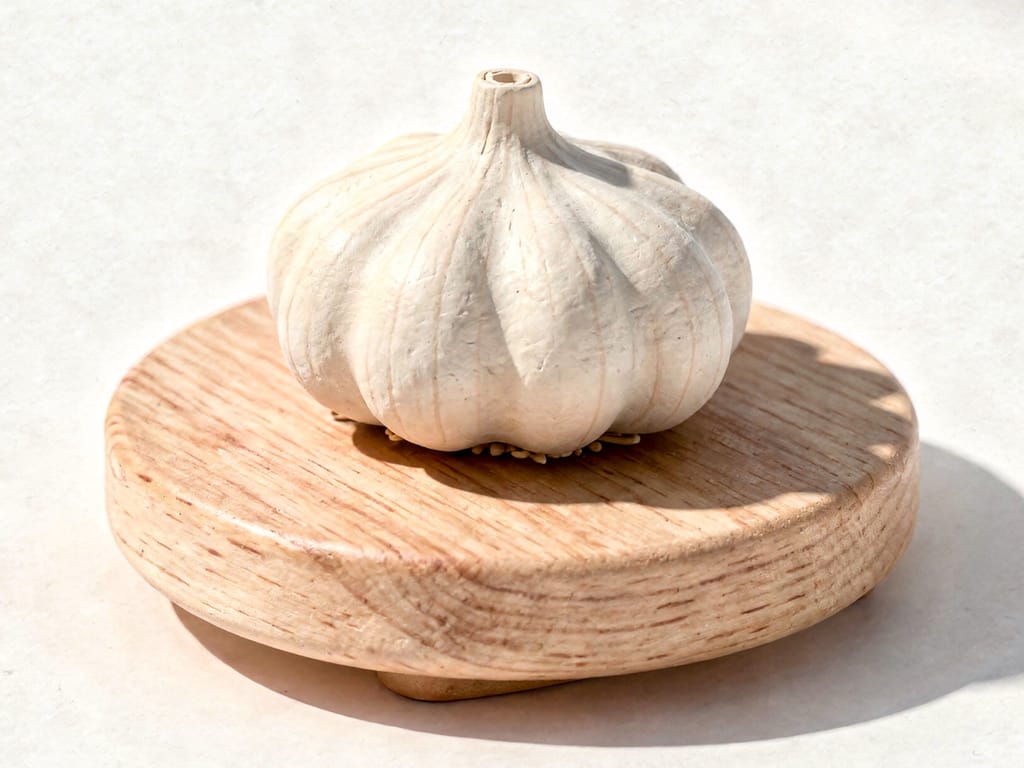
Garlic (Allium sativum) is a bulbous flowering plant in the Allium genus, closely related to onions, shallots, leeks, and chives. Each bulb, or head, is composed of multiple segments called cloves, encased in papery skin.
Store whole, unpeeled bulbs in a cool, dark, well-ventilated area for 3-5 months. Avoid plastic bags; use mesh bags or open containers. Once a head is broken, use cloves within 10 days.
Not recommended for whole bulbs as humidity promotes mold and sprouting. Peeled or minced garlic can be stored in an airtight container for up to 1 week, though flavor diminishes rapidly.
Whole unpeeled cloves freeze well for up to 6 months. Minced garlic can be frozen in ice cube trays with olive oil for convenient portioning; keep the cubes frozen at all times and take out only what you cook straight away, as garlic in oil must never be held at room temperature. Texture softens upon thawing but flavor remains intact.
Select firm, plump bulbs with tight, unbroken papery skin. The cloves should feel solid when gently squeezed—avoid heads that feel soft, hollow, or show signs of sprouting (green shoots emerging from the top). The skin should be dry and crisp, not damp or moldy. Heavier bulbs relative to their size indicate freshness and moisture content. For hardneck varieties, the stem should be dry and intact.
Shallots combined with a small amount of garlic powder—shallots provide the allium depth while the powder adds characteristic garlic notes. Use 1 small shallot plus ¼ teaspoon garlic powder per clove.
Garlic powder (⅛ teaspoon per fresh clove) or granulated garlic (¼ teaspoon per clove). For raw applications, chives or garlic chives offer mild allium flavor without the heat.
To peel easily, place cloves under the flat side of a knife and press firmly to crack the skin. For maximum flavor release, mince finely or use a microplane. Allow crushed garlic to rest for 10-60 seconds before cooking to allow allicin formation. Remove the green germ from older cloves to reduce bitterness. For milder flavor, slice rather than crush, or use whole cloves.
Save papery garlic skins to add depth to homemade vegetable stock. Garlic scapes (the curly green shoots from hardneck varieties) are a seasonal delicacy—use them in pesto, stir-fries, or pickled as a condiment. Sprouted garlic is still edible; simply remove the bitter green germ before using.
Roughly what one measure weighs, scooped the way you normally would in the kitchen.
Garlic adapts brilliantly to virtually every cooking technique. Sautéing minced garlic in oil creates an aromatic base for countless dishes—add it after other aromatics to prevent burning. Roasting whole heads at 200 °C for 45-50 minutes transforms cloves into sweet, spreadable paste. Confit garlic slowly in olive oil yields silky, mellow cloves and flavor-infused oil; because garlic sits in a low-acid, oxygen-free environment in oil, never keep it at room temperature — refrigerate at or below 4 °C and use within four days, or freeze for up to three months. Frying thin slices produces crispy garlic chips for garnishing. For maximum pungency, add raw crushed garlic at the end of cooking or use in vinaigrettes and aioli. Blanching whole cloves briefly tames their bite while preserving texture.
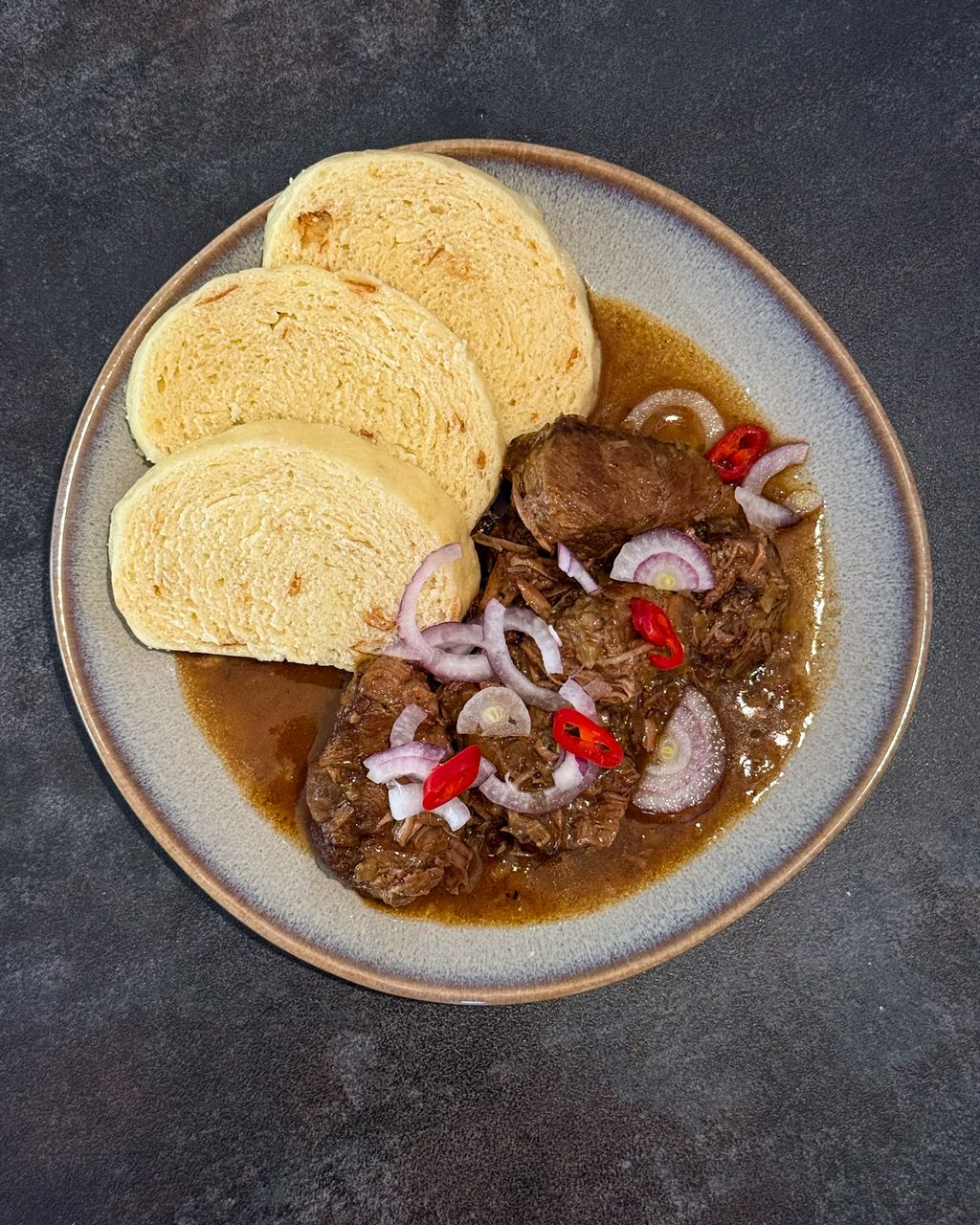
Classic czech beef goulash with chilli and bread dumplings
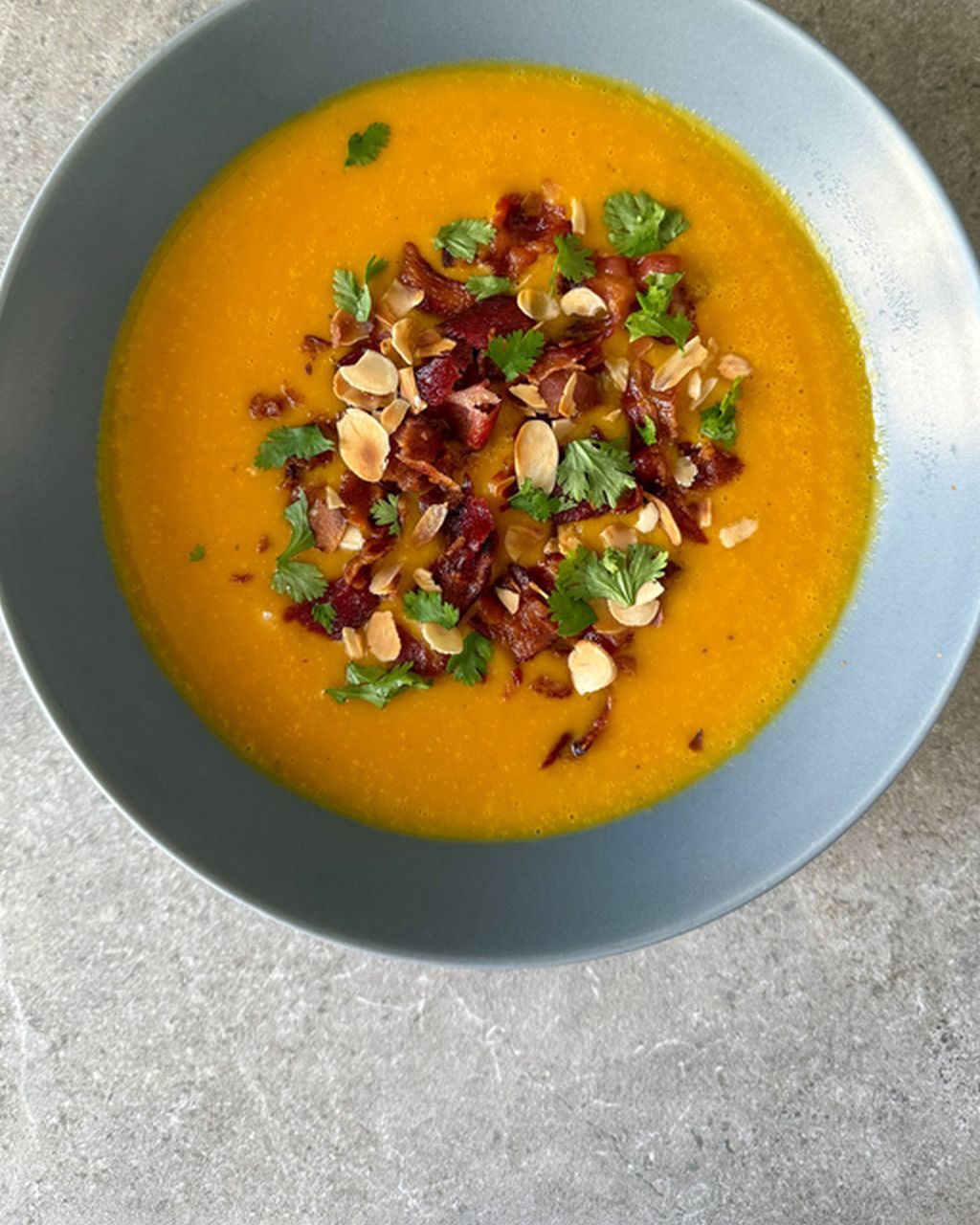
Pumpkin soup with crispy bacon
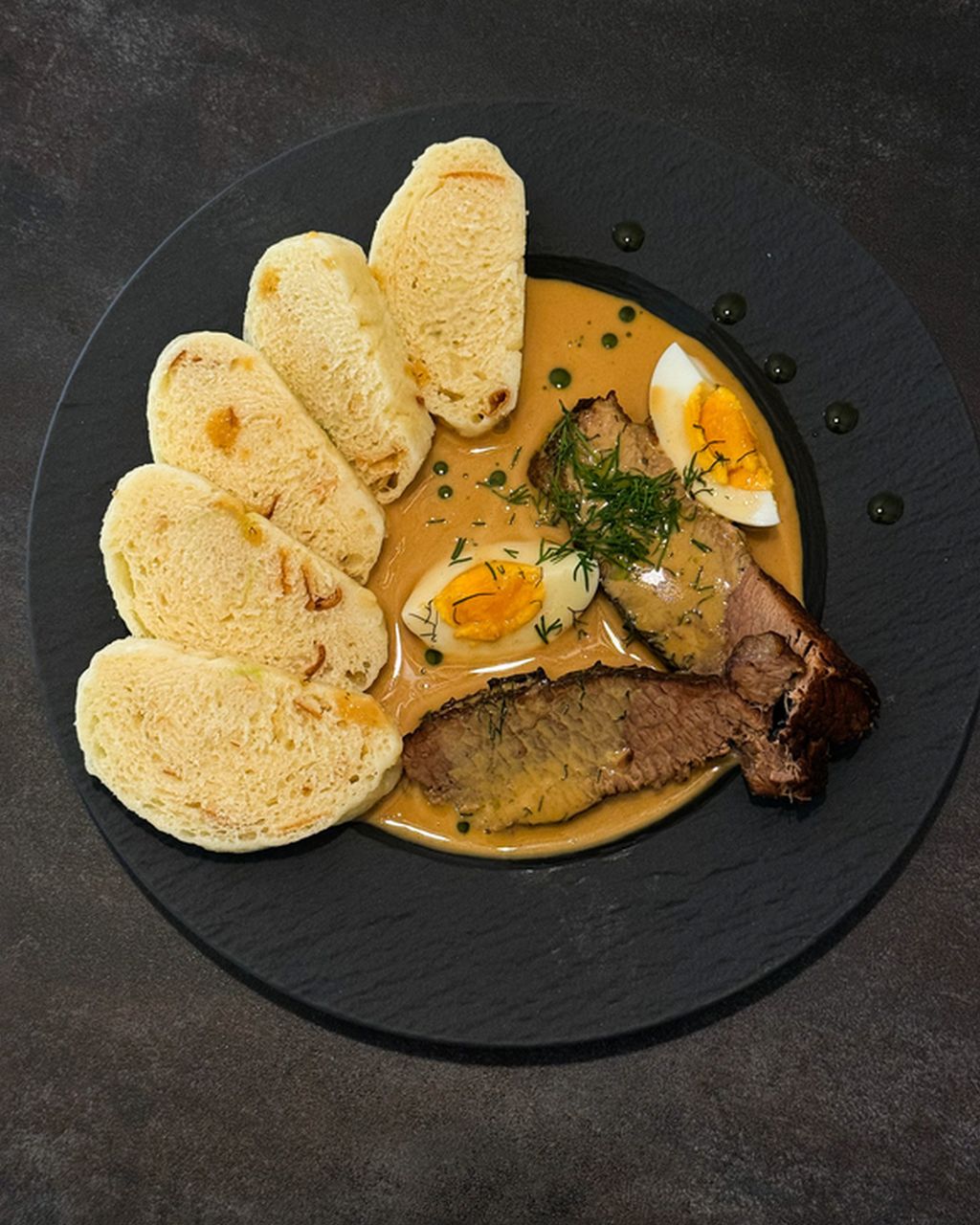
Dill sauce with slow-roasted beef
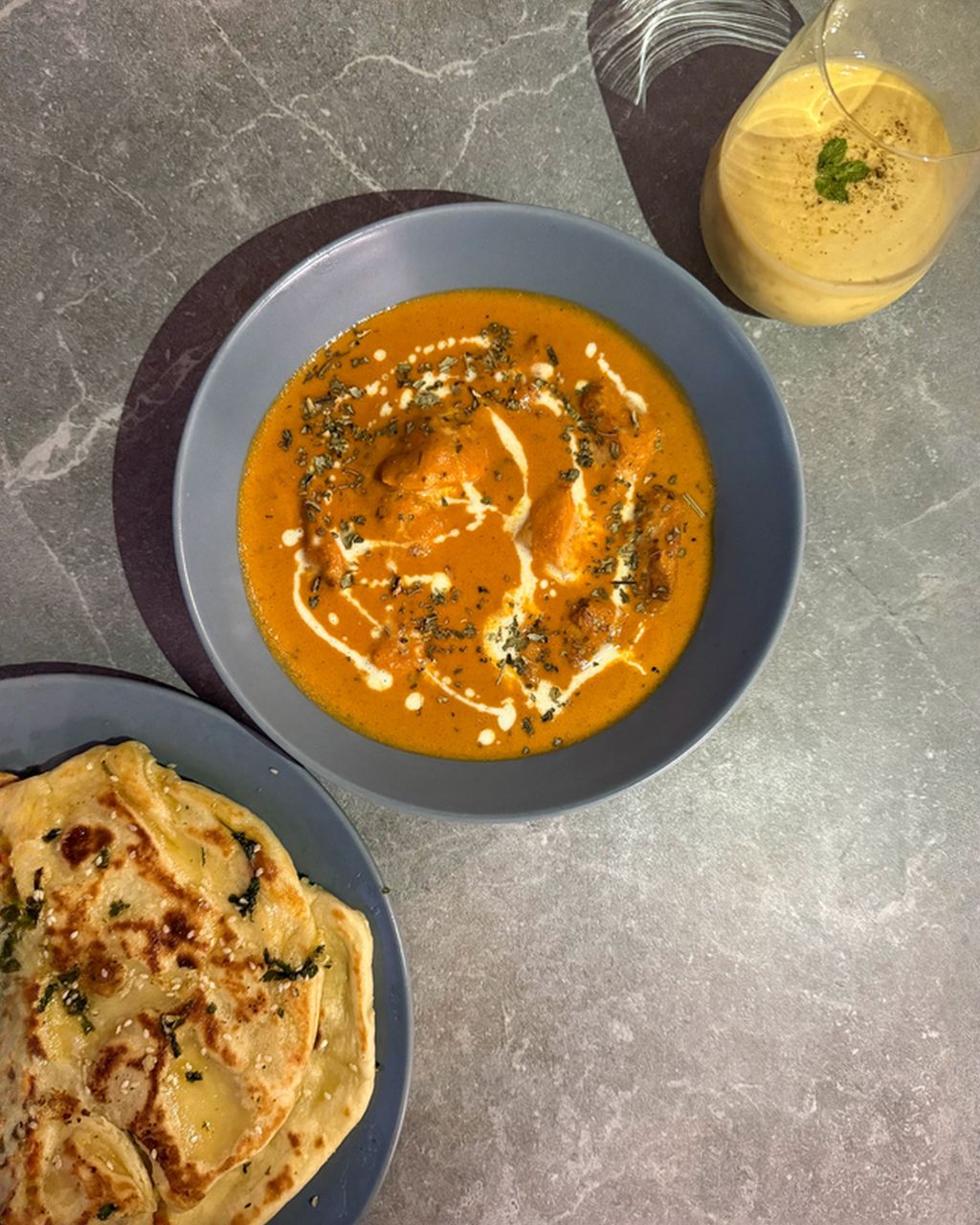
Restaurant-style butter chicken (murgh makhani)
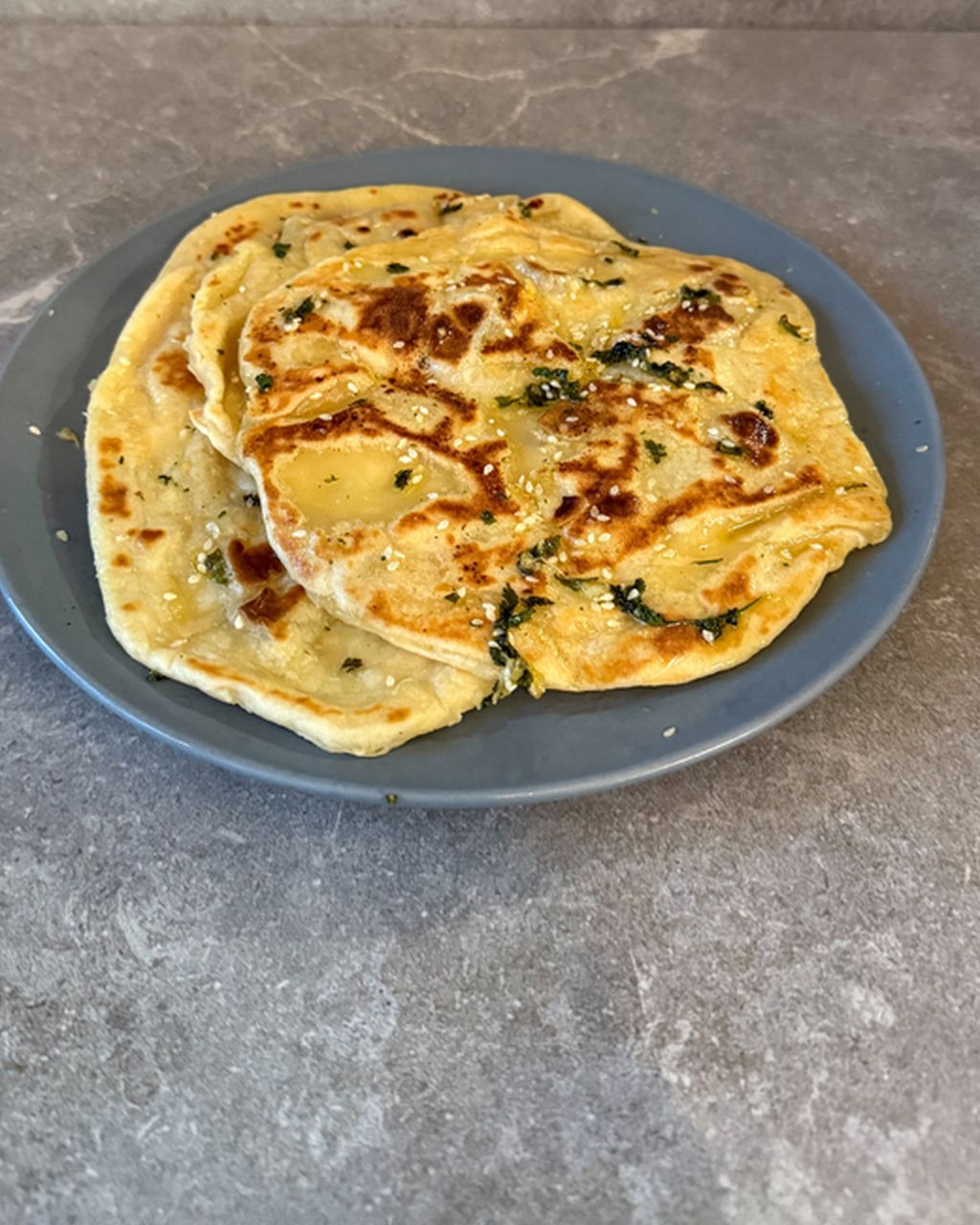
Skillet naan bread (no yeast)
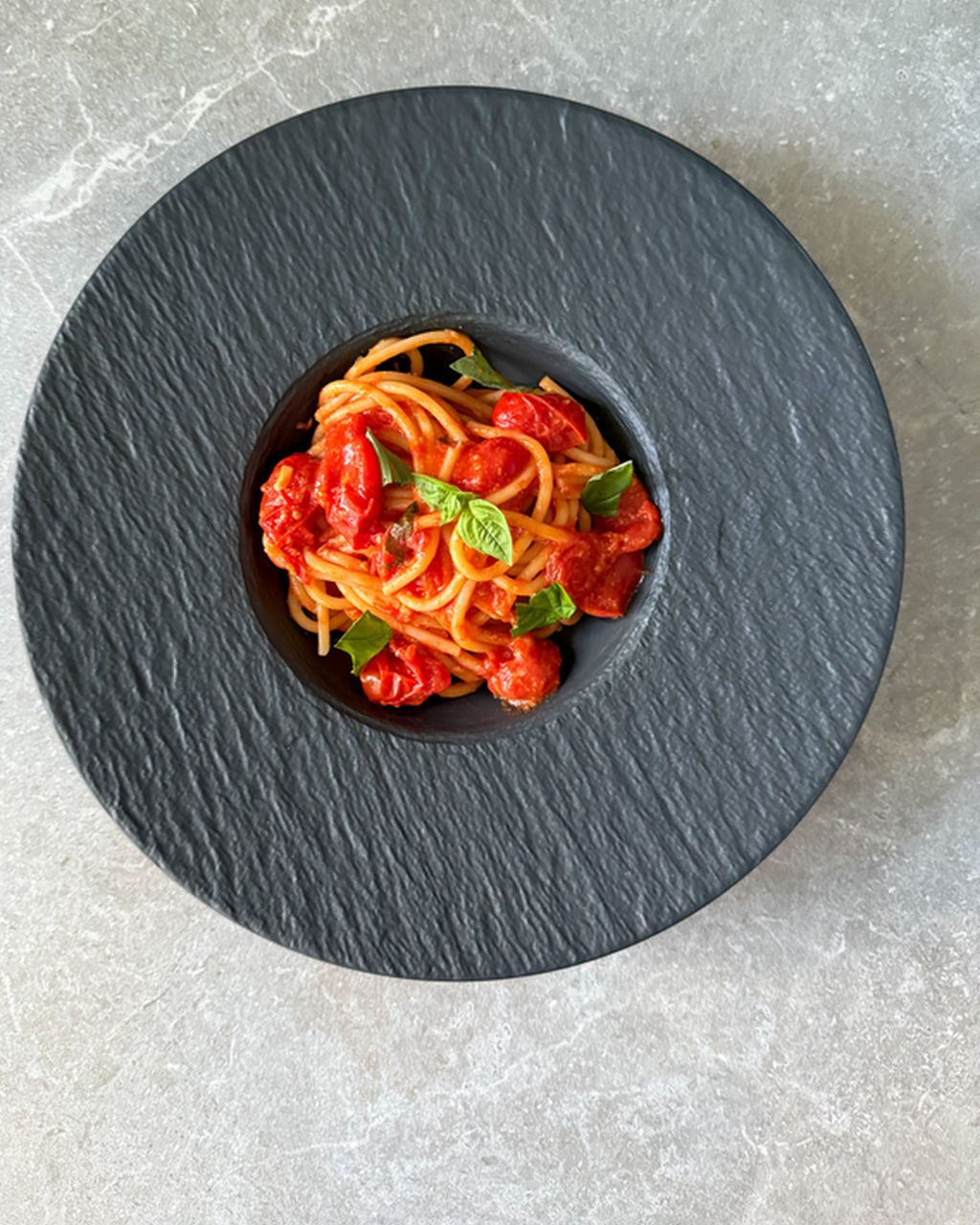
Spaghetti allo scarpariello: a quick recipe from naples
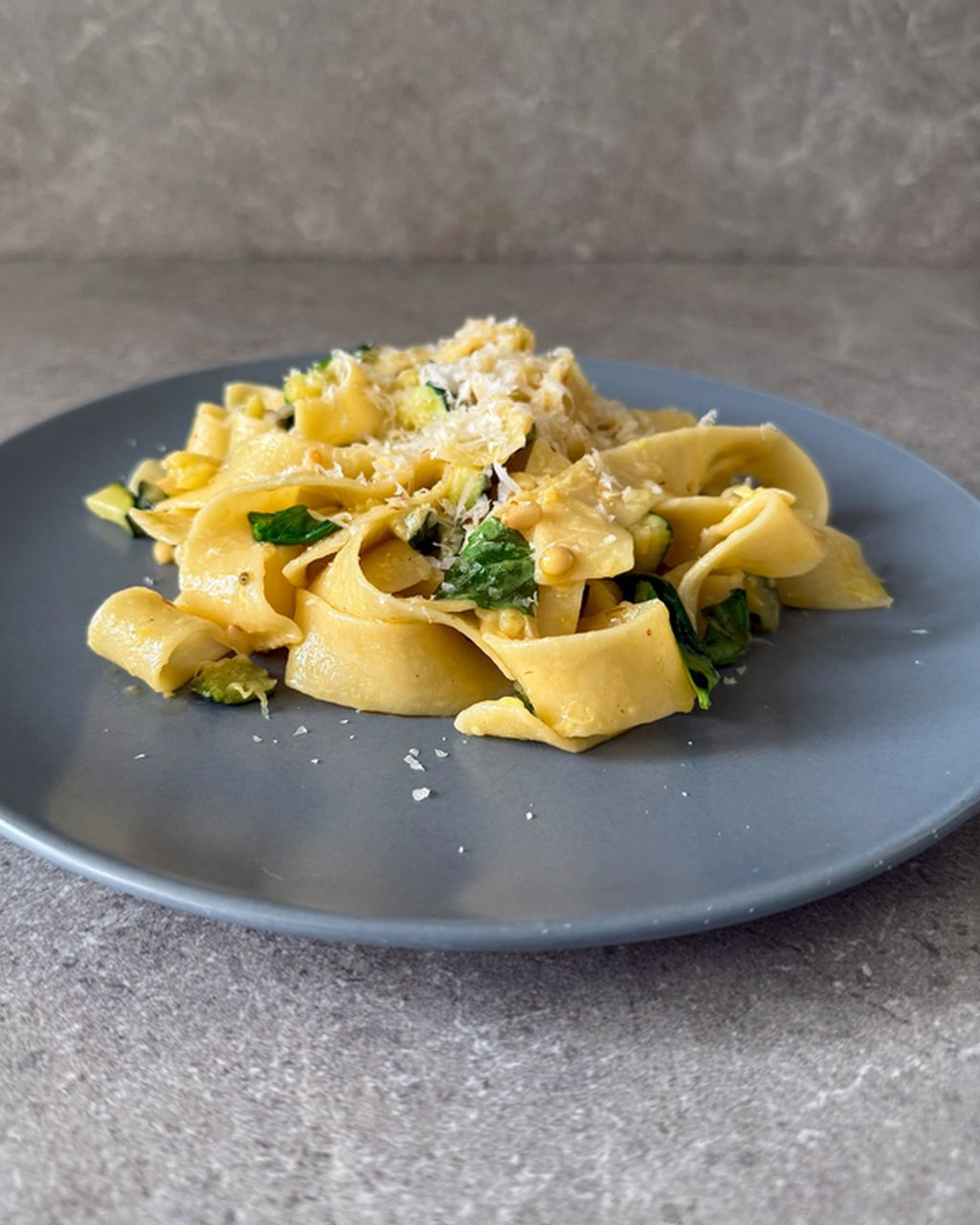
Quick zucchini and lemon pasta
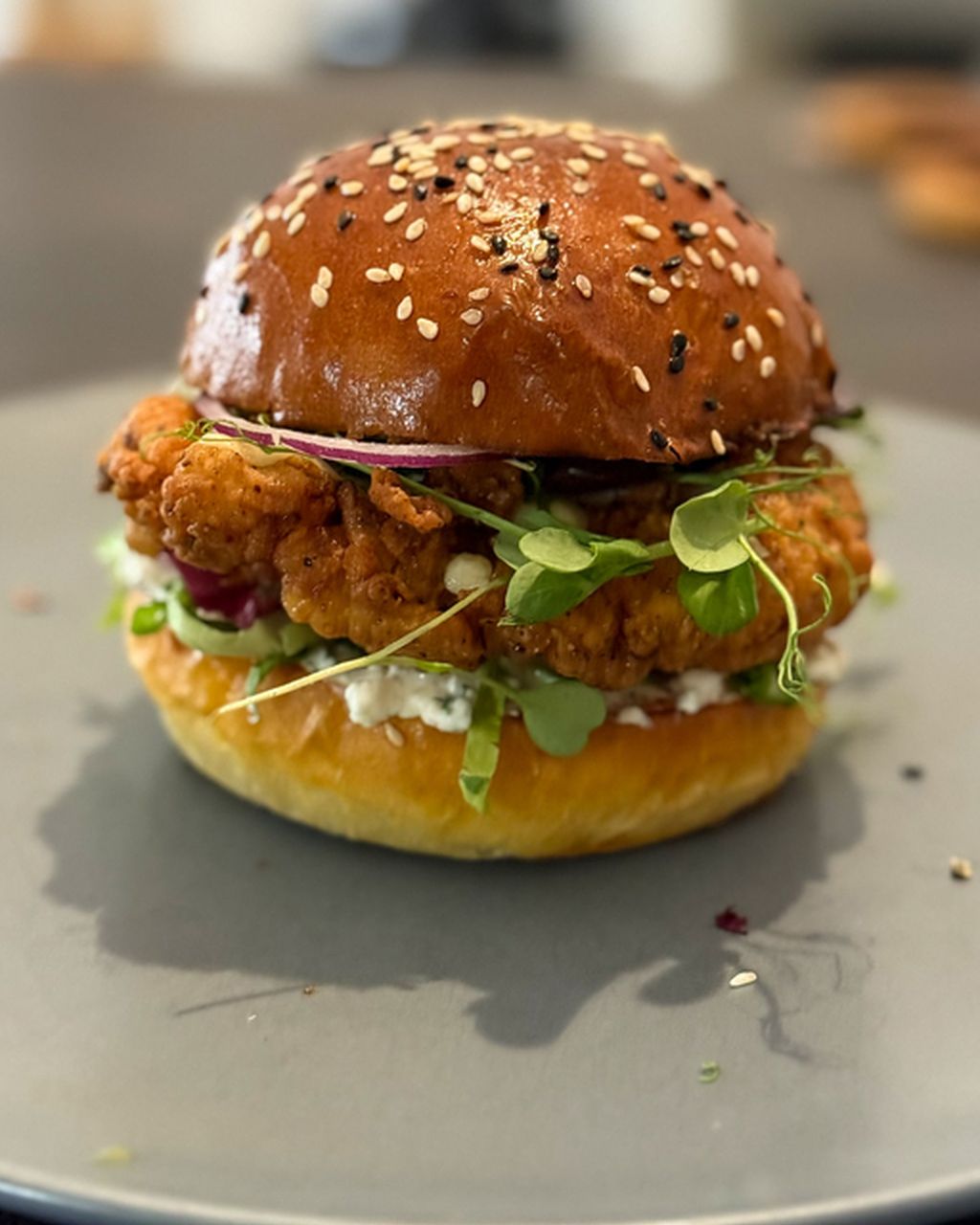
Crispy chicken burger in a homemade bun
Garlic (Allium sativum) is a bulbous flowering plant in the Allium genus, closely related to onions, shallots, leeks, and chives. Each bulb, or head, is composed of multiple segments called cloves, encased in papery skin. Prized for its intensely aromatic and flavorful properties, garlic is one of the world's oldest cultivated crops and remains indispensable in cuisines spanning every continent.
Raw garlic delivers a sharp, fiery bite with sulfurous heat that can border on aggressive. As it cooks, a remarkable transformation occurs: the pungency mellows into a rich, nutty sweetness with deep umami undertones. Roasted whole, garlic becomes buttery and caramelized, spreadable like soft cheese. The flavor intensity is directly proportional to how finely the cloves are processed—whole cloves impart gentle warmth, while minced or crushed garlic releases maximum potency.
Seasonal baking plans, tested recipes and kitchen tricks that save you time. Unsubscribe in one click.
5 min read
Garlic divides into two primary classifications: softneck and hardneck. Softneck varieties (Artichoke and Silverskin groups) dominate supermarket shelves—they store longer, braid beautifully, and offer reliable mild-to-moderate flavor. Hardneck varieties (Porcelain, Rocambole, Purple Stripe, and Glazed Purple Stripe groups) produce fewer but larger cloves with more complex, robust flavors and the prized spring delicacy of garlic scapes. Notable cultivars include Music (porcelain, bold flavor), Chesnok Red (purple stripe, excellent roasted), Inchelium Red (artichoke, mild and versatile), and Spanish Roja (rocambole, rich and spicy). Black garlic, made by holding whole bulbs at low heat and high humidity for several weeks — a slow Maillard browning rather than a true fermentation — offers molasses-like sweetness with balsamic undertones. Elephant garlic, despite its name, is actually a type of leek with mild, almost sweet flavor.
Garlic's story begins in the mountains of Central Asia—likely the Tien Shan range spanning modern-day Kyrgyzstan and Kazakhstan—where wild ancestors still grow today. From this "Garlic Crescent," nomadic herders and traders carried the bulb across Central Asia more than 5,000 years ago, long before the same corridors were formalised as the Silk Road from roughly the 2nd century BCE. Cuneiform tablets confirm Mesopotamian cultivation dating back at least 4,000 years. The Egyptians prized garlic highly: real bulbs and clay models of bulbs were placed in tombs, among them Tutankhamun's, and Herodotus reported—though modern scholars doubt the account—that the pyramid workers were supplied with garlic and onions. Greek athletes consumed it before Olympic competitions; Roman soldiers carried it into battle. The Talmud prescribed garlic for its aphrodisiac and medicinal properties, while Chinese texts documented its therapeutic applications for millennia. Medieval Europeans attributed protective powers against plague and evil spirits to the pungent bulb. Spanish, Portuguese, and French colonizers introduced garlic to the Americas, though American cultivation remained limited until waves of Italian, Polish, and German immigrants arrived with their culinary traditions. A pivotal moment came with the break-up of the Soviet Union, formally dissolved in December 1991, which opened the Caucasus and Central Asia — long closed to foreign collectors and home to the crop's richest genetic diversity — to USDA plant explorers, whose early-1990s expeditions brought back the prized varieties now flourishing in specialty gardens worldwide.
The chemistry of garlic is a masterclass in enzymatic transformation. Intact garlic cloves contain alliin, a stable, odorless sulfur compound, stored separately from the enzyme alliinase. The moment cellular structure is disrupted—through cutting, crushing, or chewing—these compounds meet and react within 10-60 seconds to produce allicin, the volatile thiosulfinate responsible for garlic's characteristic pungency and aroma. This is a defense mechanism: allicin acts as an antifeedant, deterring pests from consuming the plant. The degree of cellular damage directly correlates with allicin production—hence why crushed garlic is far more potent than sliced. Heat rapidly deactivates alliinase, which explains why adding garlic to hot oil immediately produces milder results than allowing crushed garlic to rest before cooking. Allicin itself is unstable, breaking down within hours into an array of secondary organosulfur compounds including diallyl disulfide, diallyl trisulfide, and ajoene, each contributing distinct flavors and aromas. Acid also denatures alliinase, so when making vinaigrettes, crushing garlic and allowing it to rest before adding acid maximizes flavor development. The Maillard reaction during roasting converts garlic's sugars and amino acids into hundreds of new flavor compounds, producing the sweet, caramelized notes of roasted garlic.
China produces approximately 75% of the world's garlic supply, raising concerns about labour practices and environmental standards, and about production rules that differ from those applied in the EU. Claims that imported garlic is chlorine-bleached circulate widely online but are poorly documented; sprout inhibitors are used in commercial garlic production in many countries, and all garlic sold in the EU must meet EU maximum residue limits and pass import controls. Supporting local and domestic growers, particularly small-scale organic farmers, ensures higher quality, fresher product, and more transparent supply chains. Look for garlic from Spain, France or Italy, or from Czech and other Central European growers, for premium quality. Farmers' markets offer the best opportunity to find locally grown hardneck varieties with superior flavor. Garlic carrying the EU organic leaf is grown without synthetic pesticides and fertilisers. For the most sustainable choice, consider growing your own—garlic is remarkably easy to cultivate, requiring only fall planting and minimal care for a summer harvest.