- Season
- Year-round. Maincrop potatoes are harvested from August to October and sold from storage through winter into spring.
- Price
- Low
Calories and nutrition
per 100 g
81 kcal
Calories
2.3 g
Protein
17.8 g
Carbs
0.4 g
Fat
Floury Potatoes (Type C)
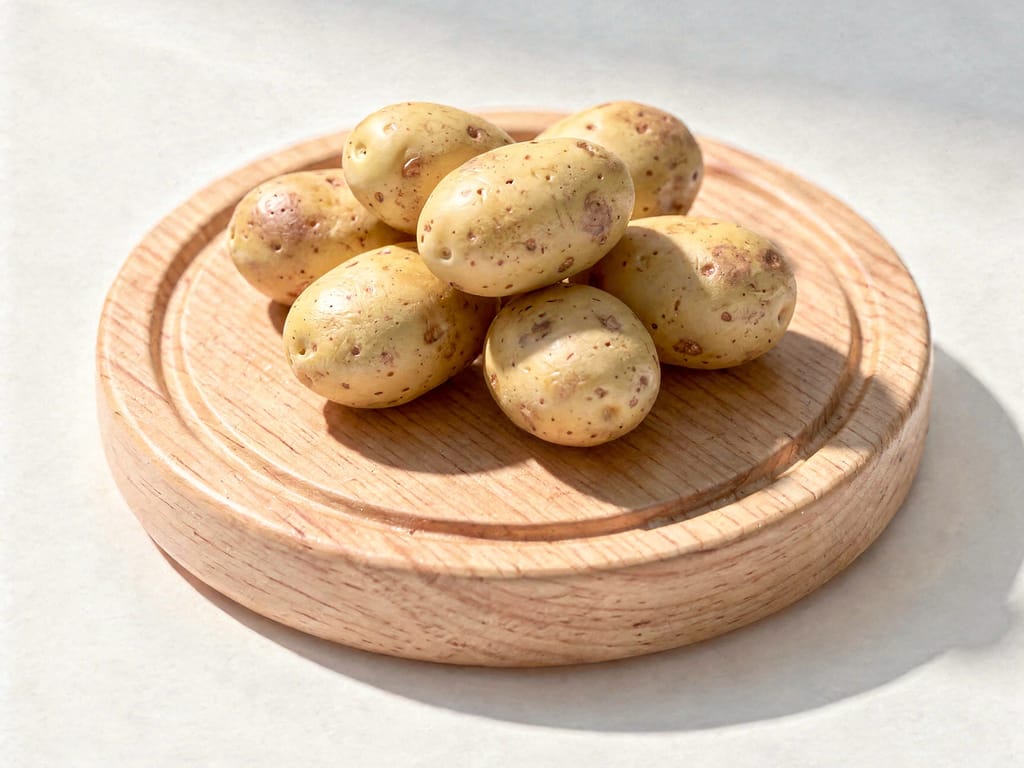
Type C potatoes are floury potatoes that fall apart when boiled and turn dry and fluffy, because they have more starch and dry matter than the other cooking types. They suit mashed potatoes, potato pancakes, dumplings, potato dough, chips and roasting, but not potato salad. The Czech cooking-type label C sits alongside type A (waxy, salad) and type B (semi-waxy, all-purpose).
per 100 g
81 kcal
Calories
2.3 g
Protein
17.8 g
Carbs
0.4 g
Fat
Store them in the dark at 4–8 °C in humid air, ideally in a cellar in a slatted crate or a paper or jute sack. There maincrop potatoes keep 4–6 months. In a flat at 20–22 °C, use them within 1–2 weeks and keep them in the coolest dark cupboard. Do not store them in plastic or next to onions and apples.
Do not keep raw potatoes in the fridge for long. At 2–5 °C part of their starch turns to sugar, so they taste sweet and darken quickly when fried or roasted. If they have been in the fridge and you plan to fry or roast them, keep them at 15–20 °C in the dark for 1–2 weeks first. Refrigerate cooked potatoes and mash within 2 hours of cooking and eat within 3–4 days.
Do not freeze raw potatoes; they turn glassy and watery when thawed. For chips or roasting, cut them, blanch for 3–5 minutes, cool quickly in iced water, dry and freeze. Mashed potato made with butter and milk freezes well, while plain boiled potatoes turn watery and fall apart after thawing. For the best flavour, use them within 3 months.
Look for cooking type C or BC on the pack. Potatoes should be firm and heavy for their size, with taut skin and no green patches, sprouts or soft, weeping spots. Skip wrinkled tubers that have lost moisture and any that have sat in the light and turned green. You cannot tell a floury potato by its shape or skin colour, so rely on the label.
Type BC or semi-waxy type B potatoes. They work for mash and roasting; the result is just a little denser and creamier, less fluffy.
Sweet potatoes can stand in for mash and roasting, but they taste sweet and are moister. Do not use waxy type A potatoes for dumpling or gnocchi dough: the dough turns sticky and needs more flour.
Scrub the potatoes under running water. Cut out green patches, sprouts and eyes generously, because bitter solanine collects there. For mash, peel, cut into even pieces, start them in cold salted water at a gentle boil, then drain and let them steam dry in the pan. For dumplings and potato dough, boil them in their skins the day before so they are dry. For chips and roast potatoes, soak the cut pieces in cold water for 30 minutes to 2 hours, then dry them thoroughly.
Use leftover mash or boiled potatoes for potato pancakes, potato fingers (šišky), flatbreads or dumpling dough. Day-old mash thickens soup. Germany's BfR advises against reusing potato cooking water for soups or sauces, as some glycoalkaloids pass into it. Peels from potatoes without green patches can go in the compost or food-waste bin.
Roughly what one piece weighs.
200 g
1 piece
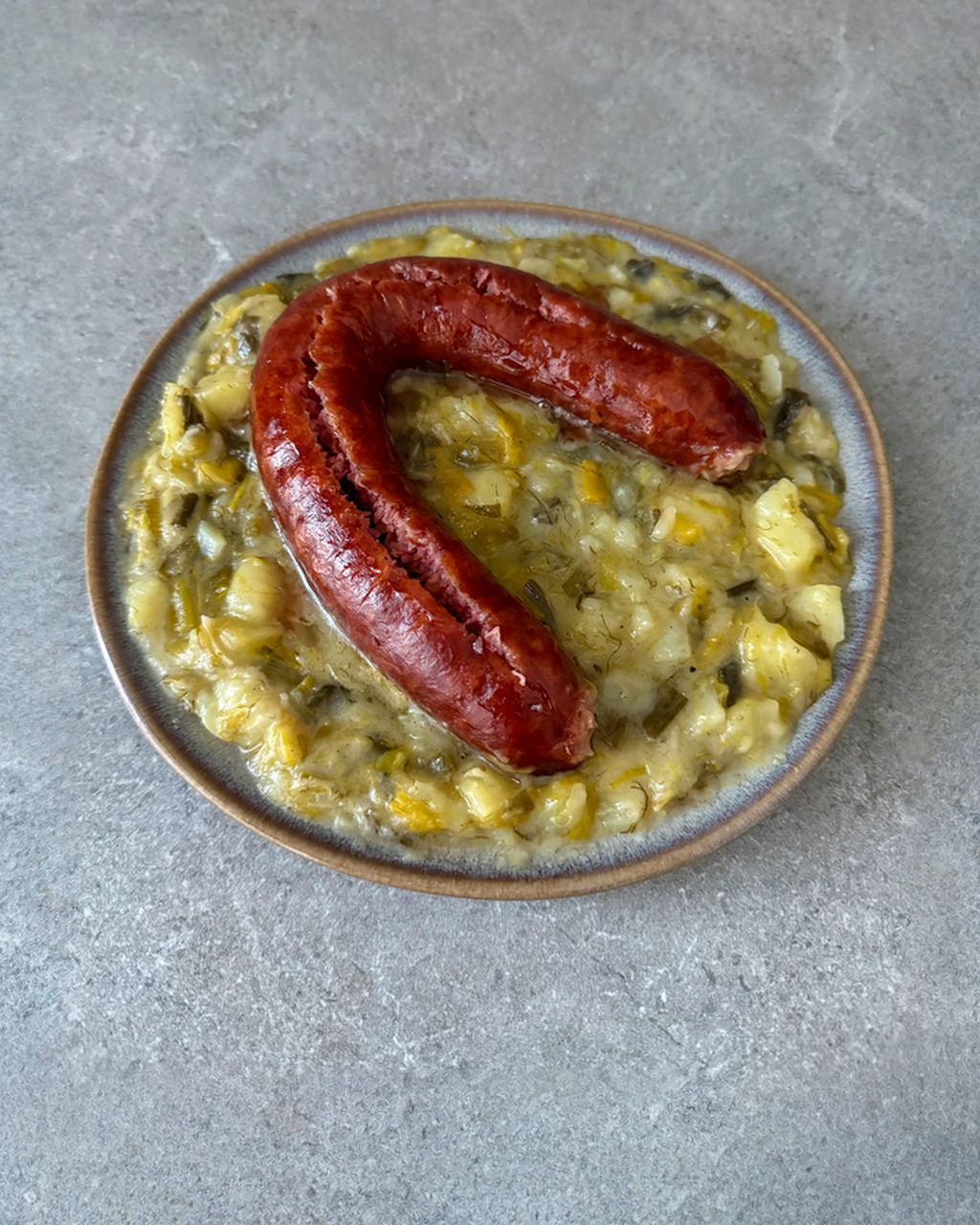
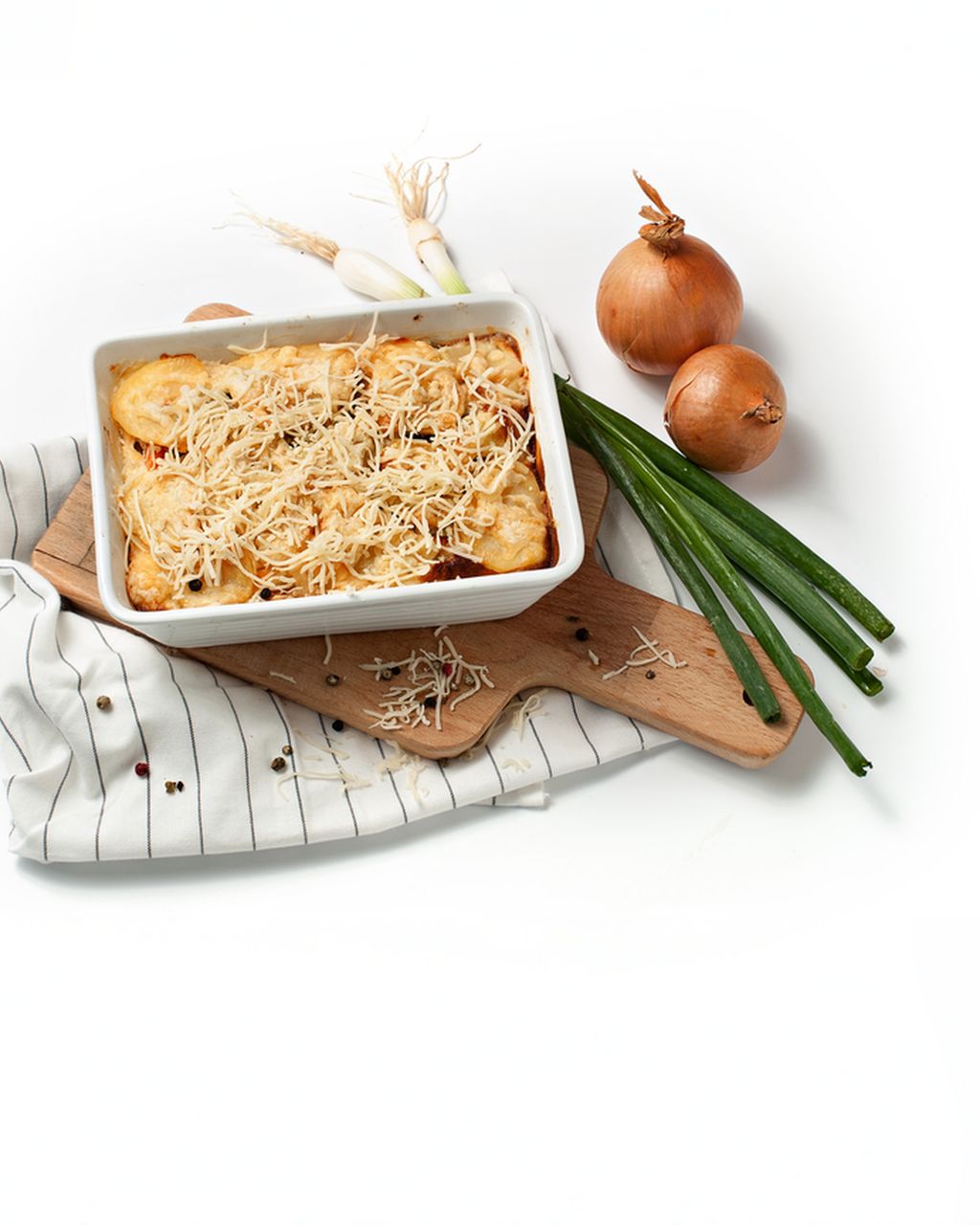
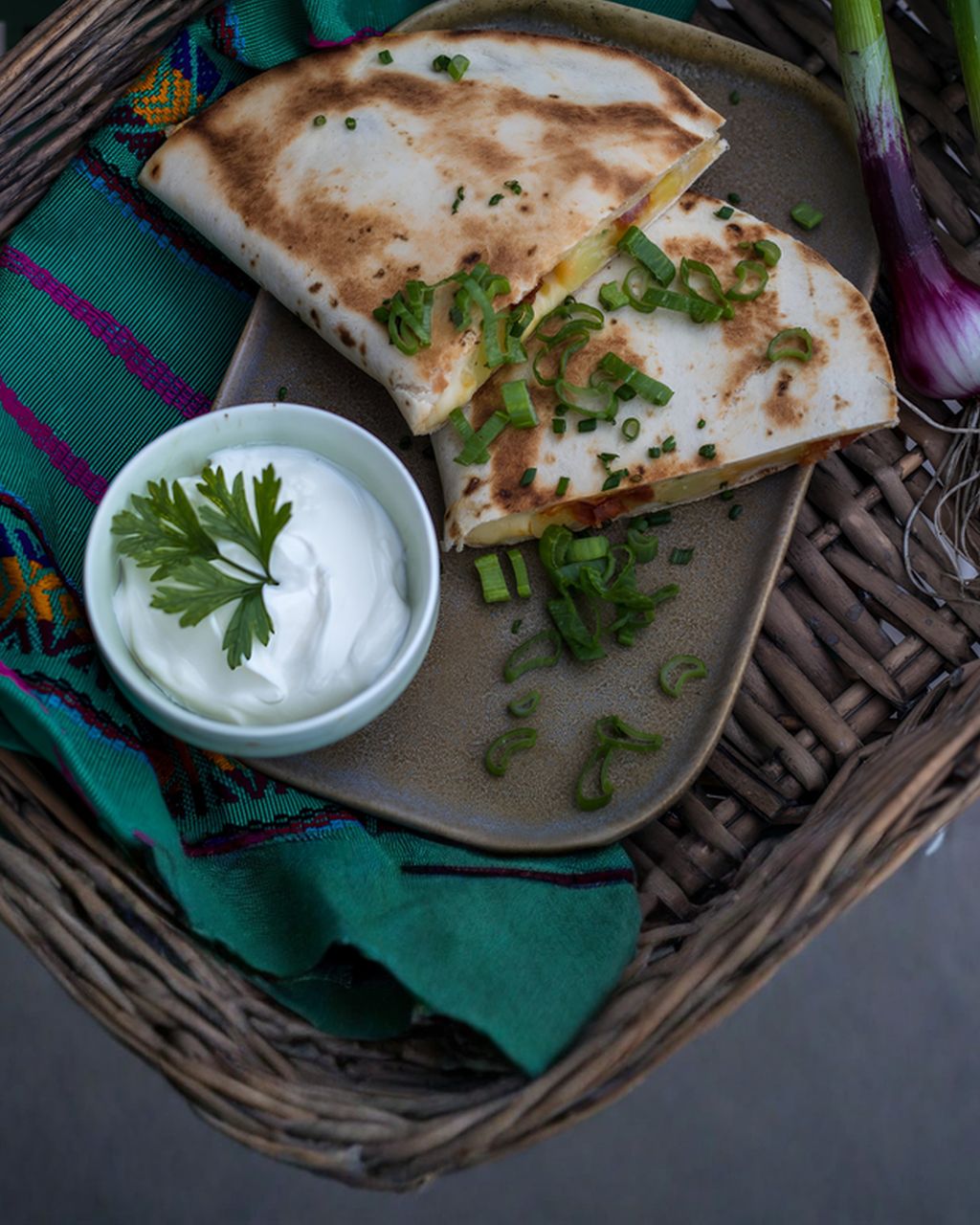
Floury potatoes are best for mashed potatoes, potato dumplings and dough for fruit dumplings, potato fingers and gnocchi, potato pancakes, chips and roast potatoes. Mash them by hand with a masher or ricer, never in a blender, or the mash turns gluey. For roast potatoes, parboil until the edges start to crumble, shake them up and roast in hot fat at 220 °C. Oven chips take about 35–40 minutes at 220 °C. Add them to soups when you want them to break down and thicken. They do not suit salads, goulash, plain boiled potatoes as a side or bakes where they need to hold their shape.
Type C potatoes are floury potatoes. In the Czech Republic, as in Germany and Austria, the cooking type on the pack tells you how a potato behaves once cooked: type A is waxy and best for salad, type B semi-waxy and all-purpose, type C floury. Floury potatoes have more starch and dry matter, so they break up when boiled and turn dry, crumbly and fluffy. Packs also show mixed labels such as AB and BC, because the boundaries between types are not sharp. Neither skin colour nor tuber shape tells you the cooking type; the variety and the growing season decide it. Czech shops mostly sell floury potatoes without a variety name, simply as late ware potatoes, floury, type C.
Floury potatoes taste mildly earthy and full. Once cooked the flesh is dry and crumbly, so it soaks up butter, milk, cream and pan juices well. Roasted or fried, they get a golden crust and a fluffy inside. Crisped skin tastes stronger, almost nutty.
Seasonal baking plans, tested recipes and kitchen tricks that save you time. Unsubscribe in one click.
4 min read
The cooking type tells you how a potato behaves once cooked. Type A are waxy salad potatoes that hold their shape and stay slightly moist. Type B are semi-waxy, all-purpose potatoes for boiling and roasting. Type C are floury potatoes that break down and turn dry and crumbly. Packs also show in-between types AB and BC.
The difference comes mainly from starch and dry matter. Floury potatoes usually have around 16–18 % starch, waxy ones about 14 %. The exact figure varies with variety and season. For potato salad you need the opposite type to mash: why, and how to cook salad potatoes, is covered in The best potatoes for potato salad and how to cook them so they don't fall apart.
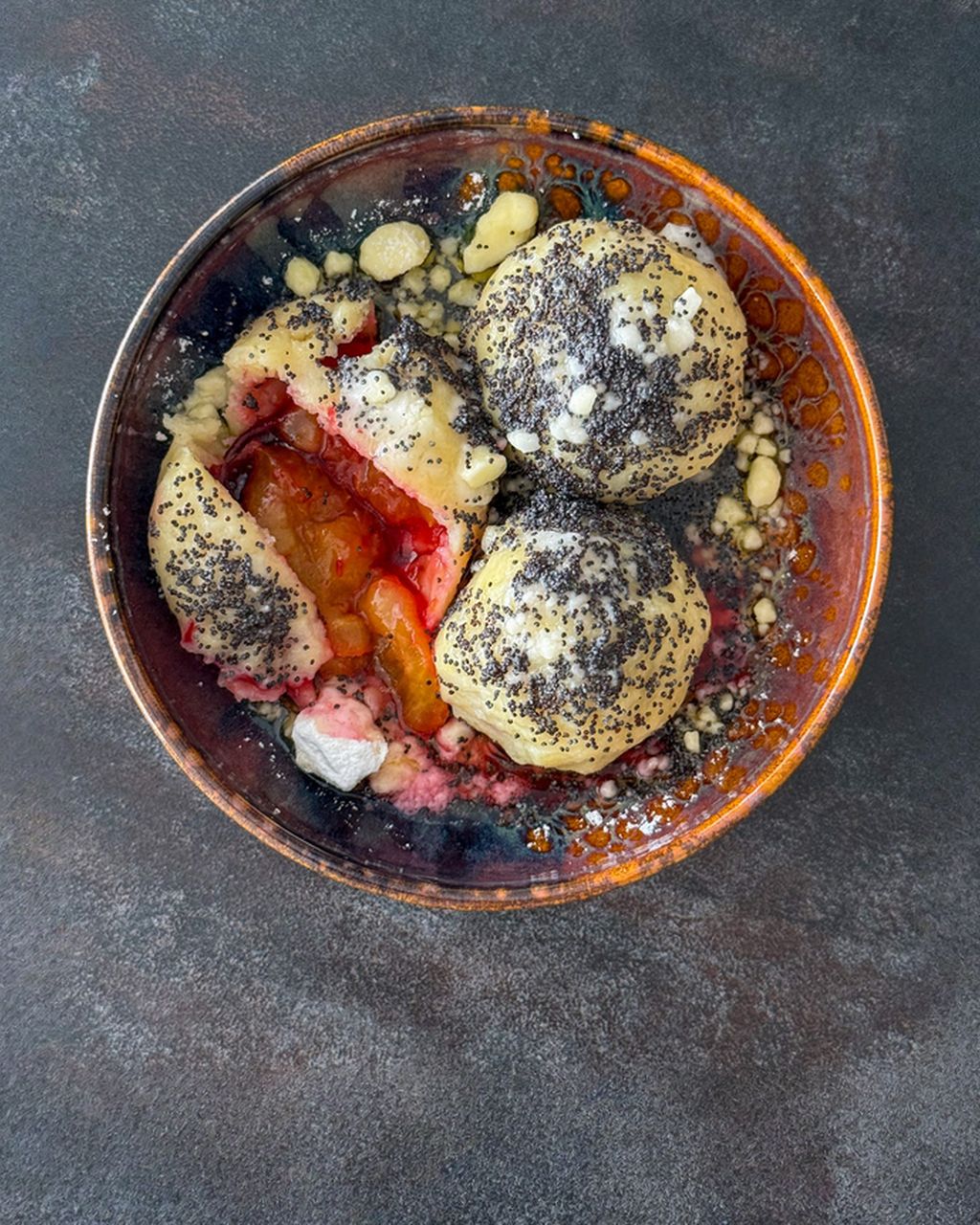
Use floury potatoes wherever they should break down or absorb fat. They make the fluffiest mashed potatoes; how to cook, thicken and reheat mash is in Mashed potatoes: how to thicken, season and reheat them the next day. Because they are dry, they make a tender potato dough, for example for plum dumplings with potato dough.
They also suit potato pancakes, potato fingers and gnocchi, roast potatoes and chips that stay fluffy inside and brown well outside. Method, temperatures and times are in Homemade French fries in the oven and air fryer: what temperature for crispy fries.
Potatoes need darkness, 4–8 °C and humid air at around 85–95 %. Warmth makes them sprout, cold below 4 °C makes them sweet, and light turns them green. Refrigerate cooked potatoes within 2 hours, eat them within 3–4 days and reheat until piping hot throughout, at least 70 °C for 2 minutes. The details are in How to store potatoes so they last until spring.
Well-known floury varieties include the American Russet Burbank, the classic baking and French-fry potato, and the British Maris Piper and King Edward, used in the UK for mash and roast potatoes. Agria, a German variety with yellow flesh, is often classed between types B and C and is good for frying. The same variety can be classed differently between countries and seasons, so go by the cooking type on the pack.
Potatoes were domesticated in the Andes around Lake Titicaca, in today's southern Peru and north-western Bolivia, more than 7,000 years ago. The Spanish brought them to Europe in the second half of the 16th century, and for a long time they were grown only on the margins. They became a staple food only in the 18th century, promoted in Prussia by Frederick the Great and in France by Antoine-Augustin Parmentier. By the 19th century they were a basic food across Central and Northern Europe. The Great Irish Famine of 1845–1852, caused by potato blight, showed how dangerous it is to rely on a single variety.
Floury potatoes fall apart because of their starch. When cooked, starch granules absorb water and swell; gelatinisation starts at around 60 °C. Floury potatoes have so much starch and dry matter that the swollen granules fill the cells. At the same time the pectin that binds the cells softens, so the cells separate and the flesh crumbles. Waxy potatoes have less starch and more water, so their cells stay together and the flesh holds its shape.
Blending floury potatoes ruptures the cells themselves, releasing starch and making the mash gluey. When frying and roasting, low moisture gives a crisp crust, and the Maillard reaction gives the golden-brown colour. Potatoes stored cold contain more sugar, darken faster and form more acrylamide, which is why EU Regulation 2017/2158 on acrylamide reduction recommends soaking frying potatoes and storing them above 6 °C.
Potatoes yield a lot of food per hectare and are grown in the Czech Republic too, mainly in the Vysočina highlands, so local, seasonal potatoes are easy to find. Conventional growing relies on fertilisers and fungicides against potato blight; organic growers may use copper-based products against it. Buy from local growers or look for the EU organic logo if that matters to you, and store your potatoes so none go to waste.