How Many Grams in a Cup of Milk? Whole, Skim, Plant Milk and ml
Ounces to Grams for Baking: Weight Ounces vs Fluid Ounces
Updated Nov 20, 2026
One ounce of weight is 28.35 g, so 4 oz is about 113 g and 8 oz about 227 g. A fluid ounce is a volume, not a weight: 29.57 ml in the US and 28.41 ml in the UK. Here is how to tell which one a recipe means, plus a conversion list for baking.
1 ounce (oz), weight: 28.35 g. This is the avoirdupois ounce, the same in the US and the UK.
1 US fluid ounce (fl oz), volume: 29.57 ml
1 UK (imperial) fluid ounce, volume: 28.41 ml
1 pound (lb): 16 oz, 453.6 g
The ounce and pound are fixed by international agreement: a pound is exactly 0.45359237 kg, and an ounce is a sixteenth of that. The two fluid ounces come from two different pints: the US pint is 16 US fluid ounces (473 ml), the imperial pint 20 UK fluid ounces (568 ml).
In a recipe, "oz" next to a solid ingredient (butter, chocolate, flour, cheese) means weight. "fl oz" or an ounce figure next to a liquid in a measuring jug means volume.
Seasonal baking plans, tested recipes and kitchen tricks that save you time. Unsubscribe in one click.
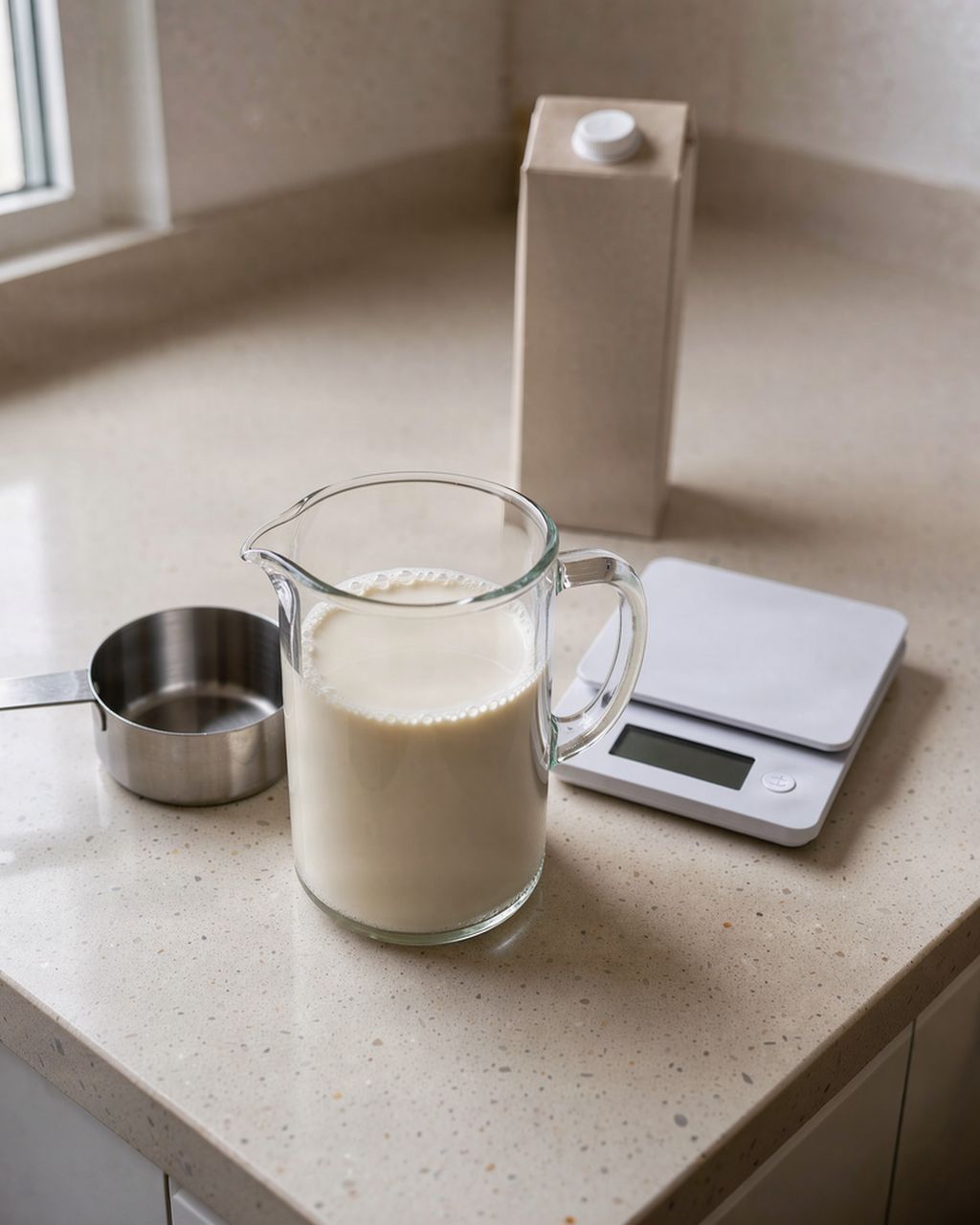
A weight ounce tells you how heavy something is. A fluid ounce tells you how much space it takes up. They line up only for water and water-like liquids such as milk, where 1 US fluid ounce weighs about 29.6 to 30.5 g, a little over 1 oz.
For everything else they drift apart:
Honey: 1 US fluid ounce (2 tablespoons) weighs about 42 g, roughly 1½ oz.
Oil: 1 US fluid ounce weighs a bit less than water.
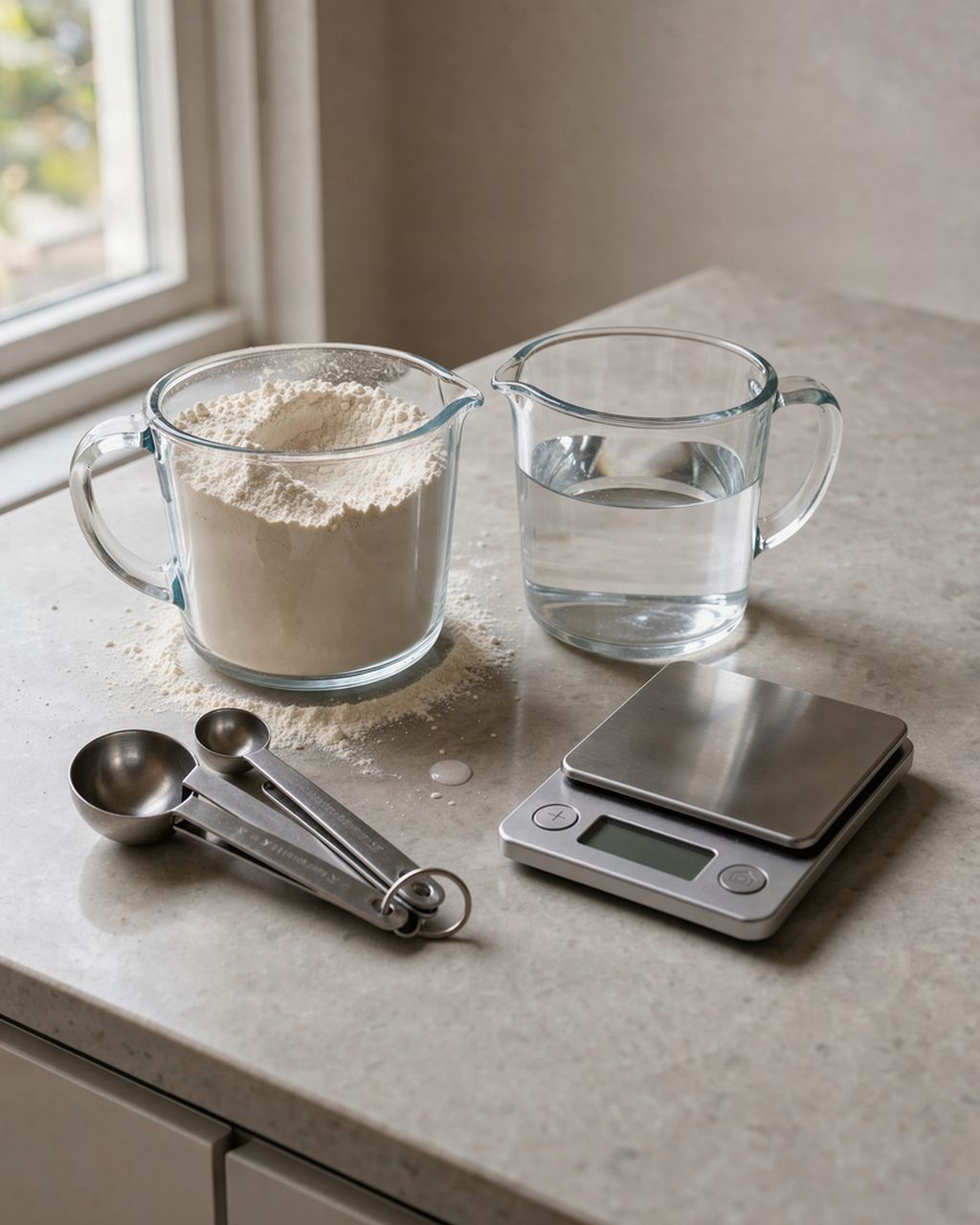
Flour: 8 US fluid ounces, one US cup (236.6 ml), weighs about 125 g, which is about 4.4 oz, not 8.
The old saying "a cup is 8 ounces" is true only in fluid ounces. If a recipe asks for 8 oz of flour, it means 227 g, nearly two US cups. Read it as a cup and you use about half the flour.
Weight ounces, rounded to the nearest gram:
½ oz: 14 g
1 oz: 28 g
2 oz: 57 g
3 oz: 85 g
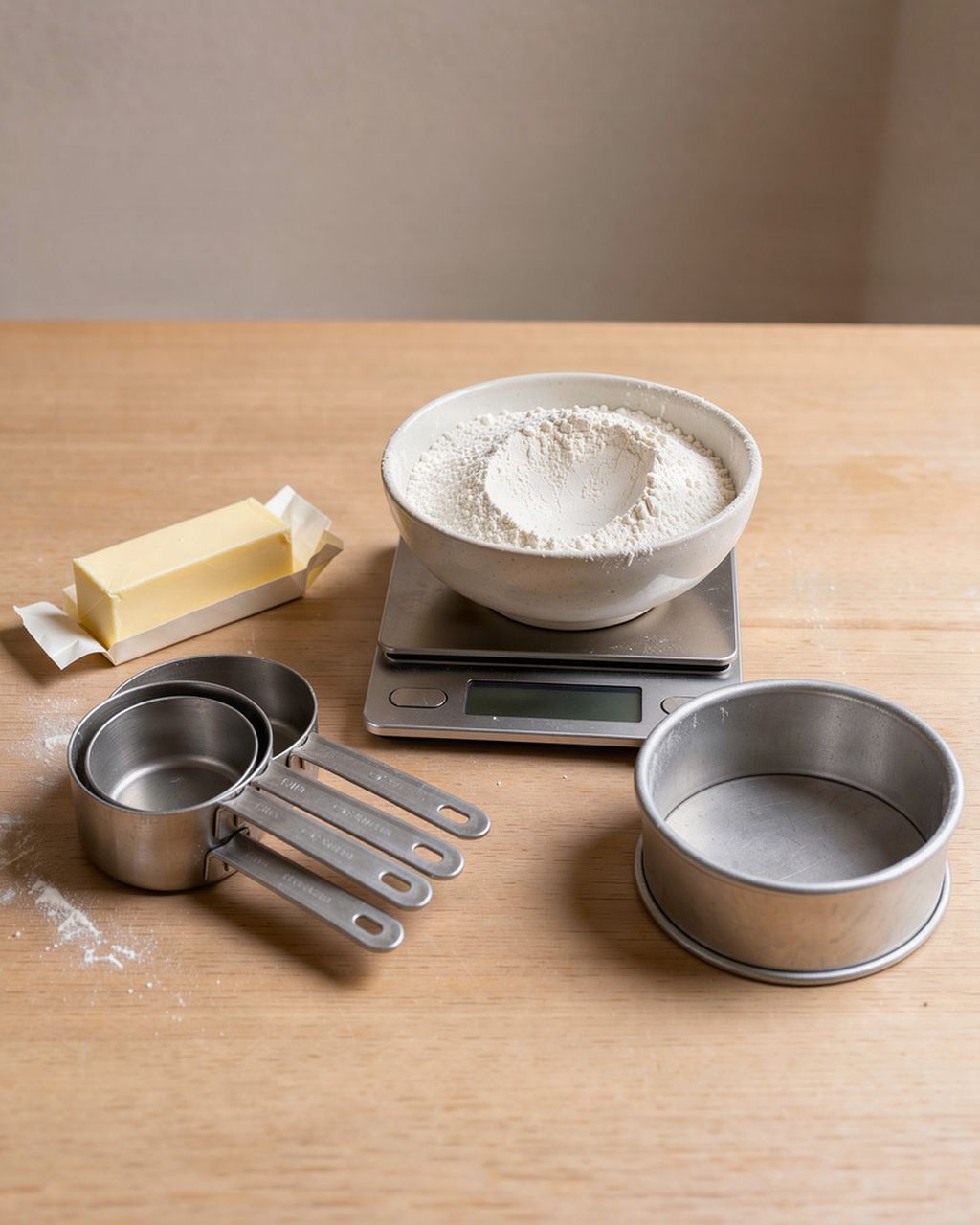
4 oz (¼ lb, one US stick of butter): 113 g
6 oz: 170 g
8 oz (½ lb): 227 g
12 oz (¾ lb): 340 g
16 oz (1 lb): 454 g
US fluid ounces, rounded:
1 fl oz (2 tablespoons): 30 ml
2 fl oz (¼ US cup): 59 ml
4 fl oz (½ US cup): 118 ml
8 fl oz (1 US cup): 237 ml
16 fl oz (1 US pint): 473 ml
Grams back to ounces: 100 g is about 3.5 oz, 250 g about 8.8 oz, 500 g about 17.6 oz (1.1 lb), and 1 kg about 2.2 lb.
Because US home cooking measures by volume, but US shops sell by weight. A typical American recipe lists flour and sugar in cups, then the packaged ingredients in the size you buy them:
Cream cheese: "one 8 oz package", about 227 g
Sweetened condensed milk: "one 14 oz can", about 397 g
Butter: sticks of 4 oz (113 g), or "½ cup (1 stick)"
Chocolate: ounces by weight, because bars are sold that way
US labels add to the muddle. A label states either "net wt" in ounces for solids or "fl oz" for liquids, and some thick products, such as condensed milk, are listed both ways by different retailers. For baking, trust the gram figure printed next to the ounces on the package.
British recipes from before metrication also use ounces, but nearly always by weight, with liquids in fluid ounces and pints. The weight ounce is the same as the American one, so a British "4 oz butter" is 113 g too.
The two fluid ounces differ by only about 4%, so for a splash of milk it does not matter which one a recipe means. The pints are another story.
US pint: 16 US fluid ounces, about 473 ml
UK (imperial) pint: 20 UK fluid ounces, about 568 ml
A British pint is about a fifth bigger than an American one. If a British recipe asks for "1 pint of milk" and you pour an American pint, you are about 95 ml short, which is enough to stiffen a batter or a custard. Older British recipes also list "½ pint", about 284 ml, the same size as the old UK cup.
The safest path is to turn every pint and fluid ounce into milliliters, using the figure for the country the recipe comes from, and to measure in a jug marked in milliliters.
Convert the weight ounces first. Multiply by 28.35 and round to the nearest gram or five grams.
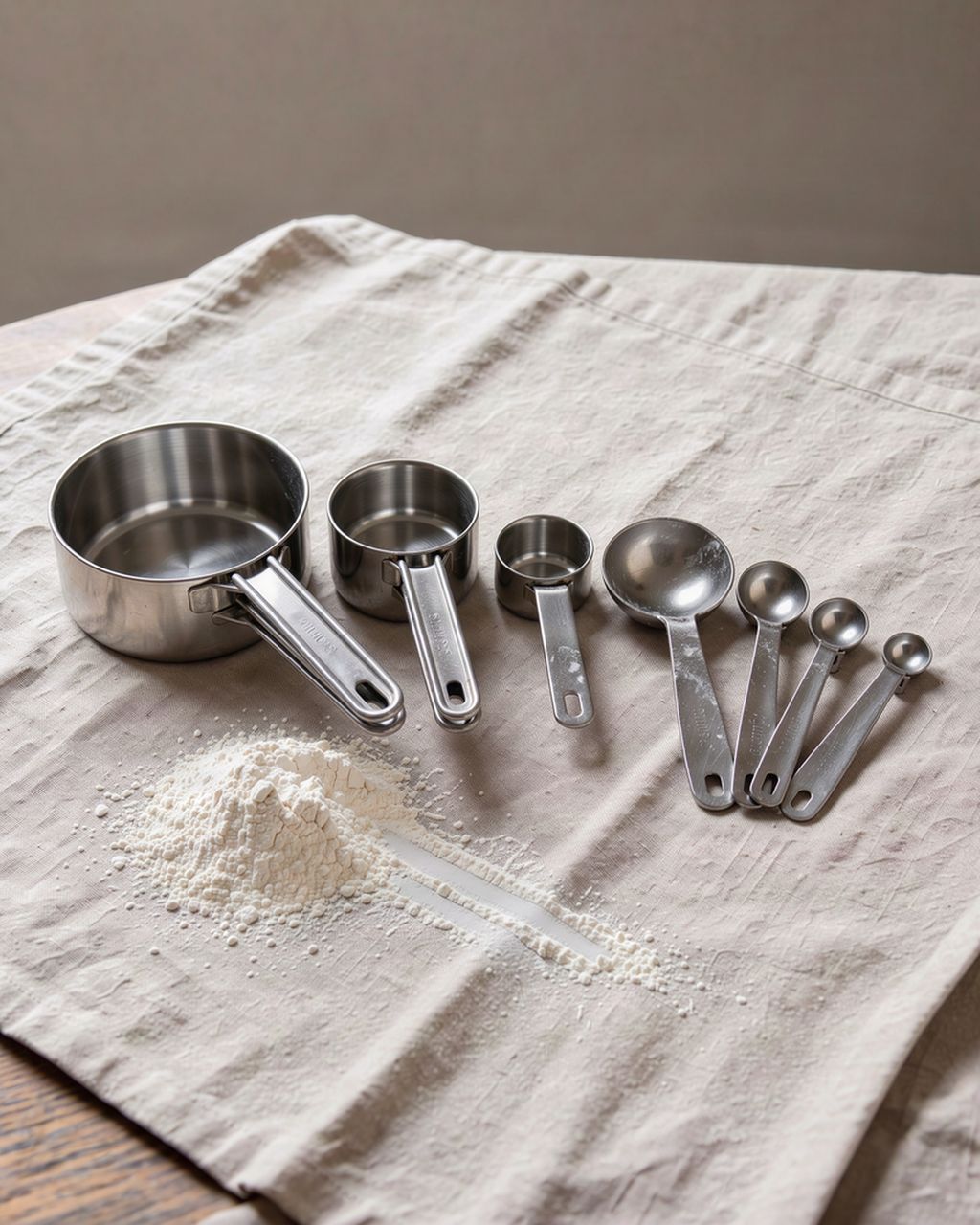
Convert cups and spoons by ingredient. A US cup of all-purpose flour weighs about 125 g, of granulated sugar about 200 g, of butter 227 g. Our cups and spoons to grams calculator covers more ingredients, and the 1 tablespoon of butter in grams page has the spoon figures.
Measure liquids in milliliters. A US cup is 236.6 ml, so 240 ml is close enough for milk or water. Fluid ounces times 29.57 gives milliliters.
Check the pan and oven. US pans are in inches and ovens in °F; our cake pan size converter and oven temperature converter do the rest.
For a full walk-through with a chart, see our guide to converting cup recipes to grams.
Going the other way, older Czech recipes have their own quirk. They often give weights in dekagramy (dekagrams, written dkg or dag, said "deka"). One dekagram is 10 g.
10 dkg: 100 g, about 3.5 oz
25 dkg: 250 g, about 8.8 oz, a standard Czech block of butter
50 dkg: 500 g, about 1.1 lb
So when a Czech grandmother's recipe says "25 deka másla" (butter), that is 250 g, a little more than two US sticks (226 g).
One ounce of weight (the avoirdupois ounce used in the US and UK) is 28.35 g. For baking, 28 g is close enough for small amounts, but use 28.35 g when you convert a pound or more.
No, a fluid ounce measures volume and an ounce measures weight. A US fluid ounce is 29.57 ml and a UK fluid ounce is 28.41 ml; only for water and water-like liquids such as milk do the two come out roughly the same.
Eight ounces of weight is about 227 g, which is half a pound. Eight US fluid ounces is a US cup (236.6 ml), and its weight depends on what is in it: about 237 g of water, but only about 125 g of flour.
Four ounces of butter is about 113 g, which is one US stick, 8 tablespoons or half a US cup.
Weight ounces are the same in both countries: 28.35 g. Fluid ounces differ slightly: a US fluid ounce is 29.57 ml, a UK fluid ounce 28.41 ml, and a UK pint holds 20 of them against 16 in a US pint.
One recipe worth heating the oven for, one tip, and one deal from the shop. Nothing else.