Carp in the Fridge: How Long It Keeps and How to Store It Properly
How to Fillet and Score a Carp So You Don't Feel the Bones
Updated Nov 3, 2026
You can't bone a carp completely: besides the backbone and ribs, its flesh holds dozens of tiny Y-shaped intermuscular bones that simply can't be pulled out. So you fillet the carp first, removing the backbone and ribs, and then score the fillets with tight cuts every 2–3 mm through the flesh down to the skin. This chops the little bones into tiny pieces that soften so much when fried that you can barely feel them.
A carp can't be completely boned because of its intermuscular bones. They're thin, often branched into a Y shape, and lie loose in the flesh above and below the backbone, not attached to the skeleton. When you fillet the fish they stay in the meat, and if you try to pull them out one by one with tweezers, you'll tear the flesh apart.
Other members of the carp family, such as bream or grass carp, have them too. Trout, salmon, and zander (pikeperch) don't have branched bones in their flesh, and the few straight ones that remain can be pulled out with tweezers, which is why they're much easier to bone. If you want a fish with no bones at all, see the article What to serve instead of carp on Christmas Eve.
Seasonal baking plans, tested recipes and kitchen tricks that save you time. Unsubscribe in one click.
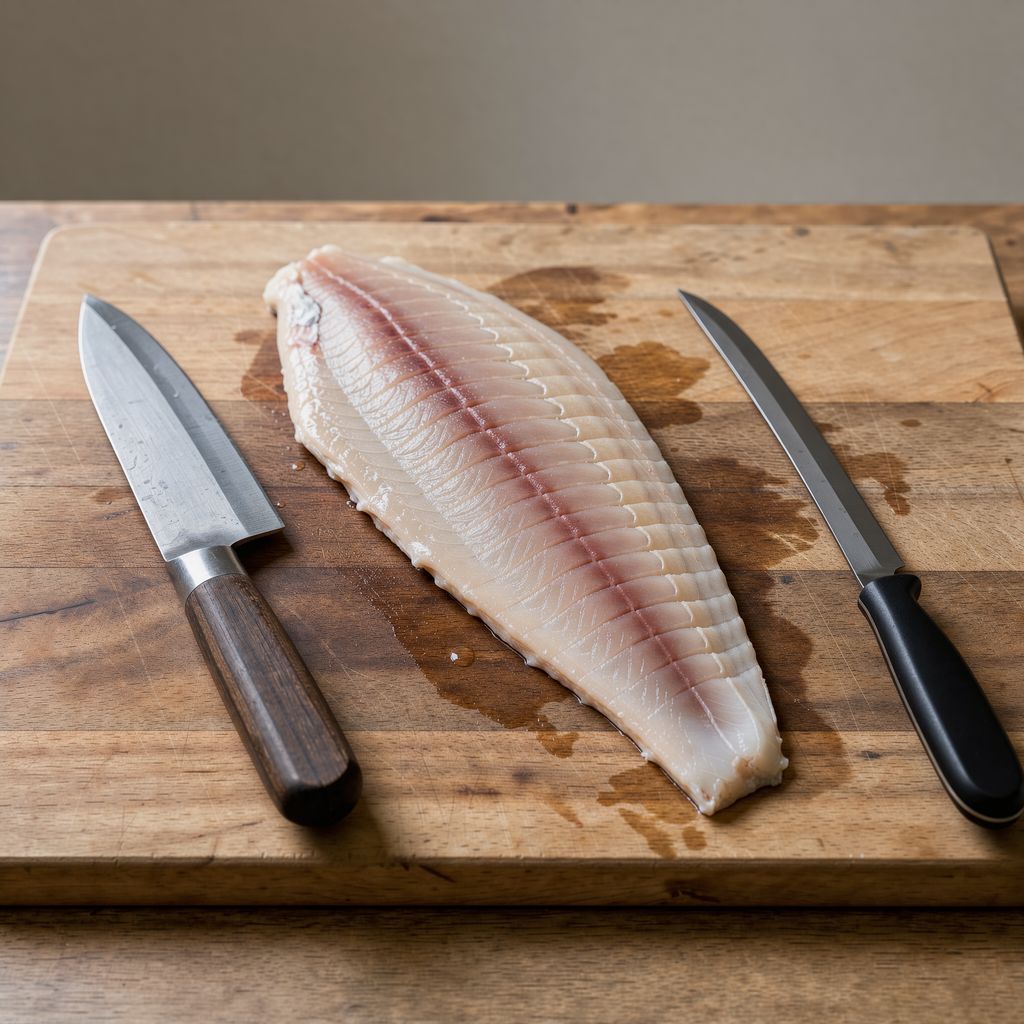
To bone and score a carp you need a sharp fillet knife, a heavier chef's knife, a large cutting board, and kitchen scissors. A dull knife tears the flesh, and your cuts won't be straight.
Fillet knife with a thin, slightly flexible blade – it follows the bones.
Chef's knife with a straight edge for scoring and cutting off the head.
Kitchen scissors for the fins.
Tweezers for larger bones left along the edge after filleting.
Paper towels – a dry fish won't slide around on the board.
First, scale the carp, gut it, and cut off its head. If you bought a carp that's already gutted, go straight to filleting.
Scales: scrape them off from tail to head with the back of a knife or a fish scaler, ideally under running water or inside a plastic bag so they don't fly all over the kitchen. If you're frying the fish with the skin on, the skin has to be clean.
Belly: make a shallow cut from the vent to the head. Keep the knife just under the skin so you don't puncture the innards.
Innards: take them out carefully. Watch for the gallbladder, a small dark green sac next to the liver. If it bursts, the flesh turns bitter from the bile, so cut away any splashed area right away.
Milt and roe: save them for soup.
Head: cut it off at an angle, just behind the gills. Cut the gills out of the head, or they'll make your stock bitter.
Use the head, backbone, and trimmings for stock. The recipe for Mum's Christmas fish soup with mushrooms shows how to turn them into a soup.
To fillet a carp, run the knife along the backbone from head to tail, then free the fillet from the ribs. You get one fillet from each side of the fish.
Lay the carp on its side with its back toward you. Cut through the skin along the whole back, right next to the dorsal fin.
Run the fillet knife along the backbone from head to tail in long strokes. Keep the blade flat and let it glide over the bones.
At the belly cavity, free the fillet from the ribs. Either cut it away from them, or snip the ribs at the backbone and cut them out of the finished fillet afterward.
Cut the fillet off completely at the tail. Turn the fish over and remove the second fillet the same way.
Cut the ribs out of the fillet with a thin, flat cut underneath them so you don't waste any flesh.
Run your fingers over the fillet and pull out any larger bones left along the edge with tweezers.
Most of the intermuscular bones are in the thicker back part of the fillet. That's the part you'll score most carefully.
To score a carp, lay the fillet skin side down and cut across it with tight cuts every 2–3 mm, down to the skin. Don't cut through the skin – it holds the portion together.
Lay the fillet on the board skin side down, with the tail end toward you.
Take a heavy, sharp knife and cut straight down, across the full width of the fillet. Each cut should go down to the skin but not through it.
Make the next cut 2–3 mm away. The closer together the cuts, the smaller the pieces of bone that remain.
Cut the scored fillet into portions. Always slice between the scores, never through them.
Scoring by hand takes patience and a sharp knife. Fishmongers have machines for scoring, so if you don't feel up to it, simply buy pre-scored carp fillets.
No, the bones in a scored carp are still there – they're just chopped into pieces so tiny that you usually won't feel them as you eat. It works best for frying, when a thin portion heats through quickly and all the way. When you bake a whole carp or thick pieces, the bones don't soften as much.
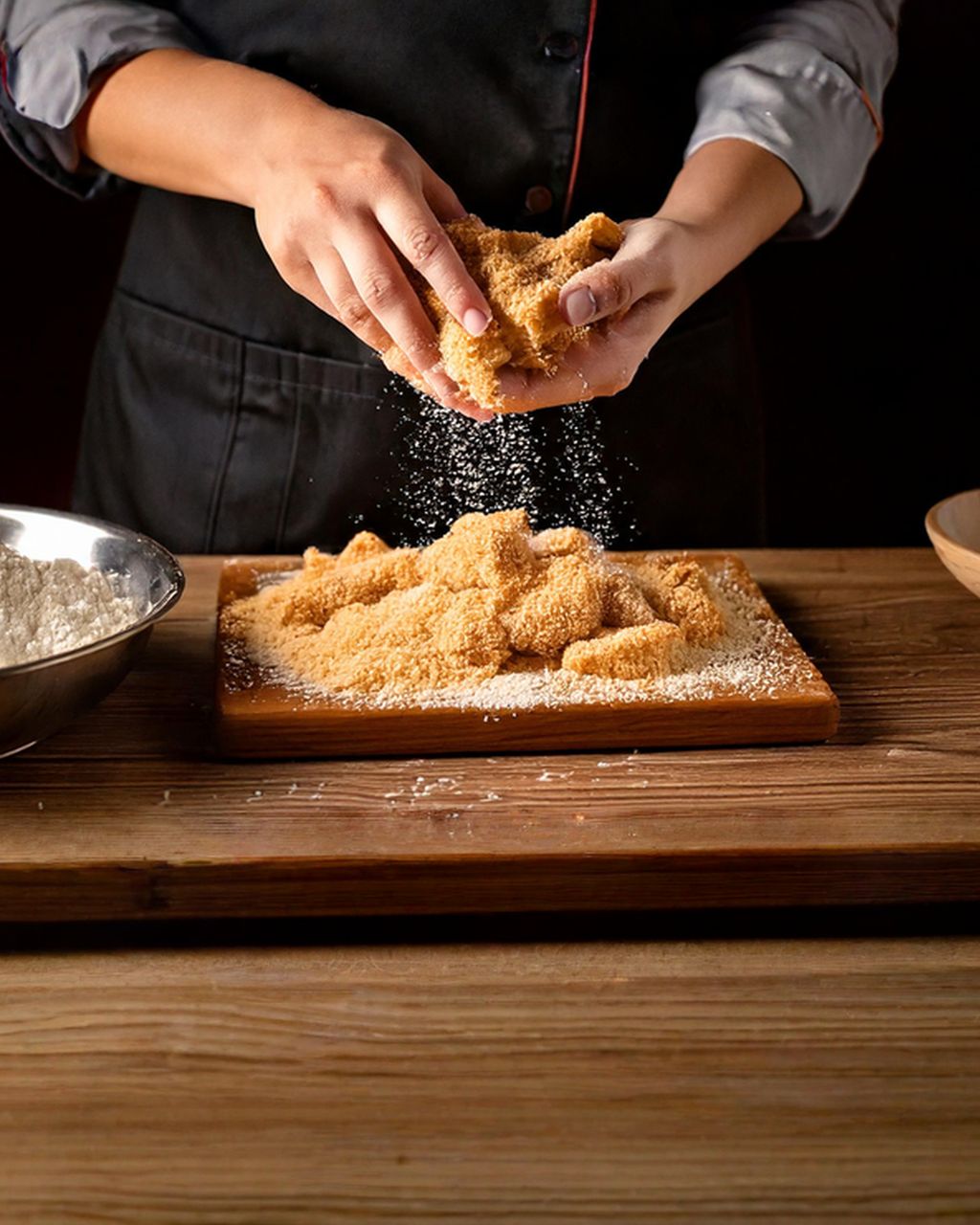
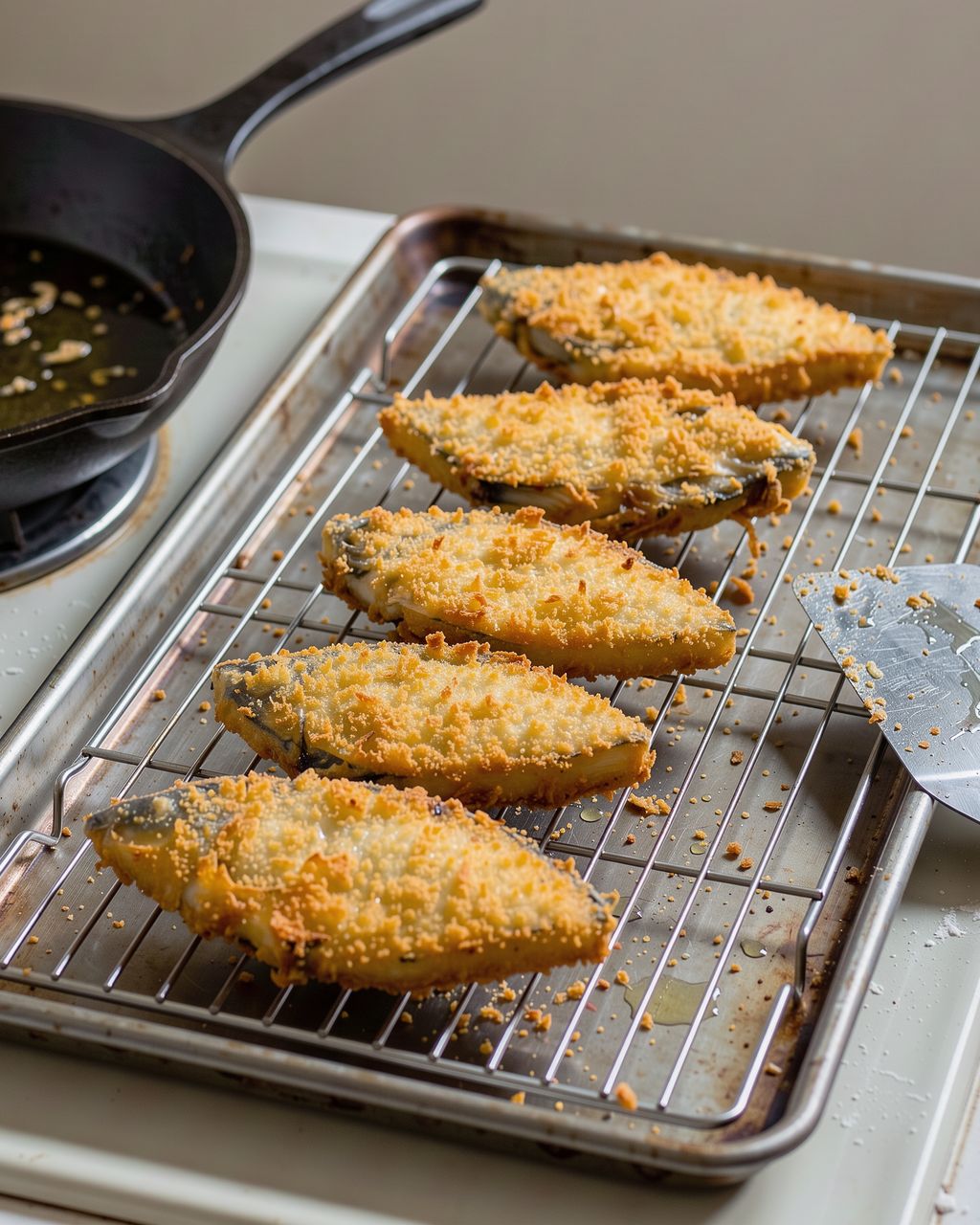
When you fry scored portions, press the coating into the cuts as well so the portion doesn't fall open when you turn it. For how to keep the coating and the portion together, see the article Three-step breading, step by step.
The muddy taste comes from compounds, mainly geosmin, produced by microorganisms in the water and on the pond bottom, which the fish stores in its fat and flesh. They aren't dangerous, just unpleasant. That's why fish farmers hold carp in clean water before selling it. At home, it helps to trim away the darker flesh under the skin and to acidify the fish with lemon before cooking.
You need to scale the carp if you're going to fry or bake it with the skin on, because the scales are hard and the coating won't stick to them. If you skin the fillets, you don't have to bother with the scales. However, a carp that you plan to score is filleted with the skin on, because it's the skin that holds the scored portion together.
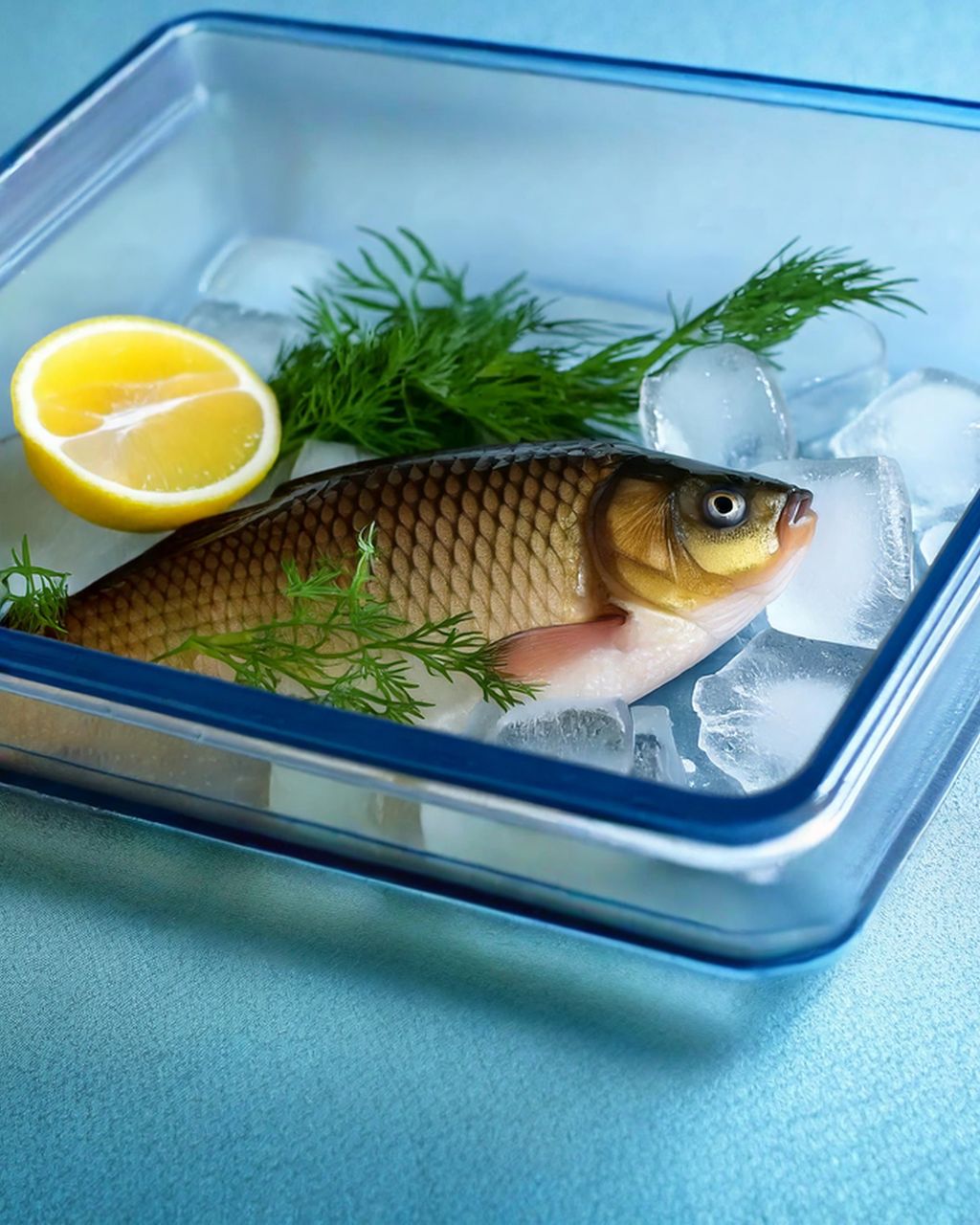
You can bone and score a carp 1–2 days ahead, as long as you wrap the fillets right away and store them in the fridge at 0–2 °C (32–36 °F). Scored flesh has more surface area, so it spoils slightly faster than a whole fillet. If you want to prepare it earlier, freeze the scored portions.
If the gallbladder bursts while you're gutting the carp, immediately cut away the flesh the bile reached and rinse the fish with cold water. The green stain is easy to see, and you only need to cut a few millimetres beyond it. Bile isn't harmful, but it makes the flesh very bitter, and neither boiling nor frying will fix that.
One recipe worth heating the oven for, one tip, and one deal from the shop. Nothing else.