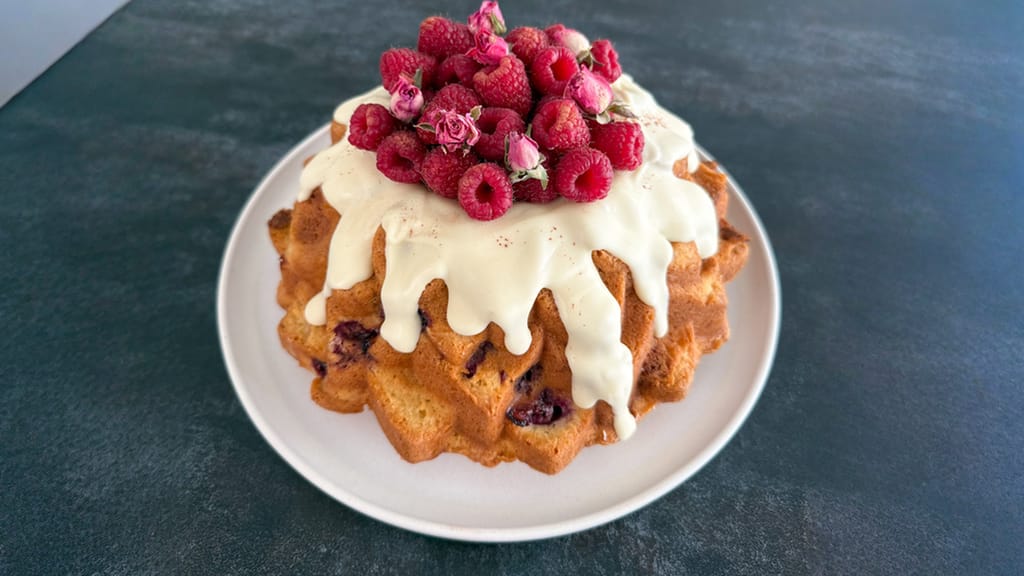
Raspberry bundt cake with white chocolate and sour cream
Cake Pan Substitutes: 8 Options & How to Adjust the Batter
Updated Oct 4, 2026
What can you use instead of a cake pan? Most reliably, a baking sheet or roasting pan, a bundt pan, a cast-iron skillet, a metal oven-safe pot, or a glass baking dish – just recalculate the batter based on area and keep an eye on the baking time. You won't ruin the recipe, you'll just change the shape. Here's what works, what doesn't, and why.
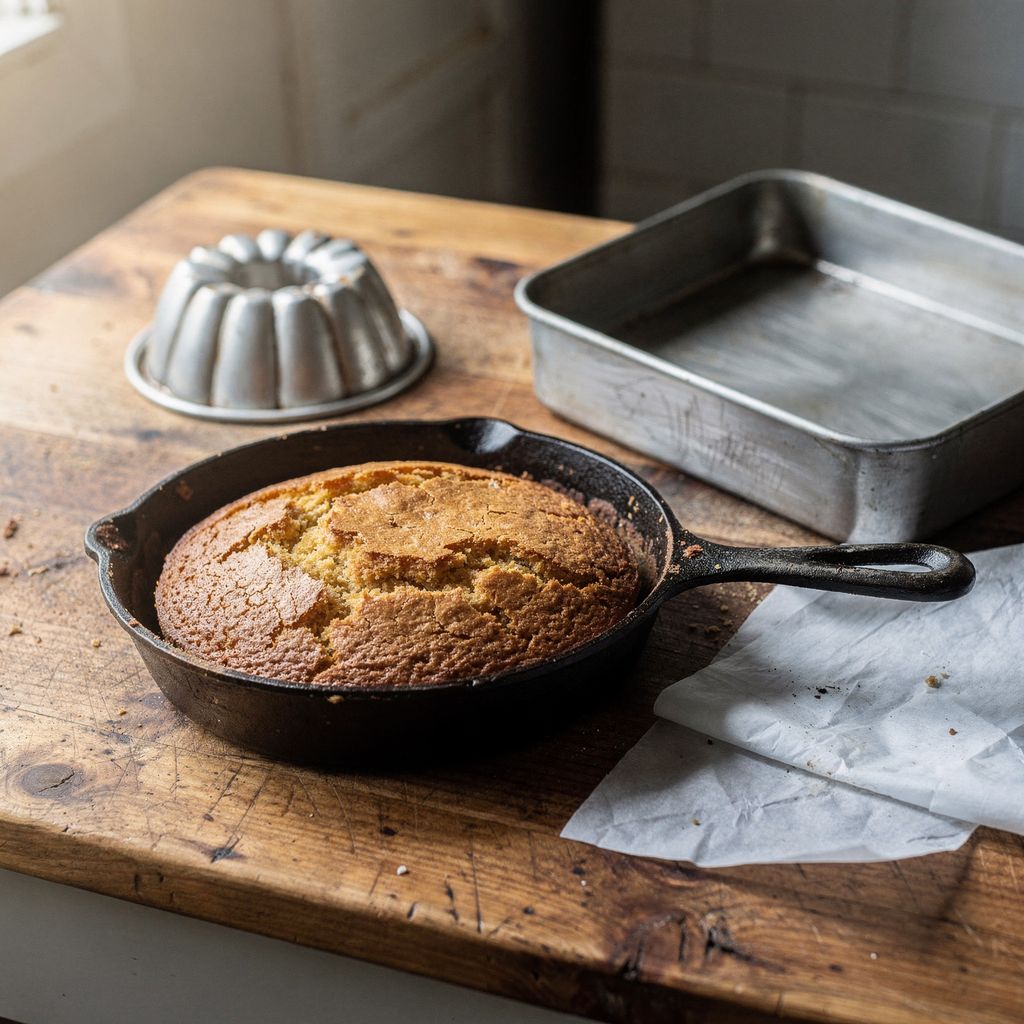
Any oven-safe dish that can handle 180–200°C (350–400°F) and hold batter filled halfway to two-thirds of the way up will work as a cake pan substitute. In practice, these eight options do the job:
A baking sheet or roasting pan – the most versatile option; the cake comes out flatter and square.
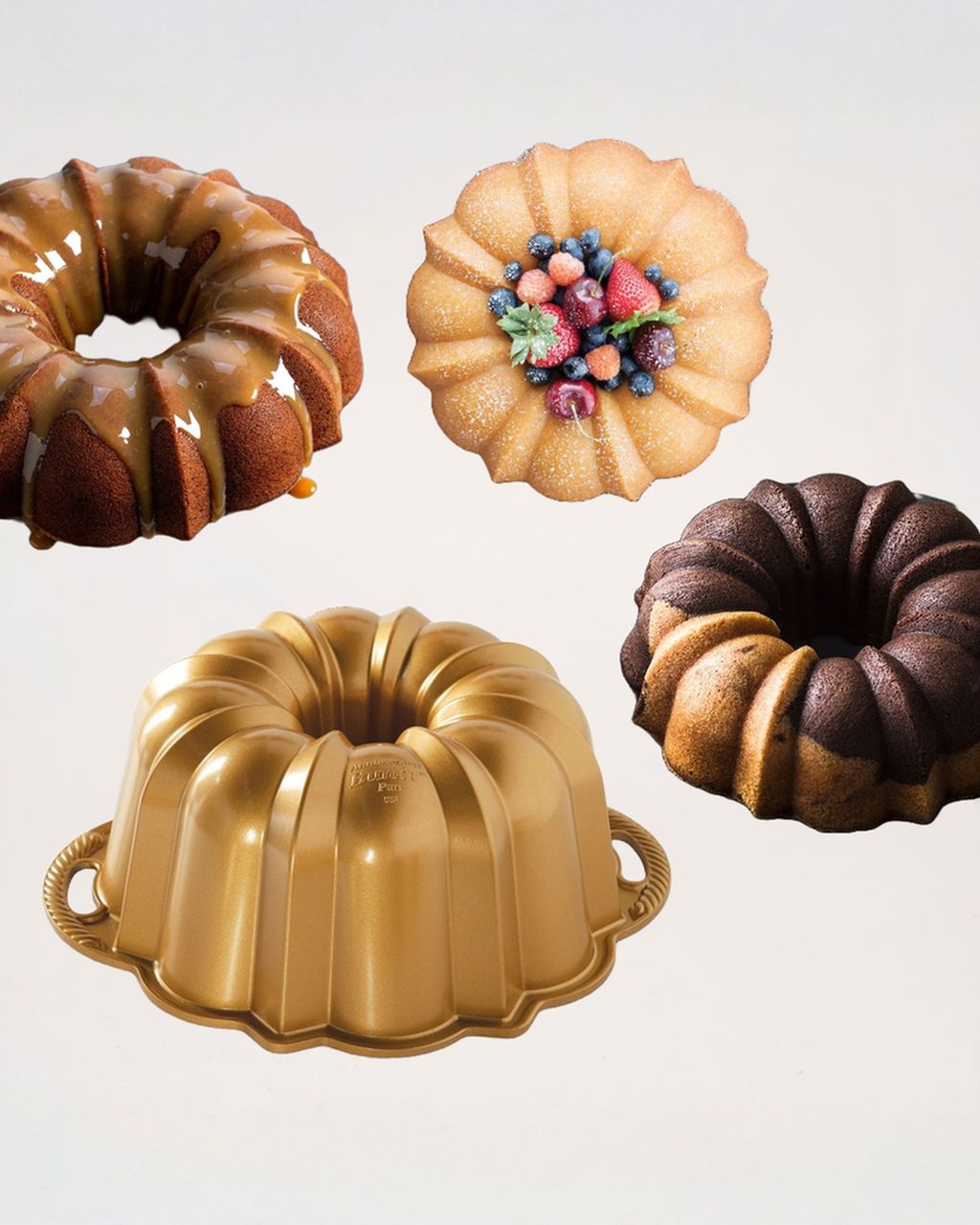
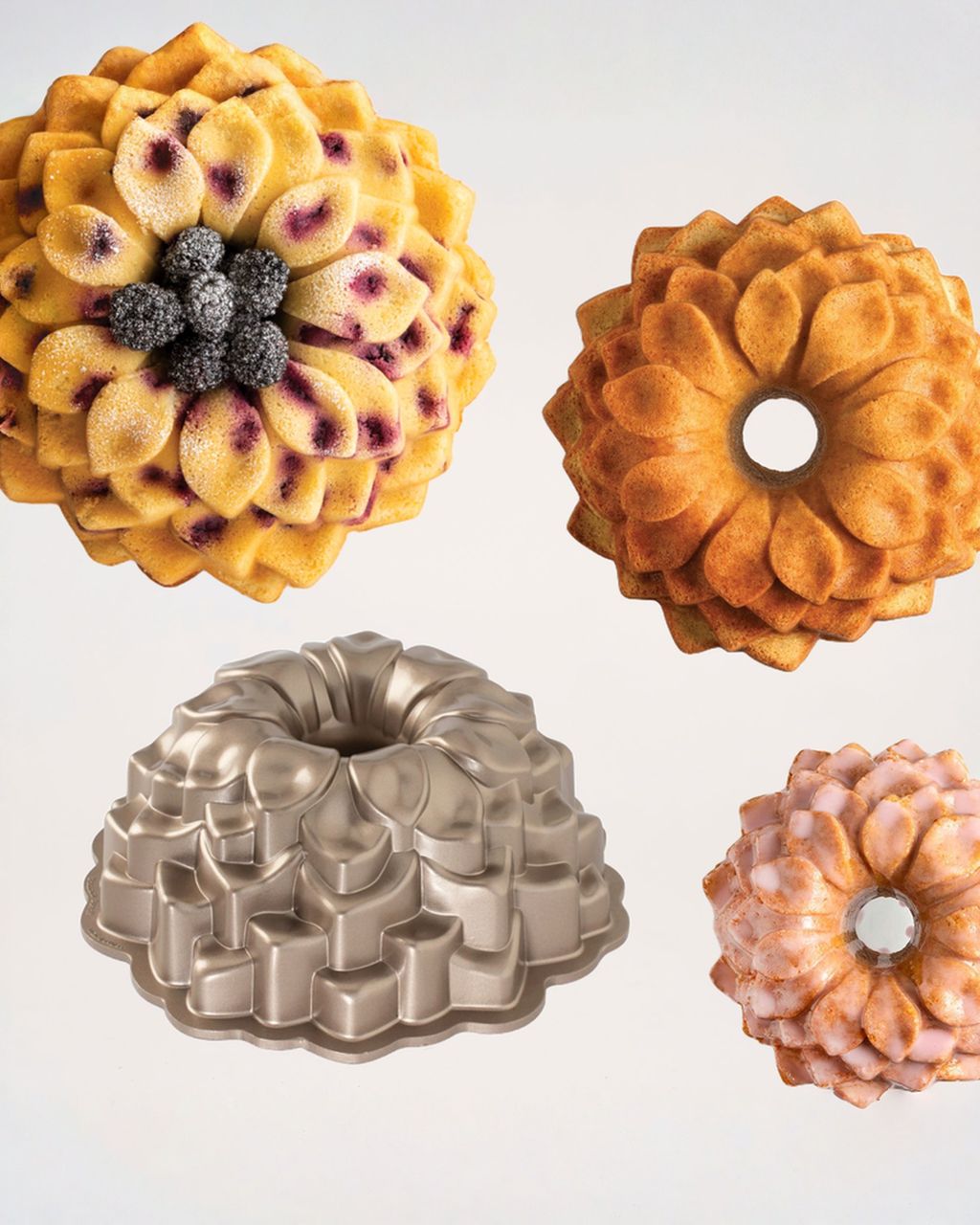
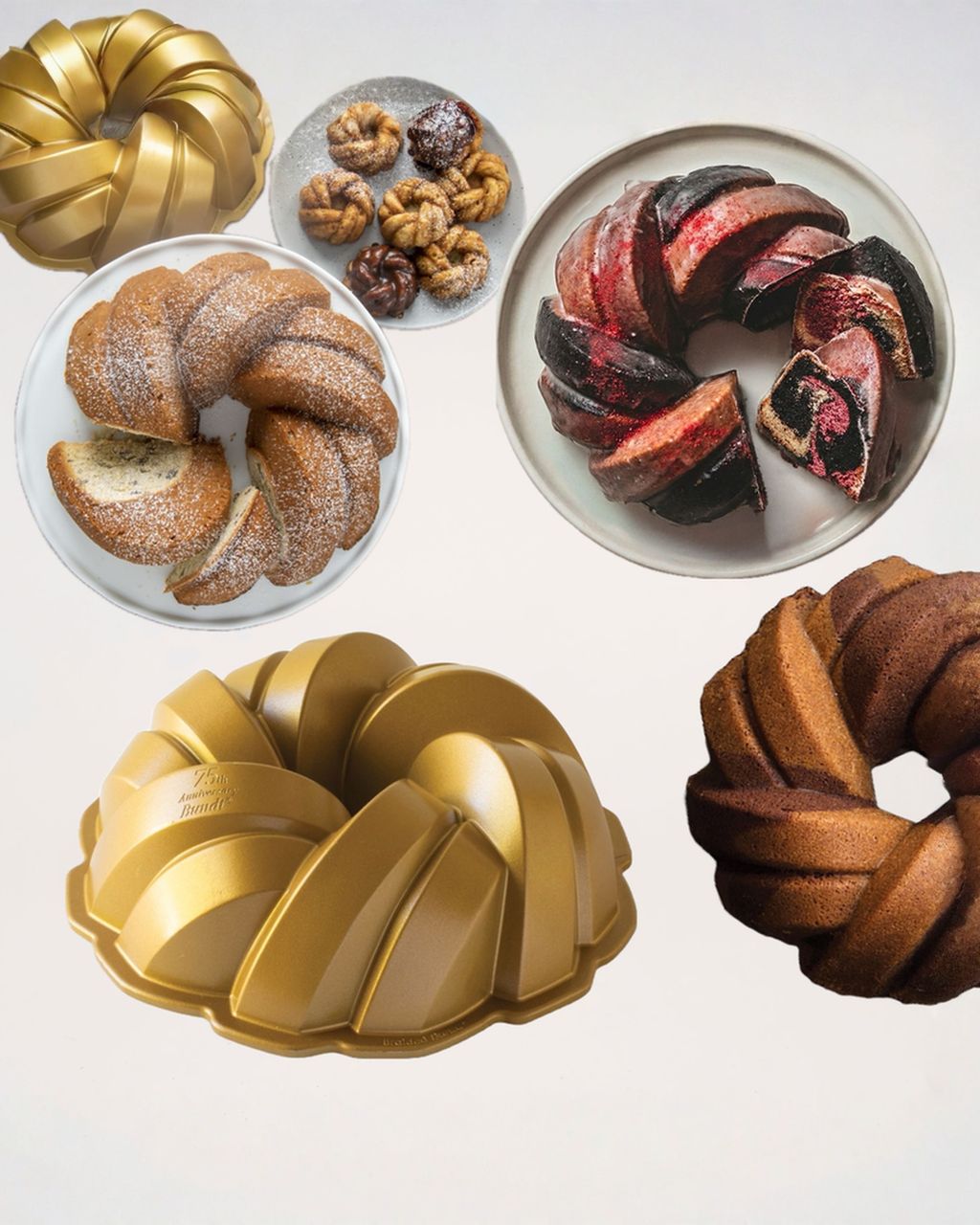
A bundt pan – same batter, even baking thanks to the central tube.
A cast-iron skillet (24–26 cm / 9½–10in) – the base is narrower than the rim, roughly matching a 20–24 cm (8–9½in) pan depending on the skillet's diameter.
A metal oven-safe pot – only if it's all-metal, with no plastic handles.
A glass or ceramic baking dish – works, but lower the oven temperature.
A foil ring on a baking sheet – an emergency fix for thicker batters.
A muffin tin or oven-safe mugs – turn one cake into individual portions.
A bowl lined with plastic wrap – for no-bake cakes that set in the fridge.
Which one to pick mostly comes down to how thick the batter is and how tall you want the cake. A runny sponge batter needs sturdy sides, while a thicker creamed batter can handle more improvisation.
Work out the batter quantity based on base area: divide the area of your dish by the area of the pan in the recipe, then multiply every ingredient by that number. As long as the height stays roughly similar, the cake will bake just like the original.
Round pan: area = 3.14 × radius².
Square or rectangular dish: area = length × width.
Areas for the most common sizes:
18 cm (7in) round ≈ 254 cm² (39 sq in)
20 cm (8in) round ≈ 314 cm² (49 sq in)
22 cm (8½in) round ≈ 380 cm² (59 sq in)
24 cm (9½in) round ≈ 452 cm² (70 sq in)
26 cm (10in) round ≈ 531 cm² (82 sq in)
20 × 20 cm (8 × 8in) square = 400 cm² (62 sq in)
20 × 30 cm (8 × 12in) roasting pan = 600 cm² (93 sq in)
30 × 40 cm (12 × 16in) deep baking sheet = 1,200 cm² (186 sq in)
Example: a recipe calls for a 26 cm (10in) pan (531 cm²) and you only have a 20 × 30 cm (8 × 12in) roasting pan (600 cm²). The ratio is 600 : 531 ≈ 1.1 – the original amount of batter is enough, and the layer will only be slightly thinner. For a 30 × 40 cm (12 × 16in) sheet, you'd need roughly 2.3 times the batter (1,200 : 531 ≈ 2.3) – a bit more than double. And for an 18 cm (7in) pan, bake roughly half the amount (254 : 531 ≈ 0.5).
The golden rule for any substitute pan: fill it halfway, or at most two-thirds full. Any more and it'll overflow; any less and the cake will dry out.
For a thin layer, keep the temperature as in the recipe and just shorten the time; for a thicker layer, lower the temperature by 10°C (18°F) and bake longer; in cast iron, glass or ceramic, lower it by 10–15°C (18–27°F). What matters is the batter's height and the dish's material – in other words, how far the heat has to travel to the centre and how fast the dish heats up the edges.
Thinner layer (baking sheet, large roasting pan): keep the recipe's temperature, but check 10–15 minutes earlier.
Thicker layer (pot, smaller pan, bundt pan): lower the temperature by 10°C (18°F) and expect 10–25 minutes extra baking time, so the edges don't overcook before the centre is done.
Cast iron, glass, ceramic: lower the temperature by 10–15°C (18–27°F), since these materials retain a lot of heat and the edges and base cook faster. In cast iron, do your first check 5–10 minutes early; with glass and ceramic, expect a somewhat longer bake instead.
If the top is browning too fast: loosely cover it with foil and keep baking.
It's done when a skewer inserted into the centre comes out dry, or with just a few crumbs, and the centre springs back when lightly pressed. If you have an instant-read thermometer, sponge and creamed batters are usually done around 93–99°C (200–210°F) inside.
Tall batter in a narrow dish also tends to dome upward – the centre keeps rising even after the edges have already set. A lower temperature and longer baking time will help here too.
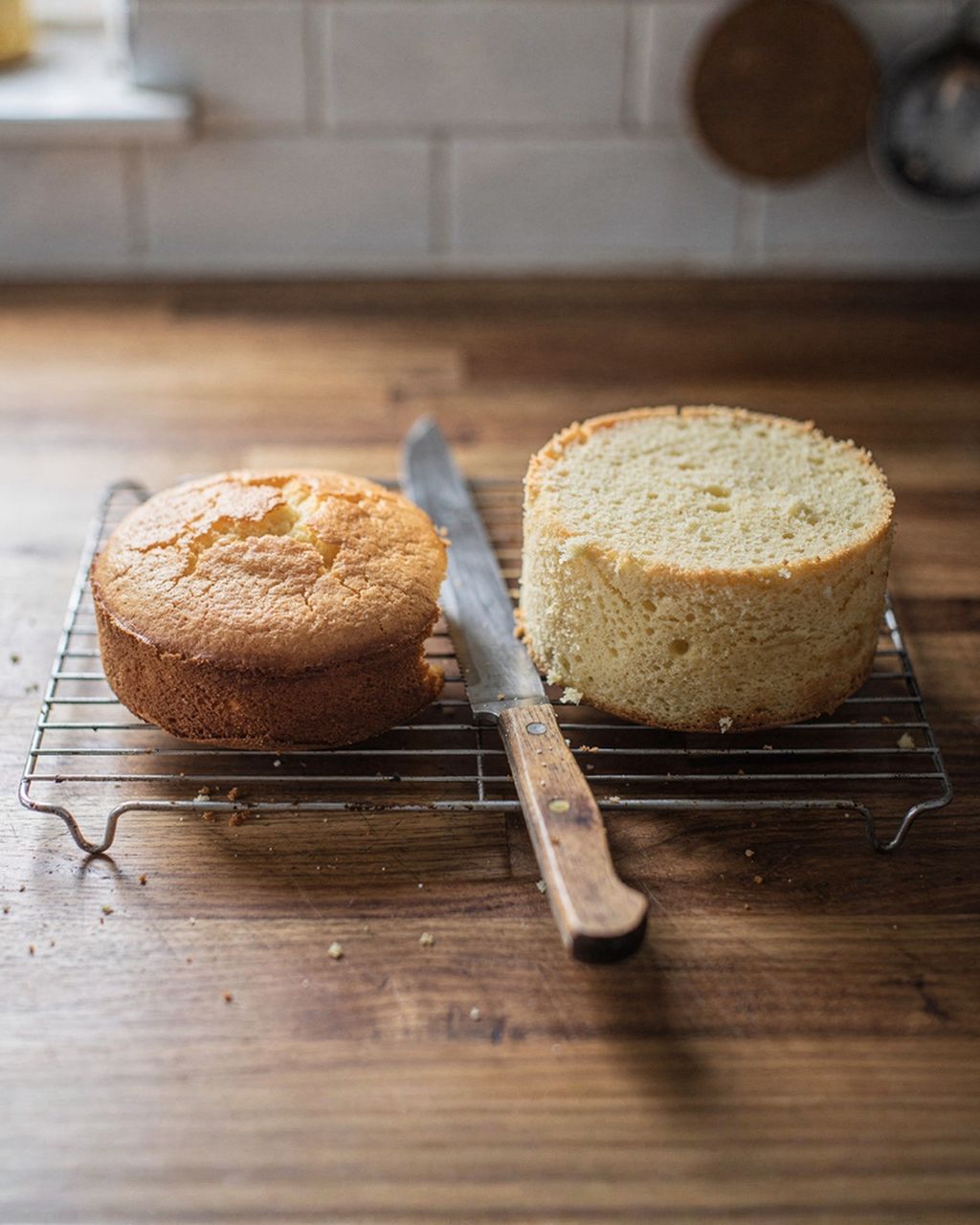
A baking sheet or metal roasting pan is the safest cake pan substitute: metal conducts heat evenly, and the thin layer bakes through without any risk of a raw centre. You'll end up with a flatter, square-shaped cake, though – perfect for traybakes, a two-layer cake made from two rectangles, or a sheet you can cut rounds out of.
Line the base and sides with overhanging parchment paper on two opposite edges. Use those "ears" to lift the whole cake out afterwards.
On a deep 30 × 40 cm (12 × 16in) sheet, one recipe meant for a 26 cm (10in) pan will give you a thin sheet, perfect for a roulade or traybake; for a taller cake, double the recipe – the layer will still be a touch thinner than in the original pan (for the same height you'd need roughly 2.3 times the batter).
Cut a round cake out of the sheet using a plate or lid as a guide – use the trimmings elsewhere, or layer them inside the cake.
A bundt pan is the best substitute when you want a tall cake from a standard creamed or chocolate batter: the central tube brings heat into the middle of the batter too, so it bakes evenly and the centre doesn't stay raw. A standard bundt pan holds 2–2.5 litres (8½–10½ cups), which is enough for batter meant for a 24–26 cm (9½–10in) cake pan when filled two-thirds full.
Grease the pan thoroughly with softened butter and dust it with flour or, for chocolate batter, cocoa powder – especially important for decorative shapes, where batter likes to stick.
Bake at 10°C (18°F) lower and allow 45–60 minutes, depending on height.
It's less suited to sponge cake: thin, whisked batter rises poorly in the narrow channels and is tricky to turn out.
There's a visual bonus too – a cake baked in a patterned bundt pan needs almost no decorating, just a glaze or a dusting of icing sugar. If you're thinking of getting one, take a look at our bundt pans – they'll serve for both bundt cakes and layer cakes.
Raspberry bundt cake with white chocolate and sour cream
Raspberry and white chocolate bundt cake – a recipe that puts your bundt pan to full use
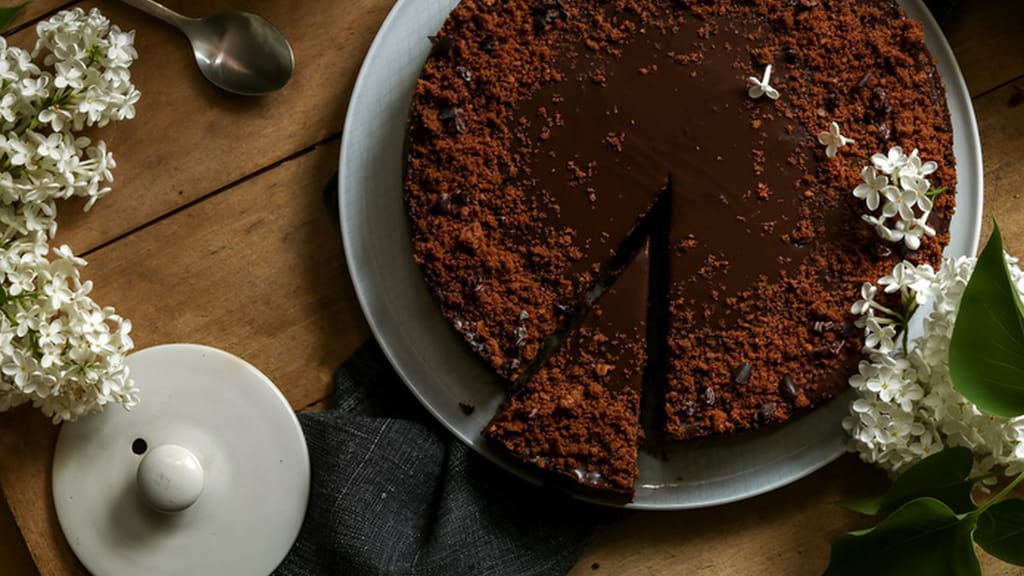
Simple chocolate cake
Simple chocolate cake – a dense batter you can bake in a roasting pan or a bundt pan alike
A cast-iron skillet with a 24–26 cm (9½–10in) diameter (measured across the top rim) has a base of around 18–20 cm (7–8in) and sloped sides, so it actually suits batter meant for a 20–24 cm (8–9½in) pan. For a recipe meant for a 26 cm (10in) pan, bake roughly 60–85% of the batter – less for a 24 cm (9½in) skillet, more for a 26 cm (10in) one – or allow for a thicker layer and a longer bake. Cast iron also retains a lot of heat, so the edges and base cook faster.
Line the base with a circle of parchment paper and butter the sides.
Lower the temperature by 10–15°C (18–27°F) and do your first skewer check 5–10 minutes early.
Let the cake cool in the skillet for 10 minutes before turning it out – otherwise the cast iron keeps on cooking it.
A pot works the same way, but only if it's entirely metal (including the handles, with no plastic or wooden parts) and baked uncovered. Since it's narrower and taller, the cake will come out tall: fill it no more than halfway, lower the temperature by 10°C (18°F), and allow extra baking time. An enamelled pot can go in the oven as long as the manufacturer says it's oven-safe.
You can bake a cake in glass or ceramic, but lower the temperature by 10–15°C (18–27°F). Glass and ceramic heat up more slowly but then hold onto the heat longer, so the edges and base can easily darken before the centre finishes baking.
Allow a somewhat longer baking time.
Grease the dish and line the base with parchment paper – cakes are trickier to turn out of glass than out of metal.
An oval or rectangular baking dish works best for a cake you plan to serve straight from it (topped with cream and fruit, for example).
If you have nothing round at all, make a cake ring out of foil: fold a strip of heavy-duty foil over on itself 4–5 times to a height of 6–7 cm (2½–3in), shape it into a ring of the diameter you need, fold the ends together a few times to secure them, and stand it on a baking sheet lined with parchment paper.
This works for thick batters that don't spread out – creamed chocolate batter, cheesecake, or almond-based cakes. A runny sponge or liquid batter will leak out underneath the ring. To be safe, prop the ring up from the outside with scrunched-up balls of foil so it doesn't spread under the weight of the batter.
You can divide cake batter between a muffin tin or oven-safe mugs instead – batter for a 24 cm (9½in) cake makes roughly 12–16 muffins. Fill the liners two-thirds full and bake at the same temperature for just 18–25 minutes.
Small portions are handy for parties, where the cake would be cut into pieces anyway, and they're quicker to bake and decorate too.
A no-bake cake doesn't need a baking pan at all – a bowl or pot lined with overhanging plastic wrap is all you need. Layer up the biscuit base and cream filling inside it, let it set in the fridge (usually overnight), then lift the cake out using the wrap, or turn it out onto a plate. A bowl gives you a dome shape, while a straight-sided pot gives a classic cylinder.
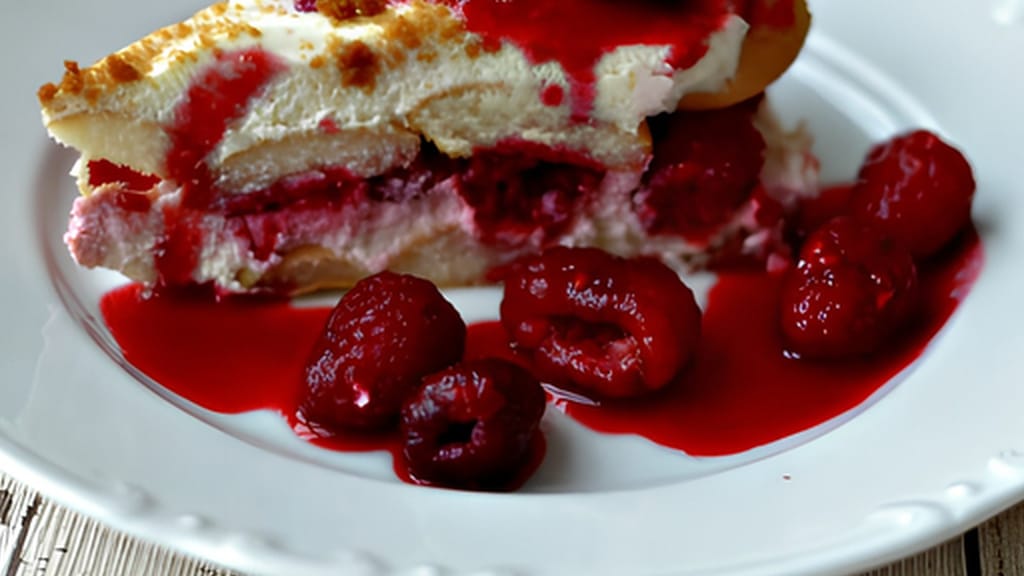
Desserts, recipes: no-bake fruit cake – fresh and easy
No-bake fruit cake – a no-bake cake that sets just as well in a bowl lined with plastic wrap
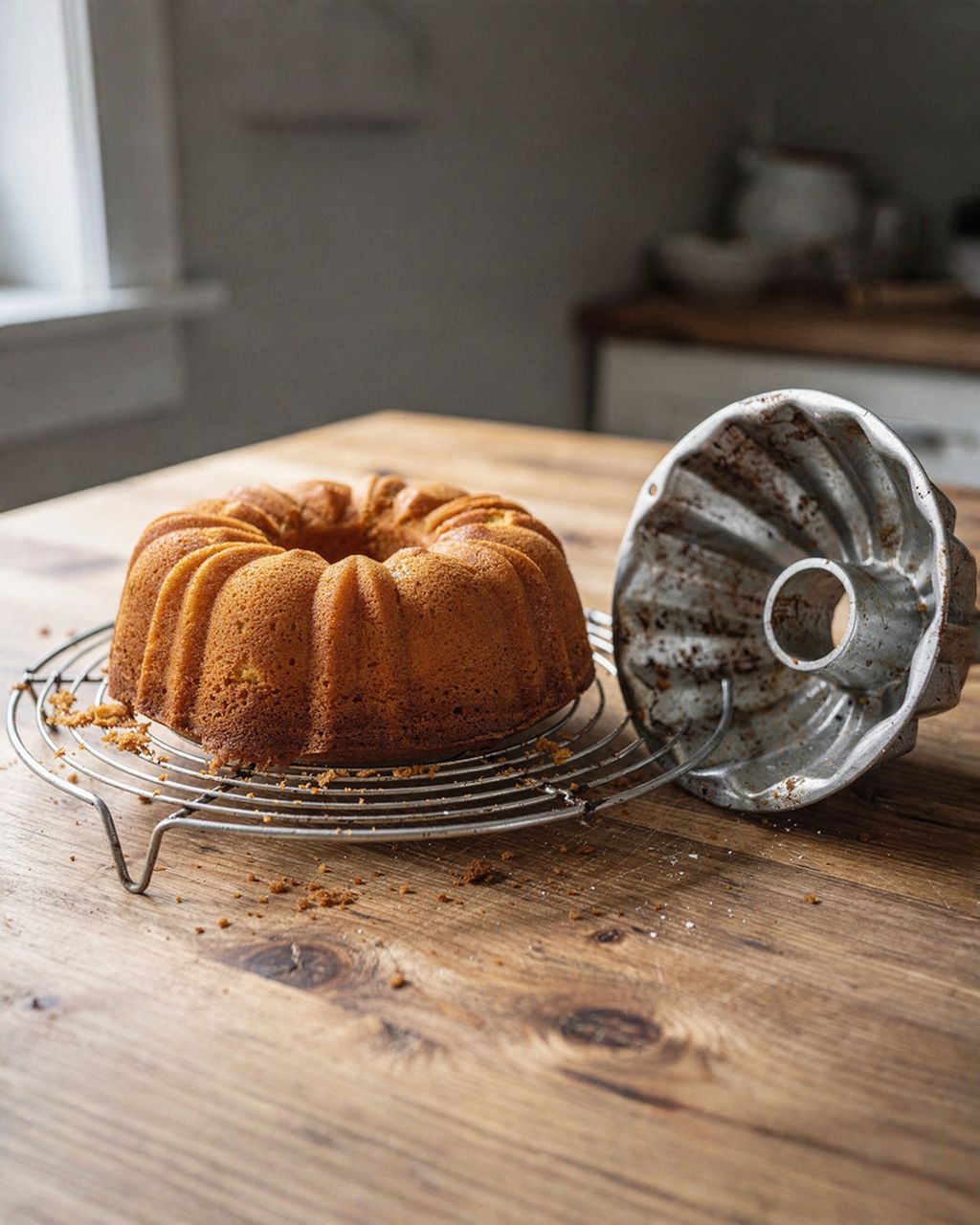
The easiest way to get a cake out of a pan without a removable rim is to line the base with parchment paper, leaving an overhang, then lift the cake out using that overhang. If you don't have parchment, let the cake cool for 10–15 minutes, run a knife around the edge, cover it with a plate, and flip the pan over. A completely cooled cake will actually stick to the pan more.
Yes, a silicone mould will bake a cake just fine, just set it on a baking sheet or wire rack first, since it's soft on its own and will bend under the weight of the batter. Silicone conducts heat less efficiently than metal, so the cake browns less and may need a few extra minutes. Greasing it isn't essential, but it does make turning out more intricate shapes easier.
You can grease a cake pan with a neutral-tasting oil instead of butter, or skip the greasing altogether and line it with parchment paper. Brush the sides with oil using a pastry brush, then dust them with flour, or with cocoa powder for chocolate batter. Parchment paper on the base is still the most reliable way to stop the cake from sticking.
Yes, you can bake a cake in a Remoska without any pan at all – just line the base with parchment paper and pour the batter straight in. Since it heats mainly from above, the top of the cake browns faster under the lid, so check it with a skewer after about 30 minutes. Depending on how thick the batter is, it's usually done in 35–50 minutes.
One recipe worth heating the oven for, one tip, and one deal from the shop. Nothing else.