- Season
- Available year-round, with peak freshness following tropical harvest cycles.
- Price
- Low
Calories and nutrition
per 100 g
80 kcal
Calories
1.8 g
Protein
17.8 g
Carbs
0.8 g
Fat
Ginger
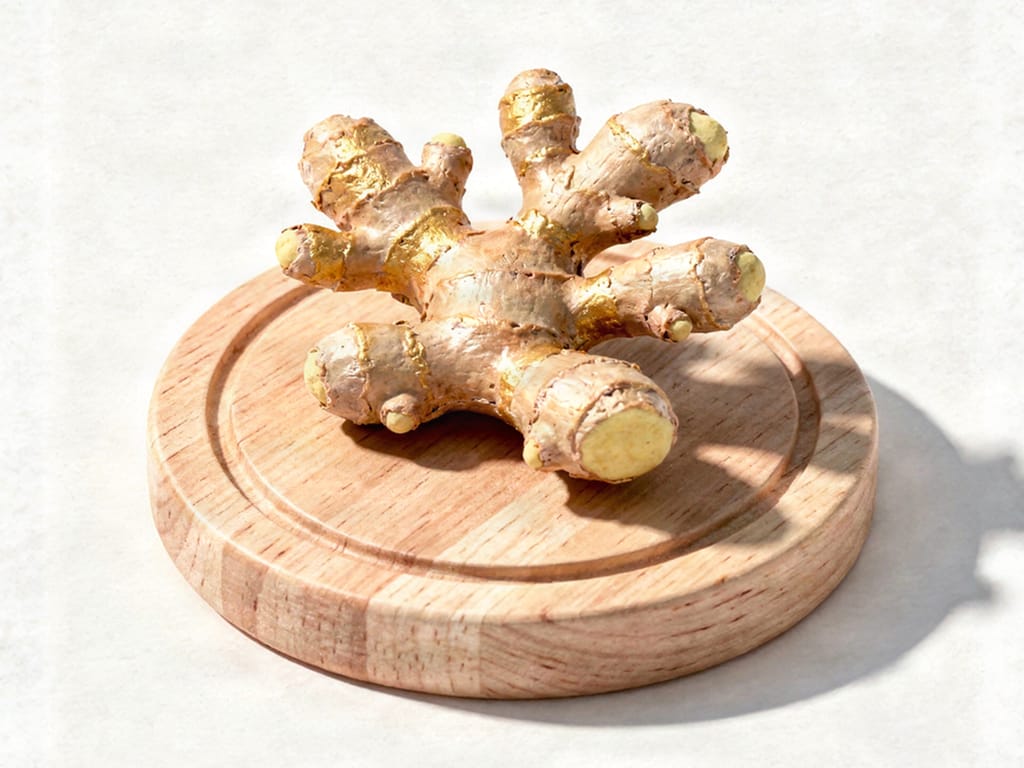
Ginger is the aromatic rhizome of Zingiber officinale, cultivated in humid tropical soils and prized as a spice and a cultural constant across Asia, the Middle East, Africa, and the Western world, with an equally long history of medicinal use.
per 100 g
80 kcal
Calories
1.8 g
Protein
17.8 g
Carbs
0.8 g
Fat
Store unpeeled ginger at cool room temperature for up to 5 days, protected from direct sunlight.
Wrap tightly and refrigerate for up to 3 weeks to preserve moisture and essential oils.
Freeze whole or grated ginger for up to 6 months with minimal loss of pungency.
Choose rhizomes that are heavy for their size, with taut, glossy skin and a pronounced aroma when scratched. Immature ginger will show pale flesh and delicate skin, while mature ginger is fibrous, spicy, and deeply aromatic.
Galangal offers a related heat with more camphor and citrus.
Ground dried ginger, though sweeter and less complex.
Peel mature ginger to remove fibrous skin, then slice, grate, or bruise depending on the desired extraction of heat and aroma.
Simmer ginger peels with citrus scraps to create a fragrant infusion suitable for syrups or teas.
Roughly what everyday kitchen measures weigh.
2 g
1 teaspoon
6.09 g
1 tablespoon
110 g
1 piece
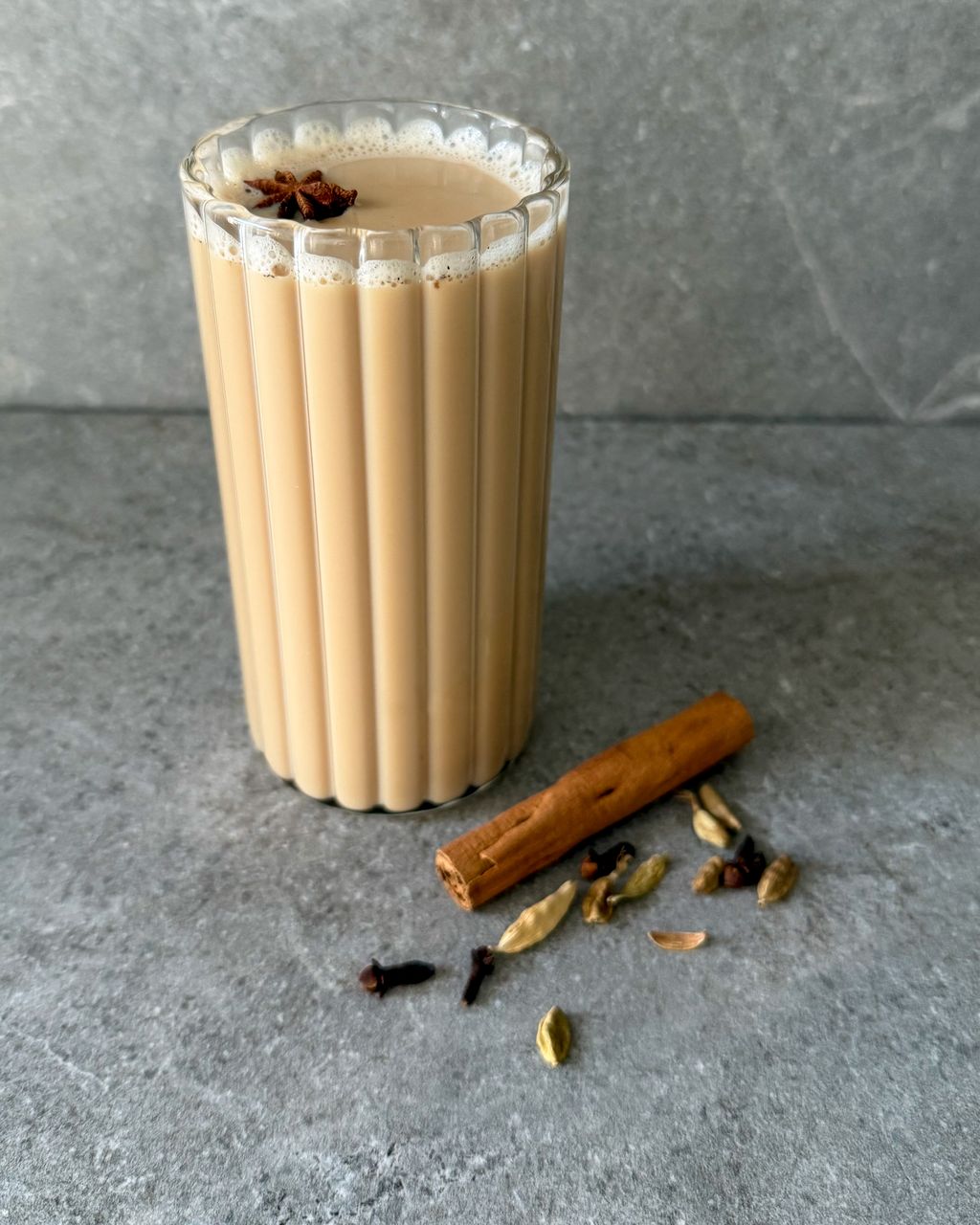
Authentic masala chai with spices and ginger
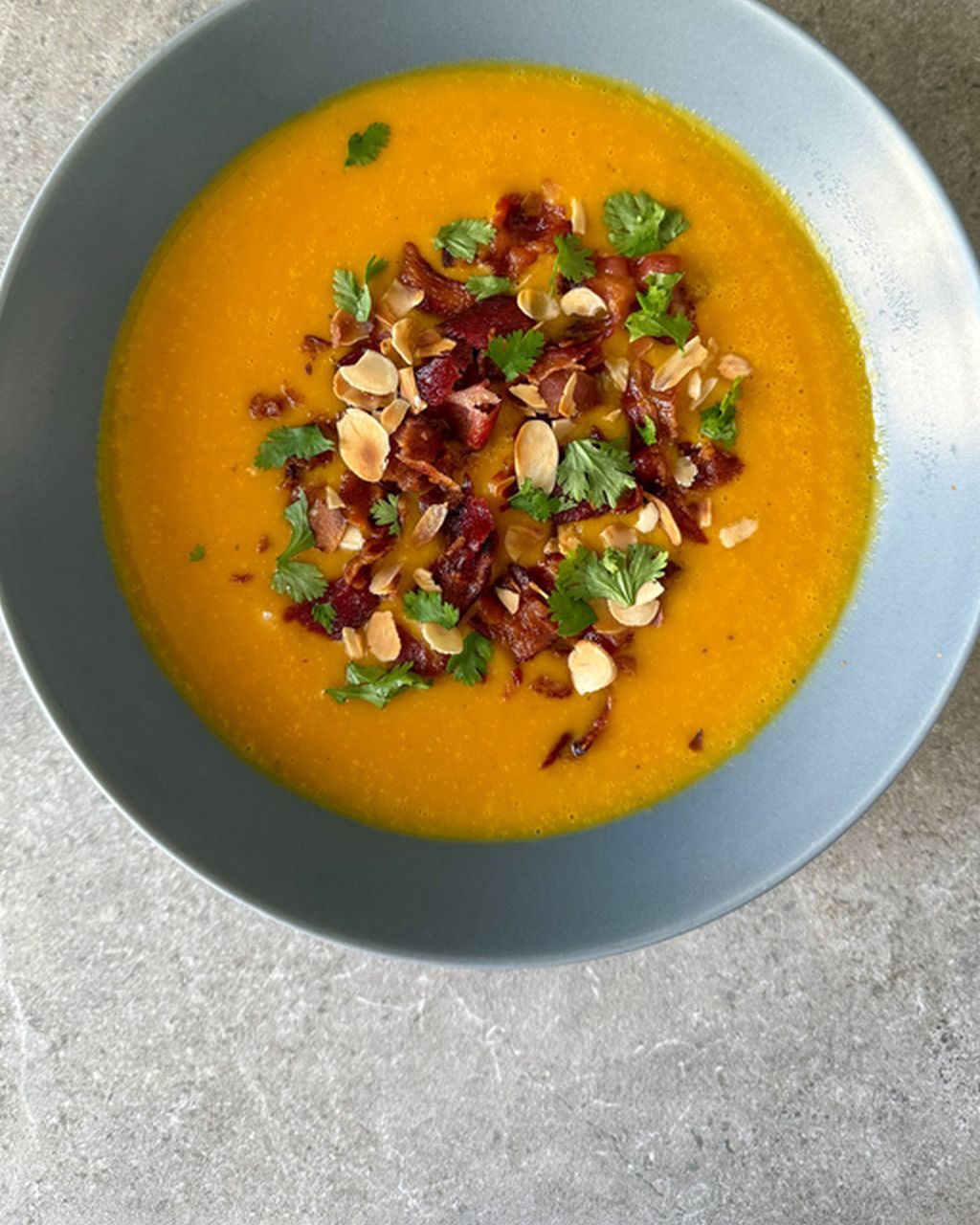
Pumpkin soup with crispy bacon
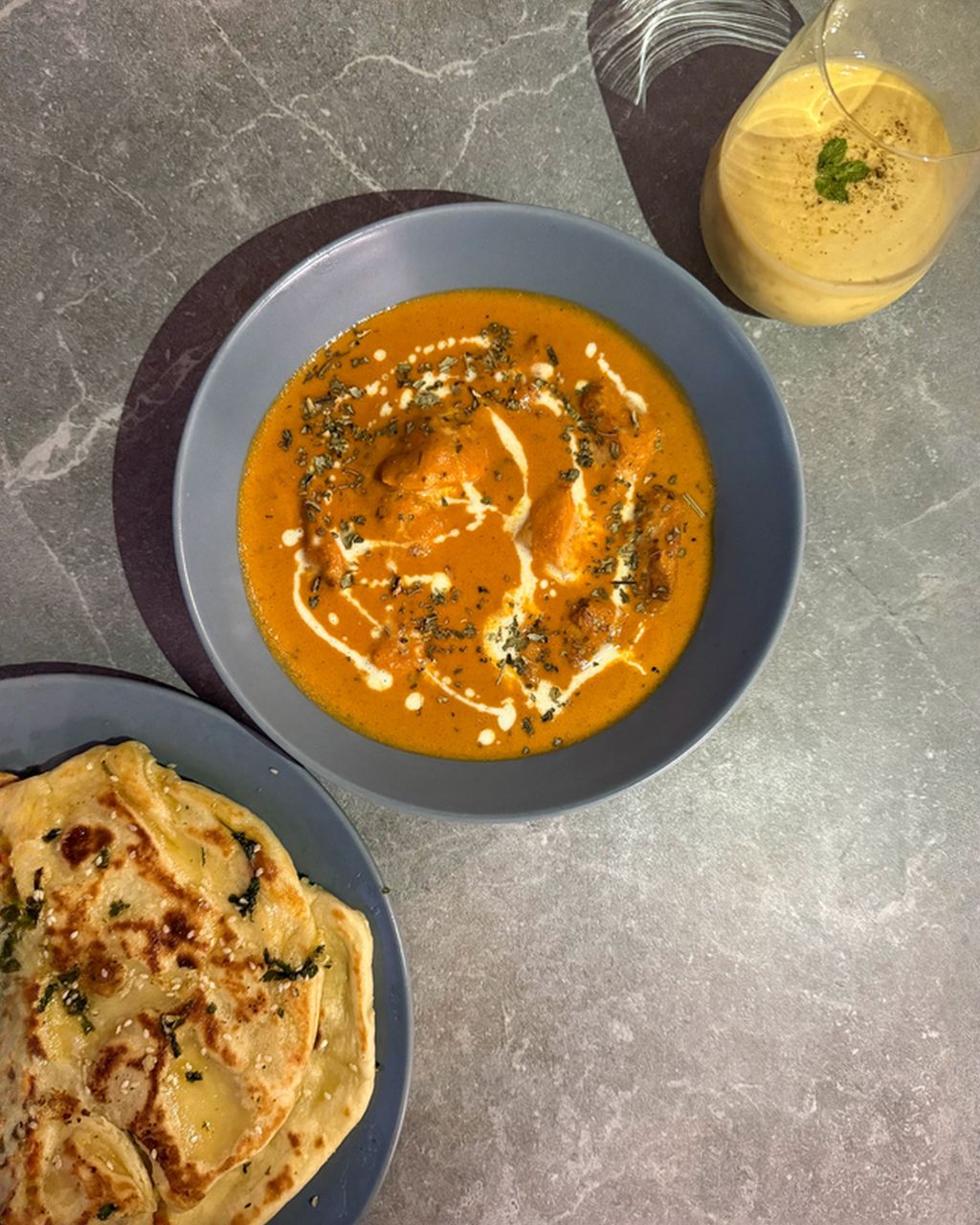
Restaurant-style butter chicken (murgh makhani)
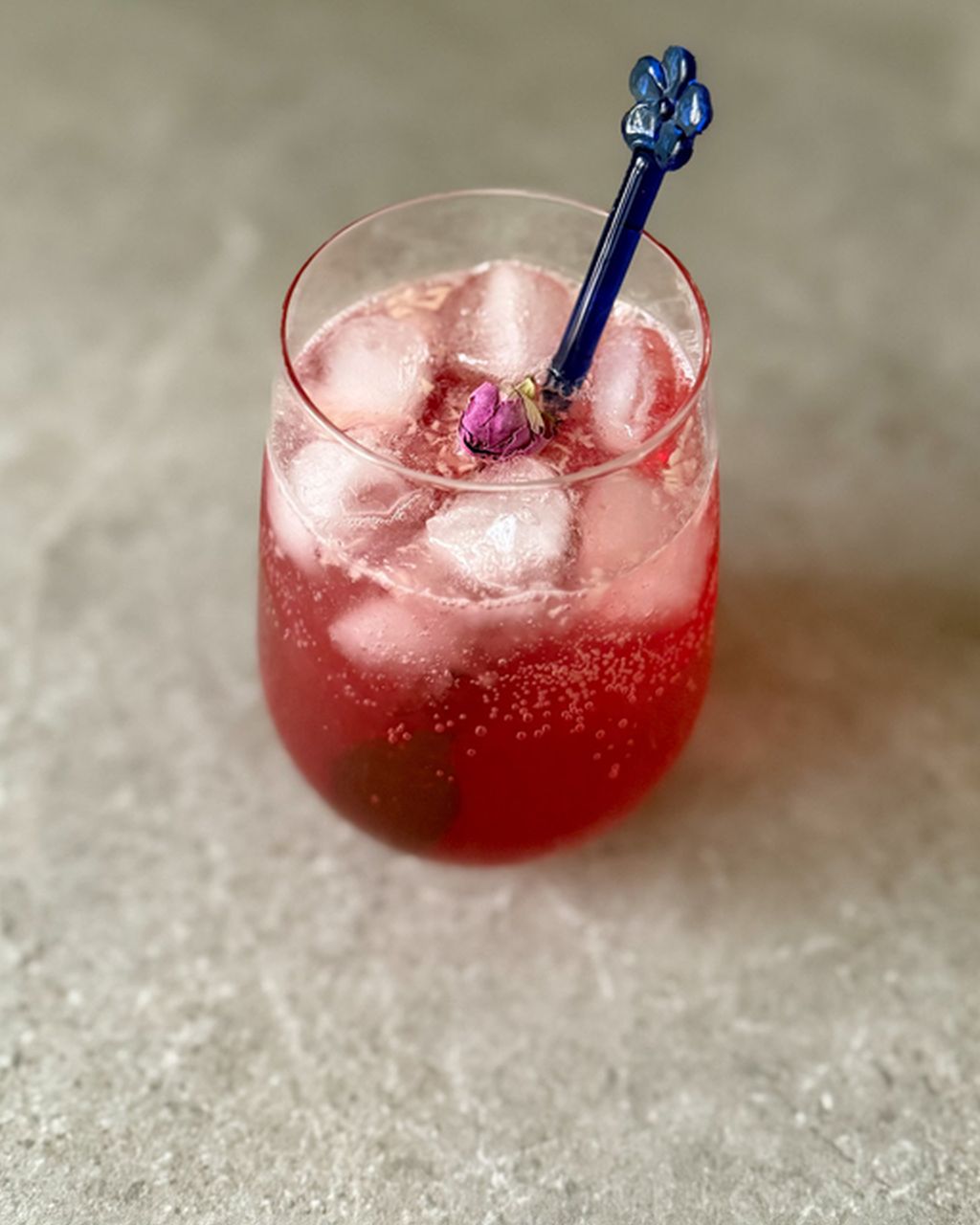
Homemade rose mocktail with ginger and rose petals
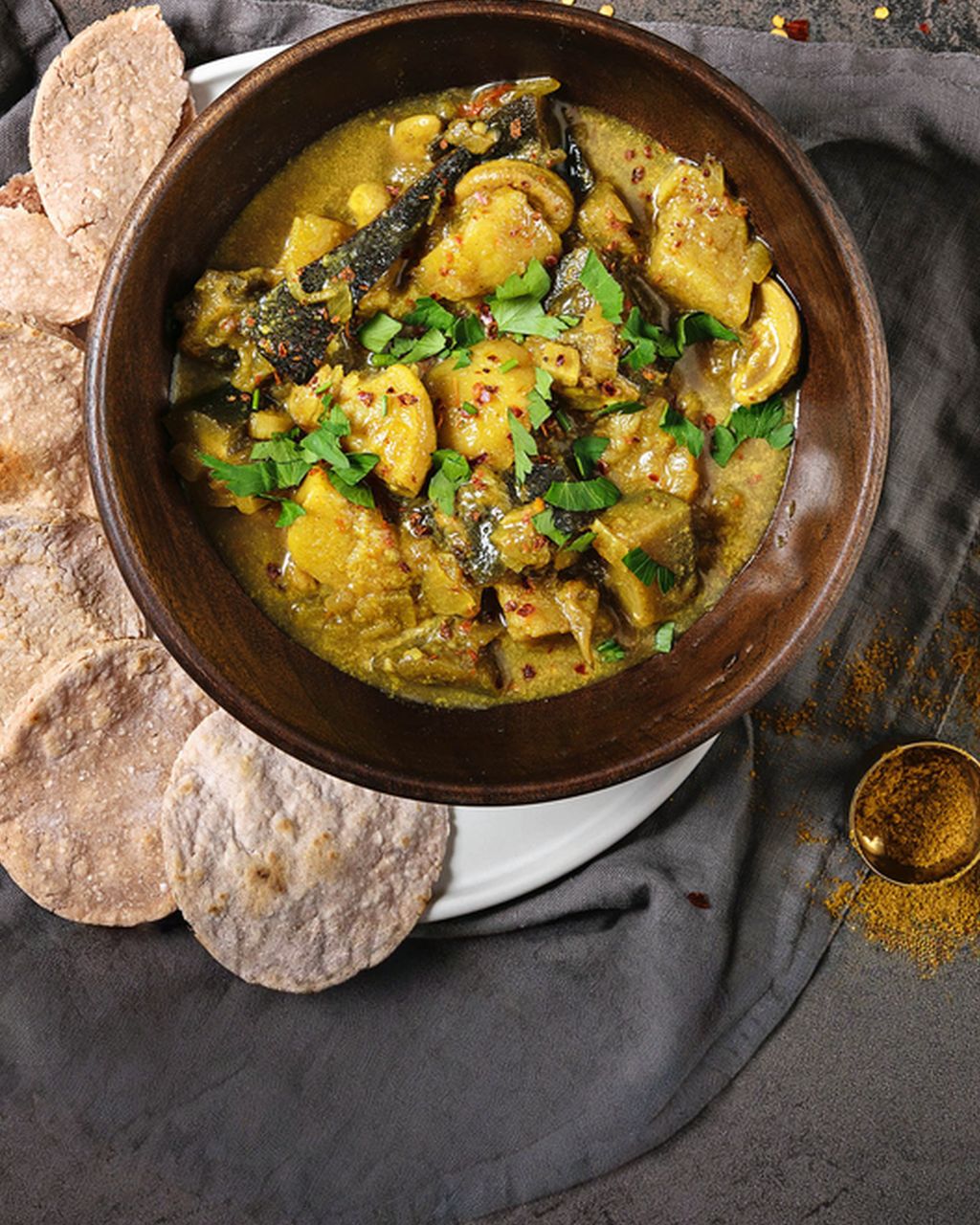
Vegetable curry with cashews
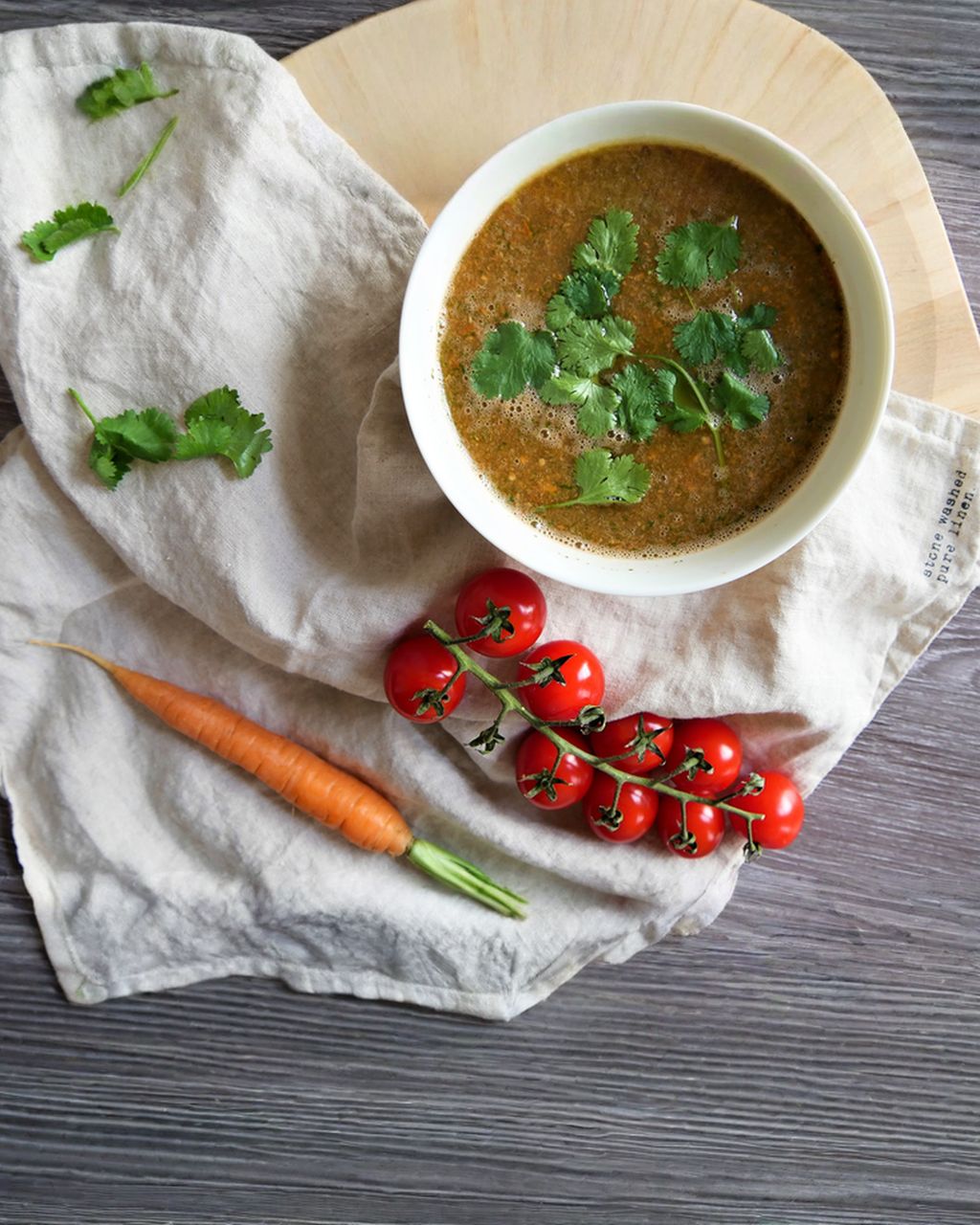
Asian carrot and coriander smoothie
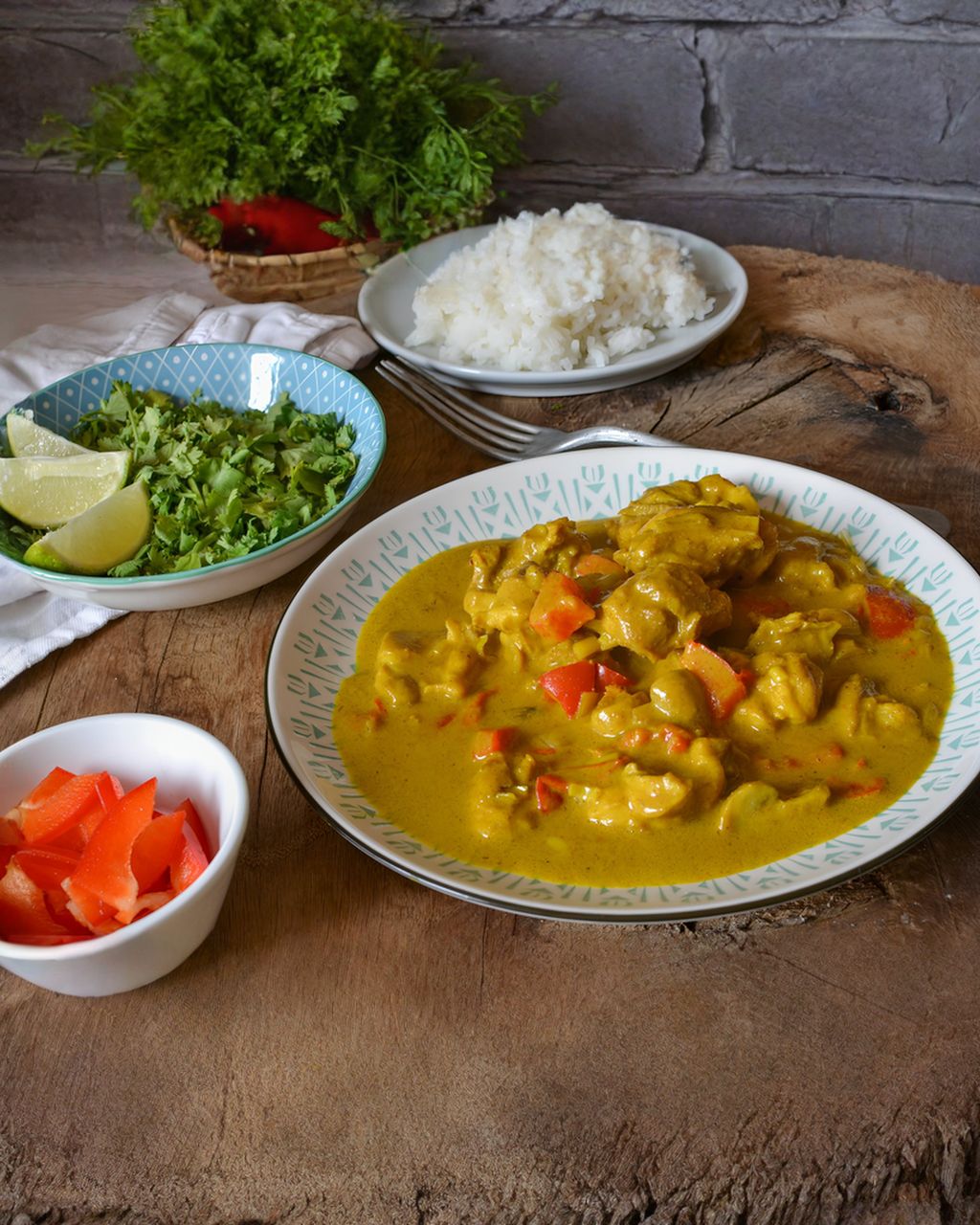
Chicken curry with coconut milk
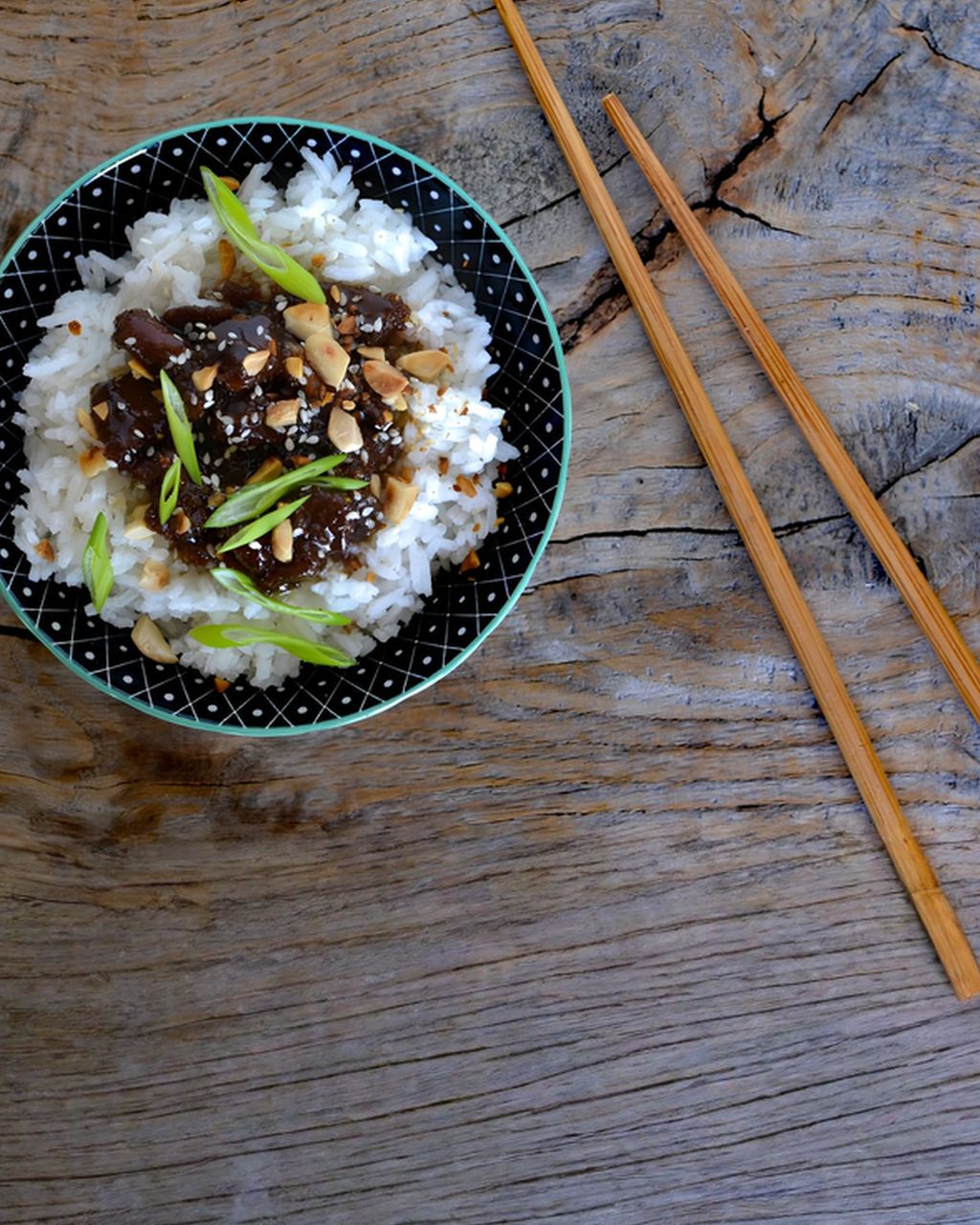
Fragrant & bold mongolian beef
Ginger is the aromatic rhizome of Zingiber officinale, cultivated in humid tropical soils and prized as a spice and a cultural constant across Asia, the Middle East, Africa, and the Western world, with an equally long history of medicinal use.
The flavor of ginger unfolds with a bright, lemony attack driven by volatile oils, quickly deepening into a hot, resinous mid-palate marked by pepper and pine, before resolving in a dry, slightly sweet finish that lingers with gentle heat rather than aggressive burn.
3 min read
Ginger expresses terroir with unusual clarity for a rhizome. Indian ginger, often cultivated in lateritic soils of Kerala, is moderately pungent with a pronounced lemony note and a fibrous texture, harvested at full maturity for drying and spice production. Chinese ginger, grown in loamy river valleys, is plumper and juicier, with a clean heat and citrus top notes favored for fresh cooking. Young or baby ginger, harvested early with translucent skin, carries floral sweetness and minimal heat, often preserved in sugar or vinegar. Jamaican ginger, historically revered, is graded the finest in the spice trade for its delicate, sweetly peppery aroma rather than raw pungency, its warmth shaped by the island's limestone-derived soils and humid air. Harvest methods vary, from hand-lifted clumps gently washed to preserve skin integrity, to sun-cured rhizomes destined for dehydration. Flavor nuances follow soil mineral content, rainfall, and harvest age, creating ginger profiles that range from lemon-bright to resinously hot.
Ginger’s history traces a continuous arc through culinary and medicinal thought. In the ancient world, ginger was known to Greeks and Romans by the first century CE, arriving via Indian Ocean trade routes; Dioscorides described its warming properties, while Roman cooks used it as a luxury spice alongside pepper. During the medieval period, ginger became a cornerstone of European spice cabinets, valued not only for flavor but for humoral balance, believed to warm the stomach and aid digestion. Arab traders controlled its movement, and it appeared in monastic gardens and festive breads. In the modern era, colonial expansion relocated ginger cultivation to the Caribbean, where the Spanish established it in Jamaica in the sixteenth century; in Africa it had already been spread centuries earlier by Arab traders along Indian Ocean routes. In both regions it became embedded in local cuisines and beverages. Today, ginger occupies a rare position as both everyday ingredient and subject of laboratory research, bridging folk knowledge and modern investigation.
The heat of ginger derives primarily from gingerols, which convert to shogaols upon drying or cooking, increasing perceived pungency. These compounds interact with TRPV1 receptors, the same heat-sensing receptors triggered by chilli, which is what explains ginger’s warming sensation. Volatile oils shape the aroma: zingiberene, the dominant one, is woody and warm-spicy, while citral supplies the lemony top notes; enzymatic activity during storage subtly alters sweetness and bite.
Ethical ginger sourcing prioritizes smallholder farms, as the rhizome is labor-intensive and often harvested by hand. Sustainable practices emphasize soil regeneration and minimal chemical input, preserving microbial health essential for flavor development. Fair-trade initiatives help stabilize prices in producing regions vulnerable to climate volatility.