- Season
- Year-round
- Price
- Low
Calories and nutrition per 100 g
- 134 kcal
- 21.4 g protein
- 3.7 g fat
- 2.5 g carbs
Pork Liver
Pork liver is the liver of the pig: dark reddish-brown, with a strong, slightly bitter flavour. In Czechia it is the most common and cheapest liver for liver and onions, pâté and liver dumplings; it must always be cooked through, and the UK NHS advises pregnant women to avoid it entirely because of vitamin A.
Do not leave it out of the fridge for more than 2 hours, including while thawing.
Keep raw pork liver covered on the bottom shelf at 0–4 °C, away from ready-to-eat food, and cook it within 1–2 days of purchase. Packed liver keeps until the use-by date, then 1–2 days once opened. Eat cooked liver within 1–2 days and reheat it only once, to at least 70 °C in the centre.
Freeze raw liver on the day you buy it, patted dry, portioned and airtight. It keeps its best quality for 3–4 months. Thaw it in the fridge overnight and cook within 1–2 days; dry it well before frying.
Choose liver with an even dark reddish-brown colour, moist and glossy, firm but springy to the touch. Avoid pieces with green or grey patches, dried edges, a slimy surface or a sour smell. Ask the butcher to cut it into even slices about 1 cm thick and remove the membrane.
Beef or calf's liver: cooked the same way; calf's liver is milder and pricier, beef liver similarly strong.
Chicken liver is much milder and smaller but works well in pâté; it must always be cooked right through.
Peel the thin membrane off the slices with a sharp knife and cut out tough vessels, or the slices curl in the pan. Trim off any green bile-stained spots, which taste bitter. To soften the flavour you can soak the liver in milk in the fridge for 30–60 minutes; milk does not tenderise it, only tones down the taste, and then goes down the drain. Pat the liver dry, dust lightly with plain flour if you like, and salt only after frying.
Bake or braise trimmings and small pieces and blend them into pâté, cooked through to the centre. Slice leftover fried liver and reheat it until piping hot in a sauce. Freeze any raw liver you will not cook by the next day, in portions.
Roughly what one measure weighs, scooped the way you normally would in the kitchen.
Pork liver is usually fried briefly: slices about 1 cm thick in a hot pan for 2–3 minutes per side, with onions, bacon or apples. Pieces about 3 cm across can be poached in barely simmering water for 10–15 minutes, for pâté or soup. For pâté the liver is also baked in the oven. It is done at 70 °C in the centre for 2 minutes; the US USDA/FSIS gives 71 °C for pork offal. Braising takes longer and leaves the liver firmer, but for people with weakened immunity or chronic liver disease it is the safer choice over quick-fried slices.
Pork liver is the largest internal organ of the pig. Butchers sell it whole or sliced; supermarkets often sell it in modified-atmosphere packs. It tastes stronger than calf's or chicken liver and has a slightly grainy texture. In Czech cooking it is the basis of liver and onions, homemade pâté and liver dumplings. In Czech it is called vepřová játra.
Stronger and more bitter than calf's or chicken liver, with a full iron-like note. Briefly fried it stays tender and juicy; overcooked it turns tough, grainy and bitter.
Seasonal baking plans, tested recipes and kitchen tricks that save you time. Unsubscribe in one click.
3 min read
Liver almost always turns tough because it was cooked too long. Cut it into even slices about 1 cm thick, peel off the membrane, pat dry and dust lightly with plain flour if you like. Fry the onion separately until golden first and set it aside.
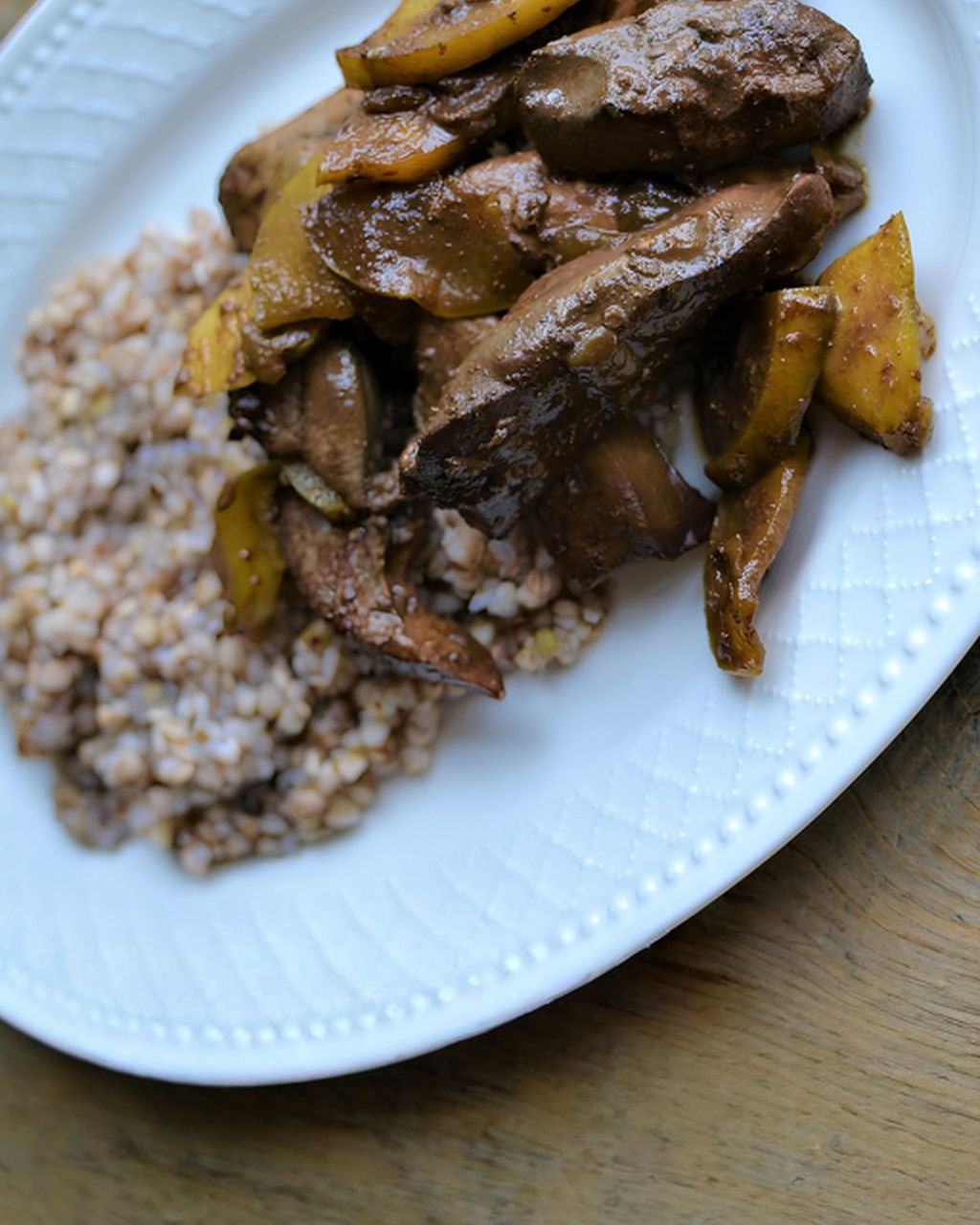
Heat lard or oil in the pan and fry the liver in small batches so the pan stays hot, 2–3 minutes per side, until cooked through with no pink in the middle. Return the onion, add a splash of water or stock, marjoram, salt and pepper. For the full method for liver and onions and poached liver, see our guide on how to cook liver so it isn't tough. For a version with apples, try braised pork liver with juicy apples.
Cook pork liver until the centre reaches at least 70 °C for 2 minutes; this matches Czech hygiene practice and the advice of the UK Food Standards Agency. The US USDA/FSIS gives 71 °C for pork offal. Check with a probe thermometer pushed in from the side of the thickest piece, because colour is not a reliable guide with liver.
Pork liver has an extra reason. The European Food Safety Authority (EFSA) names raw and undercooked pork meat and liver as the most common source of hepatitis E infection in the EU, and the Czech National Institute of Public Health considers thorough cooking of offal, especially liver, the only effective protection. The 70 °C for 2 minutes rule, however, is not a step that reliably destroys the virus. According to the Czech National Institute of Public Health (SZÚ), that takes heating meat and offal above 71 °C in all parts of the food for at least 20 minutes, and freezing does not destroy the virus. Always cook pork liver through and never serve it pink, and that includes pâté.
People with weakened immunity or chronic liver disease should eat pork liver only in long-cooked dishes, such as braised liver or pâté baked all the way through, not as quick-fried slices. The NHS advises pregnant women not to eat it at all, because of vitamin A.
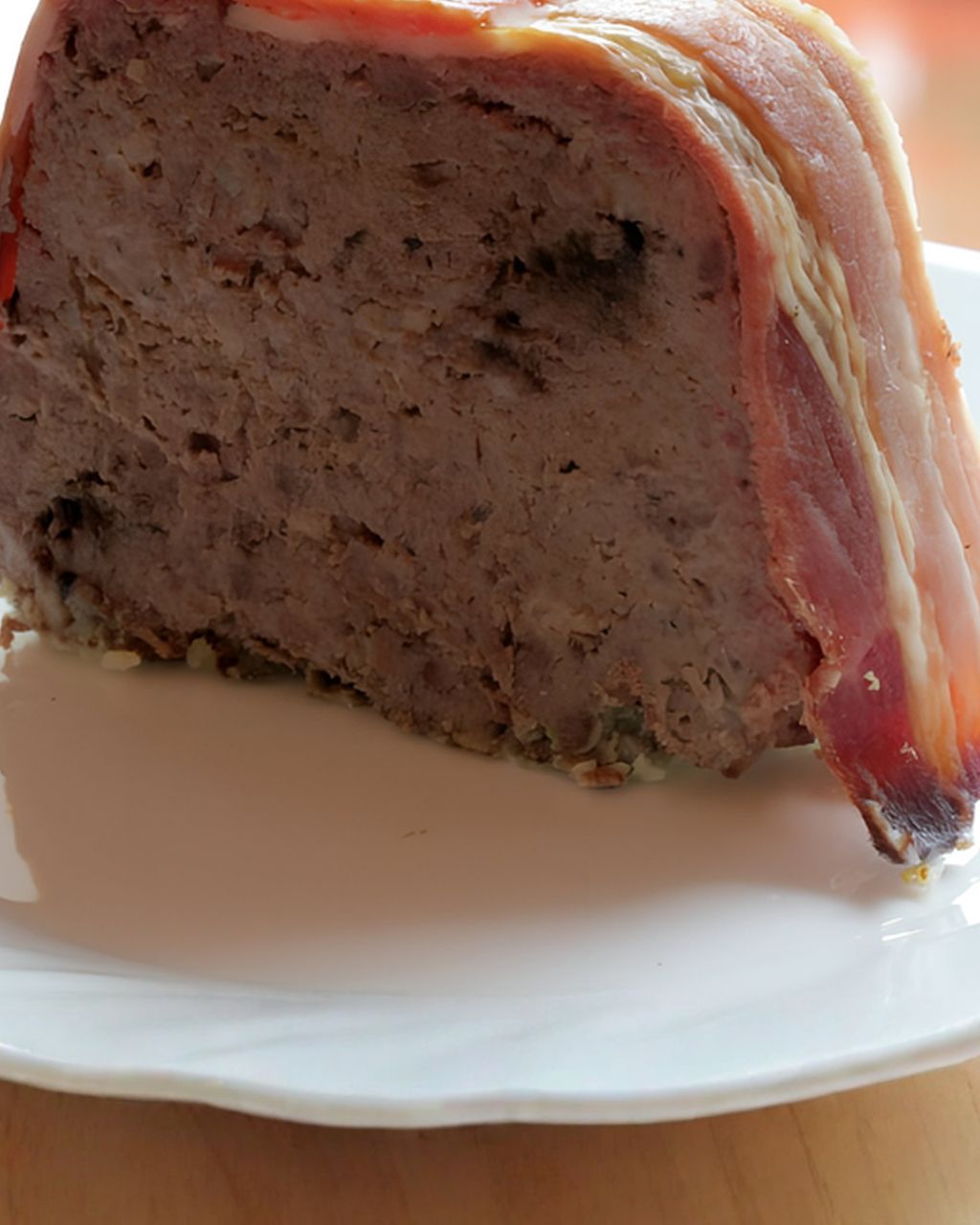
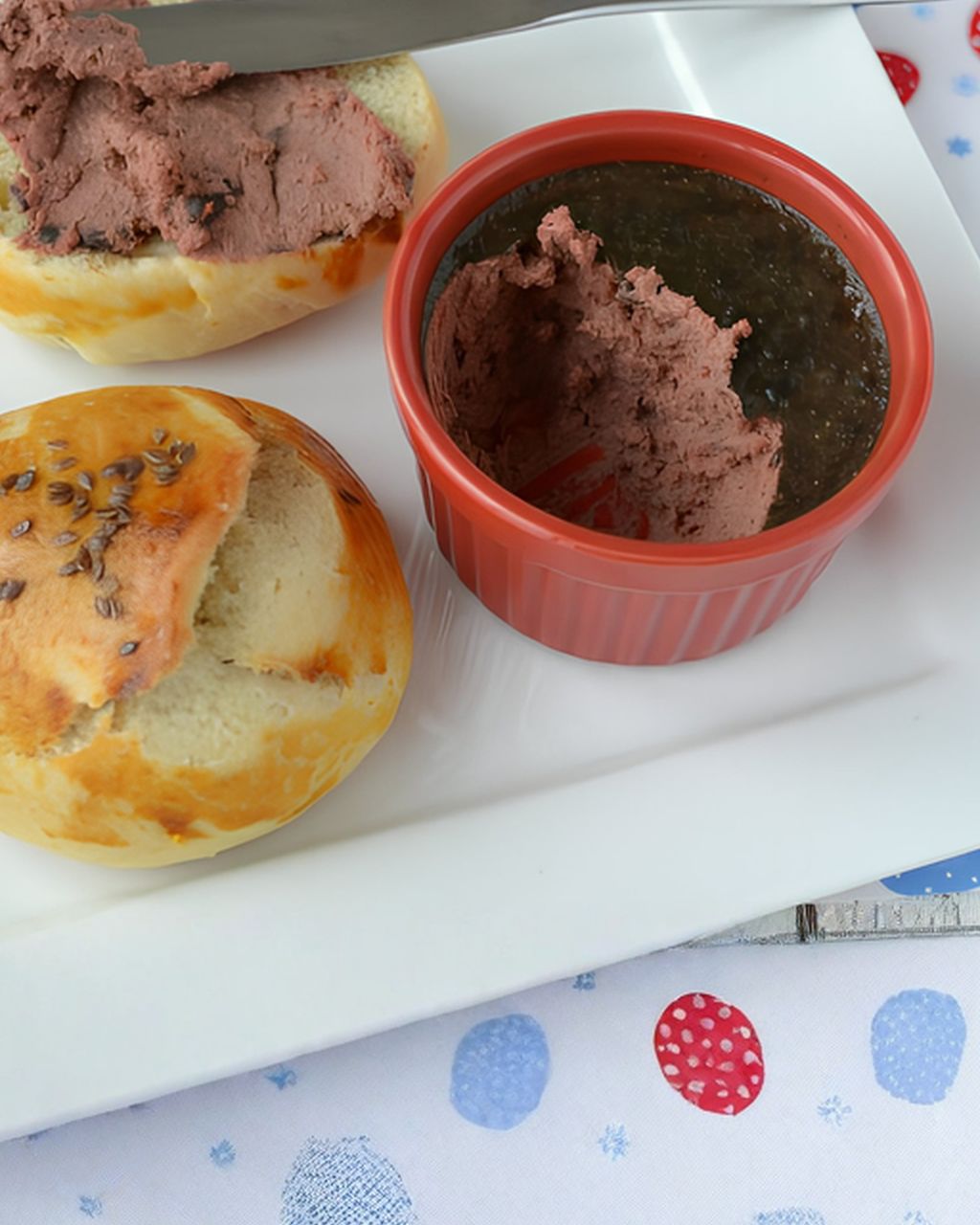
Pork liver is the most common base for homemade pâté in Czechia: it is cheap and full-flavoured, and with pork belly or lard it gives a smooth, spreadable mixture. Bake pâté until the middle of the tin reaches 70 °C. Try our baked liver pâté, or a whole spread with homemade pâté with fresh rolls.
Liver is a store of vitamin A in the form of retinol. According to the USDA database, raw pork liver contains about 6,500 µg of vitamin A per 100 g, more than twice the tolerable upper intake of 3,000 µg a day for adults set by the European Food Safety Authority (EFSA). The UK NHS therefore advises eating liver and liver products such as pâté no more than once a week.
The NHS advises pregnant women not to eat liver or liver products at all, because too much vitamin A can harm the baby. That includes liver pâté and other products containing liver.
Raw pork liver keeps for only 1–2 days in the fridge at 0–4 °C, less than pork meat. If you will not cook it straight away, freeze it in portions on the day you buy it. It keeps its best quality for 3–4 months in the freezer; thaw it in the fridge, not on the counter.