- Season
- All year round. It is a shelf-stable pantry staple.
- Price
- Low
Calories and nutrition
per 100 g
381 kcal
Calories
0.3 g
Protein
91.3 g
Carbs
0.1 g
Fat
Cornstarch
Cornstarch (cornflour in the UK) is a snow-white fine powder, pure starch washed out of maize kernels, used to thicken sauces, custards and puddings; Czech shops sell it as Gustin or Amylon, elsewhere it is known as Maizena. For 500 ml of sauce 15–20 g, mixed into cold water and briefly boiled, is enough.
per 100 g
381 kcal
Calories
0.3 g
Protein
91.3 g
Carbs
0.1 g
Fat
Store it in a dry, dark place in a well-closed bag or tin, away from strong-smelling foods. It keeps until the best-before date on the pack, and longer if dry; throw out starch that is damp, musty or lumpy.
Do not refrigerate it. It does not need it, and in a container that is not airtight it could absorb moisture.
There is no point in freezing it. Temperature changes can lead to condensation.
Check that the ingredient list says only cornstarch (maize starch). Potato starch (such as Solamyl) or custard powder with flavouring and colouring are different products. If you cook gluten-free, buy a pack explicitly labelled gluten-free: ordinary cornstarch often carries a warning that it may contain traces of gluten-containing cereals. The starch should be free-flowing without lumps, which signal moisture.
Potato starch (Solamyl, Amylon): 10–15 g is enough for 500 ml of sauce; stir it in off the boil at 70–80 °C. It gives a clearer, glossier result but cannot take boiling.
Plain wheat flour: instead of 15–20 g of starch use about 25–30 g of flour per 500 ml, ideally as a roux or a flour slurry. The sauce will be cloudier, and flour contains gluten.
Always mix the starch into a cold liquid first, roughly 1 part starch to 2–3 parts water, stock or milk. Pour this slurry into the hot sauce while stirring and let it boil for 1–2 minutes. Never tip dry starch into hot liquid, or it will form lumps.
Use up the rest of an open pack to coat meat or tofu before frying, in a homemade pudding, or in a shortcrust dough where it replaces part of the flour.
Roughly what a spoon or cup weighs, filled the way you usually would.
2.71 g
1 teaspoon
8.12 g
1 tablespoon
135 g
1 cup (250 ml)
Cornstarch thickens sauces, gravies, soups, custards, puddings and fruit fillings. As a coating before frying it gives a thin, crisp layer, and in shortcrust doughs and sponges it replaces part of the flour for a more tender result.
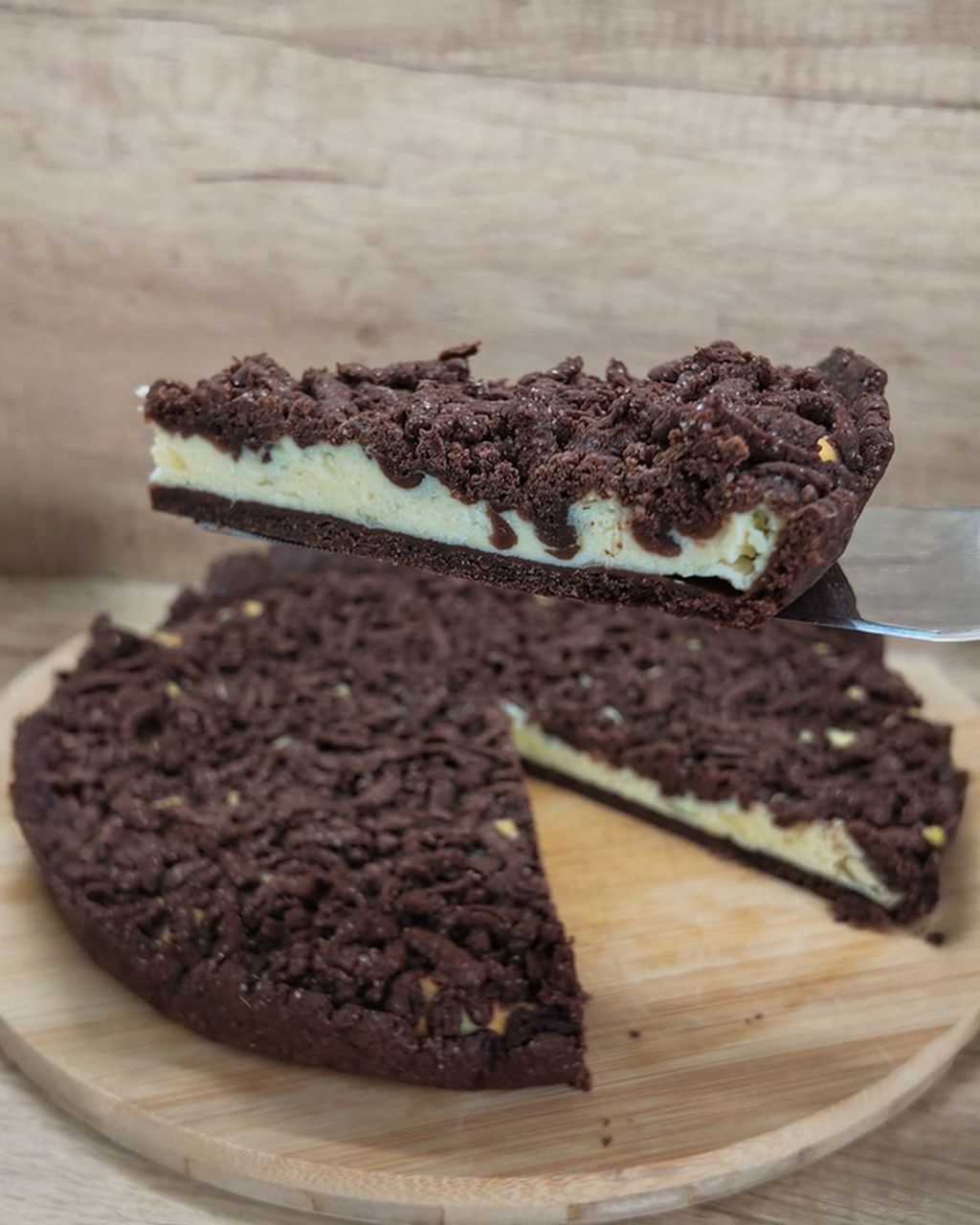
Grated cheesecake cake

Yeasted blueberry buns with curd cheese and crumble
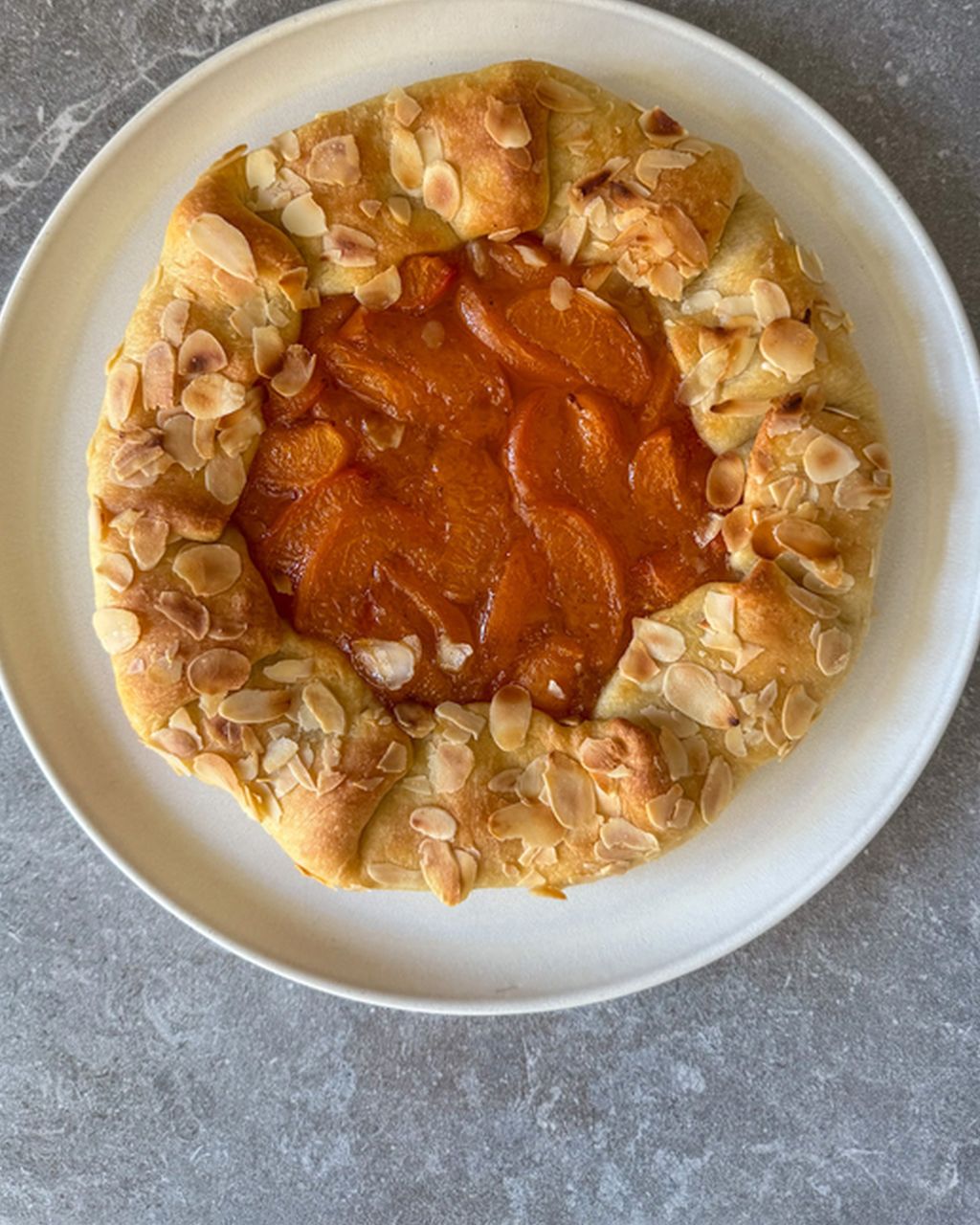
Apricot galette with ricotta pastry and rosemary
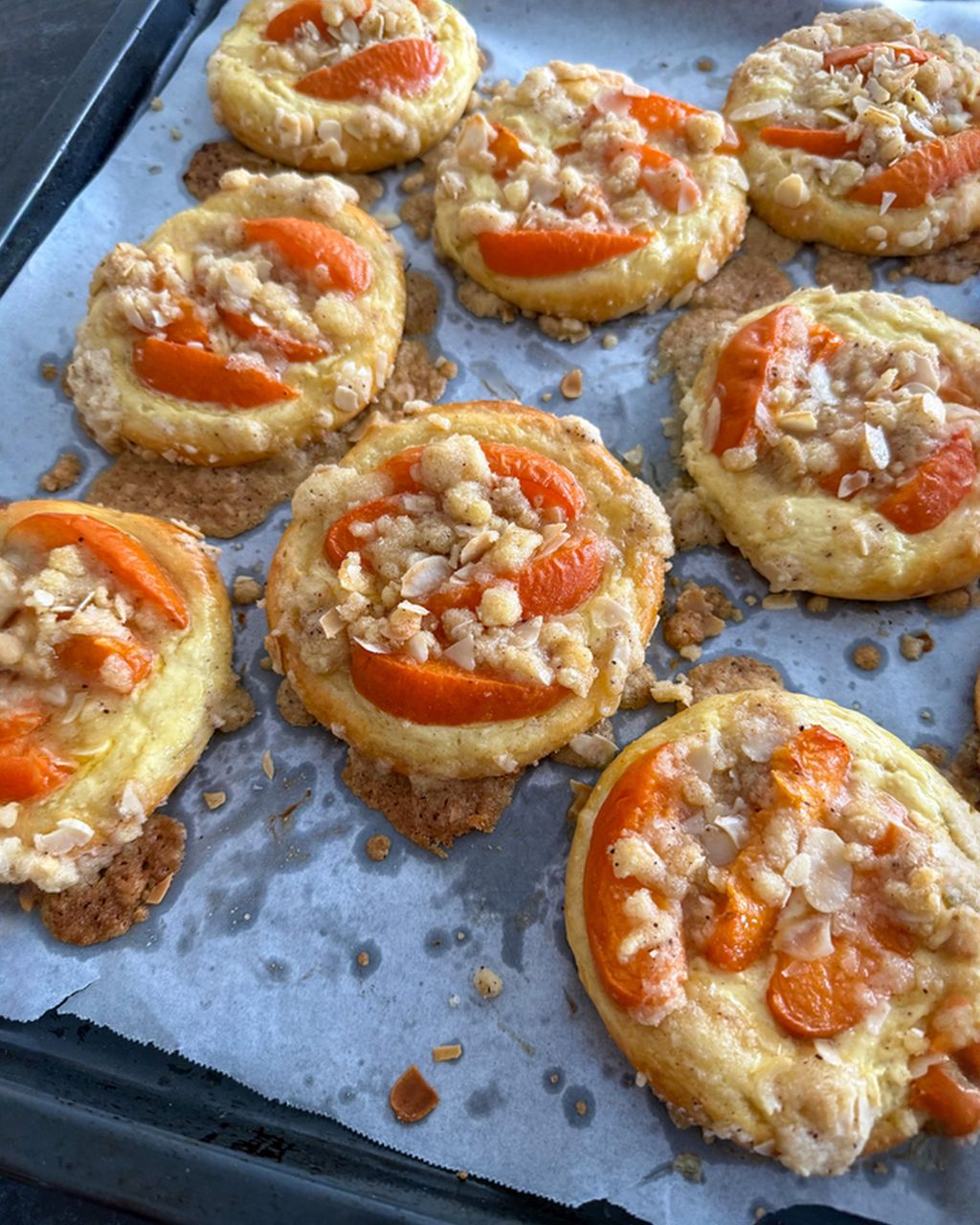
Apricot kolaches with curd cheese filling and almond crumble
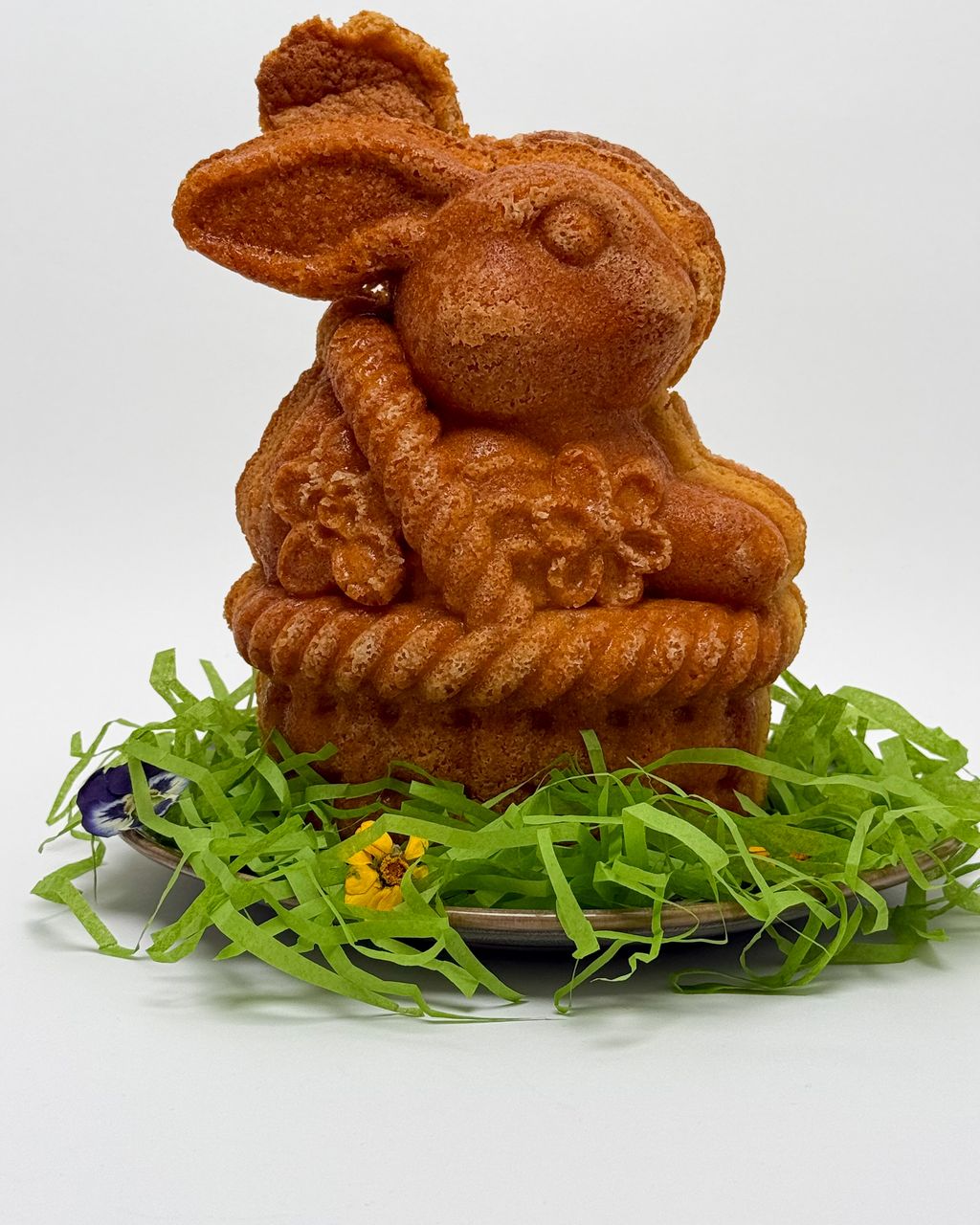
Banana easter bunny cake with vanilla and spice

Pistachio cupcakes with lemon curd and mascarpone cream
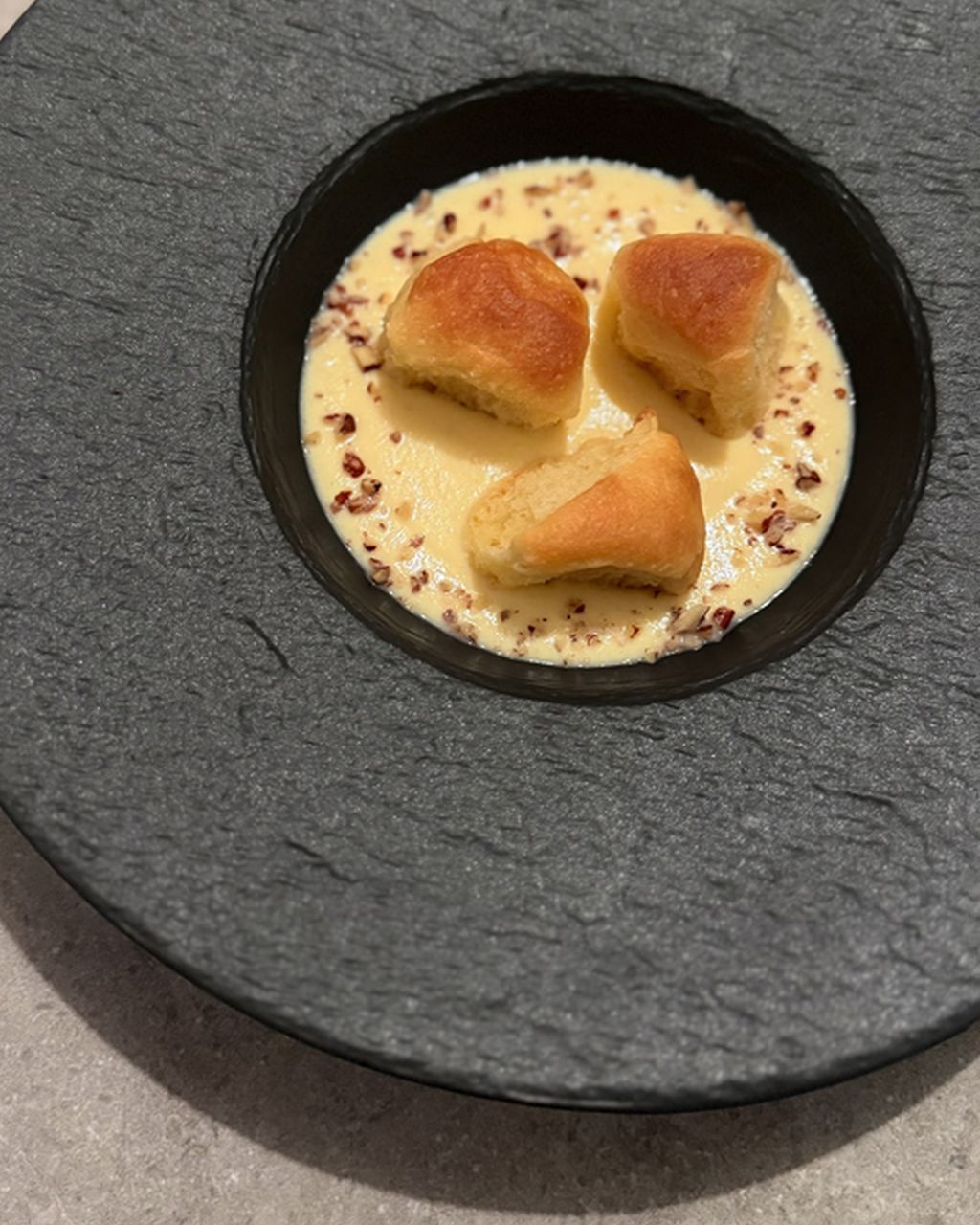
Fluffy sweet buns with chaudeau (egg custard) sauce
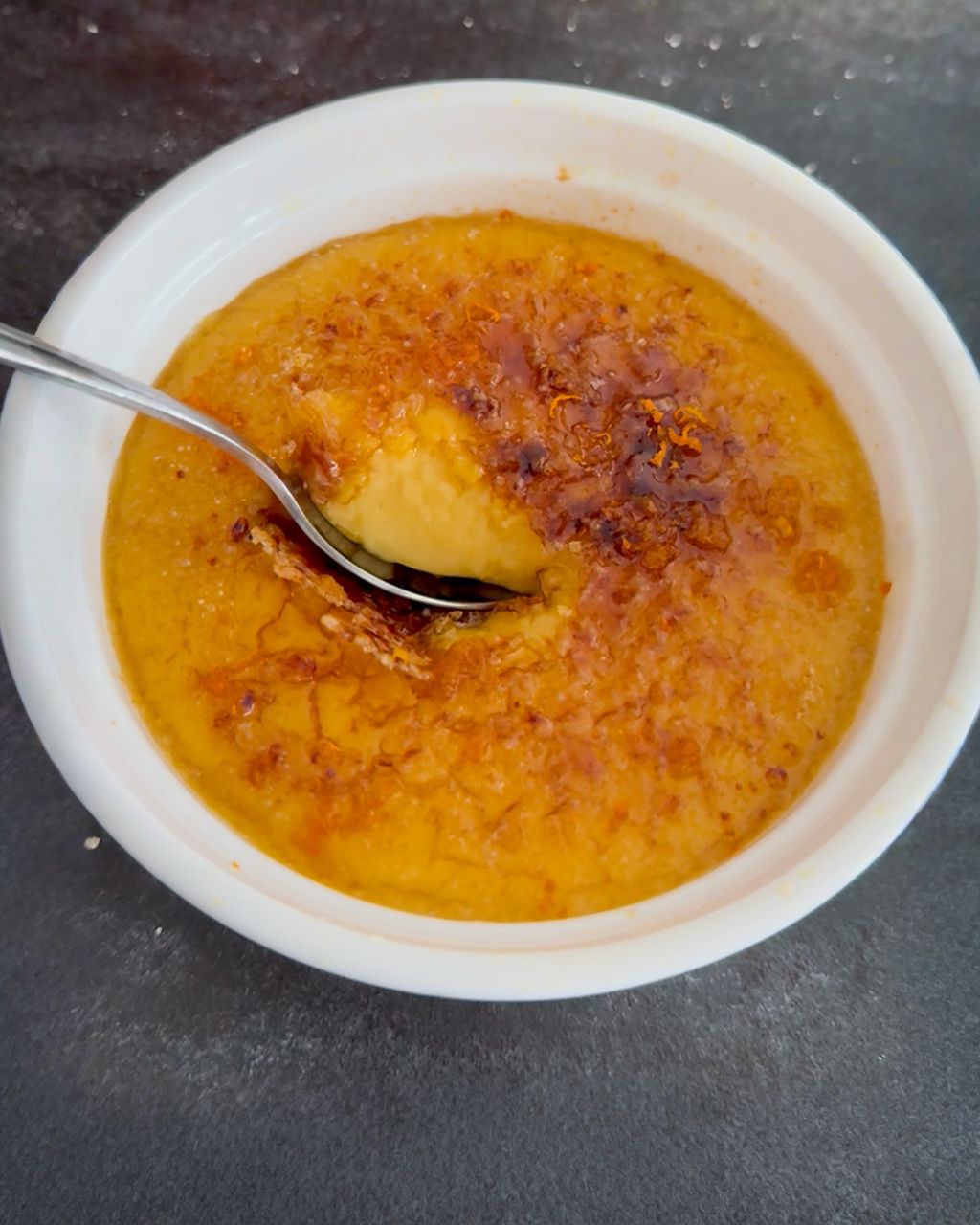
Crema catalana with orange zest and cinnamon
Cornstarch (cornflour in the UK) is a snow-white fine powder, pure starch washed out of maize kernels, used to thicken sauces, custards and puddings; Czech shops sell it as Gustin or Amylon, elsewhere it is known as Maizena. For 500 ml of sauce 15–20 g, mixed into cold water and briefly boiled, is enough. It is not corn flour (maize flour): that is yellowish, tastes of corn and thickens less. Nor is it Solamyl, which is potato starch.
It has almost no taste, just a faint cereal note that disappears once cooked. It squeaks between your fingers. In a sauce it gives a smooth, slightly matt body that does not mask other flavours. Undercooked starch tastes floury and raw.
4 min read
For 500 ml of medium-thick sauce, one that coats the back of a spoon, 15–20 g of cornstarch is enough, which is 1.5–2 tablespoons. For a thick pudding to set in a bowl, use 40 g of starch per 500 ml of milk. Thin a gravy or soup with less, adding it gradually.
First mix the starch into a cold liquid at roughly 1 part starch to 2–3 parts water, stock or milk. Pour the slurry into the hot sauce while stirring and let it boil for 1–2 minutes. Only then does the sauce reach its final thickness and lose the floury taste. All the amounts and how they compare with other thickeners are in our guide How to Thicken Sauce Without Flour, and pudding step by step in homemade pudding from scratch.
Cornstarch can take a short boil and reheating the next day, but not long boiling or vigorous stirring. Add it to long-simmered sauces only in the last few minutes. Acid (wine, lemon, tomatoes) breaks it down during longer cooking, so thicken acidic sauces and fillings at the end and cook them as briefly as possible. You will find cornstarch in recipes such as crema catalana or sweet and sour braised red cabbage.
Solamyl from Dr. Oetker is potato starch, not cornstarch; the same brand sells cornstarch as Gustin. Recipes often swap them, so it helps to know how they differ.
Potato starch thickens more strongly: 10–15 g is enough for 500 ml, about two thirds of the cornstarch amount. It starts to swell at around 58–65 °C and longer boiling breaks it down, so the sauce thins again. It gives a clear, glossy result, which is why it suits fruit glazes and sweet and sour sauces.
Cornstarch starts to swell at around 62 °C, gelatinisation is complete by about 72 °C, and it reaches full thickness after a short boil. It handles boiling and reheating better, but the result is slightly matt. As it cools it sets into a firmer gel, which is why it is the base of puddings.
Maize contains no gluten, so pure cornstarch is naturally gluten-free. For people with coeliac disease, though, only starch labelled gluten-free is safe; under EU rules (Regulation 828/2014) it may contain no more than 20 mg of gluten per kilogram. Ordinary packs often warn of possible traces of gluten-containing cereals.
Maize is not one of the 14 allergens that must be highlighted on EU labels. In gluten-free baking, starches usually make up 20–40% of the flour blend and add lightness and softness.
The ordinary cornstarch sold in shops is native starch, simply washed out and dried. Waxy maize starch from special maize varieties is almost entirely amylopectin, gives a glossier gel and handles freezing better, but you will not usually find it in shops for home cooks. Modified starches, listed in processed foods under E 14xx codes, are chemically or physically treated so they withstand acid, boiling or freezing. Organic cornstarch is made from organically grown maize.
Maize was domesticated in Mesoamerica about 9,000 years ago, but cooks there did not extract pure starch from it. Industrial cornstarch production began in the United States in the 19th century with the development of wet milling of maize. In the 20th century it became a common household thickener around the world and the base of custard and pudding powders.
Cornstarch consists of granules of amylose and amylopectin. In hot water they absorb liquid and swell, and the released chains form a viscous network; this is called gelatinisation. As it cools, the amylose links up again and the gel sets, which is why pudding firms up and turns opaque.
Sugar raises the gelatinisation temperature and softens the gel. Acid and long boiling split the starch chains and the sauce thins. Freezing makes water separate from the starch gel, so sauces thickened with ordinary cornstarch tend to be thinner and grainy after thawing.