- Season
- Year-round; it is a shelf-stable dried spice.
- Price
- Low
Calories and nutrition
per 100 g
345 kcal
Calories
15.8 g
Protein
52.3 g
Carbs
14.9 g
Fat
Fennel Seeds
Dried fennel usually means fennel seeds: the dried fruits of the fennel plant (Foeniculum vulgare), a spice with a sweet, anise-like flavour. They are used whole or ground in bread and baking, with fish, in pickles and in spice blends such as bread spice or gingerbread spice.
per 100 g
345 kcal
Calories
15.8 g
Protein
52.3 g
Carbs
14.9 g
Fat
Keep in a well-sealed, preferably opaque container somewhere dry and dark, away from the stove and steam. Whole seeds keep their best flavour for about 2–3 years, ground fennel for 6–12 months. After that they are still usable, just weaker.
Not in the fridge. Each time the cold jar comes out, moisture condenses on the spice and the seeds clump and lose their scent.
No need to freeze. Buy smaller packs and grind only what you will use straight away.
Buy whole seeds, ideally greenish to light brown, that smell strongly when you crush one between your fingers. Grey, dull seeds with little scent are old. Ground fennel loses its aroma much faster, so buy it in small packs or grind whole seeds just before use. Shops sell them as whole fennel seeds in small packets.
Anise seed. It has the same main aroma compound (anethole) and a similar flavour, but it is stronger, so use a little less.
Ground star anise, about two thirds of the amount, as it is stronger. In bread, caraway also works, though the taste changes and the anise sweetness is gone.
Toast whole seeds in a dry pan over medium heat for a minute or two until fragrant, then tip them straight onto a cold plate. Let them cool completely before crushing them in a mortar or grinding them, or they will steam and clog the grinder. In sauces and braises you can add whole seeds at the start, ideally warmed briefly in fat, which carries the aroma.
Seeds that have lost some of their scent are still useful. Use a little more of them in pickling brine, stock or bread dough, where weaker aroma matters less than in delicate baking.
Roughly what a spoon or cup weighs, filled the way you usually would.
2 g
1 teaspoon
6.1 g
1 tablespoon
101 g
1 cup (250 ml)
Fennel seeds go into sourdough and yeasted bread, rolls and savoury baking, fish soups, sauces, pork and homemade sausages, where they are the signature flavour of Italian sausage. They suit brines for cucumbers or beetroot, quark and cheese spreads and herb butter. They are also part of many spice blends: Czech bread spice, gingerbread spice, Chinese five-spice and Indian panch phoron.
Dried fennel usually means fennel seeds: the dried fruits of the fennel plant (Foeniculum vulgare), a spice with a sweet, anise-like flavour. They are used whole or ground in bread and baking, with fish, in pickles and in spice blends such as bread spice or gingerbread spice. Fennel belongs to the carrot family, like dill, caraway and anise. The seeds are oblong, ridged and greenish to light brown. The fennel bulb you buy as a vegetable comes from the same species, from a cultivated group with swollen leaf bases.
Sweet anise and liquorice, usually milder than anise seed or star anise. The same compound, anethole, is behind all three. A slightly camphor-like, minty note comes from fenchone. Toasted seeds smell stronger and rounder; ground fennel fades quickly.
2 min read
Fennel seeds and the fennel bulb come from the same species. The bulb is a vegetable from a cultivated group (Florence fennel); the seeds are a spice. They do not swap one for the other: seeds add flavour but no crunch or bulk. In a salad or gratin seeds cannot replace the bulb; in a sauce or with fish they can, and a pinch is enough.
Anise is a different plant (Pimpinella anisum) from the same family. The seeds look and taste alike; anise seeds are smaller and taste stronger. Both, and star anise too, owe their sweet liquorice scent to the same compound, anethole, which is why recipes can swap them.
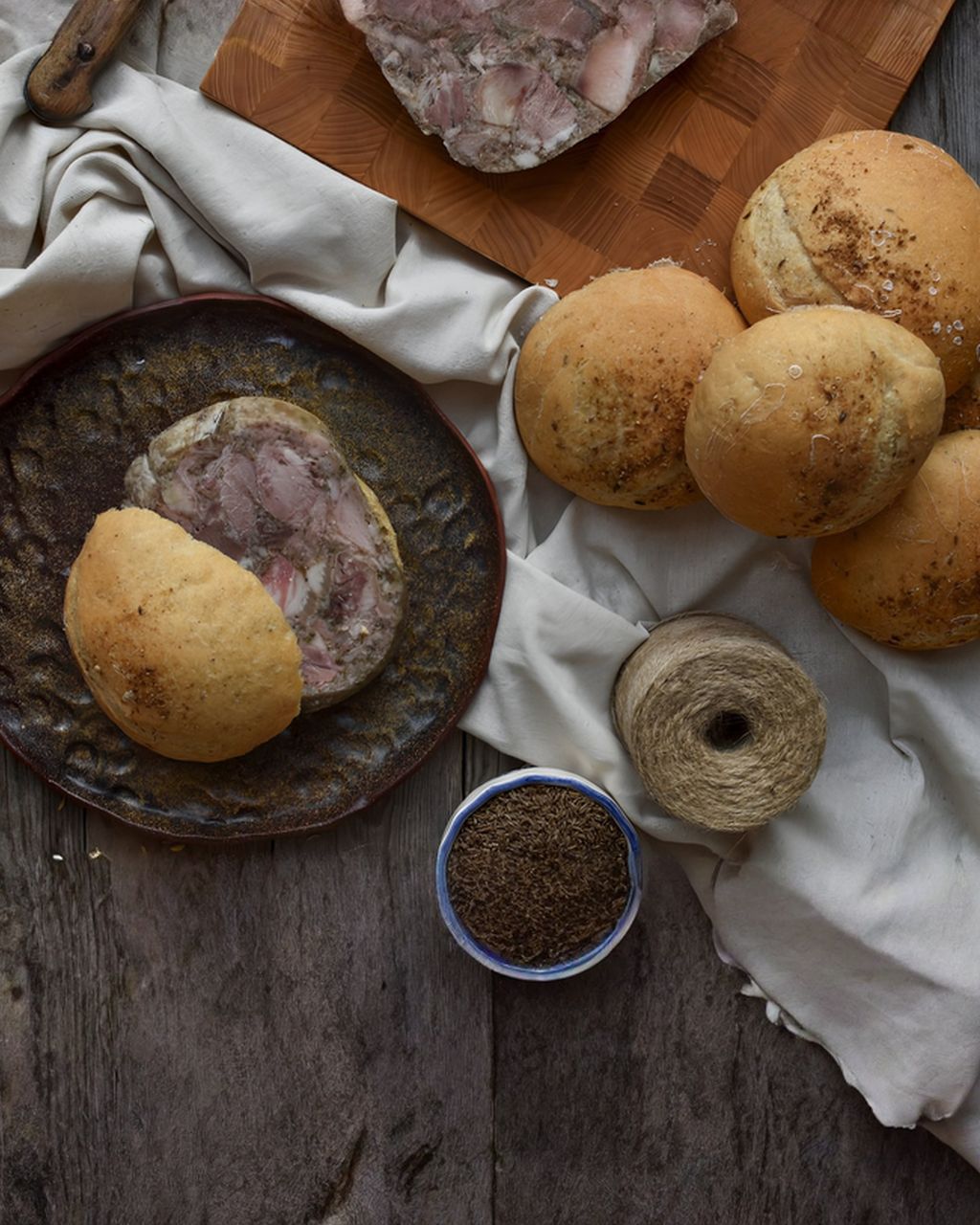
They are at their best toasted and freshly crushed. In baking they pair well with caraway, as in these crusty fennel rolls, where both seeds are briefly toasted, crushed in a mortar and go into the dough and on top. Use a light hand with fish and in sauces; a little goes a long way. For pickling brine, use the seeds whole.
To keep the aroma as long as possible, buy whole seeds and store them dry and dark. What harms spices and why they do not belong above the stove is covered in how to store spices so they keep their aroma.
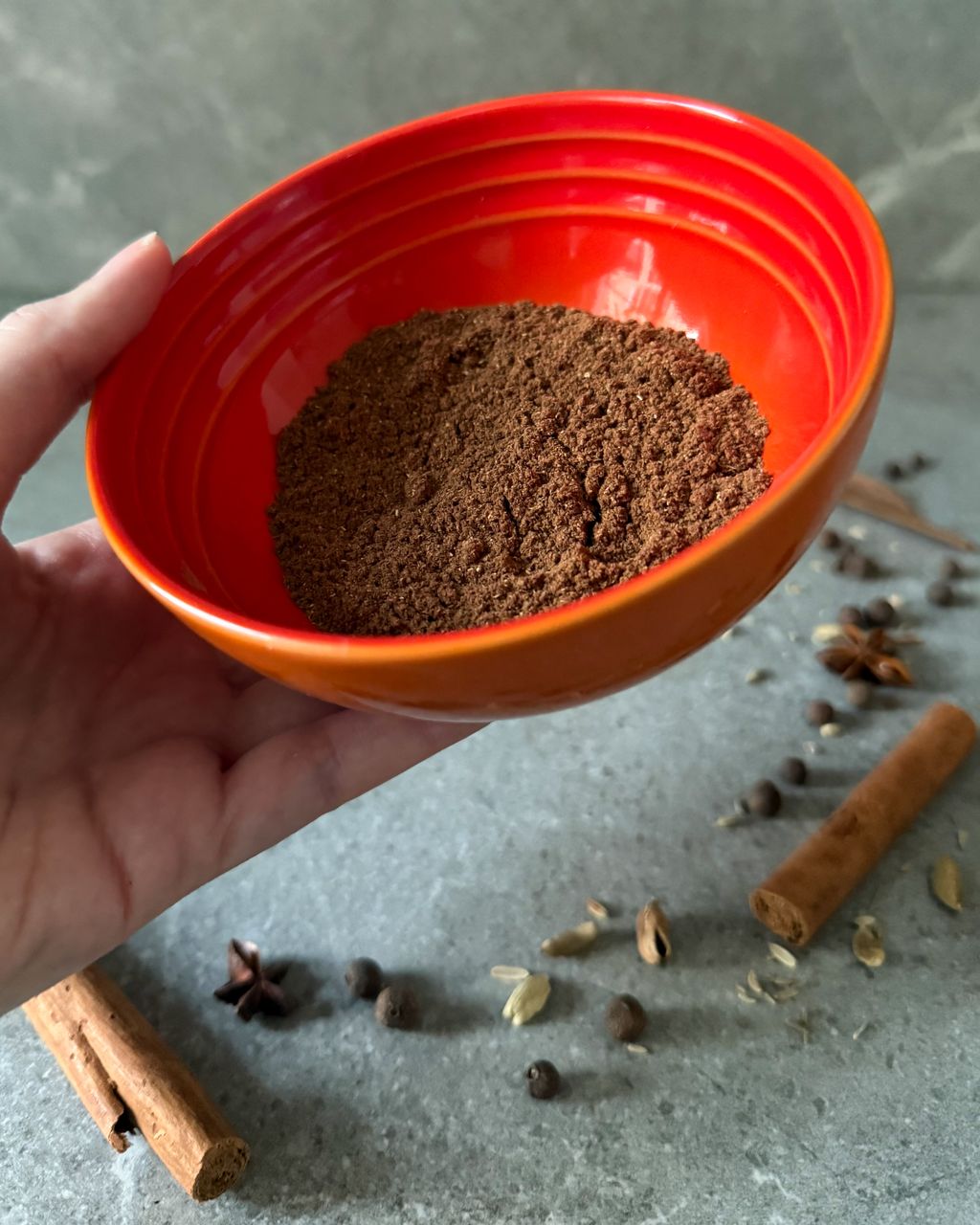
Fennel appears in many ready-made blends. Czech bread spice is typically a mix such as caraway, coriander, anise and fennel. Shop-bought gingerbread spice in Czech shops often contains it alongside cinnamon, cloves, coriander and anise. Chinese five-spice is star anise, fennel, cloves, cinnamon and pepper. If you mix your own gingerbread spice, fennel belongs in it with anise and star anise, as in this homemade gingerbread spice made from toasted whole spices.
Fennel is also sold as herbal tea and herbal medicines. The European Medicines Agency (EMA) does not recommend sweet fennel fruit medicines for children under 4, because there is not enough information on their safe use at that age, nor, as a precaution, for women who are pregnant or breastfeeding, because they have not been tested. This applies to medicinal products. If you want to give fennel tea or a fennel product to a young child, or take it while pregnant, ask a doctor or pharmacist first.