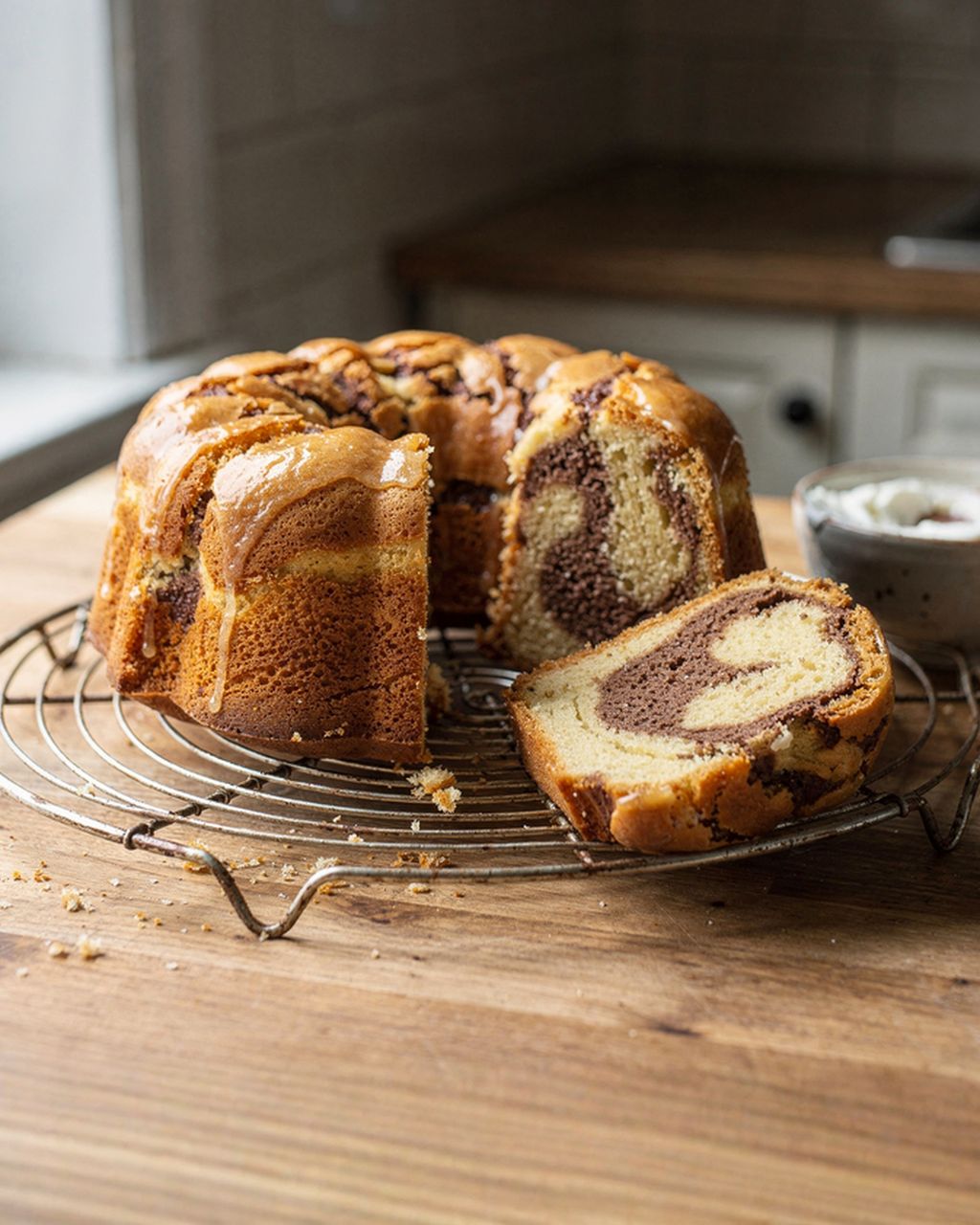
Marble bundt cake with buttermilk and vanilla
Marble Bundt Cake: How to Get a Bold Swirl and a Moist Crumb
Updated Oct 15, 2026
A marble bundt cake gets a bold swirl when the light and dark batters are the same thickness, you spoon them into the pan in alternating dollops, and you swirl just once. Fat, an acidic liquid like buttermilk, and not overbaking keep it moist. Below you'll find why this works, how much cocoa or chocolate to use, and which pan to choose.
You get a bold swirl in a marble cake when both batters are the same thickness, the dark batter is strongly colored, you add them in spoonfuls, and you swirl only once.
Both batters are the same thickness. If the dark batter is thinner or thicker, the two run together or the dark one sinks to the bottom.
Color the dark batter strongly. Too little cocoa gives a grayish brown, not a dark one. For good contrast you need about 20 g of cocoa for half of the batter.
Add the batters in spoonfuls, not in two layers. Alternating spoonfuls create a pattern across the whole cross-section.
Swirl once. One pass with a skewer is enough. Every extra pass turns the marble into a uniform brown.
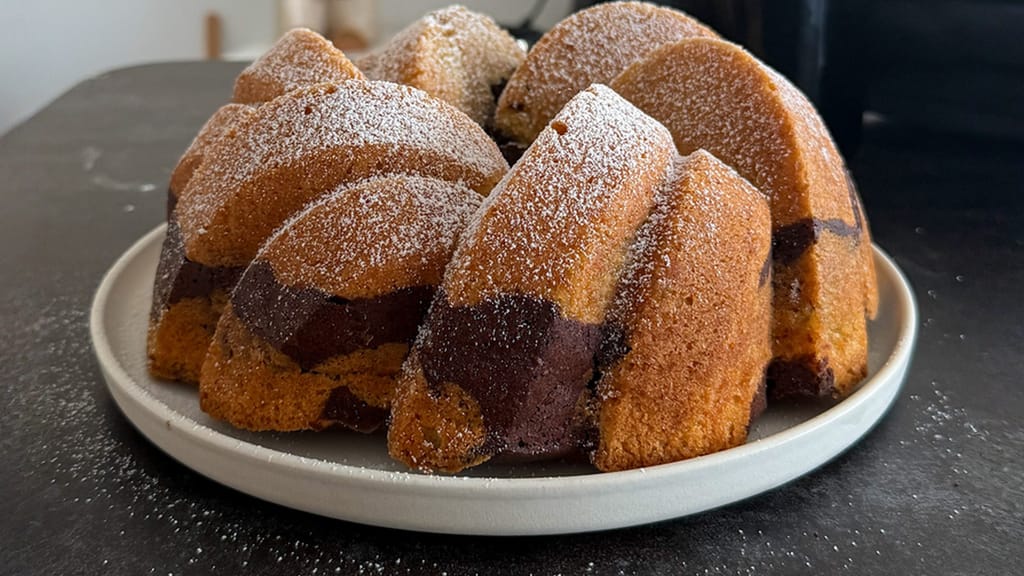
You only see the pattern once you cut the cake. The surface shows just the batter that touched the wall of the pan.
Seasonal baking plans, tested recipes and kitchen tricks that save you time. Unsubscribe in one click.
Use cocoa for sharp contrast. Use melted chocolate for a fuller chocolate flavor. Both work, but they behave differently in the batter.
Cocoa (ideally Dutch-process, alkalized) gives the darkest color and doesn't weigh the batter down. It does absorb liquid, though, so always stir it into 30–40 ml of milk or hot water first. Blooming cocoa in hot water also makes it more fragrant. For the dark half of the batter (about 250 g of flour in the whole cake), use 20–25 g of cocoa.
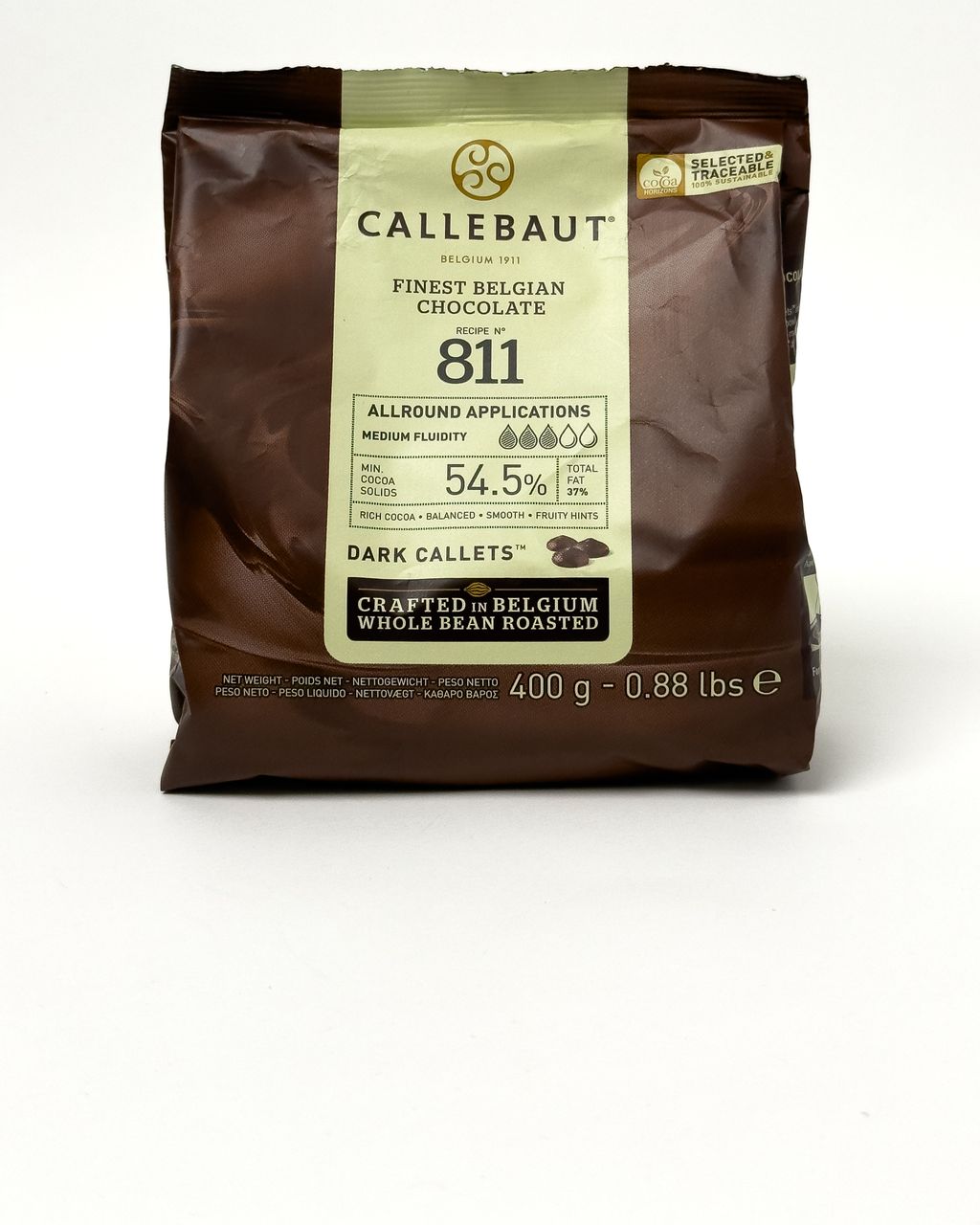
Melted chocolate tastes more like a chocolate cake, and the color is slightly lighter. The cocoa butter in it sets as it cools, though, so the dark batter thickens. For the dark half, take 70–90 g of dark chocolate and add 1–2 tablespoons of milk so both batters have the same consistency. An all-purpose dark chocolate around 55% cocoa works well, such as Callebaut 811 (54.5%). The callets melt quickly and evenly, and the sweetness is just right next to a vanilla batter. A darker chocolate above 70% gives a stronger flavor but dries out the batter more.
A combination of 10 g of cocoa and 50 g of chocolate gives you both dark color and flavor. It's the best compromise if cocoa alone tastes too flat to you.
Don't use instant cocoa drink mix in the dark batter. It's mostly sugar, colors weakly, and makes the batter too sweet.
For an even marble, color half of the batter (1:1). For a classic cake with a light crumb and dark ribbons, color a third (2:1).
1:1: a bold, regular pattern and more chocolate flavor.
2:1 (light : dark): the traditional look, with vanilla dominating.
Less than a quarter dark batter gets lost in the slice as a few random streaks.
Make the batter in one go, weigh it, and only then divide it. Mix the cocoa or chocolate only into the weighed portion. If you divide by eye, the dark portion tends to be thicker because of the cocoa, and the pattern runs.
Alternate spoonfuls of light and dark batter around the pan, then run a skewer through in a zigzag once and stop mixing.
First, put a thin layer of light batter on the bottom of the pan. It fills the details of the pan and keeps the surface clean.
Then alternate 1–2 spoonfuls of light and dark, like a checkerboard. Place the next layer dark over light and vice versa.
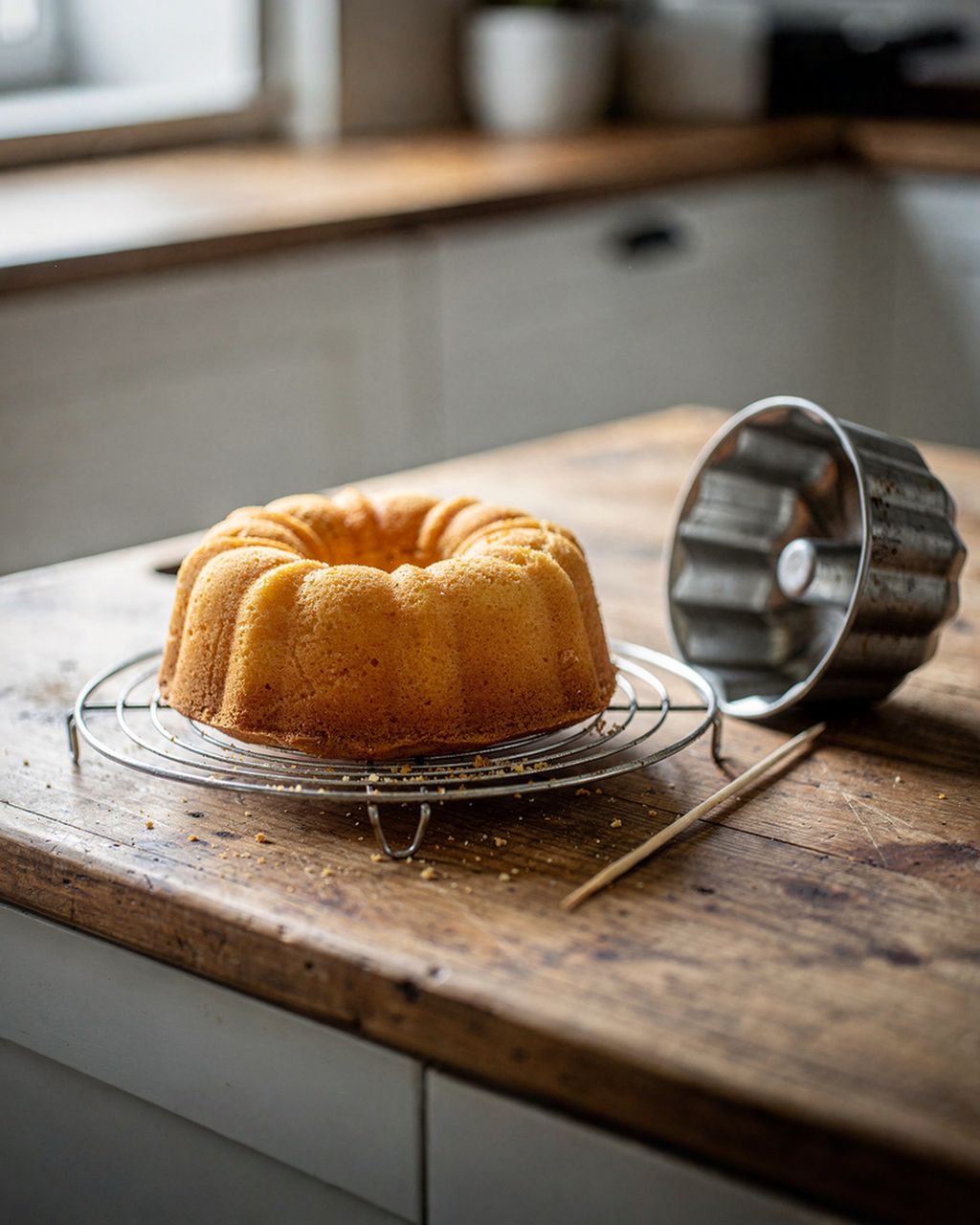
Push a skewer or knife down to the bottom and go once around the whole ring in a wavy line. One pass, no more.
Tap the pan lightly on the counter once to release large air bubbles. Nothing more.
A common mistake is to keep swirling until it "looks like marble." The batter still shifts a little on its own in the oven, so what looks under-swirled in the raw batter turns out just right once baked.
A marble cake stays moist when it has enough fat and an acidic liquid, you mix only briefly once the flour goes in, and you take it out of the oven on time.
Fat: butter gives flavor, oil gives a moistness that lasts several days. Feel free to replace a quarter of the butter with oil.
Buttermilk or yogurt instead of milk. The acid softens the gluten and the crumb is finer. Our recipe for marble cake with buttermilk and vanilla is built on exactly this.
Just fold in the flour, don't beat it. Beating for long develops gluten and the cake turns tough.
The dark batter needs extra liquid, as described above. Otherwise the chocolate part will be drier than the light one.
Bake at 170–175 °C (340–350 °F), usually 45–60 minutes depending on the pan. A skewer inserted into the thickest spot should come out clean or with a few moist crumbs, not with liquid batter.
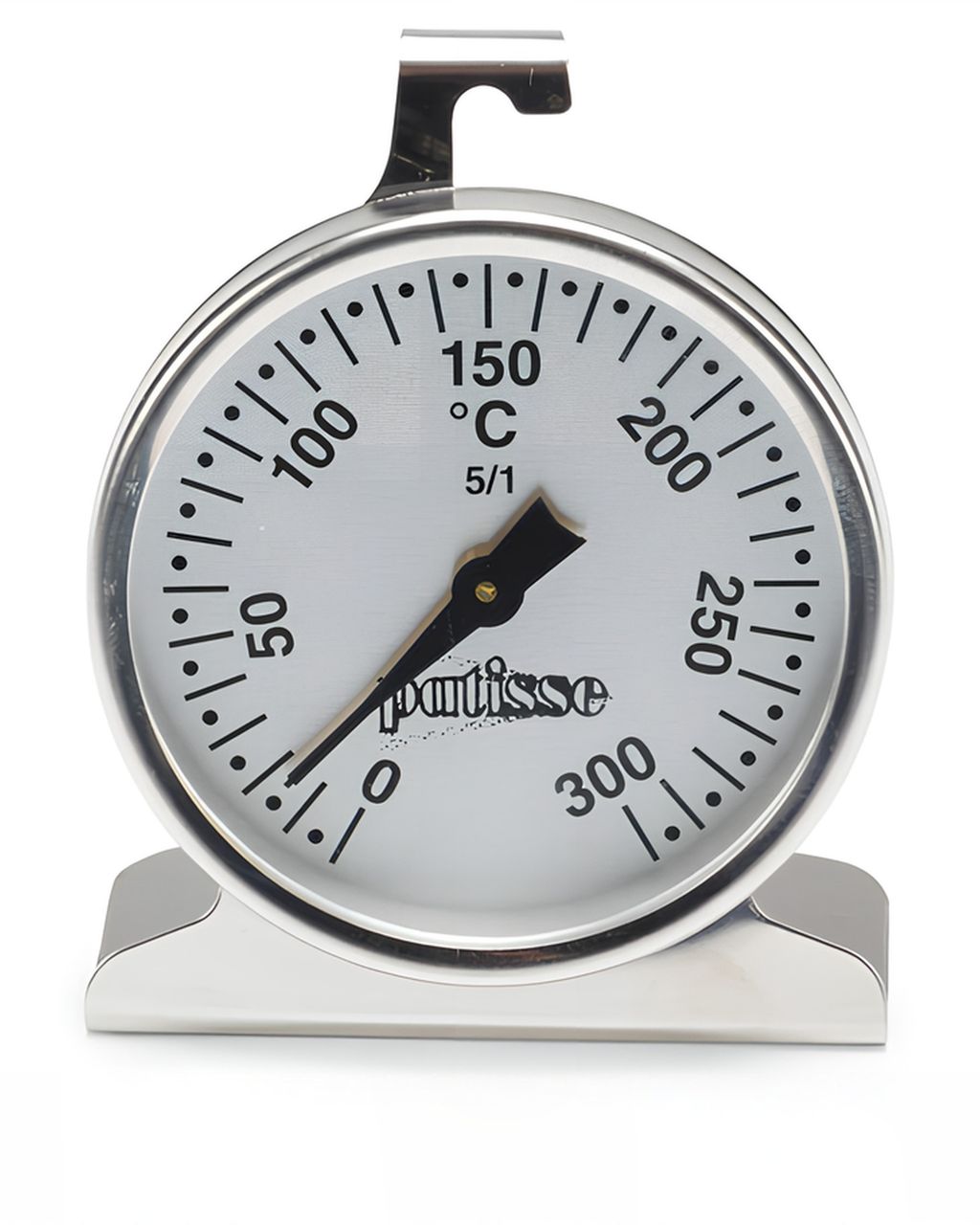
Check your actual temperature. Home ovens often differ from the setting by 10–20 °C. An oven thermometer will tell you if you're really baking the cake at 190 °C (375 °F).
If it still turns out dry, we go into detail in our article on why bundt cake is dry and how to bake a moist one. You'll find out when to turn it out so it neither sticks nor falls apart in when to turn a bundt cake out of the pan.
Marble bundt cake with buttermilk and vanilla
Marble cake with buttermilk and vanilla: our tested recipe with a bold swirl and a moist crumb
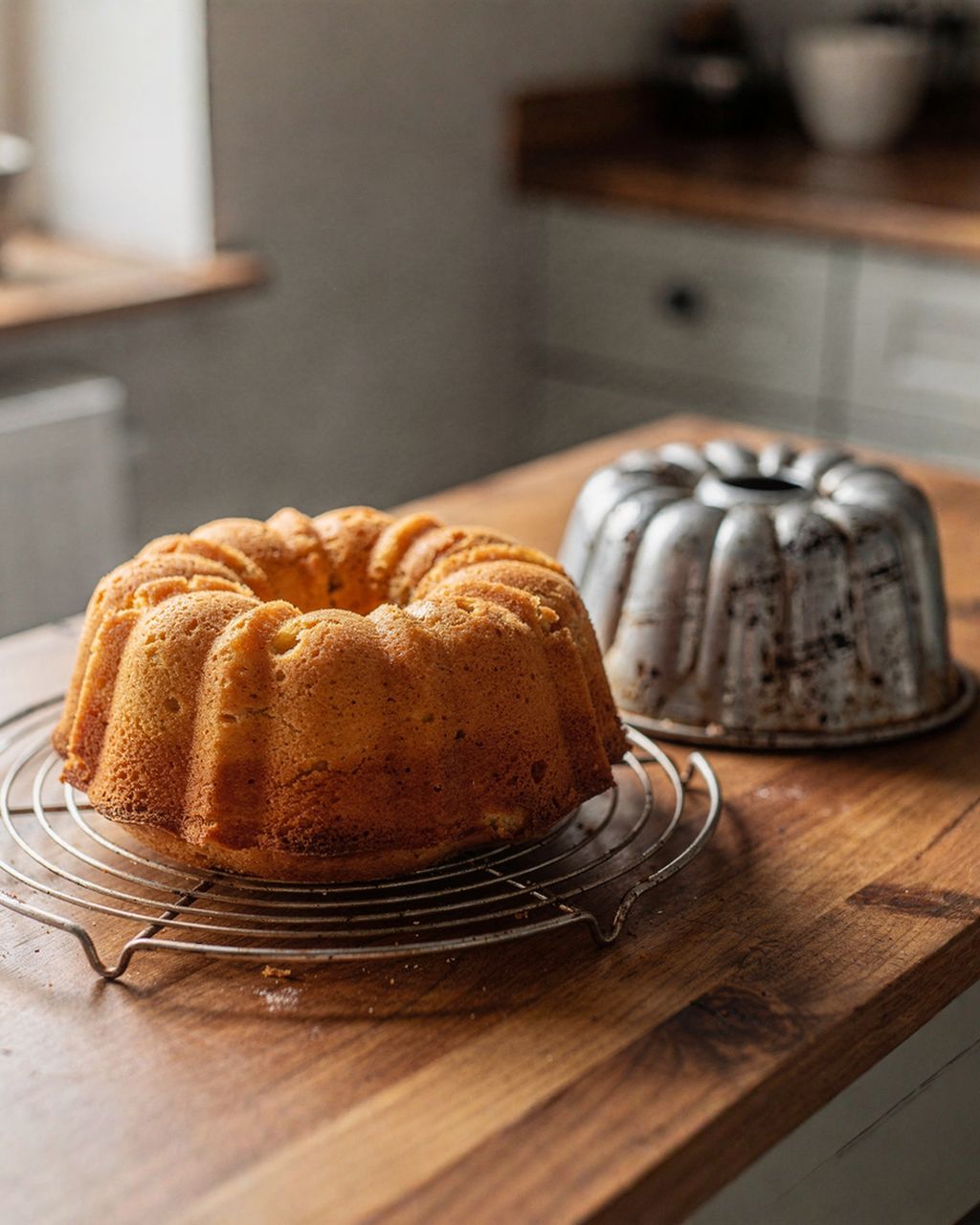
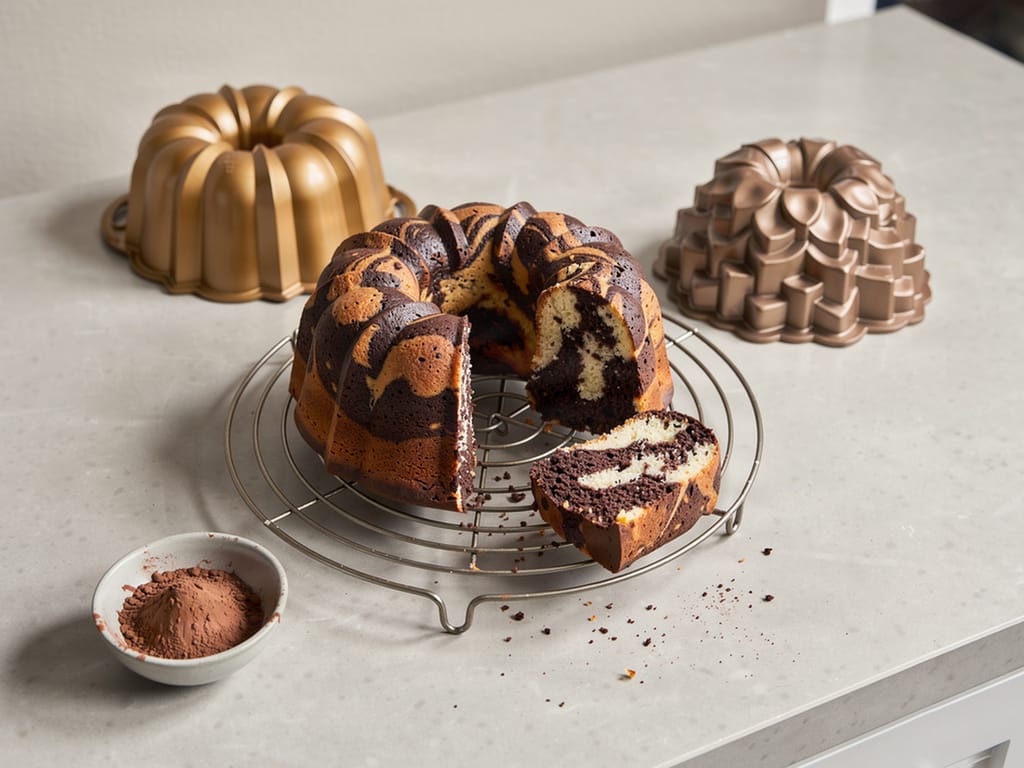
The best pan for a marble bundt cake is a heavy-walled cast aluminum one. It heats evenly, so the outer edge doesn't overbake before the center is done. Sensible options:
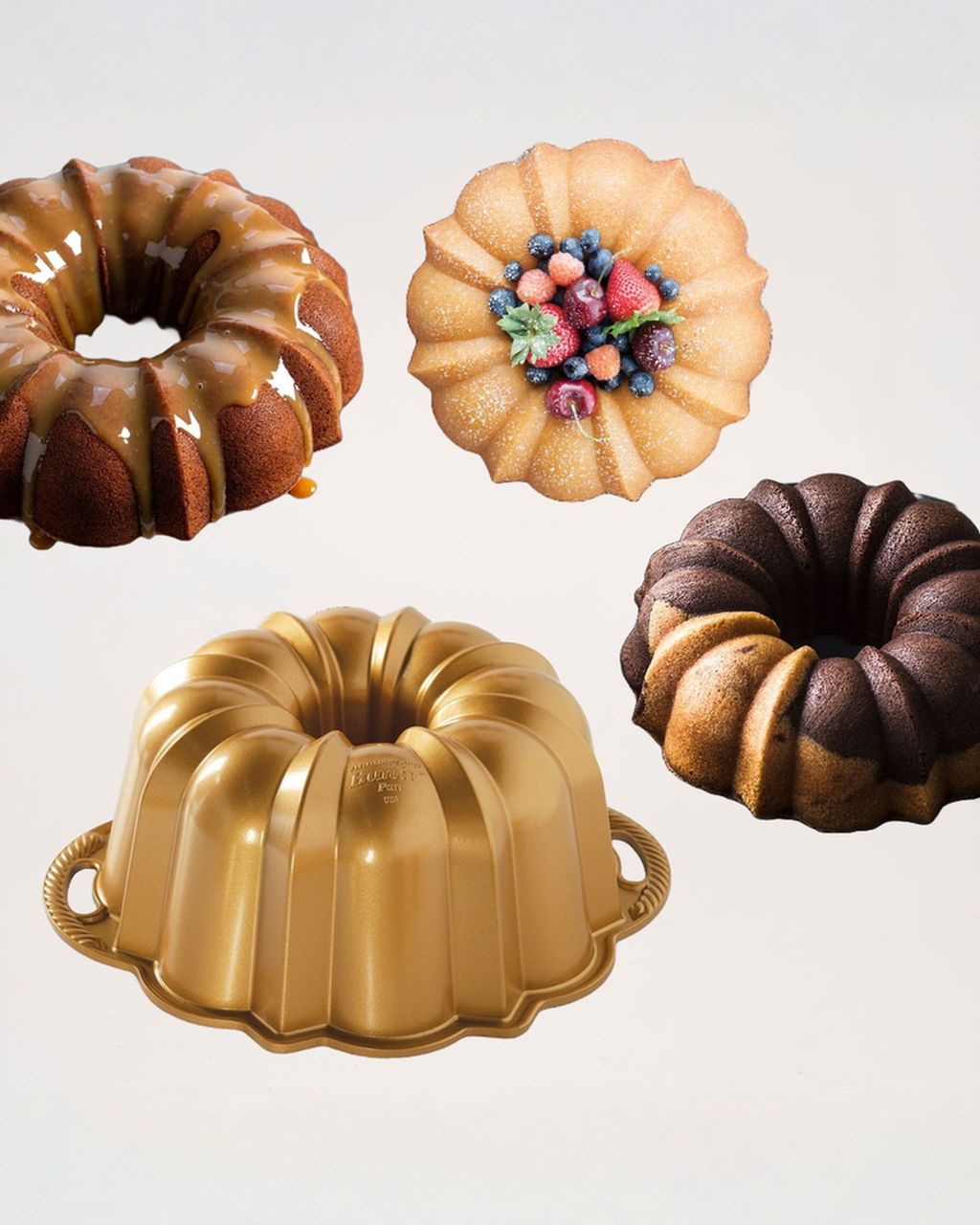
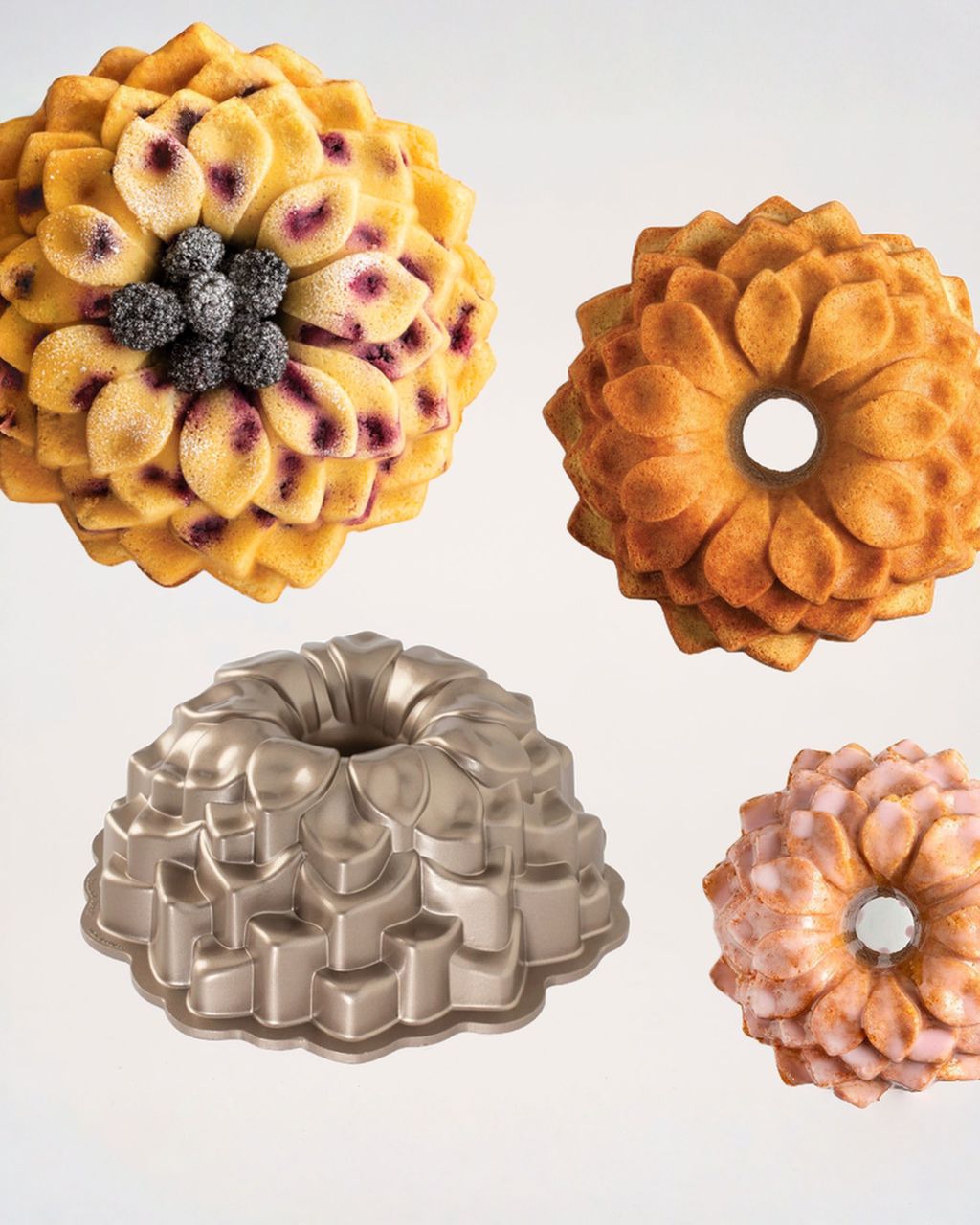
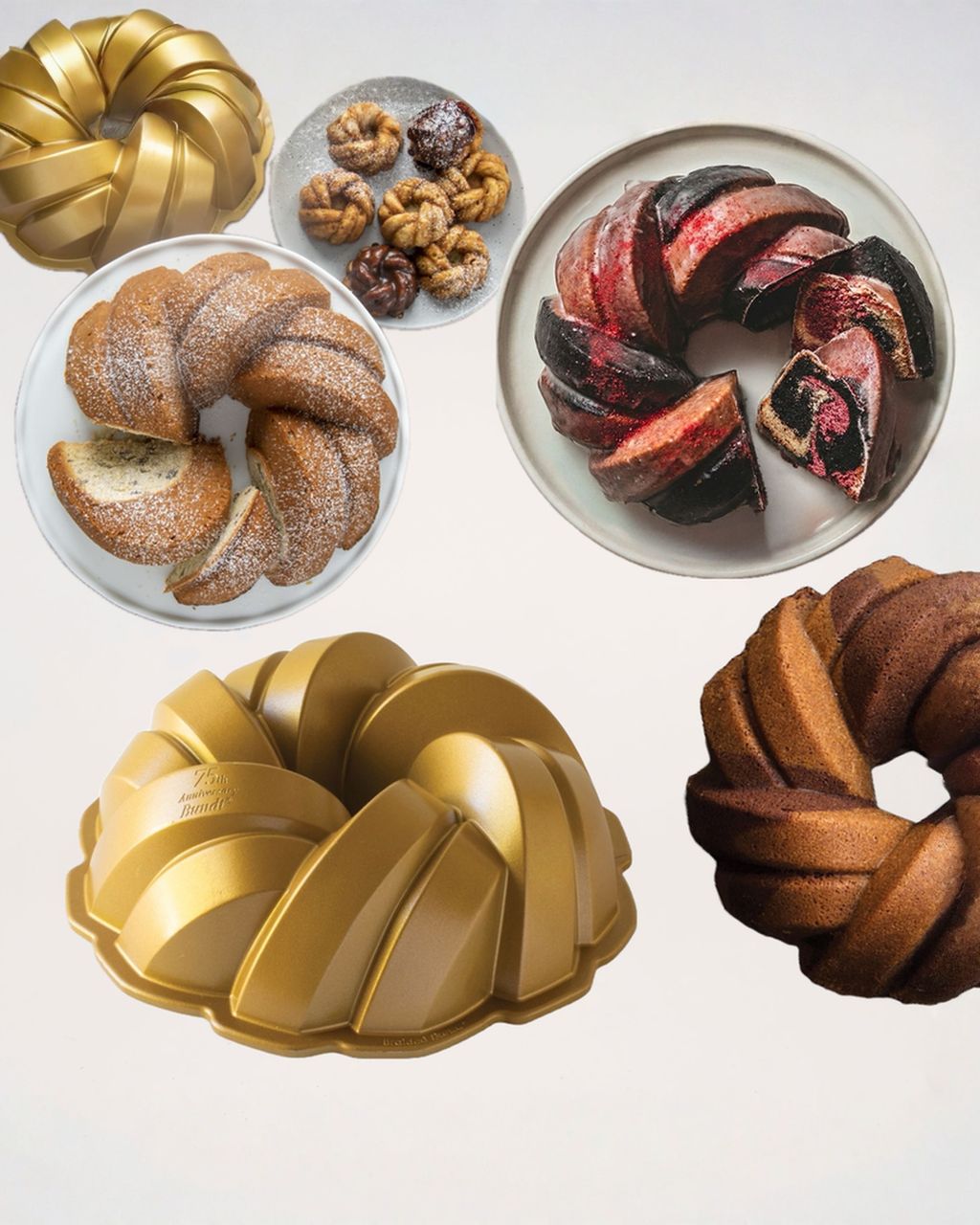
Cast aluminum (e.g. Nordic Ware): even baking and sharp detail on the surface. More expensive, but it lasts for years. We carry three shapes: the classic ring Bundt Pan – Tradice, where the pattern in the slice stands out most, and the intricate Bundt Pan – Květ and Bundt Pan – Pletenec, which give the cake a pronounced relief on the surface. You do have to grease these carefully.
Thin metal or an enamel pan from grandma: cheap and it works. But it bakes less evenly and the edges darken faster. Lower the temperature by 5–10 °C (about 10–20 °F) and keep an eye on it.
Silicone: nothing sticks, but the crust is paler and softer, and the pan sags without a baking sheet under it. It's fine for a marble cake, but not for sharp relief.
You'll find an overview of the pans we carry on the bundt pans page. Fill the pan with batter to two thirds so the cake has room to rise and doesn't overflow. We compare the different materials in bundt pan: ceramic, silicone, cast iron or Nordic Ware.
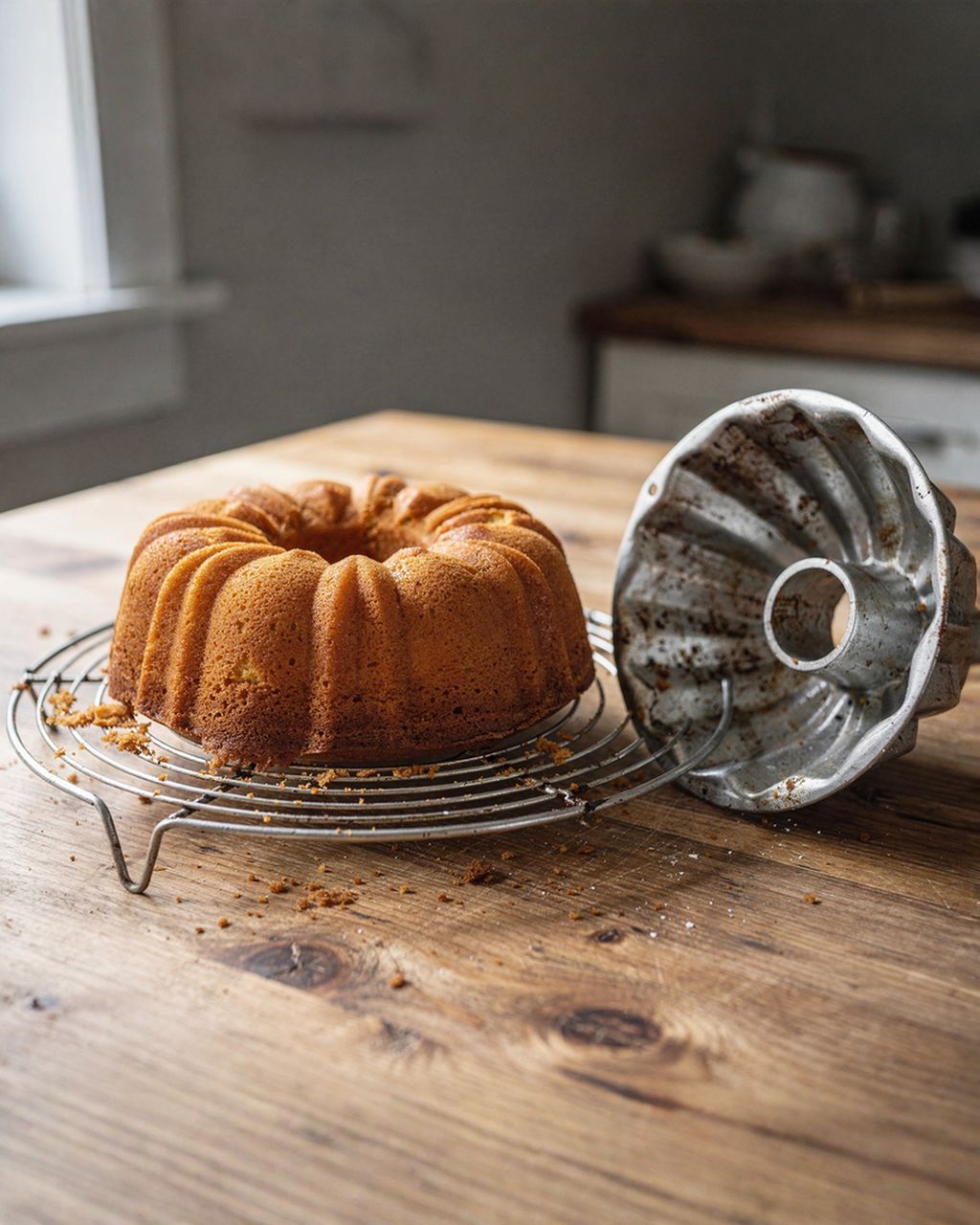
Greasing: for an intricate pan, brush melted butter into every groove and dust with plain flour. For a dark cake you can use cocoa instead of flour, so no white film is left on the surface.
The dark batter sank because it was thinner or heavier than the light one. Most often this comes from adding melted chocolate while it was still warm, or from mixing the cocoa with too much liquid. Both batters should slide off a spoon at the same slow pace.
Yes, you can bake a marble cake in a loaf pan about 25–30 cm (10–12 in) long. Layer the batters in alternating spoonfuls, swirl once lengthwise, and allow for a longer bake, because the center is thicker than in a bundt pan. Start testing with a skewer after 50 minutes.
Wrapped, a marble cake keeps for 3–4 days at room temperature, and versions made with oil or buttermilk keep longer. You can freeze it once it has cooled completely and is wrapped tightly, whole or in slices, for about 2–3 months. Thaw it still wrapped at room temperature so it doesn't turn damp.
Yes, you can flavor the light batter with lemon zest, orange, or a splash of rum, and the contrast with the dark batter will still hold. Keep added liquids small (up to 2 tablespoons), otherwise the light batter thins out and the swirl runs together.
One recipe worth heating the oven for, one tip, and one deal from the shop. Nothing else.