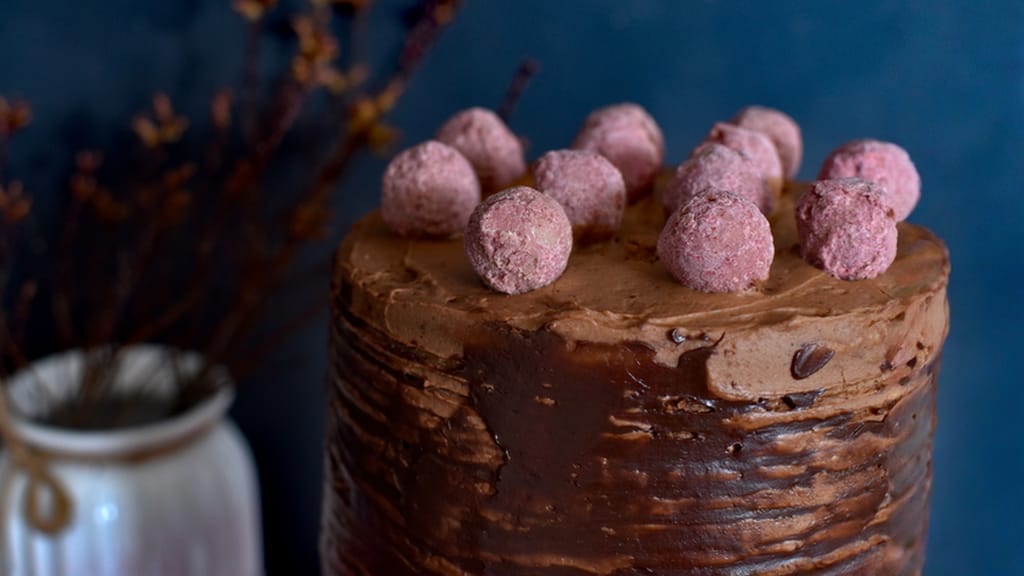
Chocolate cake with chocolate and raspberry pralines

Updated Aug 16, 2026
Chocolate ganache is a mix of just two ingredients – chocolate and cream – yet half of pastry-making relies on it: mirror glaze for cakes, creamy filling for macarons, and firm centres for truffles. The difference between a glaze and a filling isn't down to some secret ingredient, but a single number: the ratio of chocolate to cream. Once you understand it, you'll nail ganache on the first try and stop ending up with a dull or split mixture. We'll walk through the ratios for every use, the step-by-step method, and the most common mistakes that ruin ganache.
Chocolate ganache is an emulsion of chocolate and hot cream – nothing more. The hot cream melts the cocoa butter in the chocolate, and the fat combines with the water in the cream to form a smooth, glossy mixture. It originated in France, where it gave rise to glazes, fillings and pralines alike.
Two things determine its character. First, the ratio of chocolate to cream – the more chocolate, the firmer the result. Second, the type of chocolate: dark gives an intense cocoa flavour, milk is sweeter and softer, and white is the sweetest with a hint of vanilla. Because milk and white chocolate contain more sugar and milk solids, they need less cream to set than dark chocolate does. If you're not sure which chocolate to use, we cover the differences between dark, milk and white chocolate in a separate guide.
The ratio is calculated by weight (not volume), and it determines everything. Here's a quick rundown, from thinnest to firmest:
Glaze and mirror finish: dark chocolate 1:1 (equal parts chocolate and cream) – pourable, and sets into a glossy layer once firm.
Filling for cakes, macarons and truffles: dark chocolate 2:1 (twice as much chocolate as cream) – firm once cooled, but still creamy.
Milk chocolate: roughly 2.5:1, since it contains more fat and sugar and sets softer on its own.
White chocolate: roughly 3:1, holds its shape the least well of all and needs the least cream.
Whipped ganache: make it at a 2:1 ratio, let it cool, then whip it into a light, airy cream.
Treat these as the starting points pastry chefs typically use – the specific chocolate brand and its cocoa content will shift the result, so feel free to fine-tune the ratio.
Even a beginner can master the basic method, and it's always the same:
Chop the chocolate finely and tip it into a bowl. The smaller the pieces, the more evenly it will melt.
Heat the cream to just below boiling point (around 85–90°C). As soon as small bubbles appear at the edge of the pan, take it off the heat – it must not actually boil.
Pour the hot cream over the chocolate and let it sit for 2–3 minutes without stirring, so the chocolate warms through.
Stir from the centre outwards in small circles until the mixture is smooth, glossy and completely uniform.
For extra shine and silkiness stir in a spoonful of butter once the mixture has cooled slightly (to around 40°C).
If the mixture won't come together, blitz it with a stick blender – it'll break up any remaining lumps and bring the ganache to a perfectly smooth finish.
Ganache is an emulsion – tiny droplets of fat suspended in the watery phase of the cream – and temperature determines whether it holds together. Cream that's too hot, or actually boiling, can break the emulsion: the fat separates, greasy pools appear on the surface, and the mixture turns dull and grainy. Cream that's too cold, on the other hand, won't fully melt the chocolate, leaving lumps behind. The ideal is hot – but not boiling – cream poured over chocolate at room temperature, not straight from the fridge.

Ganache can play three roles, and you can tell them apart by thickness and temperature: warm, runny 1:1 ganache is a glaze, cooled, thicker 2:1 ganache is a filling, and fully set 2:1 ganache can be shaped into truffles. It's the same mixture throughout, just at different stages.
For a glaze, use a 1:1 ratio and let the ganache cool briefly so it thickens slightly while remaining pourable. Too hot and it will run everywhere; too cold and it will tear. Pour it over the centre of the cake and let it flow down to the edges, or smooth the surface with a warmed spatula and work quickly – ganache firms up as it cools.
Chocolate cake with chocolate and raspberry pralines
Chocolate cake with chocolate and raspberry pralines – ganache used as both a glossy glaze and filling
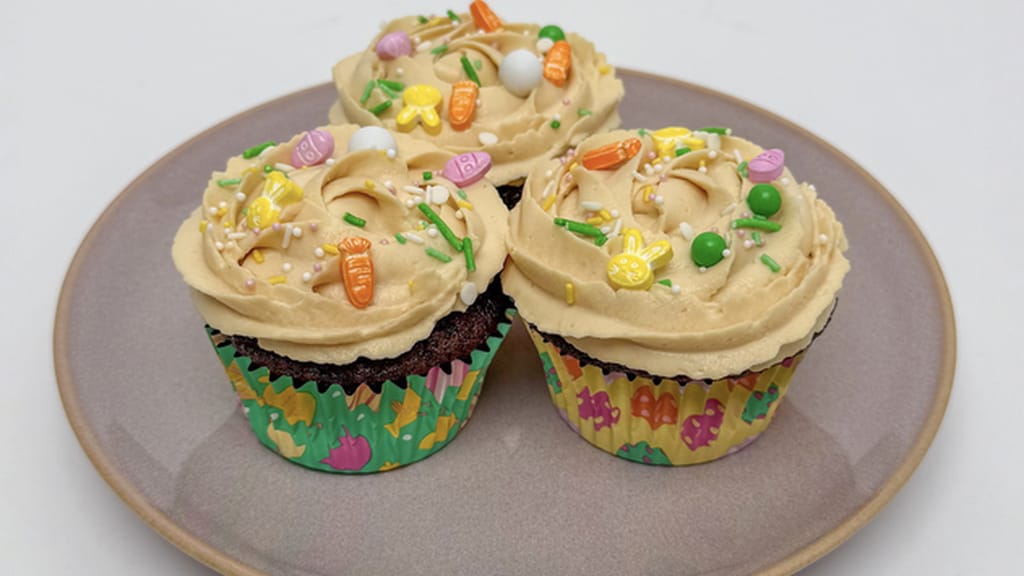
Chocolate cupcakes with salted caramel cream
Chocolate cupcakes with caramel cream – top them with ganache as a glossy cap
For a filling, you need a thicker ganache – a 2:1 ratio in favour of chocolate. Once chilled, it holds its shape between macaron shells but stays creamy when you bite in. Pipe it into macarons and pralines using a piping bag for precise application. For truffles, let a 2:1 ganache firm up in the fridge, then shape it into balls and coat them in cocoa powder or tempered chocolate.
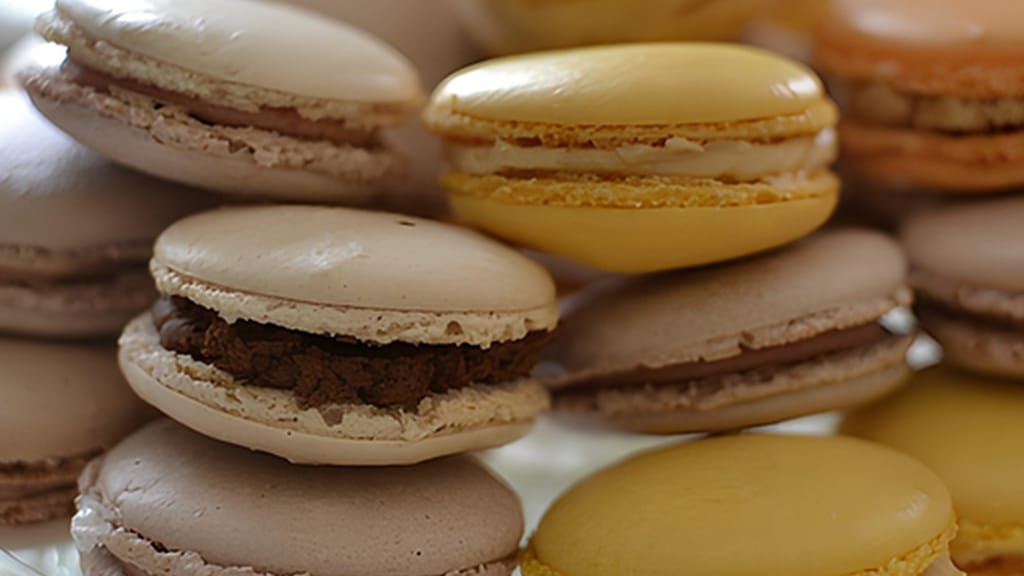
White chocolate and coffee cream - great in macarons and beyond
White chocolate and coffee cream – ganache filling isn't just for macarons
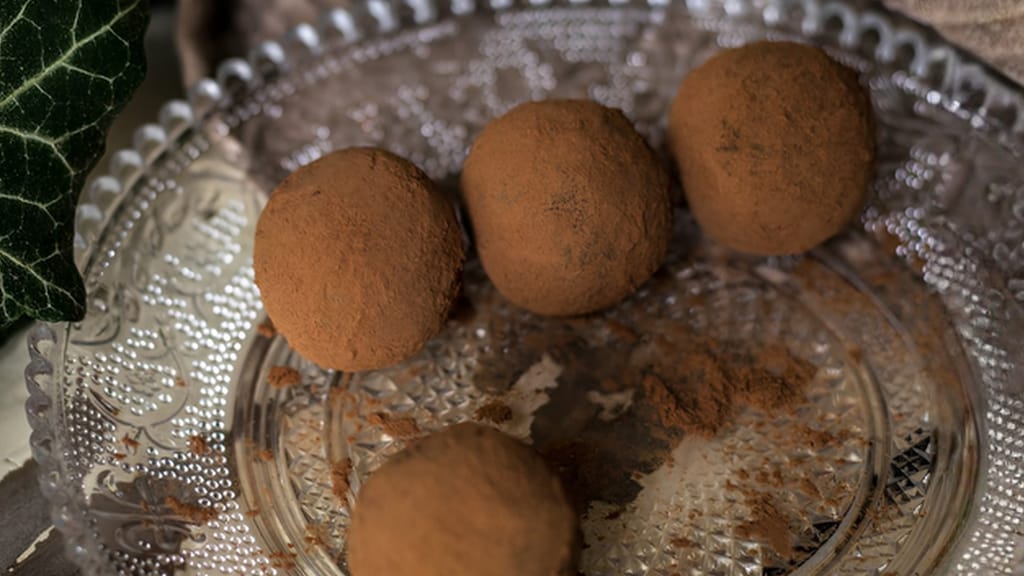
Chocolate peanut butter truffles
Chocolate peanut butter truffles – set ganache shaped into balls
Once you've mastered ganache, a whole world of desserts opens up: glazed chocolate cake, filled macarons, fruit tartlets, éclairs and homemade truffles. A classic is a rich chocolate cake under a smooth layer of ganache; a fresher take is delicate tartlets filled with ganache and topped with raspberries or blueberries – the fruit's tartness cuts through the richness of the chocolate.
Play around with flavour: stir orange zest, a pinch of chilli or sea salt into warm ganache, or scatter toasted hazelnuts or pistachios over the finished dessert for a crunchy contrast. Éclairs don't have to be vanilla either – fill them with a rich chocolate ganache and coat the tops in white chocolate.
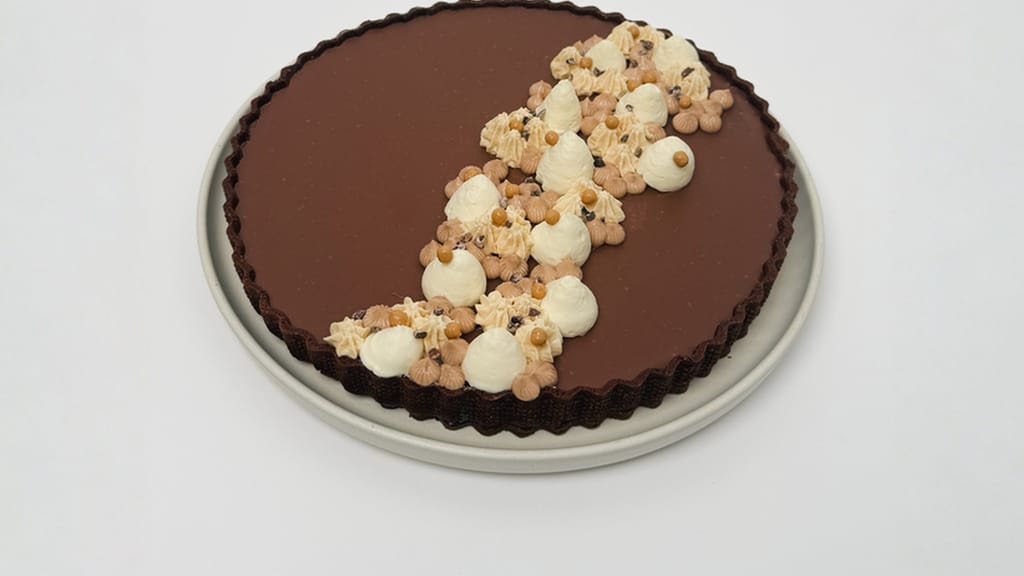
Chocolate tart with salted caramel
Chocolate tart with salted caramel – a chocolate filling in a crisp shell
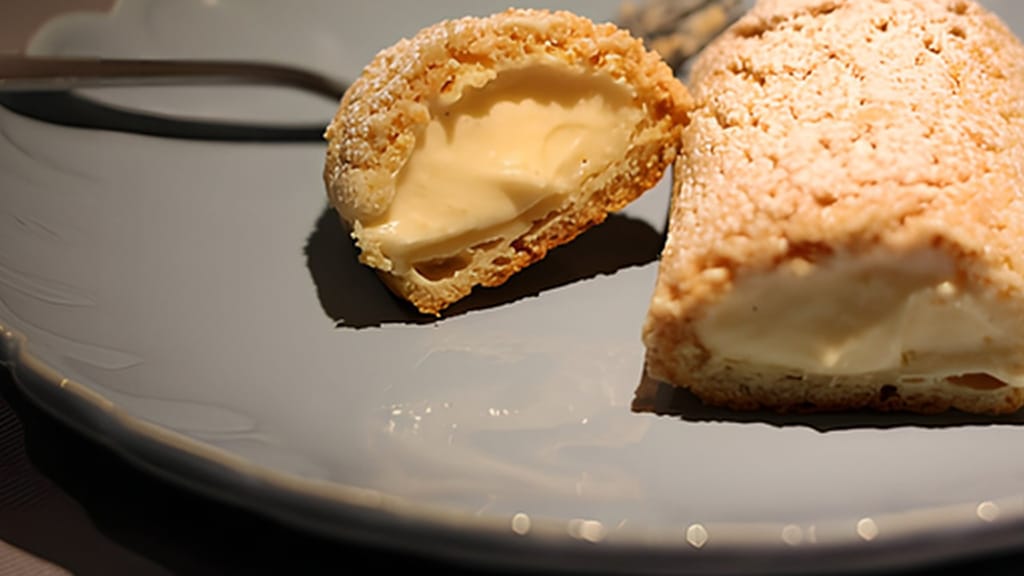
Éclairs à la ladurée – irresistibly delicious pastries
Ladurée-style éclairs – the perfect base for a chocolate ganache filling
In a sealed container, ganache keeps in the fridge for about a week and in the freezer for up to three months. Before using, let it come to room temperature, or warm it gently in a water bath or in short bursts in the microwave, stirring until smooth; thaw frozen ganache slowly in the fridge. If it firms up more than you'd like once cooled, stir in a spoonful of warm cream; if it's too runny, add some melted chocolate instead.
The best ganache comes from good-quality chocolate with a higher cocoa butter content, ideally couverture chocolate for baking. Chocolate chips and baking bars contain stabilisers that stop them melting smoothly, so the mixture ends up thicker and less glossy. If that's all you have, chop a chocolate bar finely and expect a slightly firmer result.
Yes, you can swap the cream for full-fat coconut milk to get a vegan ganache with a subtle coconut flavour. Keep the ratio similar to the dairy version, but bear in mind plant-based versions set a bit softer, so add more chocolate if you're making a filling. Plant-based whipping creams work too – choose ones with a higher fat content.
The most common cause is not enough chocolate relative to cream – for a firmer mixture you need a ratio of at least 2:1. Time also plays a part: ganache firms up gradually as it cools, which can take several hours at room temperature or overnight in the fridge. If it's still too runny after that, melt in some extra chopped chocolate and let it cool again.
Make a 2:1 ganache, let it cool completely to room temperature, then whip it with a whisk or hand mixer until it's pale and airy. Whipping incorporates air into the mixture, creating a whipped ganache that's perfect for filling cakes or piping onto cupcakes. Don't overwhip, though, or the fat will separate and the cream will turn grainy.
I send one like it every week. A recipe, a tip, one deal — nothing else.