- Season
- Year-round. It is a shelf-stable dry product.
- Price
- Low
Calories and nutrition
per 100 g
384 kcal
Calories
14.2 g
Protein
71.3 g
Carbs
4.4 g
Fat
Tarhonya (dried)
Tarhonya (Czech tarhoňa) is a small dried pasta shaped like irregular grains, traditionally made from wheat flour and eggs. In Czech homes it is served mainly as a side with pörkölt, goulash and paprika dishes: the grains are first toasted in fat, then simmered in stock or boiled in water.
per 100 g
384 kcal
Calories
14.2 g
Protein
71.3 g
Carbs
4.4 g
Fat
Store dry tarhonya somewhere dry and cool in its closed pack until the best-before date. Once opened, move it to a closed container to keep out insects and moisture, and use it within a few months.
Do not refrigerate it dry. Put cooked tarhonya in the fridge within 2 hours of cooking in a closed container and eat it within 3 days.
You can freeze cooked tarhonya; it keeps its quality for 1–2 months. Spread it on a tray, freeze, then transfer to a bag so it does not clump.
Check the ingredients: egg tarhonya lists eggs, and Hungarian brands give the number of eggs per kilogram of flour. The grains should be whole, separate and evenly pale golden, without dust and broken bits at the bottom of the pack. It contains gluten and often egg, both allergens.
Pearl (Israeli) couscous: it is a similar size and can be toasted and cooked the same way. It only lacks the egg flavour.
Small pasta such as orzo, or pearl barley. Barley takes longer to cook, about 30–40 minutes, and is softer.
For 4 side portions allow 250–300 g of dry tarhonya. Toast it in a tablespoon of lard, butter or oil for 3–5 minutes, stirring all the time, until golden; pour over boiling stock or salted water at 1 : 2 (measured with the same cup), cover and simmer gently for 15–20 minutes until the liquid is absorbed. Do not stir it, and let it rest for 5 minutes at the end. Eggless tarhoňa can also be boiled like pasta, as the pack says.
Add leftover cooked tarhonya to soup, or fry it with onion and egg for a quick supper.
Roughly what a spoon or cup weighs, filled the way you usually would.
5 g
1 teaspoon
14 g
1 tablespoon
215 g
1 cup
Most often tarhonya is toasted in fat and then simmered in stock like a pilaf; in Hungary this is called pirított tarhonya. It can also be boiled in water and drained, or added straight to soup. In one-pot dishes it is stewed with onion, peppers, sausage or mushrooms. Add ground paprika after the liquid or off the heat, as it turns bitter quickly in hot fat.
Tarhonya (Czech tarhoňa) is a small dried pasta shaped like irregular grains, traditionally made from wheat flour and eggs. In Czech homes it is served mainly as a side with pörkölt, goulash and paprika dishes: the grains are first toasted in fat, then simmered in stock or boiled in water. A stiff dough is grated or crumbled into barley-sized grains and dried. It comes from Hungarian cooking and is called tarhoňa in Slovak, too. Hungarian brands state on the pack how many eggs go into a kilogram of flour, most often 4 or 8. Some tarhoňa sold in Czech shops, however, is made only from durum wheat semolina without eggs; the ingredients list tells you which.
Cooked tarhonya tastes mild and wheaty; the egg kind is richer and yellower. Toasted in fat before cooking, it takes on a nutty aroma and a golden colour. It has a firmer bite than small soup pasta and soaks up meat juices well.
3 min read
Tarhonya is pasta, not a grain: a dough of wheat flour (or semolina), eggs and water is grated or crumbled into small grains and dried. The grains are about the size of barley, which is why it is also called egg barley in English, though it contains no barley. Because of its size, some count it among small dumplings.
Tarhonya has been made in Hungarian cooking since the 16th century; it is thought to derive from tarhana, a dried grain food the Ottomans brought to Hungary. Today it is common in Hungary and Slovakia, and it reached Czech kitchens as a side from Hungarian cooking.
There are two ways to cook tarhonya. The traditional one is to toast it and simmer it in a measured amount of liquid, which keeps the grains separate and nutty. The quicker one is to boil it in water like pasta, which suits eggless semolina tarhoňa best. Ratios and times for other sides are in how to cook barley, millet, buckwheat, bulgur and couscous.
Toast the dry tarhonya in a tablespoon of lard, butter or oil over medium heat for 3–5 minutes, stirring constantly, until golden and fragrant; it burns easily. You can soften finely chopped onion with it. Pour over boiling stock or salted water at 1 : 2, measured with the same cup, cover and simmer gently for 15–20 minutes until the liquid is absorbed. If it runs dry before the grains are tender, add a spoonful or two. Finally let it rest covered for 5 minutes and fluff it with a fork.
Some brands sell tarhonya already toasted. Toast it briefly anyway; the flavour will be stronger and the grains will hold their shape better.
Tip the tarhonya into boiling salted water (about 1 litre per 100 g), stir now and then and cook as the pack says, usually 7–9 minutes for eggless semolina tarhoňa, then drain. You can then toss it with butter or fry it briefly. For soup, add it for the last 10–15 minutes of cooking.
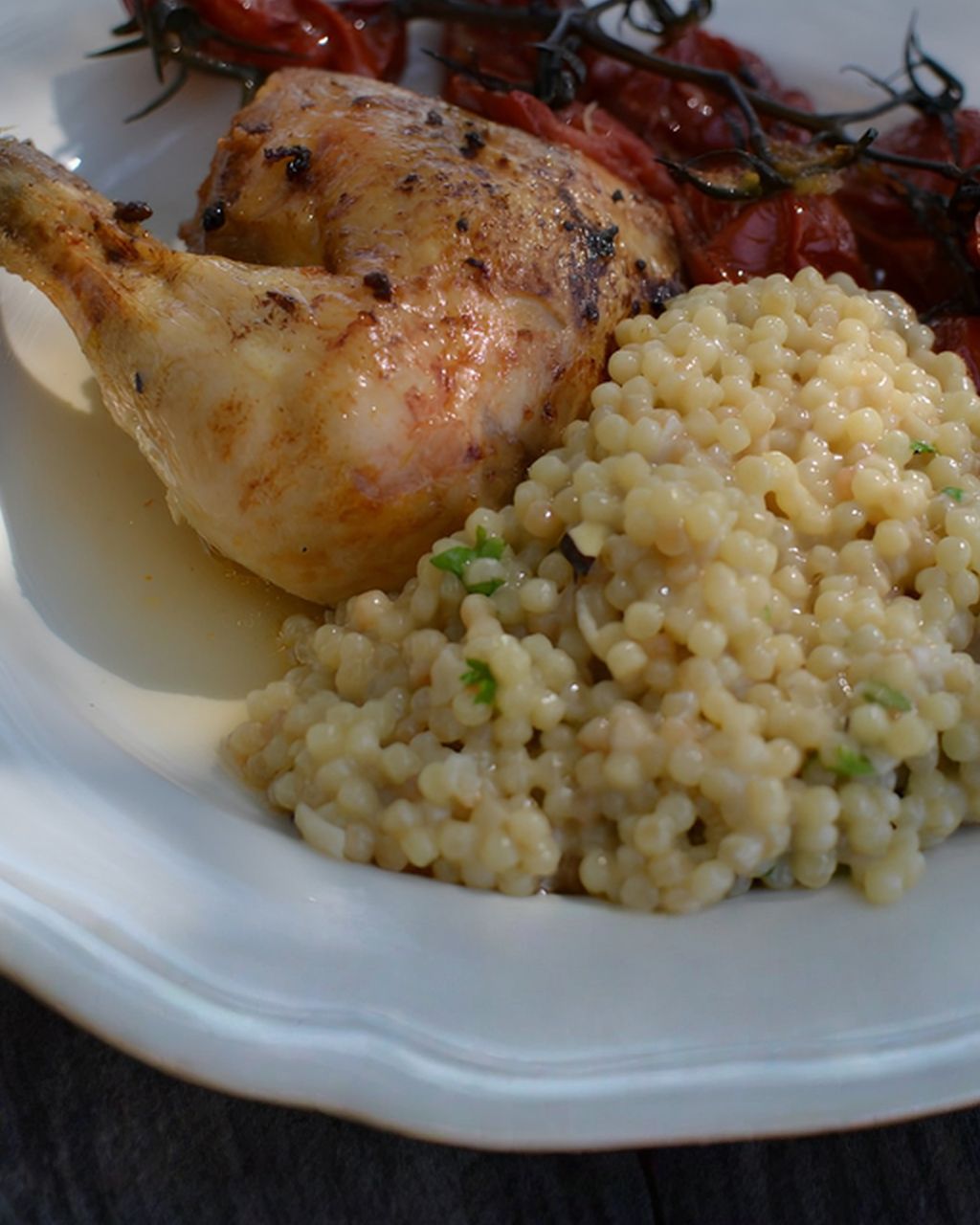
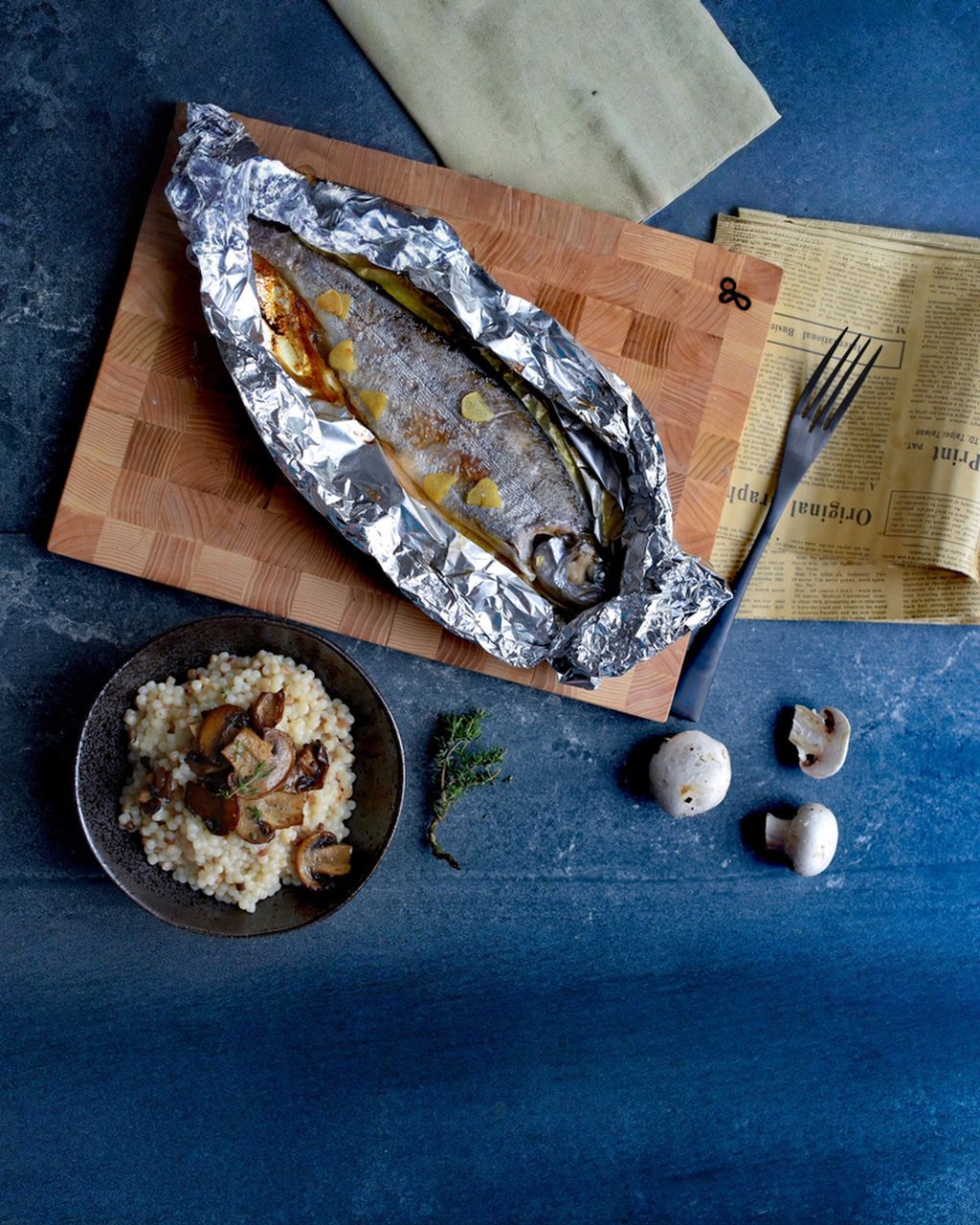
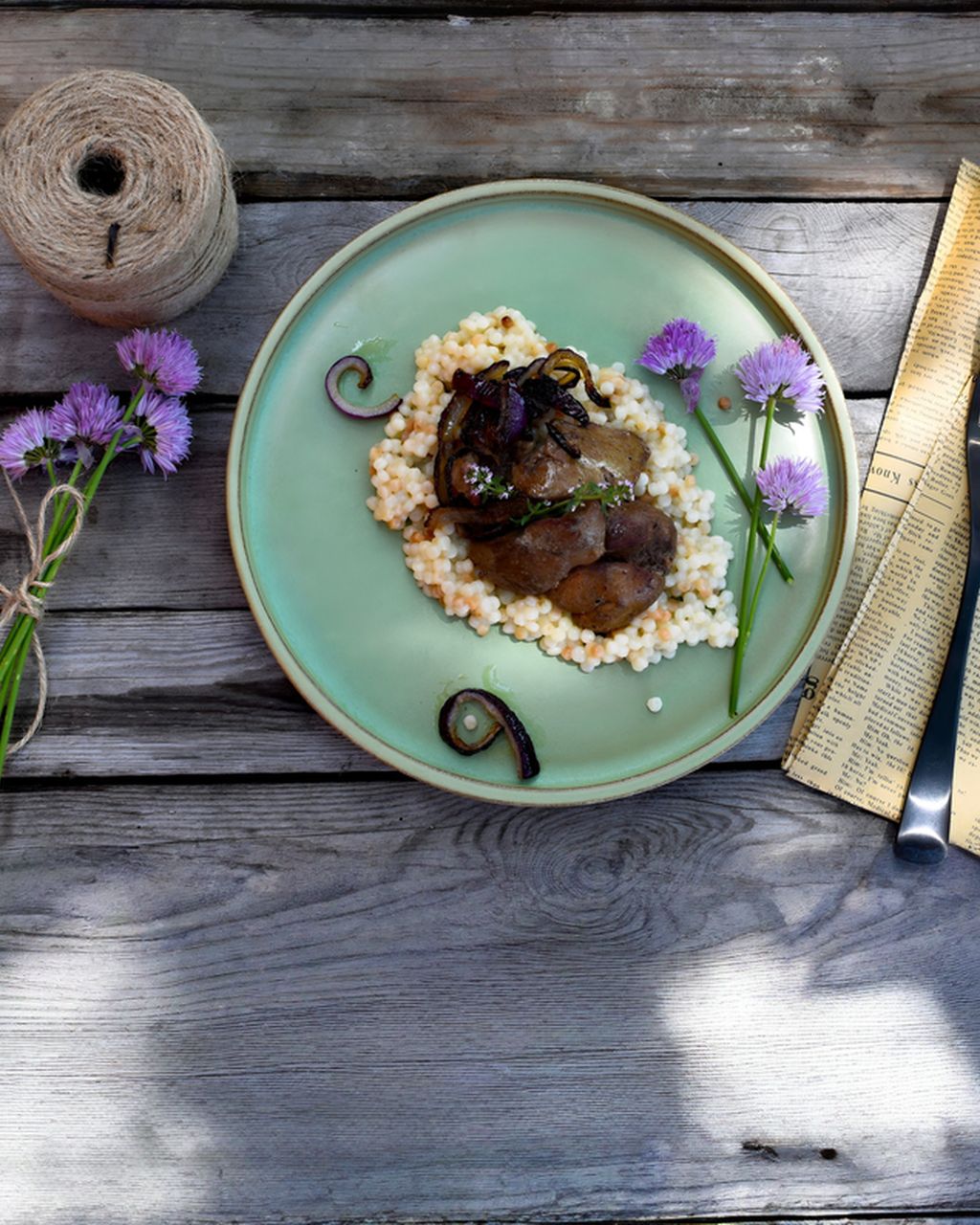
In Czech cooking tarhoňa is mainly a side for dishes with sauce: pörkölt, goulash, chicken or pork paprikash and braised meats, where it soaks up the juices. It also goes with roast meat and poultry. Try roast chicken with creamy mushroom tarhonya or confit chicken hearts with thyme and tarhonya.
In Hungary it is also cooked into one-pot dishes such as shepherd's tarhonya (pásztortarhonya) with sausage and paprika, and added to soups. As a side, allow 60–80 g of dry tarhonya per person.
Traditional Hungarian tarhonya is an egg pasta, and makers state on the pack how many eggs they used per kilogram of flour: four-egg is standard, eight-egg richer and yellower. Czech shops also sell tarhoňa made only from durum wheat semolina without eggs, which is cooked more like ordinary pasta. Both contain gluten; the egg kind also contains egg.