- Season
- Harvested year-round, with peak artisanal production in dry, windy months.
- Price
- Low
Calories and nutrition per 100 g
- 0 kcal
- 0 g protein
- 0 g fat
- 0 g carbs
Salt
Salt, chemically sodium chloride, is a crystalline mineral built from sodium and chloride ions and central to the articulation of flavor. Extracted from evaporated seawater, subterranean deposits, or saline springs, it occupies a unique position at the intersection of necessity and luxury, preserving food, heightening taste, and serving as a cultural symbol of purity, hospitality, and covenant.
Store in an airtight container in a cool, dry place away from steam and sunlight.
Refrigeration is unnecessary and may introduce moisture, causing clumping.
Freezing is not recommended, as condensation degrades crystal integrity.
Choose salt according to function rather than prestige. Fine-grained salts dissolve rapidly and are suited to baking and seasoning soups, while coarse crystals provide controlled salinity and textural contrast. Artisanal salts should display irregular crystals, a matte sheen, and a clean aroma free from mustiness or chemical sharpness.
Sea salt matched in grain size to the original application.
Soy sauce or miso for savoury dishes, accounting for added moisture and flavour; both declare soy, and most soy sauces and misos also contain wheat, so neither suits a soy- or gluten-free dish.
Salt requires no preparation, yet thoughtful handling matters. Crush coarse crystals between fingers to assess texture, and season incrementally, allowing time for dissolution and absorption before adding more.
Clumped salt can be dried gently in a low oven and re-ground, restoring usability without disposal.
Roughly what one measure weighs, scooped the way you normally would in the kitchen.
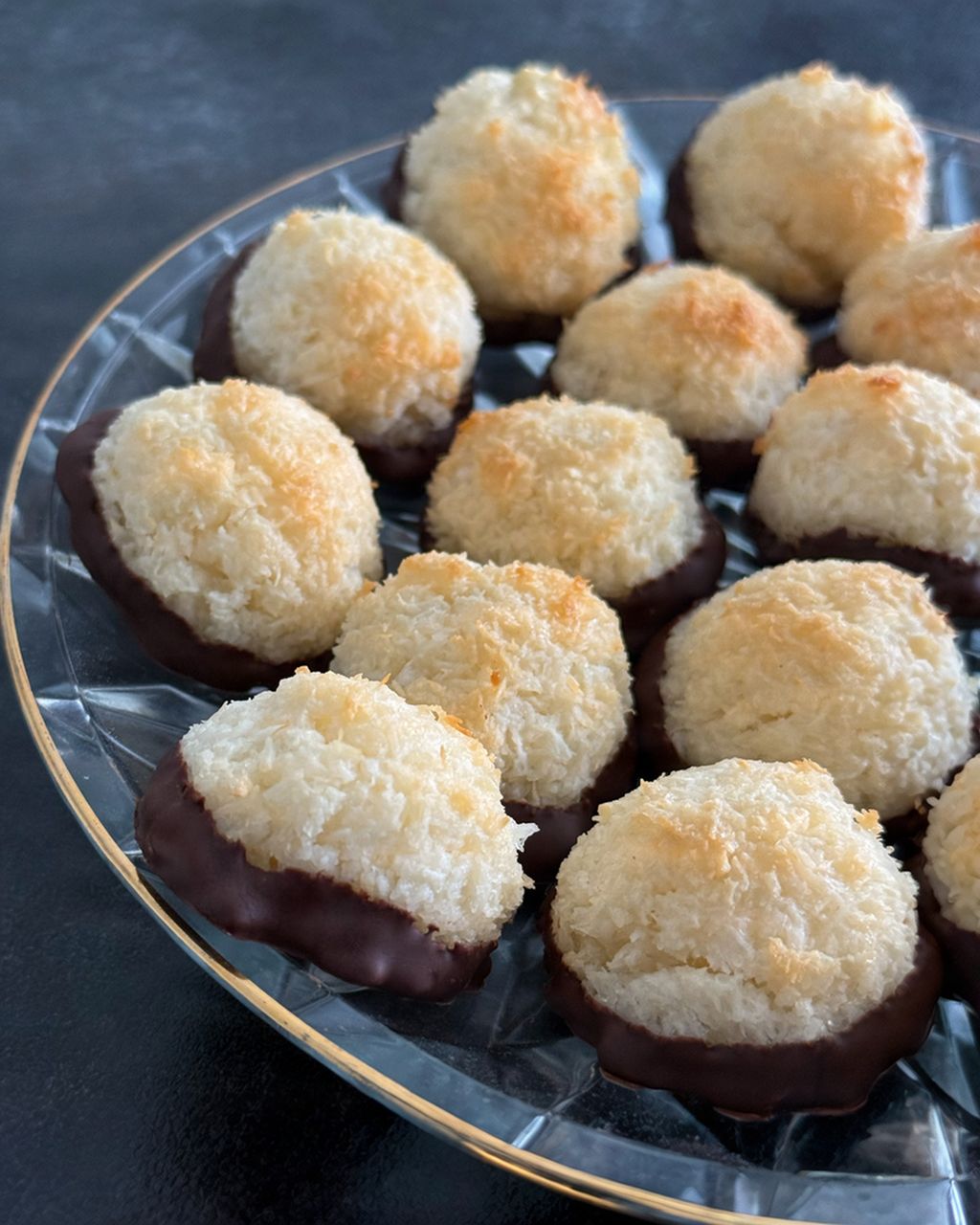
French coconut macaroons with honey and dark chocolate
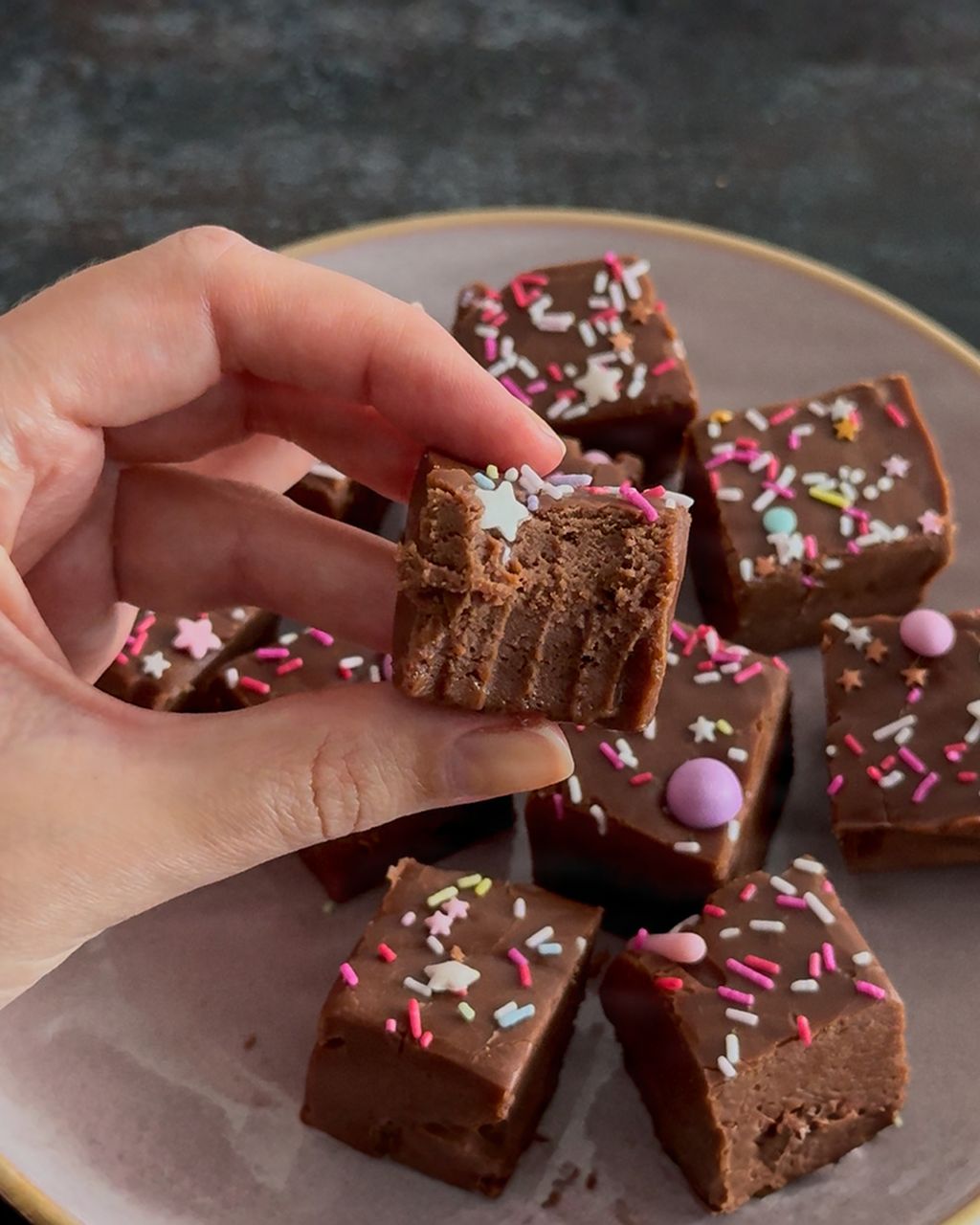
Dark chocolate fudge

Swiss grittibänz st. nicholas bread men with soft tangzhong dough

Chocolate linzer cookies with apricot jam and chocolate dip

Hazelnut linzer cookies with blackcurrant jam

Brown butter linzer cookies with tonka bean and blackcurrant
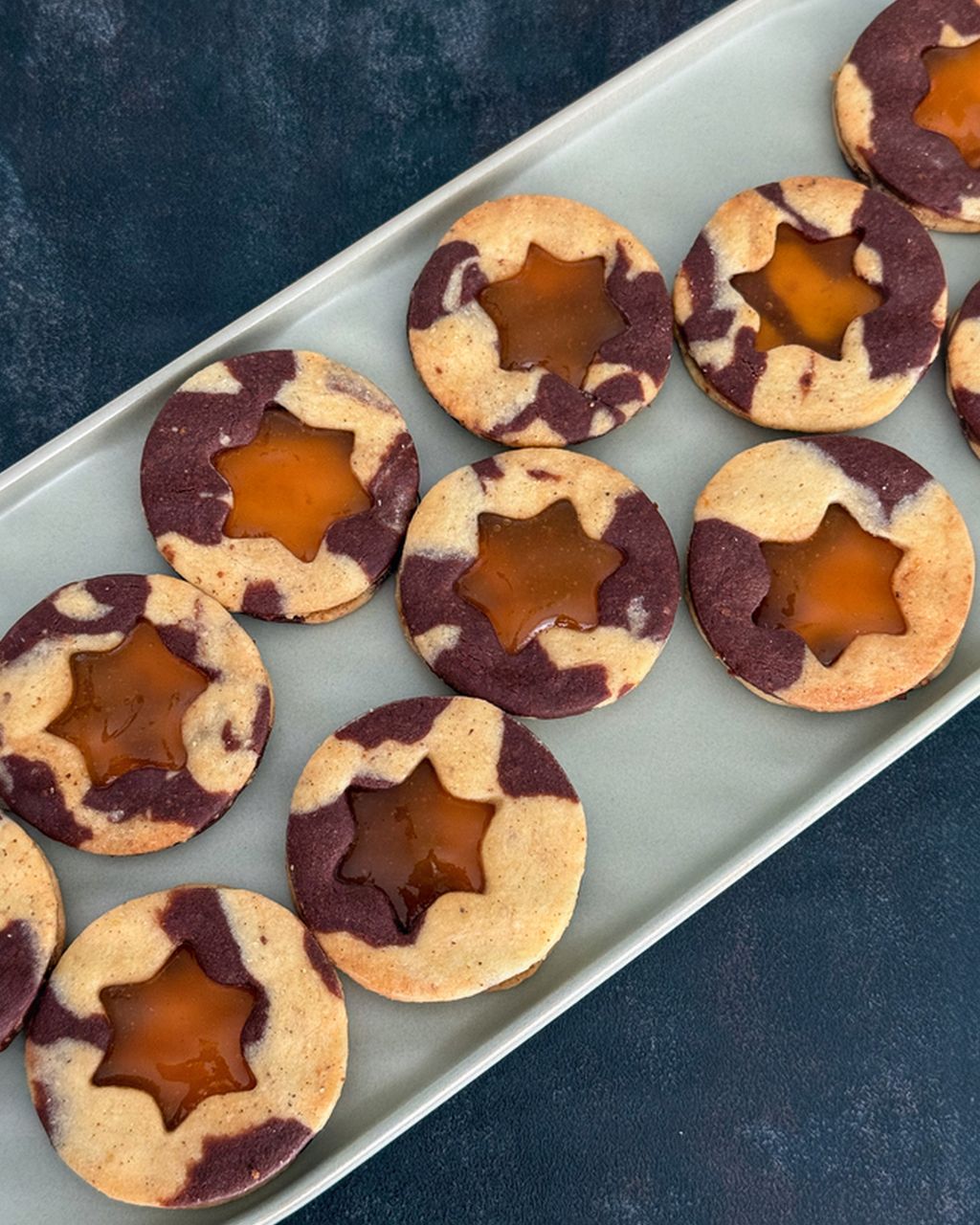
Marbled linzer cookies with vanilla and cocoa dough

Linzer cookies with salted caramel and flaky sea salt
Salt, chemically sodium chloride, is a crystalline mineral built from sodium and chloride ions and central to the articulation of flavor. Extracted from evaporated seawater, subterranean deposits, or saline springs, it occupies a unique position at the intersection of necessity and luxury, preserving food, heightening taste, and serving as a cultural symbol of purity, hospitality, and covenant.
The sensory experience of salt unfolds in stages. The attack is immediate and electric, a sharp saline clarity that awakens the palate. The mid-palate reveals texture and mineral character, ranging from clean and fleeting to dense and almost sweet, depending on origin and crystal structure. The finish may vanish swiftly, as with refined salts, or linger with subtle bitterness, chalk, or maritime brine in traditional and unrefined varieties.
Seasonal baking plans, tested recipes and kitchen tricks that save you time. Unsubscribe in one click.
4 min read
Salt expresses terroir with remarkable clarity, its character shaped by geology, climate, and human technique.
Harvested by hand from the surface of shallow salt ponds, particularly in Brittany and Portugal, this salt forms delicate, hollow crystals. Collected only under precise weather conditions, it delivers a gentle salinity with a moist, almost creamy mouthfeel and fleeting finish.
Drawn from the bottom of clay-lined ponds, this grey salt absorbs mineral notes from the earth. Its crystals are dense and irregular, offering a robust, lingering salinity ideal for cooking.
Mined from ancient seabeds in the Salt Range of Punjab, Pakistan, it owes its pink colour to traces of iron oxide; those trace minerals amount to well under two percent, so its appeal rests chiefly on colour and a firm crunch rather than on a flavour distinct from other coarse salts.
Developed for ritual meat preparation and sold mainly in North America; its coarse, additive-free crystals dissolve cleanly and provide excellent control. In Europe the closest equivalents are coarse non-iodised sea salt and flake salts such as Maldon. Flavour is neutral, emphasising salinity without overt mineral complexity.
Extracted from subterranean deposits, it varies widely in purity and is often refined. When unrefined, it can carry subtle sulfuric or metallic notes tied directly to its geological origin.
Salt’s history is inseparable from the history of civilization itself.
In Mesopotamia, Egypt, Greece, and Rome, salt was a strategic commodity. Roman soldiers drew a stipend called the salarium, a word formed from sal, salt; Pliny the Elder connected the two, but no ancient source records soldiers being paid in salt rather than coin, and the link remains disputed. Salt roads, such as the Via Salaria, structured imperial logistics and trade. It preserved fish and meat, enabling urban life and military campaigns.
Control of salt production and taxation enriched city-states and monarchies alike. Venetian dominance over Adriatic salt pans underwrote maritime power, while the French gabelle, a punitive salt tax, sowed social unrest that echoed into the Revolution. Salt moved along trans-Saharan caravans and Silk Road routes, and at the desert’s southern edge, far from the Saharan mines, it could fetch something close to its weight in gold — a peak price at the end of the chain rather than a standing rate of exchange.
Industrial refinement democratized access, stripping salt of scarcity but not significance. In the twentieth century, the iodisation of table salt was adopted as a public health measure across much of Europe, and iodised salt remains a principal dietary source of iodine today. Today, a renewed interest in artisanal salts reflects a broader cultural return to origin, craft, and sensory distinction.
Salt alters flavor perception by suppressing bitterness and enhancing sweetness and umami. Sodium ions act on taste receptors directly, while dissolved salt also reduces the solubility of volatile aroma compounds, driving more of them into the headspace above the food — the salting-out effect that makes a seasoned dish smell, as well as taste, more pronounced. In protein cookery, salt denatures muscle fibers, improving water retention and texture. In fermentation, it regulates microbial activity, selectively inhibiting spoilage organisms while permitting beneficial cultures.
Ethical salt sourcing centers on labor conditions and environmental stewardship. Traditional salt harvesting is physically demanding and often underpaid. Responsible producers ensure fair wages and maintain wetlands that support migratory birds and biodiversity. Consumers are encouraged to favor transparent supply chains and to recognize that artisanal salts reflect both human labor and fragile ecosystems.